 ranroswang@hksparkling.com
 +86 138 2341 8469



A Complete Guide to Excavator Hydraulic Fluid: Types, Viscosity, and Making the Right Choice
Hydraulic fluids are not universally interchangeable. Selecting the incorrect fluid for your excavator impacts more than just operational efficiency; it accelerates component degradation, invalidates warranties, and may result in total hydraulic system breakdown. This guide explores the various types of excavator hydraulic fluid, how to select the appropriate viscosity, and the warning indicators that it is time for a replacement.
- I. What Exactly is Hydraulic Fluid?
- II. The Role and Functions of Hydraulic Oil
- III. Categories of Excavator Hydraulic Fluid
- IV. Key Factors When Purchasing Hydraulic Fluid
- V. Understanding Hydraulic Oil Service Life
- VI. Identifying Deteriorated Excavator Hydraulic Fluid
- VII. Hydraulic Fluid Change Intervals
I. What Exactly is Hydraulic Fluid?
Excavator hydraulic oil is composed of base mineral oil mixed with specific additives, including organic silicon-based and ethylene glycol-based compounds. These additives boost lubrication and moisture control. The fluid is used to transmit pressure and drive hydraulic components such as cylinders and motors. It serves multiple roles: lubrication, heat dissipation, and sealing. The fluid is vital for normal operation, efficient performance, and the overall reliability of the hydraulic system.
II. The Role and Functions of Hydraulic Oil
As the working medium in the excavator's drive system, hydraulic oil powers the track motors for forward and reverse movement. It also facilitates 360-degree rotation via the swing motor. Furthermore, it actuates the boom, arm, and bucket through hydraulic cylinders linked to the main circuit.
Beyond power transmission, it lubricates the system, minimizing friction and wear among moving parts to prolong lifespan and boost efficiency. It forms seals to stop leaks and provides cushioning for smooth cylinder movements. It also absorbs and releases heat generated within the system, keeping temperatures within an optimal range to prevent overheating and damage to components. Now that we understand what hydraulic fluid is and its mechanics, let's explore the different types.
III. Categories of Excavator Hydraulic Fluid
Selecting the correct type of hydraulic fluid is essential for the reliable operation of excavators. Different fluids possess unique characteristics and benefits, offering lubrication, protection, and performance enhancements to ensure the hydraulic system runs efficiently.
· Mineral-Based Oil
This is the most prevalent type, derived from petroleum. It offers excellent machinery lubrication but is prone to oxidation and viscosity loss. It has the widest applicability, accounting for over 85% of total hydraulic oil usage, and provides enhanced rust, corrosion, and foam protection in humid conditions.
· Synthetic Oil
Engineered from synthetic chemicals, this oil has a longer lifespan and superior lubrication. It is ideal for machinery operating under extreme temperatures or high pressures. Downsides include higher costs, toxicity, and potential incompatibility with certain sealing materials.
· Water-Based Hydraulic Oil
This fluid uses water as the base instead of petroleum. It is typically used in high fire-risk environments. Due to the water base, it generally lacks good lubrication, corrosion inhibition, and sealing properties. Emulsions are added to improve performance. It is more expensive than petroleum-based fluids but cheaper than synthetic ones, though it can freeze or boil at extreme temperatures.
· Fire-Resistant Fluids
Specially formulated to prevent fires in extreme conditions, these fluids typically consist of water, ethylene glycol, and polyol esters. Their formulations resist ignition and provide higher safety.
· Biodegradable Hydraulic Oil (A Viable Mineral Oil Substitute)
Usually natural and non-toxic, these oils are environmentally friendly, with components derived from plants like soybean, rapeseed, and sunflower seeds. They offer a high viscosity index, excellent lubrication, oxidation resistance, rust prevention, and anti-wear properties.
IV. Key Factors When Purchasing Hydraulic Fluid
Beyond the type, several factors must be considered:
· Proper Viscosity
Viscosity refers to flow resistance or thickness and is heavily influenced by temperature. It increases as temperature drops and vice versa. Correct viscosity is vital for lubricating internal parts and maintaining effective thickness at low temperatures.
· Fluid Density
Density affects the mass and volume of liquid in the system, impacting working pressure and flow rate. Accurate density measurement is key for performance evaluation and maintenance. Higher density oils can suspend and remove contaminants, improving contamination control. Density typically ranges from 800 to 1000 kg/m³. Mineral oils usually range from 850 to 900 kg/m³, while synthetic density depends on composition and manufacturing.
· Anti-Wear Properties
Additives like phosphates, sulfides, and zinc compounds form a protective film on metal surfaces, reducing metal-to-metal contact and minimizing wear and friction.
· Thermal Stability
Hydraulic systems run hot. The oil must withstand high temperatures without degrading, oxidizing, or forming deposits. Poor stability compromises the oil, so look for good thermal stability.
V. Understanding Hydraulic Oil Service Life
Lifespan depends on time, operating temperature, oil quality, and working environment. Regular maintenance extends it. Best practice is to follow the manufacturer's manual intervals. Using high-quality oil under reasonable conditions with proper upkeep prolongs lifespan and improves reliability.
Hydraulic oil differs from motor vehicle engine oil in purpose, chemical makeup, and performance requirements. Hydraulic oil is used for power transmission, lubrication, noise reduction, and cooling in machinery. Engine oil contains additives to combat combustion contaminants, suited to engine environments. While some engine oils might lubricate basic hydraulic applications, they lack the comprehensive protection required by engines. Always select the appropriate oil based on application and equipment requirements for optimal performance.
VI. Identifying Deteriorated Excavator Hydraulic Fluid
To identify deterioration, consider these indicators:
· Visual Inspection
Take a sample from the hydraulic pump. A milky or cloudy look (yellowish milk) means water contamination and emulsification. Replace immediately.
· Tactile Evaluation
Rub the oil between your thumb and fingers. Good oil is smooth and frictionless. Large particles or loss of viscosity means it's time for a change.
· Filtration Test
Filter a sample through filter paper. Black residue and a pungent odor indicate oxidation and deterioration.
· Sediment Analysis
Check sediment from the tank bottom. Significant asphalt and gel-like sediment with high adhesion means the oil has oxidized and degraded.
VII. Hydraulic Fluid Change Intervals
Knowing when to replace fluid is as crucial as choosing the right type. Major manufacturers (Caterpillar, Komatsu, Hitachi) recommend every 2,000 hours under normal conditions, or 1,000 hours in severe or dusty environments. Always consult the operator's manual. If you notice deterioration signs, change it immediately. Watch for:
-
· Darkened oil, burnt odor, or visible contamination
-
· Milky appearance from water contamination
-
· Sluggish response, overheating, or unusual noise

CAT Excavator Bucket Size Chart: Your Ultimate Guide to the Perfect Fit

Smart Excavators 2026: 15 Game‑Changing Technologies
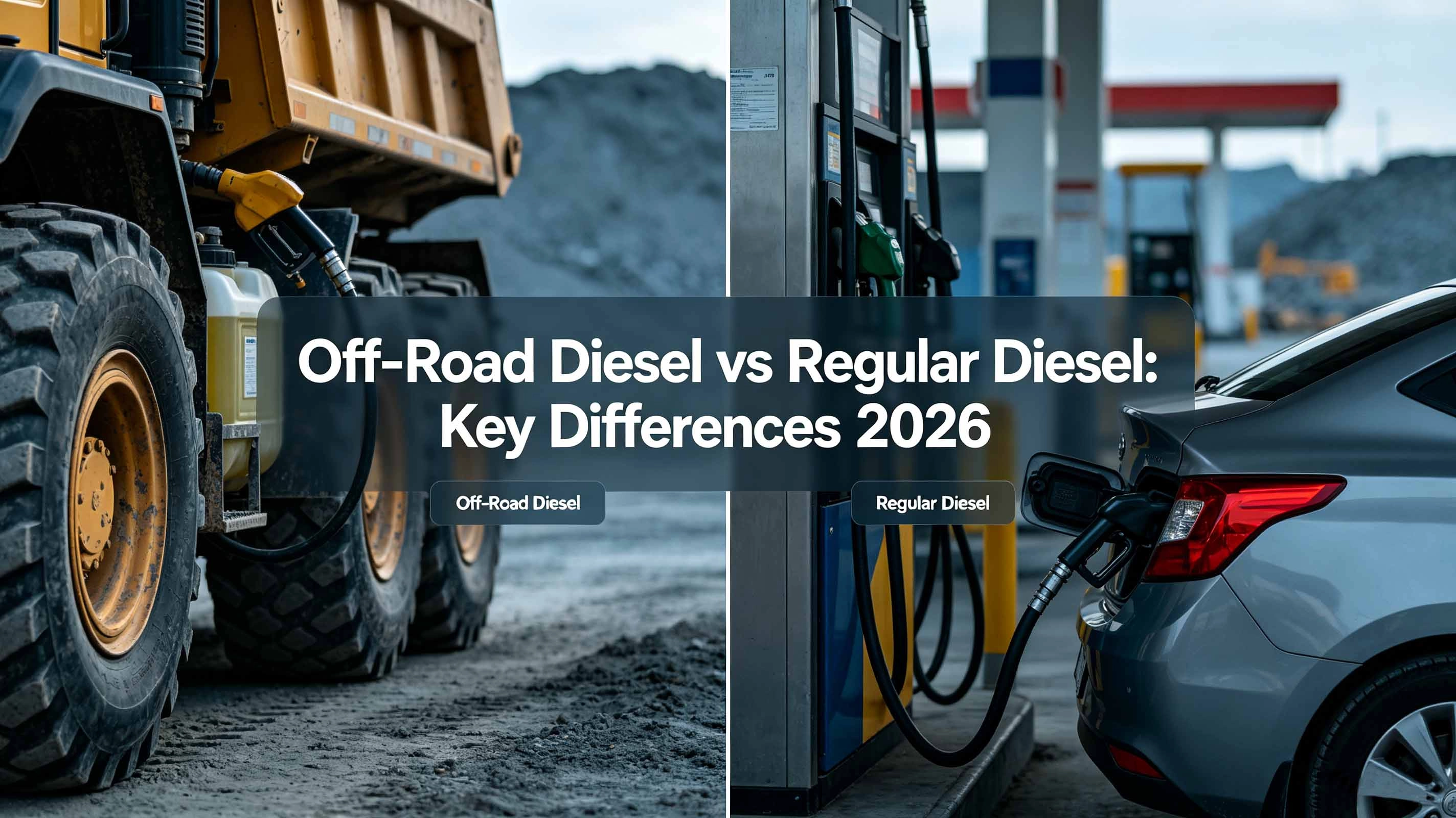
Off-Road Diesel vs Regular Diesel: Key Differences 2026

Engine Knocking Explained: Causes, Symptoms, and Repair Options (2026)

2026 Construction: Six Trends That Are Reshaping the Industry
faq
What types of excavator parts do you manufacture?
We manufacture a wide range of excavator parts, including hydraulic components, undercarriage parts, engine parts, wear parts, and more. Our products are designed to fit a variety of excavator models and are built to meet the highest quality standards.
How do you ensure the quality of your parts?
We follow strict quality control procedures throughout the manufacturing process. Our parts are tested for durability, performance, and precision to ensure they meet industry standards and exceed customer expectations.
Can I get technical support for installing your parts?
Absolutely. We provide technical support and guidance for the installation and maintenance of our parts. Our team is available to assist you with any questions or concerns to ensure proper installation and optimal performance.
What is the lead time for receiving excavator parts?
Our typical lead time depends on the complexity and quantity of the order. For standard parts, delivery usually takes between 7 to 14 days. For custom orders, the lead time may vary, but we always strive to ensure timely delivery.
Do you offer customized parts?
-
Yes, we offer tailored solutions to meet specific customer requirements. Whether you need custom dimensions or specialized features, we can design and produce parts that perfectly match your excavator’s needs.
-
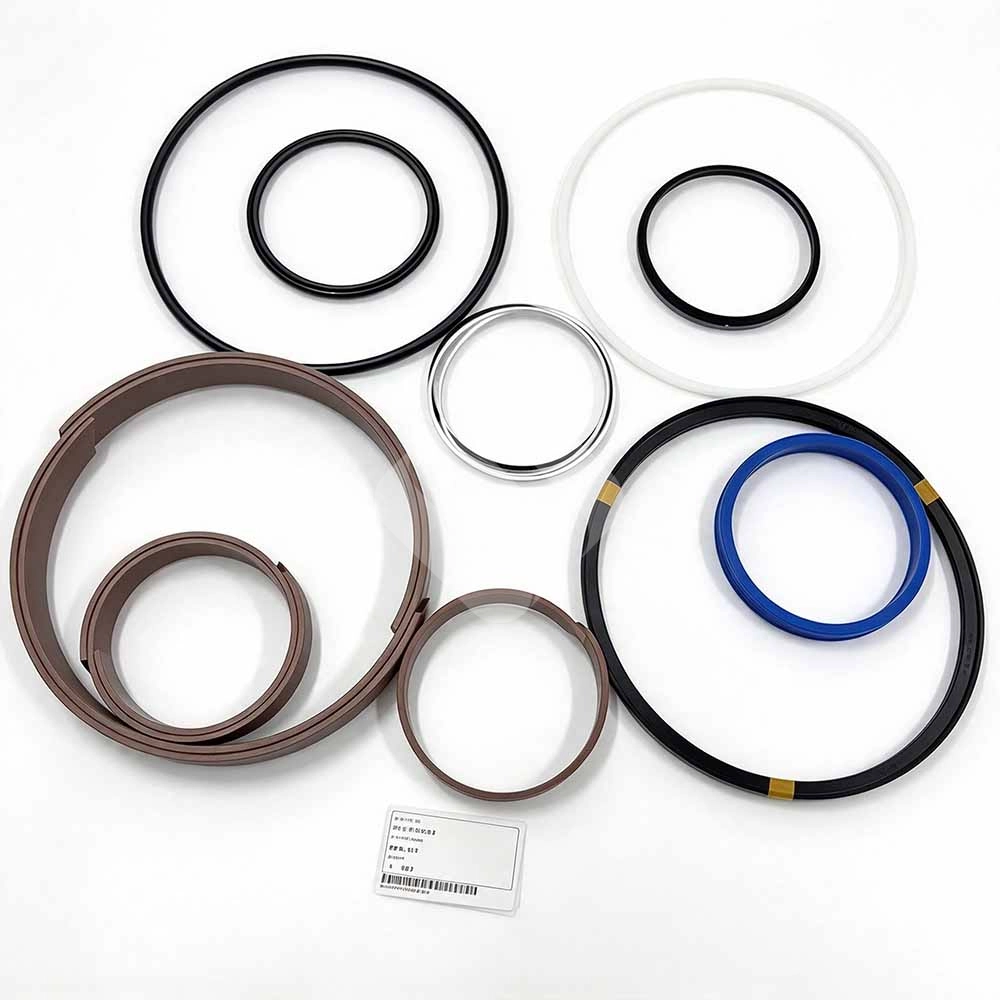
VOE11707027 Hydraulic Cylinder Seal Kit for Volvo L220D, L220E, L220F
VOE11707027 Hydraulic Cylinder Seal Kit for Volvo L220D, L220E, L220F
07155-01845 Hydraulic Cylinder Wear Ring for Komatsu D155A-6, D155AX-6
07155-01845 Hydraulic Cylinder Wear Ring for Komatsu D155A-6, D155AX-6
07155-02045 Hydraulic Cylinder Wear Ring for Komatsu D375A-2, D375A-3, D375A-5
07155-02045 Hydraulic Cylinder Wear Ring for Komatsu D375A-2, D375A-3, D375A-5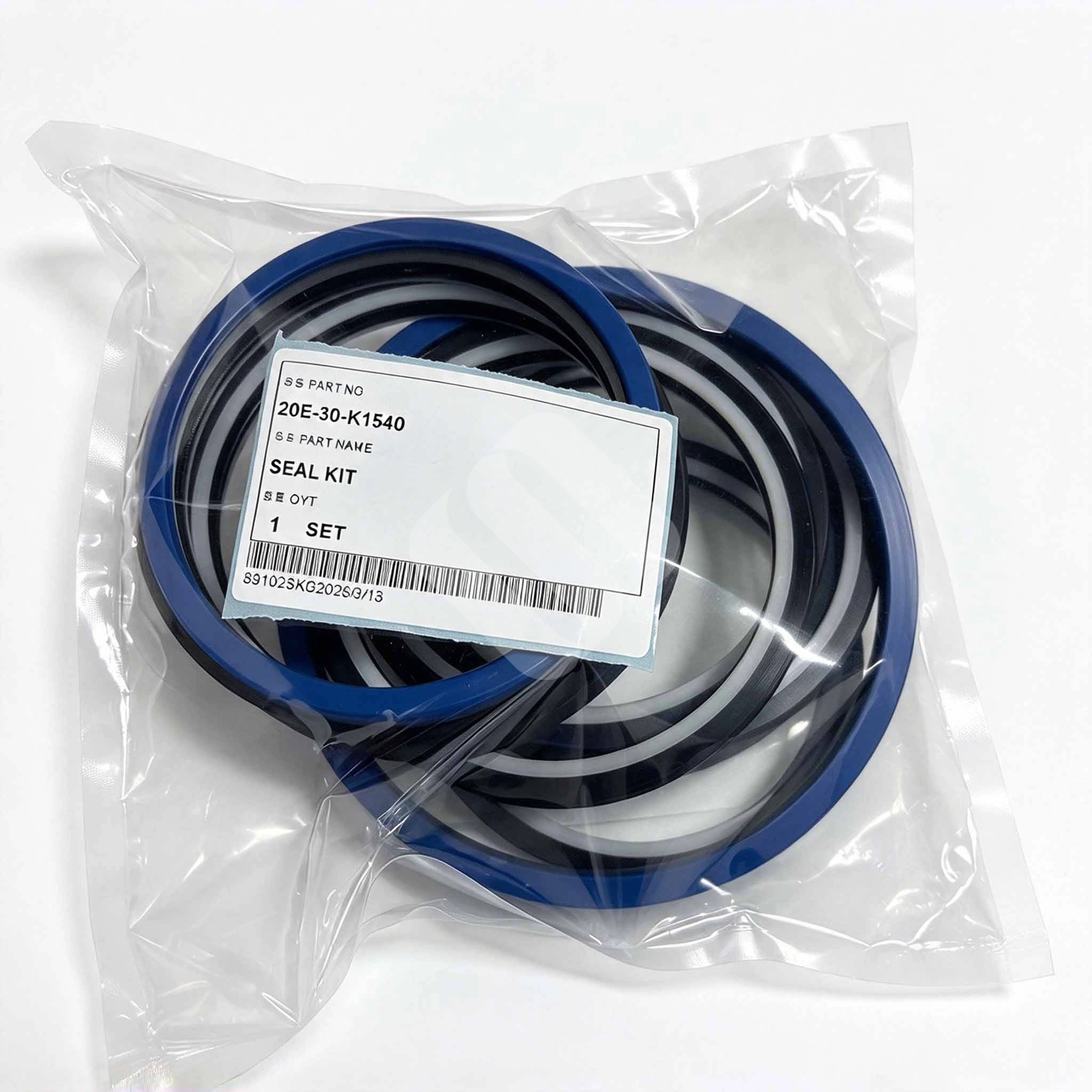
20E-30-K1540 Seal Kit for Komatsu PW130-7K, PW130-6K, PW130ES-6K
20E-30-K1540 Seal Kit for Komatsu PW130-7K, PW130-6K, PW130ES-6K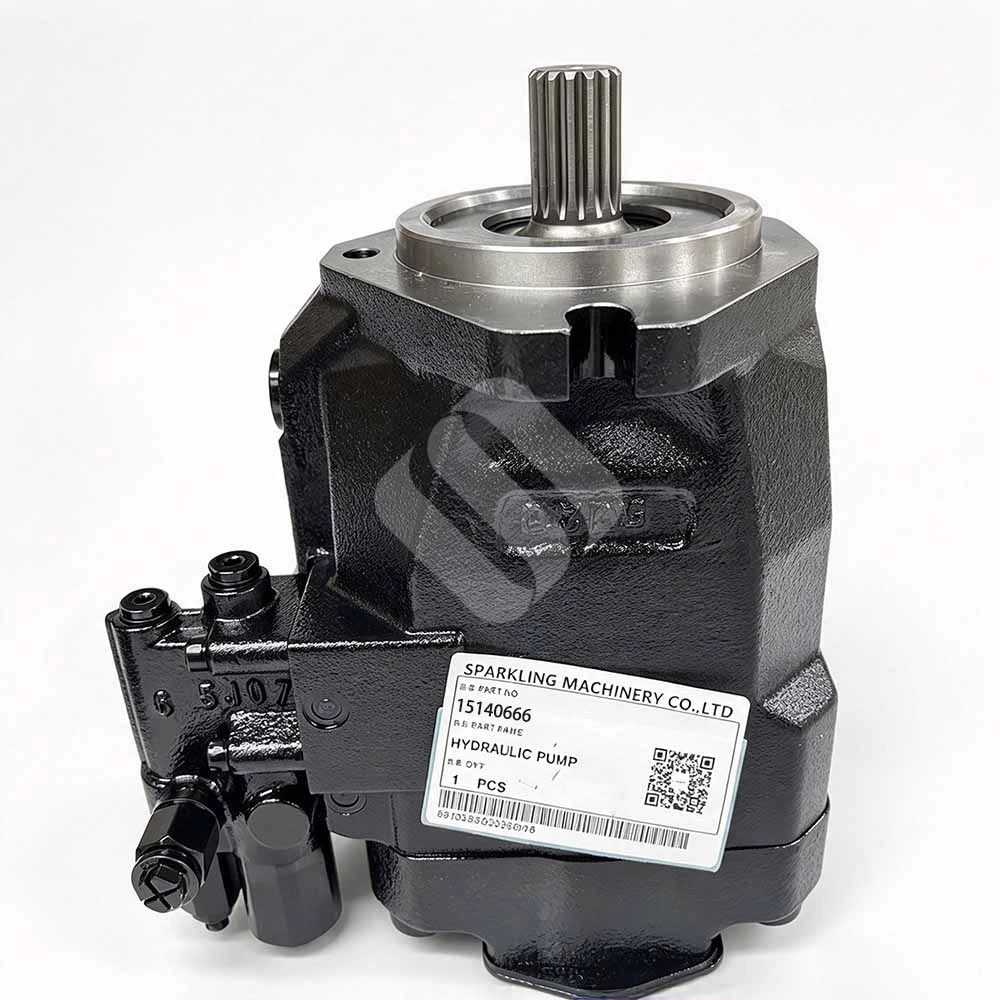
15140666 Main Hydraulic Pump for Volvo Haulers A25F, A30F, A25G, A30G
15140666 Main Hydraulic Pump for Volvo Haulers A25F, A30F, A25G, A30G
14652324 Handle Key for Volvo Excavators EC120D, EC300D, EC480D
14652324 Handle Key for Volvo Excavators EC120D, EC300D, EC480D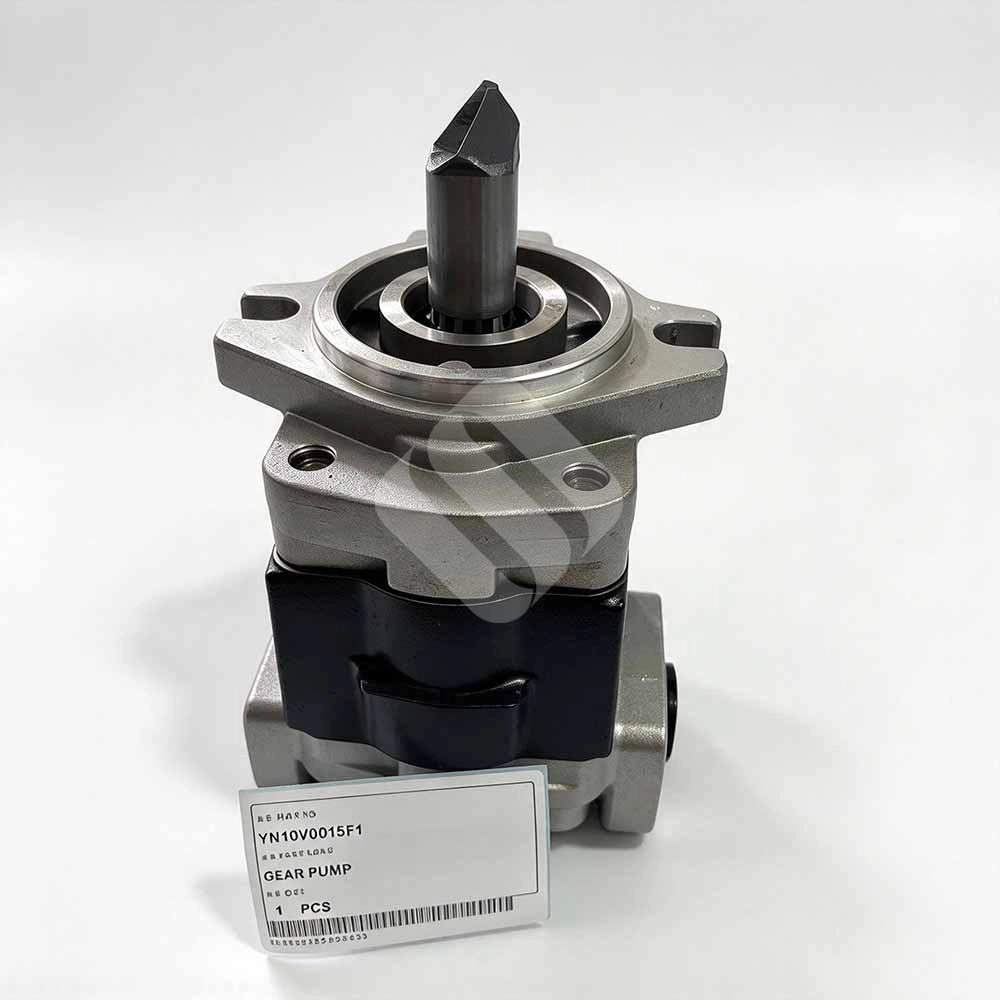
YN10V00015F1 Hydraulic Gear Pump for Kobelco SK235SR & SK235SR-2
YN10V00015F1 Hydraulic Gear Pump for Kobelco SK235SR & SK235SR-2
14370894 Pressure Switch for Volvo EC140B, EC210B, EC240B
14370894 Pressure Switch for Volvo EC140B, EC210B, EC240B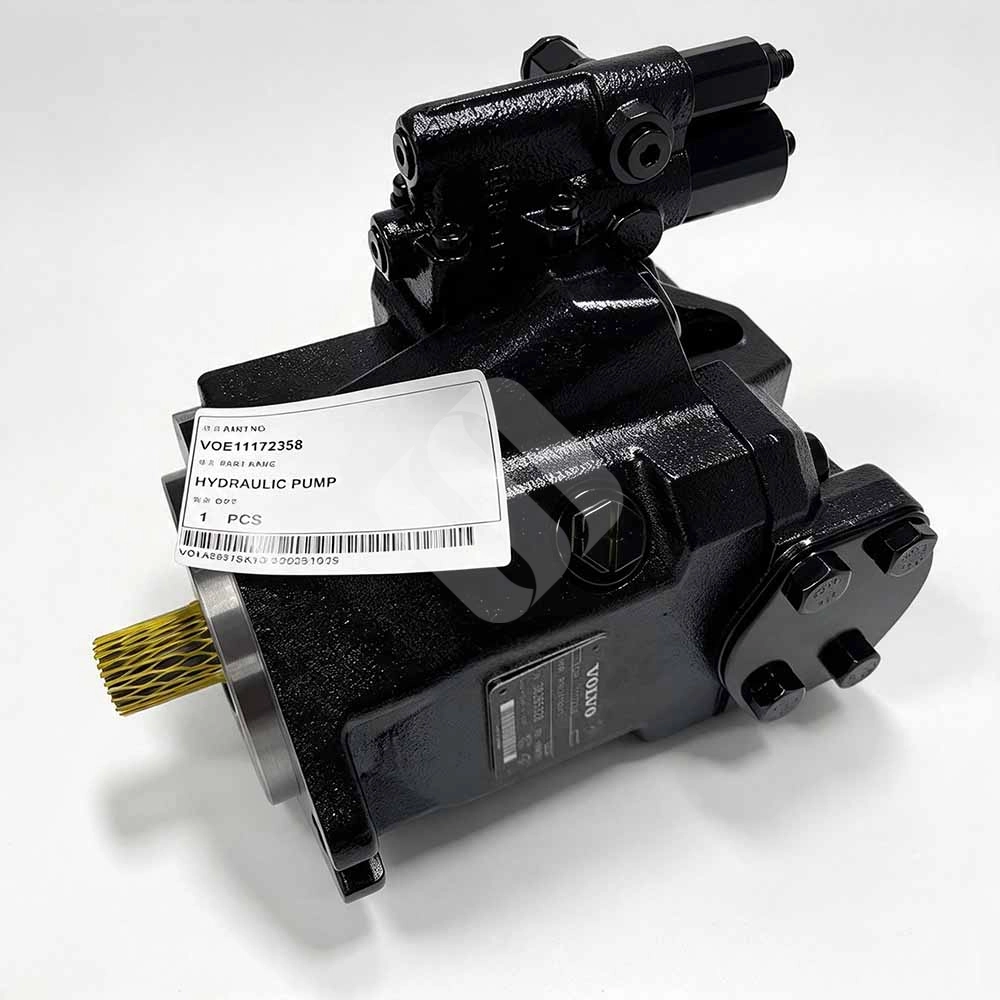
VOE11172358 11172358 Hydraulic Pump for Volvo Wheel Loader L60E L70E L90E L110E L60F L70F L90F L120F
VOE11172358 11172358 Hydraulic Pump for Volvo Wheel Loader L60E L70E L90E L110E L60F L70F L90F L120F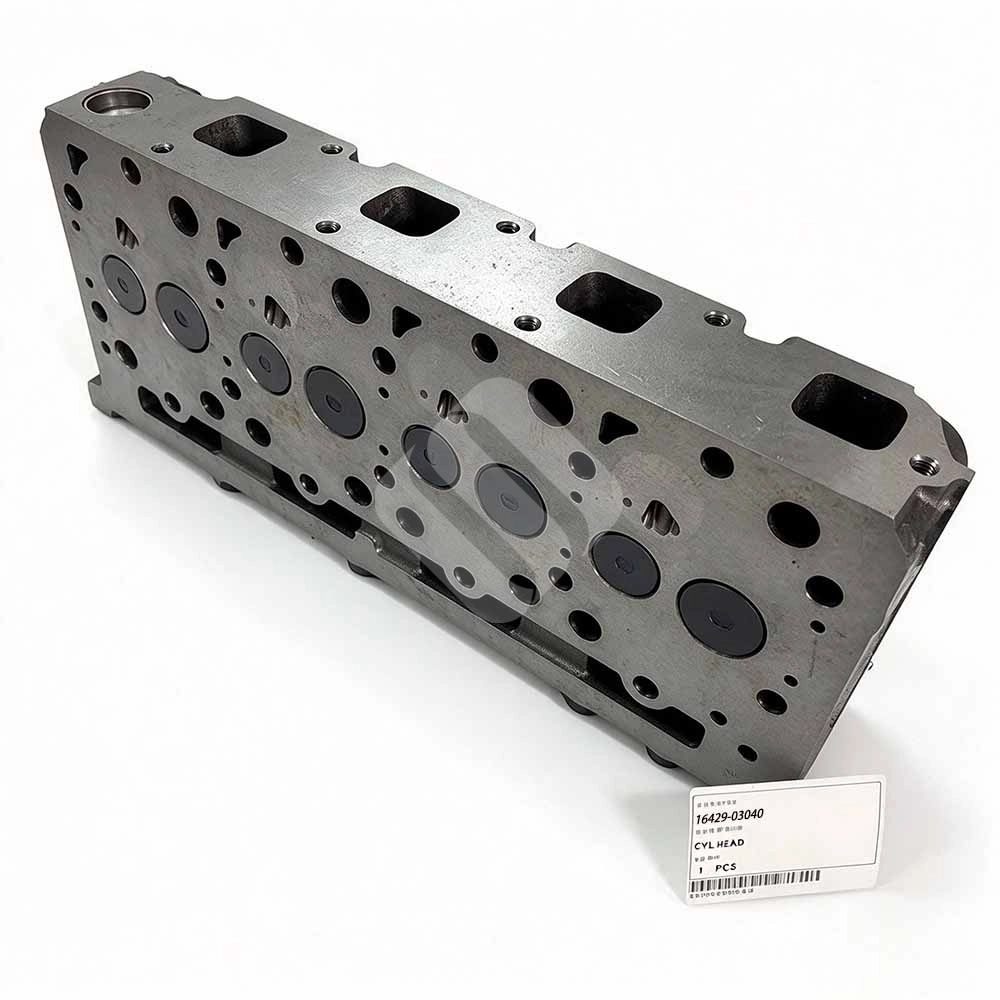
16429-03040 Engine Cylinder Head for Kubota Excavator KX121-3 KX161-3 U45
16429-03040 Engine Cylinder Head for Kubota Excavator KX121-3 KX161-3 U45Get in touch
We are committed to producing the highest quality products at the most competitive prices. Therefore, we sincerely invite all interested companies to contact us for more information.

Contact us
Email: ranroswang@hksparkling.com
Wechat: +86 136 0901 0879
Skype: foreverlucia1
WhatsApp: +86 136 0901 0879
Address: No. 514-515, Hulin Road, Tianhe District, Guangzhou, China.
Sparkling Machinery Co.,Ltd
sparkling_machinery
Whatsapp: +8613609010879