 ranroswang@hksparkling.com
 +86 138 2341 8469



CAT Excavator Bucket Size Chart: Your Ultimate Guide to the Perfect Fit
Choosing the right bucket for your CAT excavator can feel like a puzzle. You need a bucket that not only fits your machine perfectly but also matches the demands of your job site.
A CAT excavator bucket size chart is your secret weapon here. It answers the most critical question fast: Which bucket actually fits my machine?
The right match depends on several factors beyond just width, including linkage family, pin size, face spread, and capacity. If you only check the width, you risk ordering the wrong bucket—leading to downtime and lost profits. Let’s break down exactly how to measure, choose, and avoid the most common fitment mistakes.
- I. CAT Excavator Bucket Size Chart: Linkage Sizes and Fitment Dimensions
- II. How to read the fitment chart?
- III. Typical CAT Excavator Bucket Sizes by Machine Class
- Size Ranges by Machine Family
- IV. How to Choose the Right CAT Excavator Bucket Size for the Job?
- 1.General duty
- 2.Heavy duty
- 3.Severe duty
- 4.Extreme duty
- 5.Cleanup and ditch cleaning
- V. Common Bucket Selection Mistakes and How to Avoid Them
- 1.Choosing by width alone
- 2.Assuming similar machine size means direct fit
- 3.Ignoring bucket weight
- 4.Choosing the wrong duty class
- 5.Overlooking wear parts
- 6.Skipping a pre-order check
- VI. Final Words
I. CAT Excavator Bucket Size Chart: Linkage Sizes and Fitment Dimensions
For most bucket purchases, the first step is to confirm the mounting pattern. If the linkage family or pin geometry is incorrect, the bucket will not fit properly even when the width appears right.
Below is a simplified CAT excavator bucket size chart based on common CAT linkage families and fitment dimensions.
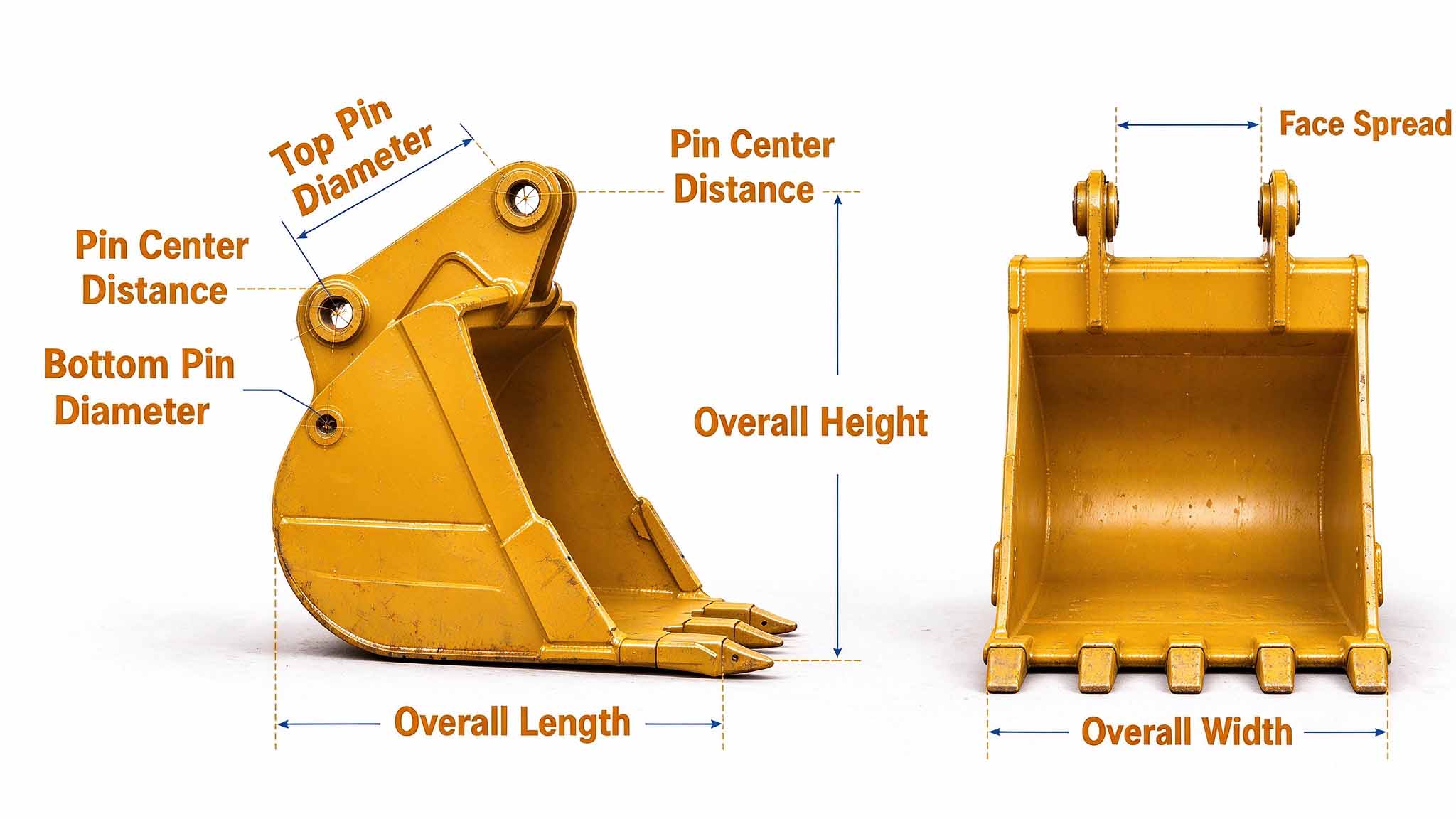
| Linkage Family | Stick Pin Dia. | Link Pin Dia. | Face Spread | Pin Spread |
|---|---|---|---|---|
| 312 and A | 65 mm | 65 mm | 221 mm | 407 mm |
| 315 and 316 | 70 mm | 70 mm | 281 mm | 463 mm |
| B | 80 mm | 80 mm | 311 mm | 445 or 485 mm |
| CB | 90 mm | 90 mm | 351 mm | 485 or 512 mm |
| DB | 100 mm | 90 mm | 385 mm | 500 or 528 mm |
| TB | 110 mm | 100 mm | 441 mm | 587 mm |
This table is the foundation of bucket fitment. A bucket must match these mounting dimensions before width or capacity becomes relevant.
II. How to read the fitment chart?
To make the chart easier to use, here are the key fitment terms:
-
Stick pin diameter: diameter of the main pin at the stick
-
Link pin diameter: diameter of the pin on the linkage side
-
Face spread: inside width between the bucket ears
-
Pin spread: center-to-center distance between the two pins
If any of these values is wrong, the bucket may fail to mount, may sit at an incorrect angle, or may create excess play at the connection points. That is why a CAT excavator bucket size chart should be used as a fitment chart first and a width chart second.
A quick example shows why this matters. Two buckets may both be 72 inches wide, but one can be built for a DB-family machine and the other for a TB-family machine. The visible working width is the same, while the pin diameters, ear spacing, and pin centers are not. That difference determines whether the bucket fits.
Coupler style also matters at this stage. A bucket may be listed as:
-
· Pin-on
-
· Pin Grabber
-
· Pin Lock coupler
-
· Dedicated coupler
-
· CW dedicated coupler
Even when the basic dimensions are close, the wrong coupler style can affect bucket rotation, working angle, and usable geometry. For machines already showing looseness at the nose, it is also worth checking bucket pins, bushings, retainers, and linkage bearings before installing another bucket.
Use the chart in this order:
-
1. Confirm the excavator model and linkage family
-
2. Check the stick pin diameter and the link pin diameter
-
3. Check face spread and pin spread
-
4. Confirm pin-on or coupler style
-
5. Compare bucket width, capacity, and duty class
That order prevents the most expensive mistake in bucket buying: choosing by width first.
III. Typical CAT Excavator Bucket Sizes by Machine Class
Once fitment is confirmed, the next question is bucket size. Width, capacity, and bucket weight usually increase with machine class, but they do not increase at the same rate. That is why comparing only width gives an incomplete picture.
The table below provides a practical field reference for common CAT excavator bucket sizes by machine family.
| Machine or Family | Common Bucket Widths | Typical Capacity Range | Typical Use |
|---|---|---|---|
| 312 Family | 18 to 60 in | 0.20 to 1.33 m³ | light digging, trenching, cleanup |
| 315 and 316 Family | 24 to 79 in | 0.33 to 1.62 m³ | utility work, site prep, grading |
| B Family | 24 to 79 in | 0.46 to 2.09 m³ | general excavation, ditching |
| DB Family | 30 to 72 in | 0.73 to 3.24 m³ | production digging, cleanup |
| TB Family | 30 to 80 in | 0.95 to 5.00 m³ | heavy digging, mass excavation |
These ranges answer the size question in broad terms:
-
· Smaller CAT families usually run narrower buckets with lower capacity for trenching, utility work, and light excavation.
-
· Mid-size families support a wider spread of digging and cleanup bucket widths.
-
· Large families can carry a much higher volume, but bucket weight becomes a more important limit.
Size Ranges by Machine Family
For 312 family machines, general-duty digging buckets commonly fall between 18 and 48 inches, with cleanup options going wider. Capacity often starts around 0.20 m³ and can reach roughly 1.00 m³ depending on the bucket type.
For 315 and 316 family machines, common digging widths often run from 24 to 48 inches, while cleanup and tilt ditch cleaning buckets can extend to 79 inches. That makes these machines flexible for trenching, grading, and general utility work.
For B, CB, DB, and TB families, the range expands significantly. Common examples include:
-
· B family heavy-duty buckets from 24 to 54 inches
-
· CB family heavy-duty buckets from 24 to 66 inches
-
· DB family heavy-duty buckets from 30 to 72 inches
-
· TB family general-duty buckets from 30 to 80 inches
The key point is that bucket size is a combination of width, capacity, and weight, not width alone. A wider bucket may move more loose material, but it may also reduce breakout performance or slow cycle times if the material is dense or compacted.
IV. How to Choose the Right CAT Excavator Bucket Size for the Job?
After fitment and size range are confirmed, the next decision is the application. The same machine can use very different buckets depending on whether the work is trenching, site cleanup, grading, or production digging.
The most useful way to narrow down the right size is to match the bucket to both material type and duty class.
1.General duty
General-duty buckets are commonly used for:
-
· lighter soils
-
· topsoil
-
· common trenching
-
· site cleanup
-
· mixed daily work
These buckets are a practical choice when versatility matters more than maximum wear resistance. On smaller and mid-size machines, they are often the default option for everyday work.
2.Heavy duty
Heavy-duty buckets are commonly used for:
-
· compacted soil
-
· mixed fill
-
· tougher excavation
-
· repetitive contractor work
For many operators, this is the most balanced category. It provides stronger structure and wear protection than general duty without the full added mass of more aggressive bucket classes.
3.Severe duty
Severe-duty buckets are designed for:
-
· abrasive material
-
· broken rock
-
· repeated wear conditions
-
· harder ground
They add more reinforcement and wear material, but they also add weight. That added weight can be useful in harsh conditions and unnecessary in lighter soil.
4.Extreme duty
Extreme-duty buckets are intended for:
-
· very abrasive rock
-
· demolition debris
-
· the harshest digging environments
This is not automatically the best option just because it is the strongest. If the job does not demand it, extra bucket weight can work against cycle speed, machine balance, and fuel efficiency.
5.Cleanup and ditch cleaning
Cleanup and ditch cleaning buckets are wider and better suited for:
-
· final grading
-
· slope shaping
-
· ditch profiling
-
· loose material handling
These buckets are designed for finish work rather than penetration. A cleanup bucket may be much wider than a digging bucket on the same machine, but that does not make it interchangeable for all applications.
For many machines, the real bucket package also includes a wear setup. Teeth, adapters, retainers, side cutters, grading edges, and bolt-on cutting edges all affect how the bucket performs in the field and how much it costs to maintain. The bucket cylinder is another key component—it controls the curl and dump action of the bucket during every cycle.
V. Common Bucket Selection Mistakes and How to Avoid Them
Most ordering problems come from a small number of repeated mistakes. Avoiding them saves money, reduces downtime, and improves the chance of getting a bucket that performs properly from the start.
1.Choosing by width alone
This is the most common mistake. A 72-inch bucket only tells you the cutting width. It does not identify linkage family, pin dimensions, coupler style, or bucket class. Two buckets with the same width may fit completely different machines.
2.Assuming similar machine size means direct fit
Two excavators in the same ton class may still use different pin diameters, ear spacing, or pin centers. Even within one brand, fitment can vary by model family and series.
3.Ignoring bucket weight
Capacity is useful only when the machine can handle the bucket efficiently. If the bucket is too large or too heavy, the result can be:
-
· slower cycle speed
-
· reduced penetration
-
· less stable machine feel
-
· more front-end wear
This matters more for larger families, where a high-capacity bucket can add significant front-end mass.
4.Choosing the wrong duty class
A bucket that is too light for the material wears faster. A bucket that is heavier than necessary may reduce efficiency without adding real value. The right choice depends on actual material conditions, not the assumption that stronger is always better.
5.Overlooking wear parts
A bucket is not only a shell. Worn pins, bushings, teeth, side cutters, and cutting edges can affect fit, digging performance, and operating cost. A new bucket may still feel loose or perform poorly if these related parts are already worn. Checking the condition of these excavator bucket parts before installing a new bucket helps avoid performance issues.
6.Skipping a pre-order check
Before ordering a bucket, confirm:
-
· machine model and serial range
-
· linkage family
-
· pin-on or coupler type
-
· stick pin diameter
-
· link pin diameter
-
· face spread
-
· pin spread
-
· bucket width
-
· capacity
-
· duty class
-
· tooth and edge setup
-
· intended job type
This process takes a few minutes, but it prevents many of the most expensive fitment mistakes.
VI. Final Words
The best CAT excavator bucket size chart is the one that helps you choose the right fit before ordering. Start with linkage, then pins, then width, then duty class. If replacement wear parts are also needed, Sparkling Machinery offers aftermarket parts with affordable pricing, broad compatibility, and a large inventory for many heavy equipment brands.
A Complete Guide to Excavator Hydraulic Fluid: Types, Viscosity, and Making the Right Choice
Smart Excavators 2026: 15 Game‑Changing Technologies
Off-Road Diesel vs Regular Diesel: Key Differences 2026
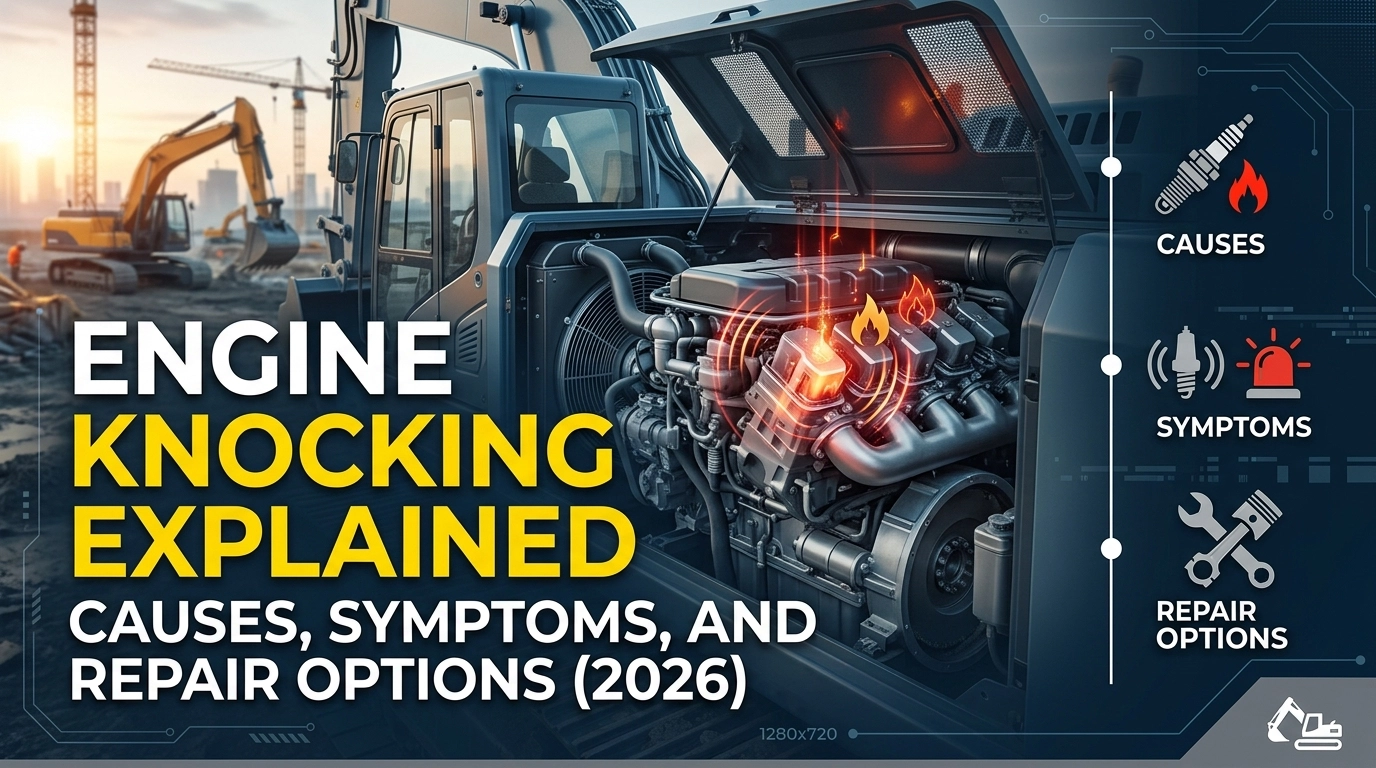
Engine Knocking Explained: Causes, Symptoms, and Repair Options (2026)

2026 Construction: Six Trends That Are Reshaping the Industry
How do you ensure the quality of your parts?
We follow strict quality control procedures throughout the manufacturing process. Our parts are tested for durability, performance, and precision to ensure they meet industry standards and exceed customer expectations.
Can I get technical support for installing your parts?
Absolutely. We provide technical support and guidance for the installation and maintenance of our parts. Our team is available to assist you with any questions or concerns to ensure proper installation and optimal performance.
What is the lead time for receiving excavator parts?
Our typical lead time depends on the complexity and quantity of the order. For standard parts, delivery usually takes between 7 to 14 days. For custom orders, the lead time may vary, but we always strive to ensure timely delivery.
What types of excavator parts do you manufacture?
We manufacture a wide range of excavator parts, including hydraulic components, undercarriage parts, engine parts, wear parts, and more. Our products are designed to fit a variety of excavator models and are built to meet the highest quality standards.
Are your products covered by a warranty?
-
Yes, all of our excavator parts come with a warranty to ensure quality and reliability. The warranty period may vary depending on the type of part. Please contact us for detailed warranty terms for specific products.
-
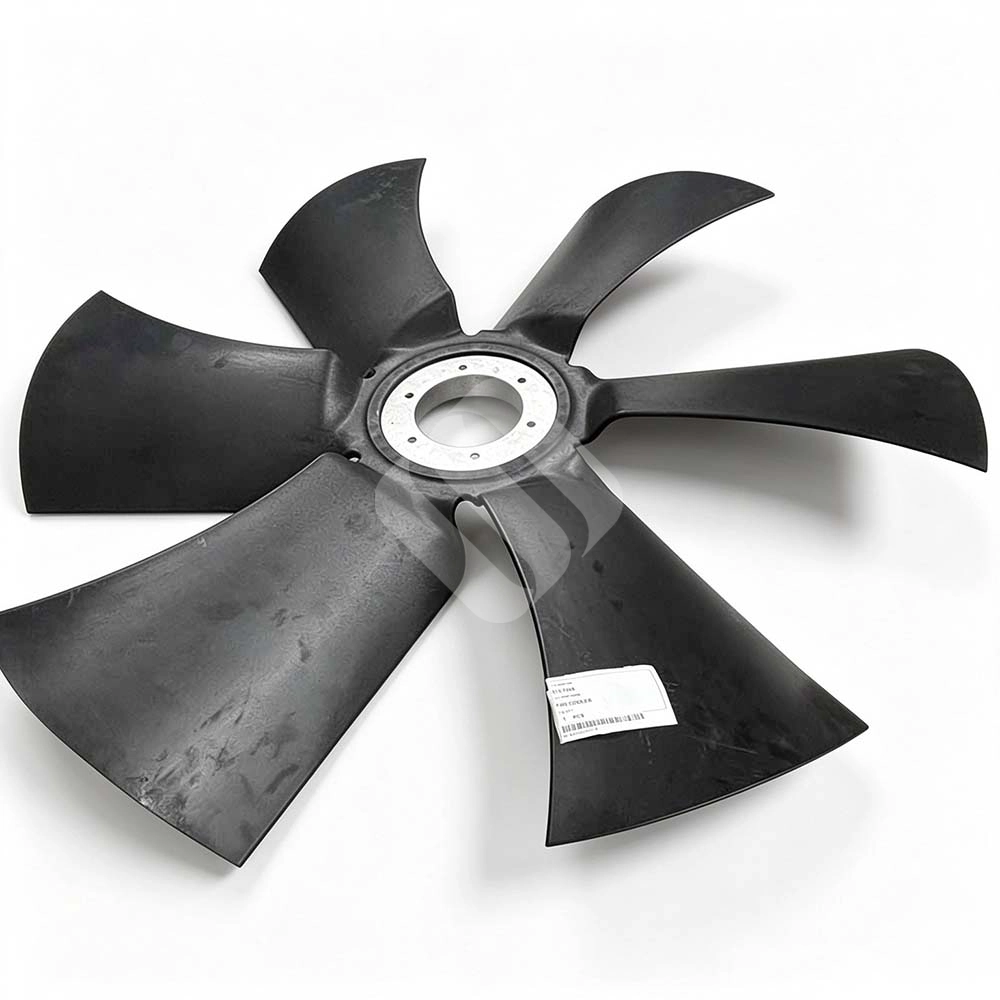
CAT 511-7558 / 5117558 Heavy-Duty Radiator Engine & Hydraulic Cooler Fan Blade Assembly
CAT 511-7558 / 5117558 Heavy-Duty Radiator Engine & Hydraulic Cooler Fan Blade Assembly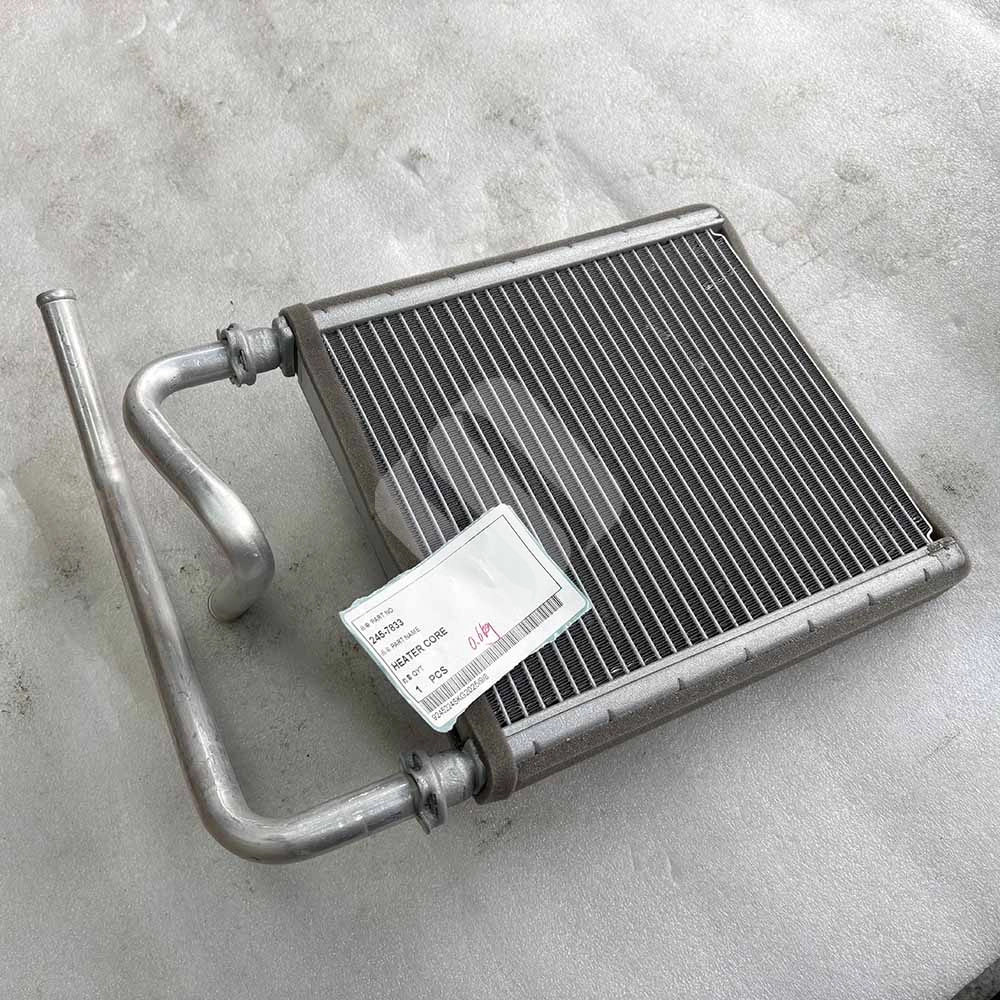
Caterpillar HIGH-QUALITY EXCAVATOR PARTS MADE IN CHINA NEW 307D 312D 313D 319D 320D 245-7833 HEATER CORE SPARKLING MACHINERY
Caterpillar HIGH-QUALITY EXCAVATOR PARTS MADE IN CHINA NEW 307D 312D 313D 319D 320D 245-7833 HEATER CORE SPARKLING MACHINERY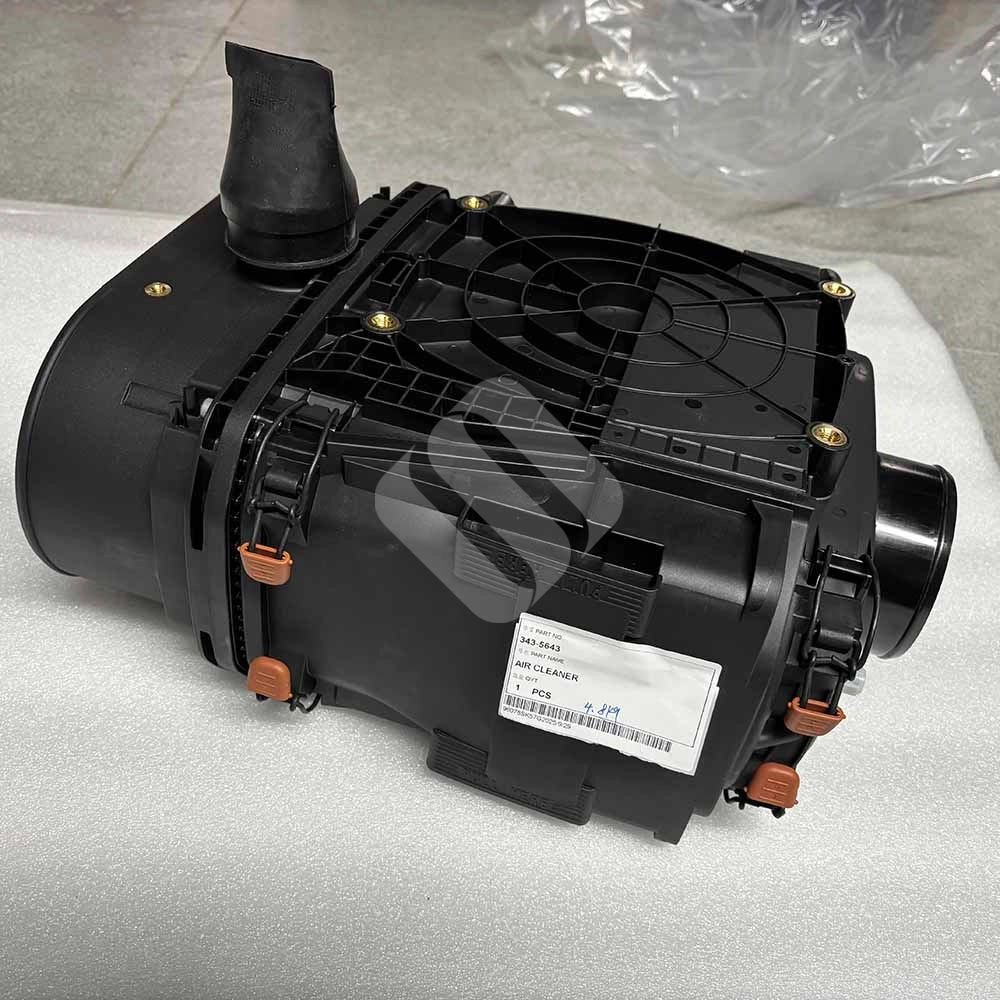
Caterpillar HIGH-QUALITY EXCAVATOR PARTS MADE IN CHINA NEW 416F 420F 422F 428F 430F 343-5643 AIR CLEANER SPARKLING MACHINERY
Caterpillar HIGH-QUALITY EXCAVATOR PARTS MADE IN CHINA NEW 416F 420F 422F 428F 430F 343-5643 AIR CLEANER SPARKLING MACHINERY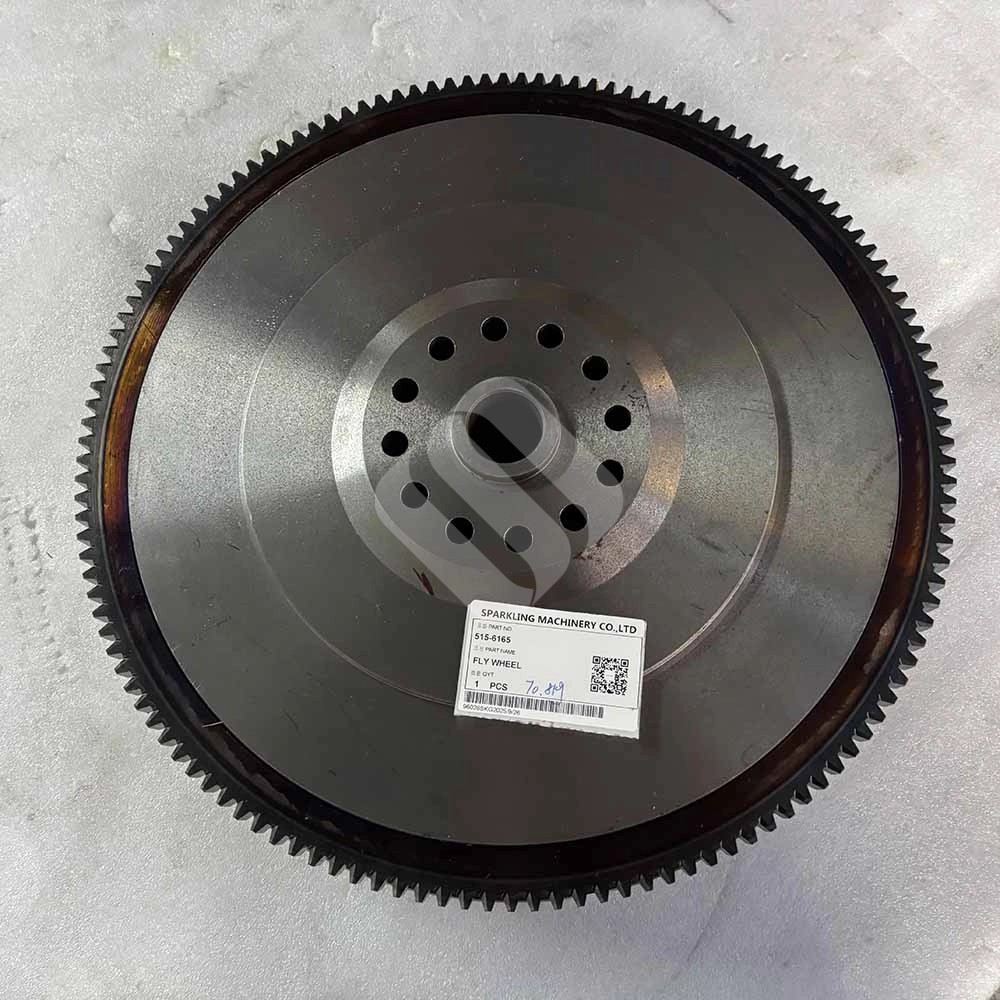
Caterpillar HIGH-QUALITY EXCAVATOR PARTS MADE IN CHINA NEW 336 330 515-6165 FLY WHEEL SPARKLING MACHINERY
Caterpillar HIGH-QUALITY EXCAVATOR PARTS MADE IN CHINA NEW 336 330 515-6165 FLY WHEEL SPARKLING MACHINERY
Caterpillar HIGH-QUALITY EXCAVATOR PARTS MADE IN CHINA NEW 330D 336D 245-9359 RADIATOR SPARKLING MACHINERY
Caterpillar HIGH-QUALITY EXCAVATOR PARTS MADE IN CHINA NEW 330D 336D 245-9359 RADIATOR SPARKLING MACHINERY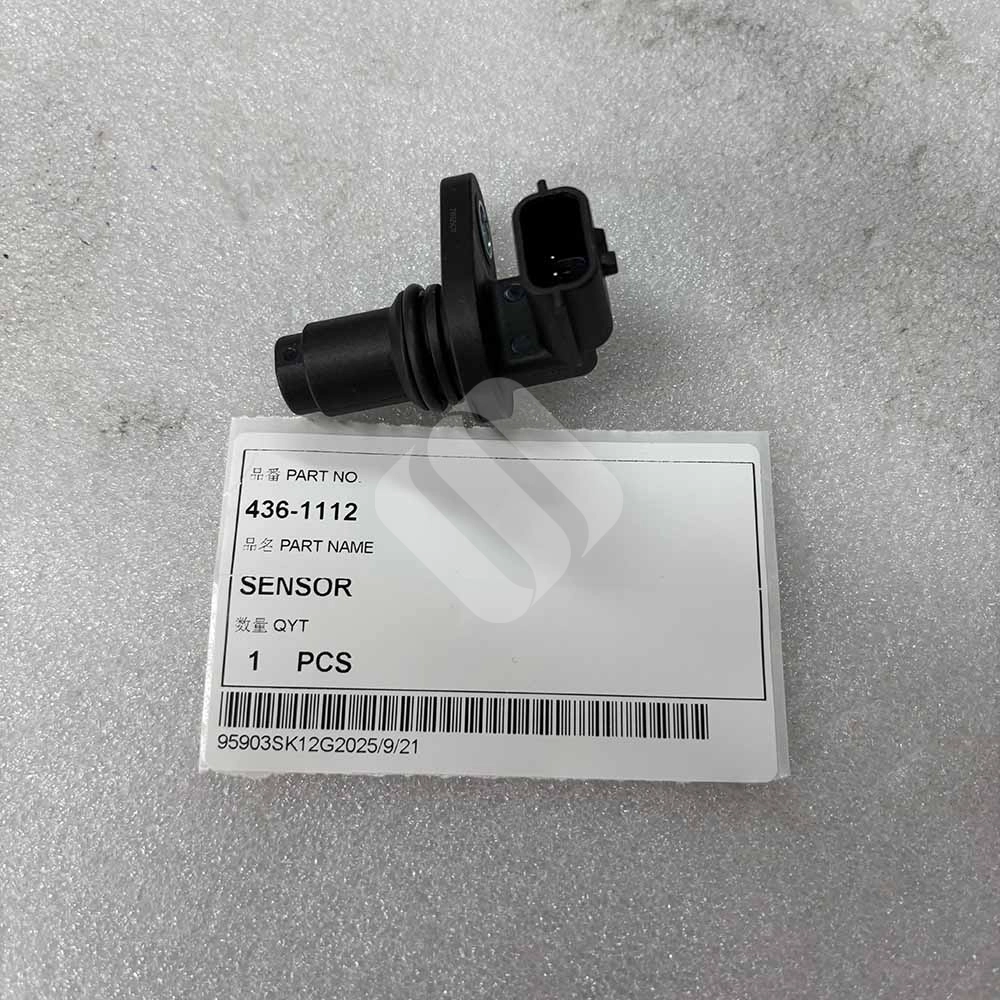
Caterpillar HIGH-QUALITY EXCAVATOR PARTS MADE IN CHINA NEW 236D 242D 246D 257D 259D 262D 436-1112 SENSOR SPARKLING MACHINERY
Caterpillar HIGH-QUALITY EXCAVATOR PARTS MADE IN CHINA NEW 236D 242D 246D 257D 259D 262D 436-1112 SENSOR SPARKLING MACHINERY
Caterpillar EXCAVATOR PARTS MADE IN CHINA NEW 349 352 5681695 HOSE SPARKLING MACHINERY
Caterpillar EXCAVATOR PARTS MADE IN CHINA NEW 349 352 5681695 HOSE SPARKLING MACHINERY
Caterpillar MADE IN CHINA SPARKLING MACHINERY NEW D6T 270-1762 270-1763 GEAR PUMP
Caterpillar MADE IN CHINA SPARKLING MACHINERY NEW D6T 270-1762 270-1763 GEAR PUMP
Caterpillar MADE IN CHINA SPARKLING MACHINERY NEW AP1000 AP655F AP600F 3974092 PRESSURE SENSOR
Caterpillar MADE IN CHINA SPARKLING MACHINERY NEW AP1000 AP655F AP600F 3974092 PRESSURE SENSOR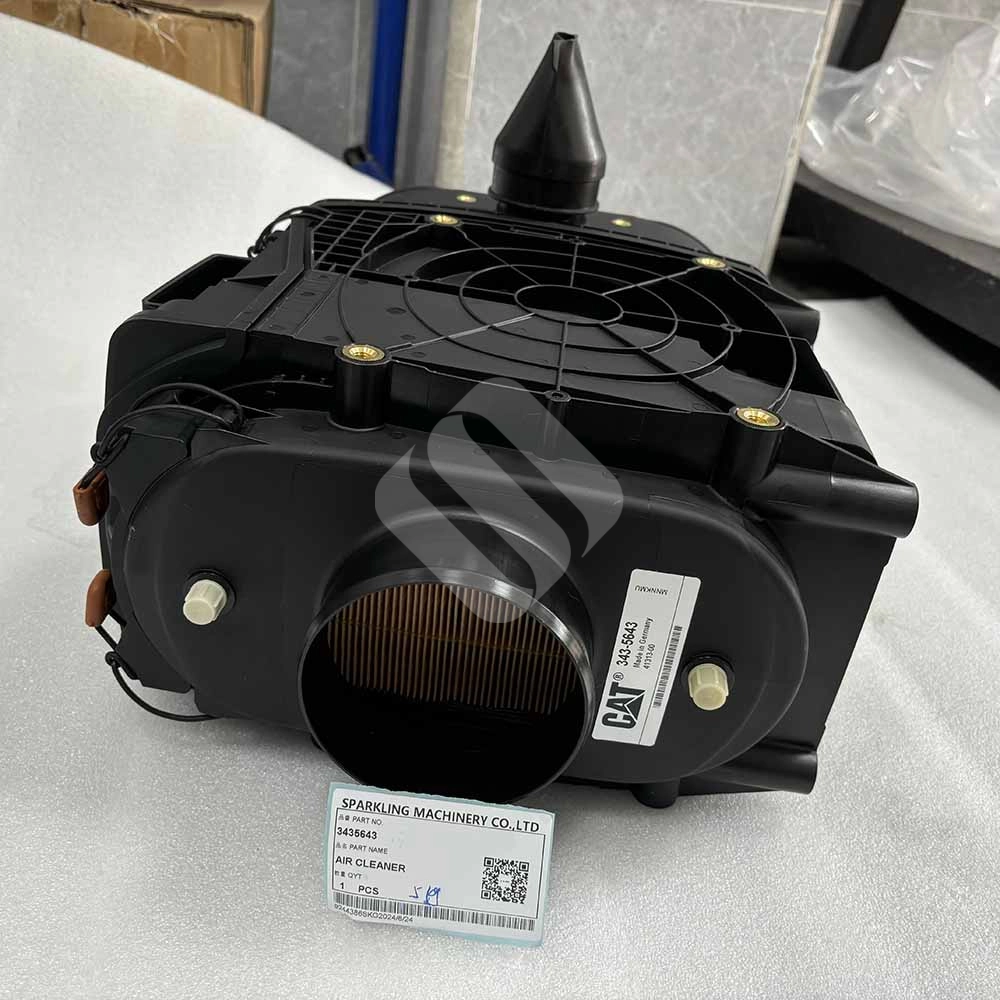
CATERPILLAR MADE IN CHINA SPARKLING MACHINERY NEW 416F 420F 422F 428F 3435643 343-5643 AIR CLEANER
CATERPILLAR MADE IN CHINA SPARKLING MACHINERY NEW 416F 420F 422F 428F 3435643 343-5643 AIR CLEANERGet in touch
We are committed to producing the highest quality products at the most competitive prices. Therefore, we sincerely invite all interested companies to contact us for more information.

Contact us
Email: ranroswang@hksparkling.com
Wechat: +86 136 0901 0879
Skype: foreverlucia1
WhatsApp: +86 136 0901 0879
Address: No. 514-515, Hulin Road, Tianhe District, Guangzhou, China.
Sparkling Machinery Co.,Ltd
sparkling_machinery
Whatsapp: +8613609010879