 ranroswang@hksparkling.com
 +86 138 2341 8469



How to Test a Starter Solenoid: Complete DIY Guide with Multimeter (2026)
Ⅰ What Is A Starter Solenoid and How Does It Work?
Ⅱ 5 Signs of A Bad Starter Solenoid
-
· Engine won’t crank at all
-
· A single loud click when you try to restart
-
· The starter motor whirs but the engine won’t turn
-
· Intermittent starting issues
-
· Slow engine cranking
Ⅲ How to Test A Starter Solenoid?
Safety First
-
1. Ensure your equipment is off and the keys are removed
-
2. Disconnect the negative battery terminals to avoid any electrical shocks or short circuits
-
3. Wait a few minutes for the electrical system to discharge
Tools Needed
-
1. A multimeter
-
2. A wire brush
-
3. A wrench set
-
4. Screwdriver if necessary
Steps to Test the Starter Solenoid
-
1. Locate the starter solenoid: You can find the starter solenoid on the starter motor at the bottom of the engine near the transmission
-
2. Clean the terminals: Use a wire brush to clean both battery terminals and solenoid terminals to ensure good contact for testing
-
3. Inspect the solenoid power supply: This involves setting your multimeter to measure DC voltage, turning the ignition key to the "Start" position, testing for battery voltage at the small wire on the solenoid (12 volts or more) and checking the wiring, ignition switch and neutral safety switch if there is no voltage.
-
4. Test the solenoid's operation: This includes setting the multimeter to measure resistance, disconnecting the small wire from the solenoid, testing the resistance across the two large terminals on the solenoid(typically lower than 1ohm), and confirming it is faulty if the resistance is infinite.
-
5. Check the solenoid’s switching function: Connect one lead of the multimeter to the small terminal and the other lead to the large terminal where the battery is connected with the small wire disconnected. Then, have an assistant turn the ignition key to the "Start" position, so you can hear a click and see a change in resistance on your multimeter. If there’s no change, the solenoid may be faulty.
-
6. Test the starter motor: If the starter tests good, you may have to test the starter motor itself. Just connect your multimeter to the starter motor’s terminals and check for continuity. A low resistance reading indicates the motor windings are good.
Ⅳ Can I Jump the Starter Solenoid?
Ⅴ How to Replace the Bad Starter Solenoid?
-
1. Prepare necessary tools: You should prepare a wrench set, a screwdriver and a solenoid puller for the replacement.
-
2. Safety first: Disconnect the negative battery terminal before starting
-
3. Locate the solenoid: Find the solenoid on or near the starter motor, typically at the bottom of the engine
-
4. Document before you remove: Take photos of all wire connections before disconnecting anything (See Diagram What Wires Go to Your Starter Switch here
-
5. Remove the old solenoid: Disconnect all wires and connectors from the solenoid and then unbolt the solenoid from its mount or remove the full starter assembly if integrated
-
6. Install the new solenoid: Confirm the new solenoid matches your vehicle's make and model, clean the mounting area, bolt the new solenoid into place and reconnect all wires referencing your photos
-
7. Do a test: Reconnect the negative battery terminal, turn the ignition key and listen for the starter to engage
Ⅵ Final Words
FAQ
What are the common signs of a bad starter solenoid?
The common signs include the engine failing to crank, a single loud clicking noise when starting, intermittent starting issues, or slow engine cranking.
What tools do I need to test a starter solenoid?
You need a multimeter (to measure voltage and resistance), a wire brush (to clean terminals), a wrench set, and a screwdriver if necessary.
How do you confirm the starter solenoid is faulty using a multimeter?
Set the multimeter to measure resistance. Disconnect the small wire from the solenoid and test across the two large terminals. If the resistance reading is infinite, the solenoid is faulty.
CAT Excavator Bucket Size Chart: Your Ultimate Guide to the Perfect Fit
A Complete Guide to Excavator Hydraulic Fluid: Types, Viscosity, and Making the Right Choice

Smart Excavators 2026: 15 Game‑Changing Technologies

Off-Road Diesel vs Regular Diesel: Key Differences 2026
Engine Knocking Explained: Causes, Symptoms, and Repair Options (2026)
Do you offer customized parts?
-
Yes, we offer tailored solutions to meet specific customer requirements. Whether you need custom dimensions or specialized features, we can design and produce parts that perfectly match your excavator’s needs.
-
What types of excavator parts do you manufacture?
We manufacture a wide range of excavator parts, including hydraulic components, undercarriage parts, engine parts, wear parts, and more. Our products are designed to fit a variety of excavator models and are built to meet the highest quality standards.
Are your products covered by a warranty?
-
Yes, all of our excavator parts come with a warranty to ensure quality and reliability. The warranty period may vary depending on the type of part. Please contact us for detailed warranty terms for specific products.
-
What is the lead time for receiving excavator parts?
Our typical lead time depends on the complexity and quantity of the order. For standard parts, delivery usually takes between 7 to 14 days. For custom orders, the lead time may vary, but we always strive to ensure timely delivery.
Can I get technical support for installing your parts?
Absolutely. We provide technical support and guidance for the installation and maintenance of our parts. Our team is available to assist you with any questions or concerns to ensure proper installation and optimal performance.

Genuine Case 349295A1 / 349295A1 Heavy-Duty Electro-Hydraulic Control Solenoid Valve
Genuine Case 349295A1 / 349295A1 Heavy-Duty Electro-Hydraulic Control Solenoid Valve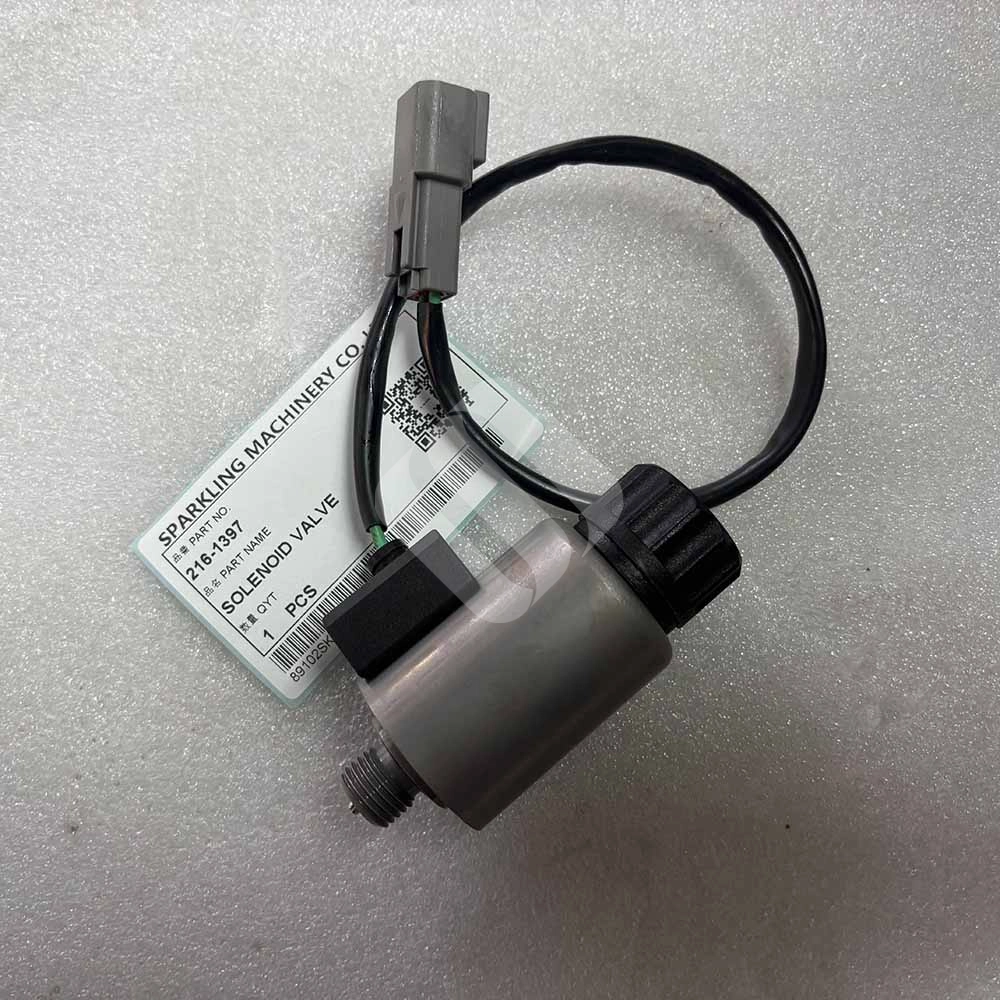
Caterpillar HIGH-QUALITY EXCAVATOR PARTS MADE IN CHINA NEW 365C 385C 390D 793C 216-1397 SOLENOID VALVE SPARKLING MACHINERY
Caterpillar HIGH-QUALITY EXCAVATOR PARTS MADE IN CHINA NEW 365C 385C 390D 793C 216-1397 SOLENOID VALVE SPARKLING MACHINERY
VOLVO EXCAVATOR PARTS MADE IN CHINA NEW EC140D EC140E EC160D EC180D EC220D VOE14689693 SOLENOID VALVE SPARKLING MACHINERY
VOLVO EXCAVATOR PARTS MADE IN CHINA NEW EC140D EC140E EC160D EC180D EC220D VOE14689693 SOLENOID VALVE SPARKLING MACHINERY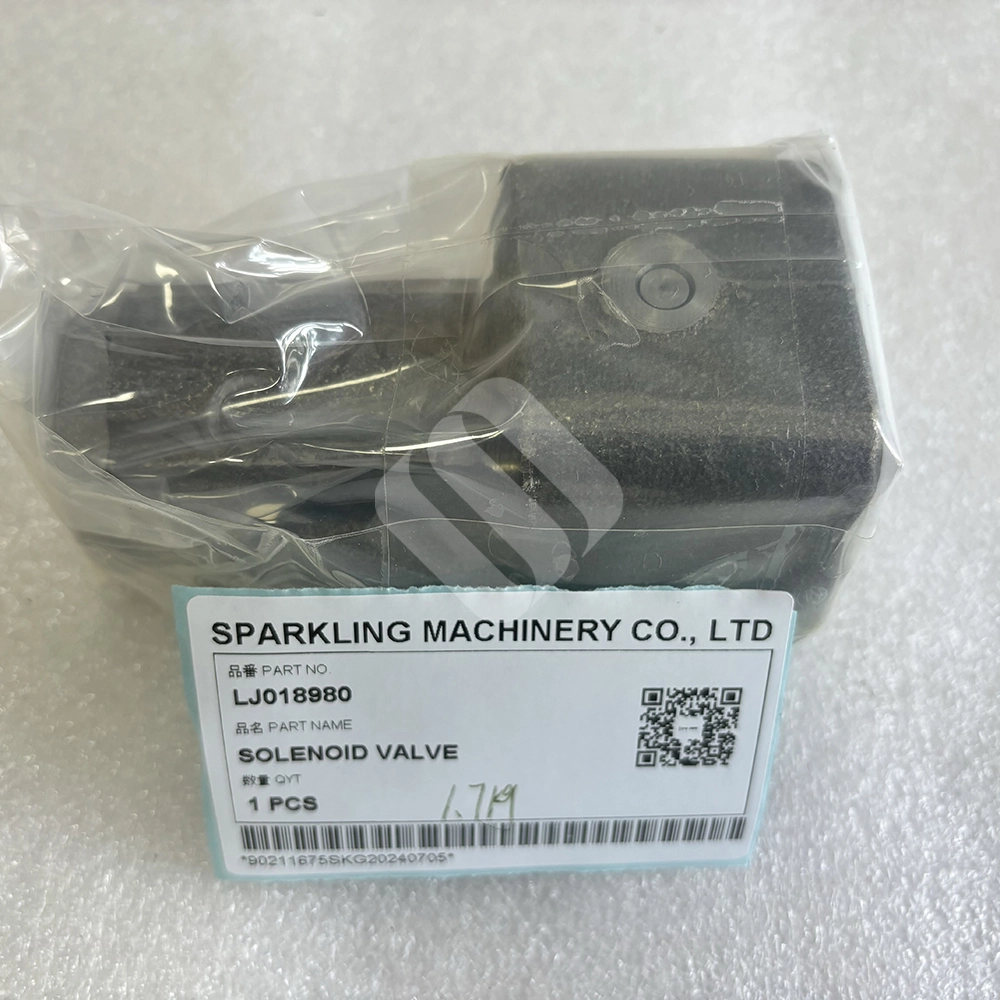
KUBOTA MADE IN CHINA SPARKLING MACHINERY NEW CX300C CX350C LJ018980 SOLENOID VALVE
KUBOTA MADE IN CHINA SPARKLING MACHINERY NEW CX300C CX350C LJ018980 SOLENOID VALVE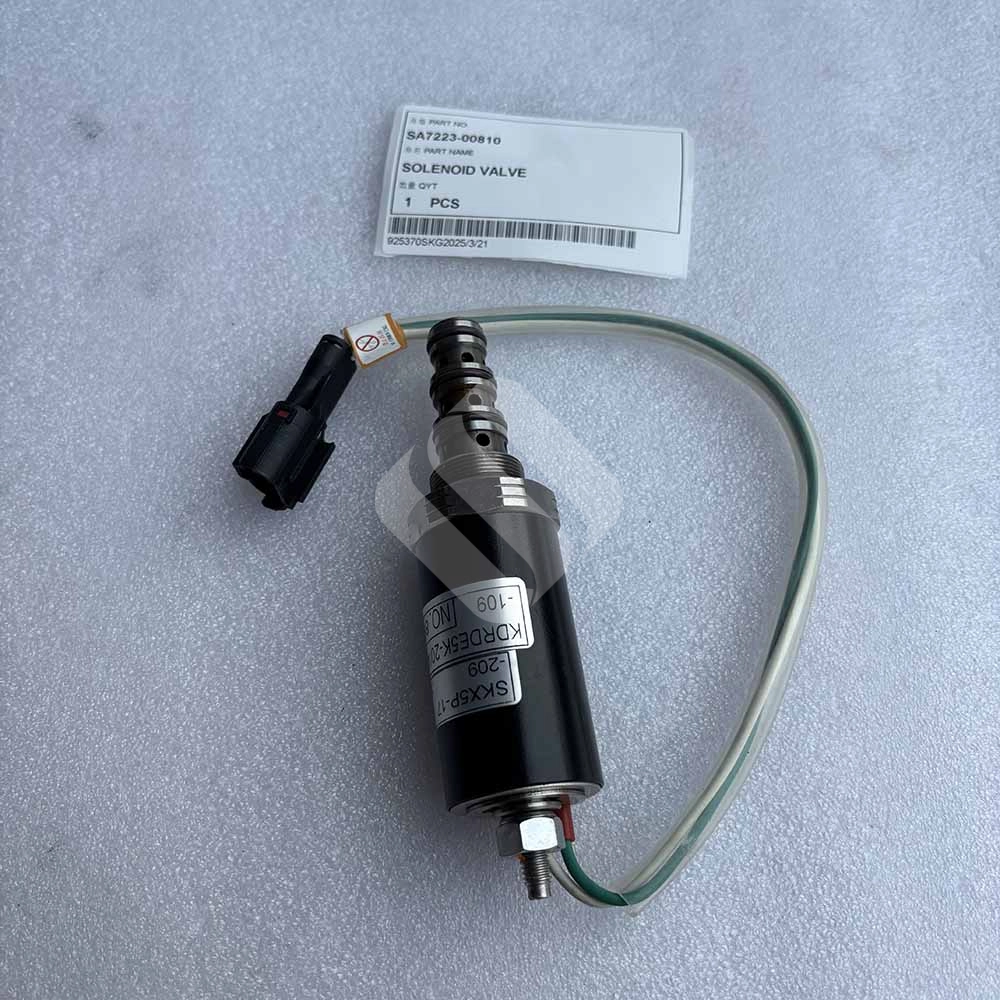
VOLVO EXCAVATOR PARTS MADE IN CHINA NEW EC330B EC360B EC330C EC700CHR SA7223-00810 SOLENOID VALVE SPARKLING MACHINERY
VOLVO EXCAVATOR PARTS MADE IN CHINA NEW EC330B EC360B EC330C EC700CHR SA7223-00810 SOLENOID VALVE SPARKLING MACHINERY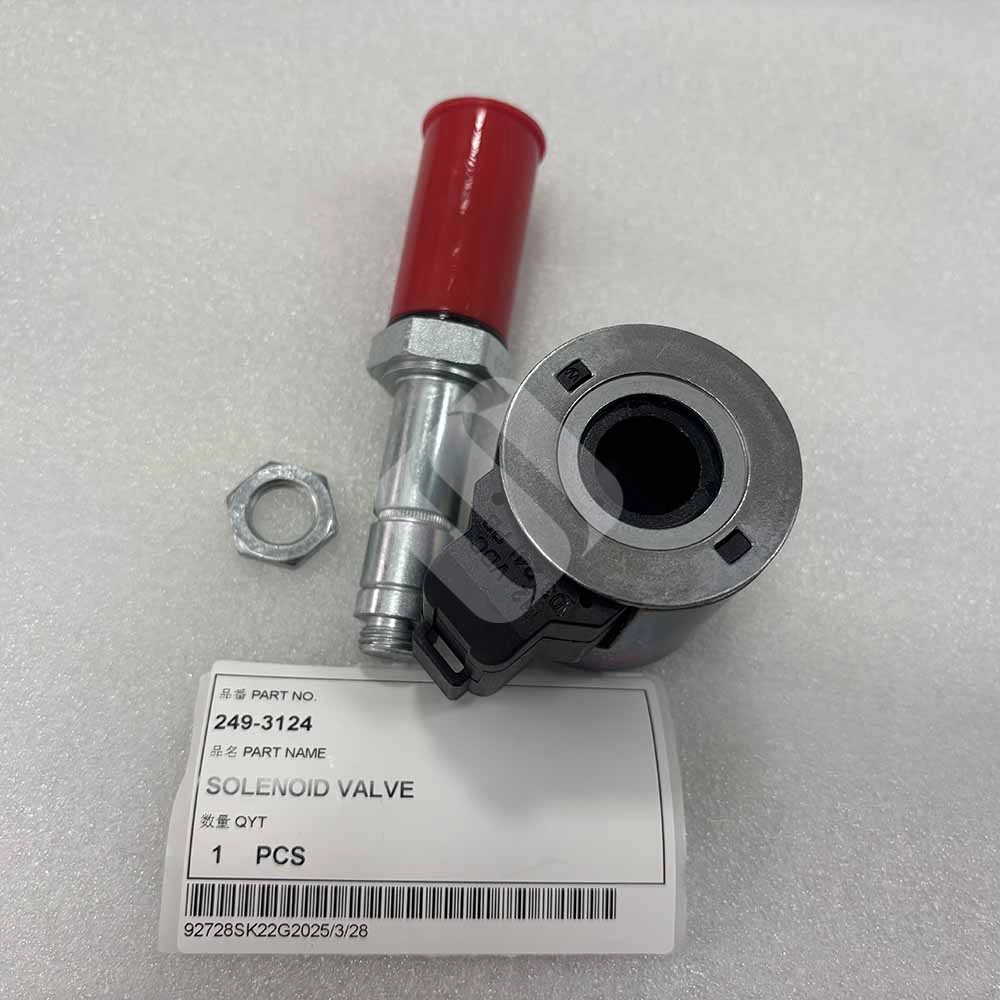
Caterpillar EXCAVATOR PARTS MADE IN CHINA NEW 414E 416D 416E 416F 420D 249-3124 SOLENOID VALVE SPARKLING MACHINERY
Caterpillar EXCAVATOR PARTS MADE IN CHINA NEW 414E 416D 416E 416F 420D 249-3124 SOLENOID VALVE SPARKLING MACHINERY
CATERPILLAR BACKHOE LOADER 446D 424D 420D 442D 430D 432D 420F 430F 428D 416D 2493125 249-3125 2493124 249-3124 SOLENOID VALVE
CATERPILLAR BACKHOE LOADER 446D 424D 420D 442D 430D 432D 420F 430F 428D 416D 2493125 249-3125 2493124 249-3124 SOLENOID VALVE
VOE20505543 Water Pump for Volvo EC340D EC350E EC380D EC480D | OEM D13 Engine Coolant Pump Assembly
VOE20505543 Water Pump for Volvo EC340D EC350E EC380D EC480D | OEM D13 Engine Coolant Pump Assembly
OEM Quality VOE21021925 Pipe Connector – Direct Fit for Volvo EC340D, EC350E, EC380D Excavators | Factory Direct
OEM Quality VOE21021925 Pipe Connector – Direct Fit for Volvo EC340D, EC350E, EC380D Excavators | Factory Direct
VOE20430678 Seal – Direct Fit for Volvo EC340D, EC350E, EC380D Excavators | Factory Direct
VOE20430678 Seal – Direct Fit for Volvo EC340D, EC350E, EC380D Excavators | Factory DirectGet in touch
We are committed to producing the highest quality products at the most competitive prices. Therefore, we sincerely invite all interested companies to contact us for more information.

Contact us
Email: ranroswang@hksparkling.com
Wechat: +86 136 0901 0879
Skype: foreverlucia1
WhatsApp: +86 136 0901 0879
Address: No. 514-515, Hulin Road, Tianhe District, Guangzhou, China.
Sparkling Machinery Co.,Ltd
sparkling_machinery
Whatsapp: +8613609010879