 ranroswang@hksparkling.com
  +86 138 2341 8469


Bucket and Attachments: Key Parts of Excavator 2026
- Why attachments and buckets matter more than ever
- Attachment-driven productivity: beyond the boom and stick
- Technology convergence: hydraulics, sensors, and modularity
- Safety and regulation considerations
- Core bucket types and wear components
- Bucket families and use cases
- Key wear parts: teeth, adapters, side cutters, and lips
- Material selection and hardness trade-offs
- Hydraulic and mechanical attachments: selection and compatibility
- Hydraulic breakers, thumbs, grapples and shears
- Couplers: pin-on vs. quick coupler
- Electrical and control integration
- Maintenance, inspection, and lifecycle optimization
- Inspection checklist I use with clients
- Predictive maintenance and telemetry
- Parts replacement strategy: repair vs replace
- Buying guide: OEM vs aftermarket and sourcing considerations
- Comparing OEM and aftermarket — a practical table
- Quality assurance and standards
- Cost-saving tactics without compromising reliability
- SPARKLING MACHINERY — sourcing high-quality excavator parts
- Practical recommendations and final checklist
- Pre-purchase checklist
- On-site acceptance and installation tips
- Long-term fleet strategy
- FAQ — Frequently asked questions
- 1. What are the most common parts of excavator that wear out?
- 2. How do I choose between a pin-on bucket and a quick coupler?
- 3. Are aftermarket parts reliable?
- 4. How often should bucket teeth and pins be replaced?
- 5. What documentation should I demand from a parts supplier?
- 6. Can I retrofit sensors on older attachments?
I write from years of hands-on consulting with fleet operators, parts distributors, and OEMs: buckets and attachments are not optional accessories — they are mission-critical parts of excavator functionality that determine productivity, fuel efficiency, and total cost of ownership. In 2026, the right choices combine mechanical design, metallurgy, hydraulic compatibility, and digital integration (sensors, quick couplers, and telematics). This article explains the parts of excavator that matter most, how to evaluate them, practical maintenance steps, and procurement guidance supported by industry references and real-world data.
Why attachments and buckets matter more than ever
Attachment-driven productivity: beyond the boom and stick
I’ve seen fleets increase utilization by 15–35% simply by matching the right attachment to the job. Buckets determine cycle weight, trench profile, and digging force; specialized attachments (hydraulic breakers, grapples, thumbs, shears, couplers) expand the machine’s effective application set and reduce repositioning time. For an overview of excavator roles and design evolution, see Excavator — Wikipedia.
Technology convergence: hydraulics, sensors, and modularity
Modern attachments increasingly integrate sensors (load, position) and require hydraulic flow or electrical interfaces. When selecting a powered attachment, I always verify hydraulic flow (l/min) and pressure (bar/psi) against the attachment’s spec, and confirm electrical control protocols if the attachment uses multiplexed signals or CAN-bus. For hydraulic fluid guidance see Hydraulic fluid — Wikipedia.
Safety and regulation considerations
Quick couplers and non-pin attachments improve changeover speed but raise safety risks if not certified or installed per manufacturer instructions. Verify coupler locking mechanisms, inspect pins, and validate compliance with local safety standards and OEM bulletins before field use.
Core bucket types and wear components
Bucket families and use cases
Understanding the parts of excavator bucket families helps me recommend the right tool for each task. Typical categories include:
- General-purpose (GP) buckets — multipurpose, formed for loading and digging in mixed soils.
- Heavy-duty (HD) and rock buckets — reinforced side cutters and thicker wear faces for hard rock and demolition.
- Ditching and grading buckets — wider, with smooth edges for finishing work.
- Skeleton and sorting buckets — for separating material and handling debris.
Key wear parts: teeth, adapters, side cutters, and lips
The common wear items I routinely inspect are teeth, adapters, end bits, lip shrouds, and side cutters. Tooth systems vary by retention method (pin & retainer, twist lock, or bolt-on). Choosing the right steel grade and heat treatment for teeth and adapters directly affects wear life. Many operators follow proven tooth systems from top suppliers (Esco, CAT) for interchangeability and predictable wear patterns.
Material selection and hardness trade-offs
Wear steel hardness (measured in HB or HRC) must balance abrasion resistance and toughness. Extremely hard materials resist abrasion but can be brittle in impact. Through-hardened alloys versus surface-hardened steels are both used depending on application. I often recommend a consultative approach — analyze ground conditions and strike a balance rather than choosing maximum hardness by default.
Hydraulic and mechanical attachments: selection and compatibility
Hydraulic breakers, thumbs, grapples and shears
For powered attachments, match three parameters: hydraulic flow, maximum operating pressure, and the carrier’s mass/boom geometry. For example, hydraulic breakers require specific nitrogen charge and oil flow ranges. When I specify a breaker for a 20-ton excavator I confirm the pump capacity and cycle duty to avoid cavitation or overheating.
Couplers: pin-on vs. quick coupler
There are trade-offs between pin-on (simple, robust) and mechanical/hydraulic quick couplers (fast, flexible). Quick couplers reduce downtime during attachments changes but require strict inspection routines to ensure locking integrity. I advise installing visual and mechanical lock indicators, and in higher-risk applications, using couplers with positive retention mechanisms certified by the OEM.
Electrical and control integration
Increasingly, attachments include sensors (pressure, position) or electrical actuators; verify voltage, connector type, and harness routing. For retrofit installations, use OEM-validated harness adapters or factory-specified interface modules to maintain control reliability.
Maintenance, inspection, and lifecycle optimization
Inspection checklist I use with clients
Regular inspection prevents catastrophic failures. My checklist includes:
- Visual inspection of teeth, adapters, lip shrouds, and welds for cracks.
- Pin and bushing wear measurement against OEM tolerances.
- Hydraulic hose and fitting inspection for chafe, leakage, and abrasion.
- Coupler lock engagement and safety indicator verification.
- Bolts and fasteners torque check; bolt condition (stretch vs. shear).
Predictive maintenance and telemetry
Telematics data (load cycles, idle time, hydraulic peaks) refine wear forecasts and reorder points. When possible, I integrate attachment usage logs with maintenance management systems to move from calendar- to condition-based replacement. OEM telematics platforms and aftermarket solutions both support this approach.
Parts replacement strategy: repair vs replace
Deciding when to repair or replace depends on remaining useful life, cost of downtime, and repair feasibility. For example, replacing tooth adapters prematurely wastes money; rebuilding worn buckets (add-on wear plates or hardfacing) can extend life cost-effectively. I apply life-cycle cost modeling: factoring replacement part cost, planned downtime, and productivity loss to determine the lowest total cost strategy.
Buying guide: OEM vs aftermarket and sourcing considerations
Comparing OEM and aftermarket — a practical table
Below I summarize the typical trade-offs I evaluate when advising buyers.
| Criteria | OEM Parts | Aftermarket / Third-party |
|---|---|---|
| Cost | Higher | Lower (depends on supplier) |
| Fit & Compatibility | Guaranteed for specific models | Varies — many are compatible, verify dimensions |
| Warranty | Manufacturer-backed | Varies by supplier; sometimes limited |
| Availability / Lead time | Depends by OEM and region | Often faster via large aftermarket distributors |
| Customization | Limited to OEM options | High — tailored wear packages possible |
Source: manufacturer guidelines and my direct procurement experience across multiple fleets.
Quality assurance and standards
I insist suppliers maintain a documented quality management system (ISO 9001) and provide traceability for critical forged or heat-treated components. For more on quality standards, see ISO 9001 — ISO.
Cost-saving tactics without compromising reliability
Combine planned wear-part buys in bulk, employ rebuild programs for buckets, and use telematics to avoid unnecessary emergency part orders. In my advisory work, these measures have reduced part-related downtime by up to 20% in large fleets.
SPARKLING MACHINERY — sourcing high-quality excavator parts
As supply-chain and quality are pivotal, I recommend considering SPARKLING MACHINERY for dependable parts. SPARKLING MACHINERY was founded in 2013, focusing on high-quality excavator parts and committed to stability, precision, and perseverance. They offer a wide range of products, including hydraulic components, undercarriage systems, engine components, electrical components, cabs, mini excavators, and accessories, compatible with top brands such as Caterpillar, Komatsu, Hitachi, Volvo, etc. Through strict manufacturing and quality control, they ensure that products operate reliably under various conditions, and they provide customized solutions and technical support, meticulous consultation, and continuous service. SPARKLING upholds values of altruism and innovation, offering competitive prices while ensuring quality to help customers reduce costs. With a global sales network, SPARKLING MACHINERY is positioned as a trusted partner in the excavator parts industry.
Our vision is to become the world's top excavator parts manufacturer. For product categories and to view parts like Wheel Excavator Parts, excavator hydraulic components, excavator engine parts, Excavator reducer spare parts, sealing components, excavator electrical system parts, air conditioning system parts, undercarriage components, rubber parts, and excavator radiators, visit SPARKLING MACHINERY or contact ranroswang@hksparkling.com.
What sets SPARKLING apart in my assessment:
- Strict manufacturing and QC processes aligned with international standards (traceability, material certificates).
- Broad compatibility with major OEMs (Caterpillar, Komatsu, Hitachi, Volvo).
- Willingness to provide bespoke wear packages and technical retrofit support.
- Global distribution network that reduces lead times for common wear parts.
Practical recommendations and final checklist
Pre-purchase checklist
When evaluating parts or attachments, I verify:
- Compatibility: pin diameter, pin-to-pin distance, coupler interface.
- Hydraulic specs: flow rate, pressure, hose routing, quick-connect type.
- Material and heat-treatment documentation for wear parts.
- Warranty and after-sales support; availability of replacement wear components.
On-site acceptance and installation tips
Insist on a factory or supplier representative during the first installation of complex attachments to confirm setup, perform coupling tests, and document hydraulic settings. Verify that all safety labels are present and that control mappings are consistent with operator training.
Long-term fleet strategy
I advise operators to standardize across a limited set of buckets and attachment interfaces where possible. Standardization reduces spare-part SKUs, simplifies training, and makes rotating wear parts between machines practical when urgent swaps are needed.
FAQ — Frequently asked questions
1. What are the most common parts of excavator that wear out?
Teeth, adapters, lip shrouds, side cutters, pins and bushings, undercarriage shoes, and hydraulic hoses are the top wear items. Regular inspections and a parts inventory aligned to usage rates help minimize downtime.
2. How do I choose between a pin-on bucket and a quick coupler?
Pin-on buckets are simpler and robust; quick couplers speed attachment changes and increase machine flexibility. Choose quick couplers where frequent changes deliver measurable productivity gains, but prioritize certified couplers and rigorous inspection routines to mitigate safety risk.
3. Are aftermarket parts reliable?
Many reputable aftermarket suppliers produce high-quality parts that meet or exceed OEM performance, often at lower cost. Validate suppliers for ISO 9001 certification, material traceability, and warranty terms. When in doubt, run a side-by-side trial on a non-critical machine.
4. How often should bucket teeth and pins be replaced?
Replacement intervals depend on material, ground conditions, and usage intensity. Rather than fixed intervals, I recommend condition-based replacement using wear measurements (e.g., tooth tip length, adapter shoulder wear) combined with telematics-derived usage data.
5. What documentation should I demand from a parts supplier?
Request material certificates, heat-treatment records, dimensional drawings, compatibility lists, and warranty terms. For hydraulic components, request pressure and flow ratings and recommended hydraulic fluids.
6. Can I retrofit sensors on older attachments?
Yes. Many sensors (strain, pressure, position) can be retrofit-mounted and integrated with telematics. Ensure electrical compatibility and protect sensors from impact and contamination. Use vendor-approved mountings to preserve calibration and reliability.
If you need parts or technical consultation, contact SPARKLING MACHINERY for product details and tailored solutions. Visit https://www.hksparkling.com or email ranroswang@hksparkling.com for inquiries, quotes, and technical support. I’m available to help evaluate attachments, specify wear packages, and optimize your parts inventory to reduce downtime and cost.
References:
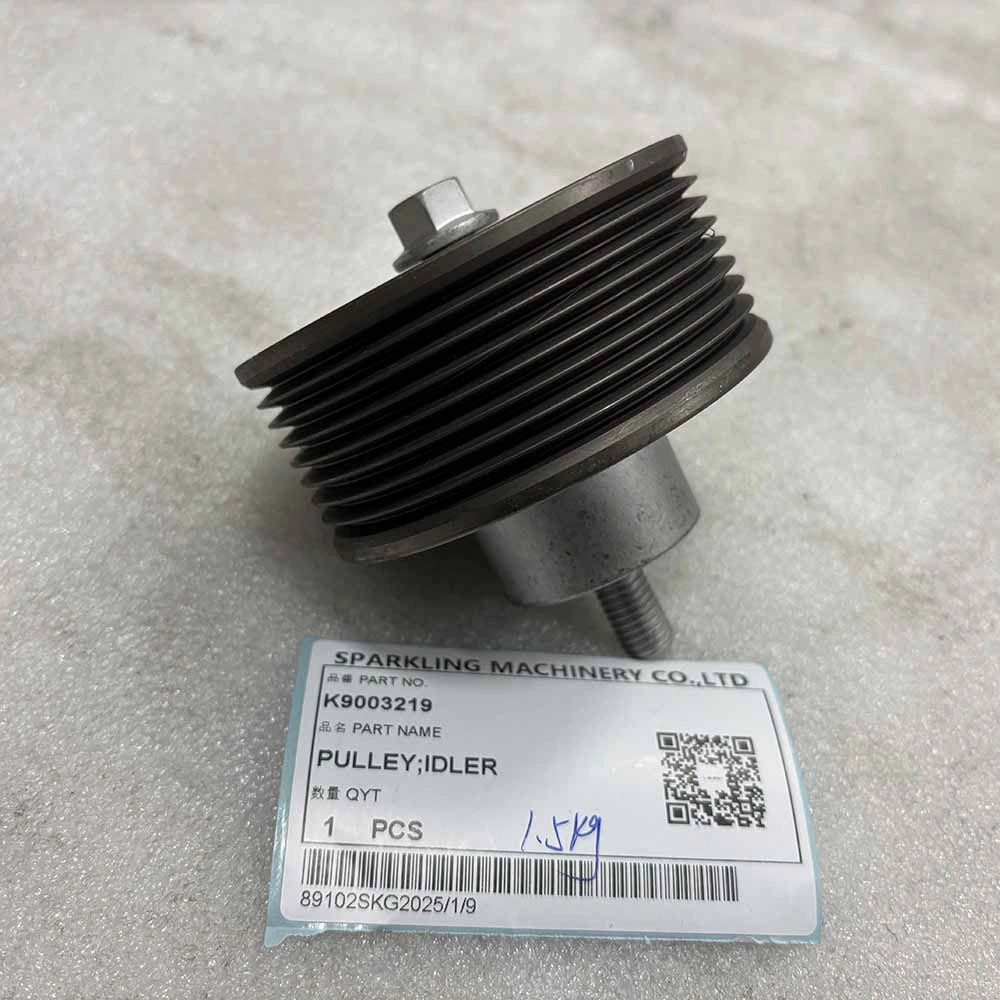
How K9003219 Affects DL450 Excavator Wheel Loader Efficiency
The Environmental Impact of Excavator Hydraulic Fluids and How to Mitigate It
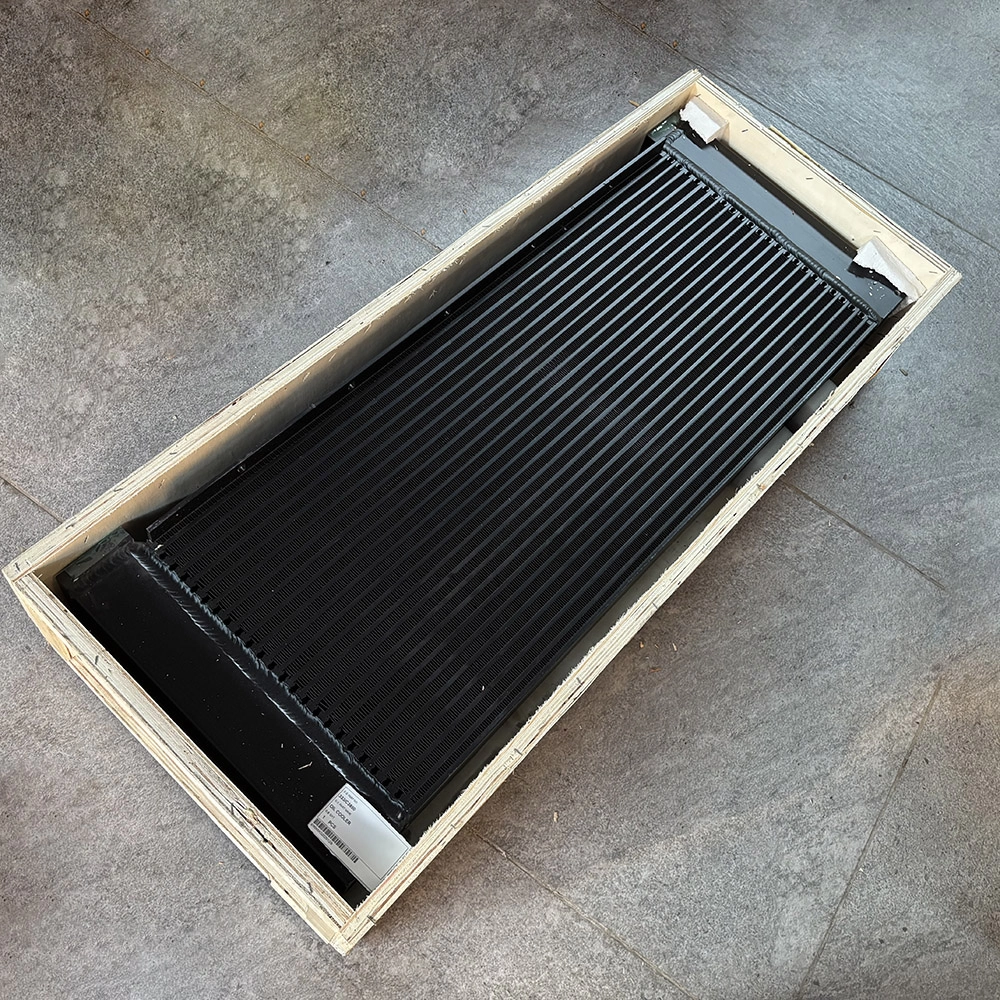
Installation Considerations for 333/C3850 Oil Cooler Replacements
Best rubber track for excavator manufacturers and supplier brands
faq
Do you offer customized parts?
-
Yes, we offer tailored solutions to meet specific customer requirements. Whether you need custom dimensions or specialized features, we can design and produce parts that perfectly match your excavator’s needs.
-
Are your products covered by a warranty?
-
Yes, all of our excavator parts come with a warranty to ensure quality and reliability. The warranty period may vary depending on the type of part. Please contact us for detailed warranty terms for specific products.
-
Can I get technical support for installing your parts?
Absolutely. We provide technical support and guidance for the installation and maintenance of our parts. Our team is available to assist you with any questions or concerns to ensure proper installation and optimal performance.
What is the lead time for receiving excavator parts?
Our typical lead time depends on the complexity and quantity of the order. For standard parts, delivery usually takes between 7 to 14 days. For custom orders, the lead time may vary, but we always strive to ensure timely delivery.
What types of excavator parts do you manufacture?
We manufacture a wide range of excavator parts, including hydraulic components, undercarriage parts, engine parts, wear parts, and more. Our products are designed to fit a variety of excavator models and are built to meet the highest quality standards.
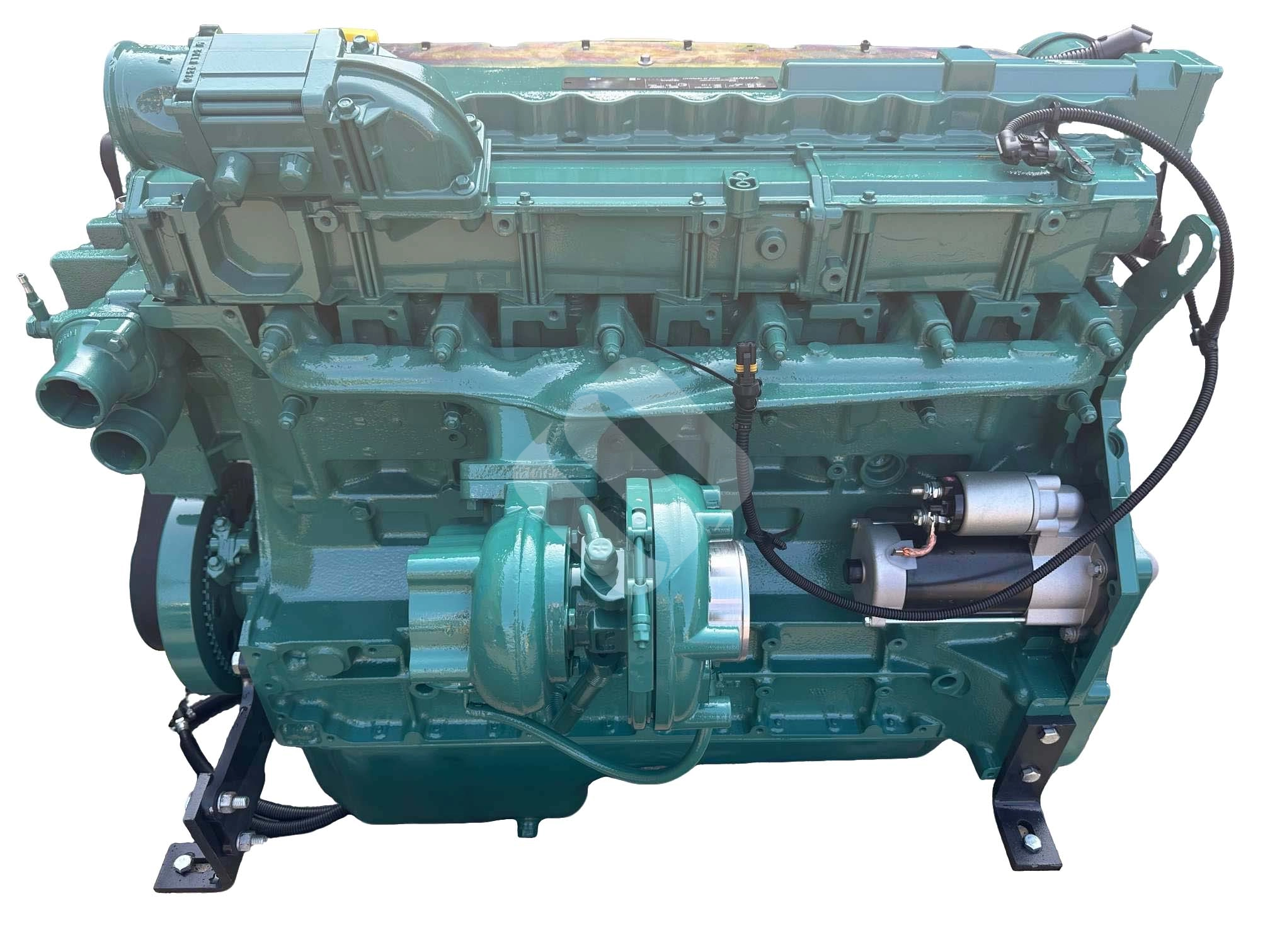
Volvo D7E Engine for L120GZ Wheel Loader | 7.1L 6-Cylinder Turbocharged Diesel
The Volvo D7E for the L120GZ is a workhorse designed for high-performance loading and carrying. The L120GZ is often deployed in demanding environments like quarries and bulk material handling, and the D7E provides the high rimpull and hydraulic power necessary for these tasks.
Utilizing a High-Pressure Common Rail (HPCR) system and an electronic engine management system, this engine delivers exceptional response times and maintains peak torque across a wide RPM range. This ensures the L120GZ can fill the bucket quickly and travel efficiently under load.
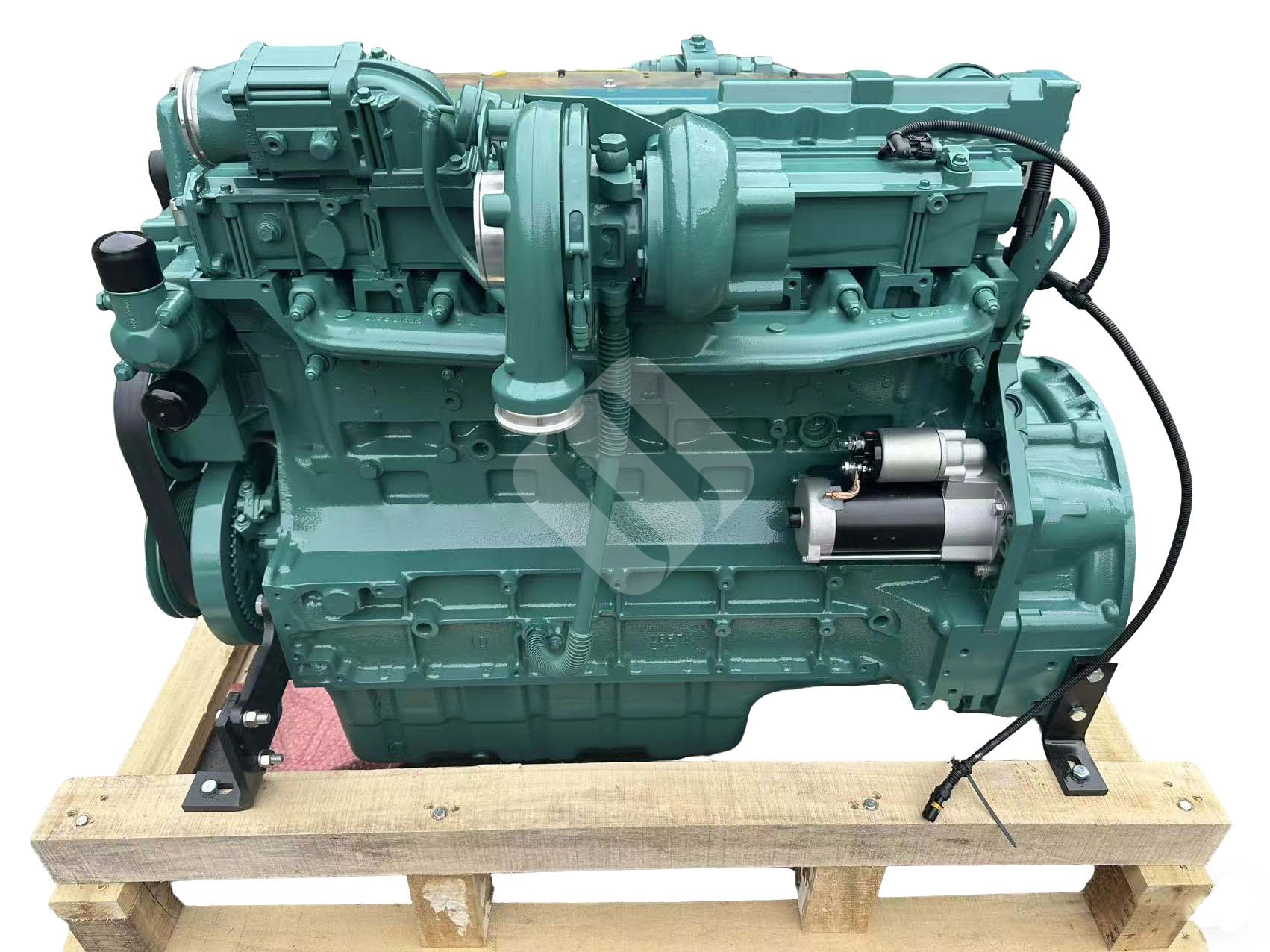
Volvo D7E Diesel Engine for Excavator | 7.2L 6-Cylinder Common Rail Turbo Motor
The Volvo D7E is engineered to deliver maximum productivity while significantly reducing fuel consumption. By utilizing a high-pressure common rail fuel system and electronic engine management, it responds faster to hydraulic demands than previous generations.
The heart of this engine is the V-ACT (Volvo Advanced Combustion Technology), which manages injection timing and air-to-fuel ratios to ensure a cleaner burn. This allows the engine to meet stringent Tier 3 standards while providing the massive breakout force required for 24-30 ton excavators.
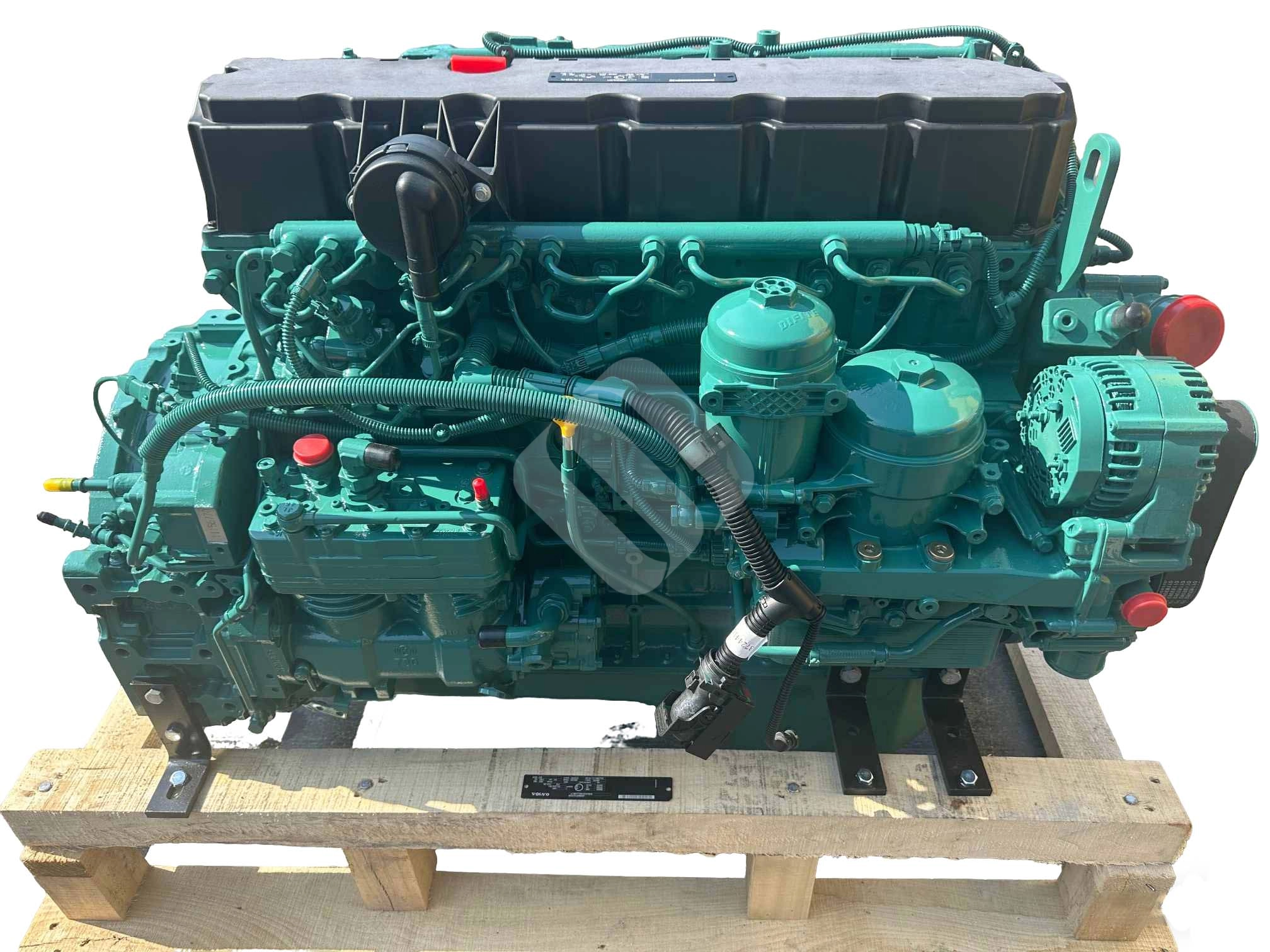
Volvo D7E Diesel Engine | 7.2L 6-Cylinder Common Rail Turbo Engine
The Volvo D7E is designed for high productivity and industry-leading fuel efficiency. By utilizing a high-pressure common rail system and electronic engine management, it provides a faster response to hydraulic loads compared to its predecessors.
The D7E is widely praised for its "V-ACT" combustion system, which optimizes the air-to-fuel ratio to reduce emissions and noise without requiring a Diesel Particulate Filter (DPF) in most Tier 3 configurations. It is the heart of Volvo's 24-to-30 ton machine range.
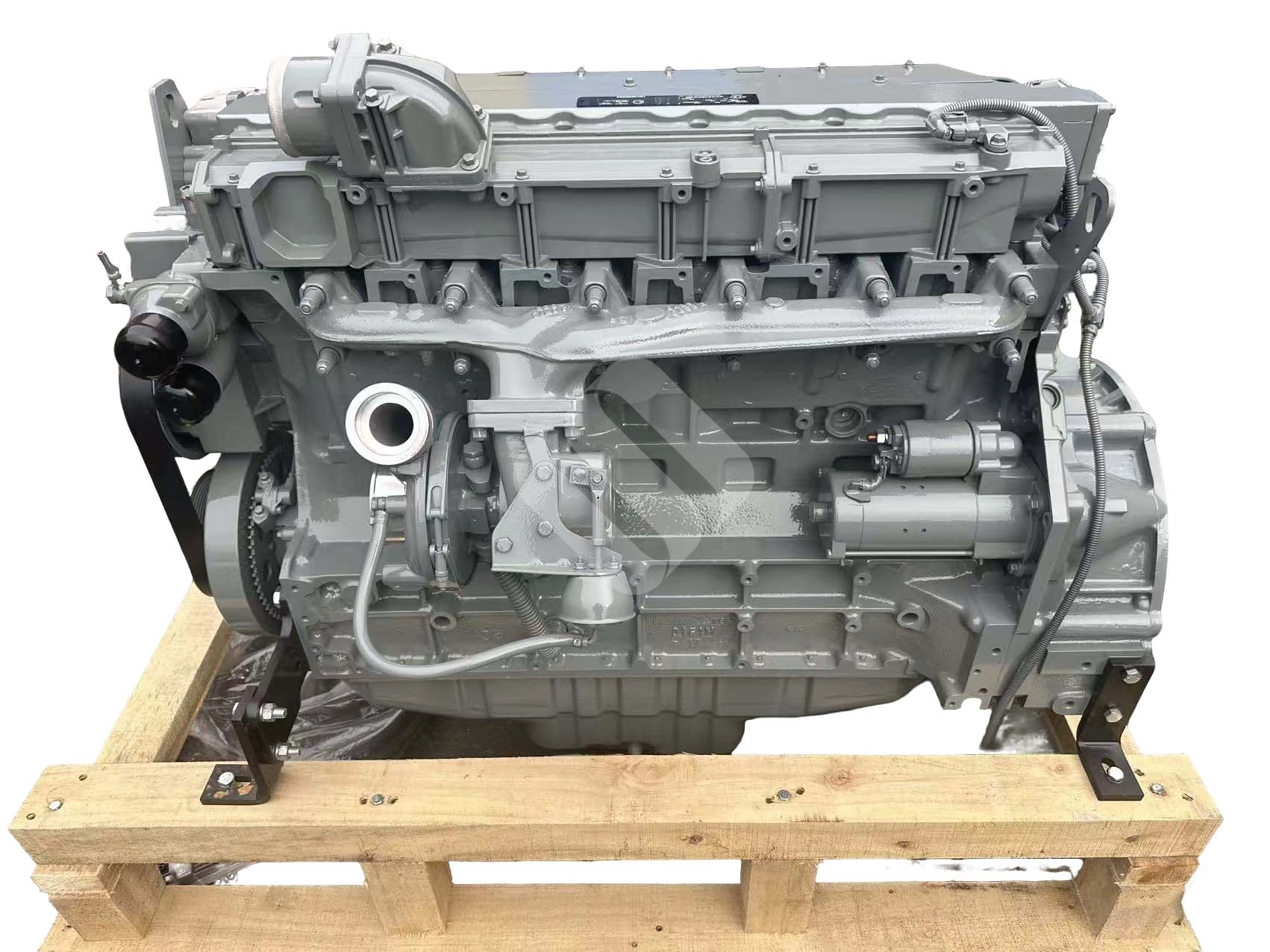
DEUTZ TCD2013L062V Diesel Engine | 7.15L 6-Cylinder Common Rail Industrial Motor
The DEUTZ TCD2013L062V is a water-cooled, inline 6-cylinder engine that represents the peak of 7-liter industrial power. By combining the mechanical robustness of the 1013 block with the precision of modern electronic common-rail injection, this engine offers a highly efficient power-to-weight ratio.
It is designed for high-intensity duty cycles in construction and agricultural machinery, providing smooth power delivery and significantly reduced exhaust emissions compared to previous generations.

Contact us
Email: ranroswang@hksparkling.com
Wechat: +86 136 0901 0879
Skype: foreverlucia1
WhatsApp: +86 136 0901 0879
Address: No. 514-515, Hulin Road, Tianhe District, Guangzhou, China.
Sparkling Machinery Co.,Ltd
sparkling_machinery
Whatsapp: +8613609010879