 ranroswang@hksparkling.com
 +86 138 2341 8469



Blog
Here, we will publish different product technical knowledge, experience sharing, frequently asked questions, and synchronized information about our company's global exhibitions from time to time. We hope it will be helpful to you.
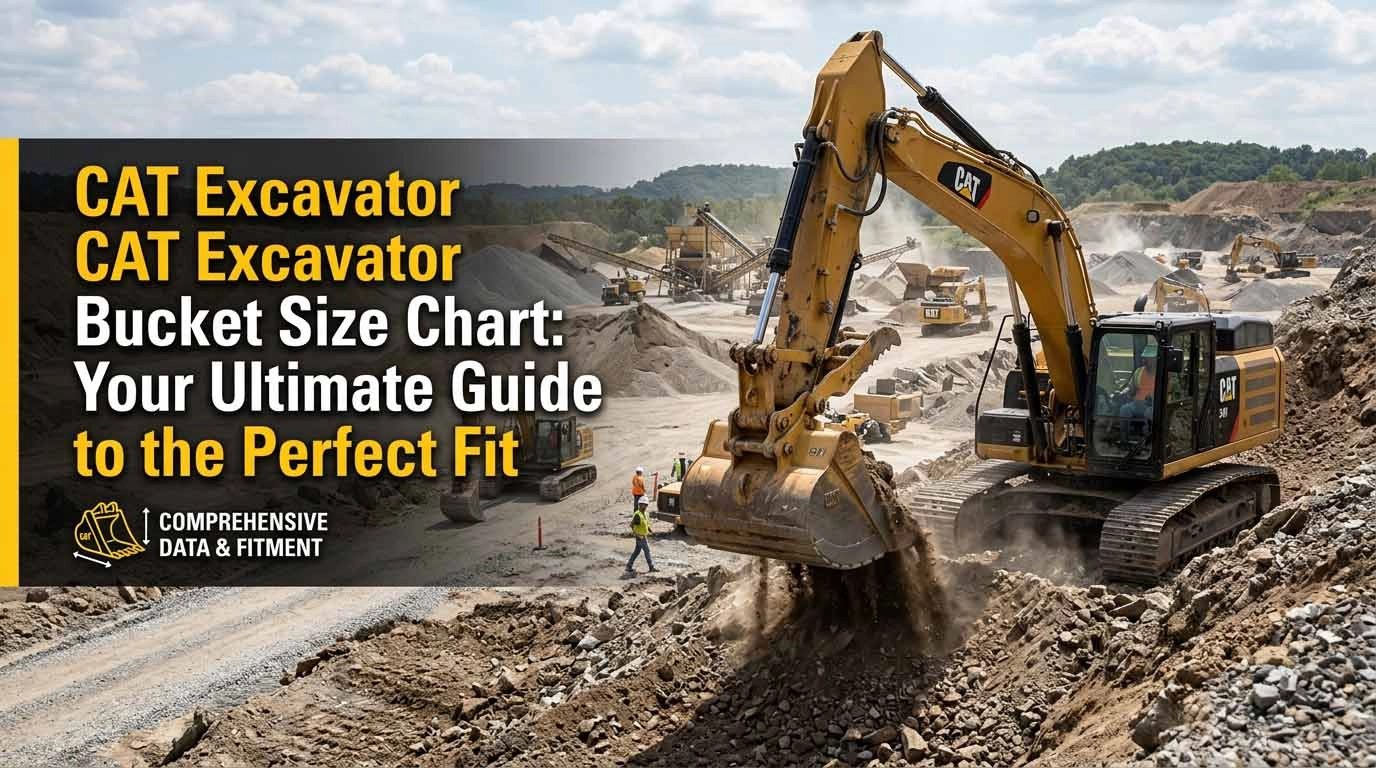
Choosing the right bucket for your CAT excavator can feel like a puzzle. You need a bucket that not only fits your machine perfectly but also matches the demands of your job site.
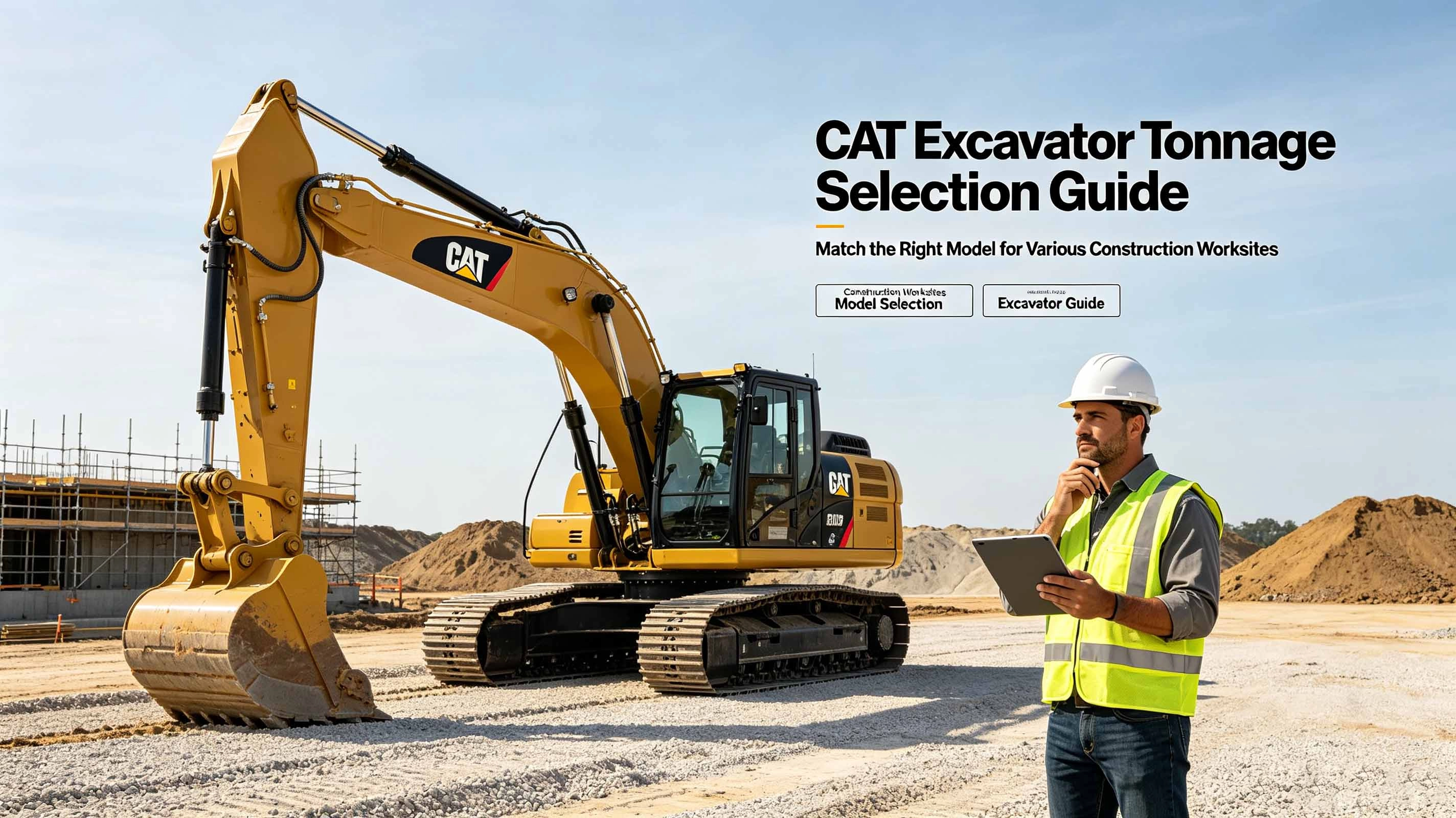
A CAT excavator bucket size chart is your secret weapon here. It answers the most critical question fast: Which bucket actually fits my machine?
The right match depends on several factors beyond just width, including linkage family, pin size, face spread, and capacity. If you only check the width, you risk ordering the wrong bucket—leading to downtime and lost profits. Let’s break down exactly how to measure, choose, and avoid the most common fitment mistakes.
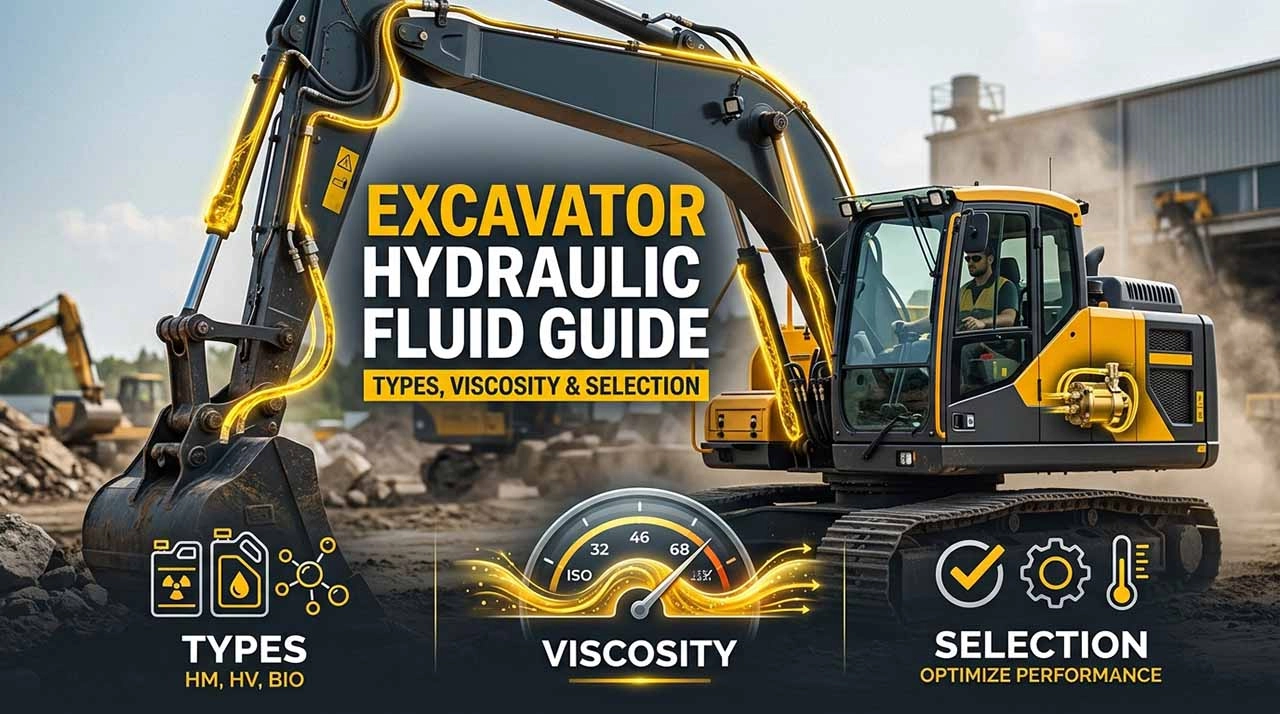
Hydraulic fluids are not universally interchangeable. Selecting the incorrect fluid for your excavator impacts more than just operational efficiency; it accelerates component degradation, invalidates warranties, and may result in total hydraulic system breakdown. This guide explores the various types of excavator hydraulic fluid, how to select the appropriate viscosity, and the warning indicators that it is time for a replacement.

In 2026, excavators are evolving faster than ever, and a wave of breakthrough technologies is reshaping efficiency, versatility, and performance on construction sites. This guide reviews 15 of the latest excavator innovations that will redefine the industry’s operational boundaries over the coming year.
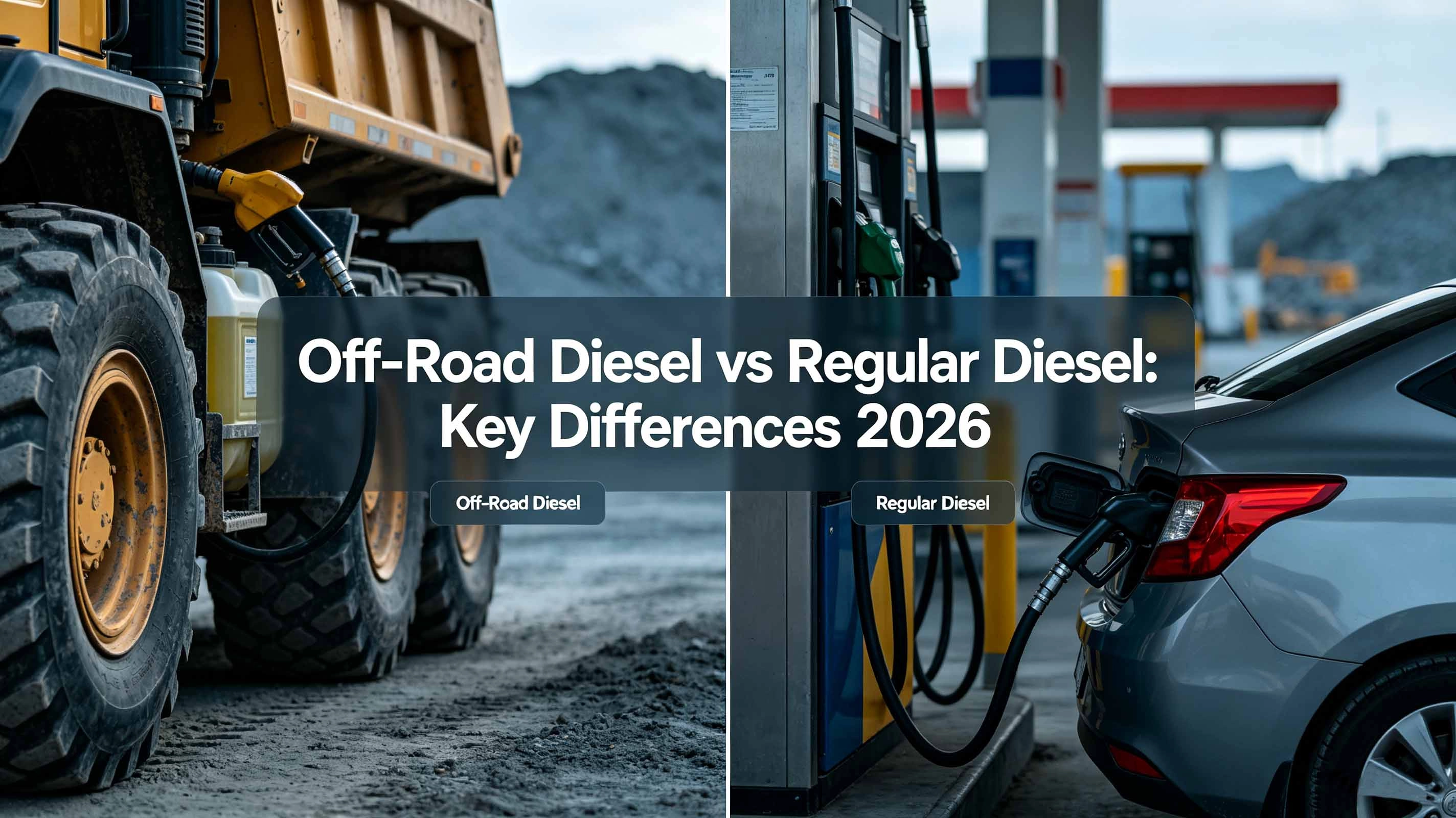
At public gas stations, you’ll find clear #2 diesel meant for highway vehicles. On farms, however, the fuel tank is often filled with cherry-red dyed off-road diesel. This guide clarifies the crucial differences between the two, so you can choose wisely—saving money while avoiding legal trouble.
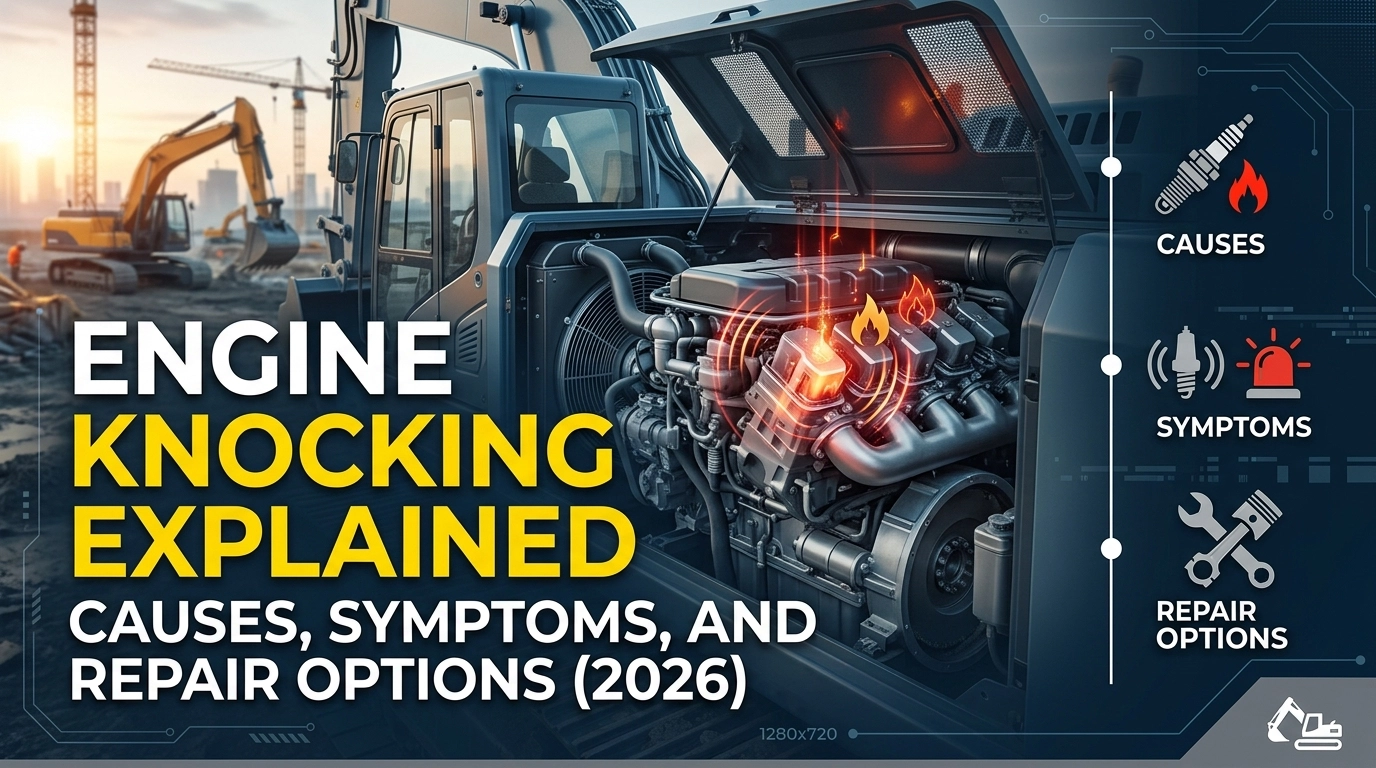
The first time you hear engine knocking, it’s hard to miss. It’s a clear alert that something isn’t right inside your combustion cycle. In this guide, we’ll walk you through the most common reasons for engine knock and practical ways to address it. Let’s get started.

Today’s construction industry is no longer just about moving dirt. More companies are aligning with emerging Construction Trends, focusing on how to connect data with what’s happening on-site. The old “learn as you go” approach is risky and often leads to losses. Material costs are rising, global supply chains are unstable, and projects are more complex than ever. The old way of doing things just doesn’t work anymore.
The cost of clutch replacement varies drastically. Small farm tractors generally cost around $3,000 for clutch replacement, while large bulldozers and heavy dump trucks may cost more than $25,000. The overall expense is mainly determined by your equipment model, clutch style, and construction labor fees. This guide sorts out all cost influencing factors and shares practical tips to extend clutch service life.
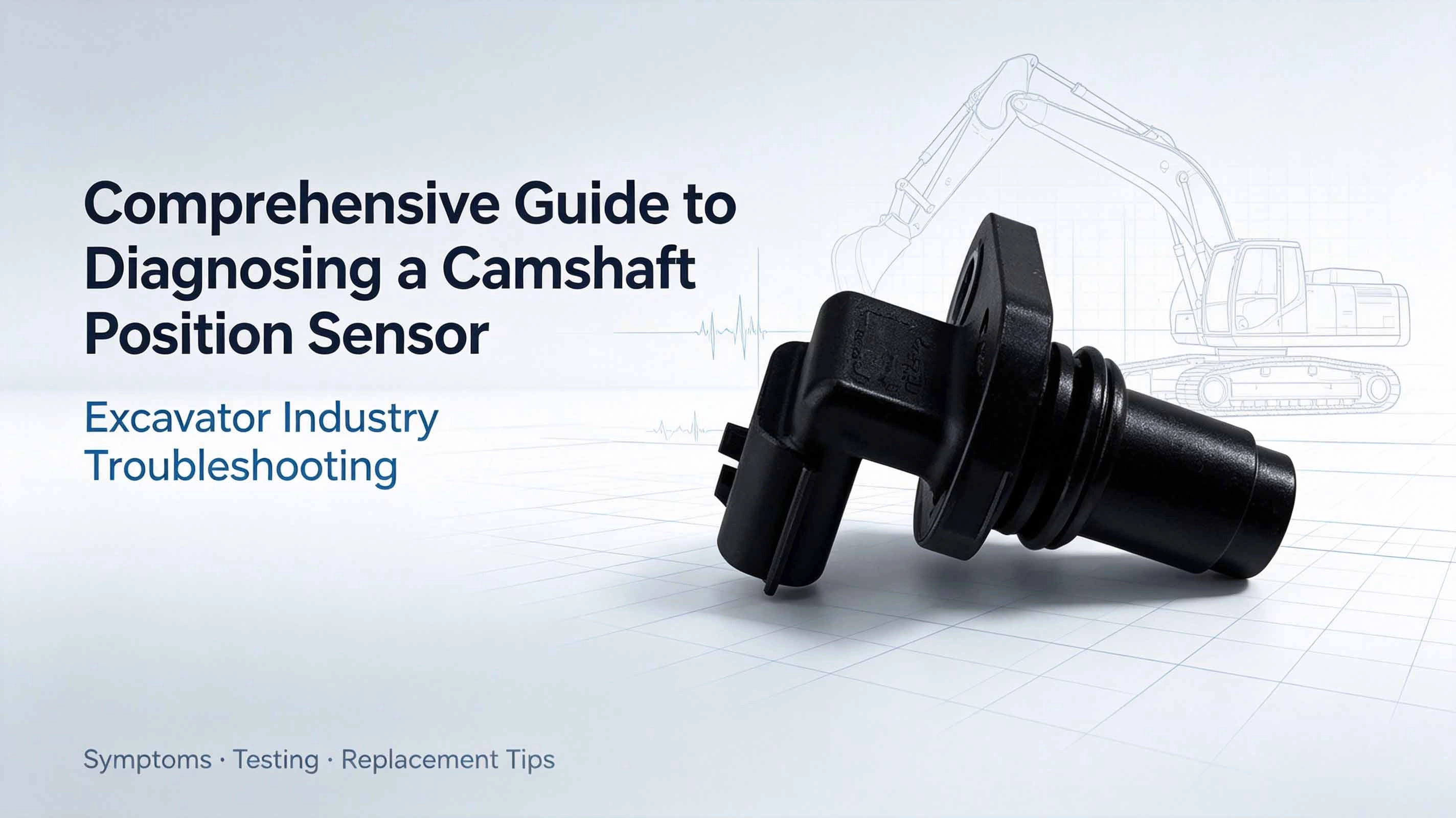
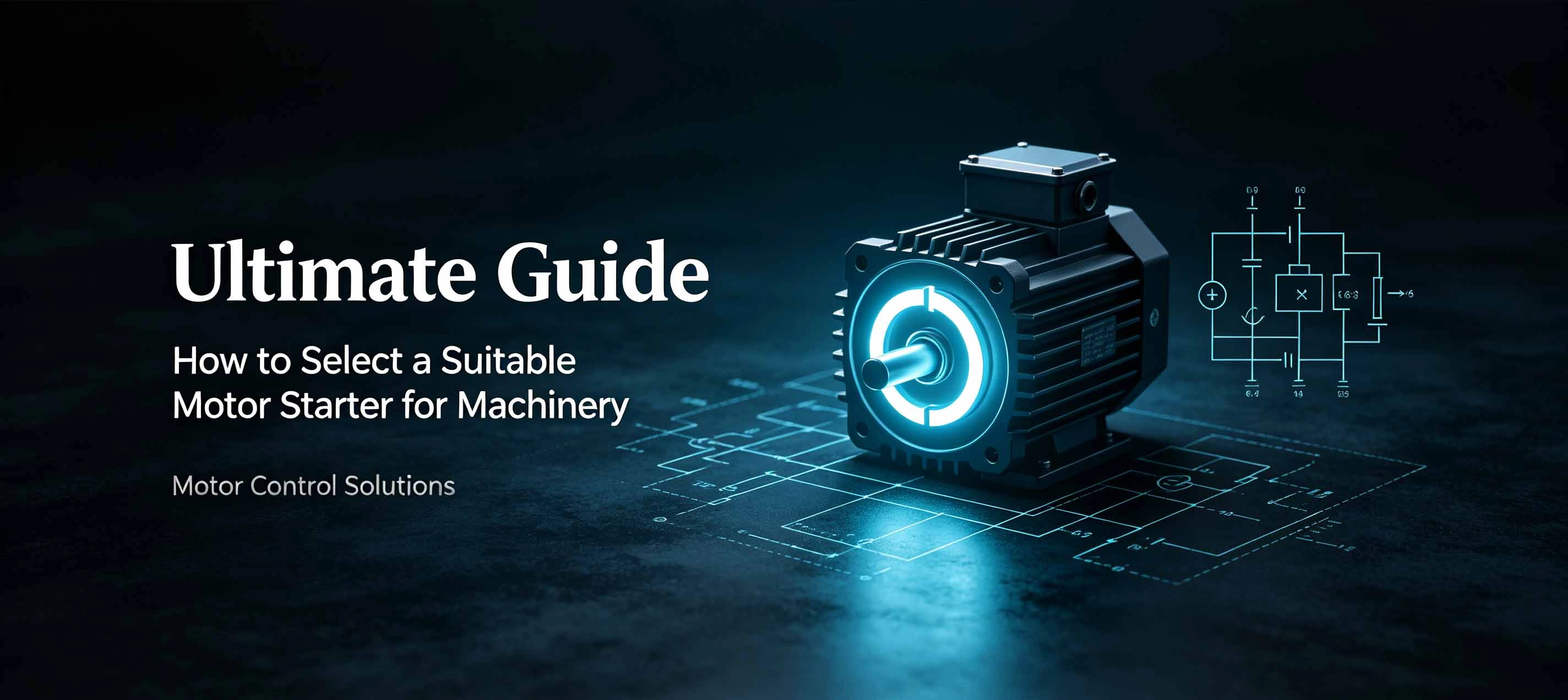
You can diagnose a camshaft position sensor using a digital multimeter. The procedure varies depending on the sensor type installed in your machine. Commonly, these sensors are either two-wire (magnetic variable reluctance) or three-wire (Hall‑effect). Use the following procedures to pinpoint the issue.
-
· Your equipment’s engine nameplate information
-
· Two critical technical parameters: system voltage and pinion gear teeth number
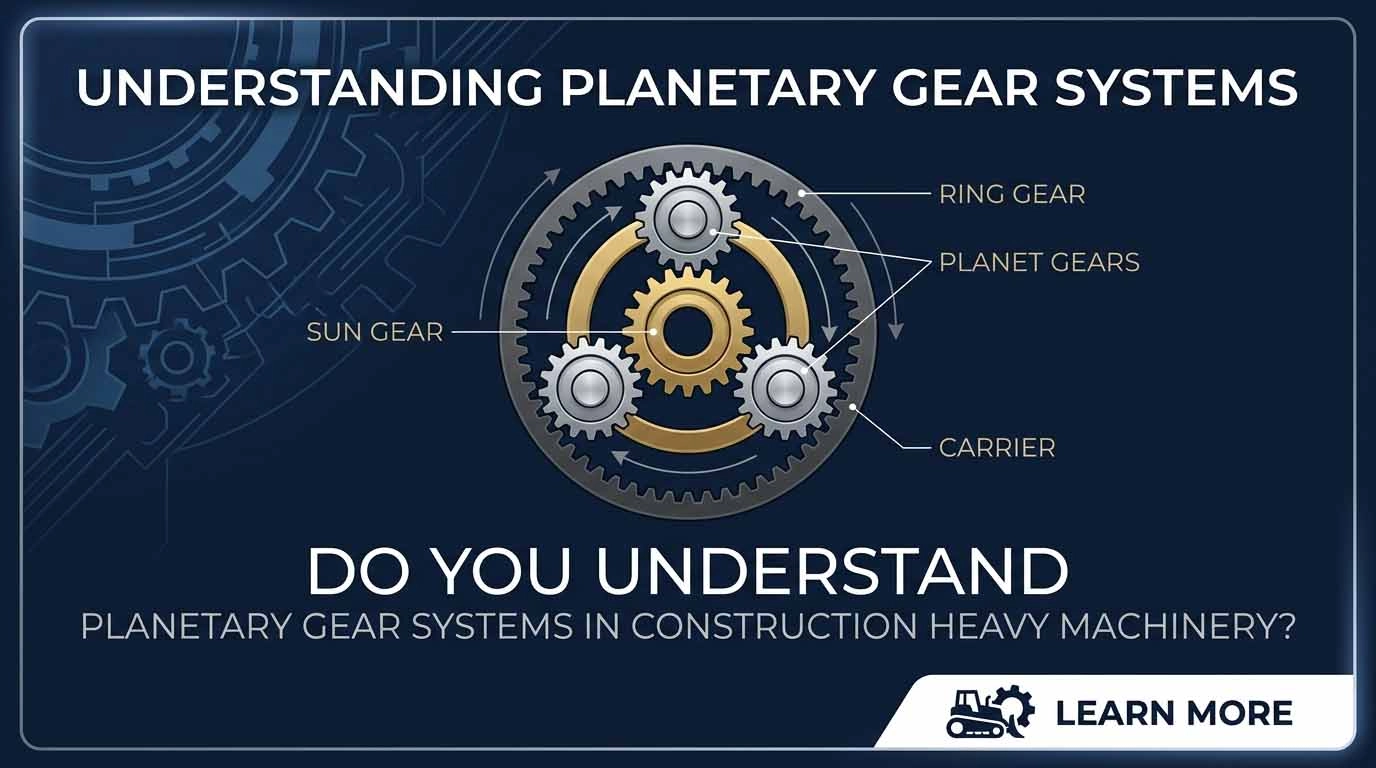
Every construction fleet owner and equipment operator should have basic knowledge of planetary gear assemblies fitted on heavy machinery. If your excavator suffers weak traction, bulldozer veers off course while moving, or farm tractor struggles to transmit power to rear wheels, the planetary gear unit is usually the root cause. Mastering its operating principle, core functions and early fault symptoms can help you cut unexpected downtime and expensive overhaul costs.
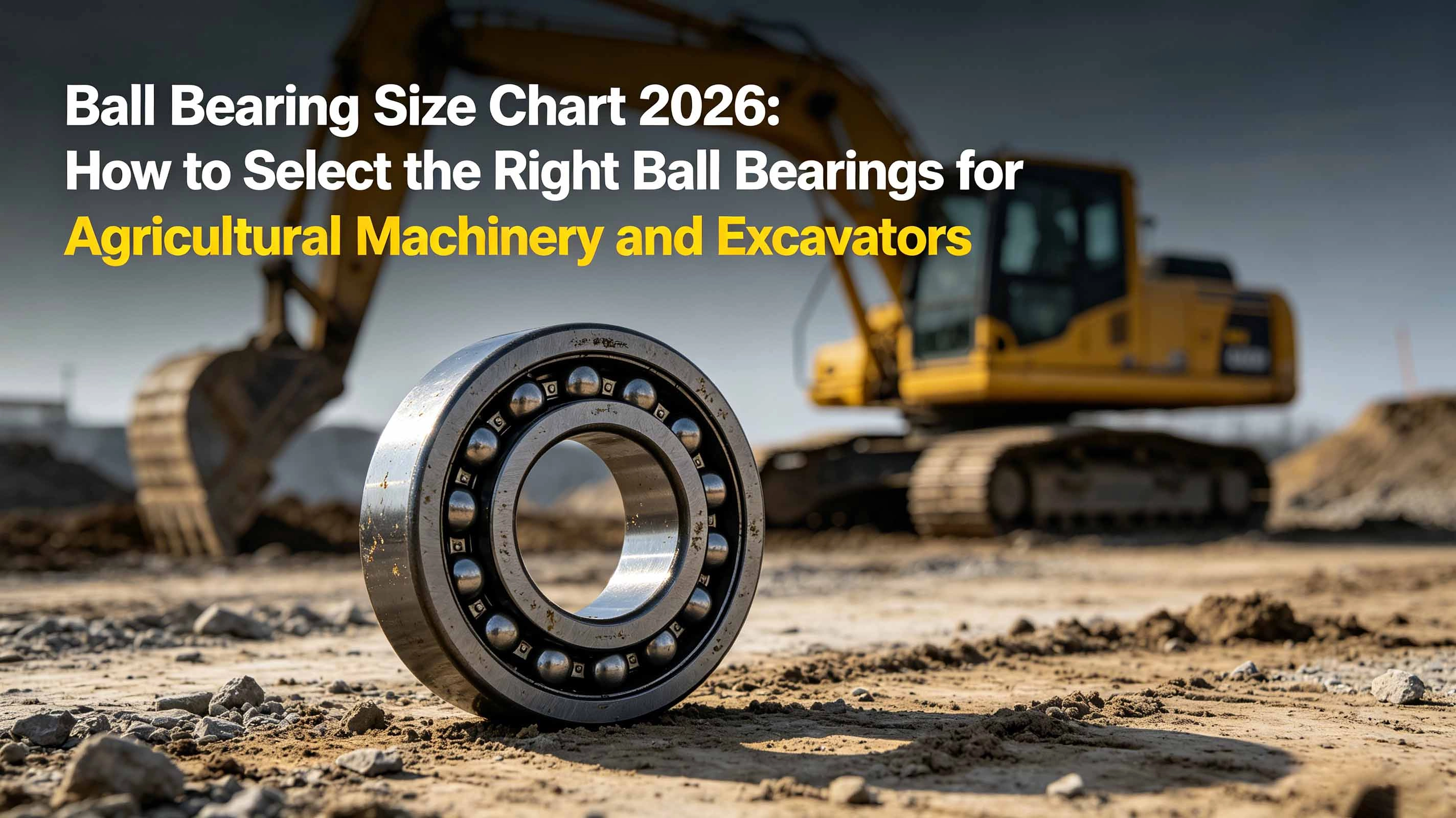
Struggling with buying the right ball bearings for your agricultural equipment, excavators, construction machinery, and other rotating components? You’ve come to the right place. In this guide, we’ll talk about the ball bearing sizes chart, how to measure bearing dimensions, and how to choose the correct ball bearings at Sparkling Machinery.
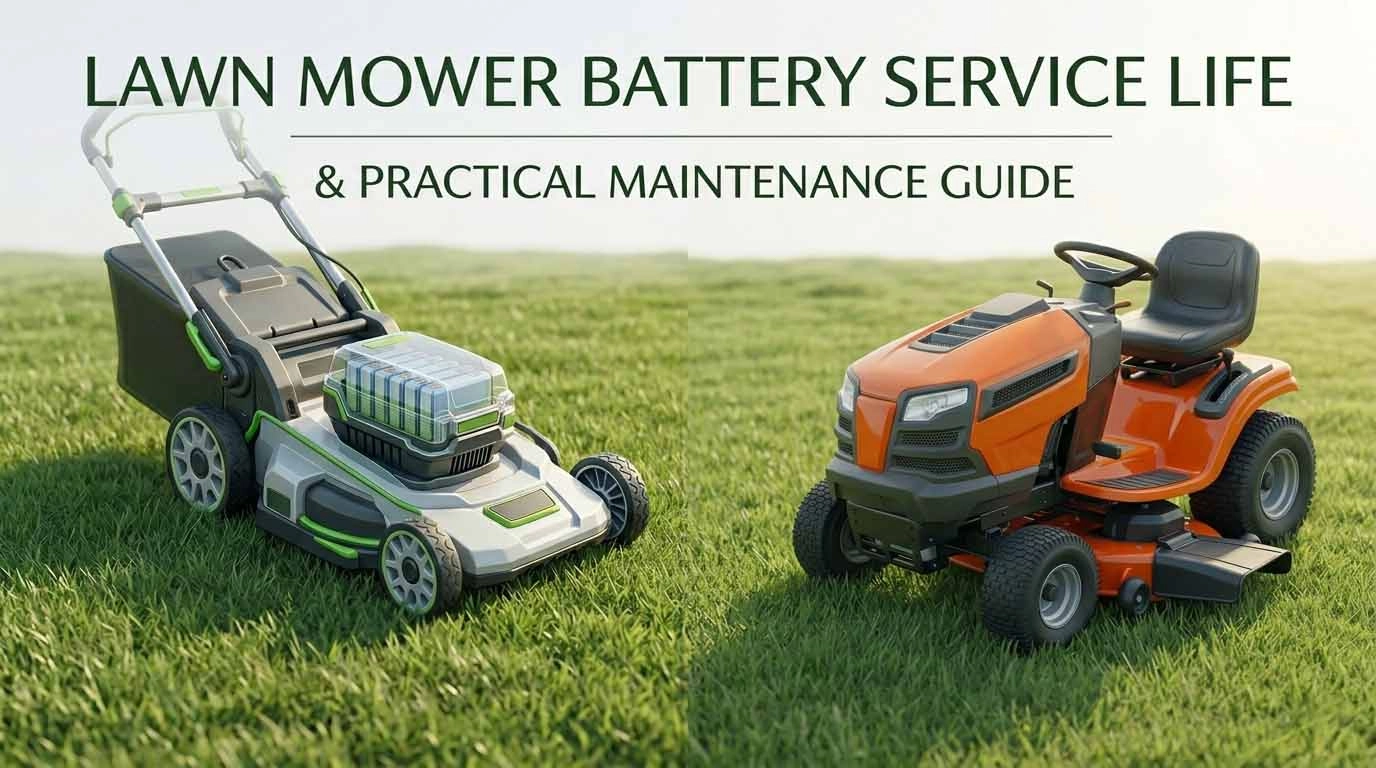
A durable battery is the core power source for lawn mowers, directly affecting daily mowing efficiency and equipment service life. Many users are confused about how long a standard lawn mower battery can serve normally. Generally speaking, a qualified lawn mower battery can work stably for 4 to 5 years under conventional use. Its actual service life differs by battery type, and scientific daily maintenance can effectively prolong its service time. To keep your lawn trimming work smooth all year round, it is essential to master the service life rules and maintenance skills of mower batteries, whether you use a riding lawn mower or a wireless electric lawn mower.
CAT Excavator Bucket Size Chart: Your Ultimate Guide to the Perfect Fit
A Complete Guide to Excavator Hydraulic Fluid: Types, Viscosity, and Making the Right Choice
Smart Excavators 2026: 15 Game‑Changing Technologies
Off-Road Diesel vs Regular Diesel: Key Differences 2026
Engine Knocking Explained: Causes, Symptoms, and Repair Options (2026)
Get in touch
We are committed to producing the highest quality products at the most competitive prices. Therefore, we sincerely invite all interested companies to contact us for more information.

Contact us
Email: ranroswang@hksparkling.com
Wechat: +86 136 0901 0879
Skype: foreverlucia1
WhatsApp: +86 136 0901 0879
Address: No. 514-515, Hulin Road, Tianhe District, Guangzhou, China.
Sparkling Machinery Co.,Ltd
sparkling_machinery
Whatsapp: +8613609010879