 ranroswang@hksparkling.com
  +86 138 2341 8469


How to Resolve Error Code P0037: A Comprehensive Guide
When the P0037 error code illuminates the dashboard of your heavy-duty on-road truck, it’s a clear indication that the aftertreatment system is malfunctioning. Fortunately, with the right knowledge, this issue can be resolved effectively. This article will break down the meaning of the P0037 code, its common causes, step-by-step repair methods, and diagnostic procedures. We’ll also cover special cases where similar problems may occur in non-road equipment equipped with Tier 4 Final engines. Whether you own or operate heavy trucks or specialized off-road machinery with emission-controlled diesel engines, this guide will help you minimize downtime, cut fuel costs, and avoid unnecessary part replacements.
- Ⅰ Quick Reference Table for Heavy-Duty Technicians
- Ⅱ What Exactly Is Error Code P0037?
- Ⅲ Common Causes of the P0037 Code
- Ⅳ Step-by-Step Guide to Fixing Error Code P0037
- Ⅴ How to Diagnose the P0037 Code
- Ⅵ Special Considerations for Off-Road and Tier 4 / Stage V Engines
- Ⅶ Preventing Future Oxygen Sensor Heater Failures
- Ⅷ Final Overview
Ⅰ Quick Reference Table for Heavy-Duty Technicians
|
Code |
Affected Sensor |
Location |
Primary System |
Common Root Cause |
|
P0037 |
Oxygen Sensor (Heater Circuit) |
Bank 1 Sensor 2 (post-catalyst) |
Emission System |
Open heater circuit / low voltage |
|
SPN 3251 FMI 3 |
Equivalent J1939 Fault |
Downstream O2 or NOx Sensor |
Aftertreatment |
Poor wiring, blown fuse |
|
P2205 |
NOx Sensor Heater Circuit |
Post-SCR Sensor |
DEF System |
Heater short-to-ground |
Ⅱ What Exactly Is Error Code P0037?
The P0037 code refers to “Heated Oxygen Sensor (HO2S) Heater Control Circuit Low – Bank 1 Sensor 2.” In simple terms, the engine’s Electronic Control Module (ECM) has detected abnormally low voltage in the heater circuit of the downstream oxygen sensor, which is positioned after the diesel oxidation catalyst or catalytic converter.
This sensor plays a crucial role in continuously monitoring the oxygen content in exhaust gases. This data helps the ECM adjust the air-fuel ratio with precision and manage the regeneration of the aftertreatment system.
Since the oxygen sensor needs to operate at a specific high temperature (often 600°C or higher) to function accurately, it is equipped with a built-in heater element. If the ECM detects a voltage lower than the expected range in this heater circuit, it will log the P0037 error code.
While this fault is most prevalent in on-road trucks with OBD-compliant ECMs, similar sensor heater circuit issues can occasionally arise in non-road machinery fitted with Tier 4 Final or Stage V engines, as these share automotive-style diagnostic systems.
Ⅲ Common Causes of the P0037 Code
Understanding the root causes of the P0037 code is key to implementing the right fix and avoiding blind part replacements. Here are the most frequent culprits:
|
Possible Cause |
Description |
|
Faulty Heater Element |
The heating resistor inside the downstream oxygen sensor is either open or shorted. |
|
Blown Fuse |
A fuse responsible for protecting the O2 heater circuit has failed, usually due to an overvoltage incident. |
|
Poor Ground Connection |
Corroded or broken ground wires result in voltage drops and trigger “circuit low” readings. |
|
Damaged Wiring Harness |
Melted insulation, worn connectors, or moisture intrusion can cause short circuits to the ground. |
|
ECM Driver Failure |
Though rare, the internal transistor in the ECM that controls the heater may malfunction. |
|
Exhaust Heat Damage |
In older trucks, sensor wires positioned too close to hot exhaust pipes can burn, disrupting current flow. |
In heavy-duty diesel engines, downstream oxygen sensors typically fail due to vibration and thermal cycling. After thousands of hours of operation, the internal heater can burn out, much like a light bulb filament.
Ⅳ Step-by-Step Guide to Fixing Error Code P0037
There’s no one-size-fits-all solution for the P0037 code— the repair depends on the underlying cause. Below is a practical, industry-standard approach used by most fleet technicians:
1. Inspect the Sensor Connector: Disconnect the plug of the downstream oxygen sensor. Check for moisture, melted pins, or corrosion. Clean the connector thoroughly and reattach it securely.
2. Check Fuses and Grounds: Use a multimeter to test the continuity of the heater-circuit fuse and ensure a solid ground connection to the chassis.
3. Measure Sensor Resistance: Remove the sensor and measure the resistance of the heater terminals. A normal reading typically ranges from 3–10Ω. Infinite resistance indicates an open heater element.
4. Test for Short-to-Ground or Voltage: With the ignition on and the sensor unplugged, the heater-power wire should register 12V. A constant reading of zero suggests a blown fuse or a broken wire.
5. Replace the Faulty Sensor: If the resistance or voltage tests fail, replace the oxygen sensor. Apply anti-seize compound to the threads and tighten according to the specifications in the service manual.
6. Clear the Code: Use an OBD-II or J1939 service tool to reset the P0037 code. Start the engine and monitor the data to confirm that the circuit voltage returns to normal.
Quick Tip: Avoid replacing the sensor without verifying the integrity of the circuit first— many repeat P0037 issues stem from a broken ground or fuse, not a faulty sensor.
Pro Tip: Aftermarket suppliers like SPARKLING MACHINERY offer high-quality oxygen sensors designed for heavy-duty trucks and some Tier 4 off-road engines. These sensors meet OEM standards but come at a fraction of the dealership price, ensuring accurate readings and faster warm-up performance.
Ⅴ How to Diagnose the P0037 Code
Diagnosis should follow a logical sequence to distinguish between component failures, wiring issues, and ECM problems. Here’s a checklist aligned with professional fleet maintenance standards:
1. Confirm the Fault: Clear all existing error codes, warm up the engine, and check if the P0037 code reappears. If not, it may have been a temporary voltage drop.
2. Visual Inspection: Trace the wiring harness from the downstream oxygen sensor to the ECM. Look for melted, frayed, or pinched wires, particularly near the exhaust system.
3. Perform a Voltage Drop Test: Measure the voltage between the heater-power feed and the chassis ground under load. A reading above 0.2V indicates resistance from a loose or poor connection.
4. Check ECM Output: Use a scan tool to activate the O2 heater and monitor the voltage. If the power and ground connections are good but there’s no current draw, the heater is likely burned out.
5. Cross-Compare with Other Sensors (Optional): If available, monitor data from both upstream and downstream sensors. A downstream sensor warm-up time exceeding 90 seconds often confirms a failed heater.
Technicians should also review service bulletins. Some truck ECMs only trigger the P0037 code after prolonged cold-start cycles, which may simply require cleaning or re-torquing heavy-gauge connectors— a simple task that prevents costly downtime.
Ⅵ Special Considerations for Off-Road and Tier 4 / Stage V Engines
Modern off-road machinery powered by Tier 4 Final engines often feature similar exhaust aftertreatment configurations. While most use the SPN/FMI diagnostic format instead of OBD “P-codes,” a heater-circuit-low fault can behave similarly to P0037. In other words, whether the code reads SPN 3251 FMI 3 or P0037, the issue points to the heater circuit of an exhaust oxygen sensor or NOx sensor.
The repair logic remains consistent: test the voltage supply, ground connections, and sensor resistance before replacing any components. These sensors are critical for precise DEF dosing and shortening regeneration cycles.
Ⅶ Preventing Future Oxygen Sensor Heater Failures
Routine maintenance can help avoid recurring P0037 codes:
• Keep wiring looms away from turbo or DPF heat sources.
• Replace aging connectors with weather-sealed alternatives.
• Inspect for rusted ground lugs during oil changes.
• Apply dielectric grease to all oxygen sensor connectors.
• Always torque new sensors to the specified value to prevent exhaust leaks.
Remember: Downstream sensors communicate continuously with the ECM. Even a small deviation in heater resistance can trigger a false alarm, so maintaining clean electrical connections is essential.
Ⅷ Final Overview
While the P0037 code may seem like a minor electronic issue, ignoring it can lead to increased fuel consumption and costly downtime for fleets reliant on precise emission control. The solution is usually straightforward: clean the wiring, replace the faulty oxygen sensor if needed, reset the code, and get your truck or Tier 4 machine back in operation. If you need reliable replacement sensors, SPARKLING MACHINERY offers a wide range of aftermarket oxygen sensors for heavy-duty engines. You’ll get OEM-level performance at an affordable price, plus fast global shipping. Upgrade to a quality part today and restore your equipment’s full efficiency.
About SPARKLING MACHINERY:
- Founded in 2013, SPARKLING focuses on high-quality excavator parts across hydraulics, undercarriage, engines and electrical systems. We prioritize stability, precision and continuous service, offering worldwide distribution, tailored solutions and strict QC to help customers reduce cost and increase uptime.

Get In Touch:
- Replace your failing ECU confidently. Contact SPARKLING for pricing, lead time, and technical support — restore optimal machine control quickly and reliably.
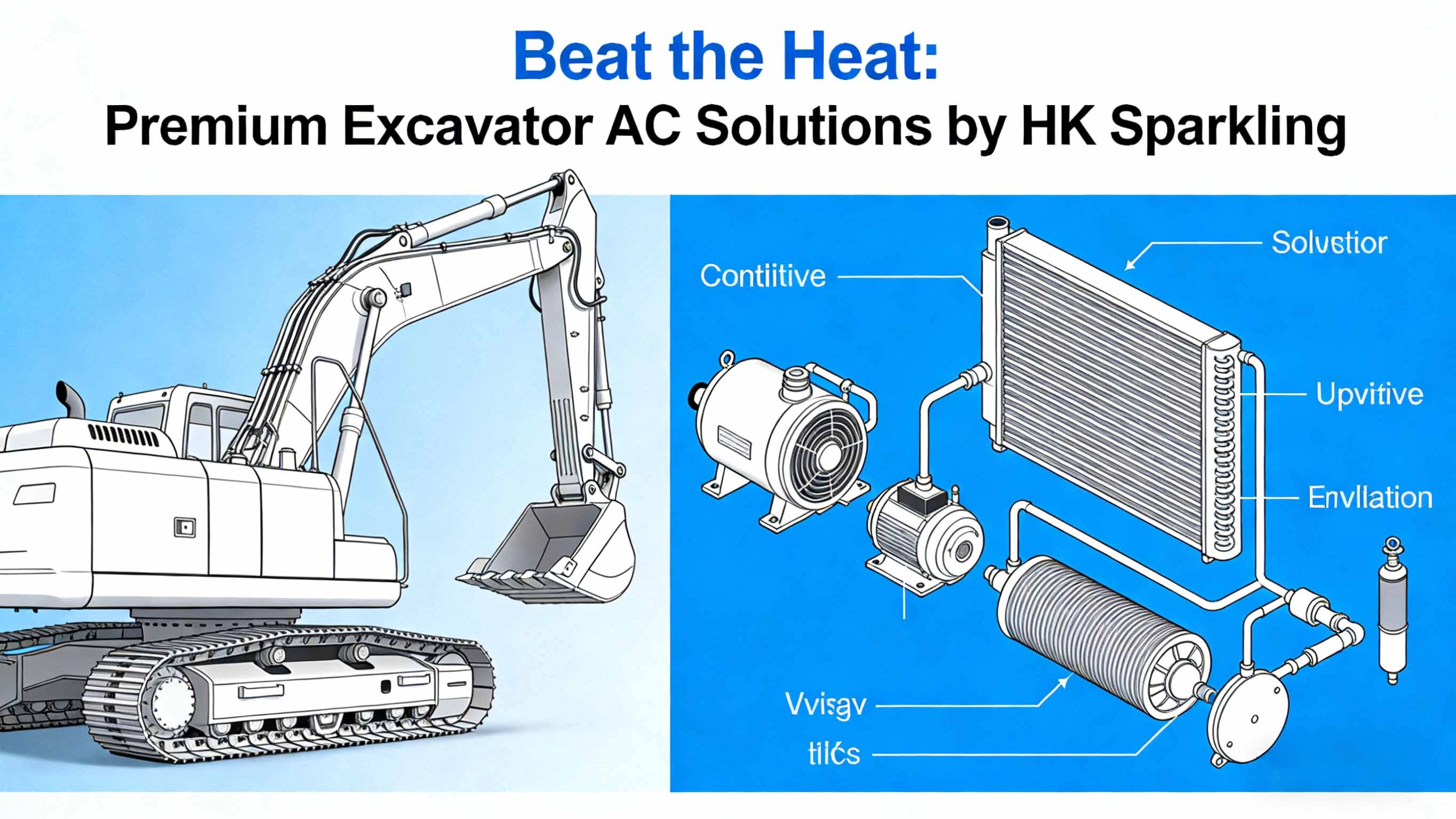
Beat the Heat: Premium Excavator AC Solutions by HK Sparkling

The Brain of the Beast: Mastering Excavator Electrical Systems
Maximize Your Excavator’s Power: High-Performance Hydraulic Solutions by HK Sparkling
Keep Your Iron Heart Beating: A Guide to Excavator Engine Systems

The Ultimate Guide to Premium Wheel Excavator Parts: Enhancing Performance for Doosan and Hyundai Fleets
faq
Are your products covered by a warranty?
-
Yes, all of our excavator parts come with a warranty to ensure quality and reliability. The warranty period may vary depending on the type of part. Please contact us for detailed warranty terms for specific products.
-
What types of excavator parts do you manufacture?
We manufacture a wide range of excavator parts, including hydraulic components, undercarriage parts, engine parts, wear parts, and more. Our products are designed to fit a variety of excavator models and are built to meet the highest quality standards.
Do you offer customized parts?
-
Yes, we offer tailored solutions to meet specific customer requirements. Whether you need custom dimensions or specialized features, we can design and produce parts that perfectly match your excavator’s needs.
-
Can I get technical support for installing your parts?
Absolutely. We provide technical support and guidance for the installation and maintenance of our parts. Our team is available to assist you with any questions or concerns to ensure proper installation and optimal performance.
How do you ensure the quality of your parts?
We follow strict quality control procedures throughout the manufacturing process. Our parts are tested for durability, performance, and precision to ensure they meet industry standards and exceed customer expectations.
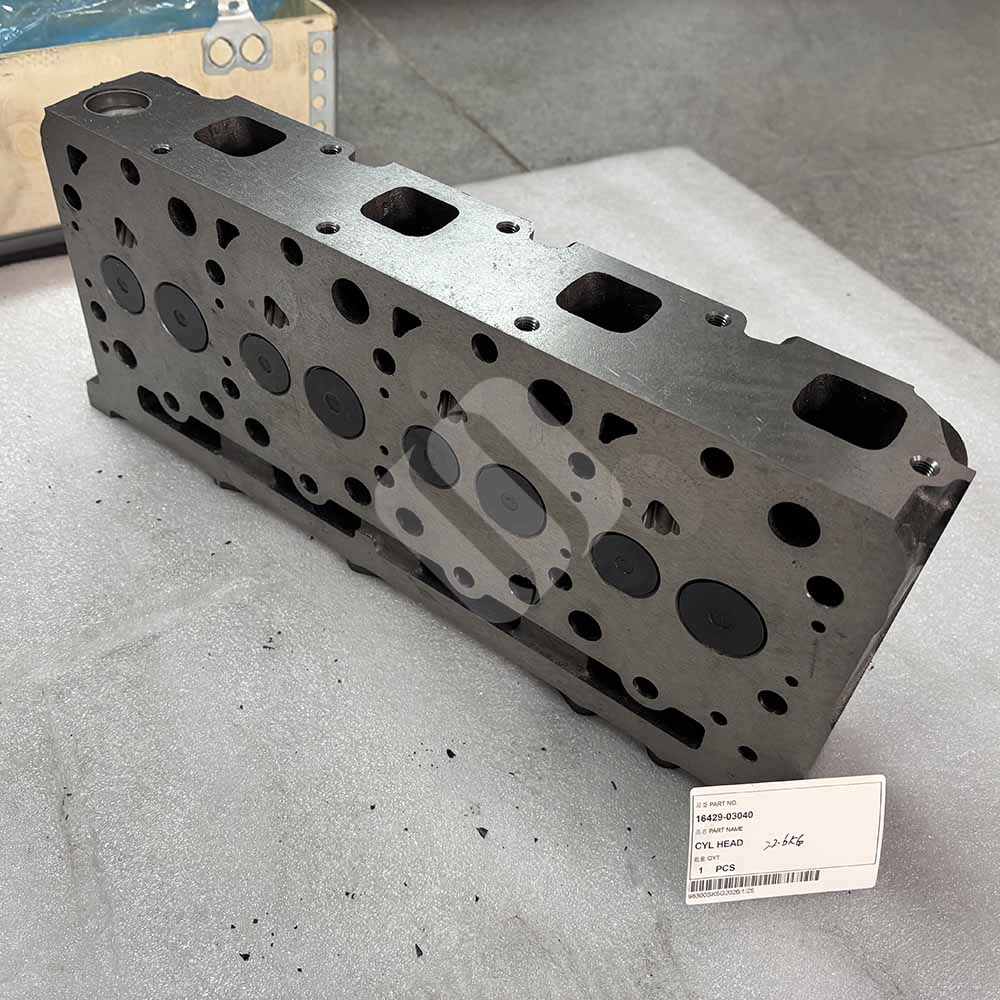
16429-03040 Engine Cylinder Head for Kubota Excavator KX121-3 KX161-3 U45
16429-03040 Engine Cylinder Head for Kubota Excavator KX121-3 KX161-3 U45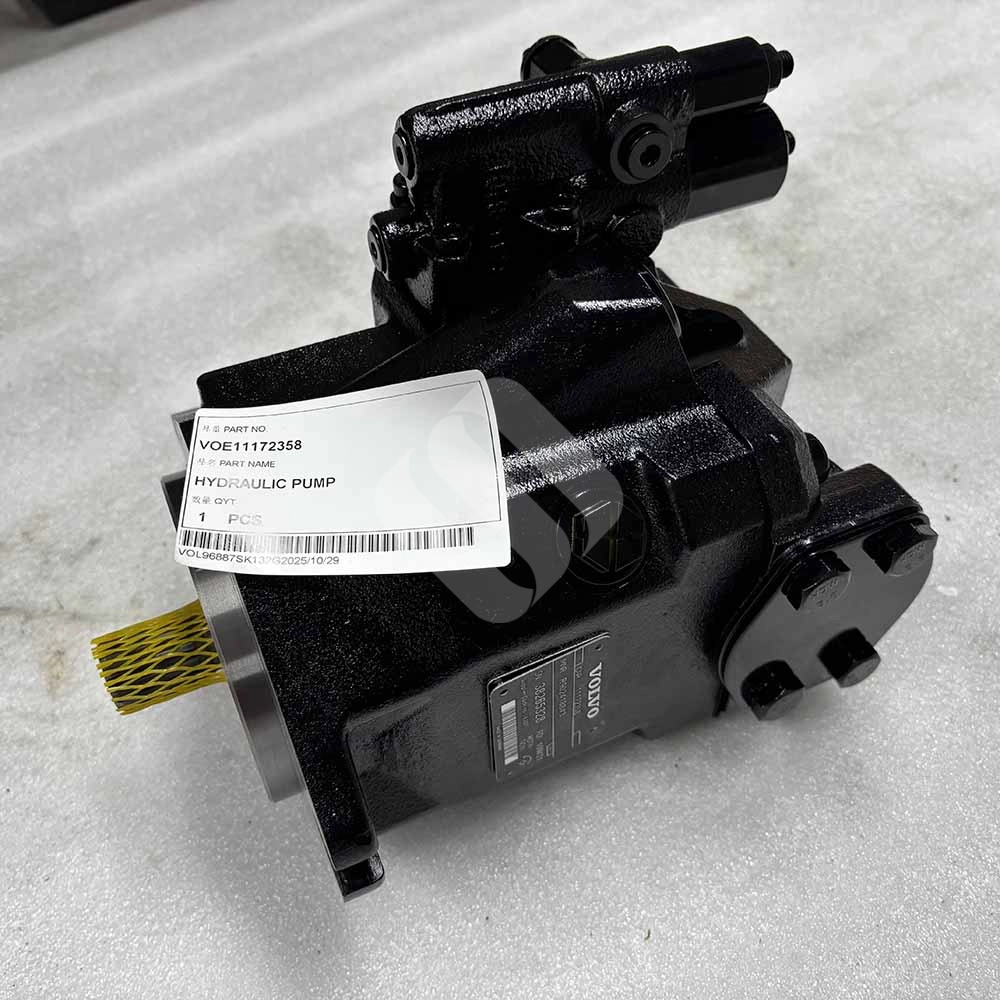
VOE11172358 11172358 Hydraulic Pump for Volvo Wheel Loader L60E L70E L90E L110E L60F L70F L90F L120F
VOE11172358 11172358 Hydraulic Pump for Volvo Wheel Loader L60E L70E L90E L110E L60F L70F L90F L120F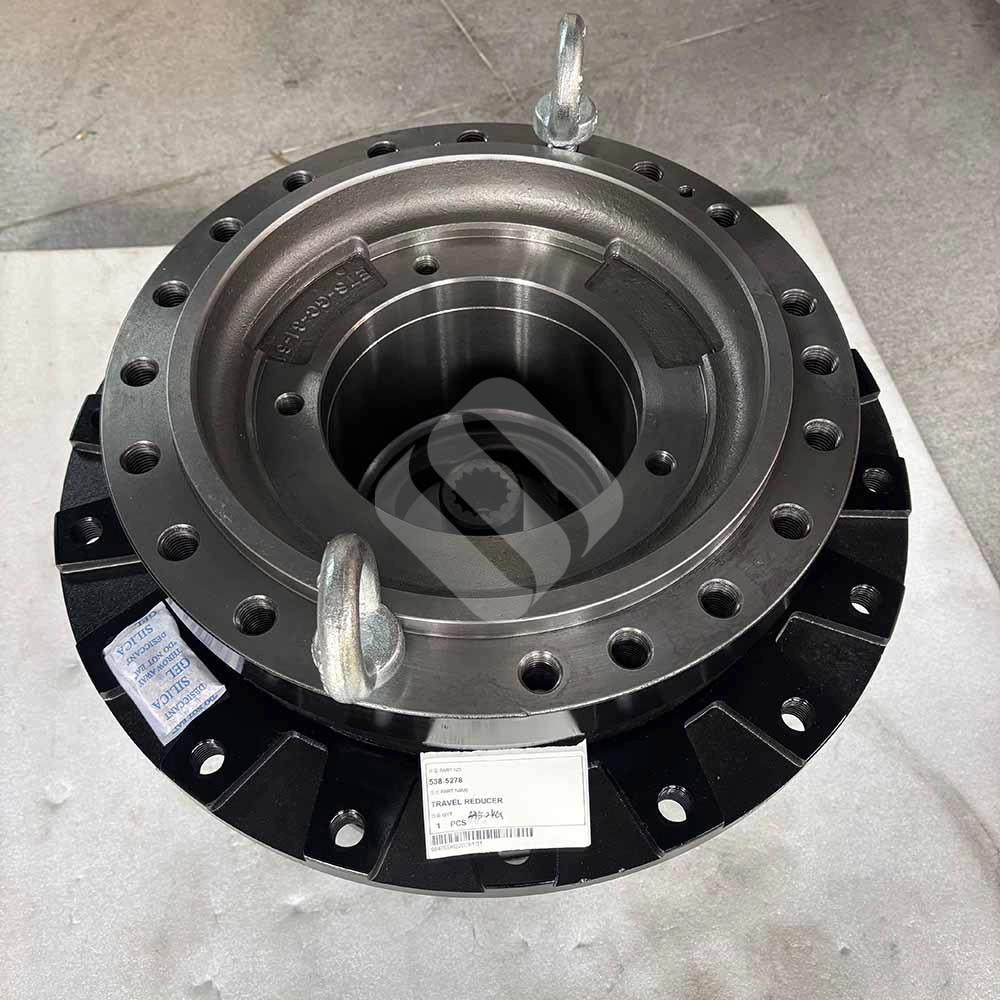
Travel Reducer 538-5278 for Caterpillar CAT Excavator 330 330GC 330F
Travel Reducer 538-5278 for Caterpillar CAT Excavator 330 330GC 330F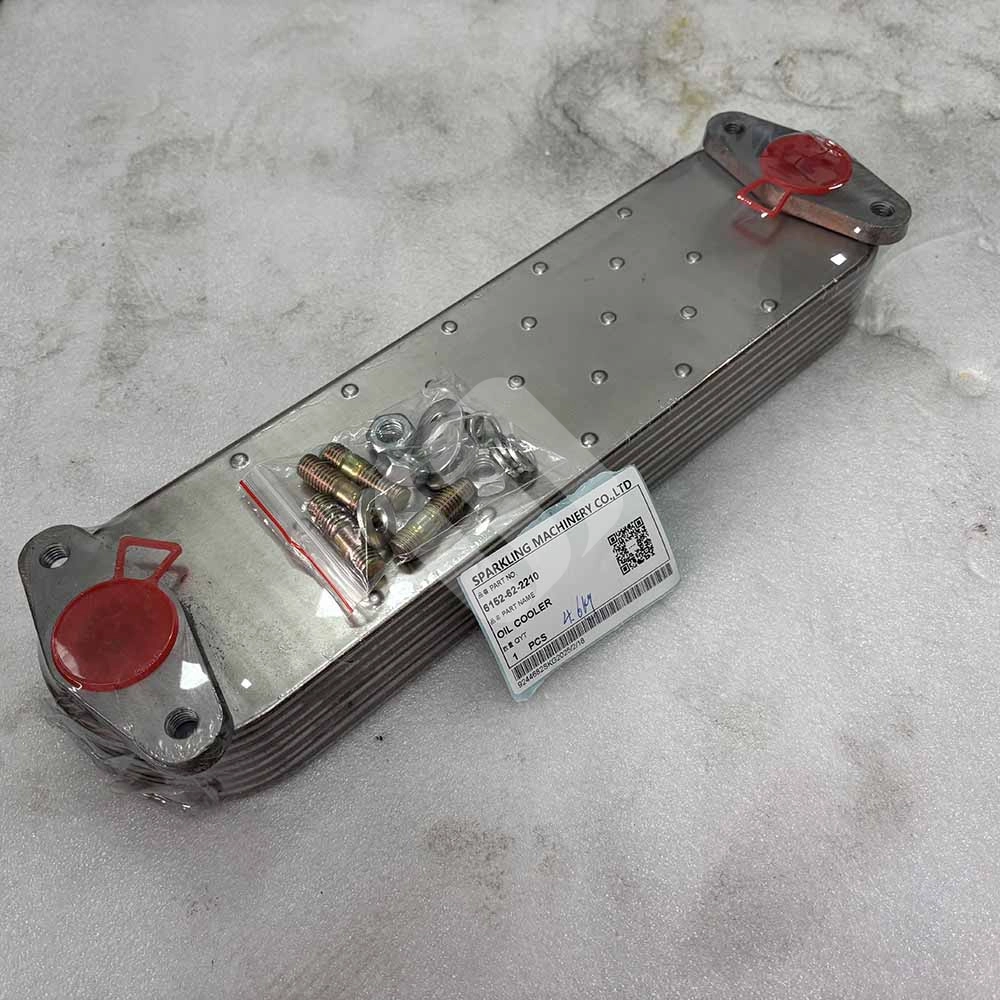
6152-62-2210 Oil Cooler for Komatsu PC400-7 PC400-8 PC400LC-8 & Wheel Loaders WA470-3 WA470-5
6152-62-2210 Oil Cooler for Komatsu PC400-7 PC400-8 PC400LC-8 & Wheel Loaders WA470-3 WA470-5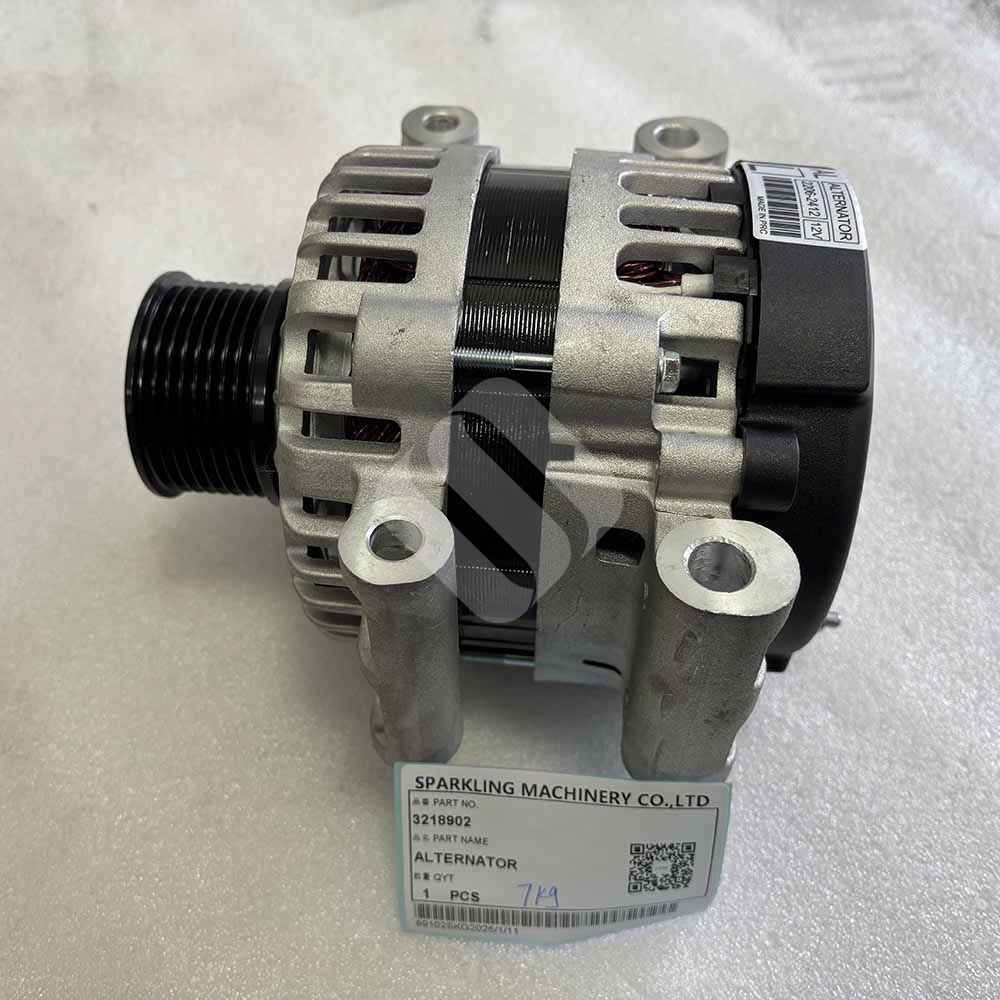
12V 100A 7Kg 3218902 Alternator for Caterpillar Engines 3512C, C4.4, C7.1 – Reliable Power Supply
12V 100A 7Kg 3218902 Alternator for Caterpillar Engines 3512C, C4.4, C7.1 – Reliable Power Supply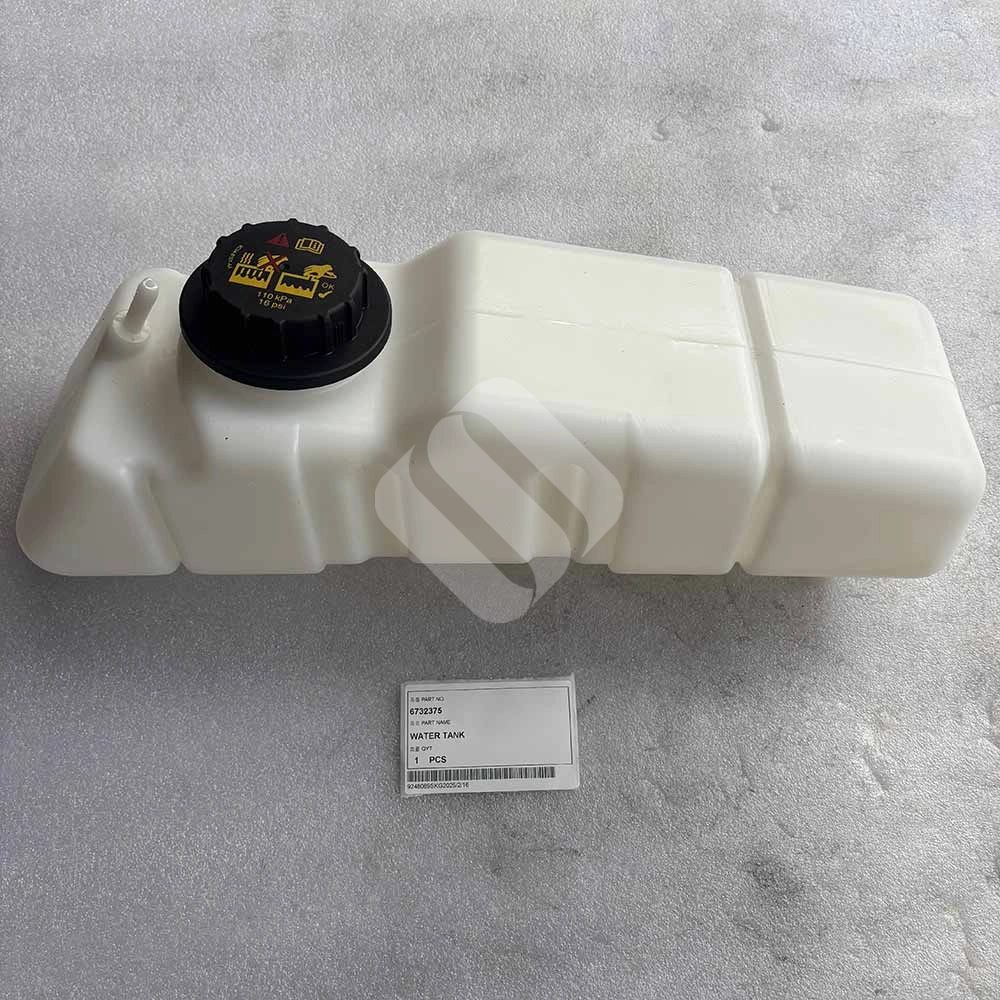
6732375 Water Tank for Volvo Construction Equipment EC200B EC210B EC210C EC240B
6732375 Water Tank for Volvo Construction Equipment EC200B EC210B EC210C EC240B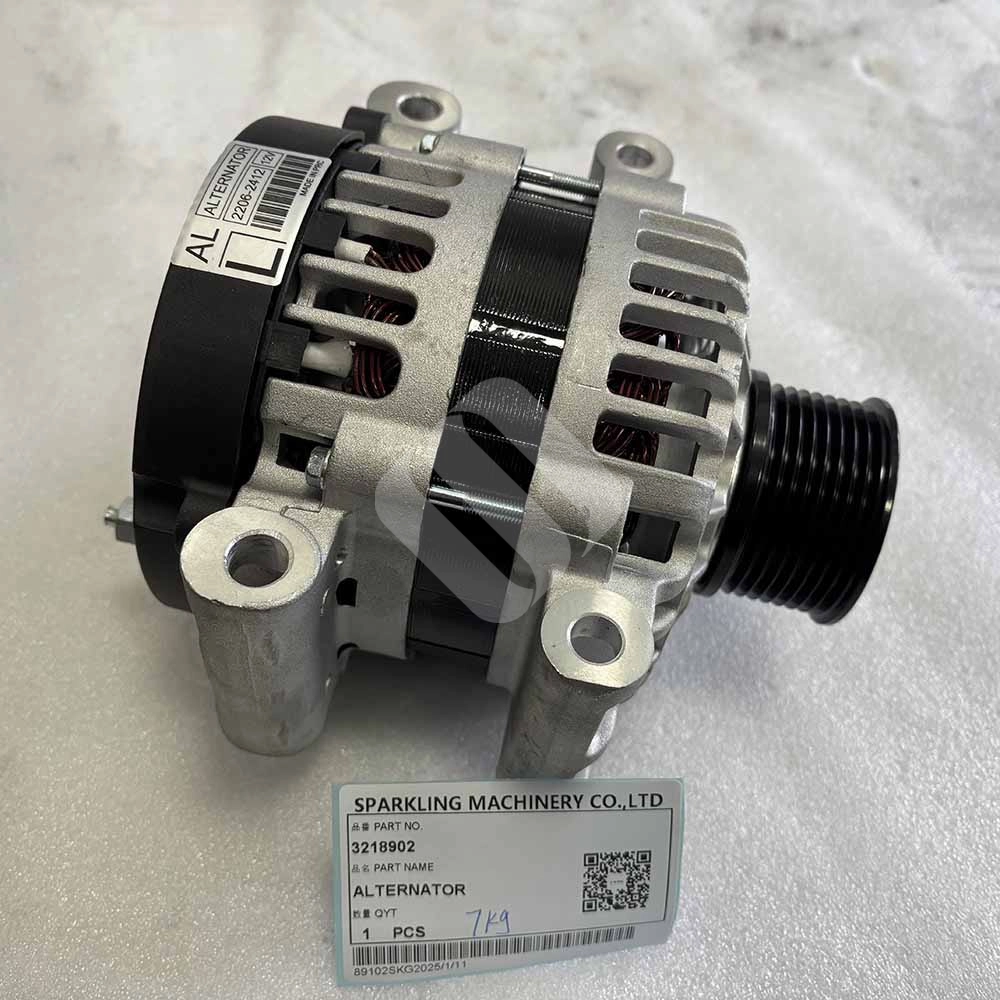
12V 100A 7Kg 3218902 Alternator for Caterpillar Engines C4.4, C7.1, 3512C
12V 100A 7Kg 3218902 Alternator for Caterpillar Engines C4.4, C7.1, 3512C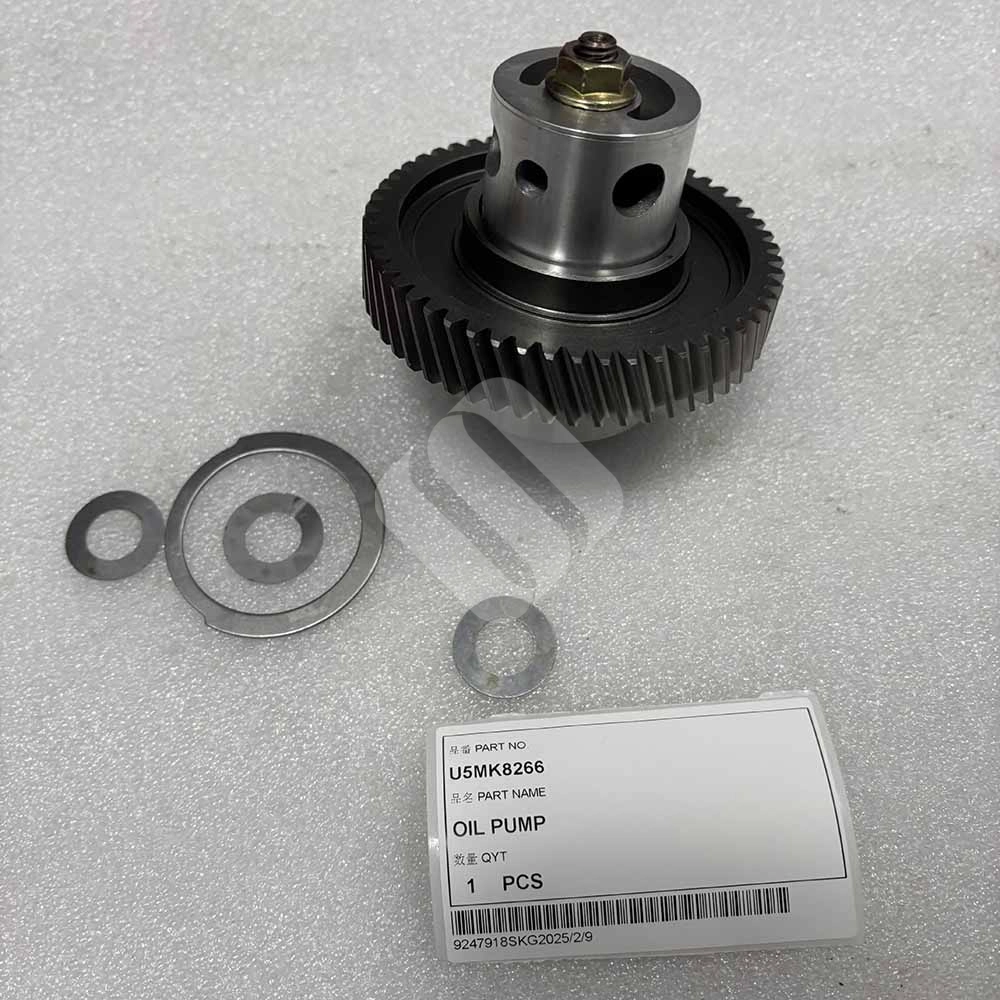
U5MK8266 Oil Pump for Shibaura and Caterpillar Engines - OEM Replacement
U5MK8266 Oil Pump for Shibaura and Caterpillar Engines - OEM Replacement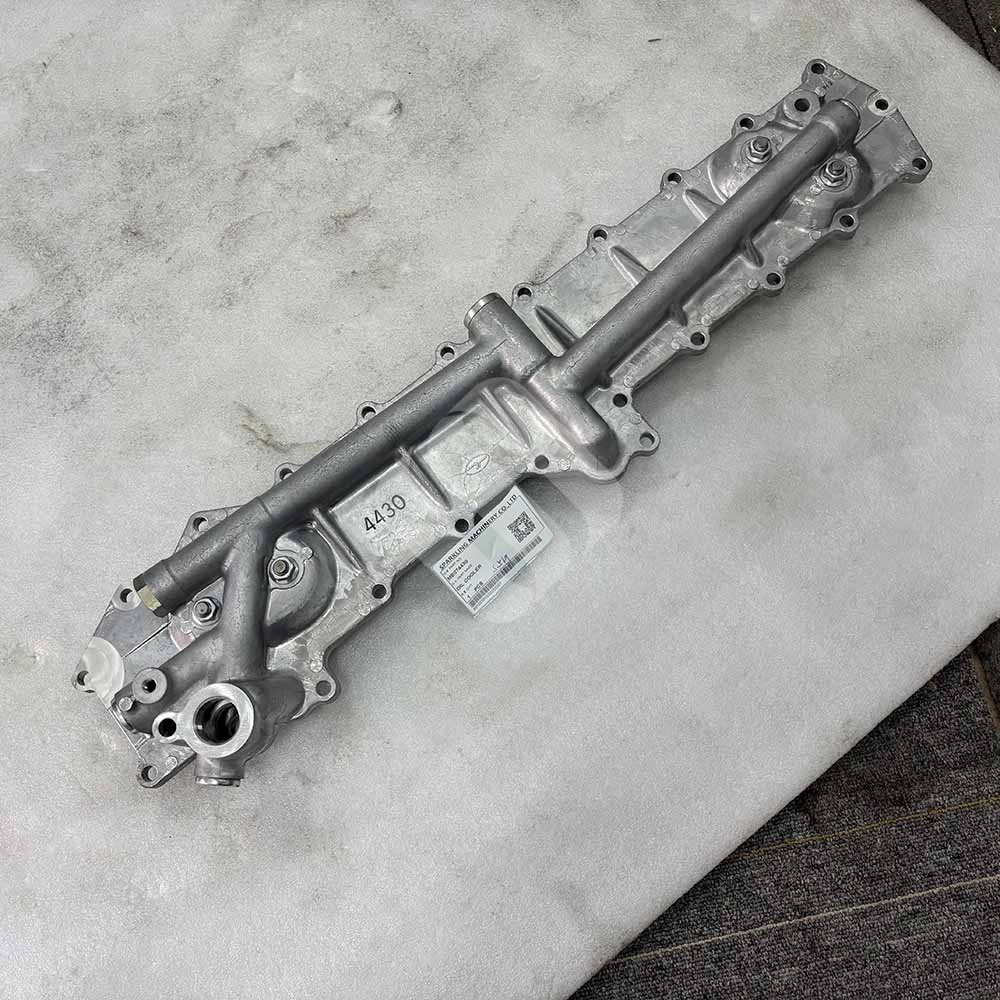
5.5Kg ME074430 Oil Cooler for Mitsubishi 6D16, S6R, S12R Engines
5.5Kg ME074430 Oil Cooler for Mitsubishi 6D16, S6R, S12R Engines
Excavator Spare Parts 65.96501-0033B O-ring for Doosan DL200 DL350 DX225 DX160
Excavator Spare Parts 65.96501-0033B O-ring for Doosan DL200 DL350 DX225 DX160Get in touch
We are committed to producing the highest quality products at the most competitive prices. Therefore, we sincerely invite all interested companies to contact us for more information.

Contact us
Email: ranroswang@hksparkling.com
Wechat: +86 136 0901 0879
Skype: foreverlucia1
WhatsApp: +86 136 0901 0879
Address: No. 514-515, Hulin Road, Tianhe District, Guangzhou, China.
Sparkling Machinery Co.,Ltd
sparkling_machinery
Whatsapp: +8613609010879