 ranroswang@hksparkling.com
  +86 138 2341 8469


Hydraulic Cylinder: 8 Basic Components You Need to Know 2026
Learn 8 key hydraulic cylinder components from SPARKLING. High-quality parts for durability & precision in hydraulic cylinders. Shop reliable parts now!
- What is a hydraulic cylinder?
- The Basics of Hydraulic Cylinders
- Types of Hydraulic Cylinders
- How a Hydraulic Cylinder Works?
- What is a hydraulic cylinder used for?
- Common Uses of Hydraulic Cylinders:
- What are the Parts of a Hydraulic Cylinder?
- The 8 Basic Hydraulic Cylinder Components
- Cylinder Barrel:
- Piston:
- Rod:
- Hydraulic Cylinder Seals:
- Gland:
- End Caps:
- Helm Pump Drive Hydraulic Cylinder:
- Hydraulic Cylinder Tools:
- Installation and Maintenance of Hydraulic Cylinder Components
- FAQs about Hydraulic Cylinder Components
- How do you measure a hydraulic cylinder?
- What is the difference between a single and double acting hydraulic cylinder?
- How do hydraulic cylinder seals work?
- How do I select the right hydraulic cylinder?
- How often should hydraulic cylinders be serviced?
- How do I choose a reliable hydraulic cylinder manufacturer?
- How to choose the equipment that needs to be replaced?
- Conclusion
What is a hydraulic cylinder?
The Basics of Hydraulic Cylinders
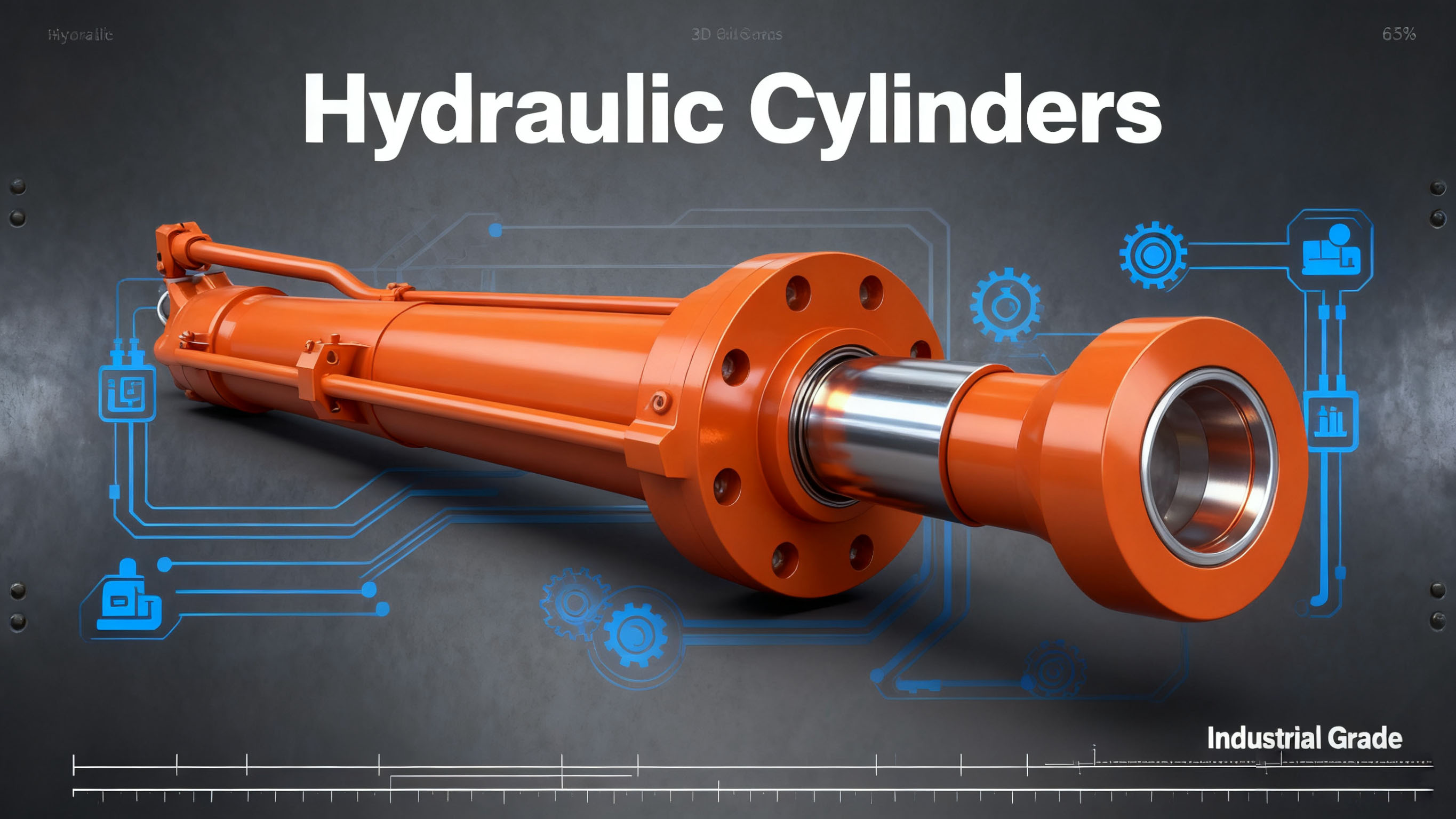
A hydraulic cylinder is a mechanical device that converts hydraulic energy into mechanical force to perform tasks requiring linear motion. It's a key part of hydraulic systems, where fluid pressure pushes the piston to move and creates force. Hydraulic cylinders are widely used in industries like construction, mining, and manufacturing because they're reliable and capable of generating significant force in a small, compact form. You can use these cylinders in both single-acting and double-acting configurations, depending on your needs. The hydraulic cylinder components work together to ensure smooth operation under heavy loads, including the barrel, piston, rod, and seals. Understanding the hydraulic cylinder structure, maintenance & selection is crucial to ensure the system performs efficiently and lasts for a long time.
Types of Hydraulic Cylinders
There are different types of hydraulic cylinders, and they're chosen based on the specific needs of the job. The most common types are
| Type | Description | Applications |
|---|---|---|
| Single Acting Hydraulic Cylinder | It uses hydraulic pressure to move the piston in one direction, and a spring or some other mechanism usually provides the return force. | Using small hydraulic cylinders to lift and push agricultural equipment. |
| Double Acting Hydraulic Cylinder | It uses hydraulic pressure to extend and retract the piston, giving you more control over the motion. | It's used in heavy-duty machinery, like excavators, cranes, and manufacturing equipment. |
| Telescopic Hydraulic Cylinder | It has several piston extending stages that allow for longer strokes in a small package. | This is perfect for dump trucks and other equipment that needs a long extension in a small space. |
| Rotary Hydraulic Cylinder | It basically takes hydraulic energy and converts it into rotary motion instead of linear motion. | You'll find it in rotary actuators, steering systems, and heavy equipment. |
How a Hydraulic Cylinder Works?
A hydraulic cylinder operates by using hydraulic fluid to exert pressure on a piston, which generates linear motion. The fluid enters the cylinder and pushes the piston in one direction, creating the force necessary to move heavy loads. Hydraulic cylinders can be single acting or double acting, which determines how the force is applied. In a single acting hydraulic cylinder, pressure is applied in one direction, and a spring or external force returns the piston to its original position. In a double acting hydraulic cylinder, pressure is applied in both directions, offering more precise control for tasks like lifting and pushing. Hydraulic cylinder tools are essential during installation and maintenance to ensure that the cylinder components are aligned correctly and functioning optimally.
What is a hydraulic cylinder used for?
Hydraulic cylinders are used in a bunch of industries for applications that need strong linear motion. They're essential for machines like excavators, forklifts, and cranes, letting them lift, push, or pull heavy stuff. Hydraulic cylinders are the secret to moving and manipulating parts with precision and strength.
Common Uses of Hydraulic Cylinders:
-
Excavators: Hydraulic cylinders are used to control the movement of the arm, boom, and bucket.
Forklifts: The hydraulic cylinder powers the forklift's forks, which are essential for material handling.
Cranes: Hydraulic cylinders let you move the boom with precision to lift heavy loads.
Agricultural Machinery: You'll find it in tractors and harvesters, where it powers things like plows and seeders.
Manufacturing Equipment: You'll find hydraulic cylinders in presses, molding machines, and other industrial machines that need a lot of force.
-

What are the Parts of a Hydraulic Cylinder?
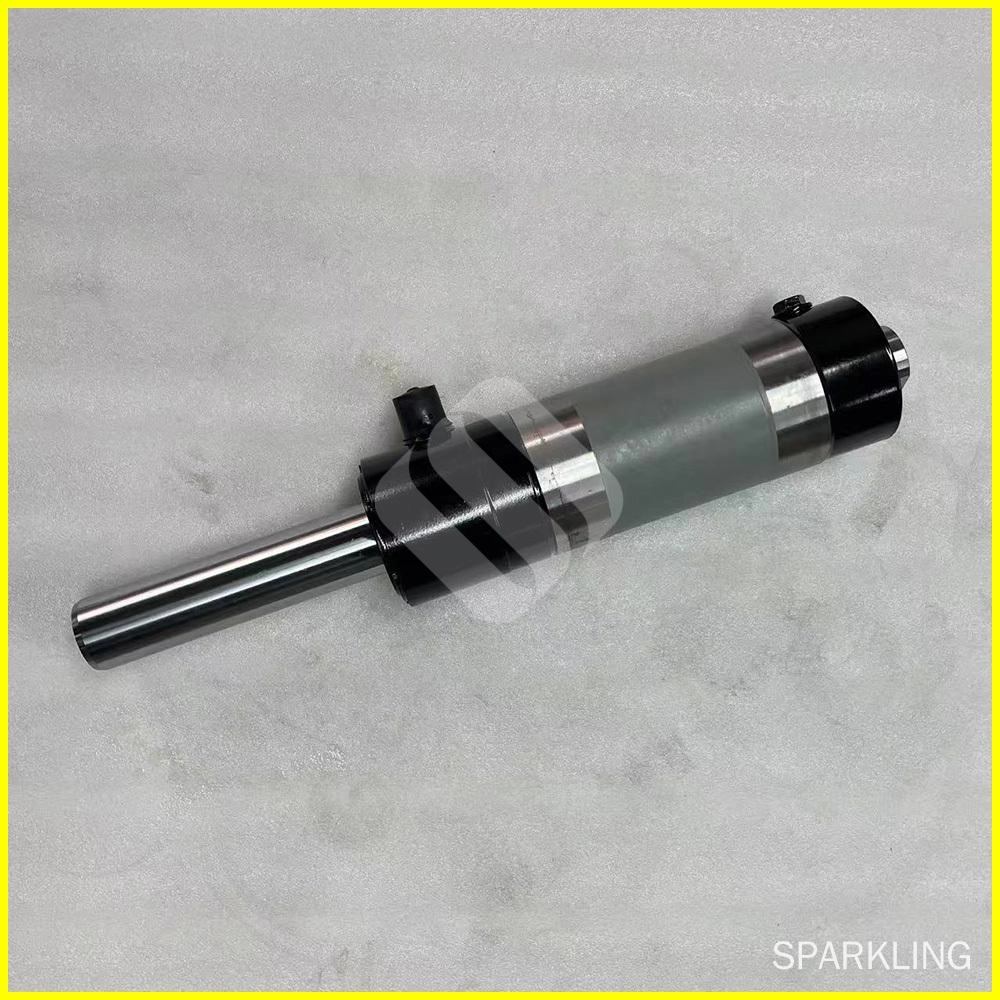
A hydraulic cylinder is made up of a few main parts that work together to make sure it's reliable and efficient. These parts include the cylinder barrel, piston, rod, seals, gland, and end caps. If you understand how these parts work, you can make sure the hydraulic cylinder is operating correctly.
The cylinder barrel contains the piston and hydraulic fluid. The piston moves within the barrel when hydraulic pressure is applied, converting that pressure into mechanical force. The rod is connected to the piston and sends the generated force to external components. Hydraulic cylinder seals are essential for preventing fluid leakage and protecting the internal components from contaminants. The gland holds the piston rod in place and keeps the seals intact to maintain pressure.
The 8 Basic Hydraulic Cylinder Components
-
Cylinder Barrel:
-
The barrel holds the piston and hydraulic fluid, so the piston can move smoothly within the cylinder. The barrel's strength makes sure the cylinder can handle high hydraulic pressures without giving out.
-
Piston:
-
The piston basically takes hydraulic pressure and converts it into mechanical force. It's designed to move within the barrel when fluid is pumped in, pushing the rod and generating linear motion.
-
Rod:
-
The rod is connected to the piston and sends the generated force to external components. The rod needs to be strong and resistant to wear because it's under a lot of stress when it's in use.
-
Hydraulic Cylinder Seals:
-
Seals are key to keeping pressure in the cylinder and stopping fluid from leaking. They also protect the piston and rod from contaminants, making sure the system stays efficient and functional.
-
Gland:
-
The gland holds the piston rod in place and stops hydraulic fluid from leaking at the rod's exit point. It also has the seals that keep the internal pressure of the cylinder from changing.
-
End Caps:
-
The end caps seal off both ends of the cylinder and stop fluid from leaking. They're designed to keep the internal components, like the piston and rod, secure.
-
Helm Pump Drive Hydraulic Cylinder:
-
This special hydraulic cylinder is perfect for systems that need precise control, like steering systems. It's super accurate and always gives you a solid power source.
-
Hydraulic Cylinder Tools:
-
Tools like wrenches, hones, and gauges are used to put together, install, and maintain hydraulic cylinders. These tools make sure that the components are lined up right and working properly.
Installation and Maintenance of Hydraulic Cylinder Components
Proper installation and maintenance are key to making sure hydraulic cylinders work well over time. When you're installing it, it's key to make sure all the parts, like the seals and rods, are lined up right. That way, you can avoid any leaks. Before installing a hydraulic cylinder, check the seals for wear or damage, as they're essential for maintaining pressure. Regular maintenance means checking the cylinder for cracks, replacing worn seals, and making sure the hydraulic fluid levels are just right. You can also use hydraulic cylinder tools for routine checks and repairs to keep things running smoothly. For a hassle-free experience, consider a one-stop solution for your hydraulic system needs.
FAQs about Hydraulic Cylinder Components
How do you measure a hydraulic cylinder?
To measure a hydraulic cylinder, you need to figure out the bore diameter, stroke length, and rod diameter. These measurements are key to picking the right cylinder for the job.
What is the difference between a single and double acting hydraulic cylinder?
A single acting hydraulic cylinder moves in one direction with hydraulic pressure, while a double acting hydraulic cylinder can exert pressure in both directions for more precise control and versatility in applications.
How do hydraulic cylinder seals work?
Hydraulic cylinder seals stop leaks by keeping pressure inside the cylinder and protecting the internal components from contaminants. They make sure everything runs smoothly by keeping fluid from leaking and making the cylinder last longer.
How do I select the right hydraulic cylinder?
When picking the right hydraulic cylinder, think about things like the application type, the force needed, the stroke length, and the working pressure. Also, make sure the cylinder's components are compatible with your system and environment.
How often should hydraulic cylinders be serviced?
You should inspect and service your hydraulic cylinders at least once a year, or more often if you use them a lot. Regular maintenance means checking the seals, rods, and fluid levels to make sure the cylinder's running smoothly.
How do I choose a reliable hydraulic cylinder manufacturer?
When picking a hydraulic cylinder manufacturer, look for certifications like ISO 9001, check customer reviews, and make sure the company has experience providing solutions for your specific needs. It's also important for a manufacturer to be able to offer customization and after-sales support.
How to choose the equipment that needs to be replaced?
For excavators, watch out for strange noises, visible wear, or reduced performance. If it's breaking down a lot or needs expensive repairs, it might be time to replace it. You should also replace hydraulic cylinders if they show signs of leaks, cracks, or loss of pressure. If the cylinder isn't working right or if repairs aren't working anymore, replacing it will keep the system running smoothly and prevent more problems.
Conclusion
Understanding the hydraulic cylinder components and how they work is essential for selecting the right cylinder for your application and maintaining it for optimal performance. For dependable hydraulic cylinders and professional assistance, get in touch with SPARKLING MACHINERY right now to talk about solutions that are specifically designed to meet your needs.
Cleaning Guide: How To Clean a Diesel Fuel Filter?

How to Choose the Best Cabin Air Filters? Ultimate Buying Guide!
Master the Ground: High-Performance Undercarriage Solutions by Sparkling
7 Solenoid Valve Types: A Complete Guide to Choosing the Right One
Beat the Heat: Premium Excavator AC Solutions by HK Sparkling
faq
What types of excavator parts do you manufacture?
We manufacture a wide range of excavator parts, including hydraulic components, undercarriage parts, engine parts, wear parts, and more. Our products are designed to fit a variety of excavator models and are built to meet the highest quality standards.
How do you ensure the quality of your parts?
We follow strict quality control procedures throughout the manufacturing process. Our parts are tested for durability, performance, and precision to ensure they meet industry standards and exceed customer expectations.
Are your products covered by a warranty?
-
Yes, all of our excavator parts come with a warranty to ensure quality and reliability. The warranty period may vary depending on the type of part. Please contact us for detailed warranty terms for specific products.
-
Can I get technical support for installing your parts?
Absolutely. We provide technical support and guidance for the installation and maintenance of our parts. Our team is available to assist you with any questions or concerns to ensure proper installation and optimal performance.
Do you offer customized parts?
-
Yes, we offer tailored solutions to meet specific customer requirements. Whether you need custom dimensions or specialized features, we can design and produce parts that perfectly match your excavator’s needs.
-
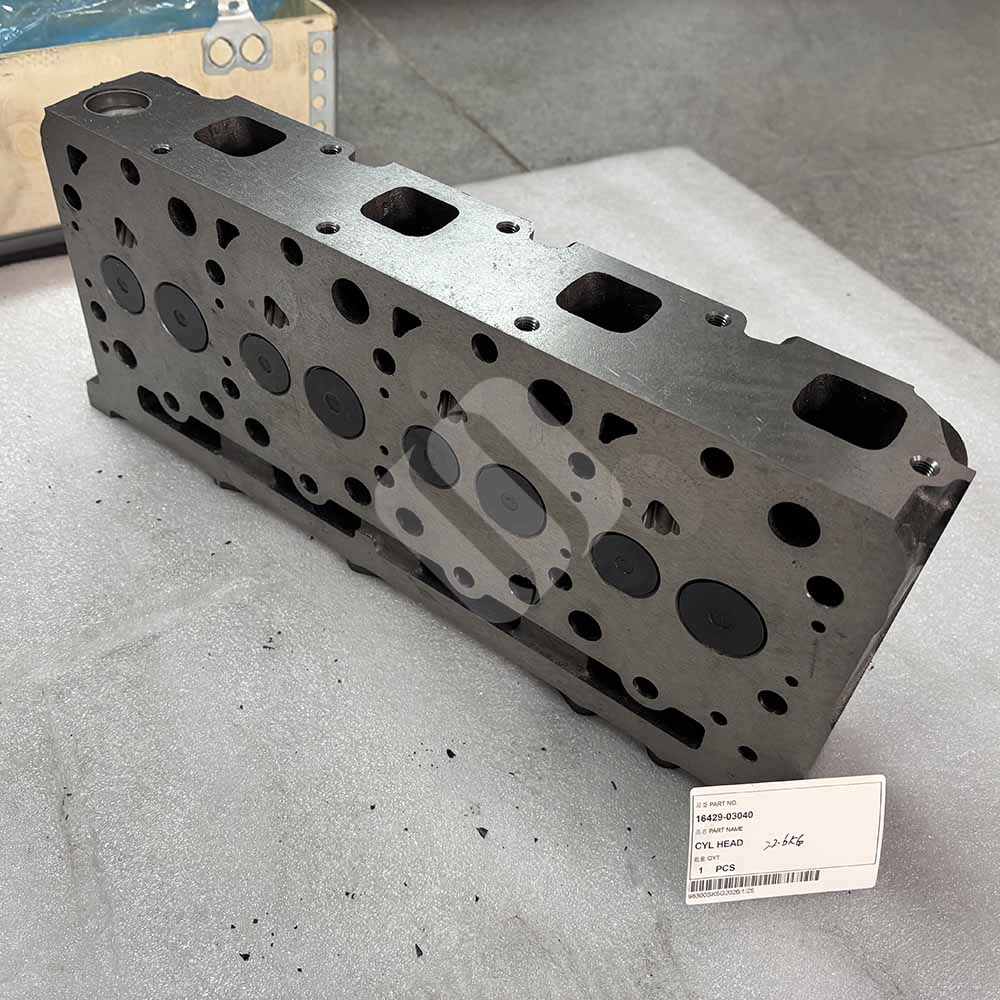
16429-03040 Engine Cylinder Head for Kubota Excavator KX121-3 KX161-3 U45
16429-03040 Engine Cylinder Head for Kubota Excavator KX121-3 KX161-3 U45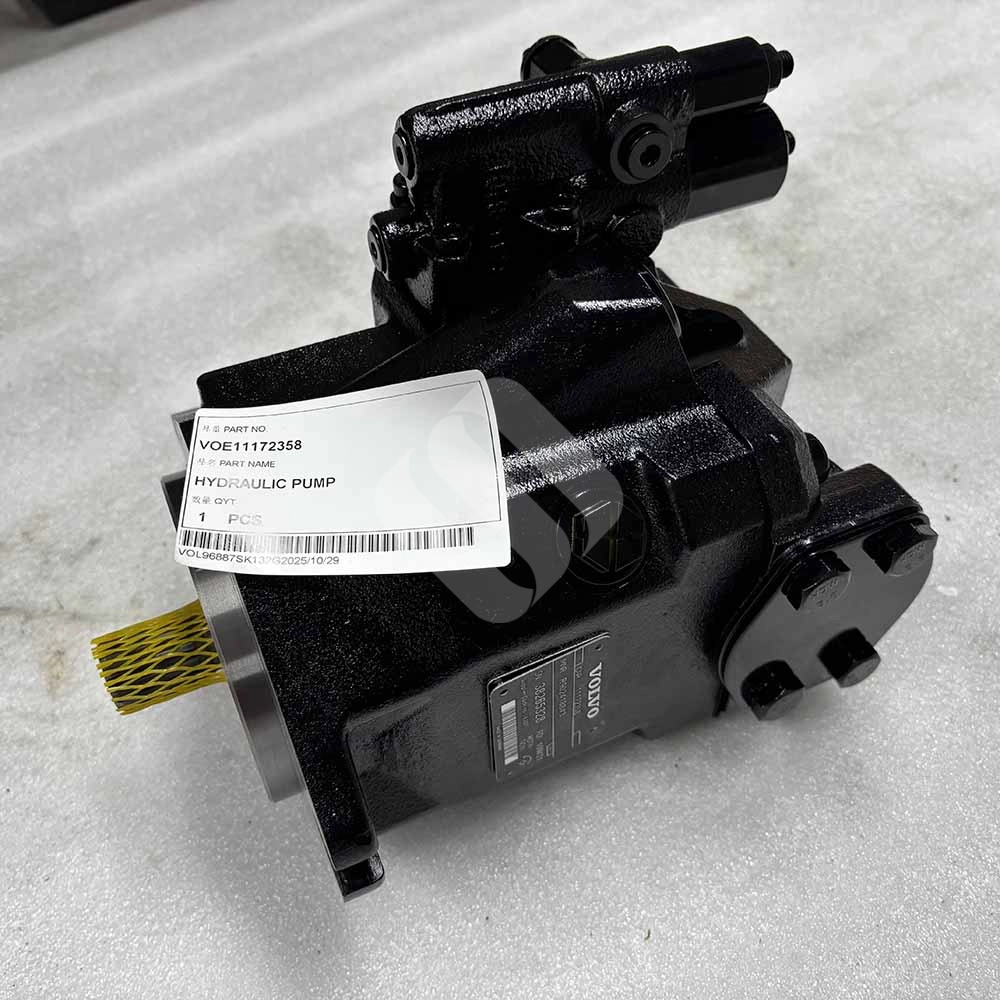
VOE11172358 11172358 Hydraulic Pump for Volvo Wheel Loader L60E L70E L90E L110E L60F L70F L90F L120F
VOE11172358 11172358 Hydraulic Pump for Volvo Wheel Loader L60E L70E L90E L110E L60F L70F L90F L120F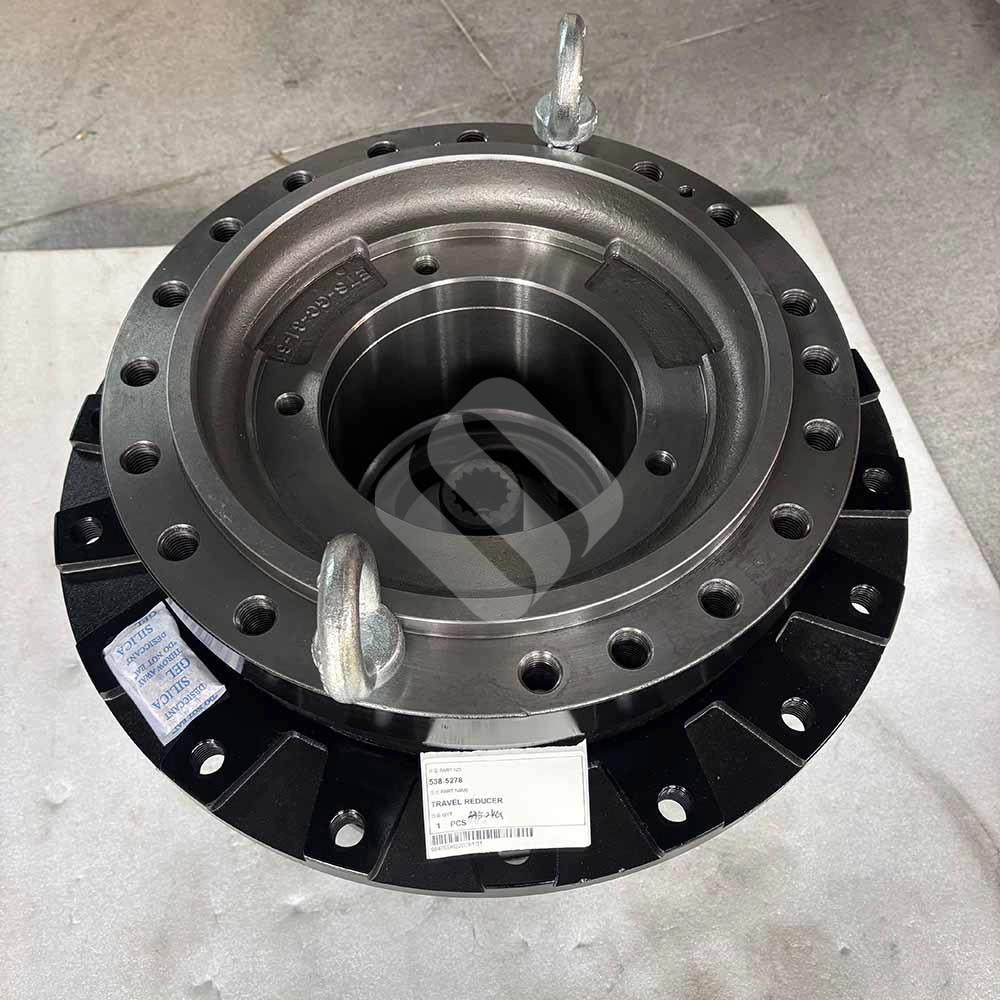
Travel Reducer 538-5278 for Caterpillar CAT Excavator 330 330GC 330F
Travel Reducer 538-5278 for Caterpillar CAT Excavator 330 330GC 330F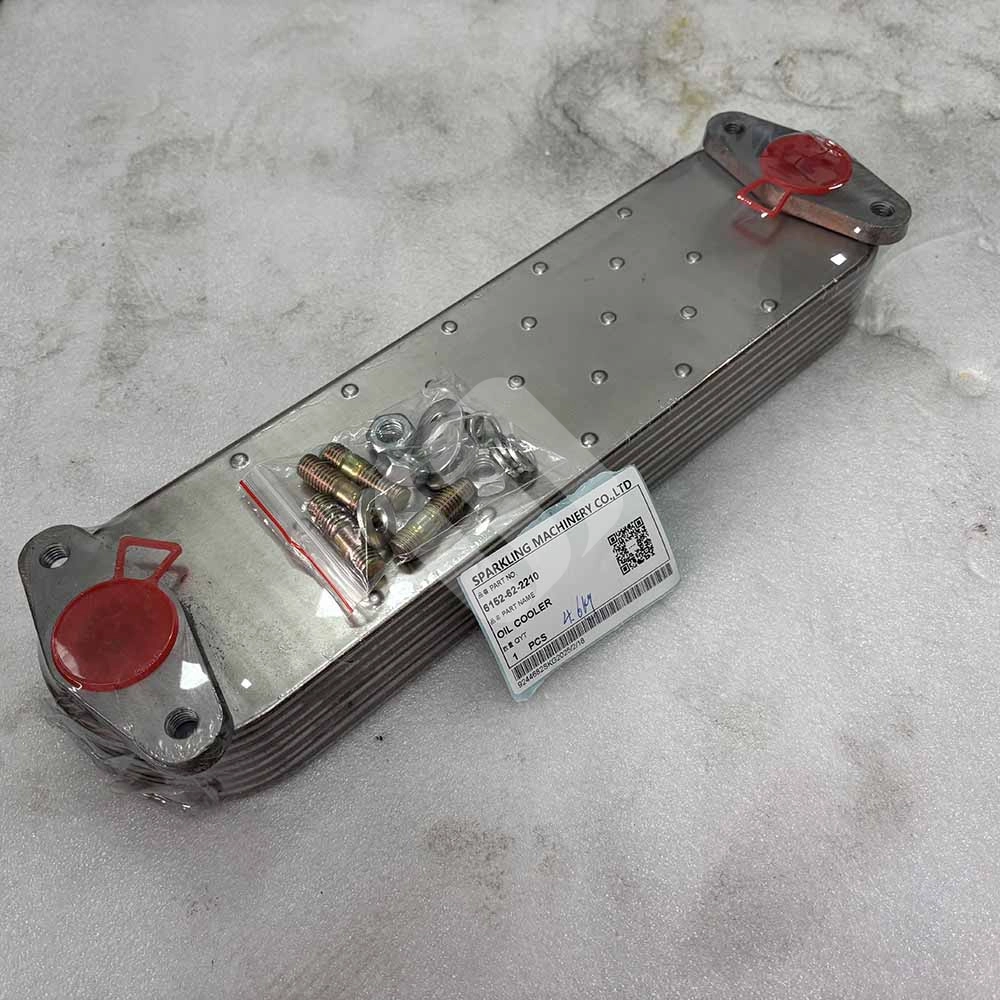
6152-62-2210 Oil Cooler for Komatsu PC400-7 PC400-8 PC400LC-8 & Wheel Loaders WA470-3 WA470-5
6152-62-2210 Oil Cooler for Komatsu PC400-7 PC400-8 PC400LC-8 & Wheel Loaders WA470-3 WA470-5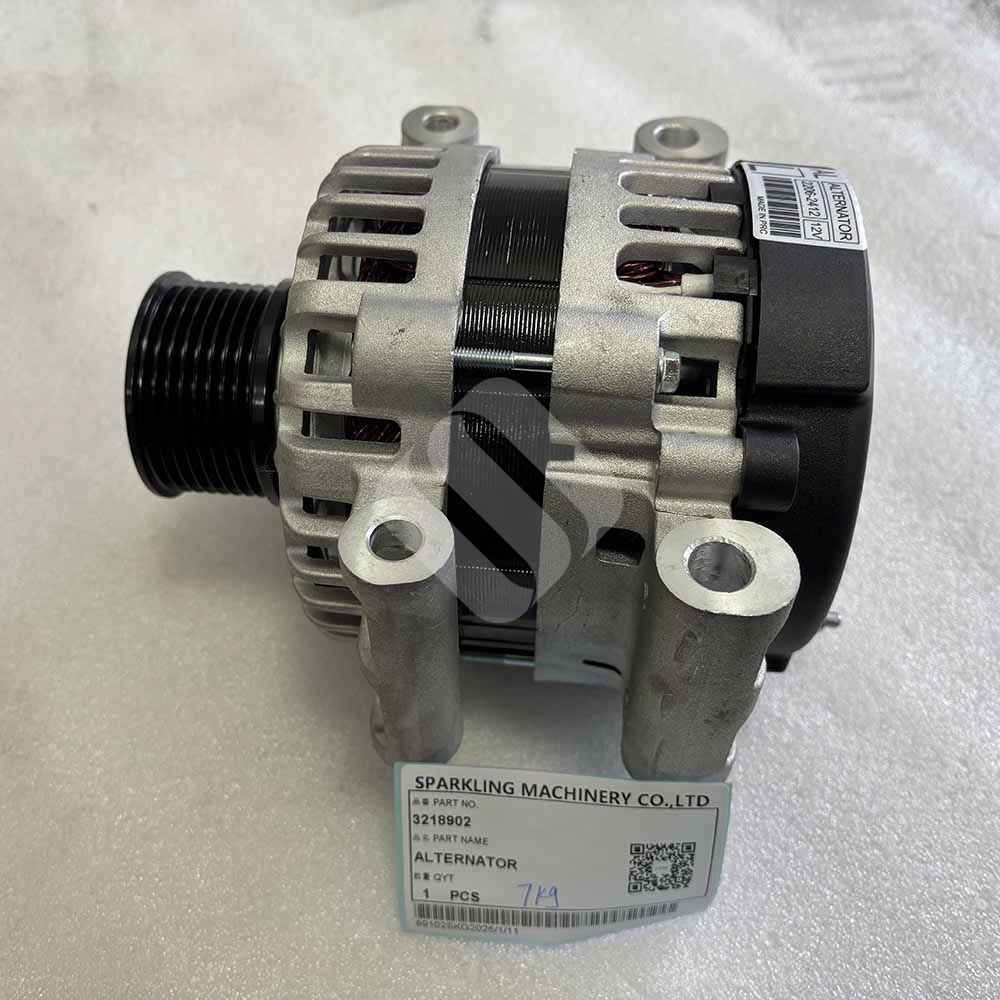
12V 100A 7Kg 3218902 Alternator for Caterpillar Engines 3512C, C4.4, C7.1 – Reliable Power Supply
12V 100A 7Kg 3218902 Alternator for Caterpillar Engines 3512C, C4.4, C7.1 – Reliable Power Supply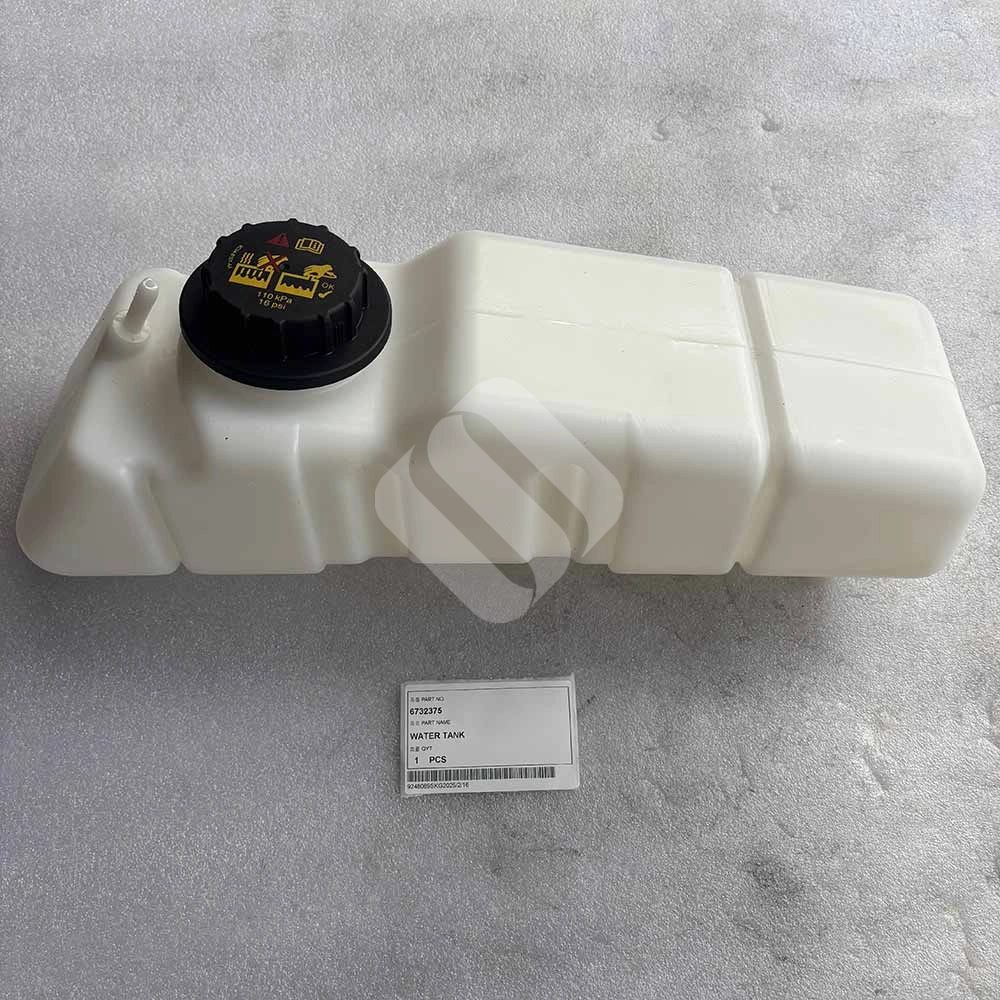
6732375 Water Tank for Volvo Construction Equipment EC200B EC210B EC210C EC240B
6732375 Water Tank for Volvo Construction Equipment EC200B EC210B EC210C EC240B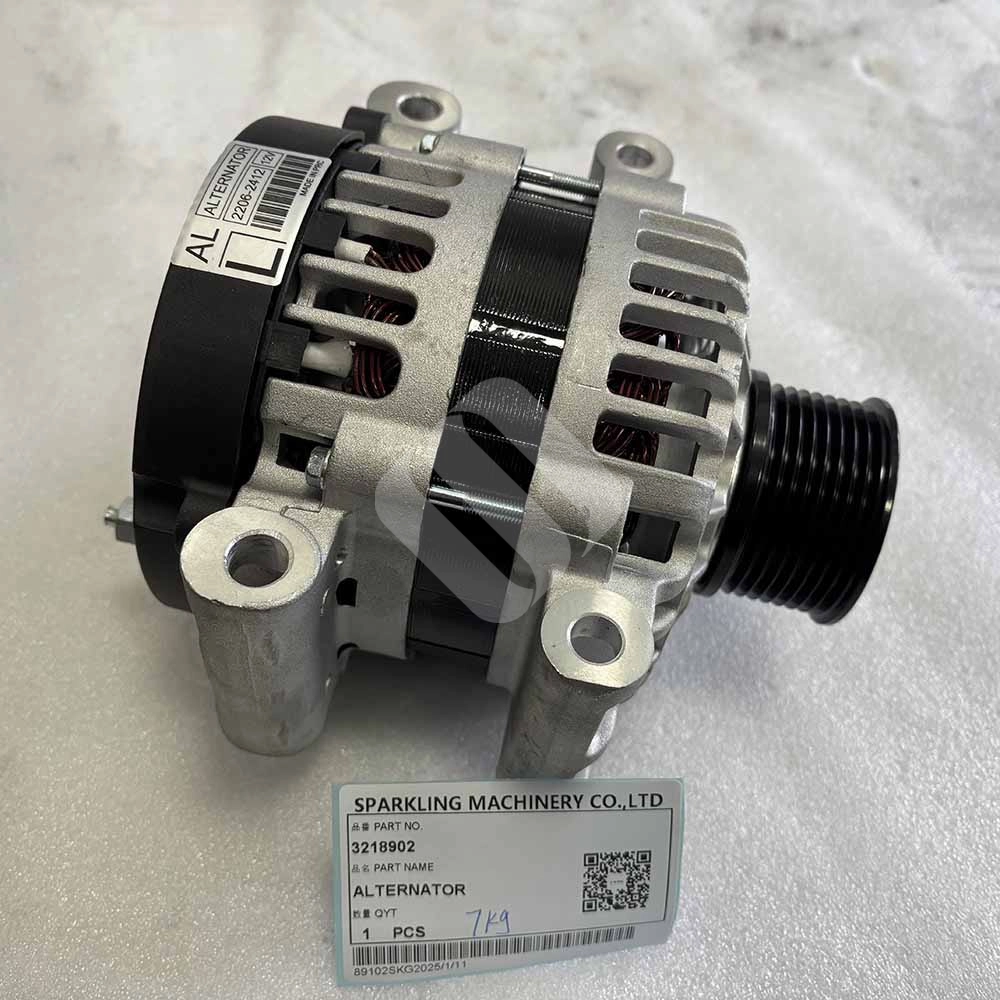
12V 100A 7Kg 3218902 Alternator for Caterpillar Engines C4.4, C7.1, 3512C
12V 100A 7Kg 3218902 Alternator for Caterpillar Engines C4.4, C7.1, 3512C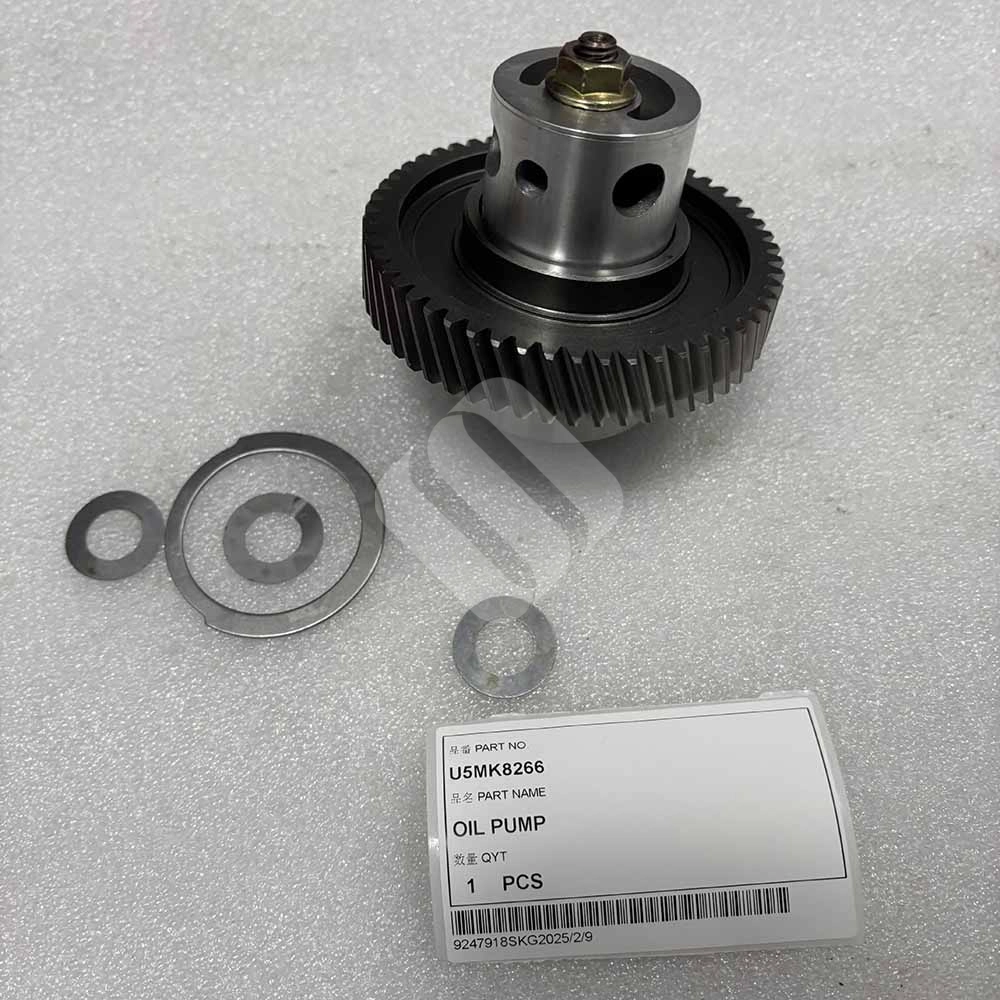
U5MK8266 Oil Pump for Shibaura and Caterpillar Engines - OEM Replacement
U5MK8266 Oil Pump for Shibaura and Caterpillar Engines - OEM Replacement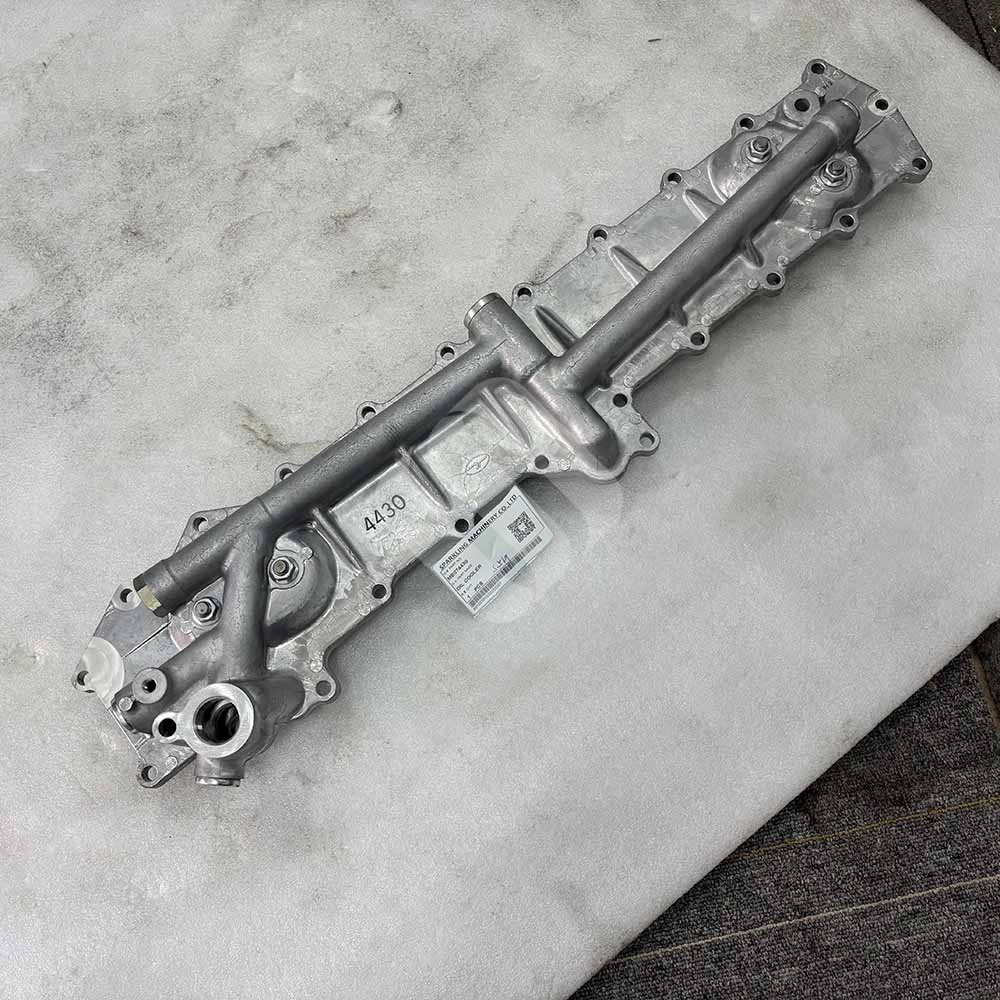
5.5Kg ME074430 Oil Cooler for Mitsubishi 6D16, S6R, S12R Engines
5.5Kg ME074430 Oil Cooler for Mitsubishi 6D16, S6R, S12R Engines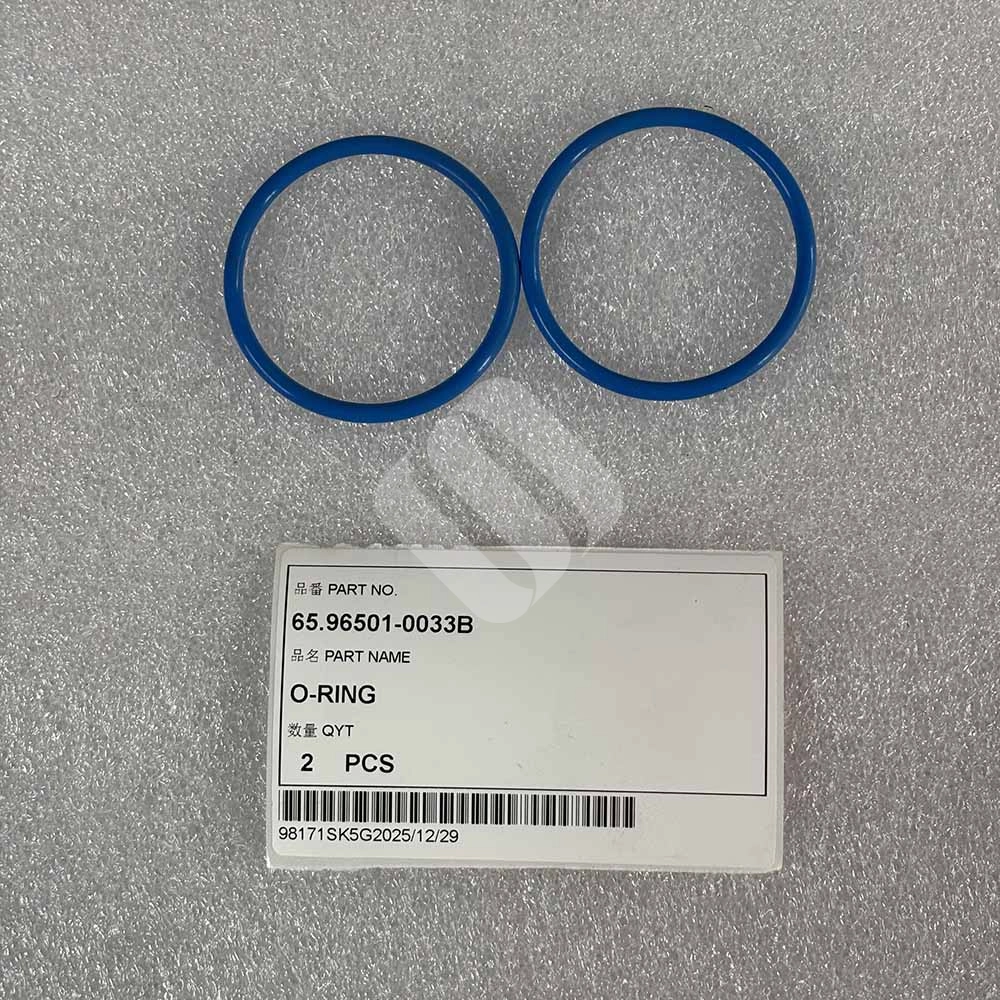
Excavator Spare Parts 65.96501-0033B O-ring for Doosan DL200 DL350 DX225 DX160
Excavator Spare Parts 65.96501-0033B O-ring for Doosan DL200 DL350 DX225 DX160Get in touch
We are committed to producing the highest quality products at the most competitive prices. Therefore, we sincerely invite all interested companies to contact us for more information.
Contact us
Email: ranroswang@hksparkling.com
Wechat: +86 136 0901 0879
Skype: foreverlucia1
WhatsApp: +86 136 0901 0879
Address: No. 514-515, Hulin Road, Tianhe District, Guangzhou, China.
Sparkling Machinery Co.,Ltd
sparkling_machinery
Whatsapp: +8613609010879