 ranroswang@hksparkling.com
  +86 138 2341 8469


Cost of Ownership: Long-Term Value of 333/C3850 Oil Cooler
- Why engine oil cooling matters for JCB excavators
- Thermal stresses, oil degradation, and operational risk
- Impact on fuel efficiency, emissions and component life
- 333/C3850 Engine Oil Cooler: Design, fit and performance advantages
- Product overview and compatibility
- Materials and thermal design that reduce lifecycle costs
- OEM fit and plug-and-play installation
- Cost of ownership: long-term financial and operational analysis
- Components of total cost of ownership
- Estimated cost comparison (sample model)
- Selecting, installing and maintaining the 333/C3850 to maximize value
- How to choose the right replacement
- Installation best practices to minimize risk
- Routine inspection and preventive maintenance
- Quantifying ROI and making the business case
- Metrics to track
- Practical ROI example
- Evidence and industry references
- Frequently Asked Questions (FAQ)
- How often should I replace the engine oil cooler on a JCB JS210?
- Will installing the 333/C3850 reduce my oil change frequency?
- Is the 333/C3850 a direct OEM part or aftermarket alternative?
- What are common failure modes for engine oil coolers?
- How do I verify a replacement cooler meets quality standards?
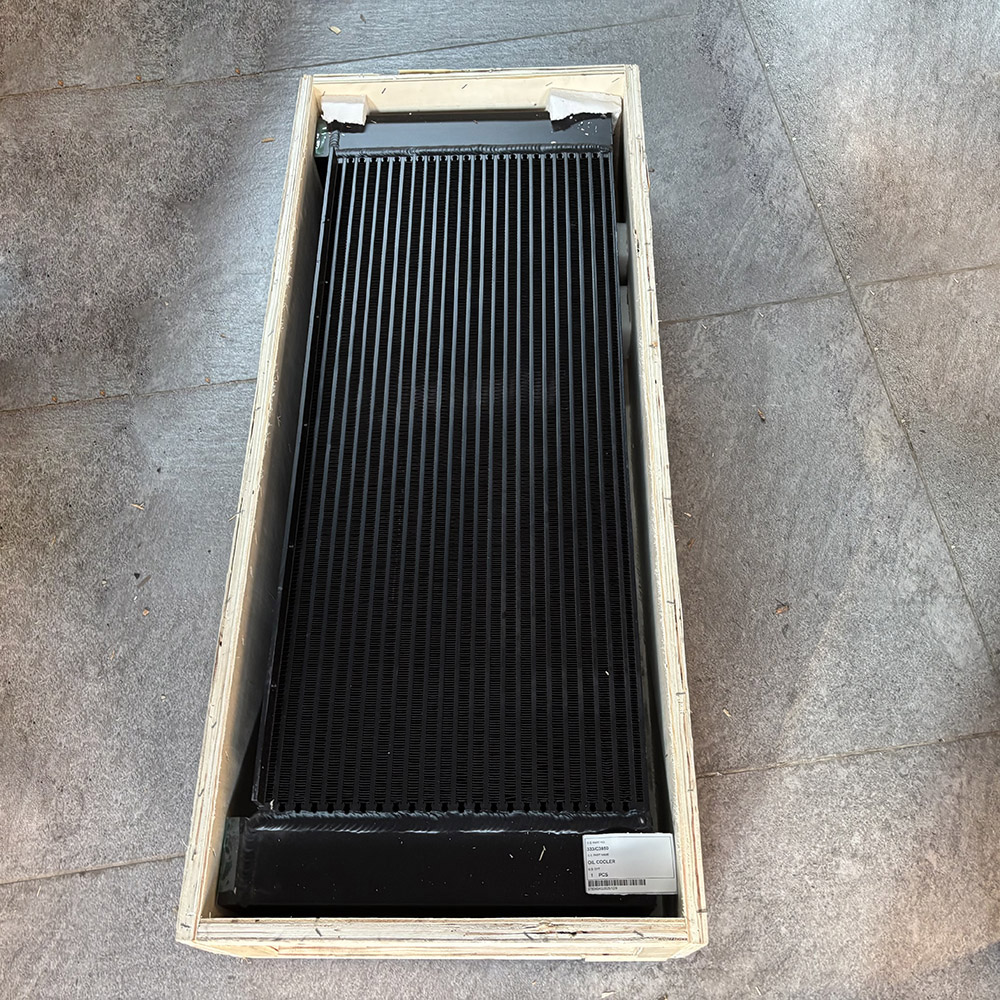
The long-term value of an engine oil cooler is measured not just by its purchase price but by how effectively it protects the engine, reduces downtime, lowers maintenance costs, and preserves resale value. This analysis focuses on the 333/C3850 Engine Oil Cooler for JCB Excavator JS210 (also compatible with JS200/JS220), combining technical performance, lifecycle cost estimates, and practical maintenance guidance so fleet managers and technicians can evaluate total cost of ownership and expected return on investment.
Why engine oil cooling matters for JCB excavators
Thermal stresses, oil degradation, and operational risk
Excavator engines operate under heavy loads for prolonged periods, creating high oil temperatures. Elevated oil temperature accelerates oxidation and viscosity breakdown, which reduces lubricating film strength and increases wear on pistons, bearings and turbochargers. An effective engine oil cooler limits peak oil temperature, slowing chemical degradation and preserving lubricant properties, which directly lowers repair frequency and engine overhaul risk.
Impact on fuel efficiency, emissions and component life
Maintaining oil within its optimal temperature range supports consistent hydraulic and fuel system behavior, reduces parasitic losses, and can improve fuel economy slightly under severe duty cycles. More importantly, stable oil temperature extends the life of critical components (cams, tappets, bearings), reducing the frequency of major repairs that drive lifecycle costs. These outcomes are central to understanding the total cost of ownership (TCO) for any replacement engine oil cooler.
333/C3850 Engine Oil Cooler: Design, fit and performance advantages
Product overview and compatibility
The 333/C3850 engine oil cooler is a high - performance replacement part specifically designed for JCB JS210 excavators (also compatible with JS200/JS220 models). It is a core component of the engine cooling system, effectively dissipating excess heat from the engine oil to maintain the oil at an optimal operating temperature, prevent oil oxidation and viscosity breakdown, and thus extend the service life of the engine and its components.
Key Features
· OEM - Matched Precision: The core size, mounting hole positions, and oil inlet/outlet interfaces are perfectly matched with the original equipment, enabling plug - and - play installation without the need for any modifications.
· Superior Heat Dissipation: Made of high - quality aluminum alloy core and tubes, it has excellent thermal conductivity. The 12 - row fin design enhances heat exchange efficiency, ensuring stable oil temperature even under heavy - duty working conditions.
· Durable Construction: The core is pressure - tested to 10 bar to prevent oil leaks. The anti - corrosion coating on the surface can resist harsh working environments such as dust, moisture, and chemical corrosion.
Compatible Equipment
· Excavators: JCB JS210 (also fits JS200, JS220)
· Interchangeable Part Numbers: 333/C3850, 333C3850, 333/J7193
Materials and thermal design that reduce lifecycle costs
The 333/C3850 uses an aluminum alloy core and multi-row fin design to maximize heat transfer per unit weight. Aluminum’s high thermal conductivity and corrosion resistance, plus the 12-row fin architecture, reduce oil temperature spikes during heavy cycles. Reduced thermal cycling means slower oil breakdown and fewer thermal fatigue failures in nearby components. Over the life of the excavator, these improvements translate to lower maintenance spend and fewer unscheduled repairs.
OEM fit and plug-and-play installation
Because the unit is OEM-matched in core size, mounting and interface points, installation time is minimized and no custom modifications are required. Reduced installation complexity lowers shop labor hours and the risk of improper fitting that could cause leaks or premature failure—both important contributors to TCO.
Cost of ownership: long-term financial and operational analysis
Components of total cost of ownership
TCO for an engine oil cooler includes several components: initial purchase and installation, preventive maintenance, downtime and lost productivity, fluid and filter costs driven by oil life, and long-term engine repair/overhaul savings attributable to improved cooling. When assessing a replacement like the 333/C3850, quantify each category over a typical financial horizon (5–10 years or expected replacement cycles).
Estimated cost comparison (sample model)
The table below presents a comparative example of lifecycle costs for three scenarios: using the 333/C3850 high-performance replacement, a generic low-cost aftermarket oil cooler, and an OEM genuine cooler. Values are illustrative and should be adjusted for local labor rates, fuel costs, and machine utilization.
| Cost Element | 333/C3850 Replacement | Generic Aftermarket | OEM Genuine |
|---|---|---|---|
| Unit price (USD) | 800 | 450 | 1,050 |
| Installation labor (hours) | 2 (USD 160) | 3 (USD 240) | 2 (USD 160) |
| Annual preventive maintenance impact | Low (USD 120/yr) | High (USD 240/yr) | Low (USD 100/yr) |
| Estimated 5-yr downtime & repairs attributable to cooler/failure | USD 300 | USD 1,200 | USD 200 |
| Estimated 5-yr TCO (approx.) | USD 1,780 | USD 2,370 | USD 1,750 |
Interpretation: While the generic aftermarket cooler has the lowest upfront cost, higher installation time, greater preventive maintenance needs and a higher risk of failure can drive its 5-year TCO above that of the 333/C3850 and an OEM unit. The 333/C3850 often matches or slightly undercuts OEM TCO due to its balance of price, performance and durability.
Selecting, installing and maintaining the 333/C3850 to maximize value
How to choose the right replacement
Key selection criteria include exact fit (mounting and inlet/outlet interfaces), core design and material, pressure and leak testing, and documented compatibility with JCB JS210/JS200/JS220 models. Confirm interchange part numbers (333/C3850, 333C3850, 333/J7193) and request pressure test certificates and material specifications from the supplier.
Installation best practices to minimize risk
1) Use qualified technicians who follow JCB torque and sealant specifications. 2) Verify oil and coolant passages are clean before installation to avoid contamination. 3) Replace associated seals, gaskets and clamps during cooler replacement to prevent future leaks. 4) Perform a pressure/leak check and monitor oil temperature during initial operation. Proper installation reduces rework and early failure risk.
Routine inspection and preventive maintenance
Inspect the engine oil cooler every scheduled service interval: look for external damage, fin clogging, signs of oil seepage, and corrosion. Clean fins using low-pressure air or water plus approved cleaners—avoid high-pressure washing that can deform fins. Monitor oil condition (viscosity, TBN, and contamination) per OEM intervals; improved oil life is a measurable benefit of effective engine oil cooling.
Quantifying ROI and making the business case
Metrics to track
To evaluate ROI, track these metrics over time: mean-time-between-failure (MTBF) for coolers, oil change intervals (hours between oil changes), unplanned downtime hours attributable to oil cooling issues, repair costs saved (bearings, turbos), and fuel use trends. Use these metrics to compare before-and-after scenarios when installing the 333/C3850.
Practical ROI example
Suppose a fleet installs the 333/C3850 on ten JS210 machines. If the cooler increases average oil life by 10% and reduces unscheduled engine-related downtime by 20% per machine per year, the cumulative savings in favor of improved productivity and deferred engine work can outweigh the cost difference versus cheaper alternatives in under 18 months in many operating environments—especially in high-hour, heavy-duty applications.
Evidence and industry references
For technical context on heat exchangers and oil coolers, authoritative references include the general overview of oil coolers and heat exchangers on Wikipedia (Oil cooler — Wikipedia, Heat exchanger — Wikipedia), which explain heat transfer principles relevant to engine oil cooling. For machine-specific documentation and parts compatibility, consult the manufacturer: JCB’s official resources provide model and parts guidance (JCB — official site). For industry engineering standards and technical papers around engine thermal management and reliability, SAE International is a useful source (SAE International).
Frequently Asked Questions (FAQ)
How often should I replace the engine oil cooler on a JCB JS210?
There is no one-size-fits-all interval. Replace the cooler if it shows signs of leakage, physical damage, or diminished cooling performance. In harsh or high-hour operations, inspect at each major service interval (e.g., every 500–1,000 hours). If preventive maintenance indicates reduced oil life or elevated operating oil temperatures, replace proactively.
Will installing the 333/C3850 reduce my oil change frequency?
Yes—by stabilizing oil temperature and reducing oxidative degradation, a high-quality engine oil cooler can extend oil life modestly. Extension depends on duty cycle and oil quality; typical improvements are in the range of 5–15% for heavy-duty operations, which can translate into tangible cost savings over a fleet.
Is the 333/C3850 a direct OEM part or aftermarket alternative?
The 333/C3850 is positioned as a high-performance replacement that is OEM-matched for plug-and-play installation. It is compatible with JCB JS210 and interchangeable with the listed part numbers (333/C3850, 333C3850, 333/J7193). Confirm with your supplier and machine serial number for final compatibility.
What are common failure modes for engine oil coolers?
Common issues include fin damage and clogging from debris, corrosion from environmental exposure, seal failure causing leaks, and internal tube failure from pressure fluctuations. Pressure-tested, corrosion-resistant designs like the 333/C3850 reduce these risks.
How do I verify a replacement cooler meets quality standards?
Request test documentation such as pressure test certificates (e.g., 10-bar test), material specifications (aluminum alloy grade), and manufacturing QC records. Look for clearly stamped part numbers and match mounting and interface dimensions to OEM drawings.
If you have more questions or want a quotation for the 333/C3850 Engine Oil Cooler for JCB Excavator JS210, contact our parts team or view the product page. Our specialists can provide compatibility confirmation, installation guidance, and bulk-purchase pricing to help reduce your fleet’s total cost of ownership.
Contact Parts Sales | View Product: 333/C3850 Engine Oil Cooler
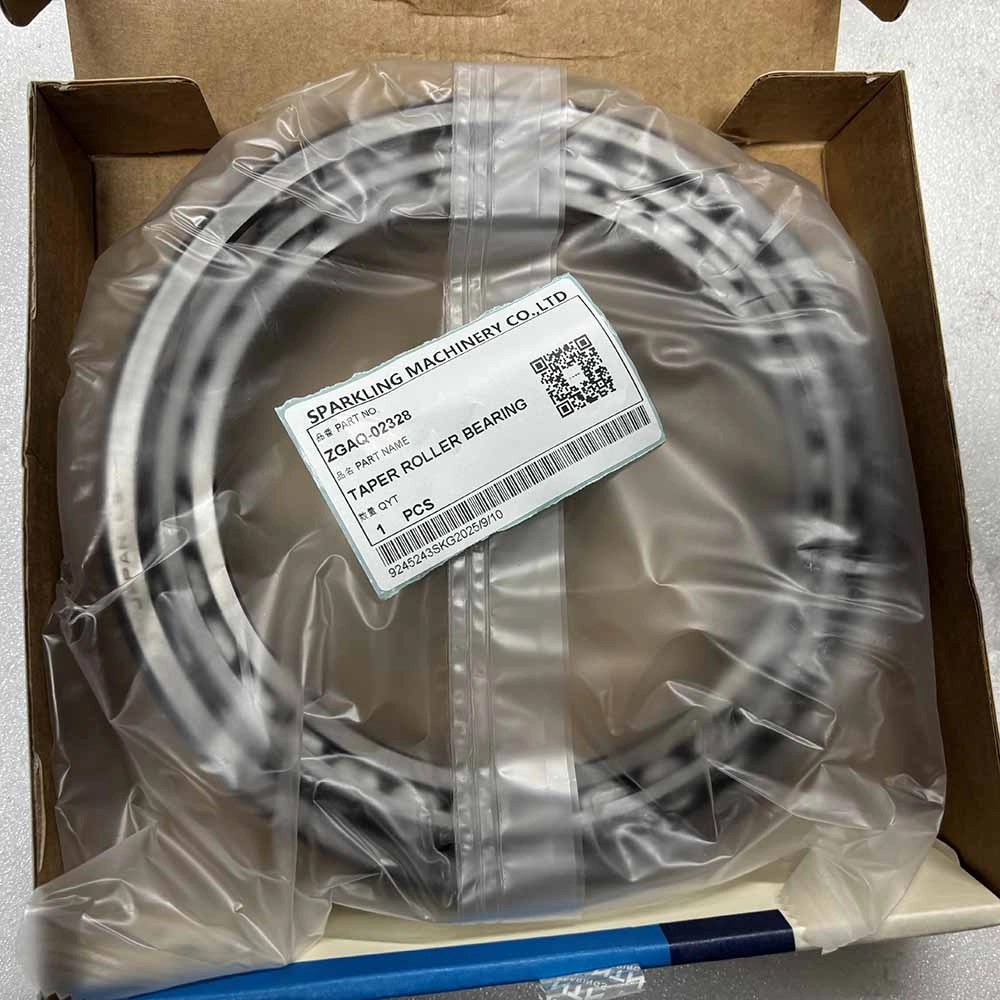
How Taper Roller Bearings Impact Excavator Performance
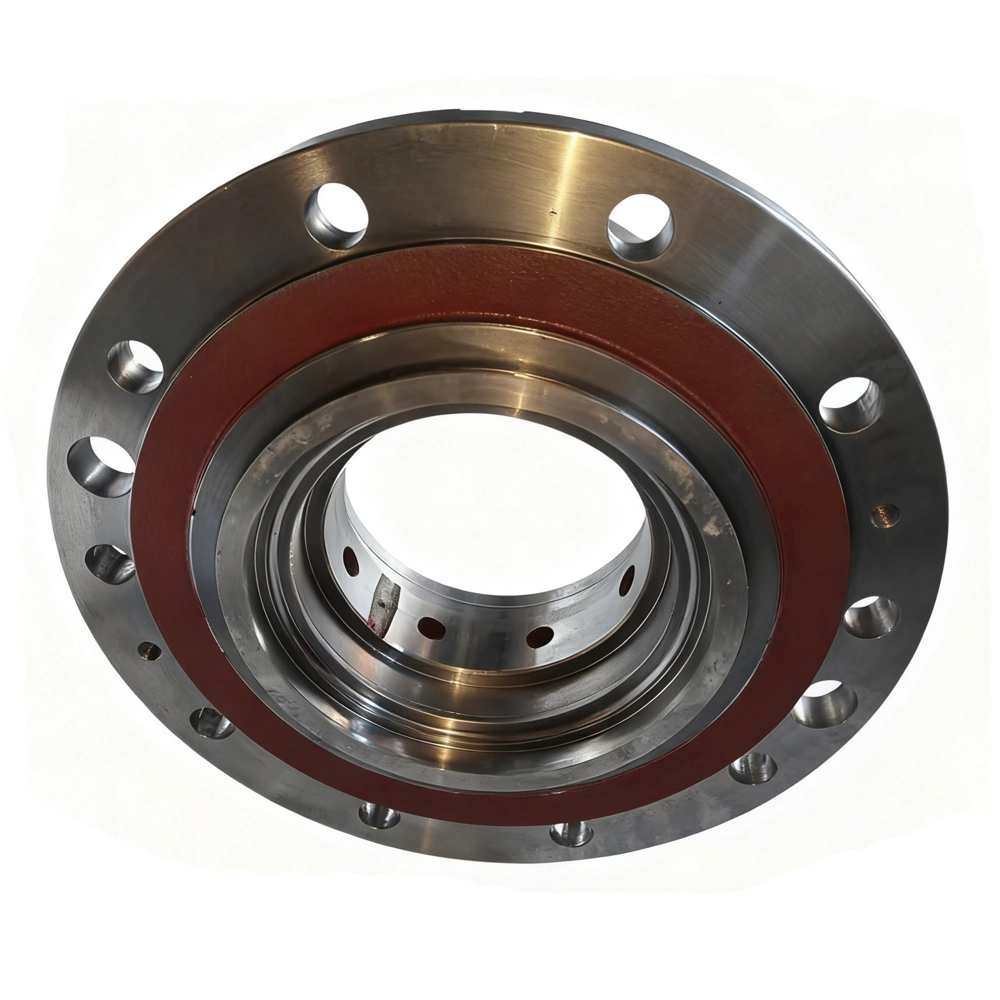
How Warranty and Support Affect Parts Selection
Excavator Attachment Types and Compatibility Guide
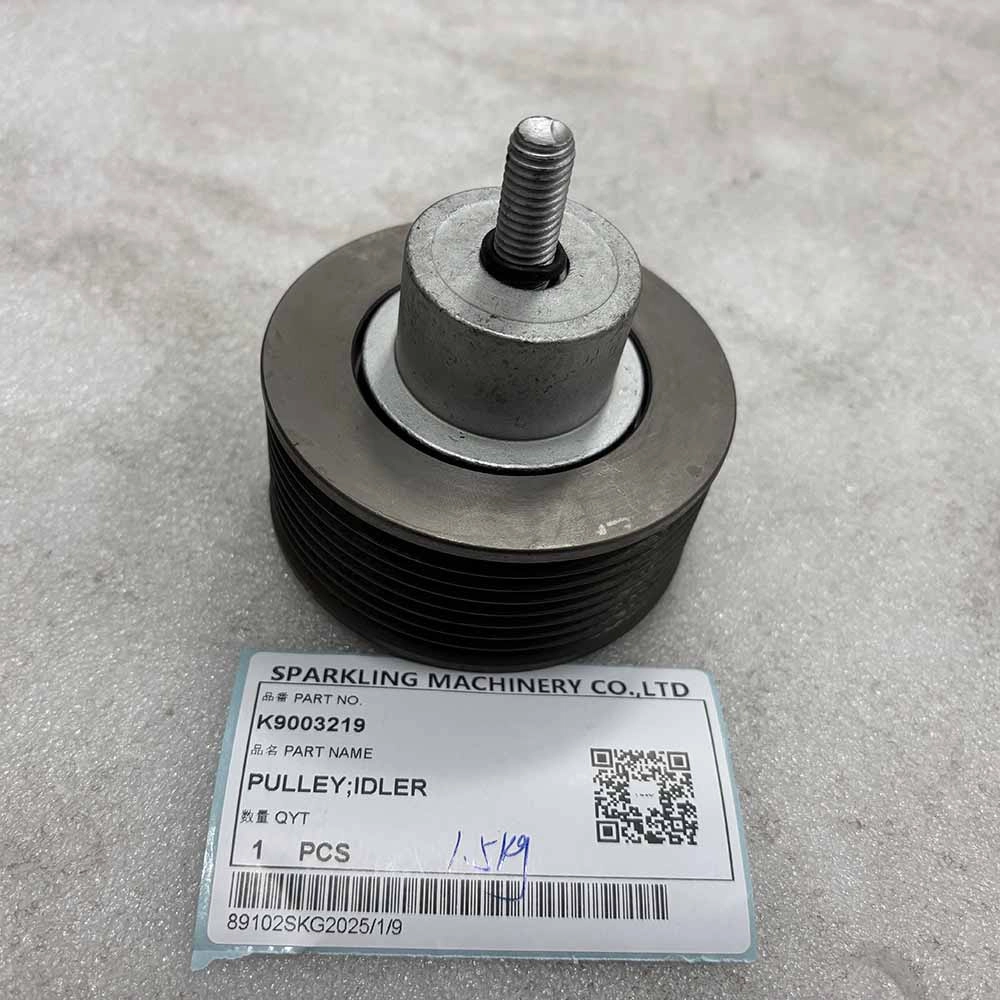
Reducing Downtime: Fast Replacement for K9003219 Pulley
faq
Are your products covered by a warranty?
-
Yes, all of our excavator parts come with a warranty to ensure quality and reliability. The warranty period may vary depending on the type of part. Please contact us for detailed warranty terms for specific products.
-
What is the lead time for receiving excavator parts?
Our typical lead time depends on the complexity and quantity of the order. For standard parts, delivery usually takes between 7 to 14 days. For custom orders, the lead time may vary, but we always strive to ensure timely delivery.
What types of excavator parts do you manufacture?
We manufacture a wide range of excavator parts, including hydraulic components, undercarriage parts, engine parts, wear parts, and more. Our products are designed to fit a variety of excavator models and are built to meet the highest quality standards.
Can I get technical support for installing your parts?
Absolutely. We provide technical support and guidance for the installation and maintenance of our parts. Our team is available to assist you with any questions or concerns to ensure proper installation and optimal performance.
Do you offer customized parts?
-
Yes, we offer tailored solutions to meet specific customer requirements. Whether you need custom dimensions or specialized features, we can design and produce parts that perfectly match your excavator’s needs.
-

Kobelco SK200-8 SK210-8 SK250-10 Final Drive Assy LQ15V00031F5 LQ15V00020F1 Travel Motor MAG-170VP
-
High Torque Performance: Specifically designed for Kobelco 20-25 ton excavators, providing powerful traction and smooth travel on rough terrains.
-
Precision Engineering: Features high-strength gear steel and premium seals to prevent oil leakage and withstand high hydraulic pressure.
-
Plug & Play: Direct replacement for original LQ15V series parts, ensuring perfect alignment with the track frame and hydraulic hoses.
-
Rigorous Testing: Every MAG170VP final drive undergoes a multi-stage pressure and rotation test before leaving Sparkling Machinery warehouse.

Carrier Assy XKAQ-00808 XKAQ-00459 For Hyundai R800LC-9 R1200-9
SPARKLING MACHINERY provides high-quality XKAQ-00808 carriers for Hyundai excavators, including models R1200-9, R800LC-9, and others. Manufactured for durability and precise fit, each part undergoes strict inspection before fast global shipping. With factory-direct prices and excellent after-sales service, we help you minimize downtime and maximize machine performance.
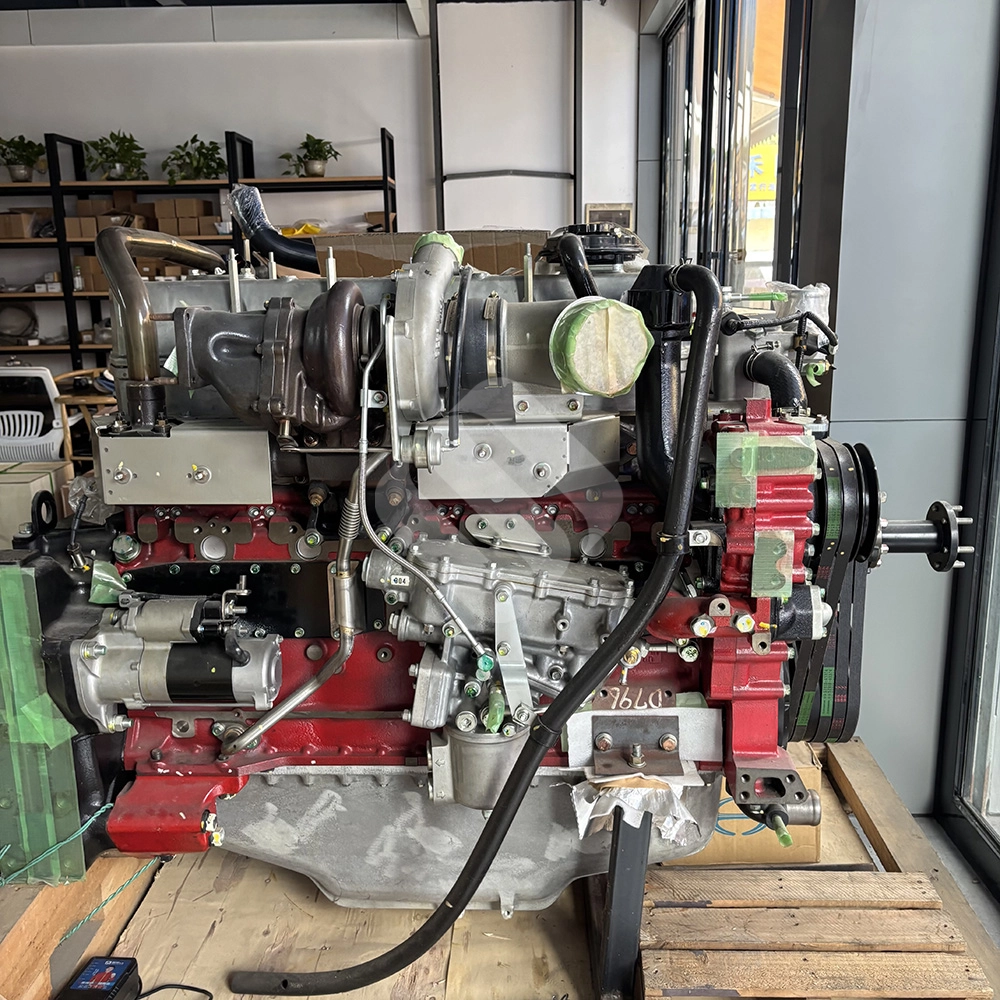
Original Hino P11C Diesel Engine Assy for Kobelco SK460-8 SK480-8 Excavator | Part No. LS02P00085F1 LS02P00031F1
Upgrade your Kobelco heavy machinery with our high-performance Hino P11C Diesel Engine Assembly. Specifically designed for Kobelco SK460-8 and SK480-8 excavators, this engine provides the robust power and fuel efficiency required for demanding mining and construction projects.
Whether you are looking for a complete replacement or a core engine for overhaul, our P11C-UP series ensures seamless compatibility and long-term reliability.
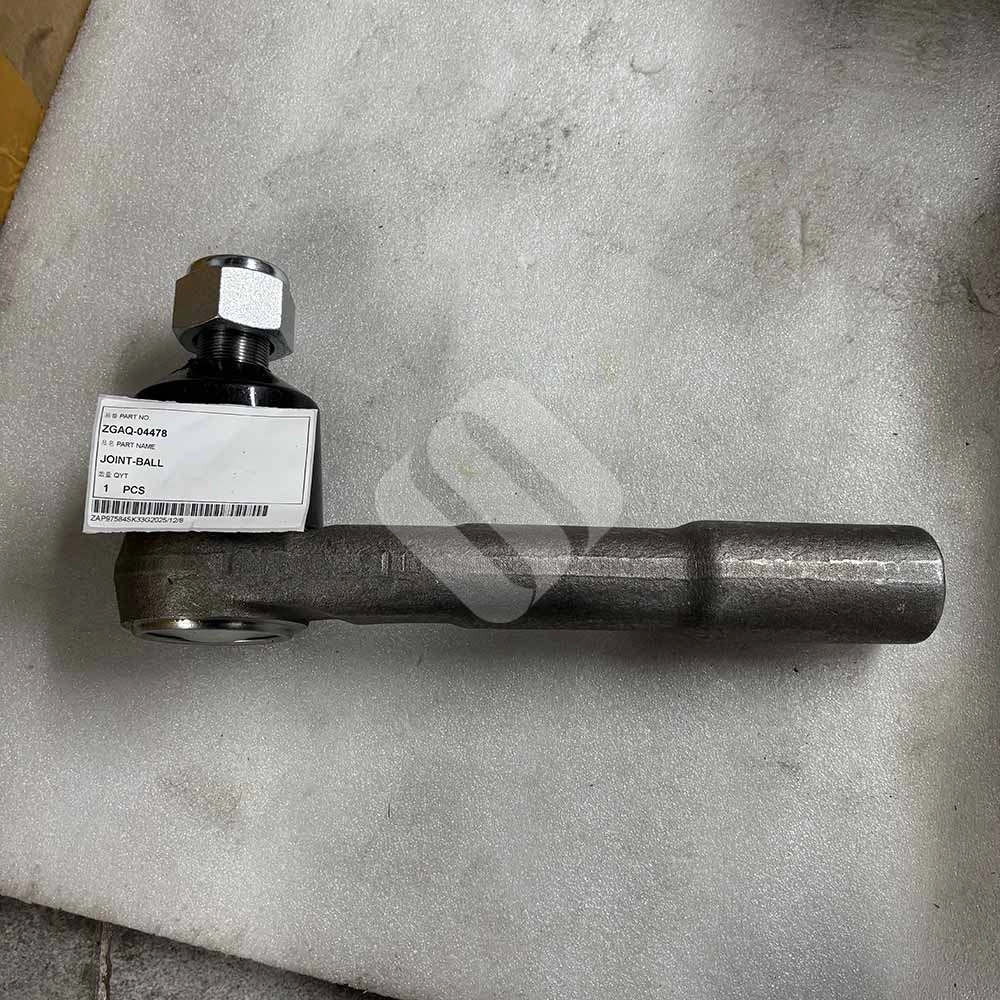
ZGAQ-04478 Steering Ball Joint for Hyundai Wheeled Excavators R210W-9 R210W-9S R210W9-MH R210W9AMH
The ZGAQ-04478 Joint-Ball is a high-performance steering component engineered specifically for the Hyundai R210W-9 series, including specialized Material Handling (MH) models. This ball joint acts as a crucial pivot point in the steering linkage, allowing the wheels to move independently while maintaining precise directional control.

Contact us
Email: ranroswang@hksparkling.com
Wechat: +86 136 0901 0879
Skype: foreverlucia1
WhatsApp: +86 136 0901 0879
Address: No. 514-515, Hulin Road, Tianhe District, Guangzhou, China.
Sparkling Machinery Co.,Ltd
sparkling_machinery
Whatsapp: +8613609010879