 ranroswang@hksparkling.com
  +86 138 2341 8469


K9003219 Pulley Idler Material and Durability Overview
- Material Composition and Manufacturing of the K9003219 Idler Pulley
- Primary materials and why they matter
- Bearings and sealing technologies
- Manufacturing tolerances and quality control
- Durability Performance in Heavy-Duty Wheel Loader Applications
- Operating stresses: load cycles, shock and temperature
- Common failure modes and preventative measures
- Compatibility with belt types and accessory loads
- Testing, Standards and Quality Assurance
- Relevant industry standards and testing methods
- Field testing and verification for wheel loader environments
- Manufacturer traceability and warranty expectations
- Selection, Installation and Lifecycle Cost of Ownership
- Choosing the right idler pulley for your fleet
- Installation best practices and torque specifications
- Lifecycle cost comparison
- Practical Maintenance Tips and Fleet Management
- Inspection checklist for site technicians
- Predictive replacement and inventory planning
- Retrofitting and compatibility notes
- References and further reading
- FAQ — Frequently Asked Questions about K9003219 Pulley Idler
- Q: Is the K9003219 pulley compatible with other Doosan/Develon models?
- Q: How often should the K9003219 idler pulley be replaced?
- Q: What are the signs of a failing idler pulley?
- Q: Can I use a low-cost aftermarket pulley to save money?
- Q: What maintenance steps extend pulley life?
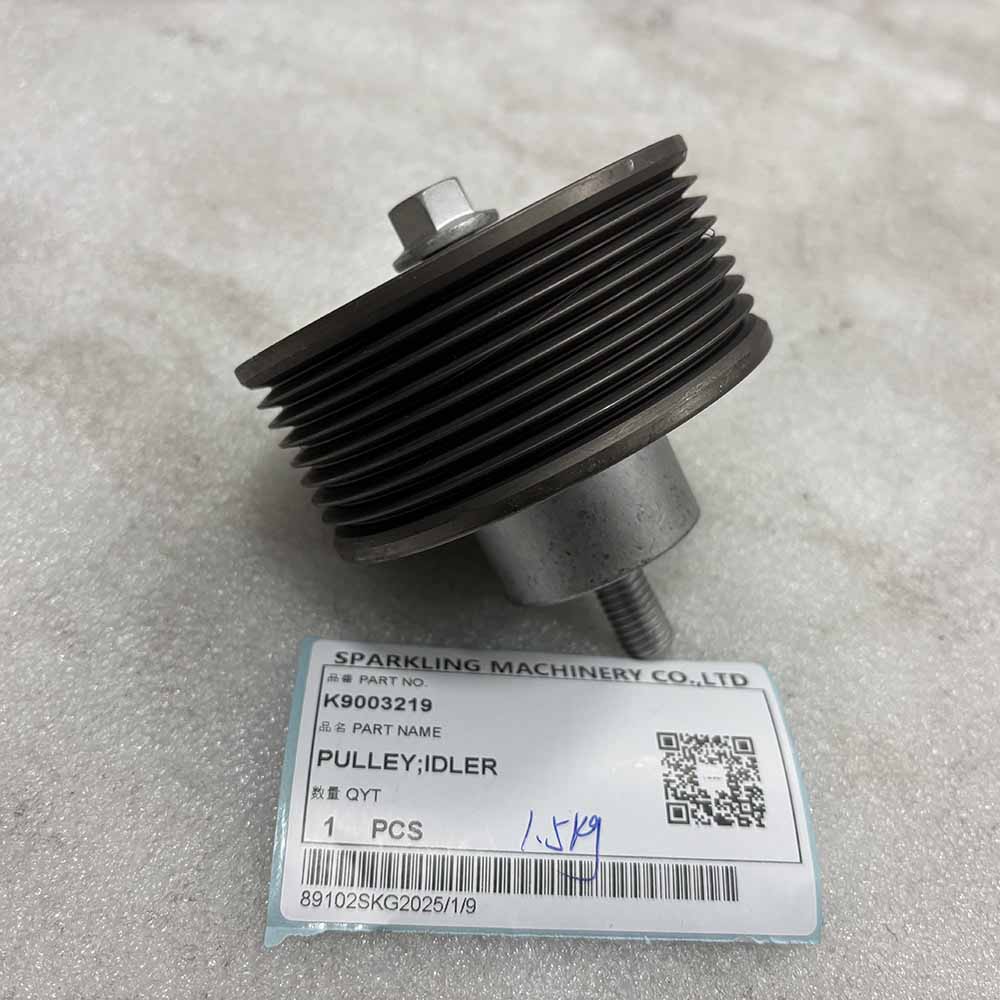
K9003219 Idler Pulley is a High Quality engine accessory drive component engineered for Doosan (Develon) DL450 wheel loaders. As a core part of the belt drive system, it maintains optimal belt tension, enables smooth power transmission to the alternator, water pump and air compressor, and prevents belt slippage, noise and premature wear during heavy-duty construction and material-handling tasks.
Material Composition and Manufacturing of the K9003219 Idler Pulley
Primary materials and why they matter
The K9003219 idler pulley typically combines a high-strength steel hub, a precision-machined outer ring (steel or ductile iron), and a sealed bearing assembly. For wheel loader powertrains—where engines run at variable loads and ambient conditions—material selection targets toughness, fatigue resistance and corrosion protection. Steel provides superior tensile strength and resistance to impact common in excavator wheel loader environments, while coating and surface treatments (e.g., phosphate, zinc, or electroplating) reduce corrosion in wet or salty conditions.
Bearings and sealing technologies
Durability of any idler pulley largely depends on the bearing. K9003219 uses sealed, lubricated-for-life bearings to resist contamination from dust, water and fine abrasive particles produced on construction sites. High-quality bearings use chromium steel races and synthetic lubricants rated for extended temperature ranges; seals are typically nitrile rubber or low-friction polymer to keep grease in and contaminants out. Proper sealing reduces bearing wear and prevents premature failure that would otherwise damage belts and accessories.
Manufacturing tolerances and quality control
Precision machining (runout tolerance, concentricity) is essential for minimizing vibration and belt wear. Tighter tolerances in bore finish, outer diameter concentricity and bearing press-fit ensure even load distribution across belt widths—critical for heavy-duty alternator and pump drives on loaders. Manufacturers of OEM parts like K9003219 follow documented QC processes including dimensional inspection, hardness testing and dynamic balancing to maintain consistent part life.
Durability Performance in Heavy-Duty Wheel Loader Applications
Operating stresses: load cycles, shock and temperature
Wheel loaders and excavator wheel loader hybrids operate under high cyclic loads, frequent idling, and sudden load changes (lifting, dumping). Idler pulleys must withstand repeated belt tension reversals, shock loads from rough terrain, and elevated under-hood temperatures. Materials that resist fatigue cracking (e.g., properly heat-treated steel) and bearings rated for high dynamic loads extend service intervals in these conditions.
Common failure modes and preventative measures
Typical failures are bearing seizure, excessive pulley runout, corrosion-induced pitting, and seal failure leading to contamination. Preventative measures include: routine visual inspections, belt tension checks, replacing seals and bearings at scheduled intervals, and ensuring correct installation torque and alignment. For fleets using excavator wheel loader equipment in abrasive environments (quarry, demolition), adding protective shields and choosing corrosion-resistant coatings significantly reduces failure frequency.
Compatibility with belt types and accessory loads
K9003219 is specified for Doosan (Develon) DL450 wheel loaders and is engineered to work with OEM multi-ribbed serpentine belts used on alternator and accessory drives. Matching pulley groove profile, diameter and alignment to belt type is important—incorrect groove geometry accelerates belt wear, increases slippage risk, and can overload the alternator or compressor. When retrofitting aftermarket belts, verify belt profile compatibility and manufacturer recommendations.
Testing, Standards and Quality Assurance
Relevant industry standards and testing methods
Idler pulleys and bearings are evaluated under industry standards for materials, dimensional control and performance. Quality systems such as ISO 9001 guide manufacturing controls. For mechanical components, organizations like SAE International and ASTM publish materials and testing procedures used by OEMs. Basic validation tests include bearing endurance tests, thermal cycling, salt spray for corrosion resistance, and dynamic balancing to quantify runout and vibration.
Field testing and verification for wheel loader environments
OEMs validate idler pulleys in simulated field conditions and on-vehicle testing for wheel loaders. Field cycles include heavy-load starts, extended idling, and high dust exposures to emulate construction and material-handling tasks. Test results influence design choices such as bearing sealing class and coating thickness. Independent sources like technical articles on pulley design summarize best practices; for general mechanical background see Pulley (Wikipedia).
Manufacturer traceability and warranty expectations
Quality assurance includes batch traceability, material certificates, and inspection records. Reputable manufacturers provide clear part identification (K9003219), traceable lot numbers and warranty terms covering premature failure due to manufacturing defects. For fleet procurement, require a certificate of conformity and test reports when purchasing in volume to ensure consistent part quality across deliveries.
Selection, Installation and Lifecycle Cost of Ownership
Choosing the right idler pulley for your fleet
Select based on vehicle compatibility (Doosan/Develon DL450), expected duty cycle, environmental exposure and total cost of ownership (TCO). OEM parts such as the 1.5Kg K9003219 pulley often offer higher upfront cost but reduced downtime and longer intervals between replacements. For mixed fleets running both excavator and wheel loader types, standardizing on OEM-grade pulleys simplifies stocking and maintenance procedures.
Installation best practices and torque specifications
Correct installation maximizes pulley life: clean mounting surfaces, inspect shaft and keys for wear, use the specified installation tool and torque values to press bearings without damage, and set belt tension per OEM service manual. Misalignment greater than a few tenths of a millimeter or overtightening can cause bearing stress and belt wear—measure belt alignment using straightedge or laser alignment tools. Always follow Doosan/Develon service instructions for torque and alignment values.
Lifecycle cost comparison
When evaluating cost, consider purchase price, expected life (hours), downtime cost per failure and maintenance labor. The table below offers a comparative example for a typical fleet scenario. Values are illustrative—adjust to your fleet's actual costs and failure rates.
| Item | OEM K9003219 | High Quality Aftermarket | Low-cost Aftermarket |
|---|---|---|---|
| Unit price | $120 | $90 | $40 |
| Average life (hours) | 6,000–10,000 | 4,000–7,000 | 1,000–3,000 |
| Estimated downtime cost per failure | $1,200 | $1,800 | $3,000 |
| Estimated cost per 10,000 hours (parts + downtime) | $1,320 | $2,050 | $6,400 |
Conclusion from the table: for high-utilization excavator wheel loader fleets, OEM K9003219 often provides the lowest TCO despite higher unit price because of longer life and lower downtime risk.
Practical Maintenance Tips and Fleet Management
Inspection checklist for site technicians
Routine checks should include: visual inspection for grooves or scoring on pulley face, audible bearing noise, belt alignment and tracking, belt tension and cracks, and evidence of oil/grease contamination on the belt. A quick spin test (engine off) can reveal rough bearings. Maintain a digital log of inspections to identify recurring issues and plan replacements proactively.
Predictive replacement and inventory planning
Adopt condition-based replacement: replace when vibration or noise exceeds thresholds, or after a set service life aligned to duty cycle. For large fleets, maintain a rotation stock of K9003219 pulleys and belts to minimize downtime. Track mean time between failures (MTBF) and align purchasing to expected consumption rates.
Retrofitting and compatibility notes
When retrofitting older machines or mixing OEM and aftermarket components, verify groove profile, pulley diameter and bearing fit. Some aftermarket pulleys use different sealing or bearing grades—confirm compatibility to avoid accelerated belt wear on excavator wheel loader drives.
References and further reading
For background on wheel loader machinery and components, see the Wikipedia overview of wheel loaders: Wheel loader (Wikipedia). For general pulley mechanics, lubrication and design: Pulley (Wikipedia). For industry quality systems and manufacturing best practices, refer to ISO 9001 and standards bodies such as SAE International and ASTM.
FAQ — Frequently Asked Questions about K9003219 Pulley Idler
Q: Is the K9003219 pulley compatible with other Doosan/Develon models?
A: K9003219 is specified for the Doosan (Develon) DL450 wheel loader. It may fit other models sharing the same engine accessory-drive platform, but always confirm part numbers and dimensions against the vehicle's parts manual before installation.
Q: How often should the K9003219 idler pulley be replaced?
A: Replacement intervals depend on duty cycle and operating environment. For heavy-use excavator wheel loader operations, expect inspection intervals every 500–1,000 hours and replacement anywhere from 4,000 to 10,000 hours depending on observed wear. Use condition-based checks (noise, vibration, belt wear) to plan replacements.
Q: What are the signs of a failing idler pulley?
A: Common signs include squealing or grinding noises from the accessory drive, visible wobble or runout on the pulley face, rapid belt wear or fraying, and visible grease or metal debris near the pulley indicating bearing failure.
Q: Can I use a low-cost aftermarket pulley to save money?
A: While the unit cost may be lower, cheaper pulleys can shorten service intervals, increase downtime, and lead to secondary failures (belt or accessory damage). For high-utilization wheel loader fleets, OEM or High Quality aftermarket pulleys like K9003219 usually yield lower total cost of ownership.
Q: What maintenance steps extend pulley life?
A: Keep belts correctly tensioned and aligned, inspect and replace seals when damaged, prevent oil/grease contamination on belts, and use pulleys with proper corrosion protection. Regular inspections and prompt replacement of worn components prevent cascading failures.
If you need to order the 1.5Kg K9003219 PULLEY;IDLER for Doosan (Develon) DL450 wheel loader or require technical support for installation and fleet planning, contact our parts team or view the product page. For immediate assistance, please contact customer service or request a quote to check availability and lead times.
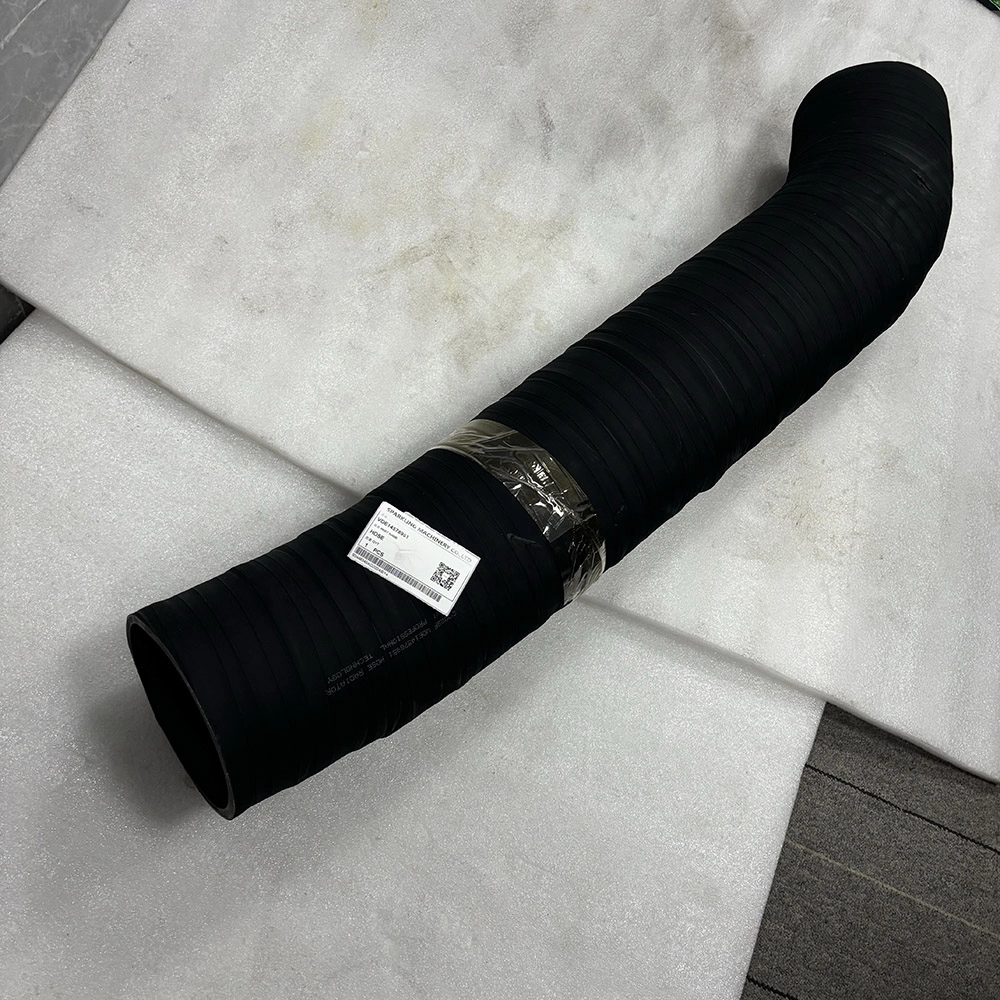
Top Specifications Buyers Need for Hydraulic Hose VOE14578951

Specifying Pressure Sensors: Technical Criteria for VR516FS Models
2026 Maintenance Checklist for Hydraulic System Components
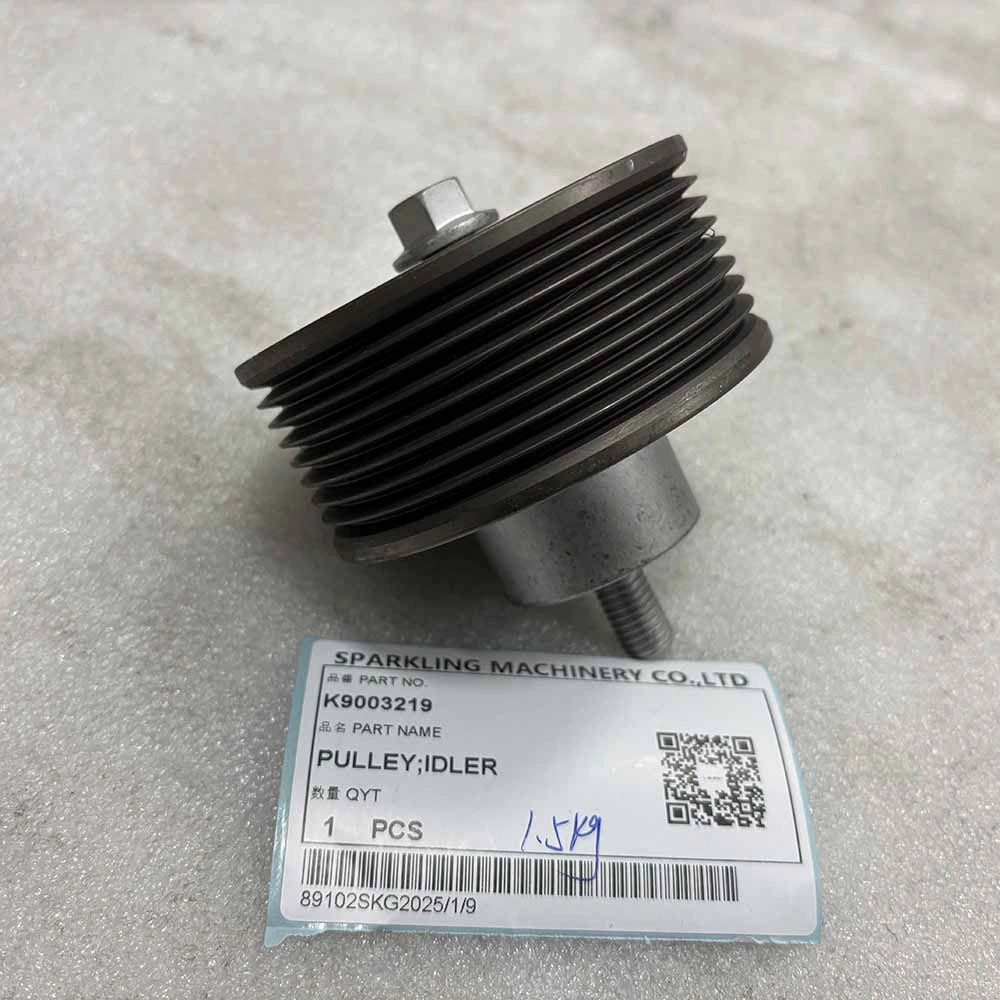
Field Replacement Steps for K9003219 on DL450 Loaders
faq
What types of excavator parts do you manufacture?
We manufacture a wide range of excavator parts, including hydraulic components, undercarriage parts, engine parts, wear parts, and more. Our products are designed to fit a variety of excavator models and are built to meet the highest quality standards.
Are your products covered by a warranty?
-
Yes, all of our excavator parts come with a warranty to ensure quality and reliability. The warranty period may vary depending on the type of part. Please contact us for detailed warranty terms for specific products.
-
What is the lead time for receiving excavator parts?
Our typical lead time depends on the complexity and quantity of the order. For standard parts, delivery usually takes between 7 to 14 days. For custom orders, the lead time may vary, but we always strive to ensure timely delivery.
Do you offer customized parts?
-
Yes, we offer tailored solutions to meet specific customer requirements. Whether you need custom dimensions or specialized features, we can design and produce parts that perfectly match your excavator’s needs.
-
How do you ensure the quality of your parts?
We follow strict quality control procedures throughout the manufacturing process. Our parts are tested for durability, performance, and precision to ensure they meet industry standards and exceed customer expectations.
Z15 4472.347.040 Sun Gear Shaft for Construction Equipment K9001556 ZGAQ-02951 VOE14560402
Part number 4472.347.040 (alternatively 4472347040) is a Sun Gear Shaft manufactured by ZF for use in heavy machinery transmissions and axles. It is a critical drivetrain component frequently used in Doosan, Daewoo, Hyundai, and Volvo wheel excavators.
Machine Compatibility:
· Doosan/Daewoo: K9001556.
· Hyundai: ZGAQ-02951.
· Volvo: VOE14560402.
· Caterpillar: 270-3097 and 384-9873.
· Common Applications: Used in Doosan DX140W, DX160W, and DX160W-3 wheel excavators, as well as Volvo EW140 and EW145 series.
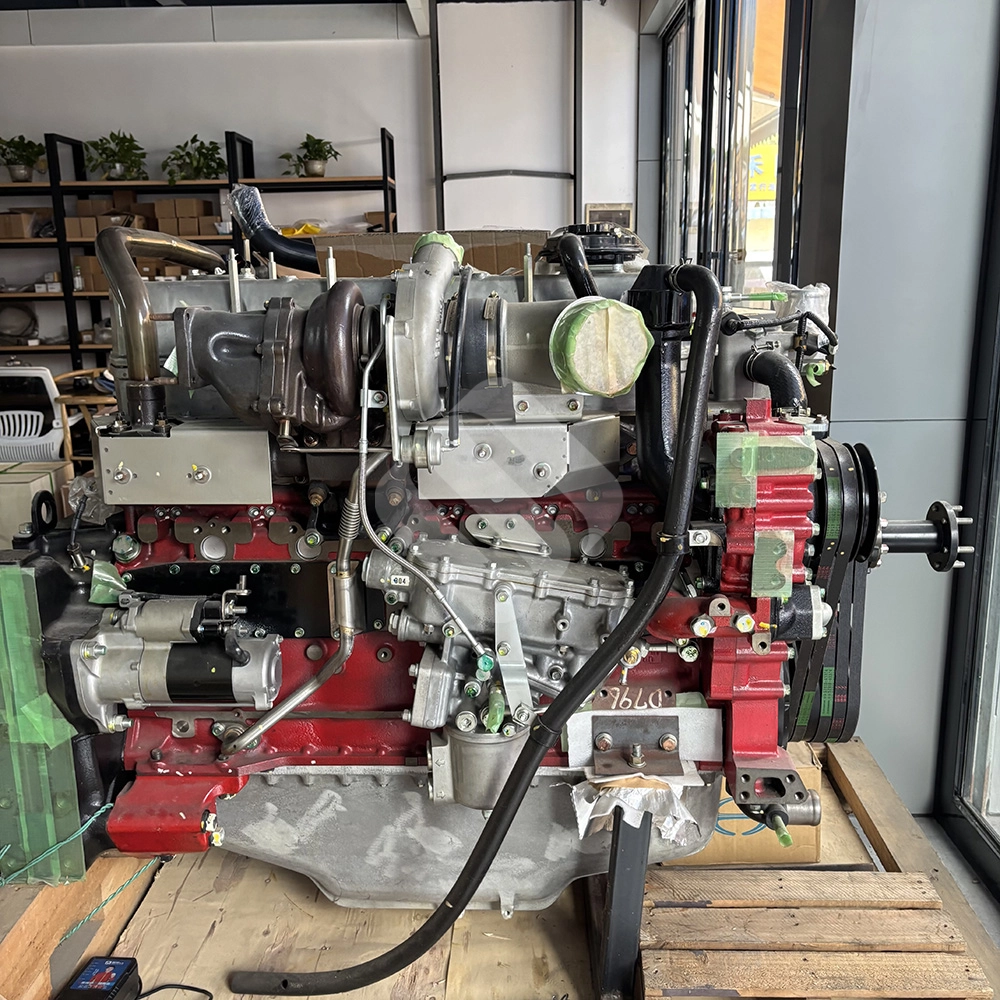
KOBELCO EXCAVATOR SK460-8 SK480-8 LS02P00085F1 LS02P00031F1 EA-P11C-UP DIESEL ENGINE ASSY
The Kobelco EA-P11C-UP Diesel Engine Assembly (LS02P00085F1) is a robust power unit engineered for SK460-8 and SK480-8 excavators, delivering reliable performance and high efficiency for demanding earthmoving operations.

KOMATSU EXCAVATOR PARTS MADE IN CHINA NEW D60P D61E D61EX D61PX D65E 14X-13-11660 YOKE SPARKLING MACHINERY
SPARKLING MACHINERY NEW D60P D61E D61EX D61PX D65E 14X-13-11660 Yoke is a dedicated power transmission component for Komatsu D60P, D61E, D61EX, D61PX, and D65E crawler dozers/excavators (widely used in construction, mining, and land leveling). As a core link in the drive system, it connects the drive shaft to gears or hydraulic motors—transmitting torque smoothly while compensating for minor alignment errors, ensuring stable power transfer during tasks like pushing soil, grading terrain, and heavy material moving.
Meeting Komatsu OEM standards (part no. 14X-13-11660), it endures high torque loads (up to 650 N·m), -30°C to 90°C temperatures, resists wear and oil corrosion, and maintains consistent transmission performance. Strict testing guarantees seamless compatibility with the five Komatsu models and long-term reliable drive linkage.
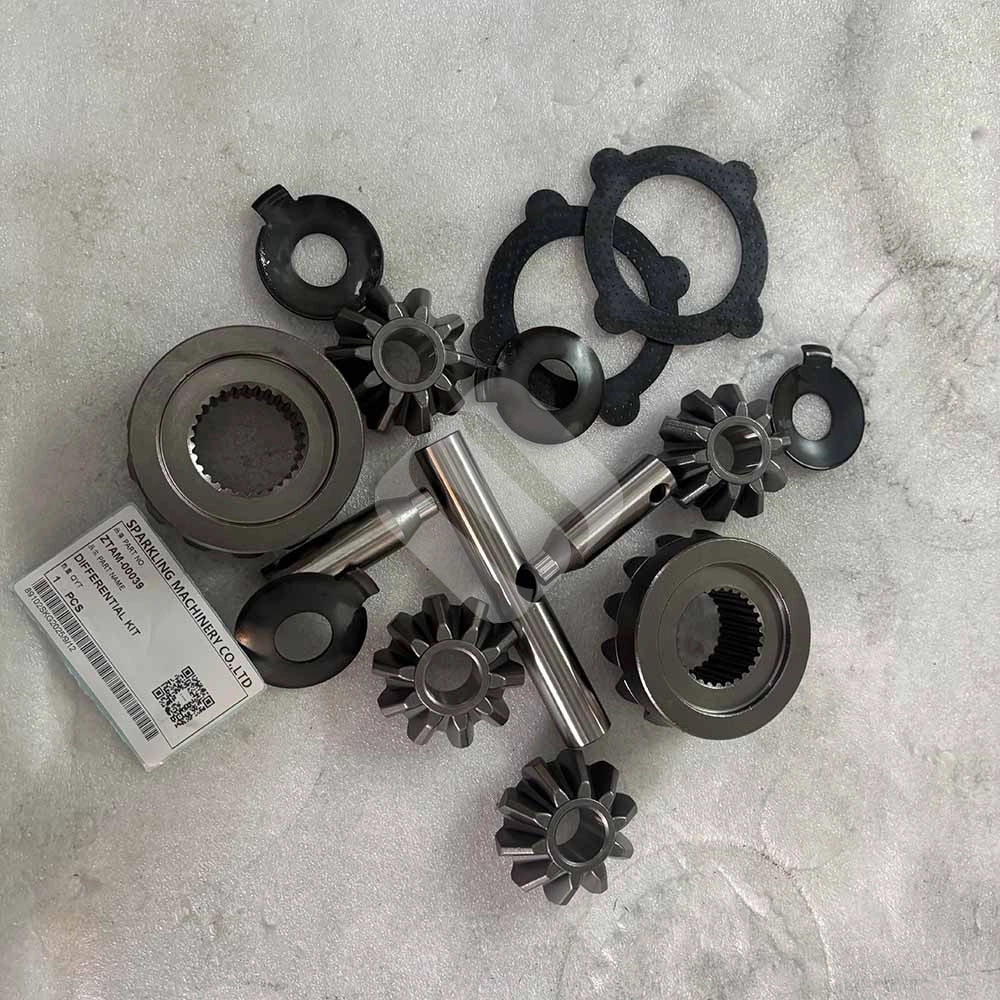
Hyundai HIGH-QUALITY EXCAVATOR PARTS MADE IN CHINA NEW R140W7 R140W7A R140W9 ZTAM-00039 DIFFERENTIAL KIT SPARKLING MACHINERY
SPARKLING MACHINERY NEW R140W7 R140W7A R140W9 ZTAM-00039 Differential Kit is a core undercarriage transmission component for Hyundai R140W7/R140W7A/R140W9 excavators (heavy-duty construction/mining use). It distributes torque to drive wheels while accommodating speed differences, ensuring stable turning and straight-line travel.
Meeting Hyundai OEM standards (ZTAM-00039), it resists -30°C to 100°C temps, wear, and mechanical shock, ensuring seamless compatibility and long-term reliable torque distribution performance.

Contact us
Email: ranroswang@hksparkling.com
Wechat: +86 136 0901 0879
Skype: foreverlucia1
WhatsApp: +86 136 0901 0879
Address: No. 514-515, Hulin Road, Tianhe District, Guangzhou, China.
Sparkling Machinery Co.,Ltd
sparkling_machinery
Whatsapp: +8613609010879