 ranroswang@hksparkling.com
  +86 138 2341 8469


Quality Assurance: Testing Standards for Engine Oil Coolers
- Why engine oil coolers are critical for excavator reliability
- Role of the oil cooler in heavy-duty engines
- Performance metrics that matter
- Design considerations for excavator applications
- Industry standards and quality frameworks for testing
- Quality management and traceability
- Technical test standards and industry guidance
- Regulatory and safety considerations
- Practical testing methods: procedures, acceptance criteria, and instrumentation
- Pressure and leak testing
- Thermal performance validation (heat dissipation)
- Flow-resistance and hydraulic testing
- Vibration and fatigue testing
- Corrosion and environmental resistance
- Test matrix and acceptance criteria (practical reference)
- Instrument calibration and measurement uncertainty
- Case study: Testing the 333/C3850 Engine Oil Cooler for JCB JS210
- Product overview
- Testing program tailored to excavator duty
- Field validation and warranty data
- Best practices for buyers and fleet managers
- What to request from suppliers
- Installation and maintenance considerations
- When to replace vs. repair
- References and further reading
- FAQ — Frequently Asked Questions
- Q: How do I know if my oil cooler is failing?
- Q: Is it safe to use a replacement oil cooler that is not OEM-branded?
- Q: What pressure should an excavator oil cooler withstand?
- Q: Can a clogged oil cooler be cleaned, or must it be replaced?
- Q: How often should oil cooler tests be performed during production?
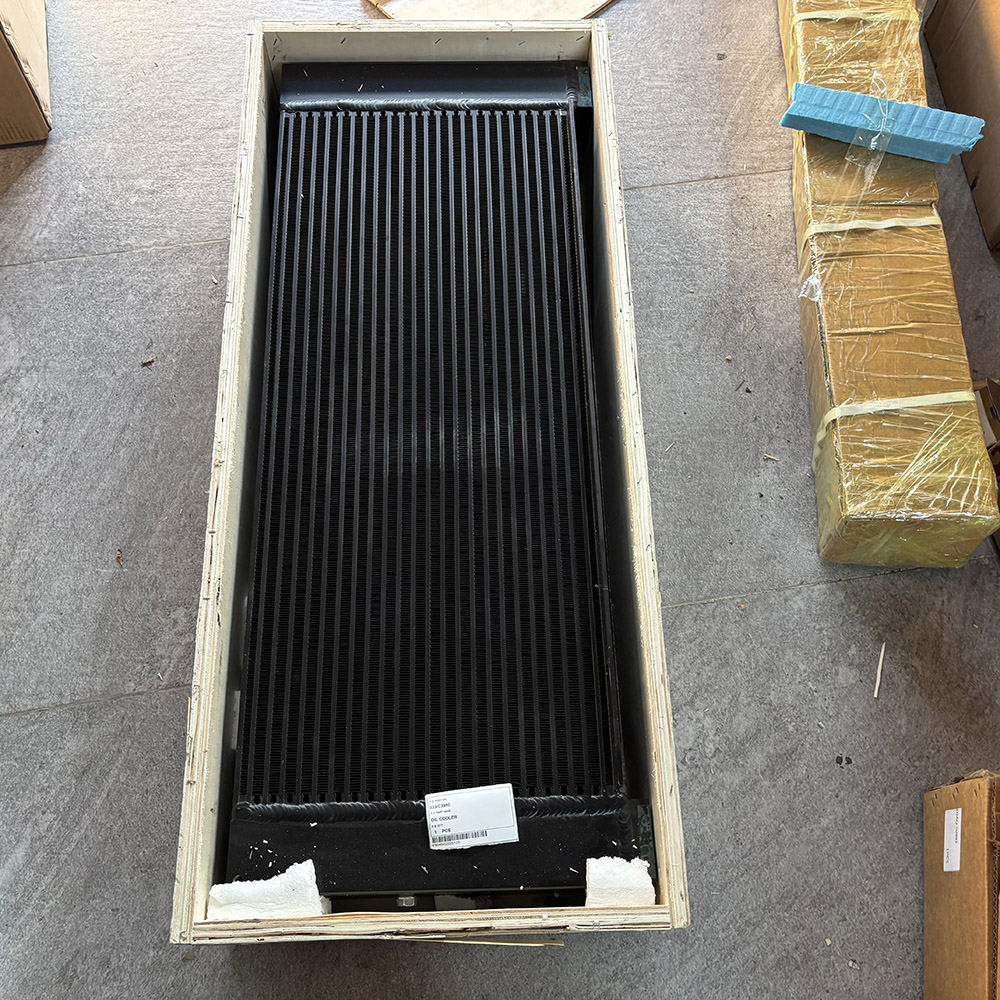
Summary for : This article explains the critical testing standards and quality-assurance protocols used to validate engine oil coolers for excavators, including pressure/leak tests, thermal performance validation, vibration and fatigue testing, and corrosion resistance. It highlights how a high-performance replacement like the 333/C3850 Engine Oil Cooler for JCB JS210 is validated to meet OEM fit, function, and durability requirements to ensure stable oil temperature and extended engine life.
Why engine oil coolers are critical for excavator reliability
Role of the oil cooler in heavy-duty engines
Engine oil coolers are heat exchangers that remove excess heat from engine oil to maintain optimal viscosity and prevent oil degradation. In heavy-duty excavators such as the JCB JS210, the oil cooler protects bearings, pistons and hydraulic interfaces by keeping oil temperature within the manufacturer's recommended range. When an oil cooler fails or underperforms, oil oxidation and viscosity breakdown accelerate, increasing wear and reducing component life.
Performance metrics that matter
Key performance parameters for an oil cooler include thermal capacity (W or BTU/h), pressure integrity (bar or psi), flow resistance (pressure drop), and corrosion resistance. For replacement parts like the 333/C3850 Engine Oil Cooler for JCB JS210, meeting OEM-matched dimensions and interface geometry is equally important for plug-and-play installation and to avoid installation-induced leaks or flow restrictions.
Design considerations for excavator applications
Excavators operate in dusty, vibration-intensive, and often extreme-temperature environments. Oil cooler designs for these machines commonly use aluminum alloy cores for thermal conductivity and corrosion-coating treatments for environmental protection. Designs also minimize clogging risk (fins and row count) while maintaining compact dimensions to fit tight engine bays.
Industry standards and quality frameworks for testing
Quality management and traceability
Manufacturers of engine components are typically expected to operate under quality management systems such as ISO 9001 to ensure consistent production, document control, and traceability of materials and test records. ISO 9001 provides a framework for continual improvement, internal audits, and record-keeping that supports product claims and warranty processes. See ISO's overview for reference (ISO 9001).
Technical test standards and industry guidance
Specific test protocols for oil coolers may be informed by industry organizations (e.g., SAE) and heat-exchanger test practices. General heat-exchanger behavior and testing principles are well covered in engineering literature; for background on heat exchangers and their performance metrics, see the Heat Exchanger topic (Wikipedia) and industry summaries (ScienceDirect). SAE International also publishes guidance and papers related to engine cooling systems and component testing (SAE).
Regulatory and safety considerations
While oil coolers are not typically regulated by a single global product standard, safety and environmental performance is influenced by regulations on materials (e.g., restricted substances), pressure equipment directives in specific regions, and customer-specific OEM standards. For passenger and heavy-equipment applications, manufacturers may adopt or reference test requirements spelled out in supplier quality agreements and technical control plans.
Practical testing methods: procedures, acceptance criteria, and instrumentation
Pressure and leak testing
Goal: verify mechanical integrity under static and dynamic pressure conditions and ensure no oil leakage at expected operating pressures and safety margins.
Procedure: The assembled oil cooler is typically pressure-tested with dry air or inert gas (or sometimes with oil/water for hydraulic equivalence) at a specified test pressure (commonly 1.5–2x maximum working pressure) and held for a set dwell time while visually and instrumentally inspected for leaks. For example, a core pressure test to 10 bar (as with the 333/C3850 core) confirms sealing and brazing quality.
Thermal performance validation (heat dissipation)
Goal: confirm the cooler's heat rejection capacity and ensure acceptable oil operating temperature under representative flow and thermal loads.
Procedure: Use a controlled test bench where oil (or a thermal fluid) is circulated through the cooler at specified flow rates while a reference heat source simulates engine heat input. Measure inlet and outlet oil temperatures, coolant (air or coolant) temperatures, and calculate heat transfer rate and effectiveness. Acceptance criteria include meeting or exceeding OEM-specified delta-T under standard flow and ambient conditions.
Flow-resistance and hydraulic testing
Goal: ensure pressure drop across the cooler is within acceptable limits so oil pumps are not overloaded and flow is sufficient for cooling.
Procedure: Measure pressure drop across the oil cooler at multiple flow rates (e.g., idle, typical operating, maximum). Compare results to baseline OEM tolerances. Excessive pressure drop can indicate internal blockages, narrow passages, or manufacturing variance.
Vibration and fatigue testing
Goal: ensure mechanical robustness under machine-induced vibration and shock that occur during excavator operation.
Procedure: Mount the oil cooler on a vibration table and apply multi-axis vibration and shock profiles that replicate field spectra for excavators. Inspect for cracks, fastener loosening, brazing separation, and hose/interface fatigue. Acceptance: no structural failures, maintained sealing, and conserved thermal performance after testing.
Corrosion and environmental resistance
Goal: assess the coating and material resistance to salt spray, chemical exposure, and particulate ingress.
Procedure: Salt spray (ASTM B117-style) or cyclic corrosion tests simulate long-term field exposure. Inspect for pitting, coating delamination, or accelerated corrosion that could compromise thermal conductivity or create leak paths. Acceptance based on OEM or supplier control plan thresholds.
Test matrix and acceptance criteria (practical reference)
The table below summarizes common tests, typical methods, and example acceptance criteria used for validating oil coolers for heavy equipment.
| Test | Method/Instrumentation | Typical Acceptance Criteria |
|---|---|---|
| Pressure/Leak Test | Pressurize to 1.5–2× max working pressure; inspect for bubbles/leaks; hold for specified dwell | No visible or measurable leakage; no pressure decay beyond trace limits |
| Thermal Performance | Bench test with controlled heat input; measure inlet/outlet temps, calculate heat rejection | Meets or exceeds OEM delta-T and heat rejection at specified flow |
| Flow Resistance | Measure pressure drop at idle/nominal/max flows | Pressure drop within OEM tolerance (prevents pump oversizing) |
| Vibration/Fatigue | Multi-axis shaker testing to excavator spectra | No structural failure; maintained sealing & performance |
| Corrosion | Salt-spray or cyclic corrosion tests (e.g., B117) | No coating delamination or core pitting beyond allowable limits |
| Dimensional/Interface Check | Coordinate measuring machines (CMM) and gauge checks | Matches OEM mounting holes, inlet/outlet fittings, and core dimensions for plug-and-play fit |
Instrument calibration and measurement uncertainty
Reliable QA requires calibrated sensors (pressure transducers, thermocouples, flow meters) with documented uncertainty. Test labs should maintain calibration records traceable to national standards. This ensures test results are defensible in supplier audits and product warranty disputes.
Case study: Testing the 333/C3850 Engine Oil Cooler for JCB JS210
Product overview
The 333/C3850 engine oil cooler is a high - performance replacement part specifically designed for JCB JS210 excavators (also compatible with JS200/JS220 models). It is a core component of the engine cooling system, effectively dissipating excess heat from the engine oil to maintain the oil at an optimal operating temperature, prevent oil oxidation and viscosity breakdown, and thus extend the service life of the engine and its components.
Key Features
· OEM - Matched Precision: The core size, mounting hole positions, and oil inlet/outlet interfaces are perfectly matched with the original equipment, enabling plug - and - play installation without the need for any modifications.
· Superior Heat Dissipation: Made of high - quality aluminum alloy core and tubes, it has excellent thermal conductivity. The 12 - row fin design enhances heat exchange efficiency, ensuring stable oil temperature even under heavy - duty working conditions.
· Durable Construction: The core is pressure - tested to 10 bar to prevent oil leaks. The anti - corrosion coating on the surface can resist harsh working environments such as dust, moisture, and chemical corrosion.
Compatible Equipment
· Excavators: JCB JS210 (also fits JS200, JS220)
· Interchangeable Part Numbers: 333/C3850, 333C3850, 333/J7193
Testing program tailored to excavator duty
For the 333/C3850, QA begins with raw material validation (aluminum alloy chemistry and temp treatment), moves to core brazing integrity checks, and then performs the test matrix above: pressure/leak to 10 bar (as a factory test), thermal bench validation at defined oil flow rates, vibration cycling to excavator spectra, and salt-spray exposure to verify corrosion coating performance. Dimensional inspection ensures the core and mounting interfaces meet the OEM drawing tolerances for seamless replacement.
Field validation and warranty data
Beyond laboratory tests, a robust QA program includes field trials in representative machines over extended duty cycles. Data logged from field units (oil temperature, pressure, and any maintenance events) validates bench results and refines acceptance criteria. A supplier's warranty claim history and mean time between failures (MTBF) for installed units provide additional evidence of product reliability.
Best practices for buyers and fleet managers
What to request from suppliers
When sourcing replacement engine oil coolers, request documented test results, material certificates, sample pressure/leak test logs, dimensional inspection reports, and evidence of a quality management system (e.g., ISO 9001 certificate). For high-use fleets, ask for field trial summaries and MTBF data.
Installation and maintenance considerations
Proper installation (torque on fittings, alignment of mounting points, correct hose routing) prevents stresses that cause premature failure. Regular maintenance, such as periodic inspection for bent fins, blockages from contaminants, and ensuring oil and coolant conditions meet manufacturer specifications, extends cooler life.
When to replace vs. repair
Minor external damage (bent fins) can be repaired, but core breaches, irreversible brazing failures, and persistent internal blockages typically require full replacement. Given the compact design and the availability of OEM-matched units like the 333/C3850, replacement is often the most reliable option to restore specified thermal performance.
References and further reading
- Oil cooler — Wikipedia
- Heat exchanger — Wikipedia
- ISO 9001 — Quality management systems (ISO)
- Oil cooler — ScienceDirect topic overview
- SAE International — automotive & heavy equipment engineering standards
FAQ — Frequently Asked Questions
Q: How do I know if my oil cooler is failing?
A: Common signs include rising oil temperatures under normal loads, oil contamination, visible oil leaks around the cooler or connections, and decreased engine performance or increased wear symptoms. A diagnostic oil temp vs. load test and visual inspection usually confirm the issue.
Q: Is it safe to use a replacement oil cooler that is not OEM-branded?
A: It can be safe if the replacement is OEM-matched in dimensions, connection interfaces, and meets documented test standards (pressure, thermal performance). Always request test certificates and dimensional verification. The 333/C3850 is designed to match OEM specifications for JCB JS210, JS200 and JS220.
Q: What pressure should an excavator oil cooler withstand?
A: Working pressures vary by system, but factory pressure testing typically targets a safety margin above expected maximum operating pressure. For many heavy-duty oil cooler cores, a pressure test of around 10 bar is common to ensure integrity under stress. Always consult engine/OEM specs for exact values.
Q: Can a clogged oil cooler be cleaned, or must it be replaced?
A: External clogging (fins blocked by debris) can often be cleaned safely. Internal clogging from sludge, varnish or debris may require chemical flushing or replacement. If thermal performance remains degraded after cleaning, replacement is recommended.
Q: How often should oil cooler tests be performed during production?
A: Production testing frequency is defined by the manufacturer's quality plan. Common practices include 100% pressure/leak testing, batch thermal testing, regular dimensional inspection sampling, and periodic corrosion/vibration validation tests per lot or per shift depending on risk assessment.
If you have questions about compatibility, test reports, or want to view the product details and purchase the 333/C3850 Engine Oil Cooler for JCB JS210, contact our sales team or visit the product page:
View 333/C3850 Engine Oil Cooler product page | Contact Customer Service
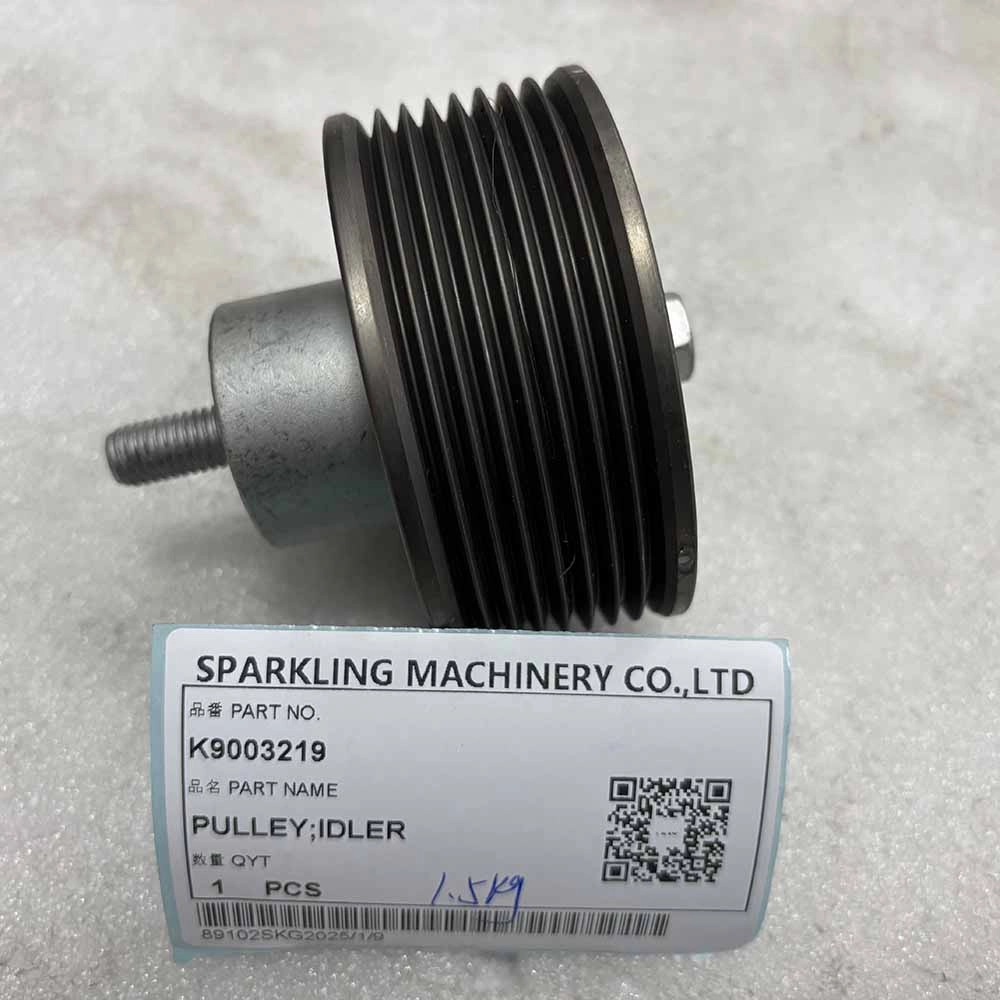
Buyer's Guide to K9003219 Pulley Idler for Doosan DL450
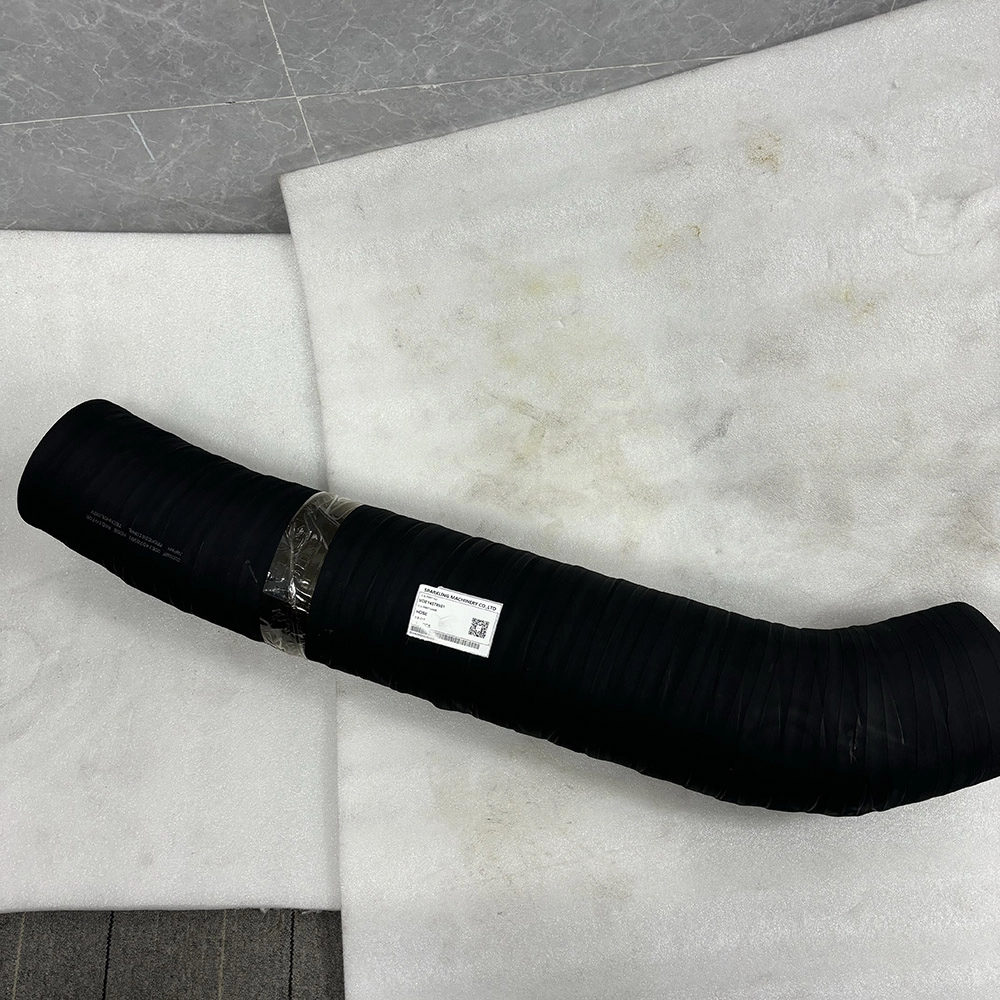
OEM vs Aftermarket: Hydraulic Hose Choices for Volvo EC480D
Hydraulic System Upgrades: Enhancing Excavator Performance and Productivity
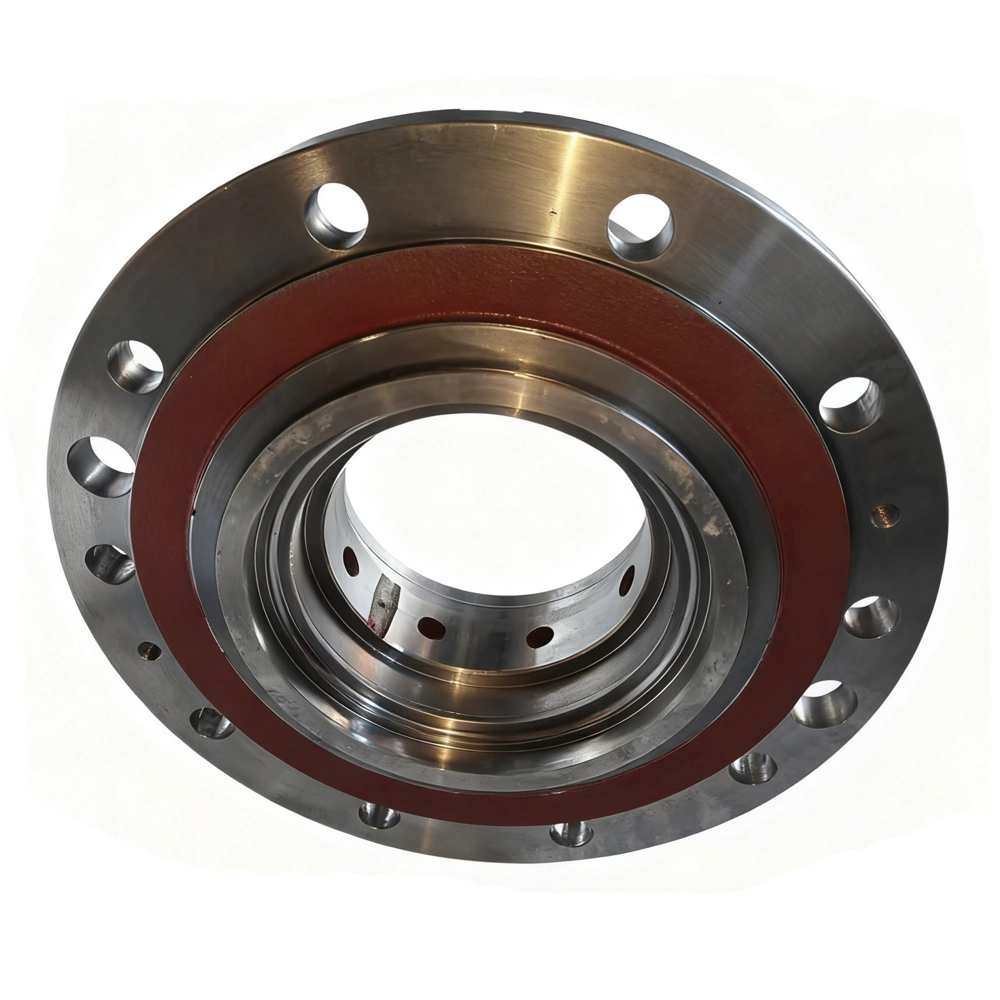
Guide to R170W7 Excavator Parts and Key Components
faq
Are your products covered by a warranty?
-
Yes, all of our excavator parts come with a warranty to ensure quality and reliability. The warranty period may vary depending on the type of part. Please contact us for detailed warranty terms for specific products.
-
What is the lead time for receiving excavator parts?
Our typical lead time depends on the complexity and quantity of the order. For standard parts, delivery usually takes between 7 to 14 days. For custom orders, the lead time may vary, but we always strive to ensure timely delivery.
What types of excavator parts do you manufacture?
We manufacture a wide range of excavator parts, including hydraulic components, undercarriage parts, engine parts, wear parts, and more. Our products are designed to fit a variety of excavator models and are built to meet the highest quality standards.
Do you offer customized parts?
-
Yes, we offer tailored solutions to meet specific customer requirements. Whether you need custom dimensions or specialized features, we can design and produce parts that perfectly match your excavator’s needs.
-
How do you ensure the quality of your parts?
We follow strict quality control procedures throughout the manufacturing process. Our parts are tested for durability, performance, and precision to ensure they meet industry standards and exceed customer expectations.

Kobelco SK200-8 SK210-8 SK250-10 Final Drive Assy LQ15V00031F5 LQ15V00020F1 Travel Motor MAG-170VP
-
High Torque Performance: Specifically designed for Kobelco 20-25 ton excavators, providing powerful traction and smooth travel on rough terrains.
-
Precision Engineering: Features high-strength gear steel and premium seals to prevent oil leakage and withstand high hydraulic pressure.
-
Plug & Play: Direct replacement for original LQ15V series parts, ensuring perfect alignment with the track frame and hydraulic hoses.
-
Rigorous Testing: Every MAG170VP final drive undergoes a multi-stage pressure and rotation test before leaving Sparkling Machinery warehouse.

Carrier Assy XKAQ-00808 XKAQ-00459 For Hyundai R800LC-9 R1200-9
SPARKLING MACHINERY provides high-quality XKAQ-00808 carriers for Hyundai excavators, including models R1200-9, R800LC-9, and others. Manufactured for durability and precise fit, each part undergoes strict inspection before fast global shipping. With factory-direct prices and excellent after-sales service, we help you minimize downtime and maximize machine performance.
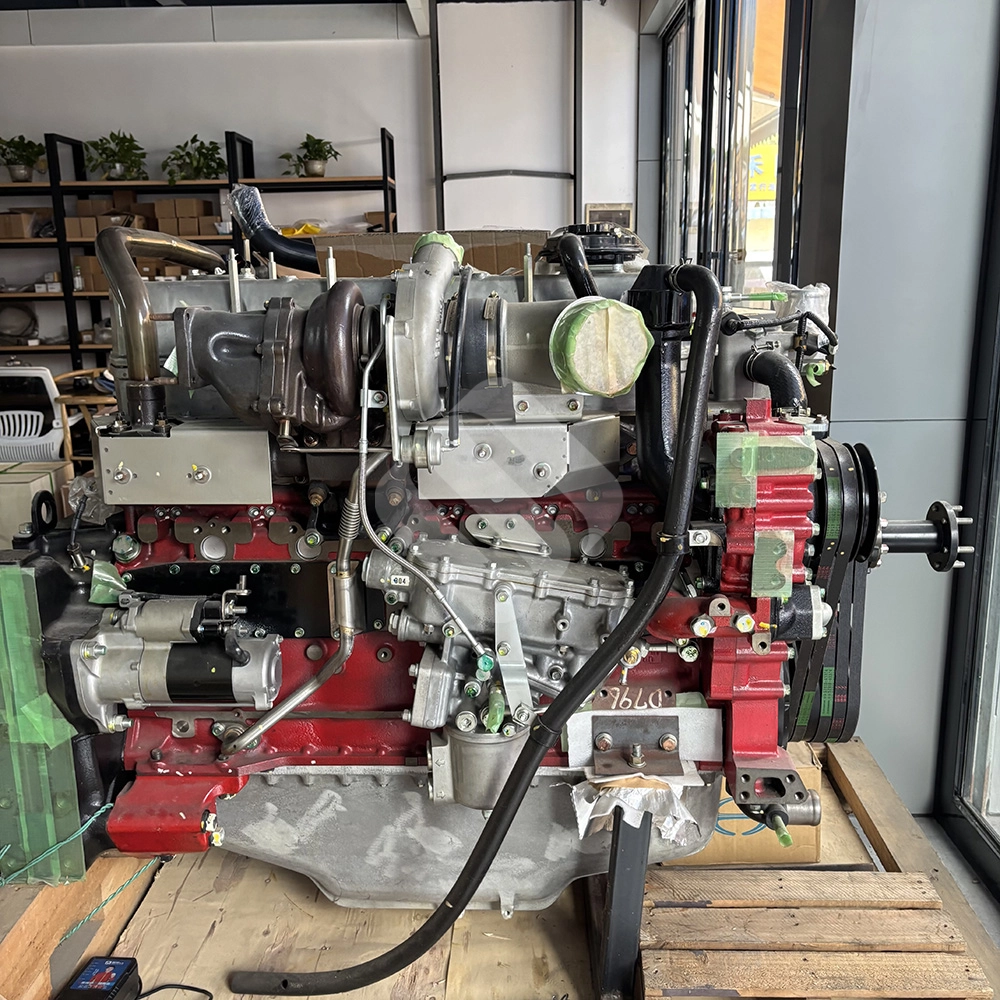
Original Hino P11C Diesel Engine Assy for Kobelco SK460-8 SK480-8 Excavator | Part No. LS02P00085F1 LS02P00031F1
Upgrade your Kobelco heavy machinery with our high-performance Hino P11C Diesel Engine Assembly. Specifically designed for Kobelco SK460-8 and SK480-8 excavators, this engine provides the robust power and fuel efficiency required for demanding mining and construction projects.
Whether you are looking for a complete replacement or a core engine for overhaul, our P11C-UP series ensures seamless compatibility and long-term reliability.
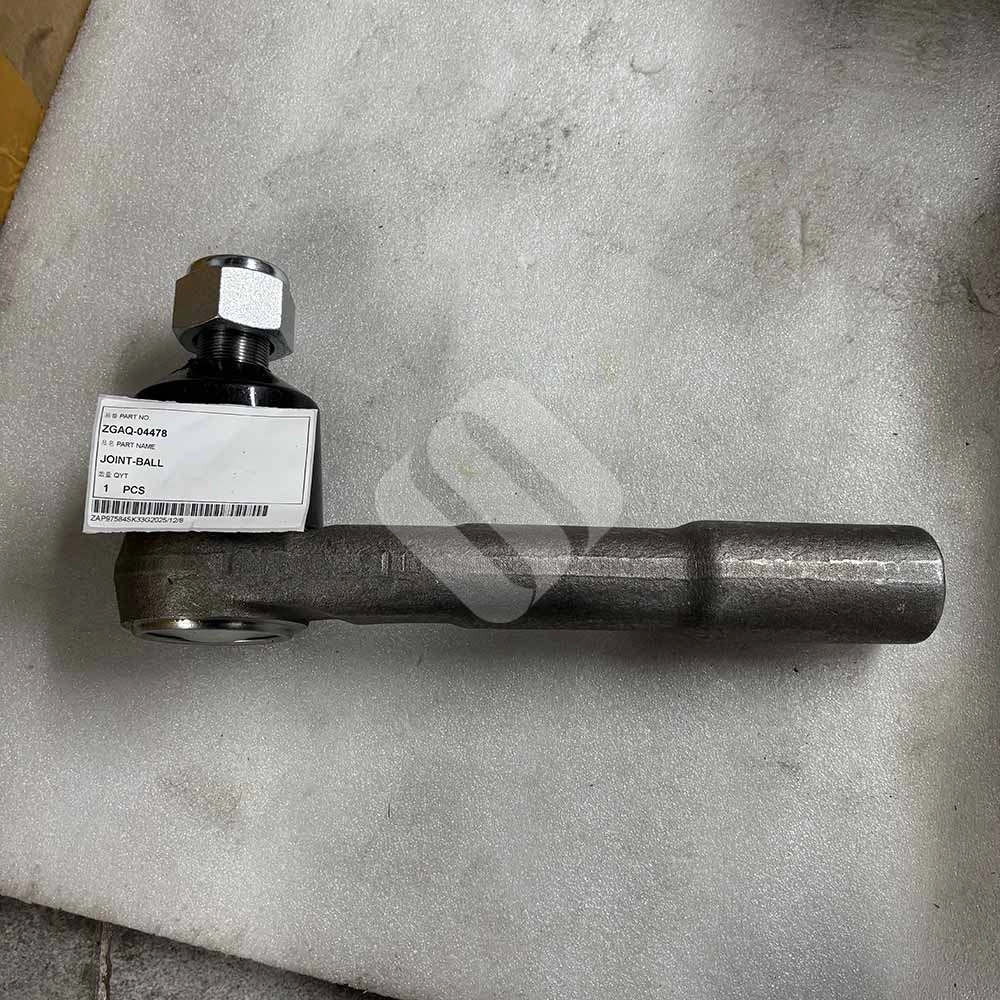
ZGAQ-04478 Steering Ball Joint for Hyundai Wheeled Excavators R210W-9 R210W-9S R210W9-MH R210W9AMH
The ZGAQ-04478 Joint-Ball is a high-performance steering component engineered specifically for the Hyundai R210W-9 series, including specialized Material Handling (MH) models. This ball joint acts as a crucial pivot point in the steering linkage, allowing the wheels to move independently while maintaining precise directional control.

Contact us
Email: ranroswang@hksparkling.com
Wechat: +86 136 0901 0879
Skype: foreverlucia1
WhatsApp: +86 136 0901 0879
Address: No. 514-515, Hulin Road, Tianhe District, Guangzhou, China.
Sparkling Machinery Co.,Ltd
sparkling_machinery
Whatsapp: +8613609010879