 ranroswang@hksparkling.com
  +86 138 2341 8469


7 Solenoid Valve Types: A Complete Guide to Choosing the Right One
Staring down a row of solenoid valves and feeling totally overwhelmed? With dozens of variants on the market, picking the right one can seem like a daunting task. But here’s the truth: once you understand what each type is designed to do, the choice becomes surprisingly straightforward.
At Sparkling Machinery, we’ve helped thousands of customers find the perfect solenoid valve for their applications—whether it’s repairing industrial equipment, building an irrigation system, or working on automotive projects. This guide will break down every key type, so you can select the exact valve to get the job done right, with the reliable support of Sparkling Machinery.
- What Sets Solenoid Valves Apart from Conventional Valves?
- 2-Way Solenoid Valves: The Basic On/Off Solution
- 3-Way Solenoid Valves: The Versatile Flow Diverter
- Direct Acting vs. Pilot Operated Valves: Two Core Actuation Methods
- Normally Closed vs. Normally Open Valves: Choose Based on Power Failure Safety
- Proportional Solenoid Valves: Precision Flow Control
- 4 Special-Purpose Solenoid Valve Types: For Extreme and Specific Conditions
- How to Choose the Right Solenoid Valve Material
- Quick Material Selection Guide
- Common Solenoid Valve Problems and Solutions
- A Note on Engine Solenoids
- Installation Tips for Long Solenoid Valve Life
- FAQs
- Q: What’s the difference between AC and DC solenoid valves?
- Q: Can solenoid valves handle hot water and steam?
- Q: How long do solenoid valves typically last?
- Q: Why do new solenoid valves fail?
- Q: Can I replace just the coil on a solenoid valve?
What Sets Solenoid Valves Apart from Conventional Valves?
Before diving into specific types, let’s clarify what makes solenoid valves unique. Unlike manual valves that require hand operation, solenoid valves use electrical power to function. When electricity is applied, an electromagnetic coil generates a magnetic field that moves a plunger or armature, opening or closing the valve—no manual effort required.
Think of it like a garage door opener: press a button, and electricity does all the heavy lifting. Solenoid valves work the same way: send an electrical signal, and they actuate automatically.
This automation makes them ideal for systems that need remote control or hands-free operation. What’s more, solenoid valves act fast—typically opening or closing in milliseconds—and boast exceptional reliability, with many lasting millions of operational cycles. It’s no wonder they’re ubiquitous, found in everything from household washing machines to large-scale industrial facilities, and Sparkling Machinery offers a full range of these versatile valves to meet diverse needs.
2-Way Solenoid Valves: The Basic On/Off Solution
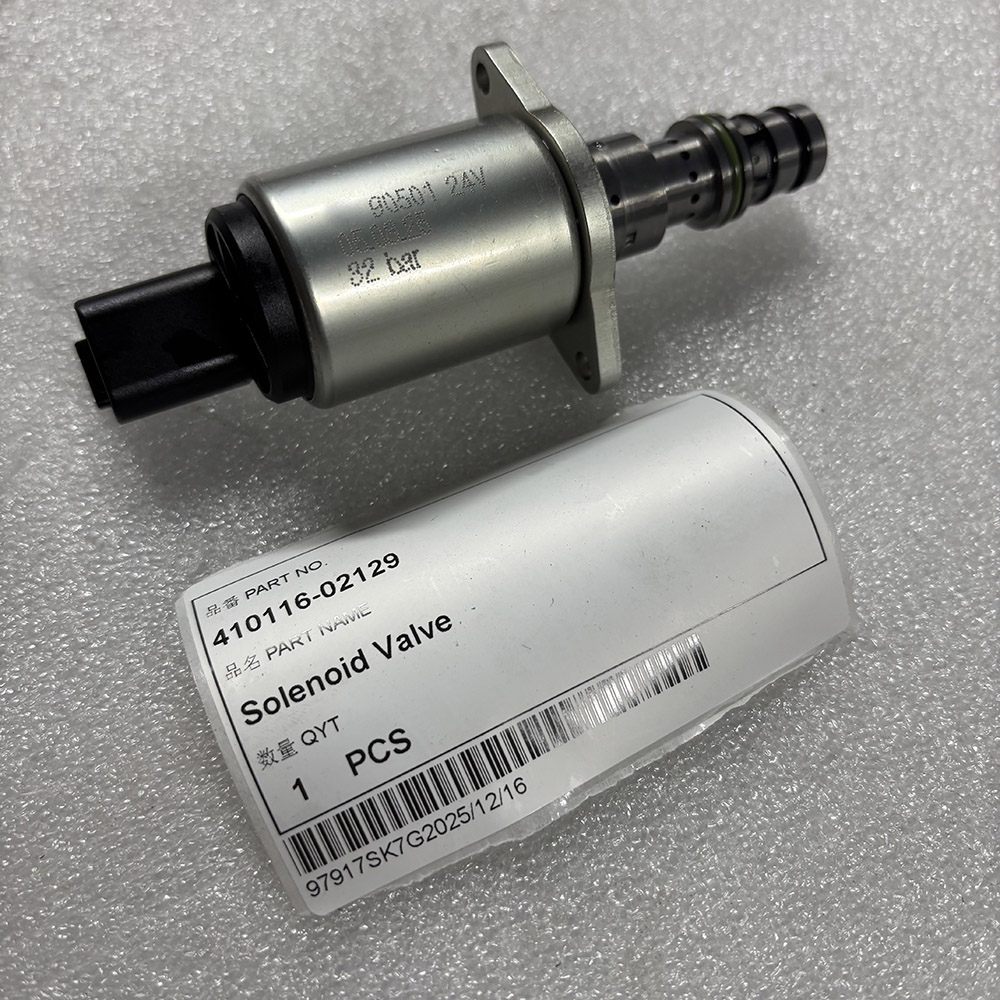
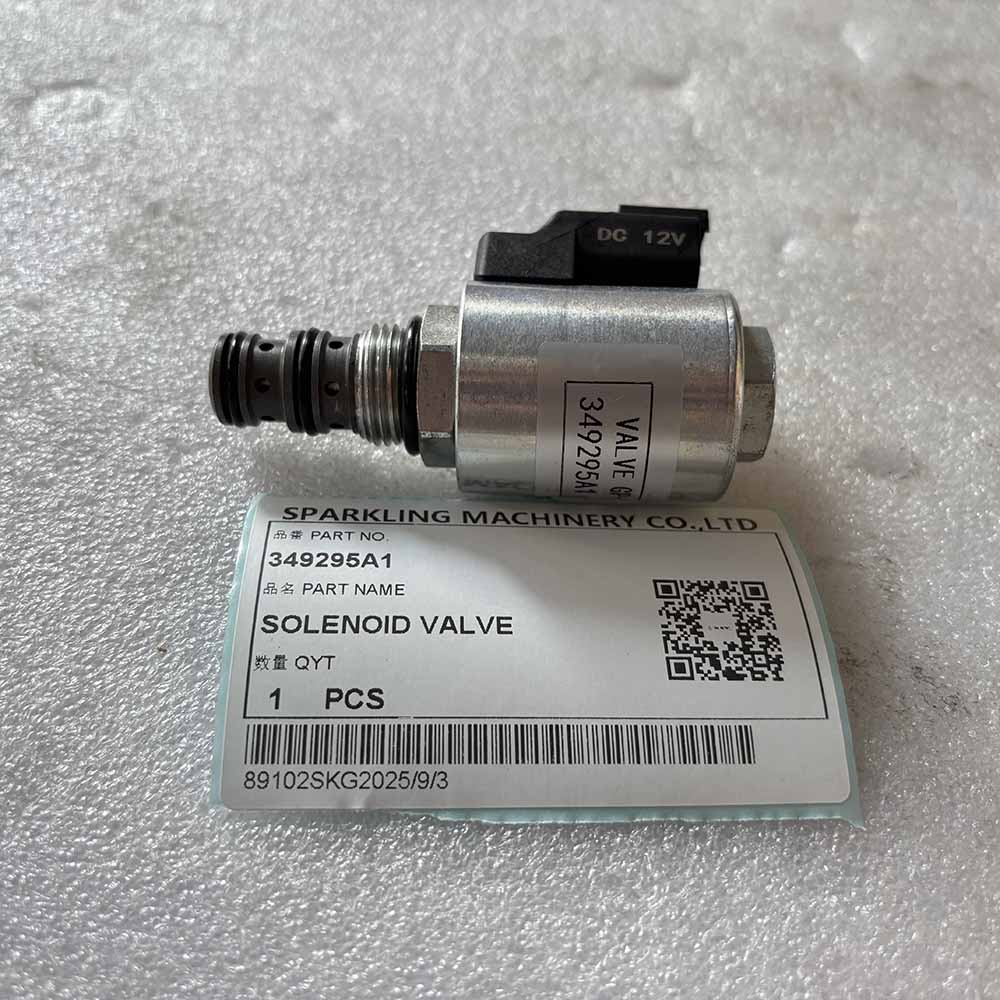
3-Way Solenoid Valves: The Versatile Flow Diverter
Direct Acting vs. Pilot Operated Valves: Two Core Actuation Methods

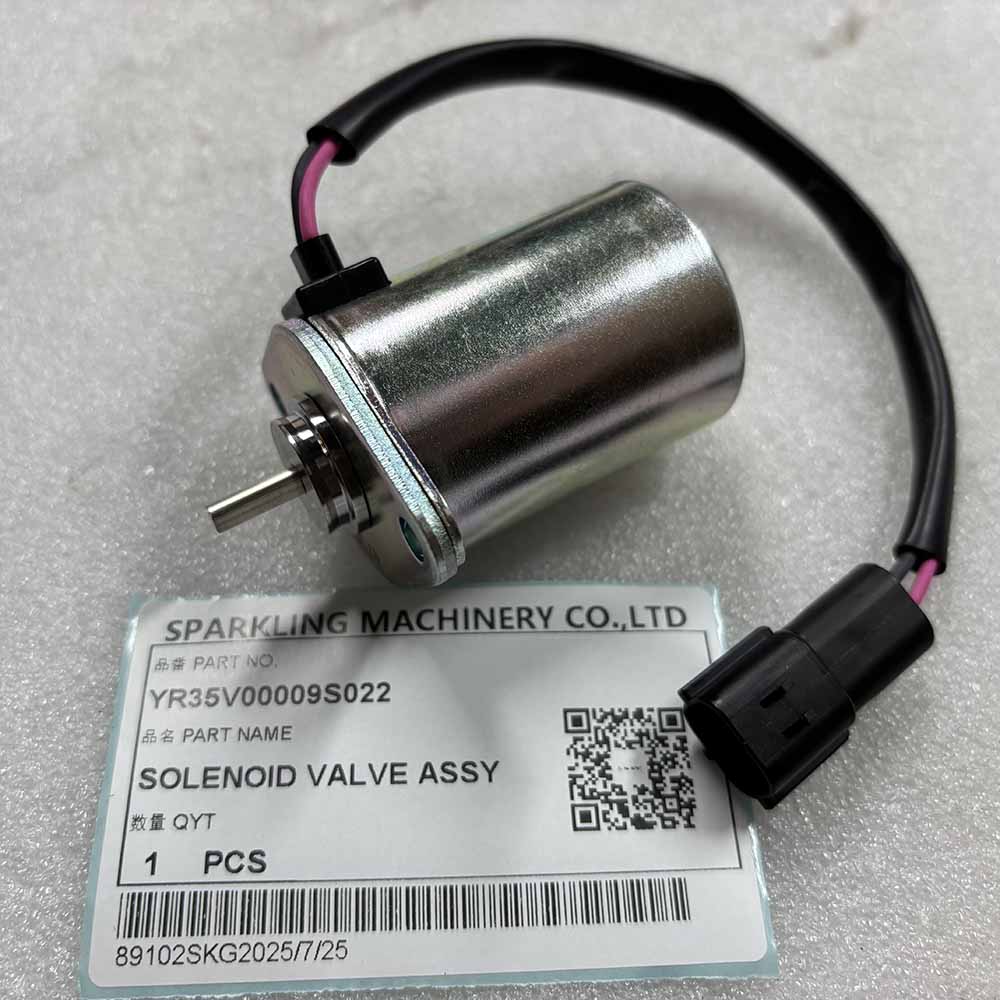
Normally Closed vs. Normally Open Valves: Choose Based on Power Failure Safety
Proportional Solenoid Valves: Precision Flow Control
4 Special-Purpose Solenoid Valve Types: For Extreme and Specific Conditions
-
· Latching solenoid valves: Energy savers par excellence. A single electrical pulse opens them, another closes them, and they hold position without continuous power. Perfect for battery-powered systems or any application where energy efficiency is a priority—garden irrigation controllers love them, as they only use power when changing state.
-
· High-pressure solenoid valves: Built to handle extreme pressure—thousands of PSI. They feature reinforced bodies, special seals, and often pilot operation to manage forces that would destroy standard valves. Hydraulic systems and pressure washers depend on these rugged valves.
-
· Cryogenic solenoid valves: Designed for ultra-cold conditions, handling liquid nitrogen, oxygen, and other cryogenic fluids. They use special materials that stay flexible at -320°F, where standard seals would shatter like glass. Standard valves simply won’t cut it for cryogenic applications.
-
· Explosion-proof solenoid valves: Engineered to prevent sparks in hazardous environments. The electrical coil is sealed inside heavy-duty housings that contain any sparks. Chemical plants, refineries, and grain elevators all require these valves to prevent catastrophic explosions.
How to Choose the Right Solenoid Valve Material
-
· Brass: The all-rounder. Brass handles water, air, gas, and oil flawlessly, is affordable, and offers good corrosion resistance. It’s perfect for most general-purpose applications. Just avoid using brass with seawater or ammonia—it’s not compatible with these media.
-
· Stainless steel: The upgrade for harsh conditions. Stainless steel resists corrosive fluids and handles higher temperatures with ease. Food processing, medical equipment, and marine applications almost always specify stainless steel. It costs more but lasts a lifetime in tough environments.
-
· Plastic (PVC/polypropylene): The go-to for aggressive chemicals. Plastic valves stand up to acids and chemicals that would eat away at metal valves, and they’re lighter and cheaper too. The catch? They can’t handle high pressure or temperatures like metal valves. Chemical dosing systems and water treatment plants use plastic valves extensively.
Quick Material Selection Guide
-
· Water/Air/Oil: Brass works perfectly
-
· Food/Medical: Stainless steel only
-
· Acids/Chemicals: Plastic is your best choice
-
· High temperature (>250°F): Opt for stainless steel or special alloys
Common Solenoid Valve Problems and Solutions
-
· Valve won’t open: First, check if the coil is getting power—use a multimeter to verify voltage. No power? Inspect wiring and fuses. Power is good? The coil may be burned out (you’ll smell a distinct burn) or the valve is stuck with debris. Try tapping the valve gently or cycling power rapidly to free it.
-
· Valve won’t close: Usually caused by debris blocking the seal, a damaged valve seat, worn seals, or a broken return spring (leaving the valve stuck open). Pilot-operated valves may have a clogged pilot orifice preventing proper operation.
-
· Valve leaks: Internal leaks (flow when closed) mean damaged seals. External leaks around the body point to failed gaskets or a cracked housing. Both issues usually require valve replacement, though minor internal leaks can sometimes be fixed with cleaning.
-
· Buzzing/humming: AC valves may buzz if the plunger doesn’t pull in fully. This can be due to low voltage, mechanical binding, or contamination. The buzzing generates heat that will eventually burn out the coil—fix the issue quickly or replace the valve.
A Note on Engine Solenoids
Installation Tips for Long Solenoid Valve Life
-
· Mount correctly: Most solenoid valves work best when mounted vertically with the coil facing up. This prevents debris from settling in the mechanism and aids heat dissipation from the coil. If vertical mounting isn’t possible, avoid mounting the coil facing down—this causes moisture buildup.
-
· Use strainers: A 10-mesh strainer installed upstream will save countless valves. Even seemingly clean fluids contain small particles that can jam valves. Contamination is the number one cause of solenoid valve failure—protect your investment with proper filtration.
-
· Size it right: Oversized valves cycle more frequently, leading to faster wear. Undersized valves work too hard and fail early. Calculate your actual flow requirements and select a valve that matches. When in doubt, ask for expert sizing help—we do this for customers every day.
-
· Account for the environment: Hot locations will overheat coils; wet areas cause corrosion of connections; vibration loosens fittings. Plan for these challenges during installation: heat shields, weatherproof connections, and thread locker will prevent many issues before they start.
FAQs
Q: What’s the difference between AC and DC solenoid valves?
Q: Can solenoid valves handle hot water and steam?
Q: How long do solenoid valves typically last?
Q: Why do new solenoid valves fail?
Q: Can I replace just the coil on a solenoid valve?
Master the Ground: High-Performance Undercarriage Solutions by Sparkling
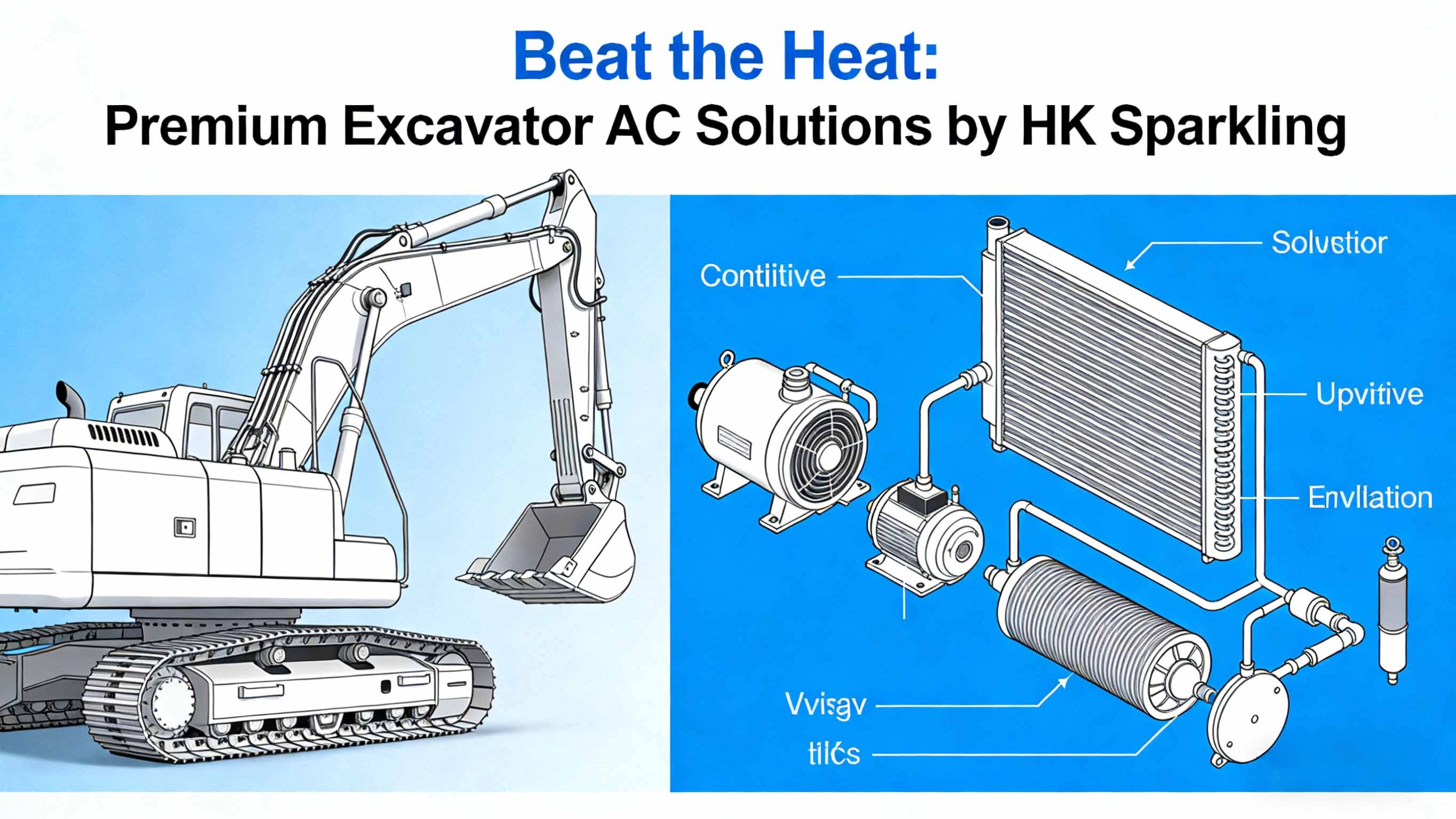
Beat the Heat: Premium Excavator AC Solutions by HK Sparkling
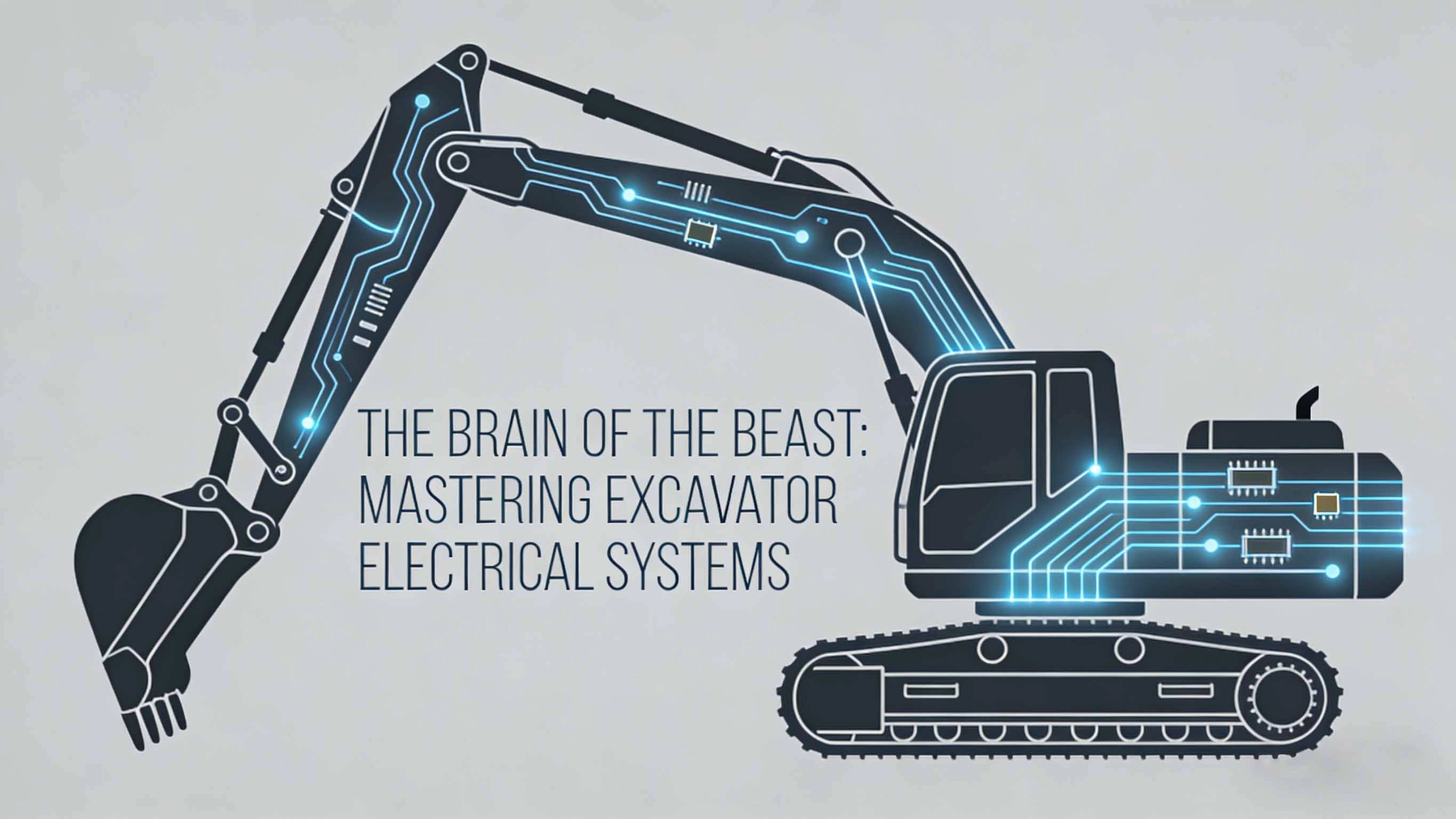
The Brain of the Beast: Mastering Excavator Electrical Systems
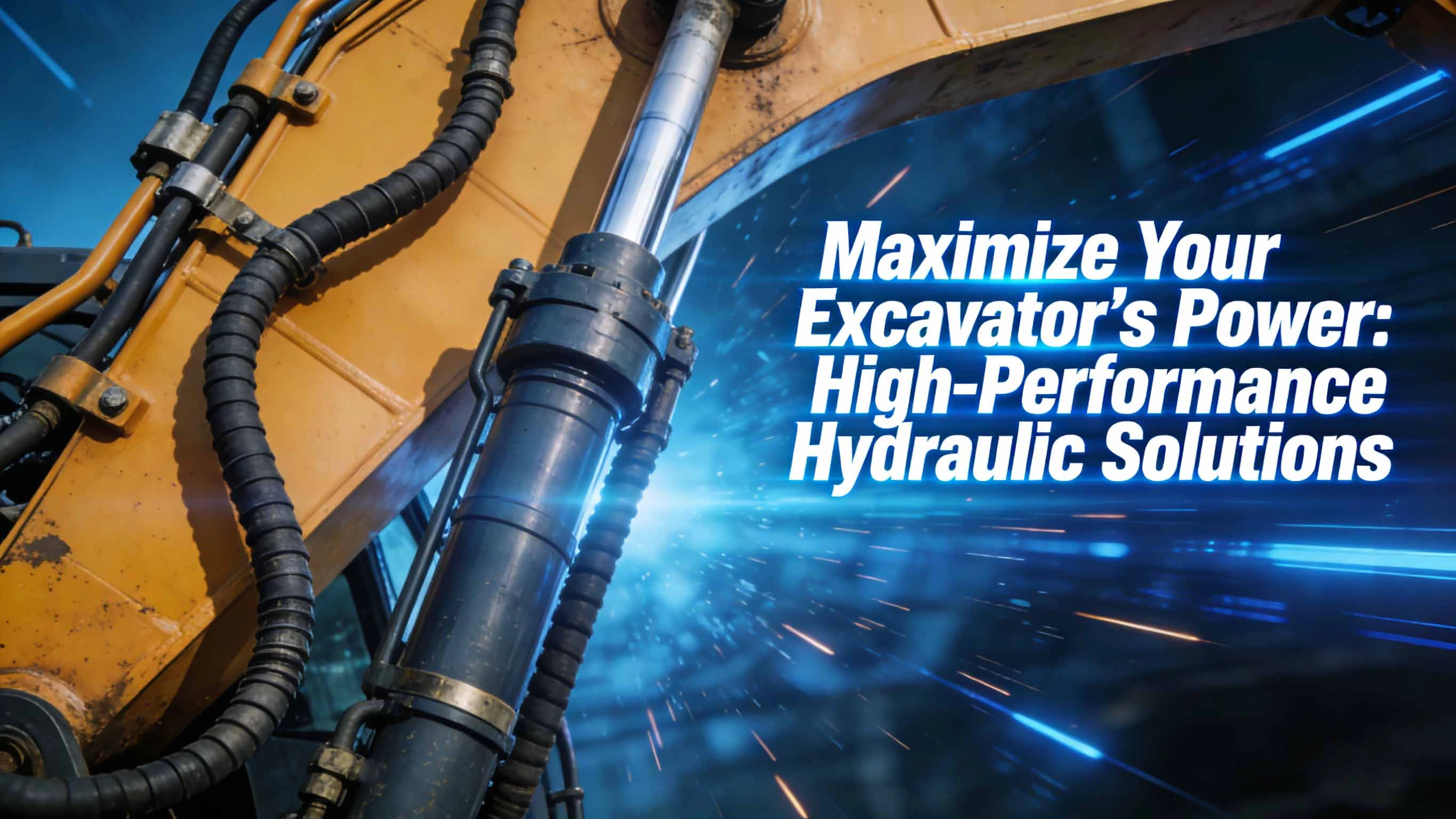
Maximize Your Excavator’s Power: High-Performance Hydraulic Solutions by HK Sparkling
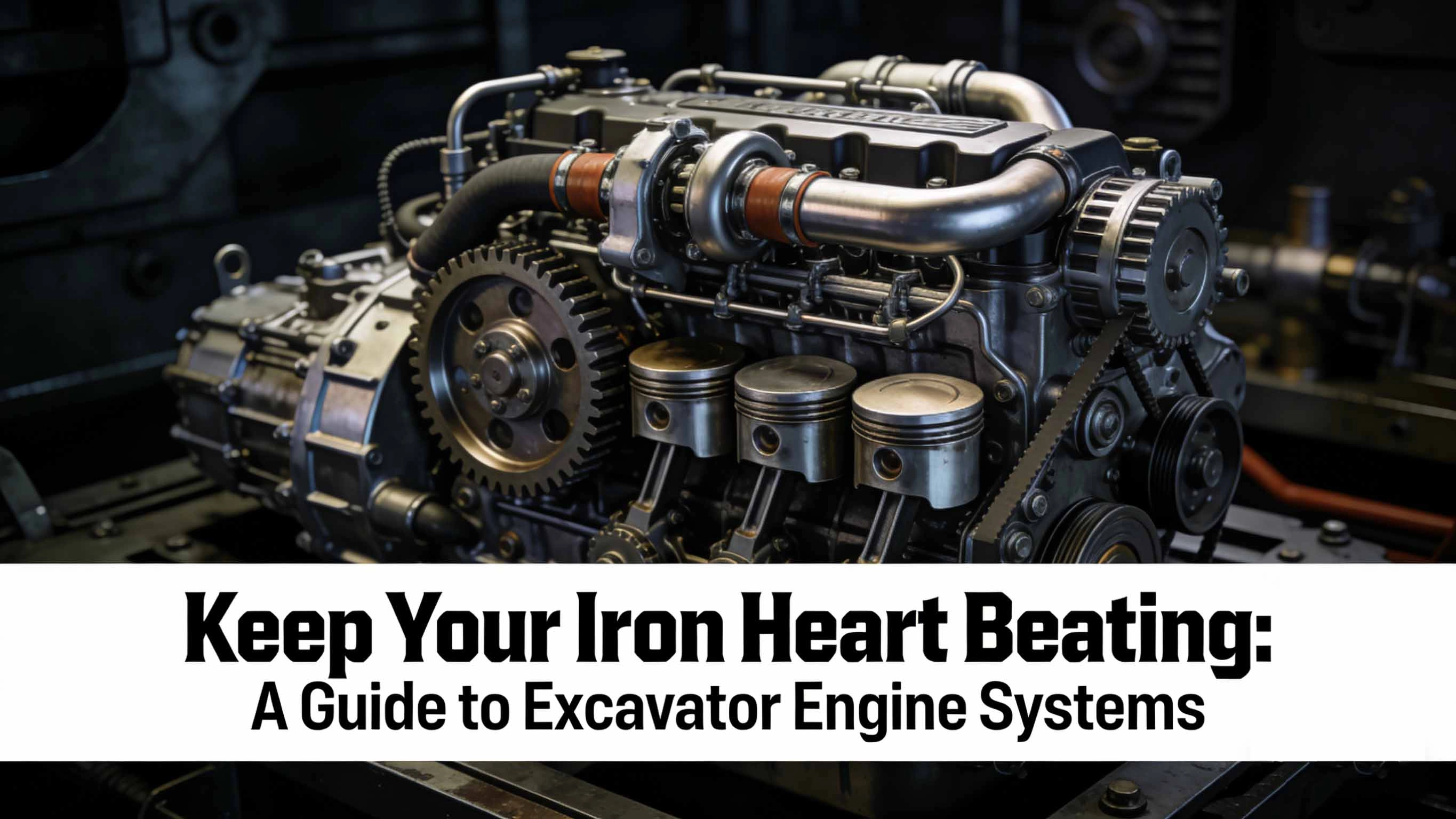
Keep Your Iron Heart Beating: A Guide to Excavator Engine Systems
faq
How do you ensure the quality of your parts?
We follow strict quality control procedures throughout the manufacturing process. Our parts are tested for durability, performance, and precision to ensure they meet industry standards and exceed customer expectations.
Do you offer customized parts?
-
Yes, we offer tailored solutions to meet specific customer requirements. Whether you need custom dimensions or specialized features, we can design and produce parts that perfectly match your excavator’s needs.
-
What is the lead time for receiving excavator parts?
Our typical lead time depends on the complexity and quantity of the order. For standard parts, delivery usually takes between 7 to 14 days. For custom orders, the lead time may vary, but we always strive to ensure timely delivery.
Are your products covered by a warranty?
-
Yes, all of our excavator parts come with a warranty to ensure quality and reliability. The warranty period may vary depending on the type of part. Please contact us for detailed warranty terms for specific products.
-
What types of excavator parts do you manufacture?
We manufacture a wide range of excavator parts, including hydraulic components, undercarriage parts, engine parts, wear parts, and more. Our products are designed to fit a variety of excavator models and are built to meet the highest quality standards.
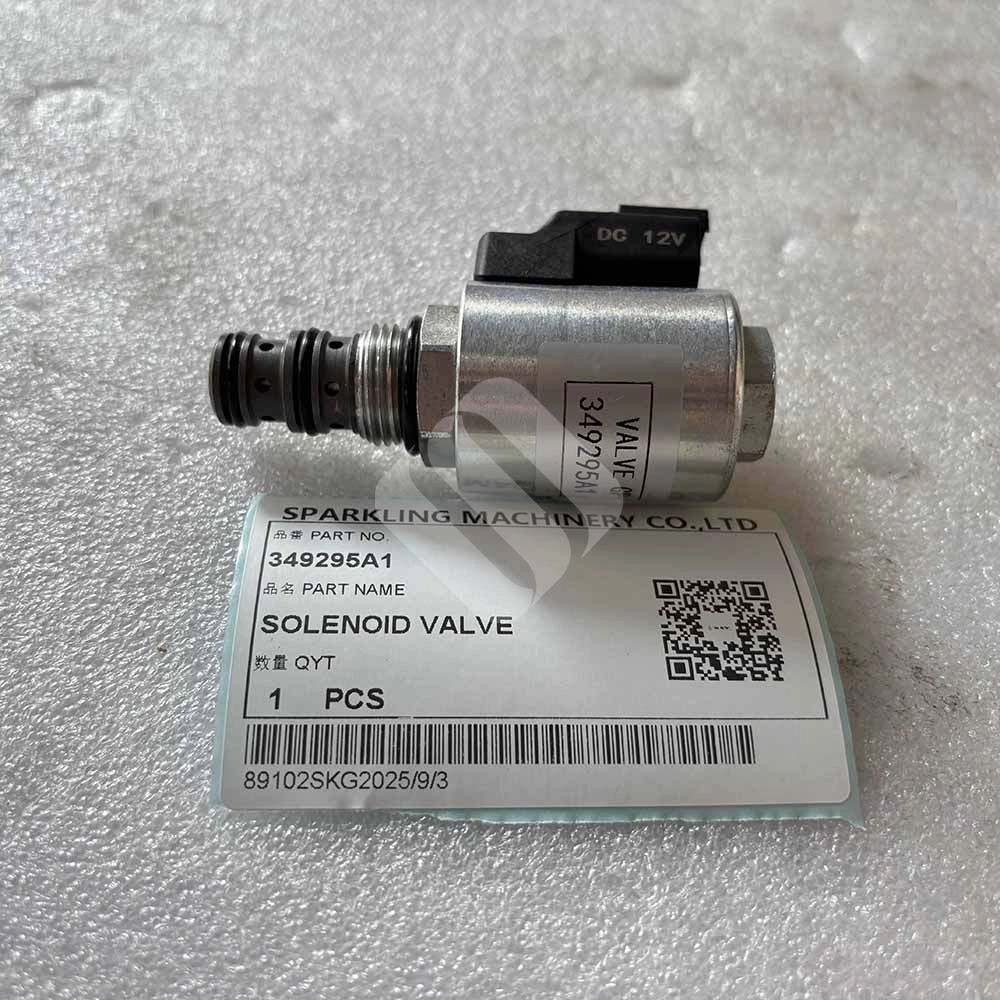
Case HIGH-QUALITY EXCAVATOR PARTS MADE IN CHINA NEW 580SN LV80 B100BTC U80 CX50 CX60 588H 349295A1 SOLENOID VALVE SPARKLING MACHINERY
Case HIGH-QUALITY EXCAVATOR PARTS MADE IN CHINA NEW 580SN LV80 B100BTC U80 CX50 CX60 588H 349295A1 SOLENOID VALVE SPARKLING MACHINERY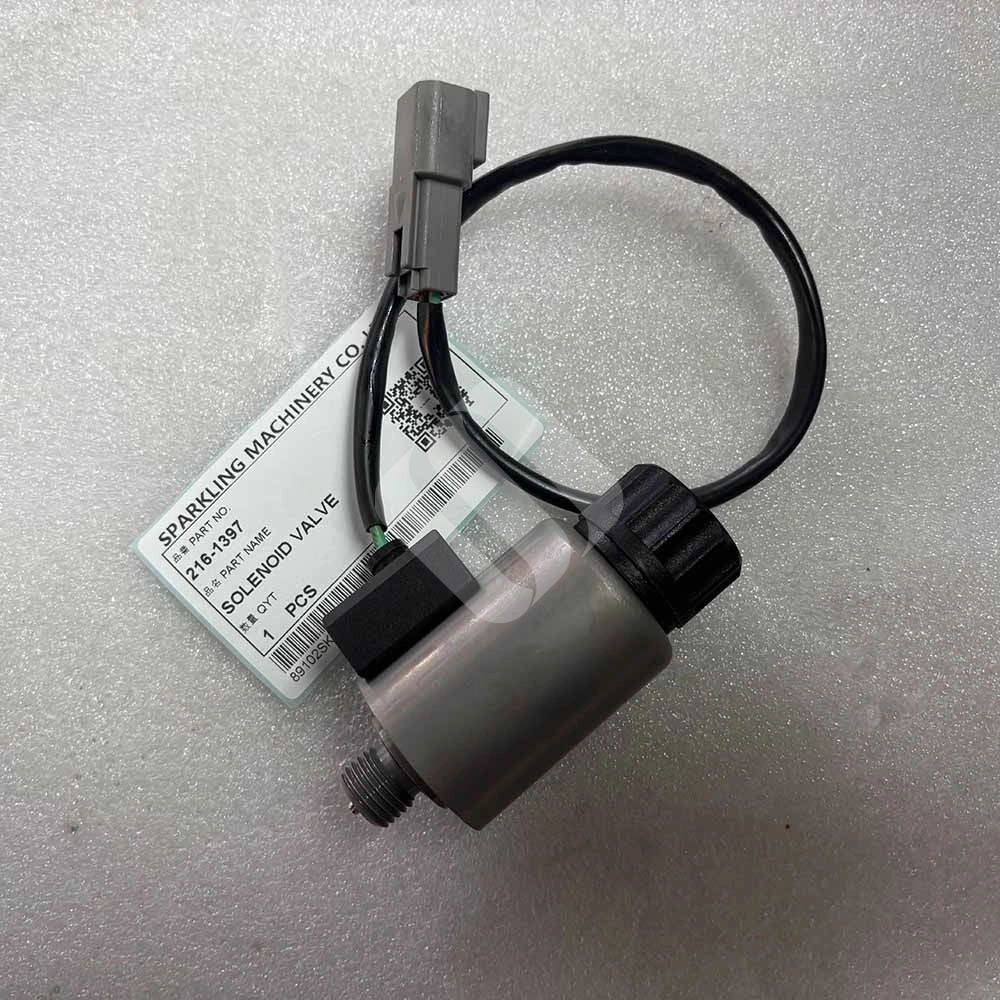
Caterpillar HIGH-QUALITY EXCAVATOR PARTS MADE IN CHINA NEW 365C 385C 390D 793C 216-1397 SOLENOID VALVE SPARKLING MACHINERY
Caterpillar HIGH-QUALITY EXCAVATOR PARTS MADE IN CHINA NEW 365C 385C 390D 793C 216-1397 SOLENOID VALVE SPARKLING MACHINERY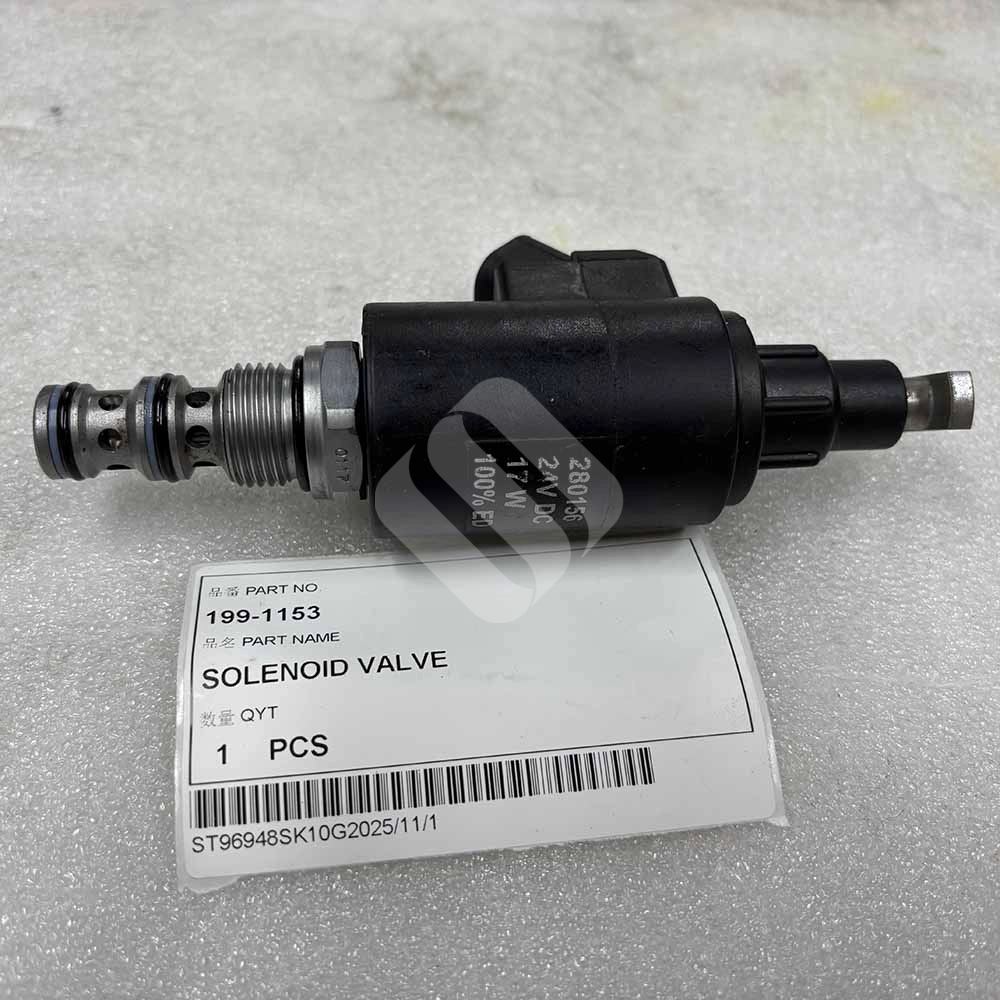
Caterpillar EXCAVATOR PARTS MADE IN CHINA NEW M313C M313D M315C M315D 199-1153 SOLENOID VALVE SPARKLING MACHINERY
Caterpillar EXCAVATOR PARTS MADE IN CHINA NEW M313C M313D M315C M315D 199-1153 SOLENOID VALVE SPARKLING MACHINERY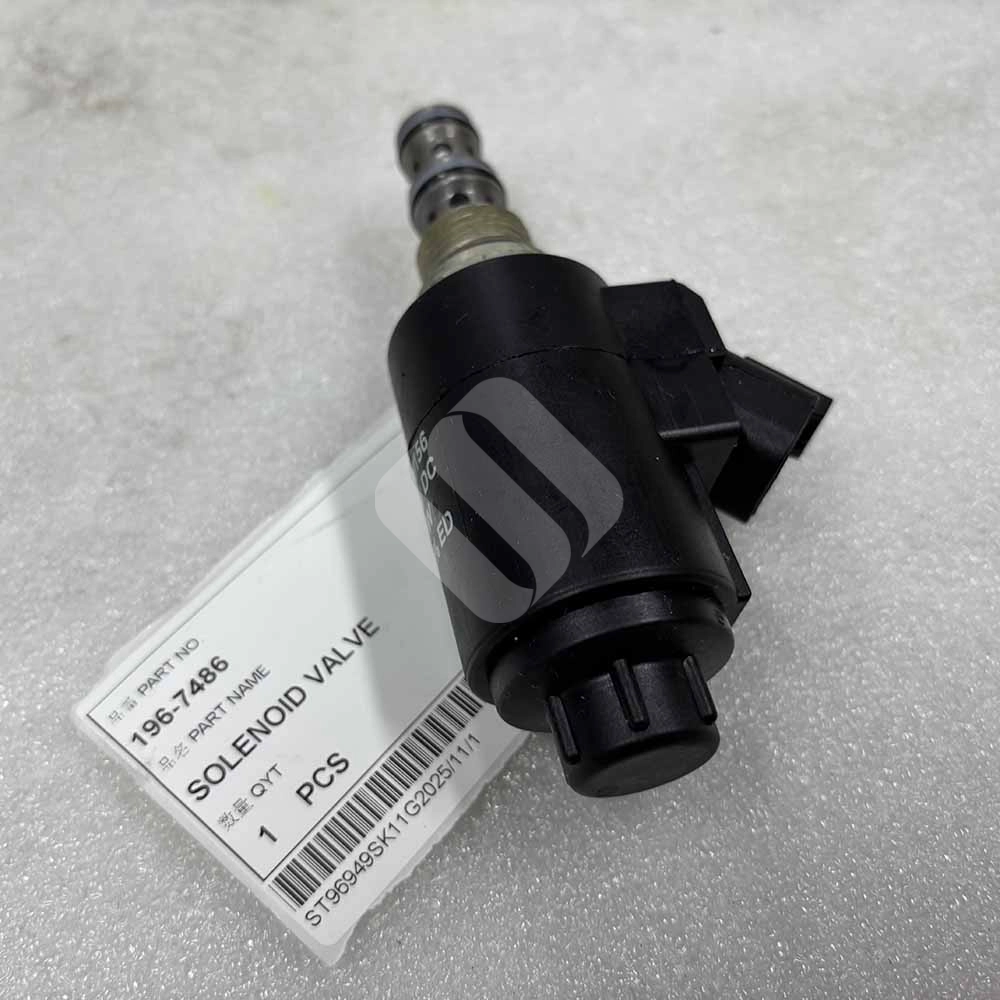
Caterpillar EXCAVATOR PARTS MADE IN CHINA NEW M313C M313D M315C M315D 196-7486 SOLENOID VALVE SPARKLING MACHINERY
Caterpillar EXCAVATOR PARTS MADE IN CHINA NEW M313C M313D M315C M315D 196-7486 SOLENOID VALVE SPARKLING MACHINERY
VOLVO EXCAVATOR PARTS MADE IN CHINA NEW EC140D EC140E EC160D EC180D 14689693(14552770) SOLENOID VALVE SPARKLING MACHINERY
VOLVO EXCAVATOR PARTS MADE IN CHINA NEW EC140D EC140E EC160D EC180D 14689693(14552770) SOLENOID VALVE SPARKLING MACHINERY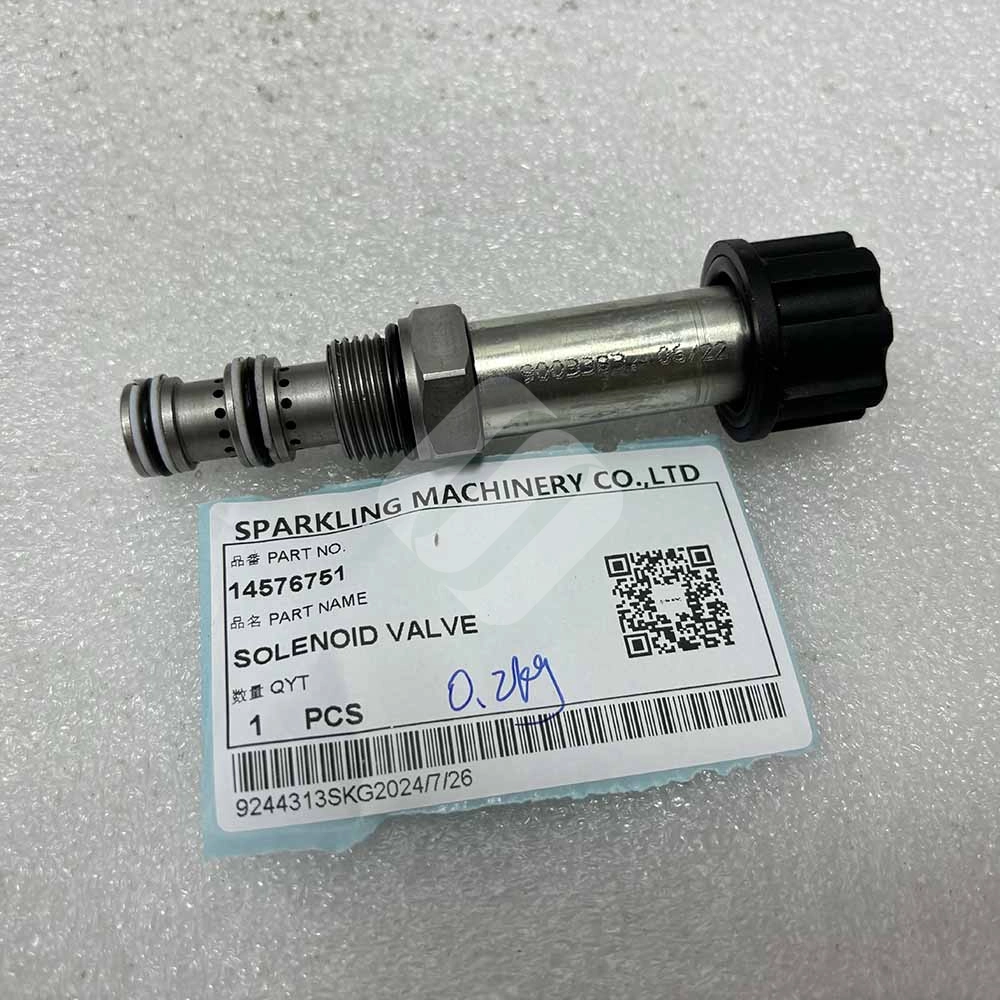
VOLVO EXCAVATOR PARTS MADE IN CHINA NEW EC55C EC60C EC60E ECR58D ECR88D 14576751 SOLENOID VALVE SPARKLING MACHINERY
VOLVO EXCAVATOR PARTS MADE IN CHINA NEW EC55C EC60C EC60E ECR58D ECR88D 14576751 SOLENOID VALVE SPARKLING MACHINERY
Deutz EXCAVATOR PARTS MADE IN CHINA NEW BF4M1011 BF4M2011 04102401 SOLENOID VALVE SPARKLING MACHINERY
Deutz EXCAVATOR PARTS MADE IN CHINA NEW BF4M1011 BF4M2011 04102401 SOLENOID VALVE SPARKLING MACHINERY
Caterpillar EXCAVATOR PARTS MADE IN CHINA NEW E320GC E323D E326GC E330GC E336GC E349GC 485-5747 SOLENOID VALVE SPARKLING MACHINERY
Caterpillar EXCAVATOR PARTS MADE IN CHINA NEW E320GC E323D E326GC E330GC E336GC E349GC 485-5747 SOLENOID VALVE SPARKLING MACHINERY
Caterpillar EXCAVATOR PARTS MADE IN CHINA NEW 307D 308D 311B 311C 312B 312C 111-9916 SOLENOID VALVE SPARKLING MACHINERY
Caterpillar EXCAVATOR PARTS MADE IN CHINA NEW 307D 308D 311B 311C 312B 312C 111-9916 SOLENOID VALVE SPARKLING MACHINERY
VOLVO EXCAVATOR PARTS MADE IN CHINA NEW EC140D EC140E EC160D EC180D EC220D VOE14689693 SOLENOID VALVE SPARKLING MACHINERY
VOLVO EXCAVATOR PARTS MADE IN CHINA NEW EC140D EC140E EC160D EC180D EC220D VOE14689693 SOLENOID VALVE SPARKLING MACHINERYGet in touch
We are committed to producing the highest quality products at the most competitive prices. Therefore, we sincerely invite all interested companies to contact us for more information.

Contact us
Email: ranroswang@hksparkling.com
Wechat: +86 136 0901 0879
Skype: foreverlucia1
WhatsApp: +86 136 0901 0879
Address: No. 514-515, Hulin Road, Tianhe District, Guangzhou, China.
Sparkling Machinery Co.,Ltd
sparkling_machinery
Whatsapp: +8613609010879