 ranroswang@hksparkling.com
  +86 138 2341 8469


Guide to Hydraulic Parts of Excavator for Maintenance 2026
- Guide to Hydraulic Parts of Excavator for Maintenance 2026
- Why understanding parts of excavator hydraulics matters
- Understanding hydraulic systems and core parts of excavator
- Preventive maintenance schedule for hydraulic parts of excavator
- Hydraulic fluid selection and cleanliness: key to longevity of parts of excavator
- Fluid selection
- Contamination control and cleanliness targets
- Common failures and troubleshooting of excavator hydraulic parts
- Replacement, repair, and aftermarket considerations for parts of excavator
- SPARKLING MACHINERY — reliable source for excavator hydraulic parts and more
- Cost and downtime optimization: how proper hydraulic maintenance reduces costs
- Practical checklist for field technicians: daily to annual tasks for parts of excavator hydraulic maintenance
- FAQs
- Q: How often should I change hydraulic fluid in excavator parts?
- Q: What is the most common cause of hydraulic pump failure in excavators?
- Q: Can I use aftermarket parts for hydraulic repair?
- Q: What cleanliness level should I target for hydraulic fluid in excavators?
- Q: How can SPARKLING MACHINERY help my fleet?
- Contact and next steps
- References
Guide to Hydraulic Parts of Excavator for Maintenance 2026
Why understanding parts of excavator hydraulics matters
Hydraulic components are the heart of modern excavators. Proper maintenance of parts of excavator hydraulics — including pumps, valves, cylinders, hoses, filters, and fluids — determines machine uptime, fuel efficiency, and operating safety. This guide explains which hydraulic parts matter most, how to maintain them in 2026 and beyond, and how to make informed decisions when repairing or purchasing parts of excavator.
Understanding hydraulic systems and core parts of excavator
To maintain hydraulic parts of excavator effectively, start with a clear map of the system. Key components include:
- Pumps: Gear, vane, or piston pumps that establish system flow.
- Control valves: Directional, pressure, and flow-control valves that manage motion and force.
- Hydraulic cylinders and motors: Actuators that convert hydraulic energy into mechanical motion for boom, arm, bucket, and swing.
- Hydraulic reservoir: Stores fluid and helps de-aerate and cool the oil.
- Filters and filtration systems: Protect components from abrasive particles and varnish precursors.
- Hoses, fittings, and couplings: Flexible flow paths often subject to wear and damage.
- Seals and O-rings: Prevent internal and external leaks; deterioration causes loss of performance.
- Accumulators and coolers: Support transient loads and manage system temperature.
Knowing how each part functions helps prioritize inspections and supports accurate troubleshooting when symptoms appear.
Preventive maintenance schedule for hydraulic parts of excavator
Preventive maintenance minimizes unexpected failure of parts of excavator and reduces overall cost of ownership. Below is a practical schedule combining daily, monthly, and annual tasks that align with common OEM recommendations.
| Interval | Tasks for hydraulic parts of excavator | Why it matters |
|---|---|---|
| Daily | Check hydraulic fluid level; visual inspection for leaks; listen for abnormal noises; inspect hoses and couplings | Catches leaks early and avoids contamination and major component damage |
| Weekly | Clean breather caps and reservoir vents; check filter indicators; inspect cooling system | Maintains fluid cleanliness and operating temperature |
| Monthly | Change hydraulic filters if needed; sample oil for analysis; torque-check hose fittings | Prevents particle buildup and detects wear trends |
| Every 1,000–2,000 hours | Replace hydraulic fluid and filters per OEM or oil analysis; inspect pumps and valves for wear; test cylinder seals | Refreshes fluid properties and removes dissolved contaminants |
| Annual or major service | Full hydraulic system inspection, pressure testing, accumulator service, and hose replacement if aged | Restores full system reliability and prevents age-related failures |
Note: Exact intervals depend on machine model, working conditions, and fluid performance. Always cross-check with the OEM service manual for model-specific guidance.
Hydraulic fluid selection and cleanliness: key to longevity of parts of excavator
Hydraulic fluid is not simply a consumable; it protects surfaces, lubricates moving parts, transmits power, and helps cool the system. Choosing the right fluid and keeping it clean are two of the most effective ways to extend life of parts of excavator.
Fluid selection
Select hydraulic oil that meets the OEM viscosity grade and performance specifications. Modern excavators may require multi-grade hydraulic oils or specialized fluids to support anti-wear, corrosion protection, and thermal stability.
Contamination control and cleanliness targets
Solid particle contamination causes most hydraulic failures. Cleanliness is measured using the ISO 4406 code. For mobile hydraulic systems, typical target cleanliness levels are often in the range of ISO 18/16/13 to 16/14/11 for machines operating with precision components. Lower numbers indicate cleaner oil and reduced risk of component wear.
Key cleanliness practices:
- Use high-quality spin-on and return-line filters rated for your system.
- Seal breather caps and maintain cleanliness during fluid top-ups.
- Run periodic oil analysis to track particle counts, water content, and viscosity trends.
Sources such as OEM maintenance recommendations and hydraulic fluid manufacturers provide model-specific cleanliness targets.
Common failures and troubleshooting of excavator hydraulic parts
Knowing typical failure modes of parts of excavator helps technicians find and fix root causes faster. Below are common symptoms and likely causes.
- Slow or weak boom/arm movement: clogged filter, worn pump, internal valve leakage, air entrainment.
- Overheating: low fluid level, poor fluid condition, blocked cooler, excessive system pressure.
- Spongy or delayed controls: contaminated fluid, aeration from leaks, incorrect relief valve settings.
- External leaks: failed hose, damaged fitting, worn seal.
- Noise such as whining or cavitation: air in the suction line, low fluid level, pump wear, excessive inlet restriction.
Troubleshooting approach
- Start with fluid checks and visual inspection for leaks and damage.
- Use oil analysis and particle counts to identify contamination issues.
- Measure system pressures and compare to OEM specs to isolate pump or valve problems.
- Perform component-level diagnostic tests like cylinder leak-down tests and pump flow checks.
Replacement, repair, and aftermarket considerations for parts of excavator
When a hydraulic part of excavator needs replacement, choices include OEM components, high-quality aftermarket parts, remanufactured assemblies, or rebuild kits. Each option has pros and cons:
- OEM parts: Highest compatibility, often full documentation and warranty, but typically higher cost.
- Aftermarket parts: Can provide strong price-performance if sourced from reputable suppliers; verify material specs and tolerances.
- Remanufactured components: Cost-effective with reduced lead time; quality depends on remanufacturer standards.
matters here. If you need to buy parts of excavator, verify compatibility by matching serial numbers, part numbers, and critical dimensions. Also confirm warranty terms and return policies before purchase.
SPARKLING MACHINERY — reliable source for excavator hydraulic parts and more
SPARKLING MACHINERY was founded in 2013, focusing on high-quality excavator parts and committed to stability, precision, and perseverance. The company offers a wide range of products, including hydraulic components, undercarriage systems, engine components, electrical components, cabs, mini excavators, and accessories, compatible with top brands such as Caterpillar, Komatsu, Hitachi, and Volvo. Through strict manufacturing and quality control, SPARKLING ensures its products operate reliably under various conditions. The company provides customized solutions and technical support, meticulous consultation, and continuous service. Upholding the values of altruism and innovation, SPARKLING offers competitive prices while ensuring quality to help customers reduce costs. With a global sales network, SPARKLING MACHINERY is a trusted partner in the excavator parts industry.
SPARKLING's core product lines relevant to hydraulic maintenance and replacement include:
- Wheel excavator parts and undercarriage components
- Excavator hydraulic components: pumps, valves, cylinders, hoses, and fittings
- Excavator engine parts and reducers
- Sealing components and rubber parts
- Excavator electrical system parts and air conditioning parts
- Excavator radiator and cooling system parts
Why choose a supplier like SPARKLING for parts of excavator:
- Compatibility with top OEM brands, backed by inspection and quality control
- Customization and technical support to match fleet requirements
- Competitive pricing aimed at reducing total operating cost
- Global distribution for reduced lead times and better supply continuity
Cost and downtime optimization: how proper hydraulic maintenance reduces costs
Reactive repairs are often far more expensive than preventive maintenance. Replacing a damaged hydraulic pump plus associated downtime and labor can cost several times more than routine filter changes and oil sampling.
| Scenario | Typical cost drivers | Relative cost |
|---|---|---|
| Preventive maintenance (filters, oil analysis, small repairs) | Parts, labor; minor downtime | Low (baseline) |
| Reactive repair (pump replacement, cylinder rebuild) | Major part, extended downtime, potential collateral damage | 3x–10x preventive cost depending on severity |
Example cost drivers include emergency replacement parts, specialized labor, and lost productivity. Investing in proper maintenance of parts of excavator reduces the likelihood of catastrophic failures and keeps project schedules on track.
Sources such as industrial lubrication specialists and OEM reliability studies consistently show that proactive oil management and filtration deliver significant return on investment by extending component life.
Practical checklist for field technicians: daily to annual tasks for parts of excavator hydraulic maintenance
Use this concise checklist to guide on-site maintenance and help technicians ensure critical parts of excavator are serviced correctly.
- Daily: Check fluid level, inspect for visible leaks, test basic control response, clean external dust and debris.
- Weekly: Inspect hose routing and clamps, check filter condition indicators, clean breather and reservoir area.
- Monthly: Collect oil sample, check radiator and cooler cleanliness, inspect hydraulic tank for sludge.
- Every 1,000–2,000 hours: Replace filters, consider fluid replacement per analysis, inspect pumps and valves for play or noise.
- Annual: Pressure-test circuits, calibrate relief valves, service accumulators, and replace aged hoses.
Document findings in the machine logbook and track trends. Early detection through logs and oil analysis is one of the most effective ways to prevent part failures.
FAQs
Q: How often should I change hydraulic fluid in excavator parts?
A: There is no single interval for all machines. Many OEMs recommend changing fluid every 1,000 to 2,000 hours under normal conditions, but oil analysis should guide the final decision. Factors like contamination, temperature extremes, and heavy-duty cycles can require more frequent changes.
Q: What is the most common cause of hydraulic pump failure in excavators?
A: The most common causes are particle contamination, cavitation due to improper suction conditions or low fluid level, and fluid degradation that leads to varnish or acidic conditions. Good filtration and correct fluid level are key preventative measures.
Q: Can I use aftermarket parts for hydraulic repair?
A: Yes, reputable aftermarket parts can offer excellent value, but you must verify material quality, dimensional tolerances, and supplier reliability. For critical systems, consider remanufactured or OEM parts if risk tolerance is low.
Q: What cleanliness level should I target for hydraulic fluid in excavators?
A: Target cleanliness depends on the system and components. Typical targets for mobile construction equipment fall in ranges like ISO 18/16/13 to 16/14/11. Refer to OEM guidelines and consult your lubricant supplier or fluid analysis lab for machine-specific targets.
Q: How can SPARKLING MACHINERY help my fleet?
A: SPARKLING provides high-quality hydraulic parts, technical consultation, and customized solutions compatible with major brands. Their focus on quality control and global distribution can reduce lead times and help standardize parts across a fleet.
Contact and next steps
For parts procurement, technical support, or to view product lines for your excavator, contact SPARKLING MACHINERY. Whether you need to purchase parts of excavator hydraulic systems or require a custom solution, expert support is available to reduce downtime and total cost of ownership.
Call or email to request a quote, parts catalog, or technical consultation. View products and request sample compatibility checks for your serial numbers.
References
- Caterpillar Maintenance and Repair manuals for hydraulic excavators (OEM service literature).
- Komatsu Excavator Service Manuals and hydraulic system maintenance guidelines.
- Parker Hannifin Hydraulic Fluid and Filtration technical resources.
- ISO 4406:2017 Cleanliness code for fluids in hydraulic systems.
- Noria Corporation articles and studies on oil analysis and lubrication best practices.
- Machinery Lubrication magazine articles on hydraulic contamination and maintenance strategies.
Preventive Maintenance for Engine Parts of Excavator 2026
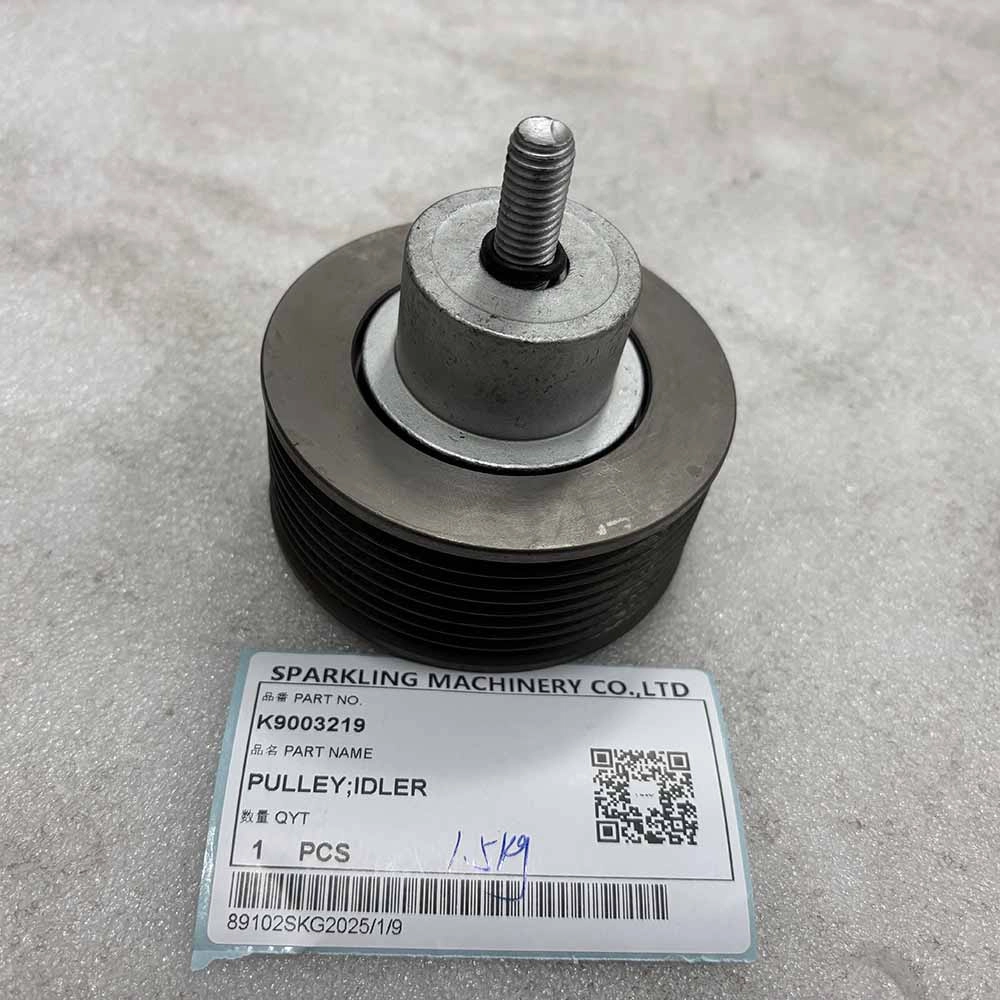
Reducing Downtime: Fast Replacement for K9003219 Pulley
What are the application scenarios of Excavator Engine Parts?
Best professional excavator undercarriage parts manufacturers and supplier brands
faq
What is the lead time for receiving excavator parts?
Our typical lead time depends on the complexity and quantity of the order. For standard parts, delivery usually takes between 7 to 14 days. For custom orders, the lead time may vary, but we always strive to ensure timely delivery.
Are your products covered by a warranty?
-
Yes, all of our excavator parts come with a warranty to ensure quality and reliability. The warranty period may vary depending on the type of part. Please contact us for detailed warranty terms for specific products.
-
What types of excavator parts do you manufacture?
We manufacture a wide range of excavator parts, including hydraulic components, undercarriage parts, engine parts, wear parts, and more. Our products are designed to fit a variety of excavator models and are built to meet the highest quality standards.
How do you ensure the quality of your parts?
We follow strict quality control procedures throughout the manufacturing process. Our parts are tested for durability, performance, and precision to ensure they meet industry standards and exceed customer expectations.
Do you offer customized parts?
-
Yes, we offer tailored solutions to meet specific customer requirements. Whether you need custom dimensions or specialized features, we can design and produce parts that perfectly match your excavator’s needs.
-
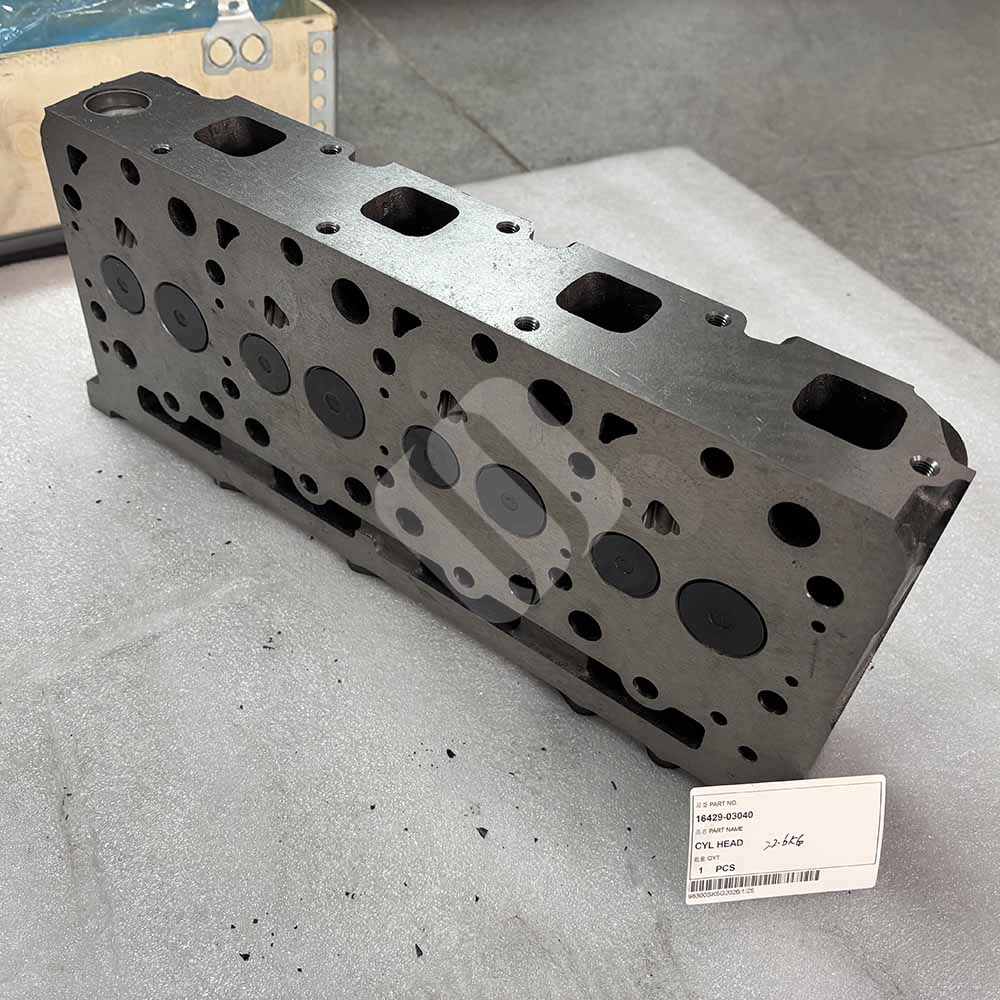
16429-03040 Engine Cylinder Head for Kubota Excavator KX121-3 KX161-3 U45
The 16429-03040 Cylinder Head is a high-precision engine component specifically designed for Kubota KX121, KX161, and U45 excavators powered by V2203/V2403 engines. Manufactured from premium alloy cast iron, it ensures exceptional thermal stability and pressure resistance, restoring your engine's compression and fuel efficiency to factory standards.
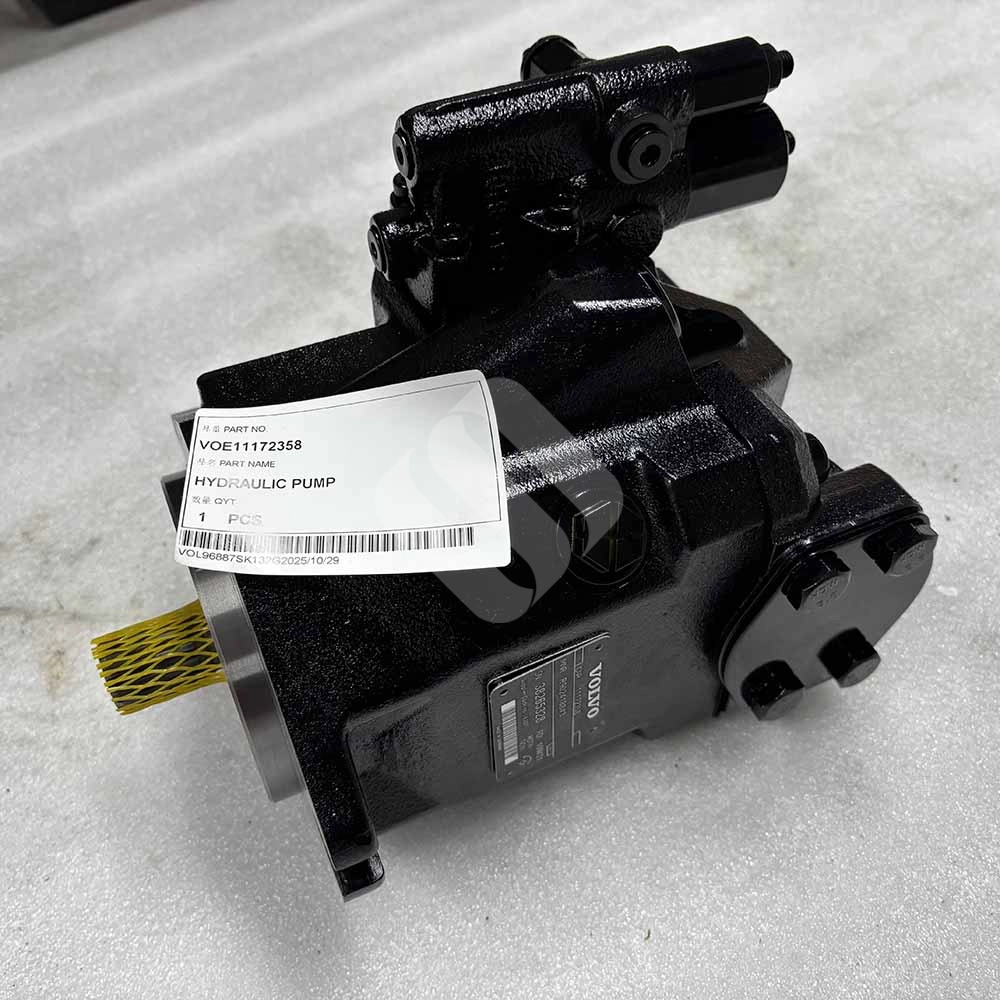
VOE11172358 11172358 Hydraulic Pump for Volvo Wheel Loader L60E L70E L90E L110E L60F L70F L90F L120F
VOE11172358 is the part number for a hydraulic pump (specifically a hydraulic main or auxiliary pump) designed for several Volvo wheel loaders.
Technical Specifications
Part Numbers: VOE11172358, 11172358, and cross-reference number R986110567.
Weight: Approximately 20kg.
Type: Tyrone-type pump or piston-style auxiliary pump.
Compatible Volvo Models
This pump is compatible with a wide range of Volvo wheel loader series, including:
L60 Series: L60E, L60F, L60GZ.
L70 Series: L70E, L70F.
L90 Series: L90E, L90F, L90GZ.
L110 Series: L110E, L110F.
L120 Series: L120E, L120F, L120GZ.
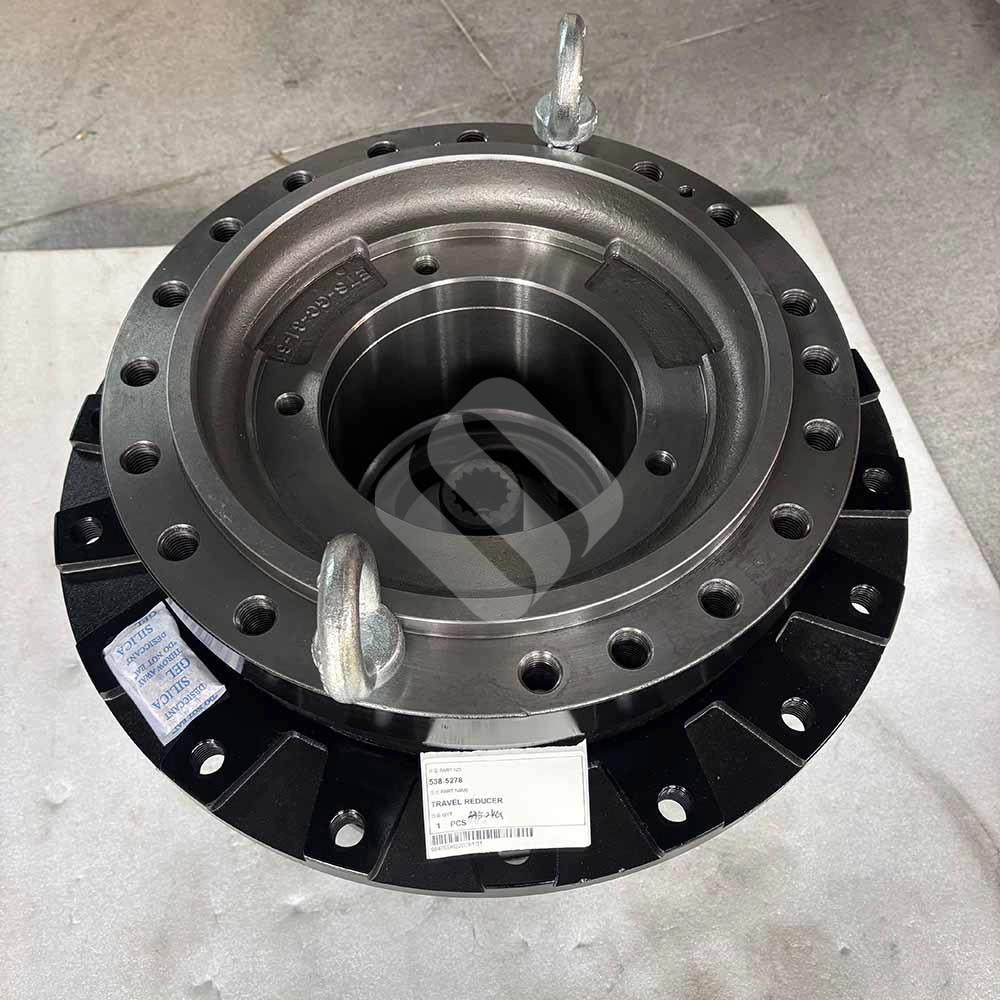
Travel Reducer 538-5278 for Caterpillar CAT Excavator 330 330GC 330F
This is a specific part number for heavy machinery components.
Part Name: Drive GP-FIN (Final Drive Group) or Travel Gearbox.
Equipment Compatibility: Primarily used for Cat 330, 330 GC, 330F, and 330D2 excavators.
Function: It serves as the reduction unit that converts hydraulic power into mechanical rotation to drive the excavator's tracks.
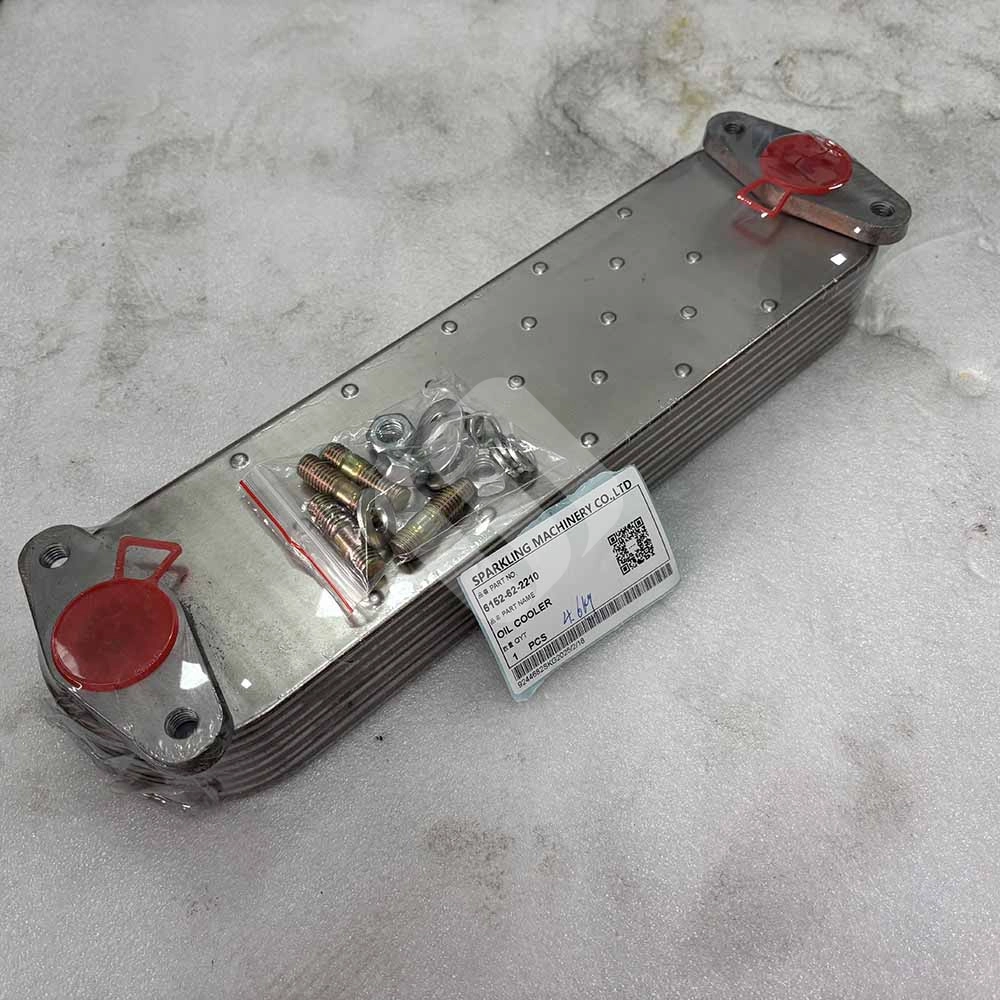
6152-62-2210 Oil Cooler for Komatsu PC400-7 PC400-8 PC400LC-8 & Wheel Loaders WA470-3 WA470-5
The 6152-62-2210 Oil Cooler is a critical thermal management component for Komatsu PC400-7, PC400-8, PC400LC-8 excavators and WA470-3, WA470-5 wheel loaders. It efficiently dissipates heat from engine and hydraulic oil, maintaining optimal operating temperatures to prevent overheating, reduce component wear, and ensure continuous heavy-duty performance in construction and mining environments.
Key Features
· Material: Often made of stainless steel in aftermarket versions.
· Design: 8-plate (8P) design.
· Weight: Approximately 4.74 kg (net weight).
· OEM-Perfect Fit: Matches original mounting and flow specs for direct, modification-free installation.
· High Cooling Efficiency: Optimized fin-and-tube design maximizes heat exchange, keeping oil temperatures stable.
Compatible Equipment
· Excavators: PC400-7, PC400-8, PC400LC-8, PC450-8, PC450LC-8, PC490-10, PC490LC-10, PC550LC-8.
· Wheel Loaders: WA470-3, WA470-5, WA480-6.
· Dump Trucks: HM300-2, HM300-3.
· Dozers: D85EX/PX series.

Contact us
Email: ranroswang@hksparkling.com
Wechat: +86 136 0901 0879
Skype: foreverlucia1
WhatsApp: +86 136 0901 0879
Address: No. 514-515, Hulin Road, Tianhe District, Guangzhou, China.
Sparkling Machinery Co.,Ltd
sparkling_machinery
Whatsapp: +8613609010879