 ranroswang@hksparkling.com
  +86 138 2341 8469


Excavator Hydraulic System Parts and Common Issues
- Understanding Excavator Hydraulics: Key Components and Common Failures
- Introduction to parts of an excavator and why hydraulics matter
- Major parts of an excavator hydraulic system
- How each component fails: symptoms and quick diagnostics (embed: excavator hydraulic components)
- Practical troubleshooting workflow
- Common causes of hydraulic failures and prevention (: buy excavator parts)
- Contamination control
- Thermal management
- Table: Common hydraulic parts — function, symptoms, and maintenance
- Diagnostics and measurement tools (keyword: excavator hydraulic components)
- Repair versus replace: decision factors when sourcing parts of an excavator
- When to consider aftermarket or remanufactured parts
- SPARKLING MACHINERY: supplier profile and how they support excavator hydraulic maintenance
- SPARKLING MACHINERY product highlights and competitive advantages (embed keywords: parts of an excavator)
- Maintenance best practices to extend component life
- Case example: diagnosing a slow boom lift
- When to call the OEM or a specialist (keyword: excavator hydraulic components)
- Frequently Asked Questions (FAQ)
- 1. What are the main parts of an excavator hydraulic system?
- 2. How often should I change hydraulic oil and filters?
- 3. Why is my excavator experiencing loss of hydraulic power?
- 4. Can I repair hydraulic pumps or should I replace them?
- 5. How do I select compatible replacement parts for my excavator?
- 6. What routine checks reduce hydraulic failures?
- Contact & product inquiry (CTA)
- References
Understanding Excavator Hydraulics: Key Components and Common Failures
Introduction to parts of an excavator and why hydraulics matter
The hydraulic system is the nervous system of an excavator: it transmits power, controls motion, and determines machine responsiveness and productivity. When hydraulic components fail, the result is lost time, expensive repairs, and safety risks. This guide explains the major parts of an excavator hydraulic system, their functions, typical failure modes, diagnostic checks, preventive maintenance, and practical repair or replacement strategies. The content is intended for fleet managers, maintenance technicians, procurement specialists, and owners who need clear, actionable guidance to keep equipment productive.Once you've familiarized yourself with the excavator hydraulic system parts and common issues, the next step is to explore excavator undercarriage parts: types and wear causes. Understanding the undercarriage is essential for identifying and preventing wear and tear.
Major parts of an excavator hydraulic system
When discussing the parts of an excavator, it helps to divide the system into functional groups: power generation, control & distribution, actuation, and supporting systems. Each group contains components that are common across brands (Caterpillar, Komatsu, Hitachi, Volvo) though specific designs and interfaces differ.
- Hydraulic pump(s) — convert mechanical power from the engine into flow and pressure.
- Hydraulic reservoir (tank) — stores hydraulic fluid and allows contaminants/bubbles to separate.
- Filters and strainers — protect sensitive components (servo valves, pumps) from particulates and wear.
- Control valves (directional/servo/relief) — route fluid and control pressure/flow to actuators.
- Cylinders and hydraulic motors — convert hydraulic energy into linear or rotary motion.
- Hydraulic hoses and pipes — flexible and rigid lines that carry fluid throughout the machine.
- Seals, O-rings, and connectors — prevent leaks and maintain system integrity.
- Cooler and heat exchanger — remove heat generated under load to protect fluid and components.
- Sensors and electronics — pressure sensors, temperature sensors, and ECU inputs for modern closed-loop systems.
How each component fails: symptoms and quick diagnostics (embed: excavator hydraulic components)
Understanding symptoms narrows diagnostic time. Below are common component failure patterns and rapid checks to perform on-site.
- Pumps: whining noise, loss of power, cavitation. Quick checks: listen for aeration, check suction line, reservoir level, and filter condition.
- Valves: jerky movement, slow operation, directional locking. Quick checks: inspect for contamination, verify solenoid electrical signals, test pilot pressures.
- Cylinders: external leaks, slow extension/retraction, bent rods. Quick checks: visual leak inspection, check rod straightness and seal condition.
- Hoses & fittings: visible leaks, bulging, abrasion. Quick checks: pressure test circuits, inspect routing and clamps.
- Coolers & fluid: high oil temperature, degraded fluid smell. Quick checks: inspect cooler fins, check coolant/airflow, sample oil for contamination/water.
Practical troubleshooting workflow
1) Confirm operator report and reproduce fault under controlled conditions. 2) Safety isolate machine and depressurize circuits. 3) Visual inspection: leaks, loose fittings, abnormal wear. 4) Instrumented checks: pressure gauge readings, flow meters, temperature sensors. 5) Component swap or bench test when necessary. Follow OEM torque specs and cleanliness protocols when opening circuits.
Common causes of hydraulic failures and prevention (: buy excavator parts)
Most hydraulic failures are preventable with correct maintenance and high-quality parts. Common root causes include contamination, overheating, improper fluid selection, incorrect assembly (torque, fittings), and normal wear. Purchasing quality replacement parts and maintaining a proactive parts inventory reduces unplanned downtime.
Contamination control
Particulate contamination is a leading cause of valve and pump wear. Implement an oil cleanliness program: regular fluid sampling, maintaining filter change intervals, ensuring the reservoir breathers are clean, and using best-practice hose/connector assembly. For fleet operations, set ISO cleanliness targets (e.g., ISO 4406) based on OEM recommendations and severity of duty.
Thermal management
Hydraulic system life is strongly temperature dependent: higher fluid temperatures accelerate oxidation and degrade seals. Maintain coolers, ensure airflow is unobstructed, and consider auxiliary cooling or larger-capacity reservoirs for heavy duty cycles.
Table: Common hydraulic parts — function, symptoms, and maintenance
| Part | Primary Function | Common Symptoms of Failure | Recommended Maintenance / Interval |
|---|---|---|---|
| Hydraulic pump | Generate system flow & pressure | Noisy operation, low flow, cavitation | Inspect every 250-500 hrs; replace seals/wear parts per OEM; monitor pressure & temperature |
| Control valves | Direct flow & control actuators | Jerky control, loss of function, internal leakage | Filter changes every 500 hrs; clean/control pilot filters; bench-test valves annually |
| Hydraulic cylinder | Linear actuation of boom/arm/attachments | External leaks, slow movement, bent rod | Visual every 100 hrs; seal replacement at first leak; rod protection for abrasive job sites |
| Hoses & fittings | Fluid conveyance | Visible leaks, swelling, abrasion wear | Inspect daily/weekly; replace per damage or OEM life; use correct crimp specs |
| Filters | Remove particulates & water | Pressure drop, contamination alarms | Replace based on hours or differential pressure—typically 250–500 hrs |
| Cooler | Maintain fluid temperature | Over-temp alarms, degraded oil | Inspect fins & flow monthly; clean as needed; check coolant fans and thermostats |
Diagnostics and measurement tools (keyword: excavator hydraulic components)
To troubleshoot effectively use a calibrated pressure gauge, flow meter, thermography (for hotspots), particle counters for oil cleanliness, and multimeters for electrical solenoids. Document readings and compare to OEM specifications. A consistent trend of rising temperatures or falling pressures often points to progressive wear rather than sudden catastrophic failure.
Repair versus replace: decision factors when sourcing parts of an excavator
Deciding to repair a pump or replace it depends on: degree of internal wear, downtime cost, availability of replacement, and long-term reliability targets. For core components like main pumps or control valves, OEM-equivalent new units or remanufactured assemblies often provide a better life-cycle cost than field repairs in severe-service machines. Use performance testing (bench run) after repair to verify flow/pressure and efficiencies.
When to consider aftermarket or remanufactured parts
High-quality aftermarket or remanufactured parts can be cost-effective if they meet or exceed OEM specifications, come with traceability and warranty, and if the supplier follows strict quality control. Avoid low-cost, low-traceability parts for critical pressure-holding components.
SPARKLING MACHINERY: supplier profile and how they support excavator hydraulic maintenance
SPARKLING MACHINERY was founded in 2013, focusing on high-quality excavator parts and committed to stability, precision, and perseverance. We offer a wide range of products, including hydraulic components, undercarriage systems, engine components, electrical components, cabs, mini excavators, and accessories, compatible with top brands such as Caterpillar, Komatsu, Hitachi, Volvo, etc. Through strict manufacturing and quality control, we ensure that our products can operate reliably under various conditions. We provide customized solutions and technical support, provide meticulous consultation, and provide continuous service. We uphold the values of altruism and innovation, provide competitive prices while ensuring quality, and help customers reduce costs. With a global sales network, SPARKLING MACHINERY is a trusted partner in the excavator parts industry.
SPARKLING MACHINERY product highlights and competitive advantages (embed keywords: parts of an excavator)
SPARKLING’s core products include Wheel Excavator Parts, excavator hydraulic components, excavator engine parts, Excavator reducer spare parts, sealing components, excavator electrical system parts, air conditioning system parts, undercarriage components, rubber parts, and excavator radiators. Competitive advantages include rigorous incoming material inspections, CNC machining precision for housings and shafts, heat-treatment and surface finishing processes for wear parts, and endurance testing. Coupled with globally-sourced raw materials and ISO-aligned quality processes, SPARKLING positions itself to reduce customer total cost of ownership while ensuring interchangeability with major OEMs.
Maintenance best practices to extend component life
Implement a written preventive maintenance plan that includes fluid analysis, scheduled filter changes, visual inspections, torque checks on fittings, hose routing verification, and thermal monitoring. Key recommendations:
- Use OEM or specified hydraulic fluid and maintain target viscosity and additive levels.
- Set oil cleanliness targets (ISO 4406) and monitor with periodic particle counts.
- Replace seals and gaskets at first sign of degradation; small leaks often grow rapidly.
- Inventory critical spare parts (pumps, valves, seals, hoses) to reduce repair turnaround.
- Train operators to avoid excessive idling and abrupt, harsh control inputs that spike pressure and stress systems.
Case example: diagnosing a slow boom lift
Symptom: boom lifts slower than normal, especially under load. Steps:
- Check hydraulic oil level and temperature. Low level or high temp reduces flow and causes cavitation.
- Inspect filters and measure pressure drop across filter—high differential indicates clogged filter.
- Measure pump flow and pressure to confirm output. If pump is producing reduced flow, inspect suction line and reservoir for air ingress or contamination.
- Check control valve pilot pressures and spool movement. Internal leakage in the valve can reduce actuator speed while pump appears healthy.
- Inspect cylinder for internal bypassing or worn seals if only one actuator is slow.
Following the chain of evidence avoids unnecessary replacement of expensive components and ensures effective repair.
When to call the OEM or a specialist (keyword: excavator hydraulic components)
Call OEM or a trusted specialist when there are safety-critical failures, complex control electronics involved, unknown failure modes, or when warranty/inspection requirements exist. Specialists can provide bench testing, remanufactured assemblies with traceable wear limits, and engineering support for system upgrades like improved cooling or filtration for heavy-duty operating conditions.
Frequently Asked Questions (FAQ)
Below are common search queries and practical answers readers frequently need.
1. What are the main parts of an excavator hydraulic system?
The main parts include the hydraulic pump, reservoir, filters, control valves, cylinders and motors, hoses and fittings, coolers, seals, and sensors. Each part plays a role in producing, directing, and conditioning hydraulic power.
2. How often should I change hydraulic oil and filters?
Follow OEM guidance, but typical practice is filter change every 250–500 operating hours and oil sampling every 250 hours with full oil changes at intervals based on contamination results—often 1,000–2,000 hours depending on duty and oil condition.
3. Why is my excavator experiencing loss of hydraulic power?
Common causes: low fluid level, worn pump, clogged suction/filter, overheating, or internal leakage in valves/cylinders. Use pressure/flow testing and visual inspections to localize the issue.
4. Can I repair hydraulic pumps or should I replace them?
Minor wear and seal failures can be repaired; however, for high-duty or critical machines, remanufactured or new pumps often provide longer service life and better reliability. Cost-benefit depends on machine downtime costs and component condition.
5. How do I select compatible replacement parts for my excavator?
Use the machine serial number to match part numbers, verify dimensional and performance specifications, and prefer suppliers that provide interchangeability documentation, warranty, and quality certification. SPARKLING MACHINERY offers cross-compatible components for major OEMs.
6. What routine checks reduce hydraulic failures?
Daily visual checks for leaks, weekly hose & clamp inspections, regular oil sampling, scheduled filter changes, and monitoring operating temperatures significantly reduce failures.
Contact & product inquiry (CTA)
If you need replacement parts, custom solutions, or technical consultation for excavator hydraulic components and other parts of an excavator, contact SPARKLING MACHINERY for professional advice, parts verification, and pricing. Visit our product catalog or request a quote to minimize downtime and ensure component reliability.
References
- Caterpillar: Operation & Maintenance Manuals and hydraulic system best practices. https://www.cat.com (accessed 2025-11-21)
- Parker Hannifin: Hydraulic system troubleshooting and contamination control resources. https://www.parker.com (accessed 2025-11-21)
- Bosch Rexroth: Hydraulics — component functions and thermal management. https://www.boschrexroth.com (accessed 2025-11-21)
- OSHA: Machine safety and hydraulic system hazards. https://www.osha.gov (accessed 2025-11-21)
- Hydraulic Institute: Guidelines on fluid cleanliness and filtration. https://www.hydraulicinstitute.org (accessed 2025-11-21)
How to Read Part Numbers for Hyundai Excavators
The B2B Buyer’s Guide to Excavator Hydraulic Motors | SPARKLING Ultimate Insights
What are the application scenarios of Excavator Transmission Parts?
Sensor Integration with Hydraulic Components in 2026
faq
Do you offer customized parts?
-
Yes, we offer tailored solutions to meet specific customer requirements. Whether you need custom dimensions or specialized features, we can design and produce parts that perfectly match your excavator’s needs.
-
How do you ensure the quality of your parts?
We follow strict quality control procedures throughout the manufacturing process. Our parts are tested for durability, performance, and precision to ensure they meet industry standards and exceed customer expectations.
What types of excavator parts do you manufacture?
We manufacture a wide range of excavator parts, including hydraulic components, undercarriage parts, engine parts, wear parts, and more. Our products are designed to fit a variety of excavator models and are built to meet the highest quality standards.
What is the lead time for receiving excavator parts?
Our typical lead time depends on the complexity and quantity of the order. For standard parts, delivery usually takes between 7 to 14 days. For custom orders, the lead time may vary, but we always strive to ensure timely delivery.
Can I get technical support for installing your parts?
Absolutely. We provide technical support and guidance for the installation and maintenance of our parts. Our team is available to assist you with any questions or concerns to ensure proper installation and optimal performance.

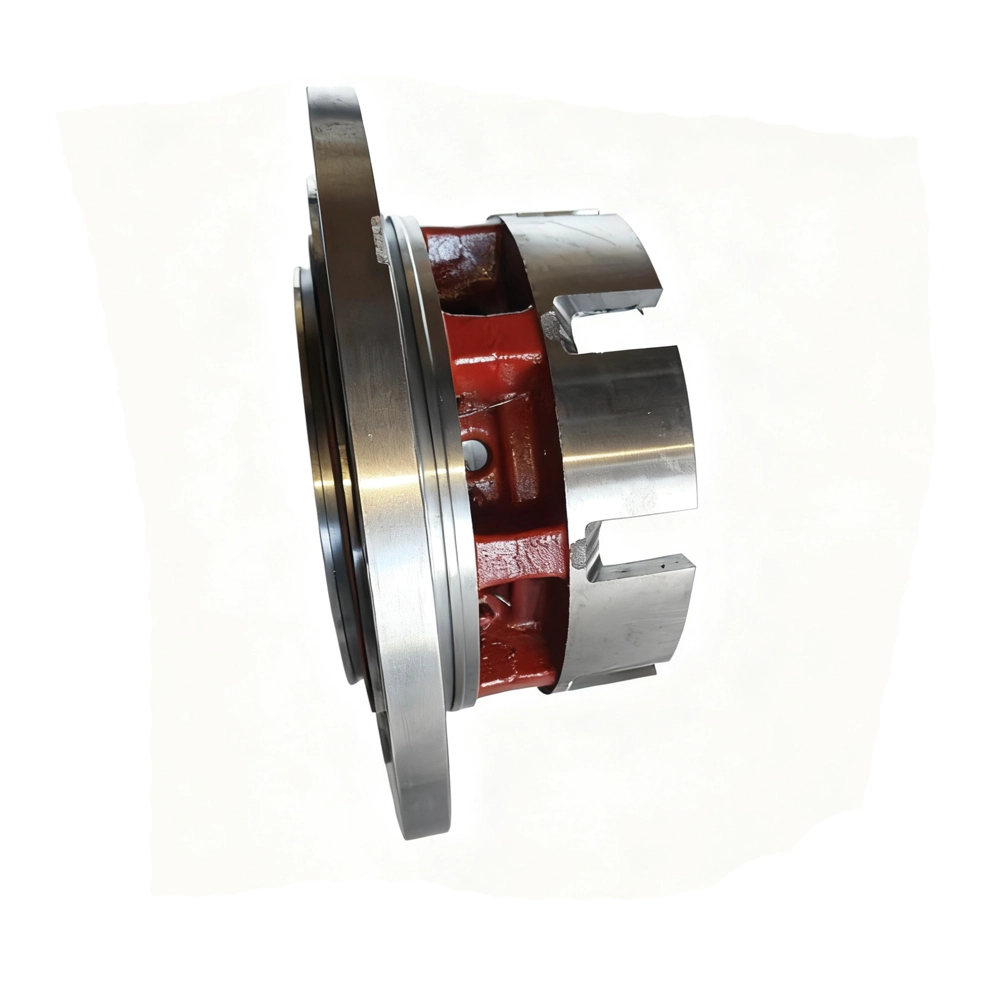
ZGAQ-02915 Hub Compatible with Hyundai Wheel Excavators R140W-9 / R140W-9A / HW140 / DX140W
The ZGAQ-02915 Hub (or HUB-AXLE) is a specific component used in the front and rear axle output groups of various Hyundai wheel excavators.
Key Features
· OEM direct-fit design: Exact replication of mounting dimensions, bolt circle diameter, bearing seats, and spline parameters for Hyundai R140W-9/R140W-9A/HW140/DX140W—plug-and-play installation without modifications or secondary machining.
· Heavy-duty load-bearing capacity: High-strength cast steel with quenching & tempering heat treatment (HRC 28-32) ensures robust support for the excavator’s operating weight and working loads.
· Sealed protection system: Precision-machined seal grooves and O-ring seats prevent water, dust, and debris from entering the wheel-end, extending bearing and hub service life in harsh environments.
Compatibility: This hub is compatible with a range of Hyundai wheel excavators, including models in the 9-series and the HW-series:
· 9-Series: R140W-9, R140W-9A, R140W-9S.
HW-Series: HW140.
· Other models like DX140W, R140W, DH150W, R150W.

ZGAQ-02327 Carrier-Hub Compatible with Hyundai Wheel Excavators R200W-7 / R210W-9 / HW210
The ZGAQ-02327 Carrier-Hub is a genuine Hyundai Construction Equipment (HCE) spare part used in the rear axle hub carrier assembly of various Hyundai wheel excavators.
Key Features
· OEM direct-fit design: Exact replication of mounting dimensions, spline specifications, bearing bores, and flange positions for Hyundai R200W-7/R210W-9/HW210—plug-and-play installation without modifications or secondary machining.
· Integrated load-bearing structure: One-piece carrier-hub design combines planetary gear support and wheel mounting hub, ensuring rigid connection and even load distribution between the axle, gears, and wheel.
Compatible Models: This part is compatible with a wide range of Hyundai wheel excavators, including:
· 7-Series: R200W-7, R200W-7A.
· 9-Series: R210W-9, R210W-9A, R210W-9S, R210W9-MH, R210W9AMH.
· HW-Series: HW210.

ZGAQ-02033 Piece-Thrust Compatible with Hyundai Wheel Excavators R140W-7 / R140W-9 / HW140 / DX140W
The ZGAQ-02033 Piece-Thrust is a genuine Hyundai Construction Equipment (HCE) spare part used in the transmission coupling assembly of various Hyundai wheel excavators.
Key Features
· OEM direct-fit design: Exact replication of original dimensions, thickness, and mounting clearances for Hyundai R140W-7/R140W-9/HW140/DX140W—plug-and-play installation without modifications.
· Axial load absorption: Precision-engineered to bear and distribute axial forces, protecting gears and bearings from excessive thrust damage during heavy-duty operation.
· Low-friction wear resistance: High-carbon alloy steel with heat treatment and ground surfaces (Ra ≤ 0.8μm) reduce friction coefficient, minimizing power loss and component wear.
Compatible Models: This part fits a wide range of Hyundai wheel excavators, including:
· 7-Series: R140W-7, R140W-7A, R170W-7, R170W-7A, R200W-7, R200W-7A.
· 9-Series: R140W-9, R140W-9A, R140W-9S, R160W-9A, R170W-9, R170W-9S, R180W-9A, R180W-9S, R210W-9, R210W-9A, R210W-9S.
· HW-Series: HW140, HW210.
· Other models like DX140W.

ZGAQ-02204 Shaft-Gear Compatible with Hyundai Wheel Excavators R170W-7 / R170W-9S / HW160 / HW180
The ZGAQ-02204 Shaft-Gear is a specific sun gear shaft used in the rear axle hub carrier assembly of various Hyundai wheel excavators.
Key Features
· OEM direct-fit design: Exact replication of gear parameters, spline dimensions, mounting bores and shaft length for Hyundai R170W/HW160/HW180—plug-and-play installation without secondary machining or modification.
· High-precision power transmission: CNC-machined involute gear teeth with high meshing accuracy (Grade 6) ensure seamless torque transmission, minimizing power loss and operation noise.
Compatible Models: This part is compatible with a wide range of Hyundai wheel excavators, including models from the 7-series and 9-series:
· 7-Series: R170W-7, R170W-7A, R200W-7, R200W-7A.
· 9-Series: R170W-9S, R180W-9S, R210W-9, R210W-9A, R210W-9S, R210W9-MH.
· Other models: HW160, HW180, HW210.

Contact us
Email: ranroswang@hksparkling.com
Wechat: +86 136 0901 0879
Skype: foreverlucia1
WhatsApp: +86 136 0901 0879
Address: No. 514-515, Hulin Road, Tianhe District, Guangzhou, China.
Sparkling Machinery Co.,Ltd
foreverlucia1
Whatsapp: +8613609010879