 ranroswang@hksparkling.com
  +86 138 2341 8469


Common Causes of Hydraulic Pump Failures and Fixes
- Common Causes of Hydraulic Pump Failures and Fixes
- Why hydraulic pump reliability matters for hydraulic system components
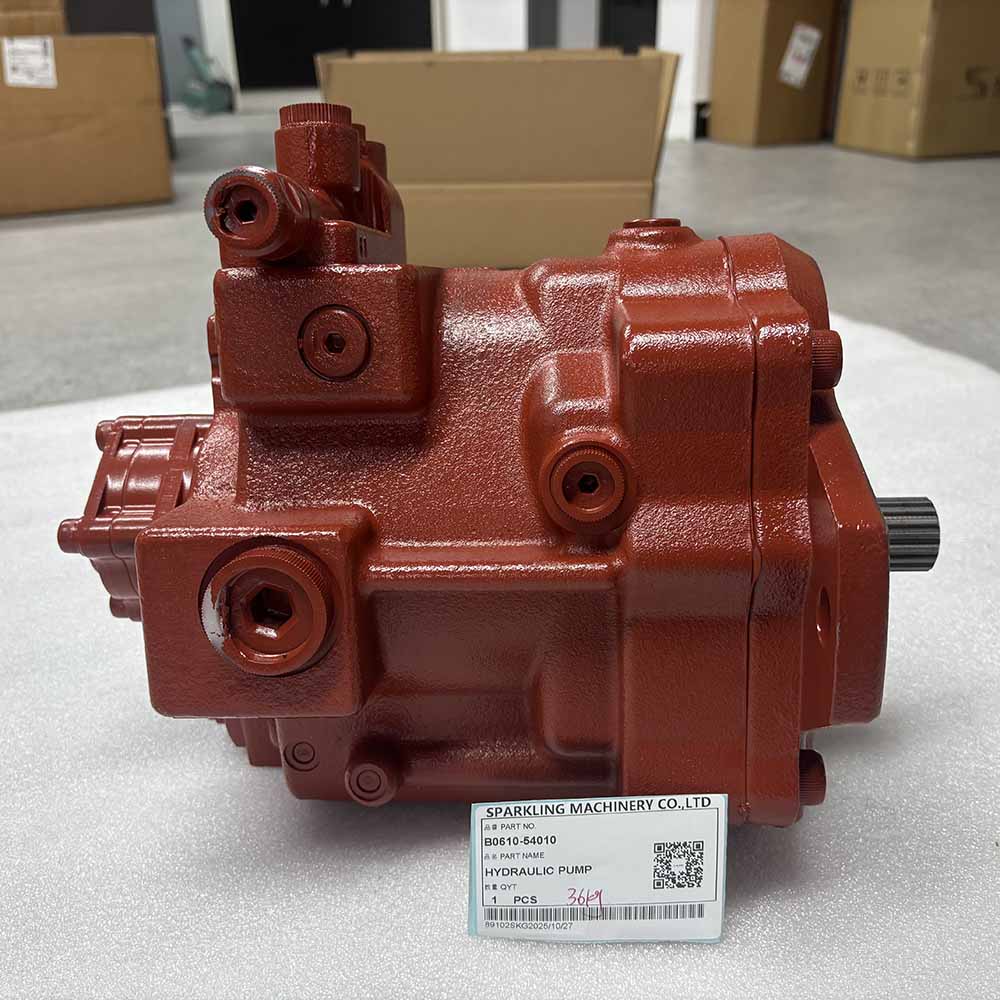
- Overview of the Lingong HIGH-QUALITY EXCAVATOR PARTS MADE IN CHINA NEW B0610-54010 HYDRAULIC PUMP SPARKLING MACHINERY
- Common failure categories for hydraulic pumps
- 1. Contamination: solid particles and water
- 2. Cavitation and aeration
- 3. Overheating and thermal degradation
- 4. Wear and internal damage (abrasive and fatigue)
- 5. Incorrect hydraulic fluid and contamination by incompatible additives
- 6. Mechanical alignment, mounting and shaft coupling issues
- 7. Pressure spikes and shock loads
- Troubleshooting and diagnostic table for hydraulic pump failures
- Inspection checklist for hydraulic pumps and hydraulic system components
- Why choosing the correct pump matters: advantages of the NEW B0610-54010 Hydraulic Pump
- Practical maintenance program to reduce pump failures
- When to repair vs. replace hydraulic pumps
- FAQ (Frequently Asked Questions)
- Contact us / View product
- Authoritative references and further reading
- Final notes
Common Causes of Hydraulic Pump Failures and Fixes
Why hydraulic pump reliability matters for hydraulic system components
Hydraulic pumps are the heart of many heavy-duty machines. On excavators, loaders, and other construction equipment, pumps convert mechanical power into hydraulic energy that drives arms, booms, swing and travel systems. Failures in hydraulic pumps cause costly downtime, unsafe operation, and premature wear of downstream components. Understanding the root causes and proven fixes helps maintenance teams keep machines running and reduce life-cycle costs.
Overview of the Lingong HIGH-QUALITY EXCAVATOR PARTS MADE IN CHINA NEW B0610-54010 HYDRAULIC PUMP SPARKLING MACHINERY
SPARKLING MACHINERY NEW B0610-54010 Hydraulic Pump is a core power component for Lingong excavators (heavy-duty construction/mining use). It delivers stable high-pressure hydraulic fluid to drive critical systems like arms, booms, and travel mechanisms.
Meeting Lingong OEM standards (B0610-54010), it resists -30°C to 100°C temps, high pressure, and wear, ensuring seamless compatibility and long-term reliable hydraulic power supply.
Common failure categories for hydraulic pumps
Most hydraulic pump failures fall into clear categories: contamination, cavitation, overheating, internal wear, incorrect hydraulic fluid, mechanical misalignment, and pressure/flow anomalies. Each category has distinct symptoms and targeted fixes. Below we examine each cause in depth, list diagnostic checks, short-term fixes, and long-term preventive measures relevant to hydraulic system components on excavators.
1. Contamination: solid particles and water
Cause and symptoms: Contamination is the single largest contributor to hydraulic pump failures. Particulate contamination (dirt, metal wear particles) and water ingress cause abrasive and corrosive damage to gears, vanes, bearings, and seals. Symptoms include increasing noise, erratic flow or pressure loss, and accelerated component wear.
Diagnosis: Inspect fluid cleanliness (ISO 4406 particle count), check filters and housing for metal flakes, use a particle counter or microscope analysis, and test for water via crackle test or moisture sensors.
Short-term fixes: Replace contaminated fluid, install new filters, flush the system, and change breather caps. Remove sludge from reservoir.
Long-term prevention: Maintain a strict fluid filtration program (appropriate micron rating), install breathers and desiccant breathers, seal hydraulic system components properly, and follow scheduled sampling and particle counting. Choose components with corrosion-resistant finishes when operating in wet environments.
2. Cavitation and aeration
Cause and symptoms: Cavitation occurs when vapor bubbles form in the fluid due to local low pressure and then collapse, causing pitting and noise. Aeration (air entrainment) causes foaming, reduced lubrication, and pressure instability. Symptoms: loud knocking or gravel-like noise, reduced flow, erratic control behavior, and damage to pump surfaces.
Diagnosis: Inspect suction lines and fittings for leaks, check reservoir fluid level and return line height, and observe bubbles in the reservoir return stream. Use pressure gauges to verify suction pressure.
Fixes: Eliminate suction restrictions, ensure correct fluid levels and return tube position, tighten fittings, replace damaged hoses, and use proper suction strainers. For persistent cavitation, install accumulators or redesign suction geometry.
3. Overheating and thermal degradation
Cause and symptoms: Excessive heat reduces fluid viscosity, accelerates additive breakdown, and damages seals. Causes include overloaded systems, poor heat exchangers, blocked cooling passages, and high ambient temperatures. Symptoms include dark or burnt-smelling fluid, soft or swollen seals, loss of pressure, and shortened component life.
Diagnosis: Monitor operating temperatures, inspect fluid color and smell, and check cooler performance and flow rates. Thermography can reveal hotspots.
Fixes: Restore proper cooling (clean radiators and coolers), replace degraded fluid and seals, relieve overloads, and review hydraulic circuit design for excessive continuous loads. Use fluids rated for the operating temperature range and pumps like the NEW B0610-54010 that tolerate wide temperature spans (-30°C to 100°C).
4. Wear and internal damage (abrasive and fatigue)
Cause and symptoms: Normal wear occurs over time but accelerates with contamination, poor lubrication, and overloads. Components affected include vanes, pistons, cam rings, and bearings. Symptoms: increasing internal leakage, reduced displacement, reduced pressure capability, and metal particles in the system.
Diagnosis: Pressure and flow testing to identify internal leakage, borescope inspection where possible, and oil analysis for metal content (ferrous and non-ferrous particulate analysis).
Fixes: Repair or replace the pump cartridge or complete pump. For modular pumps, replace wear rings, pistons, or seals. Implement corrective maintenance intervals and upgrade filtration to prevent recurrence.
5. Incorrect hydraulic fluid and contamination by incompatible additives
Cause and symptoms: Using the wrong fluid or mixing incompatible fluids degrades lubricity and additive performance, causing wear, seal swelling/shrinkage, and foaming. Symptoms include seal failures, softening or hardening of elastomers, inconsistent viscosity, and early component wear.
Diagnosis: Check fluid specifications against OEM recommendations, perform viscosity measurements and elemental analysis, and inspect seals for swelling or cracking.
Fixes: Drain and flush the system, refill with OEM-recommended fluid, and replace affected seals. Implement fluid control policies to prevent contamination from top-ups with incorrect oils.
6. Mechanical alignment, mounting and shaft coupling issues
Cause and symptoms: Misalignment between pump and prime mover, loose mounting bolts, or improper coupling cause vibration, bearing overload, and shaft seal failures. Symptoms include vibration, unusual noise, and premature bearing or seal failures.
Diagnosis: Use dial indicators or laser alignment tools to check alignment, inspect couplings and mounting hardware, and check for shaft runout.
Fixes: Realign coupling and pump, torque mounting bolts to OEM specs, replace damaged couplings, and install vibration isolation mounts where required.
7. Pressure spikes and shock loads
Cause and symptoms: Sudden pressure spikes from valve slam or load reaction can overstress pump components and relief valves. Symptoms include repeated relief valve operation, hose failures, and blistered seals.
Diagnosis: Install pressure transducers to capture transient spikes, review control logic and valve sequencing, and inspect for system resonance.
Fixes: Add accumulators, pressure dampeners, or snubbers; slow valve actuation through orifice or flow-control changes; fine-tune control sequences to avoid sudden shocks.
Troubleshooting and diagnostic table for hydraulic pump failures
| Failure Mode | Key Symptoms | Likely Cause | Immediate Fix | Long-Term Prevention |
|---|---|---|---|---|
| Contamination | Noisy operation, particle in filters | Dirty reservoir, breached seals, bad filters | Fluid change & filter replacement | Filtration program; desiccant breathers |
| Cavitation | Knocking noise, pitting on components | Suction restriction, low fluid level | Check suction lines; refill fluid | Correct suction design; suction strainers |
| Overheating | Dark fluid, soft seals | Poor cooling, excessive load | Cooler cleaning, fluid change | Proper cooler sizing; thermal controls |
| Wear/Internal leakage | Loss of flow/pressure, metal particles | Normal wear; contamination | Replace worn parts | Scheduled rebuilds; filtration |
Inspection checklist for hydraulic pumps and hydraulic system components
- Daily: Visual leaks, fluid level, audible anomalies, reservoir vent condition.
- Weekly: Check filters differential pressure, hose and fitting tightness, and temperature trends.
- Monthly: Oil analysis, particle count, and quick pressure/flow checks.
- Quarterly: Inspect pump mounting, shaft coupling alignment, and clean coolers.
- Annually or per OEM hours: Full system flush, pump bench test, and rebuild if wear limits exceeded.
Why choosing the correct pump matters: advantages of the NEW B0610-54010 Hydraulic Pump
Component selection has a direct impact on system reliability. The SPARKLING MACHINERY NEW B0610-54010 is designed to meet Lingong OEM tolerances and operating conditions common in heavy construction and mining. Key advantages include robust temperature tolerance (-30°C to 100°C), materials selected for wear resistance, precise machining for tight internal clearances to reduce internal leakage, and full compatibility with standard Lingong hydraulic system components. These attributes reduce the chance of failures from wear, thermal issues, or incompatible fitment and simplify maintenance planning.
Practical maintenance program to reduce pump failures
An effective maintenance program is proactive and data-driven. Key elements are: baseline oil analysis on commissioned machines, scheduled oil sampling and particle counting, installing appropriate filtration and breathers, maintaining correct fluid levels, and training operators to recognize early symptoms. Use OEM-specified spares like NEW B0610-54010 to ensure geometry and tolerances match system requirements.
When to repair vs. replace hydraulic pumps
Minor seal and bearing issues can be repaired quickly; however, extensive scoring of internal components, high ferrous particle counts, or repeated failures often indicate a full pump replacement is more cost-effective. Bench testing provides flow vs. pressure curves to quantify internal leakage and performance loss; if the pump cannot meet OEM specifications within rebuild limits, replace it with a quality unit such as the Lingong-compatible NEW B0610-54010.
FAQ (Frequently Asked Questions)
Q1: What is the most common cause of hydraulic pump failure?
A1: Contamination (solid particles and water) is the most frequent cause. A strong filtration and fluid maintenance program prevents most of these failures.
Q2: How can I tell if my pump is cavitating?
A2: Typical signs are a gravel-like or knocking noise, reduced flow, and pitting damage. Inspect suction lines, fluid level, and for bubbles in the return stream.
Q3: How often should hydraulic fluid be analyzed?
A3: For heavy-use excavators, sample monthly for the first three months to establish baseline, then every 1–3 months depending on contamination trends and duty cycle.
Q4: Can I rebuild a worn hydraulic pump?
A4: Many pumps are rebuildable if wear is within machining limits. However, severe scoring or repeated failures may make replacement with a new OEM-spec pump the better option.
Q5: Will using a high-quality pump like NEW B0610-54010 reduce downtime?
A5: Yes. Pumps built to OEM specifications with robust materials and accurate machining reduce internal leakage, tolerate temperature extremes, and last longer under heavy duty cycles, lowering downtime risk.
Q6: What filters should I use?
A6: Select filters based on target cleanliness codes (ISO 4406). For critical excavator hydraulic system components, aim for ISO 18/16/13 or cleaner depending on the hydraulic component sensitivity.
Contact us / View product
Addressing the common causes of hydraulic pump failures is most effective when supported by a structured hydraulic system components preventive maintenance checklist that reduces wear before breakdowns occur.If you need a reliable replacement pump that matches Lingong specifications, consider the SPARKLING MACHINERY NEW B0610-54010 Hydraulic Pump. For pricing, lead times, technical drawings, or application advice, contact our sales team or view the product page. Our specialists can provide compatibility checks, maintenance recommendations, and installation support to integrate with your hydraulic system components.
Authoritative references and further reading
- Hydraulic pump basics — Wikipedia: https://en.wikipedia.org/wiki/Hydraulic_pump
- Hydraulic safety and general rules — ISO 4413: https://www.iso.org/standard/58571.
- Hydraulics basics and troubleshooting — Bosch Rexroth: https://www.boschrexroth.com
- Hydraulic system design and maintenance articles — Hydraulics & Pneumatics: https://www.hydraulicspneumatics.com
- Hydraulic component engineering and product data — Parker Hannifin: https://www.parker.com
- Manufacturer for Lingong/SDLG excavators: Shandong Lingong (SDLG): https://www.sdlg.com/
Final notes
Preventing hydraulic pump failures requires a systems approach: correct component selection, clean fluid, appropriate filtration, good thermal management, and consistent inspection. Using OEM-grade parts such as the Lingong HIGH-QUALITY EXCAVATOR PARTS MADE IN CHINA NEW B0610-54010 HYDRAULIC PUMP SPARKLING MACHINERY and following the inspection and maintenance steps above will significantly reduce downtime and extend the service life of your hydraulic system components.
Best excavator air conditioner parts manufacturers and supplier brands
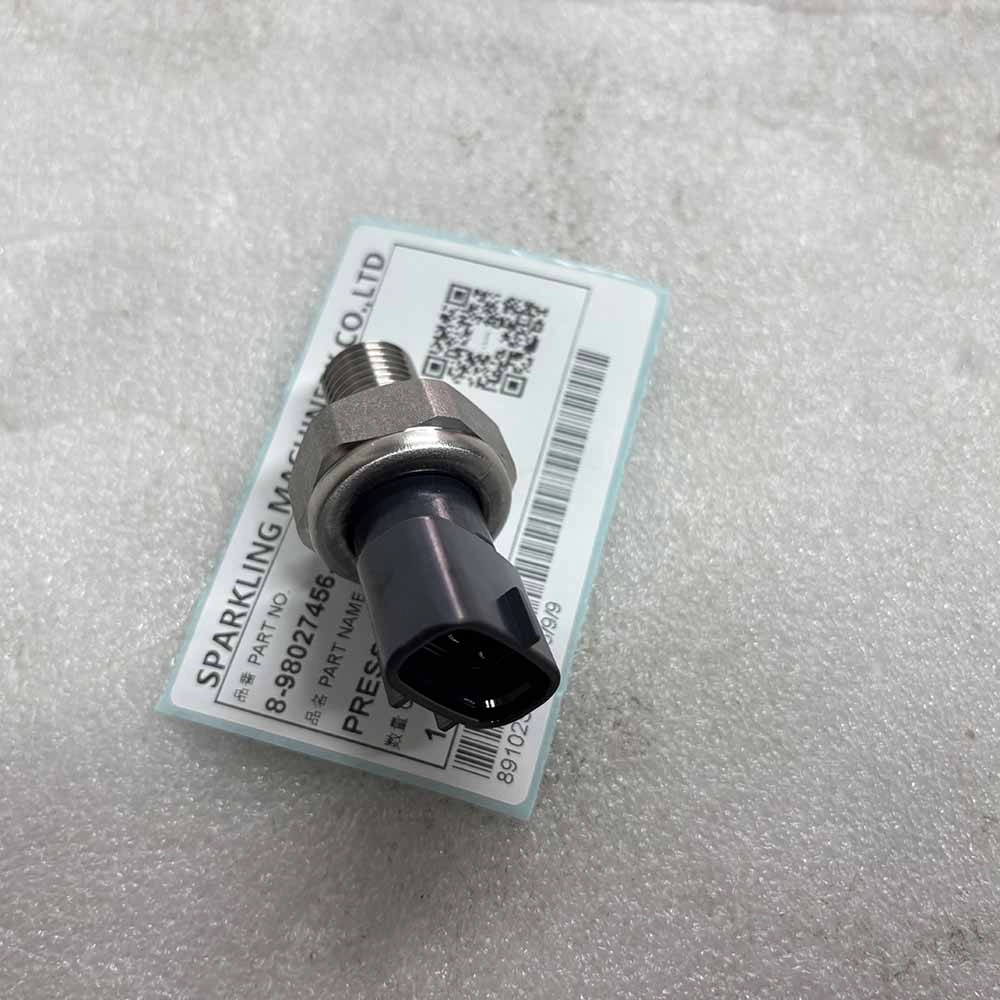
Selecting Pressure Sensors for Hitachi CP220-3: Buyer's Checklist
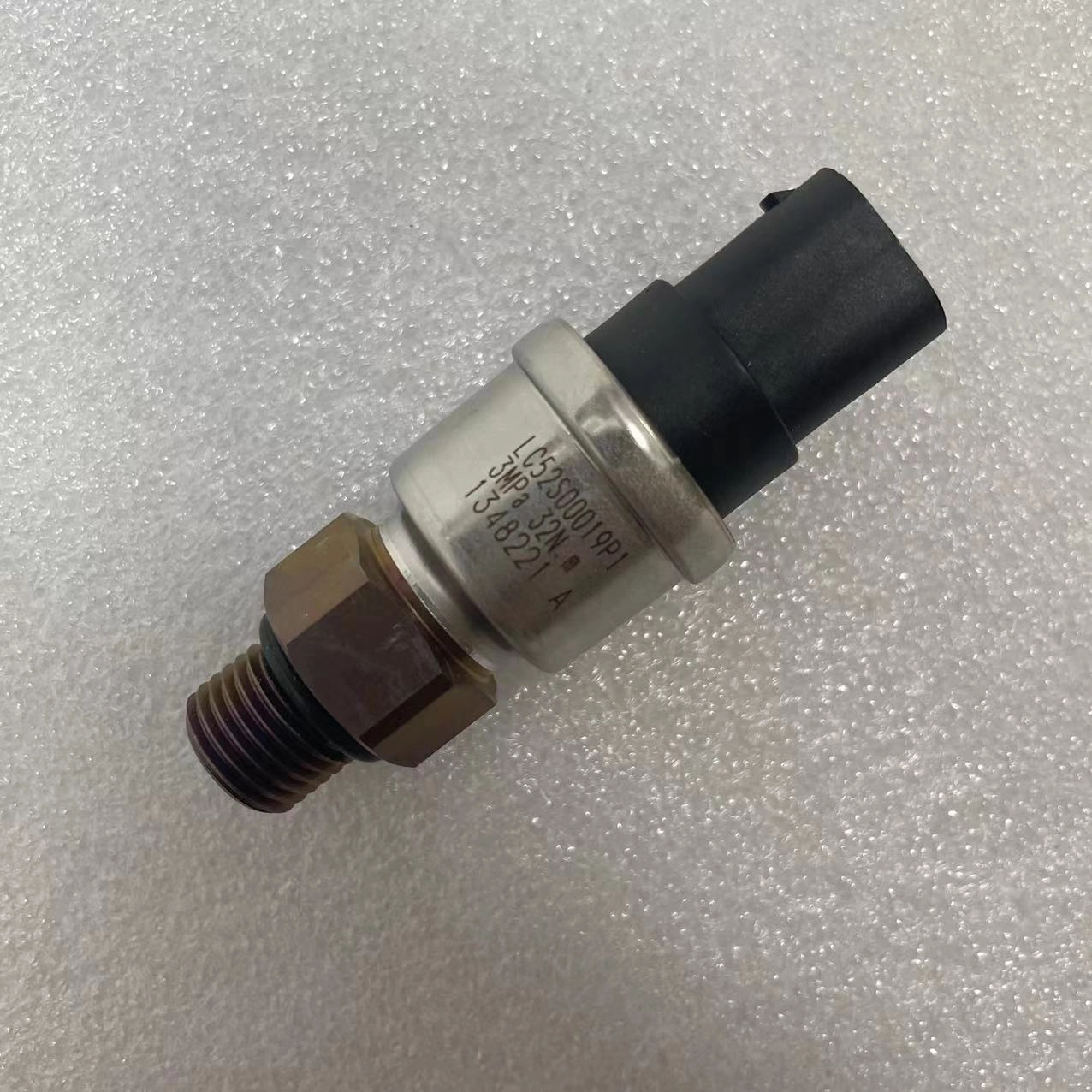
OEM vs Aftermarket: Choosing Low Pressure Sensor Replacements
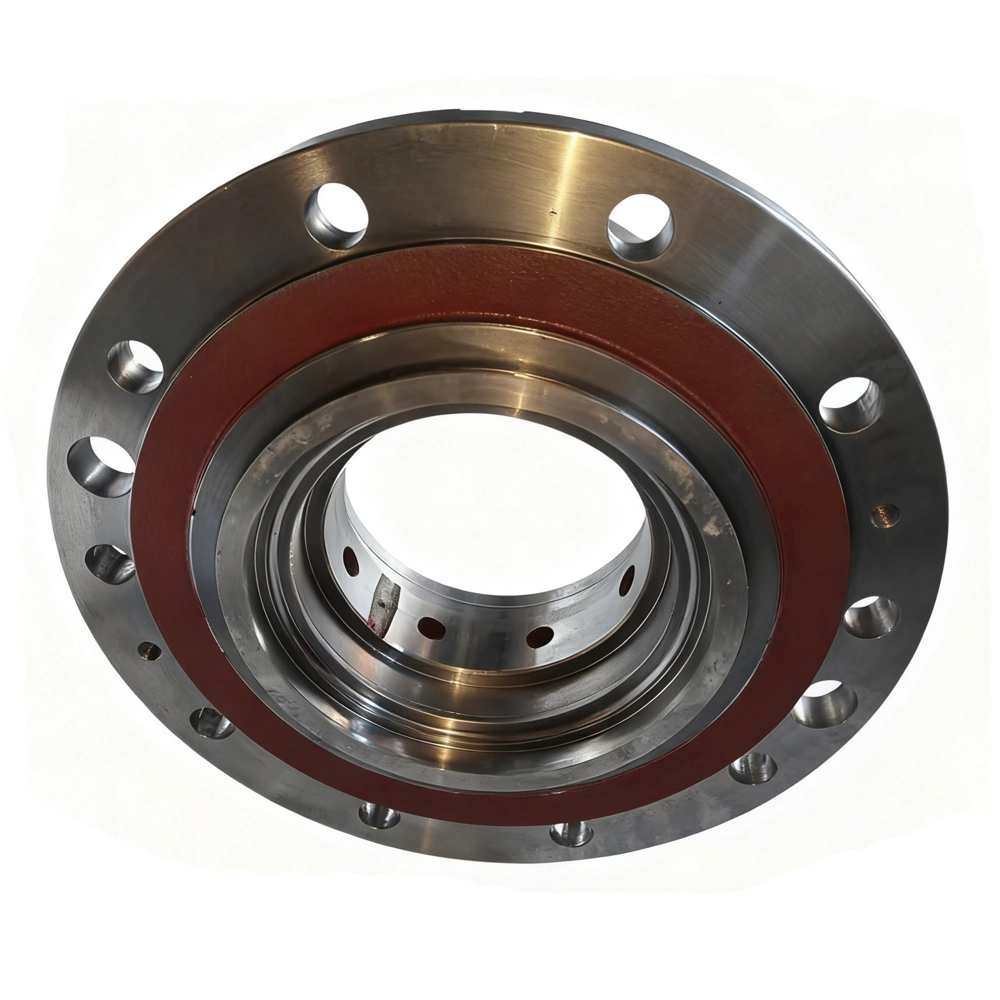
Understanding Wear Patterns on Excavator Hubs
faq
How do you ensure the quality of your parts?
We follow strict quality control procedures throughout the manufacturing process. Our parts are tested for durability, performance, and precision to ensure they meet industry standards and exceed customer expectations.
Can I get technical support for installing your parts?
Absolutely. We provide technical support and guidance for the installation and maintenance of our parts. Our team is available to assist you with any questions or concerns to ensure proper installation and optimal performance.
Are your products covered by a warranty?
-
Yes, all of our excavator parts come with a warranty to ensure quality and reliability. The warranty period may vary depending on the type of part. Please contact us for detailed warranty terms for specific products.
-
What types of excavator parts do you manufacture?
We manufacture a wide range of excavator parts, including hydraulic components, undercarriage parts, engine parts, wear parts, and more. Our products are designed to fit a variety of excavator models and are built to meet the highest quality standards.
What is the lead time for receiving excavator parts?
Our typical lead time depends on the complexity and quantity of the order. For standard parts, delivery usually takes between 7 to 14 days. For custom orders, the lead time may vary, but we always strive to ensure timely delivery.
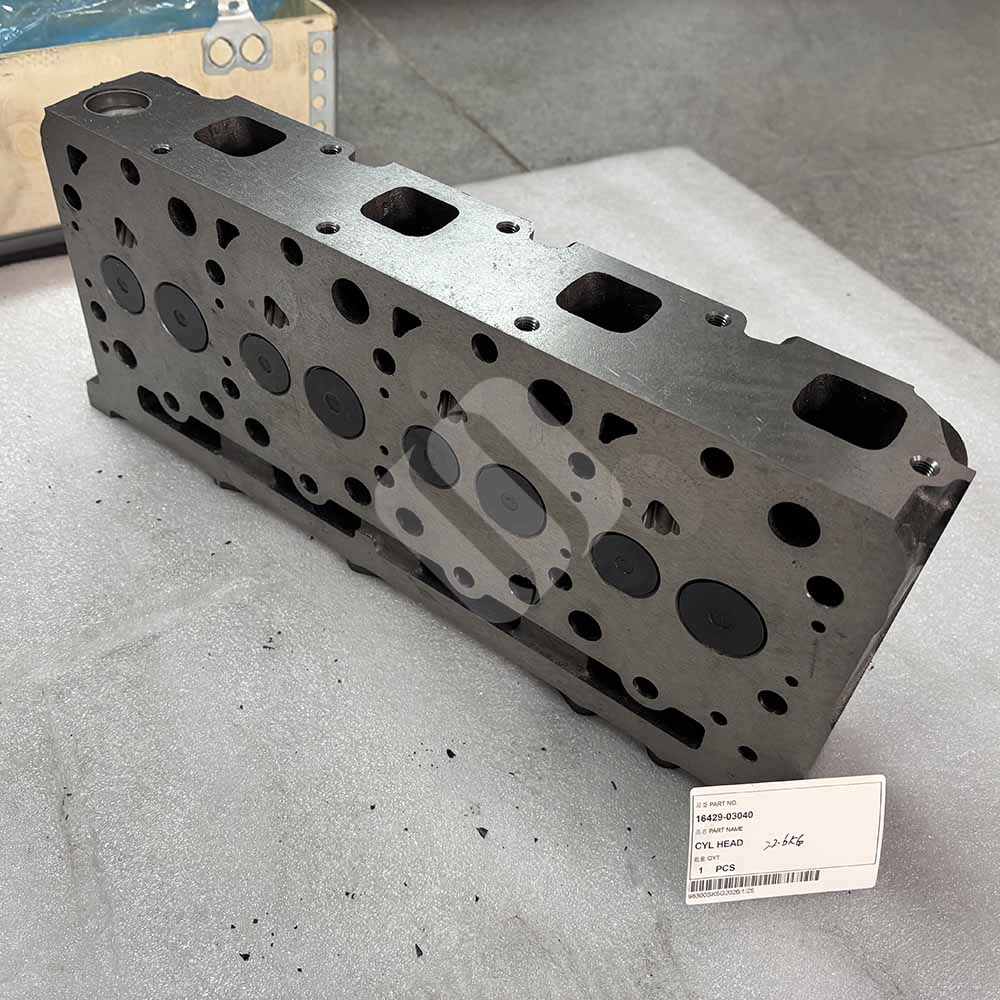
16429-03040 Engine Cylinder Head for Kubota Excavator KX121-3 KX161-3 U45
The 16429-03040 Cylinder Head is a high-precision engine component specifically designed for Kubota KX121, KX161, and U45 excavators powered by V2203/V2403 engines. Manufactured from premium alloy cast iron, it ensures exceptional thermal stability and pressure resistance, restoring your engine's compression and fuel efficiency to factory standards.
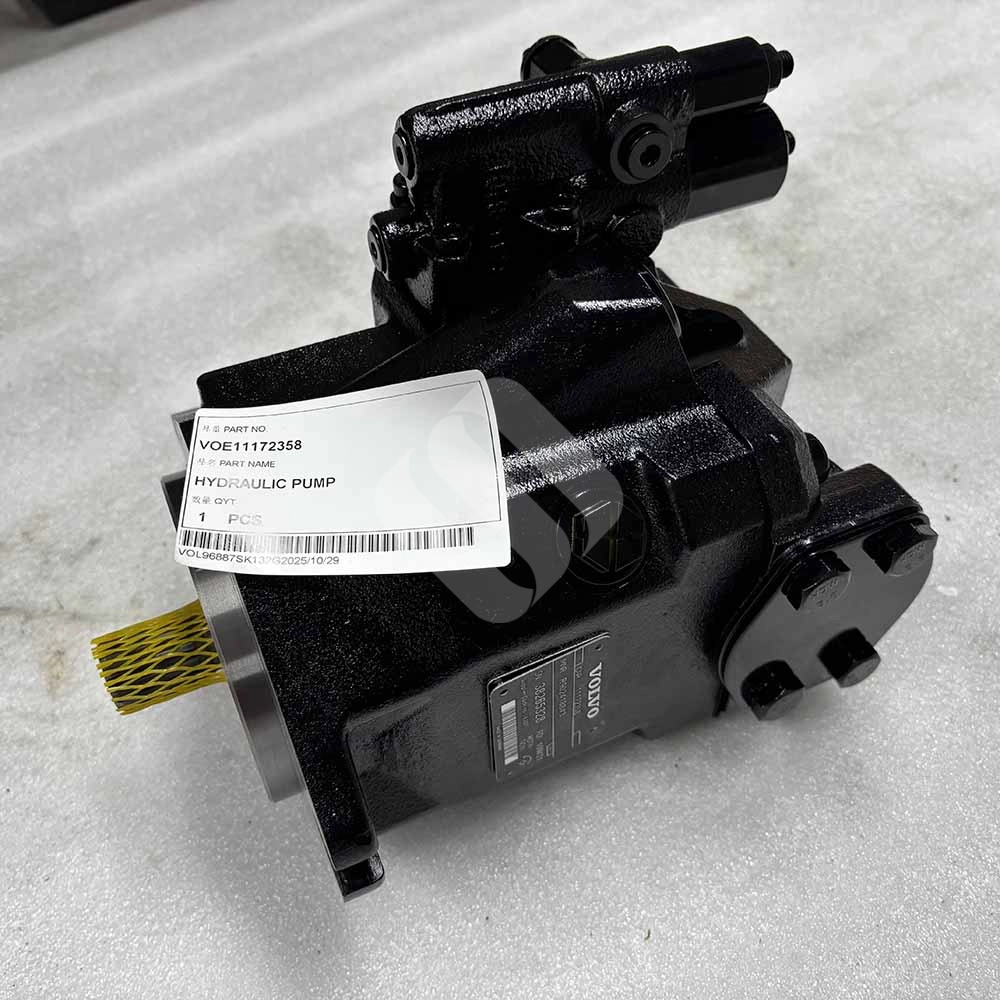
VOE11172358 11172358 Hydraulic Pump for Volvo Wheel Loader L60E L70E L90E L110E L60F L70F L90F L120F
VOE11172358 is the part number for a hydraulic pump (specifically a hydraulic main or auxiliary pump) designed for several Volvo wheel loaders.
Technical Specifications
Part Numbers: VOE11172358, 11172358, and cross-reference number R986110567.
Weight: Approximately 20kg.
Type: Tyrone-type pump or piston-style auxiliary pump.
Compatible Volvo Models
This pump is compatible with a wide range of Volvo wheel loader series, including:
L60 Series: L60E, L60F, L60GZ.
L70 Series: L70E, L70F.
L90 Series: L90E, L90F, L90GZ.
L110 Series: L110E, L110F.
L120 Series: L120E, L120F, L120GZ.
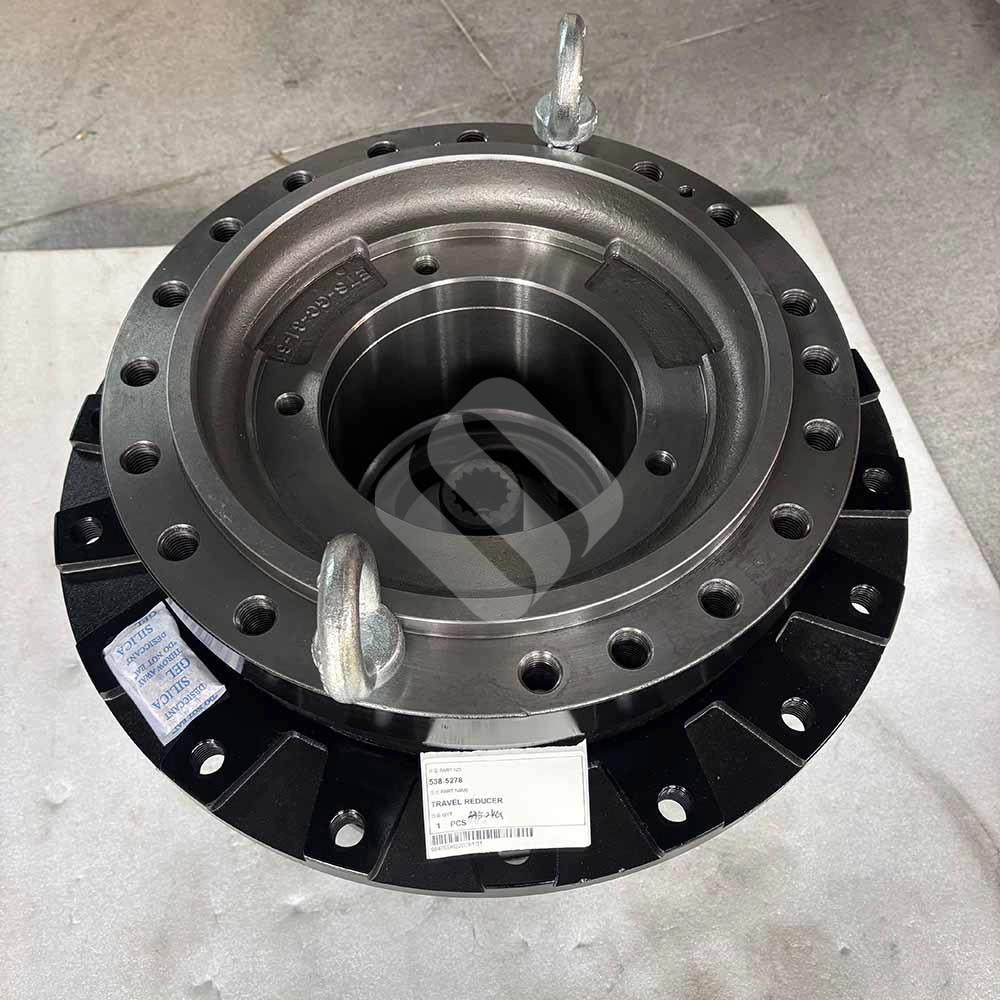
Travel Reducer 538-5278 for Caterpillar CAT Excavator 330 330GC 330F
This is a specific part number for heavy machinery components.
Part Name: Drive GP-FIN (Final Drive Group) or Travel Gearbox.
Equipment Compatibility: Primarily used for Cat 330, 330 GC, 330F, and 330D2 excavators.
Function: It serves as the reduction unit that converts hydraulic power into mechanical rotation to drive the excavator's tracks.
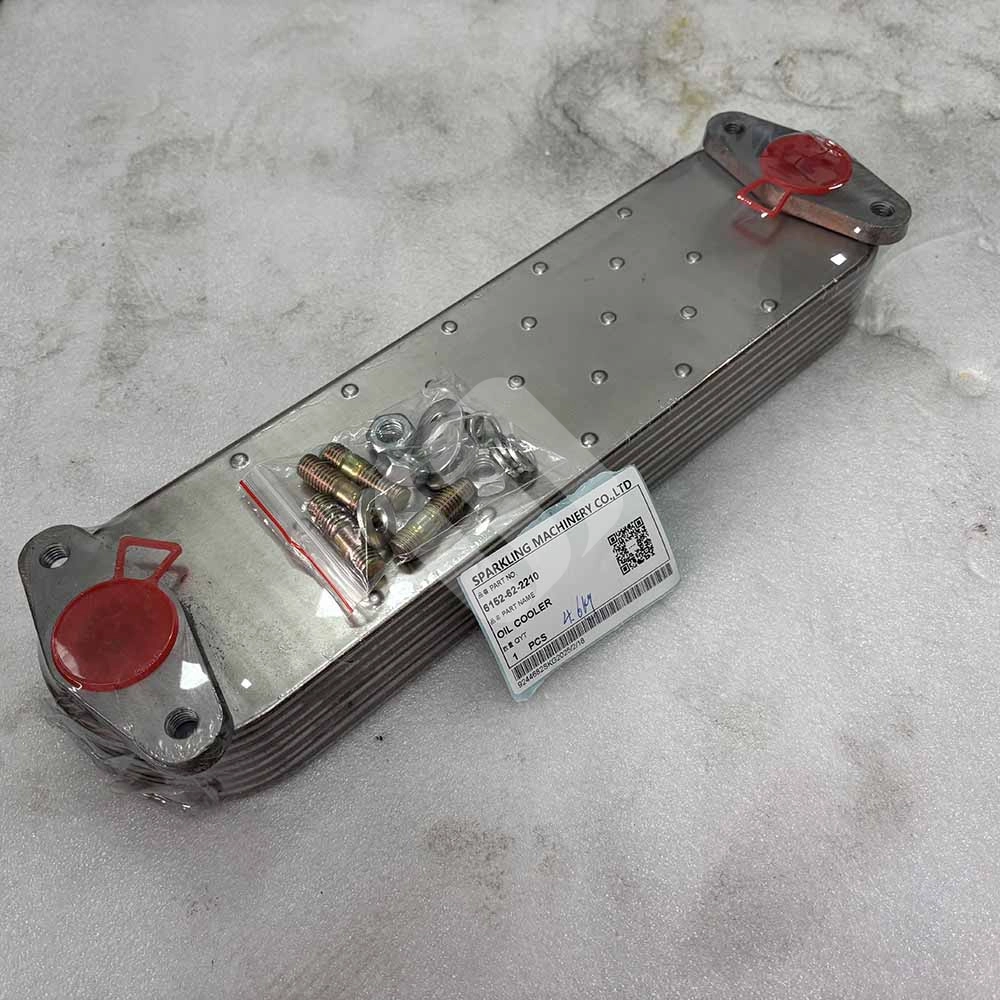
6152-62-2210 Oil Cooler for Komatsu PC400-7 PC400-8 PC400LC-8 & Wheel Loaders WA470-3 WA470-5
The 6152-62-2210 Oil Cooler is a critical thermal management component for Komatsu PC400-7, PC400-8, PC400LC-8 excavators and WA470-3, WA470-5 wheel loaders. It efficiently dissipates heat from engine and hydraulic oil, maintaining optimal operating temperatures to prevent overheating, reduce component wear, and ensure continuous heavy-duty performance in construction and mining environments.
Key Features
· Material: Often made of stainless steel in aftermarket versions.
· Design: 8-plate (8P) design.
· Weight: Approximately 4.74 kg (net weight).
· OEM-Perfect Fit: Matches original mounting and flow specs for direct, modification-free installation.
· High Cooling Efficiency: Optimized fin-and-tube design maximizes heat exchange, keeping oil temperatures stable.
Compatible Equipment
· Excavators: PC400-7, PC400-8, PC400LC-8, PC450-8, PC450LC-8, PC490-10, PC490LC-10, PC550LC-8.
· Wheel Loaders: WA470-3, WA470-5, WA480-6.
· Dump Trucks: HM300-2, HM300-3.
· Dozers: D85EX/PX series.

Contact us
Email: ranroswang@hksparkling.com
Wechat: +86 136 0901 0879
Skype: foreverlucia1
WhatsApp: +86 136 0901 0879
Address: No. 514-515, Hulin Road, Tianhe District, Guangzhou, China.
Sparkling Machinery Co.,Ltd
sparkling_machinery
Whatsapp: +8613609010879