 ranroswang@hksparkling.com
  +86 138 2341 8469


Hydraulic vs Mechanical Components: What to Expect
- Hydraulic vs Mechanical Components: What to Expect
- Why this comparison matters for excavator parts
- How hydraulic components work and where they excel (excavator parts focus)
- How mechanical components work and where they shine (excavator parts focus)
- Performance comparison: hydraulic vs mechanical (at-a-glance)
- Maintenance practices and lifecycle expectations for excavator parts
- Cost considerations: acquisition vs operating expense
- When to prioritize hydraulic components
- When mechanical components are the best choice
- Real-world example: undercarriage hub selection and the role of replacement parts
- How to evaluate replacement excavator parts (practical checklist)
- Brand advantage — why SPARKLING MACHINERY parts stand out for excavator parts buyers
- FAQ — Common questions about hydraulic vs mechanical excavator parts
- Contact and product access — get the right excavator parts now
- Sources
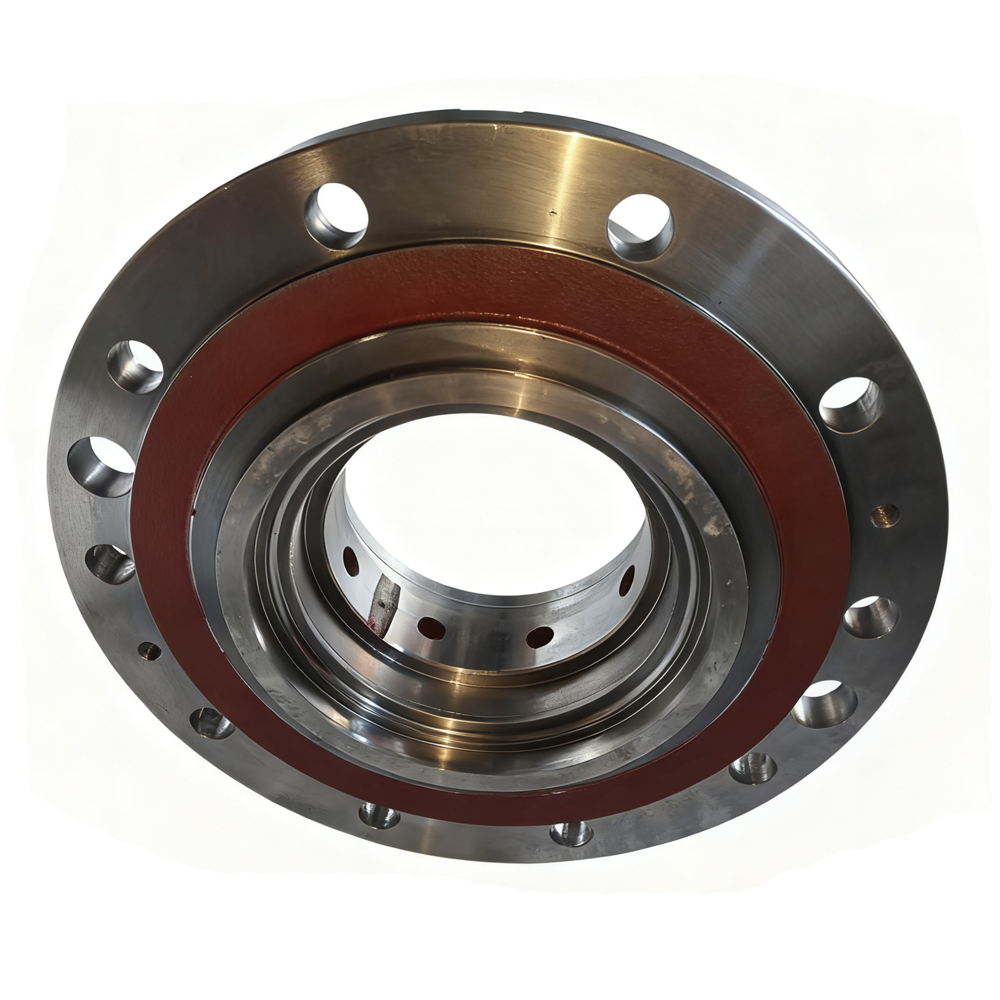
Hydraulic vs Mechanical Components: What to Expect
Why this comparison matters for excavator parts
Choosing between hydraulic and mechanical components directly affects machine productivity, uptime, lifecycle cost, and safety. For owners and operators of medium-to-heavy excavators, understanding the trade-offs helps specify the right replacement excavator parts, especially for undercarriage and powertrain systems. This article explains the differences, compares performance and maintenance profiles, and shows when to prefer one technology over the other. It also highlights a dependable replacement option: the Hyundai HIGH-QUALITY EXCAVATOR PARTS MADE IN CHINA NEW R160W9A R170W7 R170W7A R170W9 ZGAQ-03591 HUB SPARKLING MACHINERY.
Once you've grasped the differences between hydraulic and mechanical components, you’ll need to know how to read part numbers for Hyundai excavators. This knowledge will ensure you are selecting the correct parts when ordering, making maintenance and repairs more efficient.
How hydraulic components work and where they excel (excavator parts focus)
Hydraulic components convert engine power into fluid power, which is then directed to actuators (hydraulic motors and cylinders) to produce motion and force. Key hydraulic elements in excavators include pumps, valves, hydraulic motors, cylinders, hoses, and control manifolds.
Strengths of hydraulics for excavator parts:
- High power density: hydraulics deliver large forces from relatively compact components — ideal for lifting, digging, and swing operations.
- Precise proportional control: modern electro-hydraulic controls allow fine operator inputs for smooth machine behavior.
- Shock absorption and overload tolerance: hydraulic systems can absorb transient shocks that would otherwise stress mechanical linkages.
Limitations:
- Complex maintenance: requires contamination control, scheduled oil analysis, and strict sealing practices.
- Temperature sensitivity: performance depends on oil viscosity, so heaters or coolers may be needed in extreme climates.
- Higher initial part and repair costs for some components (pumps, servo valves) compared with simple mechanical linkages.
How mechanical components work and where they shine (excavator parts focus)
Mechanical components transfer motion and load with rigid elements: gears, shafts, bearings, pins, bushings, linkages, sprockets, and hub assemblies. In undercarriage systems, mechanical parts such as idlers, sprockets, rollers and hubs bear direct loads and guide track motion.
Strengths of mechanical parts for excavators:
- Simplicity and robustness: fewer failure modes; many parts are serviceable with standard mechanical skills.
- Lower per-unit cost: basic mechanical parts such as pins, bushings and hubs are often cheaper to replace than advanced hydraulic components.
- Predictable wear patterns: mechanical wear is visible and diagnosable, supporting proactive maintenance.
Limitations:
- Lower flexibility: purely mechanical systems lack the variable force and damping that hydraulics provide.
- Shock transmission: mechanical linkages pass impact loads directly into the structure, potentially increasing fatigue if not properly designed.
- Size and weight: mechanical solutions may be heavier or bulkier to achieve the same force output.
Performance comparison: hydraulic vs mechanical (at-a-glance)
Below is a concise comparison table focused on attributes that matter for excavator parts selection. Data are industry-observed characteristics compiled from manufacturers and technical references (sources listed at article end).
| Attribute | Hydraulic Components | Mechanical Components |
|---|---|---|
| Power density | High — compact and capable of large forces | Moderate — requires larger/brute structures for similar forces |
| Control precision | High (with electro-hydraulic controls) | Lower — discrete mechanical positions or continuous but less smooth control |
| Maintenance complexity | Higher — oil cleanliness, seals, fittings, sensors | Lower — inspection, lubrication, parts replacement |
| Repair cost | Higher for pumps/valves; variable | Typically lower — bearings, shafts, hubs |
| Reliability in harsh environments | Good if sealed & maintained; vulnerable to contamination | Very good — simple designs tolerate dirt and impact |
| Common failure modes | Seal leaks, contamination, pump wear | Wear, fatigue, corrosion of surfaces |
Sources: manufacturer technical guides and industry maintenance literature (see sources list).
Maintenance practices and lifecycle expectations for excavator parts
Maintaining both hydraulic and mechanical parts effectively increases component life and reduces unplanned downtime.
Hydraulic maintenance essentials:
- Regular fluid analysis: detect contamination, water ingress, and wear metals early.
- Seal and hose inspections: replace at first sign of cracking or abrasion.
- Filtration and breathers: maintain recommended cleanliness levels (e.g., ISO 4406 codes used in industry).
Mechanical maintenance essentials:
- Grease and lubrication schedules: follow OEM intervals for pins, bearings and rollers.
- Track tensioning and alignment: prevents accelerated wear of sprockets and hubs.
- Visual inspections for cracks, abnormal wear, and corrosion.
Lifecycle notes: hydraulic components often require periodic replacement of wear items (pumps, valves) but can be rebuilt; mechanical components like hubs and sprockets are replaced on visible wear thresholds and are easier to source as aftermarket parts.
Cost considerations: acquisition vs operating expense
When planning budgets for excavator parts procurement and fleet maintenance, differentiate capital expense (new components) from operating expense (fuel, fluid, filters, downtime).
- Hydraulic systems may have higher upfront part costs and more expensive repairs, but their efficiency and control can increase productivity (lowered cycle times), offsetting expense in high-utilization applications.
- Mechanical components are usually cheaper to purchase and repair, making them cost-effective for machines used in abrasive or dirty environments with simpler duty cycles.
Decision drivers include machine utilization hours, operating environment (temperature extremes, dust, mud), and the criticality of precise control for the tasks being performed.
When to prioritize hydraulic components
Choose hydraulic-focused designs or High Quality hydraulic parts when:
- Tasks demand high force and smooth proportional control (precision grading, lifting heavy loads with fine control).
- Machines operate in production environments where cycle time reductions directly increase revenue.
- Operators rely on advanced hydraulic features (e.g., pilot control, flow sharing, electronically controlled hydraulics).
When mechanical components are the best choice
Prefer mechanical robustness when:
- Machines work in extremely contaminated conditions where hydraulic contamination risk is high (rock crushing, demolition with heavy dust).
- Budget constraints favor lower-cost, easily repairable parts.
- Simplicity and field-serviceability are priorities for remote sites with limited technical support.
Real-world example: undercarriage hub selection and the role of replacement parts
Undercarriage hubs are a mechanical part that directly affects travel stability and load-bearing. Choosing a high-quality hub that meets OEM specifications reduces vibration, uneven wear, and risk of unexpected failure.
SPARKLING MACHINERY NEW R160W9A R170W7 R170W7A R170W9 ZGAQ-03591 Hub is a core undercarriage component for Hyundai R160W9A/R170W7/R170W7A/R170W9 excavators (heavy-duty construction/mining use). It connects the excavator’s track system to the axle, supporting load and ensuring stable travel.
Meeting Hyundai OEM standards (ZGAQ-03591), it resists -30°C to 100°C temps, wear, and impact, ensuring seamless compatibility and long-term reliable load-bearing performance.
This hub represents a category of reliable mechanical replacement parts: designed to meet OEM tolerances, tested for thermal and impact resilience, and optimized for long service life under abrasive conditions. For many fleets, investing in OEM-equivalent mechanical parts reduces total cost of ownership by avoiding premature failures and minimizing downtime.
How to evaluate replacement excavator parts (practical checklist)
Use this checklist to vet suppliers and parts before purchase:
- OEM compatibility: verify part numbers and fitment (e.g., ZGAQ-03591 for Hyundai models).
- Material and heat treatment specs: critical for hubs, sprockets, and wear surfaces.
- Environmental ratings: operating temperature range and corrosion resistance.
- Testing and quality control: proof-load or fatigue testing records, if available.
- Warranty and service: clear terms and return policy for defective parts.
- Availability and lead time: critical for reducing machine downtime.
Brand advantage — why SPARKLING MACHINERY parts stand out for excavator parts buyers
When selecting mechanical undercarriage components, brand consistency with OEM tolerances, controlled manufacturing, and traceable QA deliver measurable benefits:
- OEM-equivalent fit: minimizes rework at installation and maintains machine geometry.
- Material selection and heat treatment: extend wear life and resist cracking under impact.
- Temperature range assurance (-30°C to 100°C): ensures performance across climates.
- Documentation and batch traceability: critical for fleet procurement and compliance.
SPARKLING MACHINERY’s NEW R160W9A R170W7 R170W7A R170W9 ZGAQ-03591 Hub is designed and validated as an OEM-standard replacement, making it a practical choice for operators who need dependable mechanical undercarriage parts that reduce risk of unplanned downtime.
FAQ — Common questions about hydraulic vs mechanical excavator parts
Q1: Which is more reliable — hydraulic or mechanical components?
A: Reliability depends on design and maintenance. Mechanicals are inherently simple and tolerant of contamination; hydraulics can be highly reliable when properly maintained and filtered. For undercarriage parts like hubs, mechanical quality is paramount.
Q2: Can hydraulic failures be predicted like mechanical wear?
A: Yes — fluid analysis and vibration/pressure monitoring can detect early signs of hydraulic wear, but detection requires consistent sampling and sensor data. Mechanical wear is often visible during inspections.
Q3: How do I know when to replace a hub (like ZGAQ-03591)?
A: Replace when you observe excessive play, abnormal noise, visible cracking, or wear beyond OEM tolerances. Follow inspection intervals and consult the machine’s maintenance manual for specific limits.
Q4: Are aftermarket mechanical parts a good value?
A: High-quality aftermarket parts that meet OEM specs (material, heat treatment, tolerances) can provide excellent value. Prioritize suppliers with certifications, QA evidence, and part traceability.
Q5: Should I convert mechanical systems to hydraulic or vice versa?
A: Conversions are complex and rarely cost-effective unless driven by a specific operational need. It's usually better to select the machine configuration that matches your long-term application profile.
Contact and product access — get the right excavator parts now
If you need a reliable replacement hub that meets Hyundai OEM specifications for models R160W9A, R170W7, R170W7A and R170W9, consider the SPARKLING MACHINERY NEW R160W9A R170W7 R170W7A R170W9 ZGAQ-03591 Hub. It’s designed for heavy-duty use, wide temperature ranges, and long-term load-bearing performance.
Contact our sales team to request a datasheet, pricing, or to place an order: sales@example.com (replace with your contact). For urgent service parts, request lead-time and shipping options when you inquire.
Sources
- Hyundai Construction Equipment — official documentation and parts catalogs. https://www.hyundai-ce.com/
- Caterpillar — hydraulics and machine systems information. https://www.cat.com/
- Komatsu — product and maintenance information for heavy equipment. https://www.komatsu.com/
- Hydraulics & Pneumatics magazine — industry articles on hydraulic systems and maintenance. https://www.hydraulicspneumatics.com/
- SAE International — technical papers and standards relevant to heavy equipment hydraulics. https://www.sae.org/
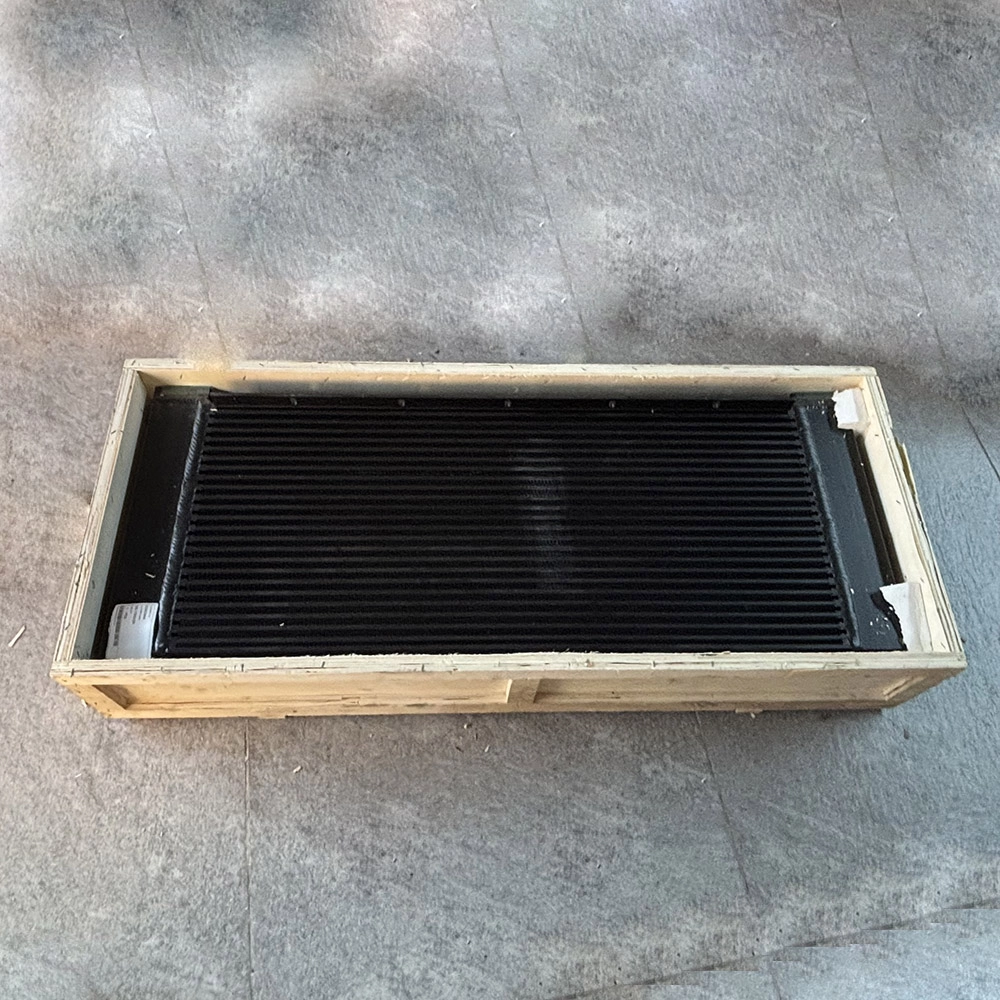
Procurement Tips: Sourcing Genuine 333/C3850 Oil Coolers
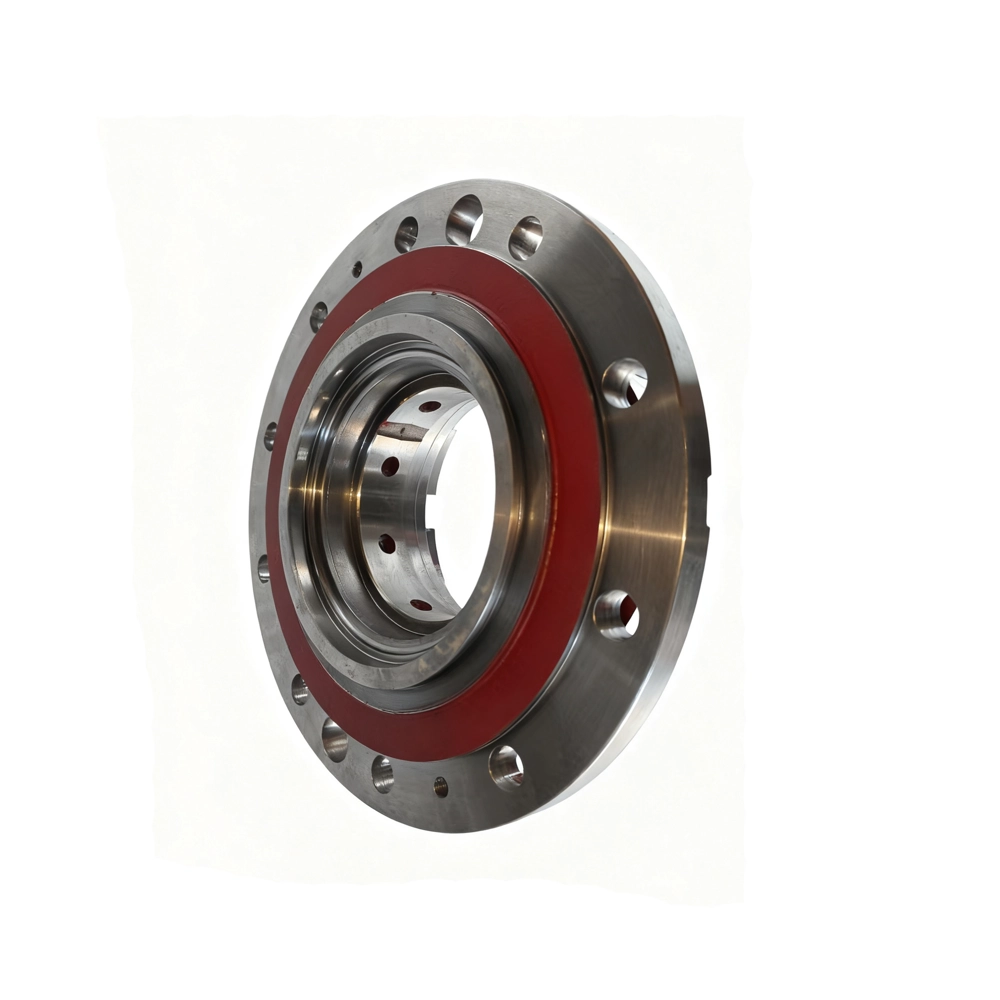
Choosing the Right Excavator Parts Supplier: What to Ask
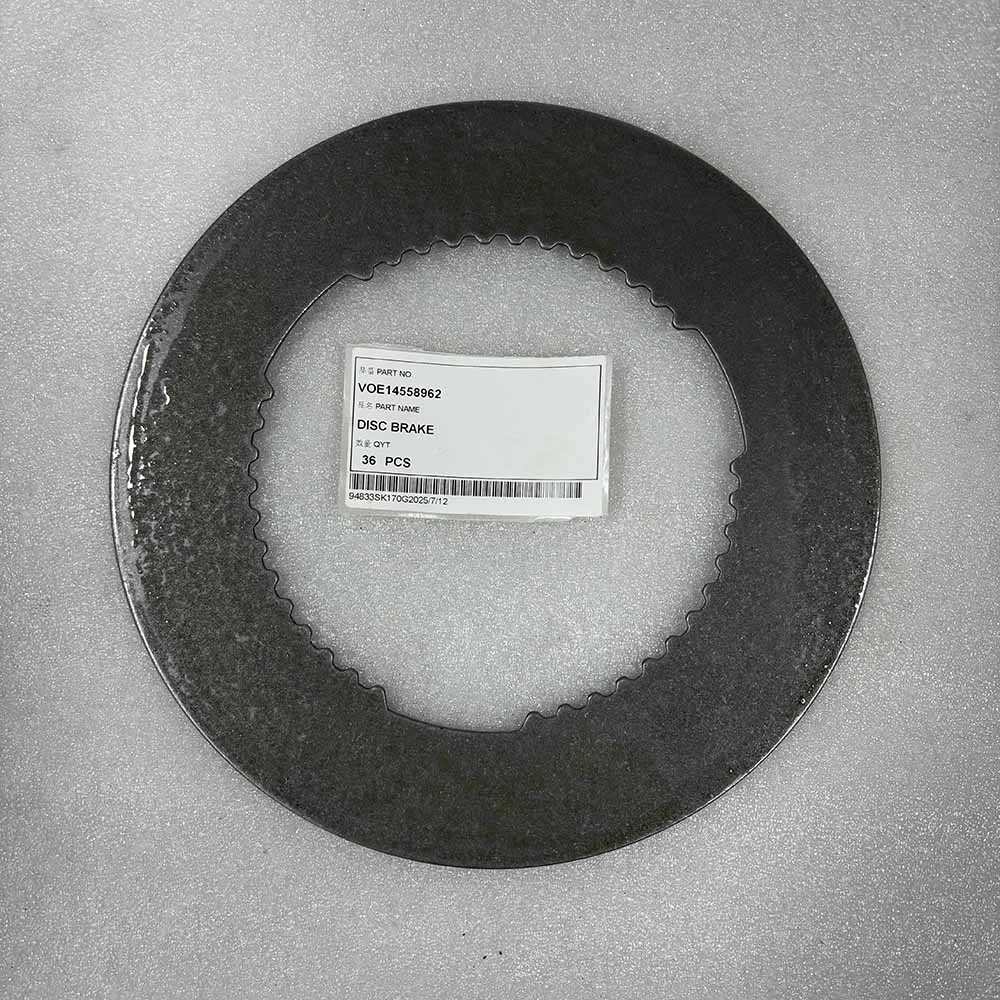
Inspection Checklist for Volvo Excavator Disc Brakes
Hydraulic System Upgrades: Enhancing Excavator Performance and Productivity
faq
How do you ensure the quality of your parts?
We follow strict quality control procedures throughout the manufacturing process. Our parts are tested for durability, performance, and precision to ensure they meet industry standards and exceed customer expectations.
Are your products covered by a warranty?
-
Yes, all of our excavator parts come with a warranty to ensure quality and reliability. The warranty period may vary depending on the type of part. Please contact us for detailed warranty terms for specific products.
-
What is the lead time for receiving excavator parts?
Our typical lead time depends on the complexity and quantity of the order. For standard parts, delivery usually takes between 7 to 14 days. For custom orders, the lead time may vary, but we always strive to ensure timely delivery.
Can I get technical support for installing your parts?
Absolutely. We provide technical support and guidance for the installation and maintenance of our parts. Our team is available to assist you with any questions or concerns to ensure proper installation and optimal performance.
What types of excavator parts do you manufacture?
We manufacture a wide range of excavator parts, including hydraulic components, undercarriage parts, engine parts, wear parts, and more. Our products are designed to fit a variety of excavator models and are built to meet the highest quality standards.

Excavator Spare Parts 6KG 424-64-15610 Hydraulic Valve for Komatsu WA380-3 WA420-3 WA450-3
SPARKLING MACHINERY NEW WA380 WA420 WA450 424-64-15610 Hydraulic Valve is a dedicated, high-precision control component exclusively engineered for KOMATSU WA380, WA420, and WA450 wheel loaders—equipment widely paired with excavators in construction, mining, and logistics for efficient material handling. As the core of the wheel loader’s hydraulic system, it precisely regulates hydraulic oil flow and pressure to control key functions (lift arm elevation, bucket tilting, steering), ensuring smooth, responsive operation during tasks like bulk material loading, stockpiling, and on-site material transfer. This function is vital for preventing hydraulic flow misdirection, maintaining operational accuracy, and avoiding unplanned downtime that disrupts coordinated excavator-loader workflows.
- Compatibility: It is compatible with several Komatsu models, including the WA380-3, WA420-3, WA450-3, WA470-3, and WF450 wheel loaders.
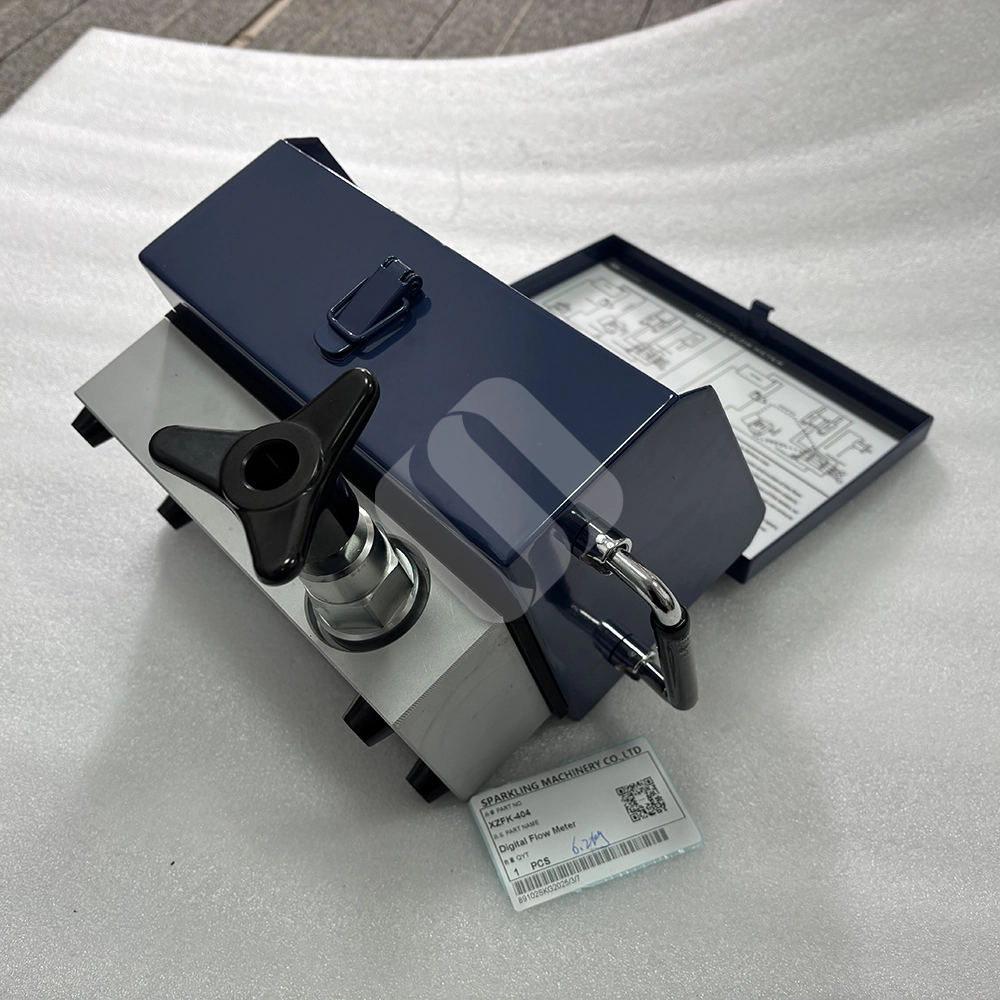
Excavator Spare Parts 9V battery XZFK-404 DIGITAL FLOW METER
SPARKLING MACHINERY NEW XZFK-404 Digital Flow Meter is a premium China-made fluid monitoring component designed for compatible construction machinery, hydraulic systems, and industrial fluid circuits—including those in excavators, loaders, and hydraulic power units. As the "fluid measurement guardian" of machinery systems, it accurately detects and displays real-time flow rates of hydraulic oil, coolant, or other industrial fluids, with a measurement range tailored to heavy-duty equipment needs. This enables operators and maintenance teams to monitor fluid circulation efficiency, identify abnormal flow (e.g., leaks, blockages), and optimize system performance—critical for preventing hydraulic component damage, reducing energy waste, and ensuring stable operation in construction, mining, and industrial scenarios.
Engineered to original equipment standards, it maintains high measurement accuracy even under harsh working conditions: high hydraulic pressure (up to 35 MPa), temperature fluctuations (-20°C to 80°C), vibration, and exposure to dust or hydraulic fluid contaminants. With a clear digital display (for easy readability) and a robust, corrosion-resistant housing, it resists environmental wear and ensures long-term reliability. Backed by strict quality verification, it guarantees precise fluid data to support proactive maintenance and minimize downtime caused by fluid system failures.
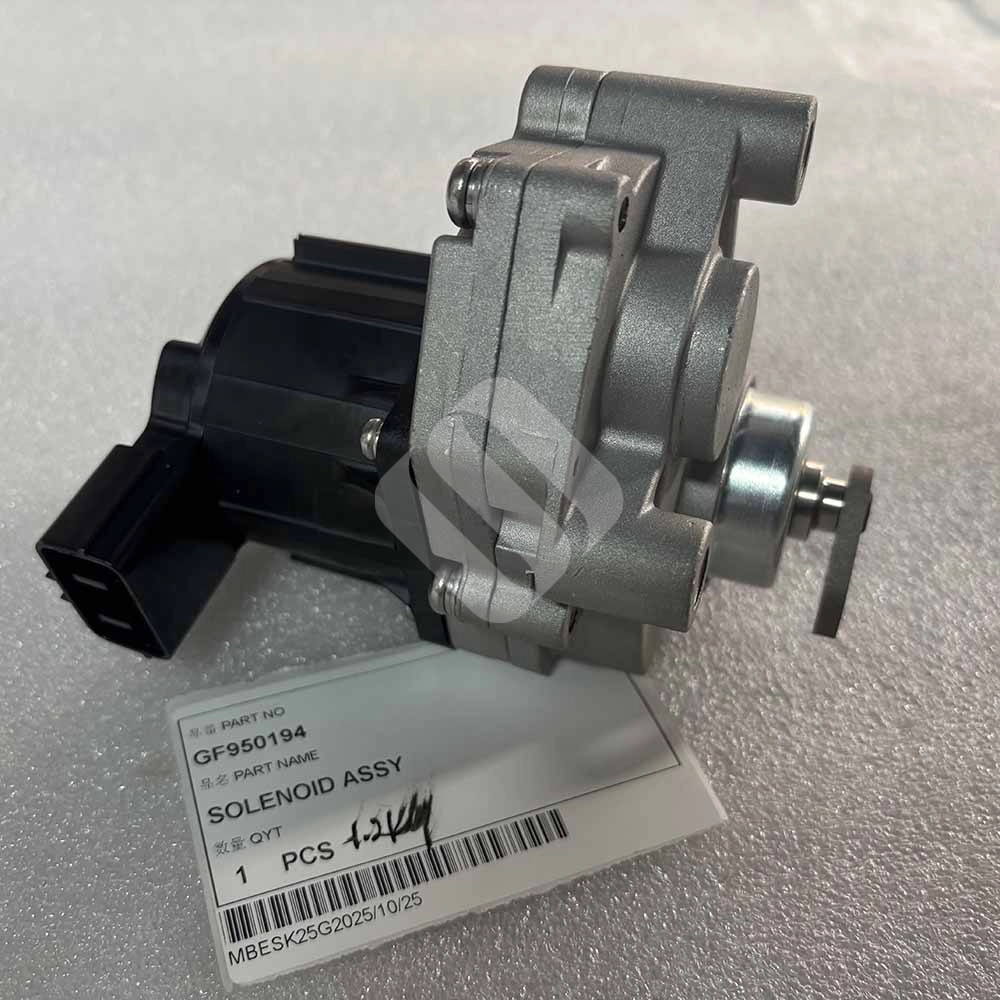
CATERPILLAR HIGH-QUALITY EXCAVATOR PARTS MADE IN CHINA NEW GF950194 SOLENOID ASSY SPARKLING MACHINERY
SPARKLING MACHINERY NEW GF950194 Solenoid Assy is a core electromagnetic control component for Caterpillar excavators (heavy-duty construction/mining use). It converts electrical signals into mechanical motion to control fluid flow or mechanical switches, ensuring precise system operation.
Meeting Caterpillar OEM standards (GF950194), it resists -30°C to 100°C temps, electromagnetic interference, and wear, ensuring seamless compatibility and long-term reliable control performance.
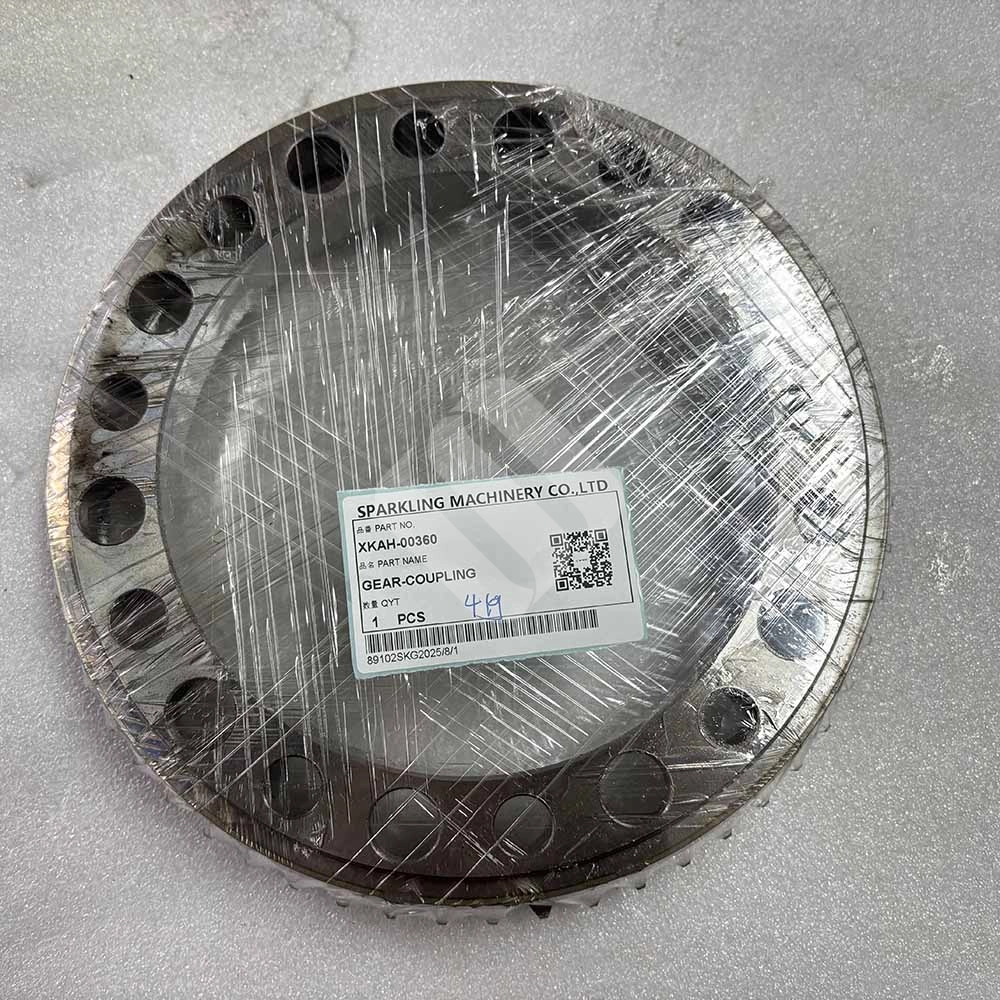
Hyundai HIGH-QUALITY EXCAVATOR PARTS MADE IN CHINA NEW R140LC-7 R140LC-7A R160LC7 XKAH-00360 GEAR-COUPLING SPARKLING MACHINERY
SPARKLING MACHINERY NEW R140LC-7 R140LC-7A R160LC7 XKAH-00360 Gear-Coupling is a core power transmission component for 3 Hyundai excavator models (construction/mining use). It connects and transmits torque between mechanical shafts, absorbing vibration and compensating for alignment deviations.
Meeting Hyundai OEM standards (XKAH-00360), it resists -30°C to 100°C temps, wear, and impact, guaranteeing seamless compatibility and long-term reliable transmission performance.

Contact us
Email: ranroswang@hksparkling.com
Wechat: +86 136 0901 0879
Skype: foreverlucia1
WhatsApp: +86 136 0901 0879
Address: No. 514-515, Hulin Road, Tianhe District, Guangzhou, China.
Sparkling Machinery Co.,Ltd
sparkling_machinery
Whatsapp: +8613609010879