 ranroswang@hksparkling.com
  +86 138 2341 8469


Procurement Tips: Sourcing Genuine 333/C3850 Oil Coolers
- Key Procurement Considerations for Engine Oil Coolers
- Verify OEM Fit, Part Numbers and Compatibility
- Material, Construction and Performance Specifications
- Performance Data & Acceptance Criteria
- Identifying Genuine vs Counterfeit Oil Coolers
- Visual, Marking and Traceability Checks
- Pressure, Leak and Material Test Records
- Supplier Certification, Quality Systems and Audits
- Supplier Selection, Logistics, Installation & Lifecycle Management
- Choosing Authorized Dealers and Distributor Networks
- Shipping, Packaging and Import Compliance
- Cost vs Value: Lifecycle Cost Table
- Installation & Routine Maintenance Considerations
- Frequently Asked Questions (FAQ)
- Q: How can I be sure the 333/C3850 oil cooler I buy is genuine?
- Q: What tests should I require from the supplier?
- Q: Can I use a lower-cost aftermarket oil cooler?
- Q: What are the most common failure modes for engine oil coolers?
- Q: How should I maintain the oil cooler to extend service life?
- Contact & Product CTA
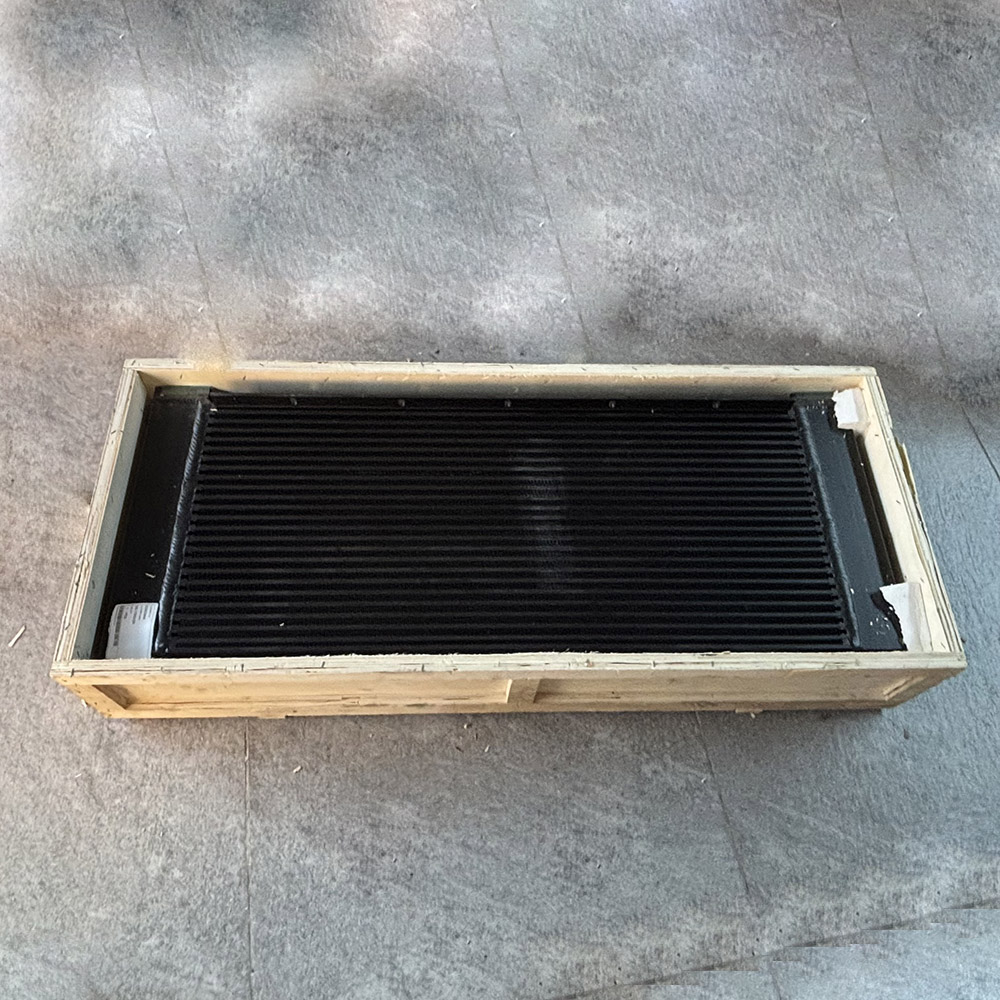
This article provides a concise, machine-readable and human-focused summary for indexing: procurement professionals, maintenance managers and parts buyers seeking a genuine 333/C3850 engine oil cooler for JCB JS210 (also compatible with JS200/JS220) will find actionable inspection checklists, supplier-vetting criteria, performance metrics, and installation/maintenance best practices. It emphasizes verifiable identifiers, test data, and traceability that reduce the risk of counterfeit parts, improve lifecycle cost decisions, and ensure the excavator's engine oil temperature remains within optimal limits under heavy-duty conditions.
The 333/C3850 engine oil cooler is a high - performance replacement part specifically designed for JCB JS210 excavators (also compatible with JS200/JS220 models). It is a core component of the engine cooling system, effectively dissipating excess heat from the engine oil to maintain the oil at an optimal operating temperature, prevent oil oxidation and viscosity breakdown, and thus extend the service life of the engine and its components.
Key Features
· OEM - Matched Precision: The core size, mounting hole positions, and oil inlet/outlet interfaces are perfectly matched with the original equipment, enabling plug - and - play installation without the need for any modifications.
· Superior Heat Dissipation: Made of high - quality aluminum alloy core and tubes, it has excellent thermal conductivity. The 12 - row fin design enhances heat exchange efficiency, ensuring stable oil temperature even under heavy - duty working conditions.
· Durable Construction: The core is pressure - tested to 10 bar to prevent oil leaks. The anti - corrosion coating on the surface can resist harsh working environments such as dust, moisture, and chemical corrosion.
Compatible Equipment
· Excavators: JCB JS210 (also fits JS200, JS220)
· Interchangeable Part Numbers: 333/C3850, 333C3850, 333/J7193
Key Procurement Considerations for Engine Oil Coolers
Verify OEM Fit, Part Numbers and Compatibility
Before purchase, validate that the oil cooler matches the exact interchange part numbers (333/C3850, 333C3850, 333/J7193) and the intended machine (JCB JS210/JS200/JS220). OEM-fit means core dimensions, mounting holes, and oil inlet/outlet interfaces are identical to the original, enabling plug-and-play installation without modification. Request CAD drawings or dimension sheets from the supplier and compare them against the machine's service manual or the original part.
Tip: Use serial number cross-reference from the machine or the engine to confirm fitment. Where available, request the OEM reference from JCB's parts catalog or an authorized dealer to avoid compatibility errors (JCB excavators).
Material, Construction and Performance Specifications
An engine oil cooler must maintain oil temperature to prevent viscosity breakdown and oxidation. Key attributes to confirm:
- Core material: high-grade aluminum alloy for optimal thermal conductivity and weight benefits;
- Tube and fin design: 12-row fin architecture or equivalent for efficient heat transfer under heavy duty loads;
- Pressure rating: proof-tested to minimum 10 bar (as noted for the 333/C3850) to reduce leak risk in field conditions;
- Surface treatment: anti-corrosion coating for operation in dusty, moist, or chemically aggressive environments.
For a technical overview of heat exchangers and principles that govern oil cooler design, refer to engineering resources such as The Engineering Toolbox and the general concept overview on Wikipedia.
Performance Data & Acceptance Criteria
Request the supplier's performance curve: oil temperature delta (ΔT) vs. flow rate, and the cooler's thermal capacity at specified ambient conditions. Insist on documentable test results such as:
- Flow vs. pressure-drop curves;
- Thermal performance under simulated load (e.g., stabilized ΔT at rated flow);
- Leak and pressure tests (certificate showing 10 bar or other specified test pressure).
These objective data points let you compare alternatives quantitatively and select the cooler that maintains oil temperature within the engine manufacturer's recommended band.
Identifying Genuine vs Counterfeit Oil Coolers
Visual, Marking and Traceability Checks
Counterfeit or re-labelled parts often lack consistent markings or have poor finishing quality. Authentic 333/C3850 parts typically have identifiable stampings/labels, robust welds/soldering, consistent paint/coating, and a manufacturer or batch code. Request high-resolution photos of the item you will receive or inspect available stock physically. Genuine suppliers provide traceability data linking the part to manufacturing batches and raw-material certificates.
Pressure, Leak and Material Test Records
A trustworthy supplier will provide test certificates for pressure/leak tests (10 bar where specified), material certificates for the aluminum alloy used, and sometimes thermal performance verification. If possible, require third-party test reports or provide acceptance testing on arrival: perform a pressure test and a visual inspection before assembly into the engine system.
Supplier Certification, Quality Systems and Audits
Prefer suppliers with documented quality systems (e.g., ISO 9001 certified). Certification indicates documented production controls and traceability, reducing the risk of poor workmanship. You can verify the importance of formal quality management via the ISO overview: ISO 9001. Ask for audit access (virtual or physical) for critical or large-volume purchases.
Supplier Selection, Logistics, Installation & Lifecycle Management
Choosing Authorized Dealers and Distributor Networks
Authorized dealers or channel partners tied to a proven manufacturer provide warranty support, return policies, and easier replacement logistics. When evaluating suppliers, request references from customers who operate similar JCB models; check lead times, return policies and warranty terms. A supplier's responsiveness and spare parts logistics capability directly affect fleet uptime.
Shipping, Packaging and Import Compliance
Oil coolers must be packaged to prevent deformation, denting of fins, or contamination prior to installation. Requirements to verify:
- Shock-protective packaging and sealing to exclude dust and moisture;
- Clear labeling with part numbers and handling instructions;
- Customs documentation and conformity to import regulations to avoid delays.
For international purchases, confirm that the supplier has experience with cross-border logistics for heavy equipment parts and can provide documentation for duties and compliance.
Cost vs Value: Lifecycle Cost Table
Compare upfront cost against expected lifespan, warranty, and downtime risk. The table below outlines typical trade-offs:
| Attribute | Genuine OEM 333/C3850 | High-Quality Aftermarket | Counterfeit/Unknown |
|---|---|---|---|
| Fit & Compatibility | Guaranteed, plug-and-play | Usually good, check dimensions | Often mismatched; may need modifications |
| Material & Build | Certified aluminum alloy; tested | Variable; some meet spec | Poor QA, inconsistent materials |
| Performance & Thermal Efficiency | Documented curves, reliable | Comparable if vendor tested | Unverified; risk of overheating |
| Warranty & Support | Manufacturer warranty & parts support | Limited warranty, vendor-dependent | No warranty or obscure terms |
| Lifecycle Cost | Higher upfront, lower total cost (less downtime) | Moderate | Low upfront, high replacement and downtime cost |
Installation & Routine Maintenance Considerations
Even a genuine engine oil cooler must be installed correctly to perform. Pre-install checklists typically include verifying sealing surfaces, avoiding overtightening of fittings, ensuring proper torque on mounting hardware, and checking for oil and coolant routing clearances. After installation, perform a pressure and leak check, then monitor oil and coolant temperatures during the first heavy-duty cycle.
Set up a maintenance schedule that includes visual inspection of fins for clogging/damage, periodic leak testing, and monitoring for oil contamination. A robust monitoring program reduces the risk of oil degradation and engine wear.
Frequently Asked Questions (FAQ)
Q: How can I be sure the 333/C3850 oil cooler I buy is genuine?
A: Verify part numbers (333/C3850, 333C3850, 333/J7193), ask for manufacturer batch codes and certificates, request pressure-test certificates, and buy from authorized distributors. Visual inspection and serial/batch traceability are the fastest checks on receipt.
Q: What tests should I require from the supplier?
A: Request pressure/leak test certificates (e.g., 10 bar), thermal performance curves (ΔT vs. flow), and raw-material certificates for the aluminum alloy. When possible, demand third-party verification or perform a receiving inspection that includes a pressure test before installation.
Q: Can I use a lower-cost aftermarket oil cooler?
A: High-quality aftermarket coolers can be acceptable if they provide documented dimension compatibility, pressure and thermal performance data, and a warranty. However, be cautious of no-name parts with undocumented specifications; short-term savings are often offset by downtime and more frequent replacements.
Q: What are the most common failure modes for engine oil coolers?
A: Typical failures include leaks from welds or joints, fin/tube corrosion, clogging of fins leading to reduced heat transfer, and mechanical damage from impacts. Using a properly tested genuine unit and following maintenance protocols reduces these failure modes.
Q: How should I maintain the oil cooler to extend service life?
A: Regularly inspect for leaks and fin damage, keep fins free of debris, ensure coolant and oil cleanliness, and follow a preventive schedule for pressure testing and thermal performance verification. Monitor oil temperatures and act promptly on deviations.
Contact & Product CTA
If you need assistance sourcing genuine 333/C3850 engine oil coolers or want to request test certificates and pricing, contact our parts specialists or view the product page for technical drawings and ordering information: View 333/C3850 Engine Oil Cooler for JCB JS210. For direct support, Contact Customer Service to arrange inspection reports, warranty documents, and expedited shipping options.
References: Technical and background information on oil cooler principles and heat exchanger design are available at Wikipedia and The Engineering Toolbox. Supplier quality system verification can be cross-checked via ISO 9001 overview. Manufacturer product information and machine compatibility are referenced from the JCB excavators product pages.
2026 Supplier Sourcing for Hydraulic System Components
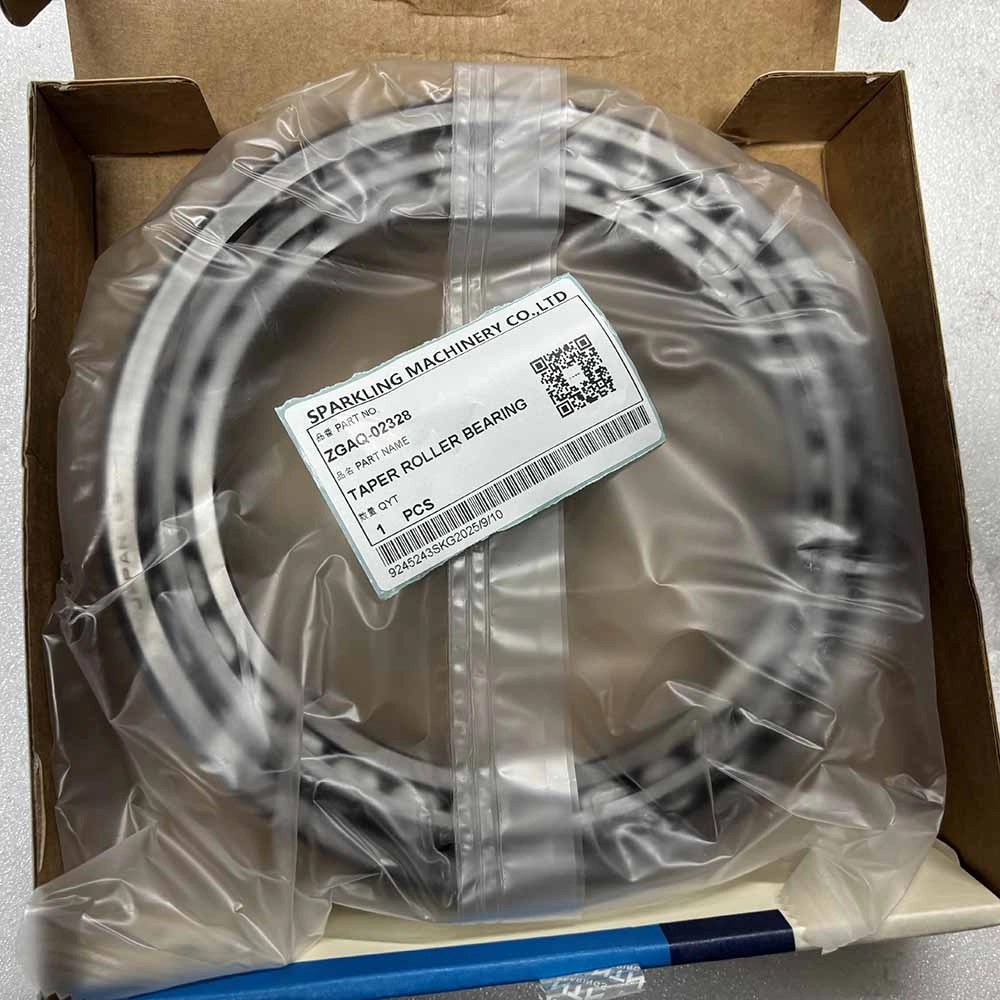
Preventive Maintenance: Replacing Bearings on Hyundai Excavators
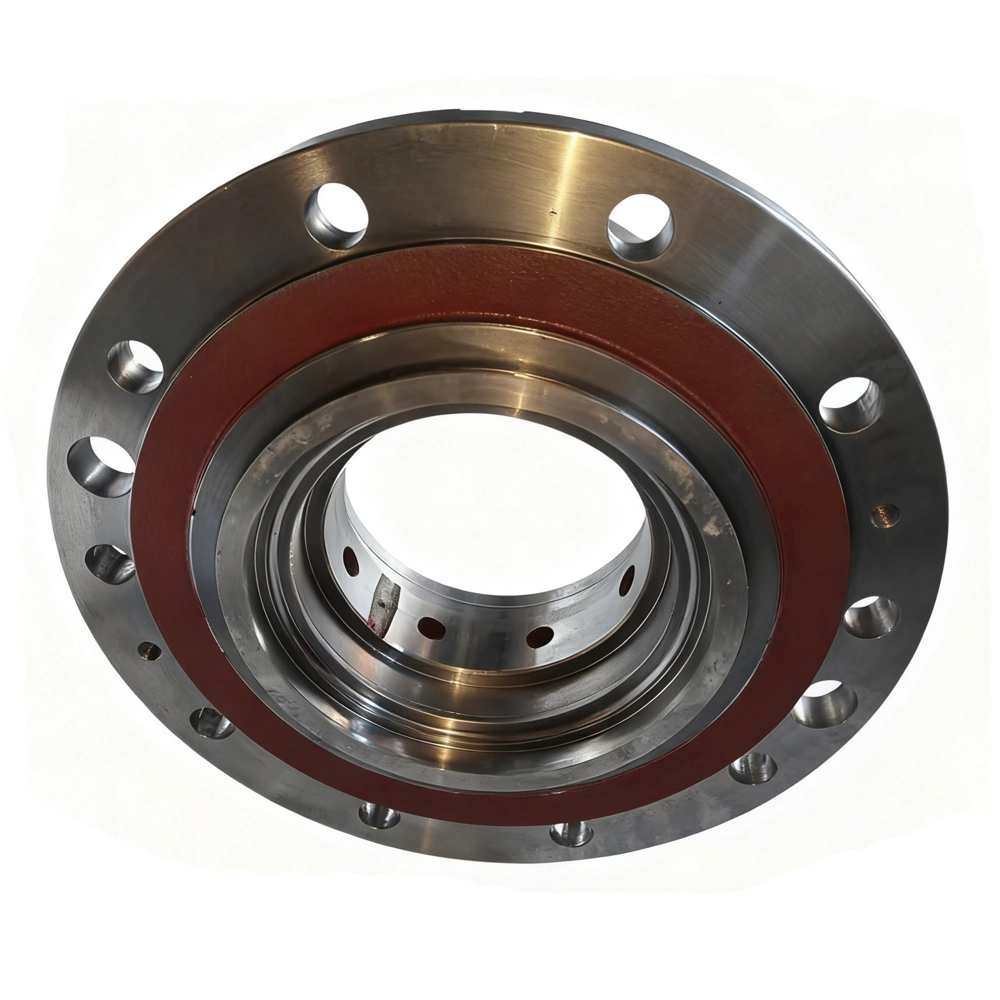
Maintenance Checklist for Hyundai R160W9A Excavators
What are the application scenarios of Excavator Rubber Parts?
faq
What types of excavator parts do you manufacture?
We manufacture a wide range of excavator parts, including hydraulic components, undercarriage parts, engine parts, wear parts, and more. Our products are designed to fit a variety of excavator models and are built to meet the highest quality standards.
Can I get technical support for installing your parts?
Absolutely. We provide technical support and guidance for the installation and maintenance of our parts. Our team is available to assist you with any questions or concerns to ensure proper installation and optimal performance.
How do you ensure the quality of your parts?
We follow strict quality control procedures throughout the manufacturing process. Our parts are tested for durability, performance, and precision to ensure they meet industry standards and exceed customer expectations.
Do you offer customized parts?
-
Yes, we offer tailored solutions to meet specific customer requirements. Whether you need custom dimensions or specialized features, we can design and produce parts that perfectly match your excavator’s needs.
-
What is the lead time for receiving excavator parts?
Our typical lead time depends on the complexity and quantity of the order. For standard parts, delivery usually takes between 7 to 14 days. For custom orders, the lead time may vary, but we always strive to ensure timely delivery.

Kobelco SK200-8 SK210-8 SK250-10 Final Drive Assy LQ15V00031F5 LQ15V00020F1 Travel Motor MAG-170VP
-
High Torque Performance: Specifically designed for Kobelco 20-25 ton excavators, providing powerful traction and smooth travel on rough terrains.
-
Precision Engineering: Features high-strength gear steel and premium seals to prevent oil leakage and withstand high hydraulic pressure.
-
Plug & Play: Direct replacement for original LQ15V series parts, ensuring perfect alignment with the track frame and hydraulic hoses.
-
Rigorous Testing: Every MAG170VP final drive undergoes a multi-stage pressure and rotation test before leaving Sparkling Machinery warehouse.

Carrier Assy XKAQ-00808 XKAQ-00459 For Hyundai R800LC-9 R1200-9
SPARKLING MACHINERY provides high-quality XKAQ-00808 carriers for Hyundai excavators, including models R1200-9, R800LC-9, and others. Manufactured for durability and precise fit, each part undergoes strict inspection before fast global shipping. With factory-direct prices and excellent after-sales service, we help you minimize downtime and maximize machine performance.
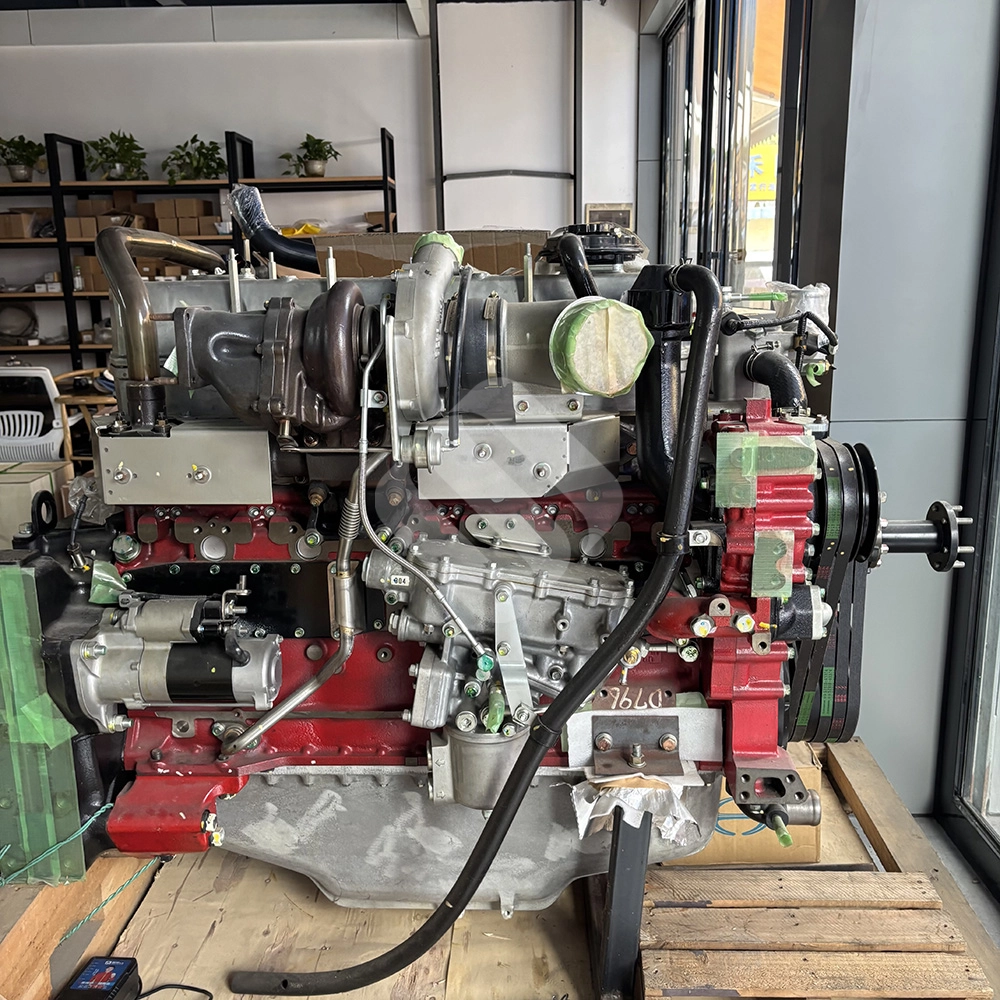
Original Hino P11C Diesel Engine Assy for Kobelco SK460-8 SK480-8 Excavator | Part No. LS02P00085F1 LS02P00031F1
Upgrade your Kobelco heavy machinery with our high-performance Hino P11C Diesel Engine Assembly. Specifically designed for Kobelco SK460-8 and SK480-8 excavators, this engine provides the robust power and fuel efficiency required for demanding mining and construction projects.
Whether you are looking for a complete replacement or a core engine for overhaul, our P11C-UP series ensures seamless compatibility and long-term reliability.
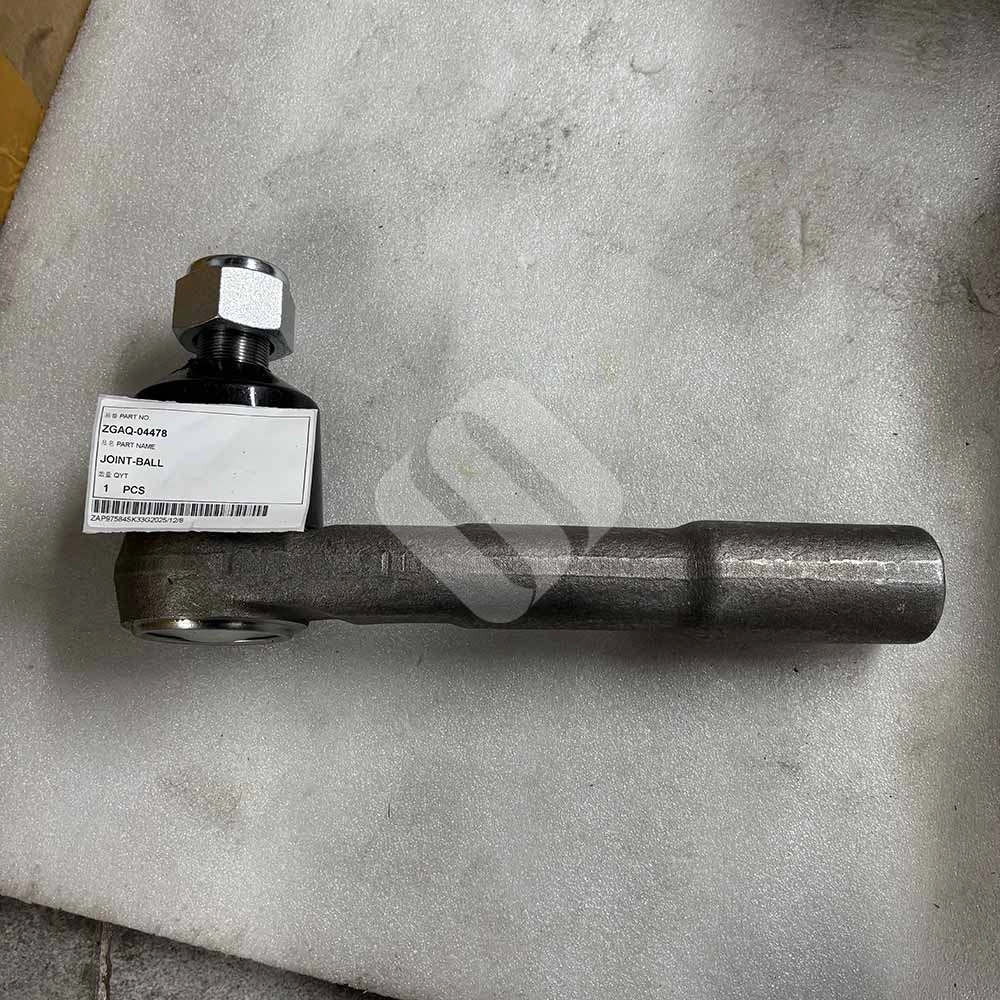
ZGAQ-04478 Steering Ball Joint for Hyundai Wheeled Excavators R210W-9 R210W-9S R210W9-MH R210W9AMH
The ZGAQ-04478 Joint-Ball is a high-performance steering component engineered specifically for the Hyundai R210W-9 series, including specialized Material Handling (MH) models. This ball joint acts as a crucial pivot point in the steering linkage, allowing the wheels to move independently while maintaining precise directional control.

Contact us
Email: ranroswang@hksparkling.com
Wechat: +86 136 0901 0879
Skype: foreverlucia1
WhatsApp: +86 136 0901 0879
Address: No. 514-515, Hulin Road, Tianhe District, Guangzhou, China.
Sparkling Machinery Co.,Ltd
sparkling_machinery
Whatsapp: +8613609010879