 ranroswang@hksparkling.com
  +86 138 2341 8469


Why Upgrade to 333/C3850 Engine Oil Cooler for JCB JS210
- Understanding Why Your Engine Oil Cooler Matters
- Role of the oil cooler in engine health
- Common failure modes and operational symptoms
- Industry guidance and standards
- What the 333/C3850 Offers for JCB JS210 Operators
- OEM-matched fit and plug-and-play installation
- Superior heat dissipation and materials
- Durability and pressure testing
- Performance, Comparison, and Operational Benefits
- Quantifying the improvement
- Side-by-side comparison
- Operational cost and lifecycle impact
- Installation, Maintenance, and Validation
- Installation tips for a reliable swap
- Routine maintenance practices
- Performance validation and monitoring
- Compatibility, Sourcing, and Purchasing Considerations
- Fitment and part number interchangeability
- Selecting the right supplier and warranty
- When to replace: proactive vs reactive strategies
- Frequently Asked Questions (FAQ)
- Q: Will the 333/C3850 fit my JCB JS210 without modification?
- Q: How does a better oil cooler improve engine life?
- Q: What maintenance does the cooler require?
- Q: Are there any field performance references or studies?
- Q: What are the interchangeable part numbers I should reference?
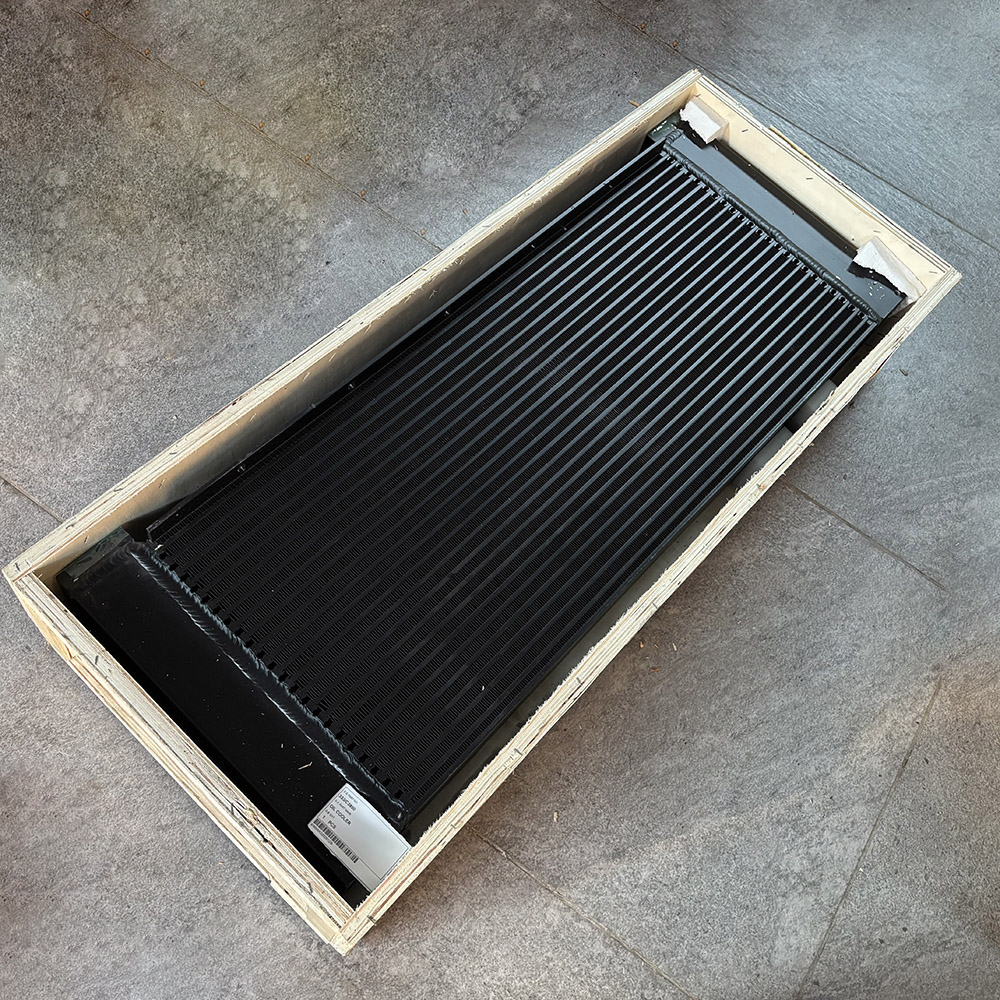
The 333/C3850 engine oil cooler is a high-performance replacement part purpose-built for JCB JS210 excavators (also compatible with JS200 and JS220). As a critical element of the engine cooling system, a properly specified oil cooler controls oil temperature, prevents thermal breakdown, and protects internal components from accelerated wear. Upgrading to a high-efficiency cooler like the 333/C3850 can reduce engine downtime, improve fuel efficiency under variable loads, and deliver measurable lifecycle cost savings for fleets operating in harsh environments.
Understanding Why Your Engine Oil Cooler Matters
Role of the oil cooler in engine health
An engine oil cooler regulates oil temperature by transferring heat from hot engine oil to the ambient air or coolant, depending on design. Maintaining oil within an optimal temperature window prevents oil oxidation, preserves viscosity, and ensures reliable lubrication. Without effective heat dissipation, oil can thin, lose film strength, and accelerate wear of bearings, piston skirts, and hydraulic components inside the engine and powertrain.
Common failure modes and operational symptoms
Symptoms of a degraded or undersized engine oil cooler include sustained high oil temperature readings, frequent oil top-ups (due to burn-off or leaks), decreased fuel efficiency, increased blow-by, and, ly, premature engine component failure. Contamination, corrosion, tube collapse, and clogged fins are common failure mechanisms in excavatorduty environments where dust, moisture, and debris are prevalent.
Industry guidance and standards
Design and testing of cooling and filtration equipment are informed by engineering standards and best practices. For general standards and quality management frameworks that underpin manufacturing and testing processes, refer to ISO resources such as ISO. For technical literature on oil and thermal management in engines, resources such as SAE International provide research and technical papers relevant to heavy equipment cooling systems (SAE International). For a technical overview of oil coolers, see the general reference on oil cooling technology on Wikipedia.
What the 333/C3850 Offers for JCB JS210 Operators
OEM-matched fit and plug-and-play installation
The 333/C3850 engine oil cooler is manufactured to match the original equipment core size, mounting hole positions, and oil inlet/outlet interfaces. That precise dimensional match enables plug-and-play replacement without modification, reducing downtime and installation risk. For operators, this means a direct swap that maintains sealing integrity and alignment with the existing engine harness and mounting brackets.
Superior heat dissipation and materials
Constructed from high-quality aluminum alloy cores and tubes, the 333/C3850 leverages excellent thermal conductivity and a 12-row fin design to improve heat exchange area. The increased fin density and optimized flow passages reduce oil exit temperature under heavy-duty loading, maintain stable viscosity, and minimize thermal stress on engine oil. Better heat dissipation also allows hydraulic and turbocharged engines to operate closer to their ideal temperature window across a broader range of ambient conditions.
Durability and pressure testing
To resist field conditions, the core is pressure-tested to 10 bar to ensure leak resistance. An anti-corrosion surface coating protects against dust, moisture, and chemical exposure common on construction sites. These construction choices reduce the frequency of oil cooler-related maintenance and provide greater longevity compared with aged or generic replacements.
Performance, Comparison, and Operational Benefits
Quantifying the improvement
Upgrading to a high-performance oil cooler can achieve measurable improvements in operating metrics: lower average oil temperature under equivalent duty cycles, reduced oil oxidation rates, and extended oil change intervals. While specific delta values depend on duty cycle and ambient conditions, field tests and thermal modeling typically show a 5–15% reduction in peak oil temperature for comparably sized, higher-efficiency coolers. Reduced thermal stress translates to longer oil life and reduced deposit formation.
Side-by-side comparison
Below is a practical comparison between a typical aged/original JS210 oil cooler and the 333/C3850 replacement:
| Attribute | Typical Original/Aged Cooler | 333/C3850 Engine Oil Cooler |
|---|---|---|
| Core Material | Aluminum (variable grade, potential corrosion) | High-quality aluminum alloy |
| Fin Rows | 6–10 rows (possible clogging) | 12-row fin design for enhanced heat exchange |
| Pressure Test | Often not specified or lower test pressure | Pressure-tested to 10 bar |
| Fitment | OEM initially, may loosen with wear | OEM-matched precision, plug-and-play |
| Corrosion Protection | Variable | Anti-corrosion surface coating |
| Expected Benefit | Baseline performance; may degrade | Lower oil temperatures, longer oil life, reduced maintenance |
Operational cost and lifecycle impact
Lowering average oil temperature reduces oxidation and sludge formation, which extends oil change intervals and protects bearings and piston rings. Over a fleet lifecycle, this can translate into tangible savings in oil consumption, filter changes, and unplanned engine repairs. For contractors and rental companies, reduced downtime is a major contributor to improved total cost of ownership (TCO).
Installation, Maintenance, and Validation
Installation tips for a reliable swap
Because the 333/C3850 is OEM-matched, installation is typically straightforward: drain oil to service level, remove mounting hardware and oil lines, install the replacement cooler ensuring proper gasket/seal seating, torque fasteners to JCB manufacturer specifications, and refill oil to the correct level. Always check the oil and coolant (if applicable) for contamination during replacement. If you need the official JCB specifications or recommended procedures, refer to JCB technical documentation or your local JCB dealer; JCB product information is available at JCB.
Routine maintenance practices
Inspect fins and core for debris buildup and bent fins after heavy-duty use. Clean the external fins with low-pressure air or water flush (avoid high-pressure jets that could damage fins). Regularly inspect inlet/outlet hoses and clamps for leaks, and verify the pressure integrity of the cooler during scheduled maintenance intervals. A pressure test at service intervals can detect early leaks before catastrophic failure.
Performance validation and monitoring
After installation, monitor oil temperature under representative loads and compare against historical baselines. Modern telematics or engine monitoring systems make it straightforward to capture oil temperature trends and trigger alerts on sustained high temperatures. Track oil condition via viscosity and acid number checks (where available) to validate extended oil life claims.
Compatibility, Sourcing, and Purchasing Considerations
Fitment and part number interchangeability
The 333/C3850 oil cooler is compatible with JCB JS210 and also fits JS200 and JS220 models. Interchangeable part numbers include 333/C3850, 333C3850, and 333/J7193. Confirm cross-reference numbers with your parts supplier or OEM documentation before purchase to ensure fitment for specific serial ranges.
Selecting the right supplier and warranty
Choose reputable suppliers who provide traceability, warranty coverage, and documentation for materials and pressure testing. A quality supplier will supply torque specs, installation guides, and warranty terms. For manufacturing quality assurance, organizations and industry standards such as ISO help ensure consistent production practices; refer to ISO for quality management references. If technical documentation or certification is required, request it from the supplier prior to purchase.
When to replace: proactive vs reactive strategies
Reactive replacement occurs after failure or leak detection. A proactive strategy uses inspection intervals, oil temperature trends, and preventive maintenance to replace the cooler before it causes downtime. For fleet managers, proactive replacement aligned with major service intervals reduces the risk of in-field failures and can be scheduled during planned downtime to minimize impact on operations.
Frequently Asked Questions (FAQ)
Q: Will the 333/C3850 fit my JCB JS210 without modification?
A: Yes. The 333/C3850 is manufactured to OEM-matched dimensions, mounting hole positions, and oil inlet/outlet interfaces for JCB JS210 (also compatible with JS200 and JS220), enabling a plug-and-play swap in most cases.
Q: How does a better oil cooler improve engine life?
A: By maintaining oil within an optimal temperature range, the cooler reduces oxidation and viscosity breakdown, preserving lubrication film strength and preventing accelerated wear of bearings, pistons, and other engine components.
Q: What maintenance does the cooler require?
A: Routine visual inspection, fin cleaning, and checks for leaks or hose condition are typically sufficient. Pressure testing during scheduled maintenance can reveal leaks early. Follow your machine’s maintenance schedule and use monitoring of oil temperature as an early indicator of performance loss.
Q: Are there any field performance references or studies?
A: Technical papers and standards on thermal management and oil cooling practices are available through professional organizations such as SAE International. General background on oil cooling technology can be found on Wikipedia.
Q: What are the interchangeable part numbers I should reference?
A: Interchangeable numbers include 333/C3850, 333C3850, and 333/J7193. Always confirm cross-reference and serial applicability with your parts supplier or the OEM.
If you want to learn more or source the 333/C3850 Engine Oil Cooler for JCB JS210, contact our parts team for pricing, availability, and installation support. View the product or request a quote today — our specialists can verify fitment and help schedule a replacement to minimize downtime.
Contact us / View product: Reach our parts team via phone or email, or check the product listing on our site for full specifications, shipping options, and warranty details.
References: SAE International (https://www.sae.org), ISO (https://www.iso.org), Oil cooler overview (https://en.wikipedia.org/wiki/Oil_cooler), JCB official site (https://www.jcb.com).
The Role of Hydraulic Pumps in Excavator Efficiency

How to Reduce Downtime with Reliable Pressure Sensors for CP220-3
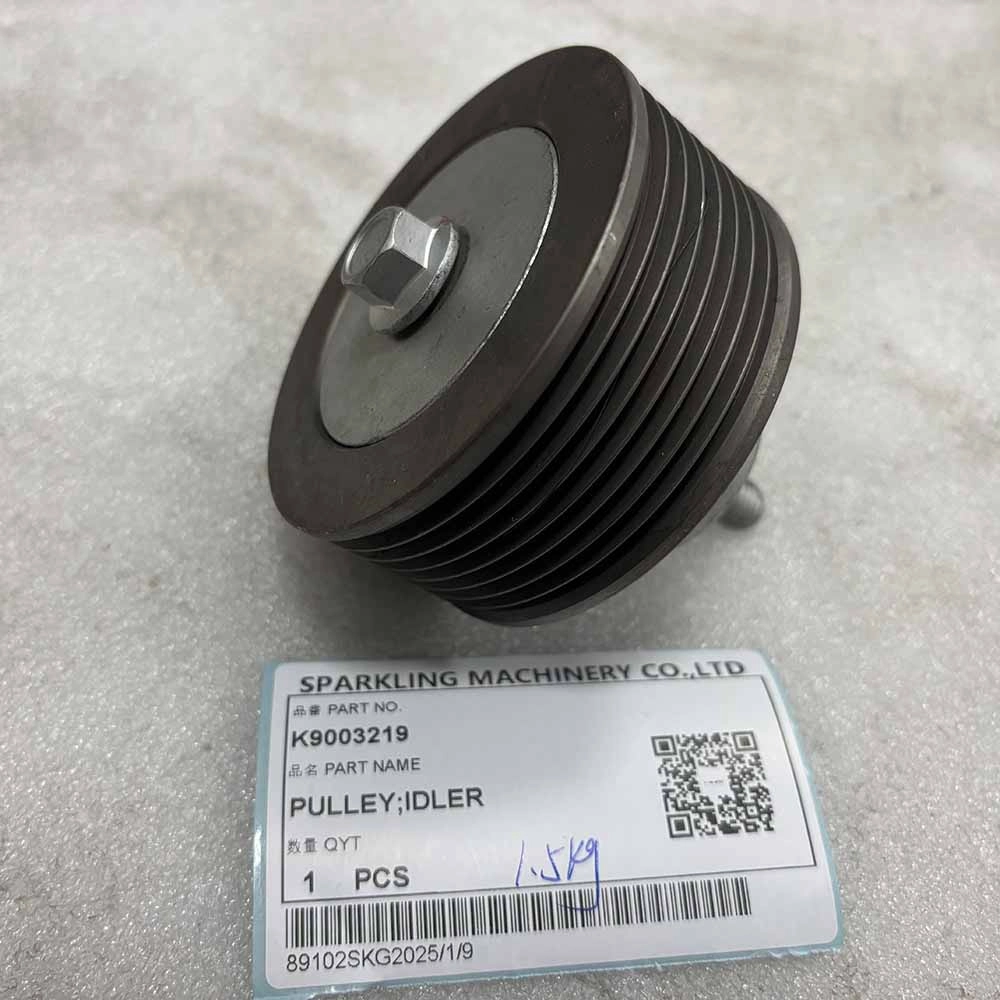
K9003219 Compatibility with Excavator Wheel Loader DL450 Models
2026 Cost Breakdown of Hydraulic System Components
faq
Can I get technical support for installing your parts?
Absolutely. We provide technical support and guidance for the installation and maintenance of our parts. Our team is available to assist you with any questions or concerns to ensure proper installation and optimal performance.
How do you ensure the quality of your parts?
We follow strict quality control procedures throughout the manufacturing process. Our parts are tested for durability, performance, and precision to ensure they meet industry standards and exceed customer expectations.
What is the lead time for receiving excavator parts?
Our typical lead time depends on the complexity and quantity of the order. For standard parts, delivery usually takes between 7 to 14 days. For custom orders, the lead time may vary, but we always strive to ensure timely delivery.
Are your products covered by a warranty?
-
Yes, all of our excavator parts come with a warranty to ensure quality and reliability. The warranty period may vary depending on the type of part. Please contact us for detailed warranty terms for specific products.
-
What types of excavator parts do you manufacture?
We manufacture a wide range of excavator parts, including hydraulic components, undercarriage parts, engine parts, wear parts, and more. Our products are designed to fit a variety of excavator models and are built to meet the highest quality standards.
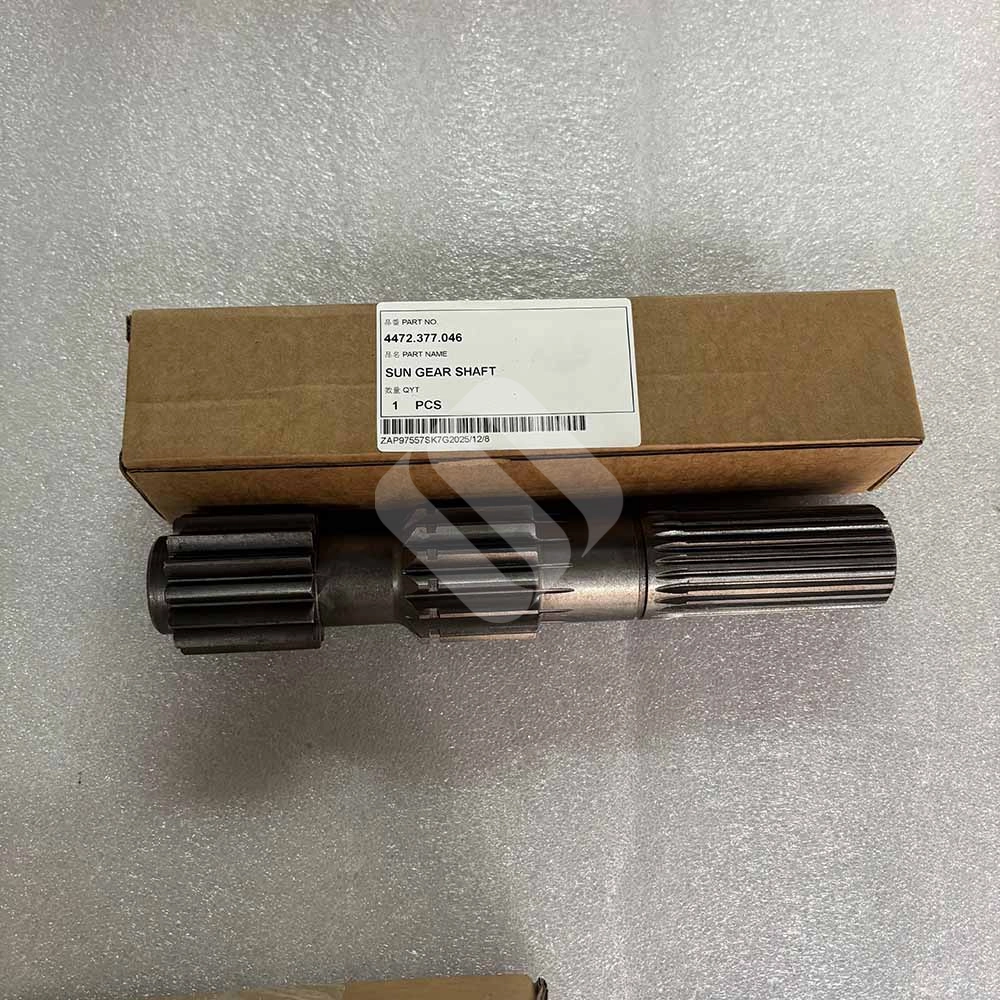
4472.377.046 Sun Gear Shaft for Hyundai R170W-7 Wheel Excavator Spare Parts
The 4472.377.046 Sun Gear Shaft is a critical component of the planetary reduction system in Hyundai R170W-7 wheel excavators. Manufactured with high-strength alloy steel and advanced heat treatment, it ensures smooth power transmission and long-lasting durability under heavy-duty conditions.
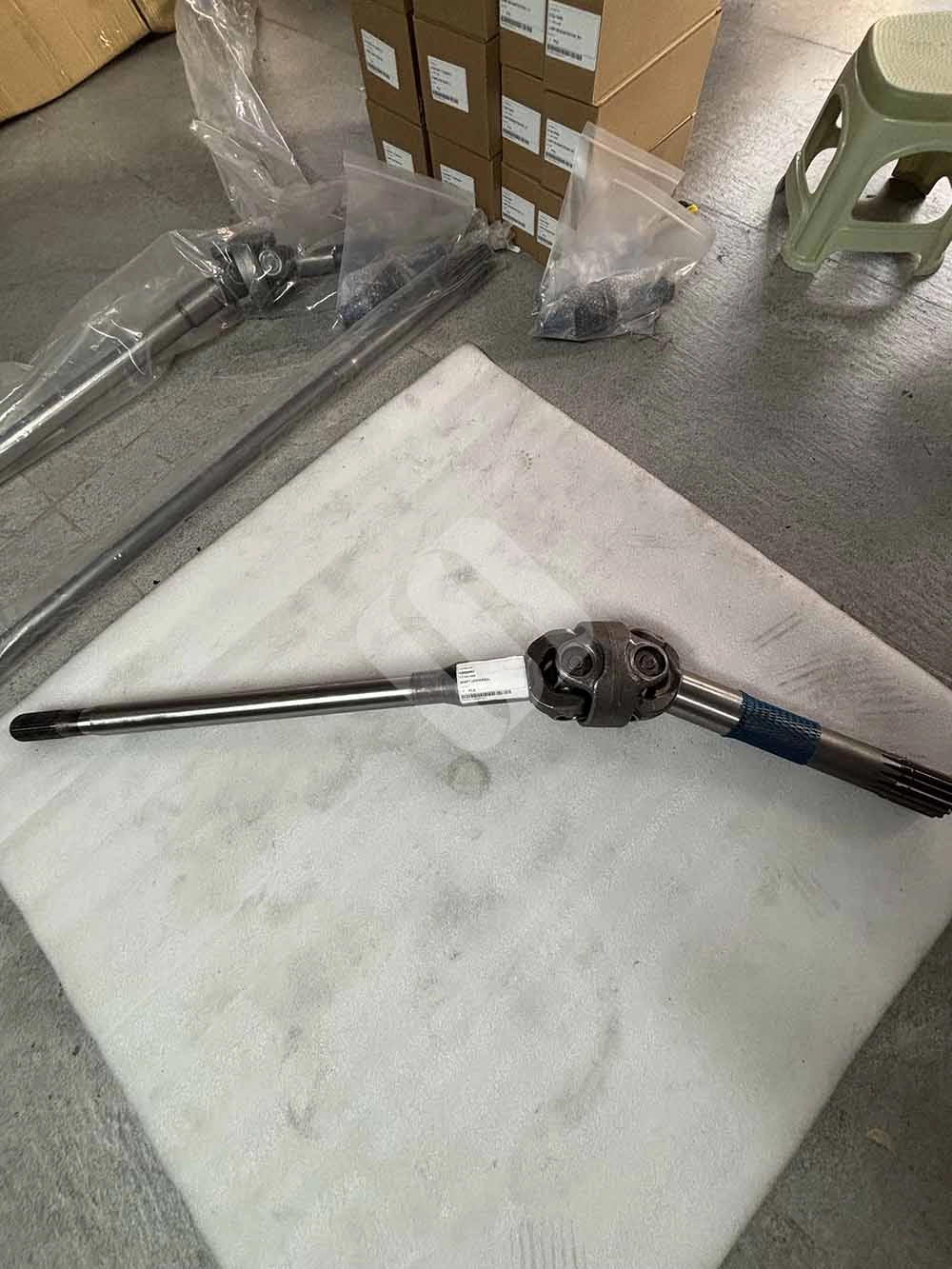
K9004063 Universal Drive Shaft for Doosan DX210W, DX210W-5 and Solar 210W-V Wheeled Excavators
The K9004063 Universal Shaft is engineered to withstand the high-torque demands of Doosan DX and Solar series wheeled excavators. It features high-quality universal joints (U-joints) and a balanced shaft body to ensure smooth power transmission and reduce vibration during travel, even on uneven construction sites.
Equipment Compatibility - Doosan heavy machinery models:
Wheel Excavators: DX210W, DX210W-5, DX210W-5B, and DX210WA(T-2).
Solar Series: Solar 210W-V.
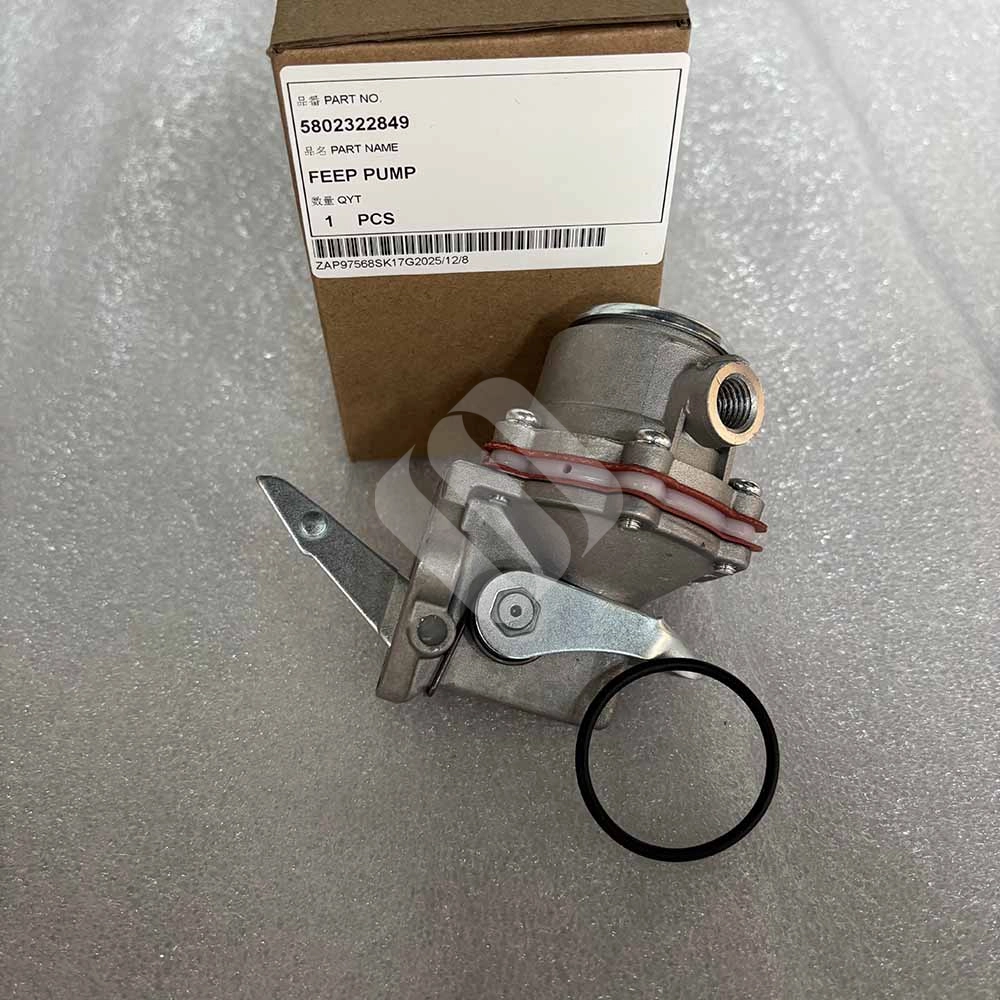
5802322849 Fuel Feed Pump for Case 570SV 575SV & New Holland B80C Backhoe Loaders
The 5802322849 Fuel Feed Pump (also known as a Lift Pump or Transfer Pump) is designed to ensure a steady and pressurized flow of diesel from the tank to the injection pump. Engineered specifically for the latest generation of Case SV series and New Holland B-series backhoe loaders, this pump prevents engine stalling and ensures peak combustion efficiency.
Equipment Compatibility:
Case IH: 570SV, 575SV, and 580SV backhoes, as well as 6810 and 7810 ag tractors.
New Holland: Used in B80C tractor loader backhoes and T3/T4/T5 series tractors.
OEM Crossover: This part replaces or is equivalent to Case IH/CNH numbers 5801833326, 84281011, and 504090936.
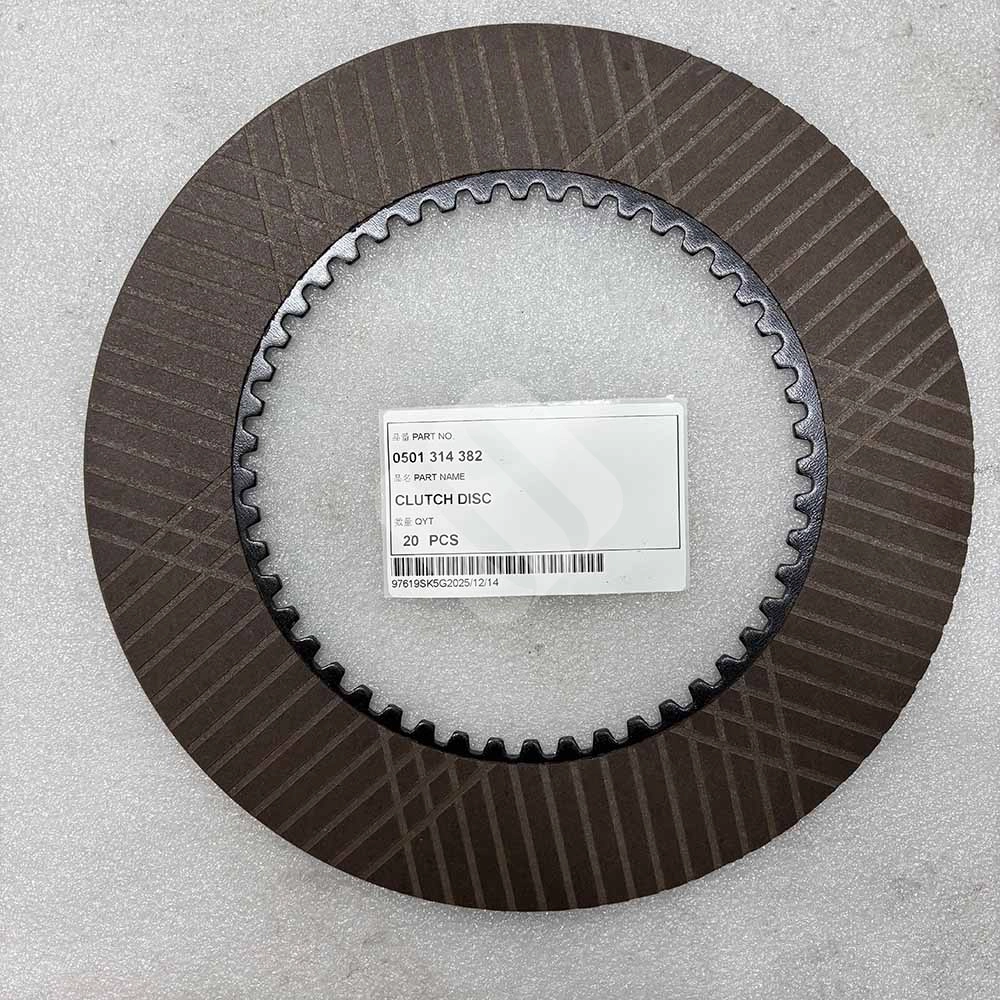
0501314382 Clutch Disc (48 Internal Teeth) for Doosan S210W, Hyundai ZGAQ-01299, John Deere L152006
The 0501314382 Clutch Disc is a high-performance friction component engineered for heavy-duty transmission and axle systems. Featuring a precision-machined 48-tooth internal spline, it is a direct replacement for OEM parts in Doosan, Hyundai, and John Deere wheeled equipment, ensuring smooth power transfer and reliable braking performance.
Compatible Equipment & Systems
Doosan/Daewoo: S210W and S200W-3/5.
Hyundai: ZGAQ-01299.
John Deere: L152006 and AT321450.
Volvo: 11988855.
ZF Systems: Fits models including 4 WG 210, 6 WG 261, AP-B 765, and MT-L 3065 II.

Contact us
Email: ranroswang@hksparkling.com
Wechat: +86 136 0901 0879
Skype: foreverlucia1
WhatsApp: +86 136 0901 0879
Address: No. 514-515, Hulin Road, Tianhe District, Guangzhou, China.
Sparkling Machinery Co.,Ltd
sparkling_machinery
Whatsapp: +8613609010879