 ranroswang@hksparkling.com
  +86 138 2341 8469


The B2B Buyer’s Guide to Undercarriage Parts for Excavators
- The B2B Buyer’s Guide to Undercarriage Parts for Excavators
- Introduction: Why Undercarriage Parts for Excavators Matter
- Understanding Key Components of Undercarriage Systems
- Materials and Manufacturing: What to Look For
- OEM vs Aftermarket: Balancing Cost and Risk
- Compatibility and Fitment: Avoiding Costly Mistakes
- Performance Testing and Quality Control
- Warranty and After-Sales Support
- Lead Times, Stocking Strategies, and Supply Chain Resilience
- Inspection and Acceptance Criteria at Delivery
- Total Cost of Ownership (TCO): Looking Beyond Unit Price
- Maintenance Best Practices to Maximize Part Life
- Choosing a Strategic Supplier: What Sets Top Suppliers Apart
- SPARKLING MACHINERY: A Trusted Partner for Excavator Undercarriage Parts
- Case Study: Reducing Fleet Downtime with Quality Undercarriage Parts
- Procurement Checklist for Undercarriage Parts for Excavators
- Customization and Special Orders: When to Specify Custom Parts
- Certifications and Compliance: Ensuring Safe and Legal Purchases
- Negotiating Contracts and Volume Discounts
- Logistics, Packaging, and Handling of Heavy Components
- Digital Tools: Inventory Management and Predictive Maintenance
- Sustainability and Recycling Options
- Conclusion: Building a Robust Undercarriage Parts Strategy
- Next Steps: How to Begin Sourcing Better Undercarriage Parts
- Frequently Asked Questions
The B2B Buyer’s Guide to Undercarriage Parts for Excavators
Introduction: Why Undercarriage Parts for Excavators Matter
Undercarriage parts for excavators directly influence machine uptime, safety, and operating cost. As a procurement manager or fleet owner, investing in the right undercarriage components—track chains, sprockets, rollers, idlers, and shoes—delivers predictable performance and reduces total cost of ownership (TCO). This guide helps B2B buyers make informed decisions about quality, compatibility, warranty, and supplier selection.
Understanding Key Components of Undercarriage Systems
Undercarriage parts for excavators include track chains, track shoes, sprockets, carrier rollers, track rollers, and idlers. Each component has a specific wear pattern and replacement cycle; buying compatible, high-quality parts prevents premature failures. Knowing each component's role makes procurement conversations with suppliers more strategic.
Materials and Manufacturing: What to Look For
High-performance undercarriage parts for excavators are typically made from heat-treated alloy steel with surface treatments such as carburizing or induction hardening to resist wear and impact. Ask suppliers for material certificates, hardness test results, and heat treatment processes to verify part durability and consistency.
OEM vs Aftermarket: Balancing Cost and Risk
When evaluating undercarriage parts for excavators, weigh OEM equivalence against aftermarket price advantages. OEM parts often guarantee fitment and compatibility, while quality aftermarket suppliers can offer cost savings and customization. For B2B buyers, consider lifecycle costs, not just purchase price—higher upfront quality often reduces downtime and change-out frequency.
Compatibility and Fitment: Avoiding Costly Mistakes
Exact-fit undercarriage parts for excavators prevent installation issues and accelerated wear. Confirm part numbers, serial ranges, and dimensional drawings with suppliers. For mixed fleets, standardize parts where possible to simplify inventory and speed repairs.
Performance Testing and Quality Control
Request supplier quality documentation for undercarriage parts for excavators, including ISO 9001 certification, dimensional inspection reports, metallurgical tests, and hardness mapping. Reliable suppliers use controlled production processes and non-destructive testing to ensure each batch meets specifications.
Warranty and After-Sales Support
Strong warranties and technical support are important when buying undercarriage parts for excavators. Ask about warranty terms, return policies, and whether the supplier provides installation guidance, field troubleshooting, and expedited replacement logistics to minimize downtime.
Lead Times, Stocking Strategies, and Supply Chain Resilience
For B2B buyers, managing lead times for undercarriage parts for excavators is essential. Maintain critical-stock policies for high-wear items and negotiate safety-stock agreements with suppliers. Diversify your supplier base and confirm backup manufacturing capacity to avoid production halts caused by supply disruptions.
Inspection and Acceptance Criteria at Delivery
Set clear inspection and acceptance criteria for undercarriage parts for excavators. On receipt, verify part numbers, dimensions, surface treatment, and hardness where applicable. Reconcile shipment documentation and report any discrepancies immediately to safeguard warranty coverage.
Total Cost of Ownership (TCO): Looking Beyond Unit Price
Calculate TCO for undercarriage parts for excavators by including purchase price, installation labor, downtime costs, expected service life, and disposal. Parts that provide longer wear life, easier serviceability, or lower maintenance needs often reduce TCO even with a higher initial price.
Maintenance Best Practices to Maximize Part Life
Implement preventive maintenance: keep proper track tension, remove debris, monitor wear on rollers and sprockets, rotate track shoes when appropriate, and maintain hydraulic systems to avoid abnormal undercarriage stress. These practices extend the life of undercarriage parts for excavators and protect your investment.
Choosing a Strategic Supplier: What Sets Top Suppliers Apart
Top suppliers of undercarriage parts for excavators combine product quality, customizable solutions, technical support, and global logistics. Look for manufacturers with strict quality control, R&D for continuous improvement, and the ability to support multiple major OEM models—traits that make suppliers reliable long-term partners.
SPARKLING MACHINERY: A Trusted Partner for Excavator Undercarriage Parts
SPARKLING MACHINERY, founded in 2013, focuses on high-quality excavator parts and undercarriage systems compatible with Caterpillar, Komatsu, Hitachi, Volvo and other major brands. The company emphasizes stability, precision, and endurance through strict manufacturing and quality control. For B2B buyers, SPARKLING MACHINERY offers customized solutions, technical support, and competitive pricing that help fleets reduce costs while maintaining reliability.
Case Study: Reducing Fleet Downtime with Quality Undercarriage Parts
A mid-sized contractor replaced lower-quality aftermarket undercarriage parts with higher-grade components and improved inspection intervals. The result was fewer unscheduled repairs and a measurable reduction in hourly downtime costs. This illustrates how investing in better undercarriage parts for excavators yields operational benefits and cost savings over time.
Procurement Checklist for Undercarriage Parts for Excavators
Create a standard procurement checklist that covers compatibility, material certificates, warranty, lead time, MOQ (minimum order quantity), and after-sales service. Use a scorecard to compare suppliers objectively and prioritize long-term value over the lowest bid.
Customization and Special Orders: When to Specify Custom Parts
Custom undercarriage parts for excavators are appropriate when machines operate in extreme environments or when fleet standardization demands specific adaptations. Work with manufacturers who can provide engineering drawings, prototype validation, and production run testing to ensure performance before full-scale procurement.
Certifications and Compliance: Ensuring Safe and Legal Purchases
Confirm suppliers meet industry certifications such as ISO 9001 for quality management and relevant regional regulations for materials and shipping. Compliance reduces project risk and helps with warranty claims and cross-border logistics for international operations.
Negotiating Contracts and Volume Discounts
Negotiate contracts that include volume discounts, scheduled deliveries, and performance-based penalties or incentives. Long-term agreements with reliable suppliers can secure better pricing on undercarriage parts for excavators and prioritized production slots during peak demand.
Logistics, Packaging, and Handling of Heavy Components
Discuss transport packaging and special handling requirements for heavy undercarriage parts for excavators. Proper packaging prevents damage in transit; suppliers with proven logistics processes reduce the risk of receiving compromised parts that would delay repairs.
Digital Tools: Inventory Management and Predictive Maintenance
Integrate inventory management systems and condition-monitoring tools to predict undercarriage part replacements. Digital tracking of operating hours and wear patterns helps schedule replacements proactively, minimizing emergency parts orders and downtime.
Sustainability and Recycling Options
Consider suppliers that use environmentally responsible manufacturing and recycling programs. Recycling worn undercarriage components and selecting suppliers committed to reducing waste supports corporate sustainability goals and may offer cost benefits for disposal.
Conclusion: Building a Robust Undercarriage Parts Strategy
Effective B2B procurement of undercarriage parts for excavators requires balancing part quality, supplier reliability, and lifecycle costs. Prioritize verified materials, solid warranties, and suppliers who offer technical support and consistent delivery. Strategic partnerships with manufacturers like SPARKLING MACHINERY can help fleets improve uptime, control costs, and scale operations globally.
Next Steps: How to Begin Sourcing Better Undercarriage Parts
Start by auditing your fleet, identifying high-wear components, and building a prioritized parts list. Contact trusted suppliers for samples, material certificates, and lead-time estimates. Implement a procurement scorecard and pilot any new parts on a limited number of machines before full rollout.
Contact: For tailored solutions on undercarriage parts for excavators, technical support, or custom orders, reach out to SPARKLING MACHINERY to discuss specifications, compatibility, and pricing.
Note: The recommendations above are based on industry best practices. Specific service life and replacement cycles vary by machine model, operating environment, and maintenance practices.
Frequently Asked Questions
Q: What are the most commonly replaced undercarriage parts for excavators?A: Track chains, track shoes, sprockets, track rollers, carrier rollers, and idlers are typically replaced most often due to wear and impact. Replacement frequency depends on operating conditions and maintenance practices.
Q: How can I verify the quality of undercarriage parts for excavators before buying?A: Request material certificates, hardness and metallurgical test reports, dimensional drawings, and ISO 9001 or equivalent quality certifications. Ask for samples or pilot batches and check supplier references.
Q: Is it better to buy OEM or aftermarket undercarriage parts?A: Both have pros and cons. OEM parts ensure fitment and brand consistency, while reputable aftermarket suppliers can offer cost savings and customization. Evaluate on TCO, warranty, and supplier reliability.
Q: How should I manage inventory for critical undercarriage components?A: Maintain safety stock for high-wear parts, standardize components across fleets where possible, and use inventory management software to track usage rates and trigger reorder points.
Q: What maintenance practices extend the life of undercarriage parts?A: Maintain proper track tension, remove rocks and debris regularly, monitor wear patterns, rotate shoes if applicable, and address hydraulic issues quickly to prevent abnormal stresses.
Q: Can undercarriage parts be refurbished or remanufactured?A: Some components, like rollers and idlers, may be refurbishable depending on damage and wear. Evaluate refurbishment based on remaining material thickness, safety, and cost-effectiveness versus new parts.
Q: How long does it take to receive custom undercarriage parts?A: Lead times vary by complexity, material availability, and supplier capacity. Discuss delivery schedules, prototyping timelines, and expedited options with your supplier when planning custom orders.
Q: What certifications should a reliable undercarriage parts supplier have?A: Look for ISO 9001 (quality management) and documented testing protocols. Regional and industry-specific certifications can also be relevant depending on your market and operational requirements.
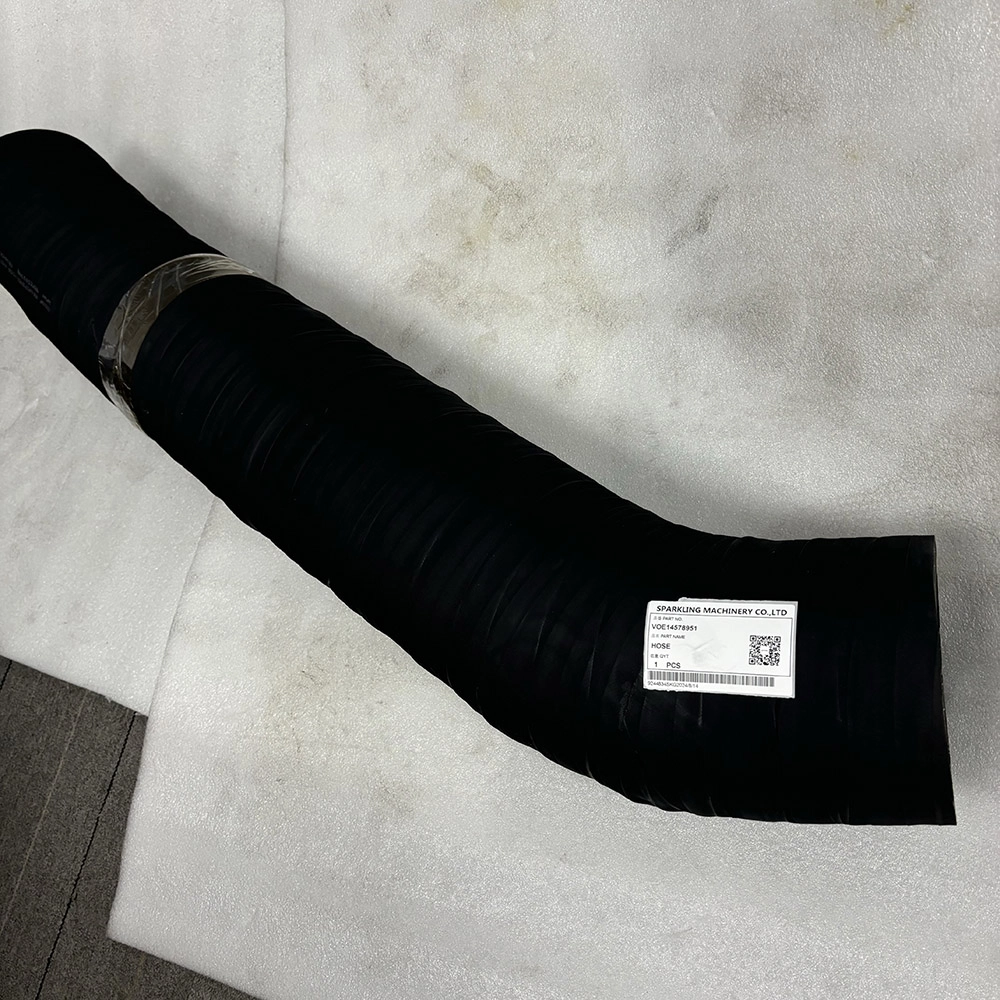
Inventory Strategies for Hydraulic Hose Parts for EC480D Fleet
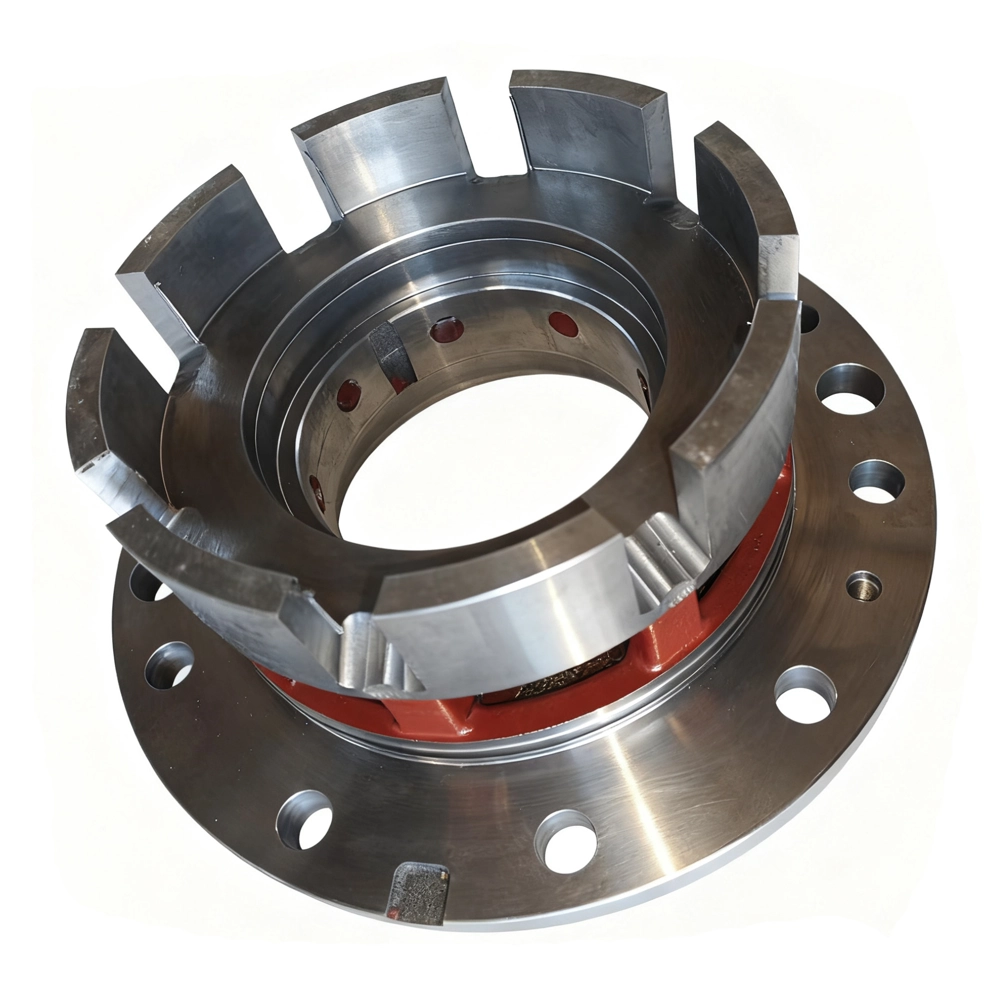
How Hyundai R170W7 Parts Improve Machine Performance
Innovations in Excavator Hydraulic Technology: What's New in 2025
The B2B Buyer’s Guide to Excavator Hydraulic Motors
faq
Do you offer customized parts?
-
Yes, we offer tailored solutions to meet specific customer requirements. Whether you need custom dimensions or specialized features, we can design and produce parts that perfectly match your excavator’s needs.
-
Are your products covered by a warranty?
-
Yes, all of our excavator parts come with a warranty to ensure quality and reliability. The warranty period may vary depending on the type of part. Please contact us for detailed warranty terms for specific products.
-
What is the lead time for receiving excavator parts?
Our typical lead time depends on the complexity and quantity of the order. For standard parts, delivery usually takes between 7 to 14 days. For custom orders, the lead time may vary, but we always strive to ensure timely delivery.
Can I get technical support for installing your parts?
Absolutely. We provide technical support and guidance for the installation and maintenance of our parts. Our team is available to assist you with any questions or concerns to ensure proper installation and optimal performance.
What types of excavator parts do you manufacture?
We manufacture a wide range of excavator parts, including hydraulic components, undercarriage parts, engine parts, wear parts, and more. Our products are designed to fit a variety of excavator models and are built to meet the highest quality standards.
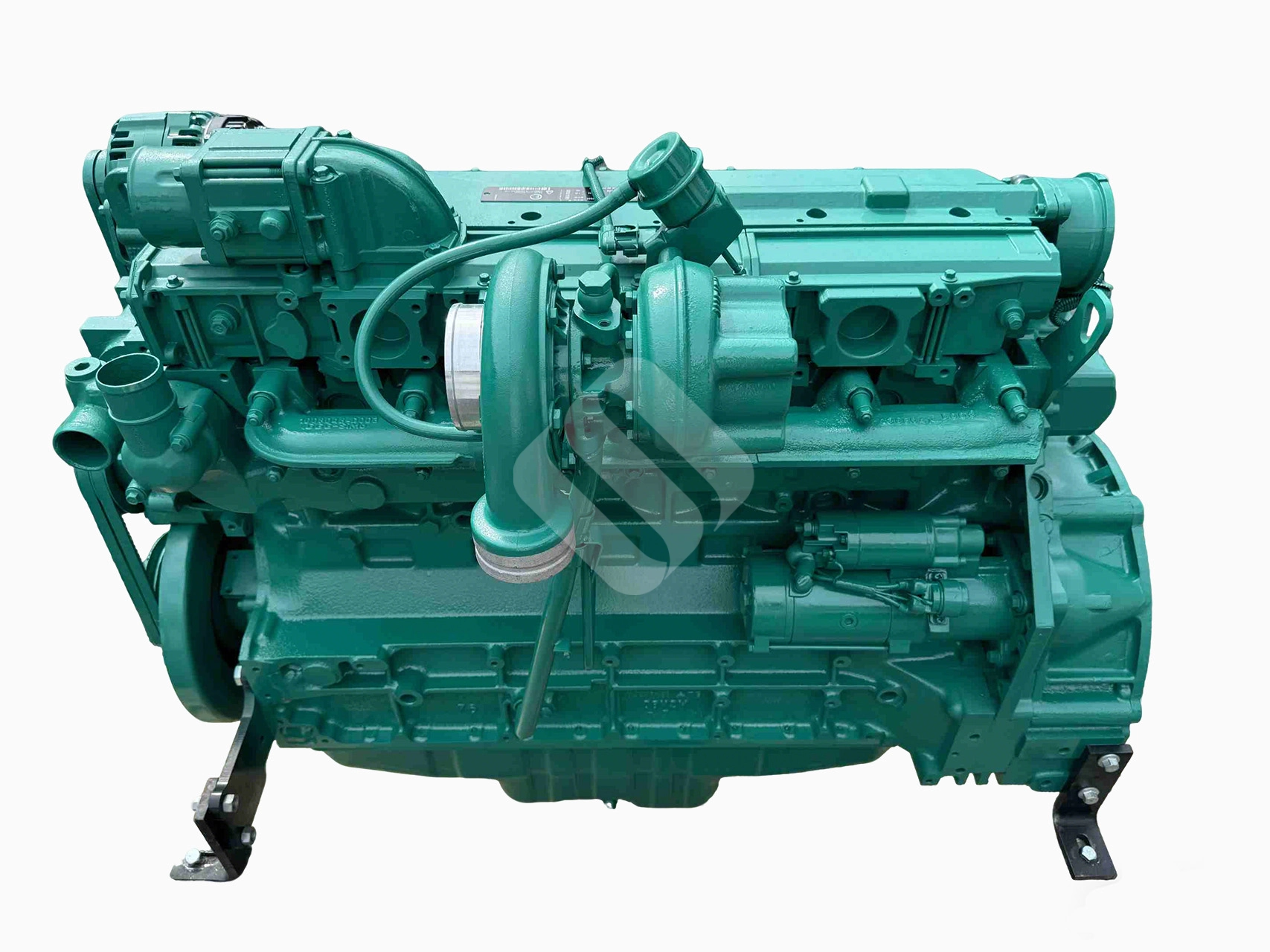
Volvo Penta TAD720VE Industrial Engine | 7.15L 6-Cylinder Turbocharged Power Unit
The Volvo Penta TAD720VE is an inline 6-cylinder, 7.15-liter diesel engine designed specifically for high-demand industrial mobile equipment. It features a robust mechanical injection system with electronic governor control, providing a perfect blend of "old-school" reliability and modern precision.
Engineered for the "Versatile Equipment" market, the TAD720VE is known for its high torque density, low noise emissions, and exceptional cold-start capabilities, making it the go-to power plant for heavy lifting operations in ports and mines.
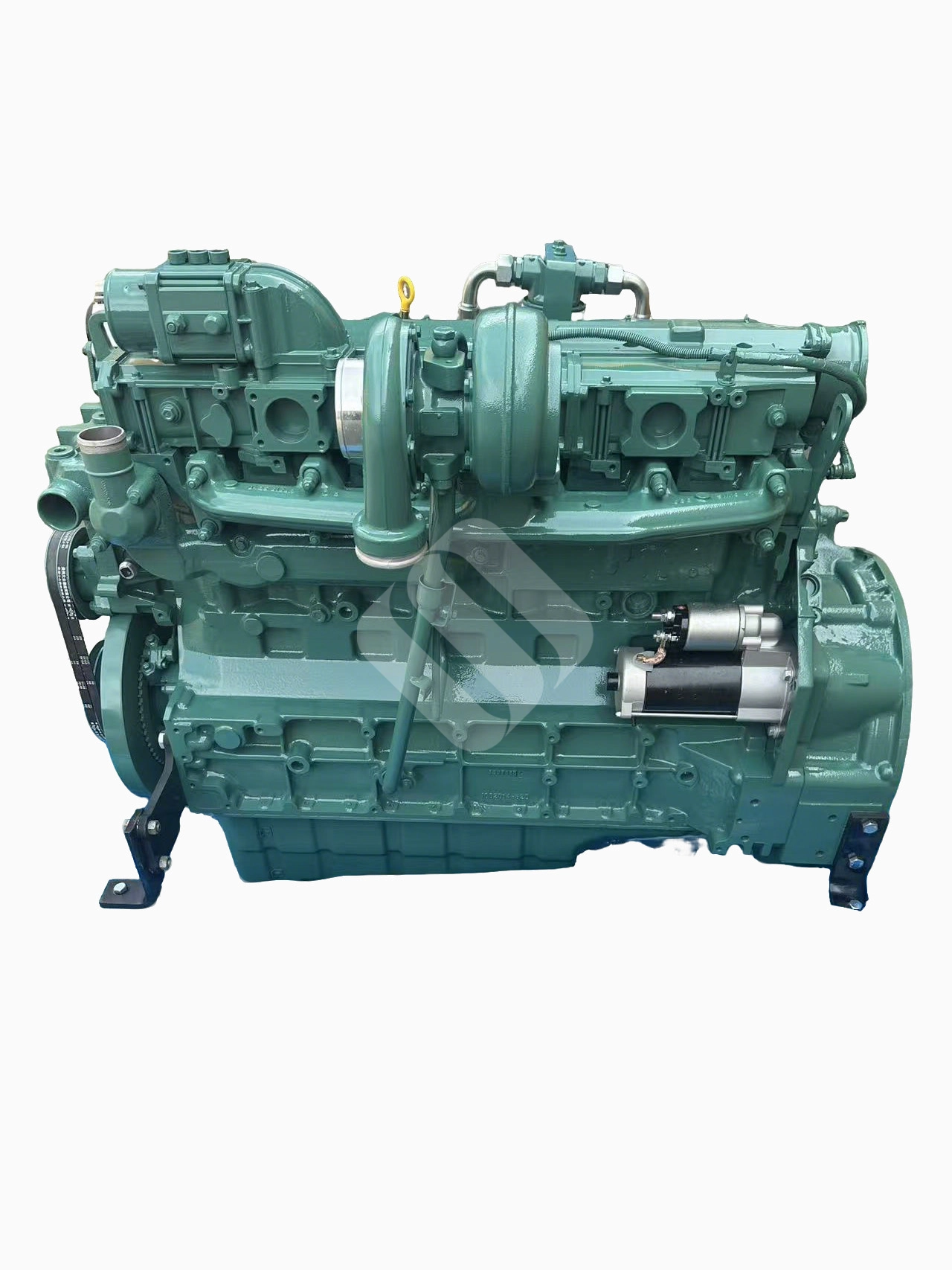
Volvo D7D EBE2 Diesel Engine | 7.2L 6-Cylinder Turbocharged Industrial Motor
The Volvo D7D EBE2 is a high-performance, water-cooled inline engine engineered for machines that require constant, high-torque output. With its 7.2-liter displacement and advanced turbocharging, it provides the "muscle" for large excavators and wheel loaders.
Featuring Electronic Engine Management (E-ECU), the D7D EBE2 optimizes fuel injection timing and quantity based on real-time hydraulic demand, ensuring maximum productivity with minimum fuel consumption.
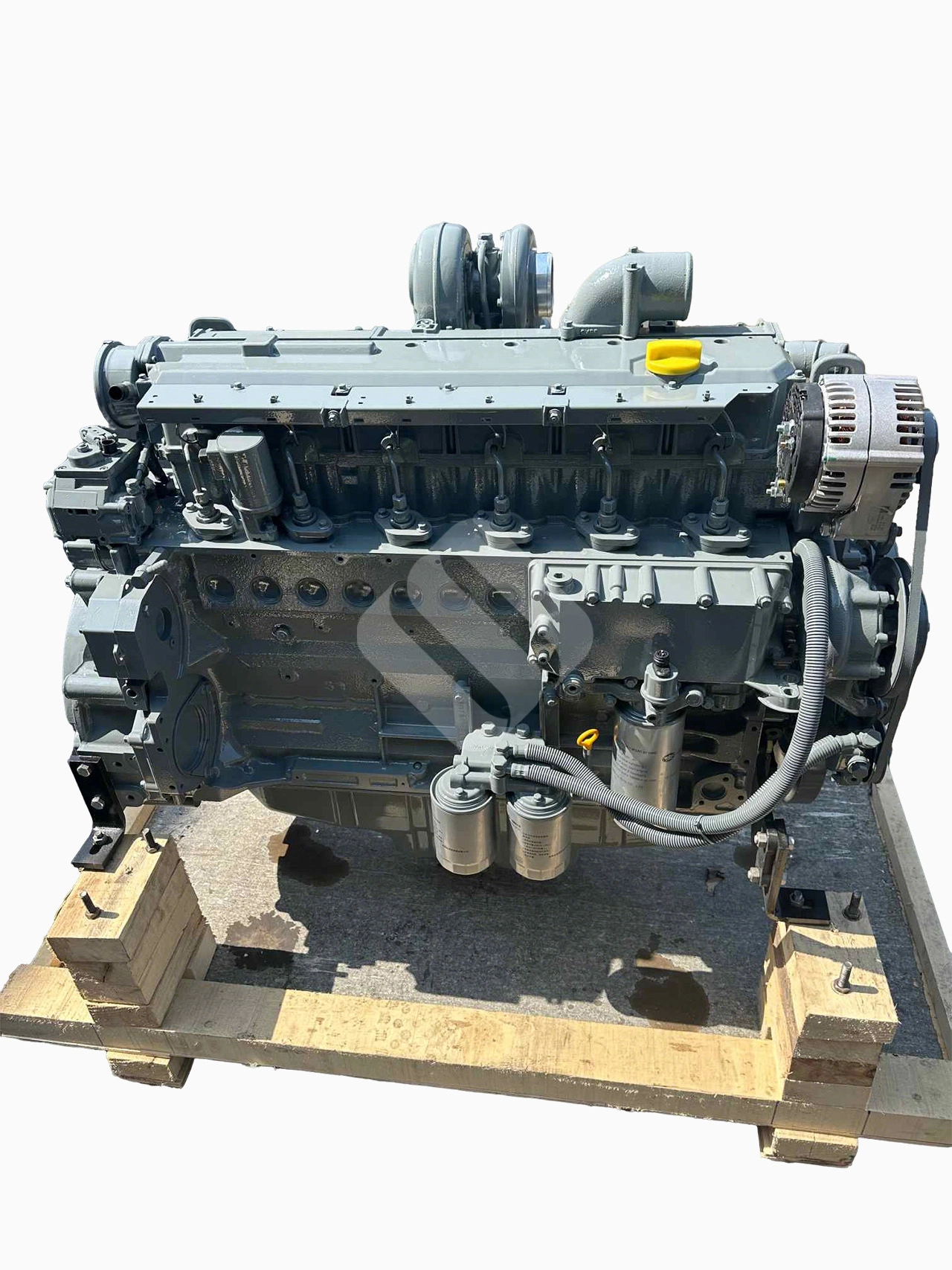
DEUTZ BF6M1013EC Diesel Engine | 7.15L 6-Cylinder Turbocharged Intercooled Motor
The DEUTZ BF6M1013EC is a water-cooled, 6-cylinder inline engine featuring turbocharging and charge air cooling (intercooling). With a massive 7.15-liter displacement, it is engineered for heavy-duty applications that demand high continuous power and extreme durability.
Utilizing the proven DEUTZ Unit Pump System (UPS), this engine offers superior fuel atomization, resulting in lower emissions and high fuel efficiency. Its modular design and high degree of parts commonality with the 4-cylinder version make it a cost-effective choice for fleet owners.
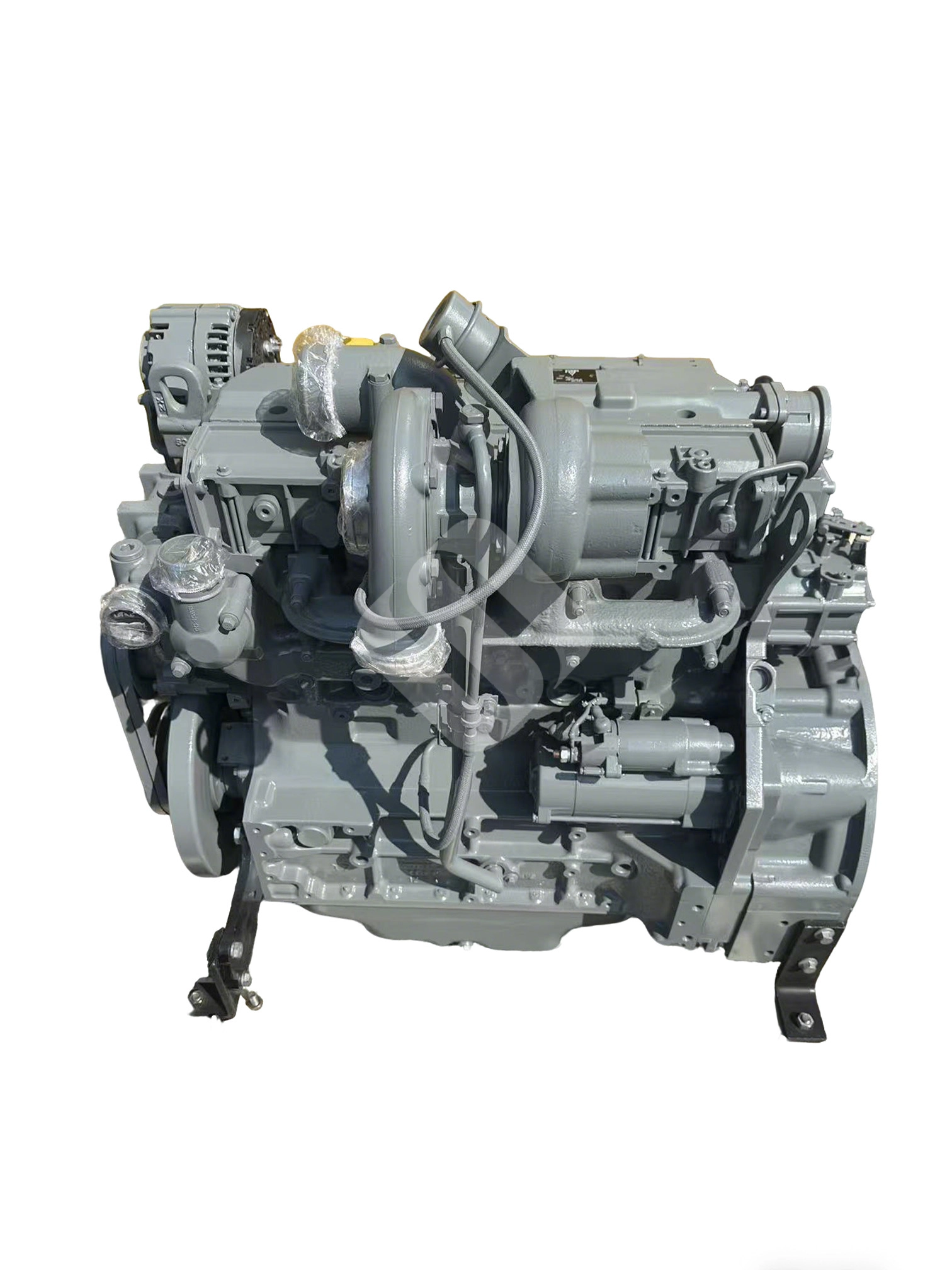
DEUTZ BF4M1013EC Diesel Engine for SANY | 4.76L Turbocharged Intercooled Motor | Part No. 60328623
The DEUTZ BF4M1013EC is a water-cooled, 4-cylinder inline diesel engine designed for maximum power density in a compact frame. This specific configuration (SANY Part No. 60328623) is the heart of many SANY heavy-duty machines, delivering a robust 115kW (154 hp) and exceptional low-end torque for demanding hydraulic tasks.
Equipped with turbocharging and charge-air cooling (Intercooling), the 1013EC provides superior thermal management and fuel efficiency compared to naturally aspirated models.
Contact us
Email: ranroswang@hksparkling.com
Wechat: +86 136 0901 0879
Skype: foreverlucia1
WhatsApp: +86 136 0901 0879
Address: No. 514-515, Hulin Road, Tianhe District, Guangzhou, China.
Sparkling Machinery Co.,Ltd
sparkling_machinery
Whatsapp: +8613609010879