 ranroswang@hksparkling.com
  +86 138 2341 8469


The B2B Buyer’s Guide to Excavator Drive Motors
- Introduction: Why Every B2B Buyer Needs a Clear Excavator Drive Motors Strategy
- Excavator Drive Motors and commercial uptime
- What Are Excavator Drive Motors and How They Work
- Core function of travel motors and final drives
- Common motor types you’ll encounter in the market
- Key Specifications B2B Buyers Must Evaluate for Excavator Drive Motors
- Maximum operating pressure and system compatibility
- Displacement, flow rate, and machine matching
- Torque, speed and reduction ratios for productivity
- Mounting, shaft type and bolt patterns for brand compatibility
- Seals, materials and environmental resistance
- Weight, dimensions and transport considerations
- OEM vs Aftermarket vs Remanufactured Excavator Drive Motors
- OEM drive motors: predictability and brand-fit
- Aftermarket drive motors: cost savings and customization
- Remanufactured units: sustainability and value
- Inspection, Maintenance and Failure Signs for Excavator Drive Motors
- Visual checks and early warning indicators
- Fluid cleanliness and filtration are critical
- Planned rebuilds vs reactive replacement
- Installation and Commissioning Best Practices for Drive Motors
- Mechanical installation and torque sequences
- Hydraulic hookup, bleeding and pressure checks
- Initial break-in and acceptance testing
- Purchase Considerations: Cost Drivers, Lead Times and Warranties
- What drives price for excavation drive motors
- Lead times, inventory planning and supply chain risks
- Warranty terms and post-sale support
- Real-World Use Cases: Matching Drive Motors to Machine Classes
- Mini and compact excavators
- Medium and large excavators
- Why B2B Buyers Should Consider SPARKLING MACHINERY for Drive Motors
- SPARKLING MACHINERY: quality, compatibility and service
- How SPARKLING MACHINERY supports B2B procurement goals
- Conclusion: A Practical Buying Checklist for Excavator Drive Motors
- Checklist to finalize your purchase decision
- Next steps
Introduction: Why Every B2B Buyer Needs a Clear Excavator Drive Motors Strategy
Excavator Drive Motors and commercial uptime
Excavator Drive Motors are mission-critical components in any tracked machine. For contractors, dealers, and parts distributors, selecting the right travel motor or final drive impacts machine uptime, operating costs, and profitability. This guide gives B2B buyers clear, actionable criteria to evaluate drive motor options, helping you balance cost, reliability, and compatibility.
What Are Excavator Drive Motors and How They Work
Core function of travel motors and final drives
Excavator Drive Motors (also called travel motors or travel drives) convert hydraulic power into mechanical torque that drives the tracks. They typically include a hydraulic motor coupled to a reduction gearbox or planetary final drive, delivering the high torque and low speed required for tracked movement. Understanding this basic function helps buyers evaluate specifications that determine field performance.
Common motor types you’ll encounter in the market
Buyers will see several hydraulic motor designs: axial piston motors, radial piston motors, gerotor/gear motors, and orbital motors. Most modern excavator travel motors are piston-type hydraulic motors paired with planetary gear reductions for durability and efficiency. Selecting the correct motor type affects efficiency, serviceability, and suitability for specific brands like Caterpillar, Komatsu, Hitachi, and Volvo.
Key Specifications B2B Buyers Must Evaluate for Excavator Drive Motors
Maximum operating pressure and system compatibility
Pressure rating is critical. Excavator hydraulic systems commonly operate in a range from about 200 to 350 bar depending on machine class. Ensure the drive motor’s maximum continuous and peak pressure ratings meet or exceed the machine’s hydraulic system to avoid premature failure.
Displacement, flow rate, and machine matching
Motor displacement (cc/rev) and the hydraulic flow (L/min) determine travel speed and torque. Excavators vary: mini and compact machines use lower flows while medium-to-large excavators require higher flows and larger displacements. Match motor displacement to your machine’s pump flow curve for optimal track speed and controllability.
Torque, speed and reduction ratios for productivity
Torque output and allowable speed are shaped by the motor plus planetary reduction. Final drive reduction ratios (e.g., 50:1, 70:1) define low-speed torque for pushing and climbing. Verify rated stall torque, continuous torque, and maximum input RPM to ensure the drive motor meets jobsite demands.
Mounting, shaft type and bolt patterns for brand compatibility
Mechanical fitment matters in B2B procurement. Confirm flange pattern, shaft type (splined or keyed), bolt circle and overall dimensions. Many buyers prefer parts that are drop-in compatible with OEM models (Caterpillar, Komatsu, Hitachi, Volvo) to shorten installation time and reduce machine downtime.
Seals, materials and environmental resistance
Seals, bearings and housing materials determine durability in harsh conditions. Look for high-quality seal compounds resistant to hydraulic oil and contaminants, heat-treated internal gears, and housings designed to withstand impacts and abrasive environments.
Weight, dimensions and transport considerations
Especially for remanufactured or aftermarket drives, check weight and overall size for handling, transport, and lifting equipment considerations. Weight also affects final drive mounting loads and machine balance.
OEM vs Aftermarket vs Remanufactured Excavator Drive Motors
OEM drive motors: predictability and brand-fit
OEM travel motors offer direct compatibility and often come with full manufacturer warranties. For customers prioritizing perfect fit and factory traceability, OEM is attractive. However, OEM pricing and lead times can be higher.
Aftermarket drive motors: cost savings and customization
Aftermarket drive motors provide competitive pricing and faster availability. Reputable aftermarket suppliers (like SPARKLING MACHINERY) offer parts that are compatible with top brands, strict quality controls, and options for performance tuning. For many fleets, the aftermarket delivers the best balance of cost and reliability.
Remanufactured units: sustainability and value
Remanufactured or rebuilt drive motors can be a cost-effective option when they’re remanufactured to strict standards with replaced wear parts and tested to performance specs. Ensure reman units include load testing and a clear warranty to minimize operational risk.
Inspection, Maintenance and Failure Signs for Excavator Drive Motors
Visual checks and early warning indicators
Routine inspections can catch issues early. Look for oil leaks at seals, abnormal noise, increased track speed variability, reduced tractive power, and overheating. Track these symptoms and compare them against baseline performance during regular maintenance intervals.
Fluid cleanliness and filtration are critical
Contaminated hydraulic oil is one of the leading causes of motor and final drive failure. Maintain recommended oil change intervals, replace filters, and monitor particle counts where possible. B2B buyers should require strict oil cleanliness procedures for fleet maintenance.
Planned rebuilds vs reactive replacement
Planned rebuilds extend service life and control costs. For critical machines, schedule preventive rebuilds based on machine hours and operating conditions rather than waiting for catastrophic failure. This reduces downtime and expensive emergency replacements.
Installation and Commissioning Best Practices for Drive Motors
Mechanical installation and torque sequences
Follow manufacturer torque specs for fasteners and bolt sequences to ensure correct alignment and sealing. Incorrect torque can lead to flange distortion, early seal failure, and uneven wear.
Hydraulic hookup, bleeding and pressure checks
Proper hose routing, correct hose sizes, and secure fittings minimize pressure loss and heat generation. Correctly prime and bleed the hydraulic motor, verify relief valve settings, and monitor pressure during first runs to catch anomalies early.
Initial break-in and acceptance testing
Run the machine under light load for an initial break-in period, monitor temperatures, vibration and oil condition, then perform load tests. Document commissioning results to support warranty claims if defects appear.
Purchase Considerations: Cost Drivers, Lead Times and Warranties
What drives price for excavation drive motors
Cost depends on materials, machining, gear quality, seals, and whether the unit is OEM, aftermarket or remanufactured. Advanced sealing systems and hardened internal components add cost but reduce downtime and life-cycle expense.
Lead times, inventory planning and supply chain risks
B2B buyers should plan for lead times, especially for OEM parts or specialized units. Maintain safety stock for critical components and consider strategic partnerships with suppliers that offer global logistics and local warehousing to shorten lead times.
Warranty terms and post-sale support
Evaluate warranty lengths, coverage (wear parts vs structural failures), and whether technical support and return testing are offered. Strong post-sale support reduces long-term repair costs and improves fleet reliability.
Real-World Use Cases: Matching Drive Motors to Machine Classes
Mini and compact excavators
Smaller machines prioritize compact size, lower weight and smooth low-speed control. Buyers should select motors with lower displacement and precise control characteristics for landscaping, urban work, and rental fleets.
Medium and large excavators
Heavier machines require higher torque, larger displacement motors and robust planetary final drives. For high-production jobs like quarrying and heavy earthworks, ruggedized seals and high-load bearings are essential.
Why B2B Buyers Should Consider SPARKLING MACHINERY for Drive Motors
SPARKLING MACHINERY: quality, compatibility and service
Founded in 2013, SPARKLING MACHINERY focuses on high-quality excavator parts with an emphasis on stability, precision and durability. We offer a broad catalog of hydraulic components, undercarriage systems, engine and electrical components, cabs, mini excavators and accessories compatible with leading brands including Caterpillar, Komatsu, Hitachi and Volvo. For B2B buyers, our strengths include strict manufacturing and quality control, customized solutions, technical support and global logistics to reduce procurement risk and operating costs.
How SPARKLING MACHINERY supports B2B procurement goals
We provide competitive pricing, remanufactured and aftermarket options, warranty-backed parts, and pre-shipment testing. Our team can help match specifications, perform compatibility checks, and provide documentation to meet fleet maintenance and compliance needs.
Conclusion: A Practical Buying Checklist for Excavator Drive Motors
Checklist to finalize your purchase decision
Before purchasing a drive motor, verify pressure and flow ratings, displacement and torque, mounting compatibility, seal and material specs, warranty and lead time, and supplier testing documentation. Prioritize suppliers who offer technical support, testing, and global logistics. For most B2B buyers, well-specified aftermarket or remanufactured motors from reputable suppliers deliver the best balance of cost and uptime.
Next steps
If you’re evaluating Excavator Drive Motors for a fleet or distribution program, request detailed specs, test reports and warranty terms. Contact SPARKLING MACHINERY for tailored proposals, compatibility checks with your machines, and options for stock and logistics that keep your machines moving.
Frequently Asked QuestionsWhat is the typical lifespan of an excavator drive motor?Lifespan depends on machine use, maintenance and environment. With proper oil cleanliness, scheduled maintenance and normal operating conditions, a drive motor can last several thousand operating hours. Heavy, abrasive applications shorten life and require more frequent rebuilds.
Can I install an aftermarket travel motor on any excavator brand?Many aftermarket motors are designed for drop-in compatibility with popular brands, but you must confirm flange patterns, shaft type and hydraulic specifications. Always verify fitment data and request dimensional drawings or samples if needed.
How do I tell whether to rebuild or replace a failed drive motor?Consider extent of damage, cost, downtime and warranty. Rebuilds are cost-effective when internal components are standard and the housing is sound. Replace when structural damage, corrosion, or repeated failures occur. Ask your supplier for diagnostic testing and a rebuild vs replacement cost comparison.
How important is hydraulic oil cleanliness for drive motor reliability?Very important. Contaminants accelerate wear on gears, bearings and seals. Maintain recommended oil change intervals, use proper filtration, and consider particle monitoring for critical fleets.
What warranty terms should B2B buyers demand?Look for clear coverage of manufacturing defects, minimum warranty duration (industry commonly 6–24 months depending on supplier), and defined return/test procedures. Ensure the supplier documents pre-shipment tests and provides support for warranty claims.
How quickly can SPARKLING MACHINERY deliver compatible drive motors?Lead times vary by model, stock levels and customization. SPARKLING MACHINERY maintains global logistics and can often supply popular aftermarket and remanufactured units faster than OEM lead times. Contact our sales team with machine make/model and serial number for a tailored timeline.
What documentation should I request from a supplier before purchase?Request technical specifications, pressure and flow ratings, torque curves, dimensional drawings, material specifications, test reports, warranty terms and a cross-reference to OEM part numbers when applicable.
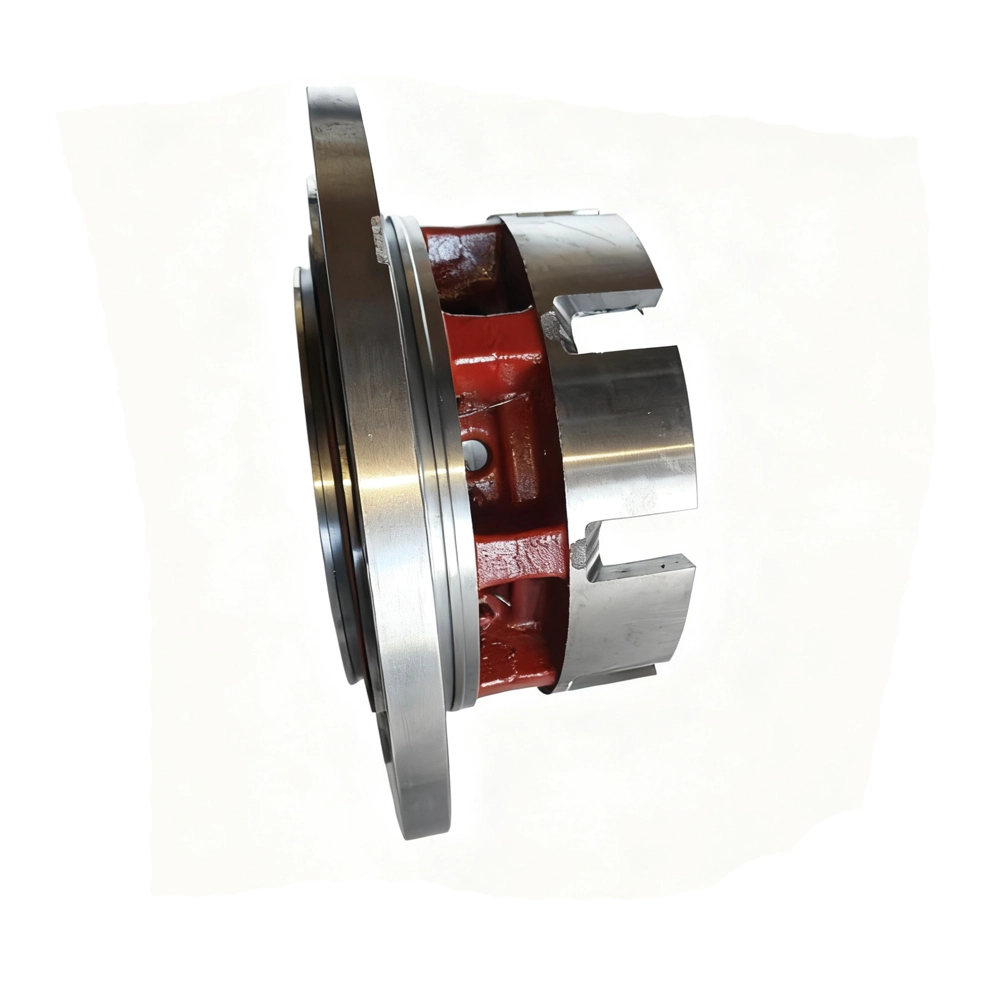
Understanding R160W9A Parts Compatibility and Fit Guide
The B2B Buyer’s Guide to Excavator Track Shoes
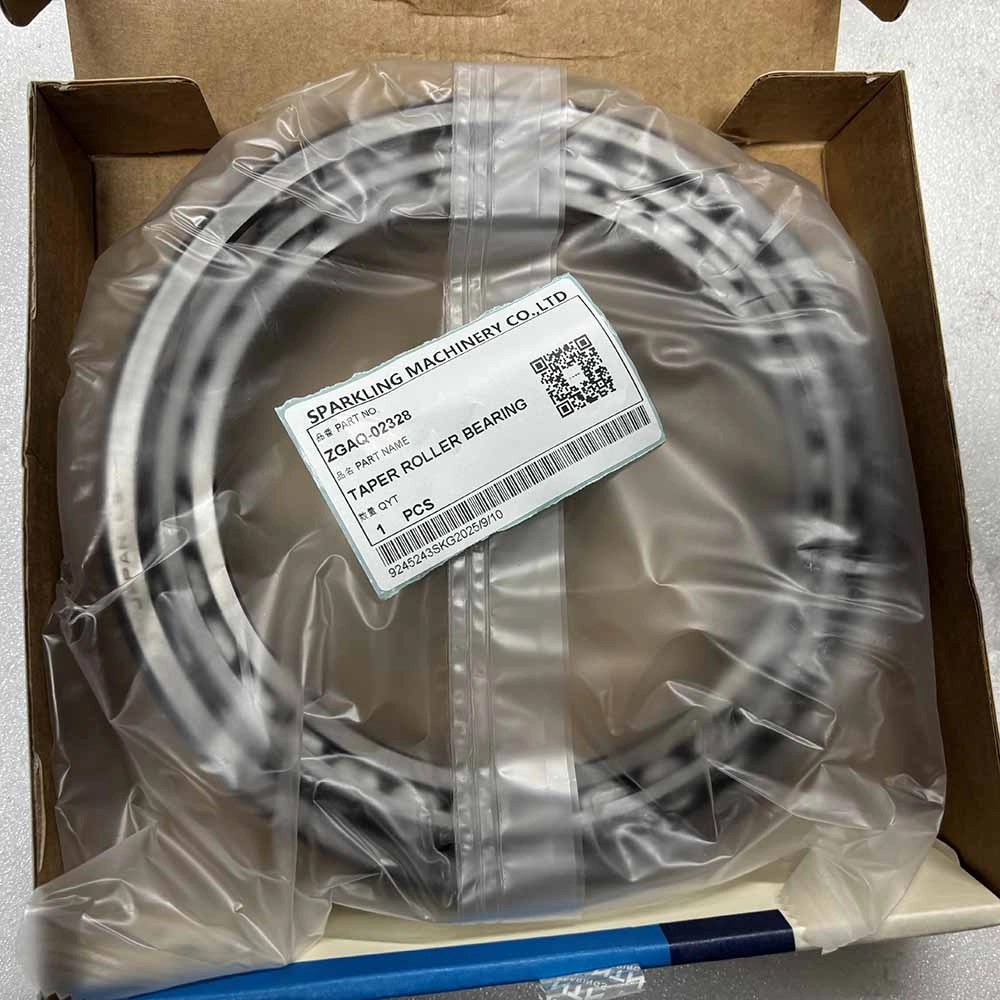
Key Specs to Check When Purchasing HW210 Excavator Parts
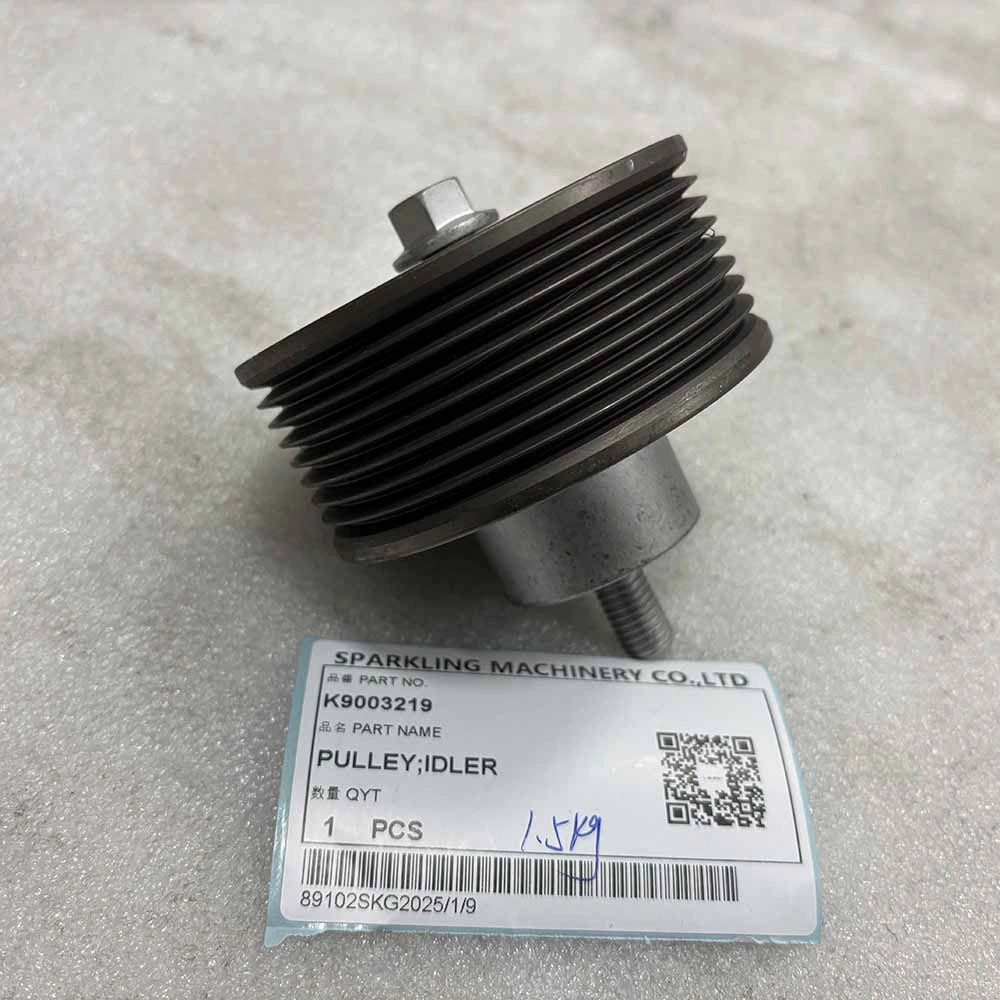
Quality Tests to Request for K9003219 Pulley Idlers
faq
Are your products covered by a warranty?
-
Yes, all of our excavator parts come with a warranty to ensure quality and reliability. The warranty period may vary depending on the type of part. Please contact us for detailed warranty terms for specific products.
-
What types of excavator parts do you manufacture?
We manufacture a wide range of excavator parts, including hydraulic components, undercarriage parts, engine parts, wear parts, and more. Our products are designed to fit a variety of excavator models and are built to meet the highest quality standards.
How do you ensure the quality of your parts?
We follow strict quality control procedures throughout the manufacturing process. Our parts are tested for durability, performance, and precision to ensure they meet industry standards and exceed customer expectations.
What is the lead time for receiving excavator parts?
Our typical lead time depends on the complexity and quantity of the order. For standard parts, delivery usually takes between 7 to 14 days. For custom orders, the lead time may vary, but we always strive to ensure timely delivery.
Can I get technical support for installing your parts?
Absolutely. We provide technical support and guidance for the installation and maintenance of our parts. Our team is available to assist you with any questions or concerns to ensure proper installation and optimal performance.
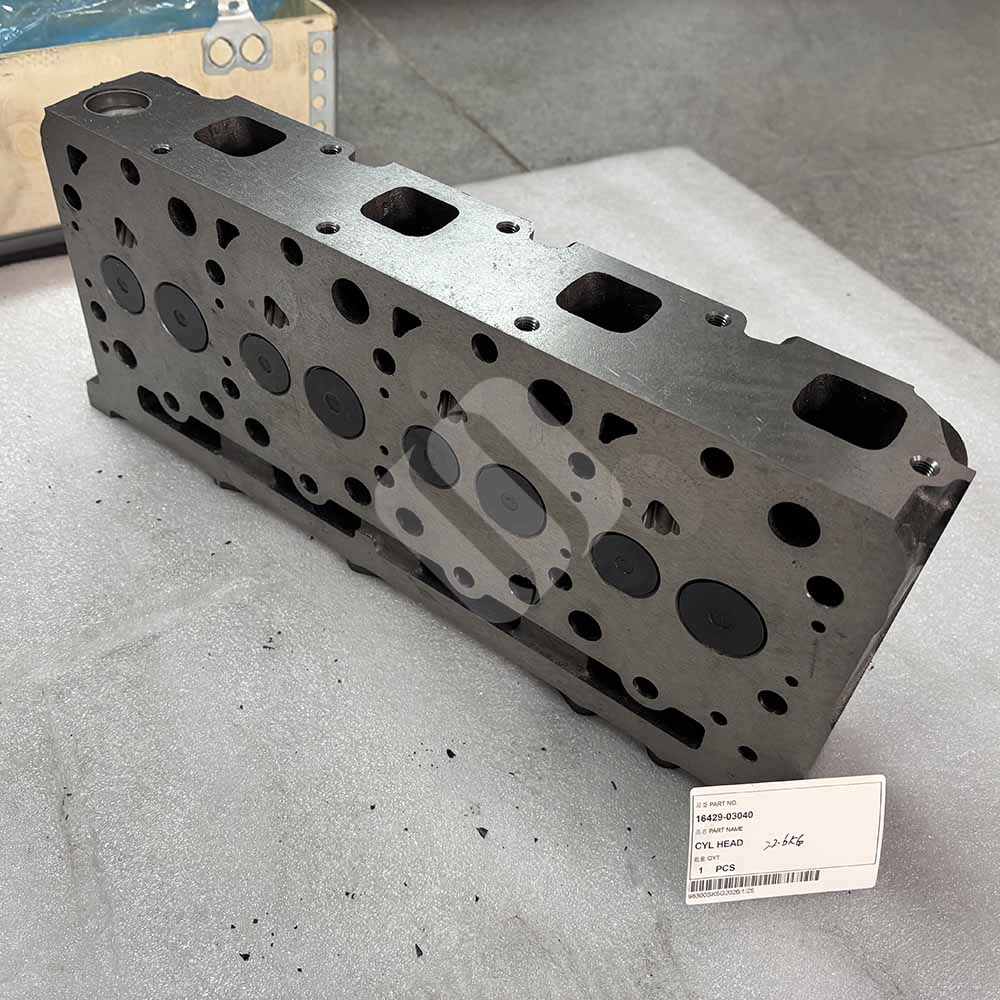
16429-03040 Engine Cylinder Head for Kubota Excavator KX121-3 KX161-3 U45
The 16429-03040 Cylinder Head is a high-precision engine component specifically designed for Kubota KX121, KX161, and U45 excavators powered by V2203/V2403 engines. Manufactured from premium alloy cast iron, it ensures exceptional thermal stability and pressure resistance, restoring your engine's compression and fuel efficiency to factory standards.
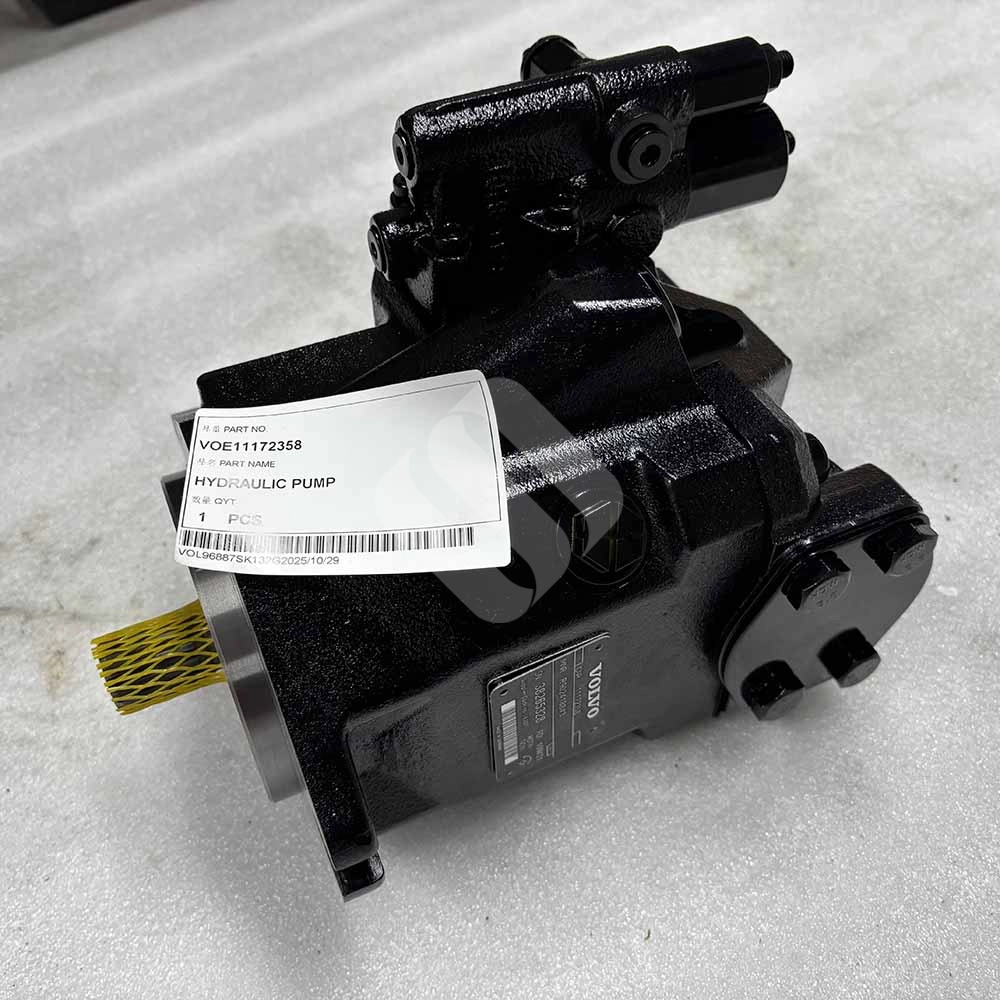
VOE11172358 11172358 Hydraulic Pump for Volvo Wheel Loader L60E L70E L90E L110E L60F L70F L90F L120F
VOE11172358 is the part number for a hydraulic pump (specifically a hydraulic main or auxiliary pump) designed for several Volvo wheel loaders.
Technical Specifications
Part Numbers: VOE11172358, 11172358, and cross-reference number R986110567.
Weight: Approximately 20kg.
Type: Tyrone-type pump or piston-style auxiliary pump.
Compatible Volvo Models
This pump is compatible with a wide range of Volvo wheel loader series, including:
L60 Series: L60E, L60F, L60GZ.
L70 Series: L70E, L70F.
L90 Series: L90E, L90F, L90GZ.
L110 Series: L110E, L110F.
L120 Series: L120E, L120F, L120GZ.
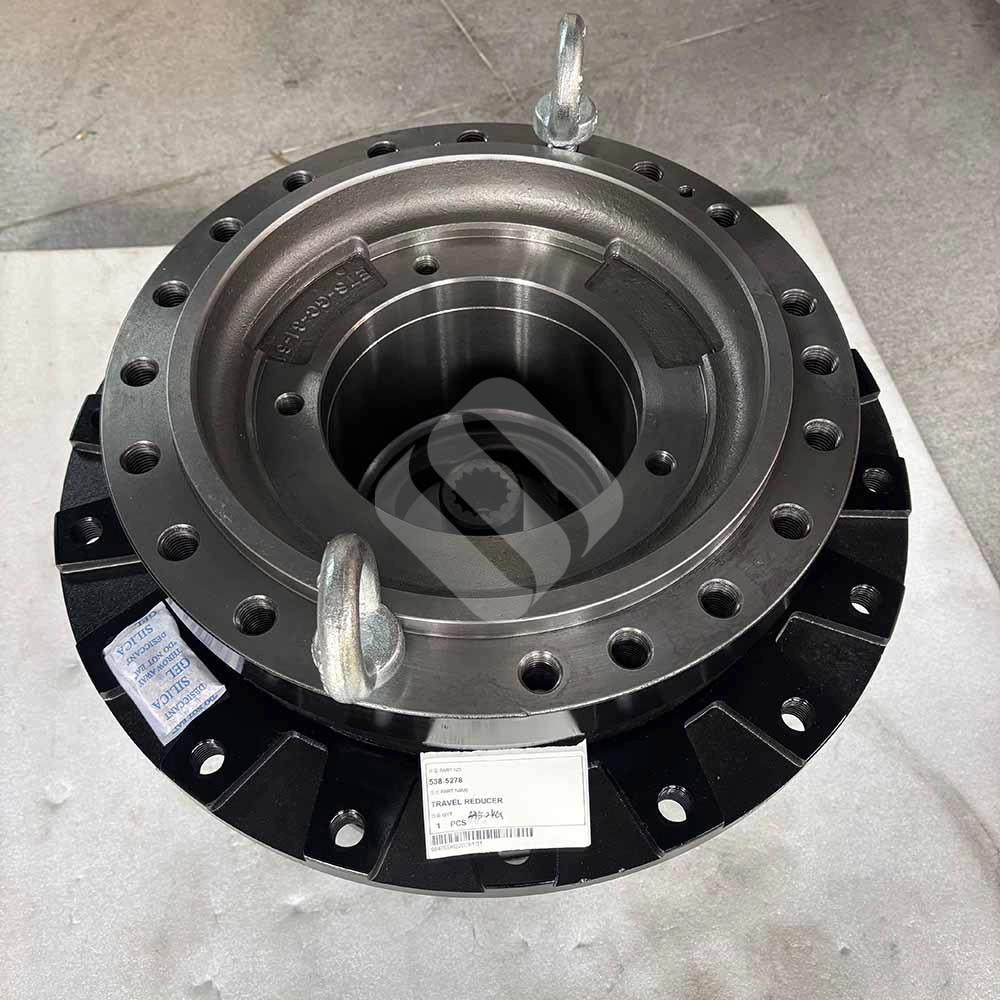
Travel Reducer 538-5278 for Caterpillar CAT Excavator 330 330GC 330F
This is a specific part number for heavy machinery components.
Part Name: Drive GP-FIN (Final Drive Group) or Travel Gearbox.
Equipment Compatibility: Primarily used for Cat 330, 330 GC, 330F, and 330D2 excavators.
Function: It serves as the reduction unit that converts hydraulic power into mechanical rotation to drive the excavator's tracks.
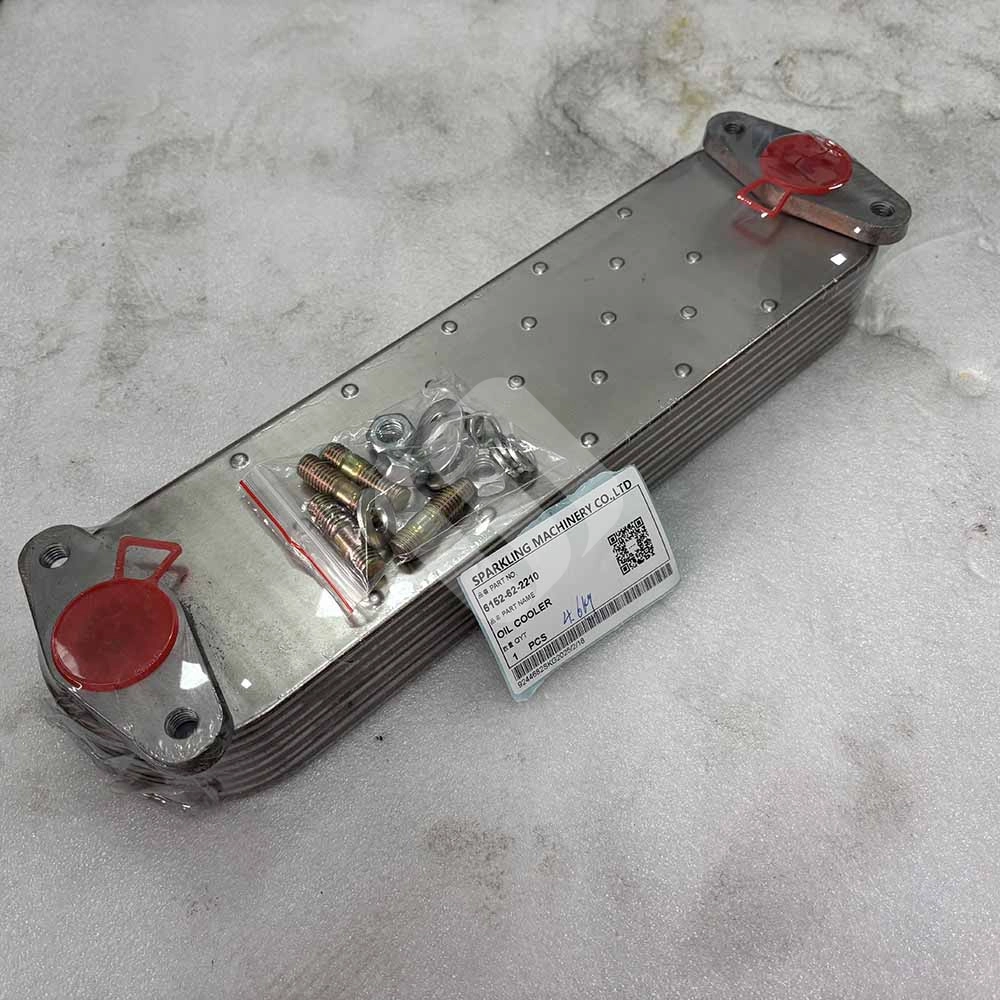
6152-62-2210 Oil Cooler for Komatsu PC400-7 PC400-8 PC400LC-8 & Wheel Loaders WA470-3 WA470-5
The 6152-62-2210 Oil Cooler is a critical thermal management component for Komatsu PC400-7, PC400-8, PC400LC-8 excavators and WA470-3, WA470-5 wheel loaders. It efficiently dissipates heat from engine and hydraulic oil, maintaining optimal operating temperatures to prevent overheating, reduce component wear, and ensure continuous heavy-duty performance in construction and mining environments.
Key Features
· Material: Often made of stainless steel in aftermarket versions.
· Design: 8-plate (8P) design.
· Weight: Approximately 4.74 kg (net weight).
· OEM-Perfect Fit: Matches original mounting and flow specs for direct, modification-free installation.
· High Cooling Efficiency: Optimized fin-and-tube design maximizes heat exchange, keeping oil temperatures stable.
Compatible Equipment
· Excavators: PC400-7, PC400-8, PC400LC-8, PC450-8, PC450LC-8, PC490-10, PC490LC-10, PC550LC-8.
· Wheel Loaders: WA470-3, WA470-5, WA480-6.
· Dump Trucks: HM300-2, HM300-3.
· Dozers: D85EX/PX series.

Contact us
Email: ranroswang@hksparkling.com
Wechat: +86 136 0901 0879
Skype: foreverlucia1
WhatsApp: +86 136 0901 0879
Address: No. 514-515, Hulin Road, Tianhe District, Guangzhou, China.
Sparkling Machinery Co.,Ltd
sparkling_machinery
Whatsapp: +8613609010879