 ranroswang@hksparkling.com
  +86 138 2341 8469


Energy-Efficient Hydraulic Components Trends for 2026
- Energy-Efficient Hydraulic Components Trends for 2026
- Integration of Hybrid Hydraulic Systems
- Adoption of Smart Technologies and IoT Integration
- Electrification and Hybrid Hydraulic Systems
- Energy-Efficient Hydraulic Power Units (HPUs)
- Use of Renewable and Biodegradable Fluids
- Advanced Component Design and Manufacturing
- Modular and Integrated Hydraulic Systems
- Focus on Sustainability and Environmental Impact
- SPARKLING MACHINERY: Leading the Charge in Hydraulic Component Innovation
- Frequently Asked Questions (FAQ)
- Contact Us
Energy-Efficient Hydraulic Components Trends for 2026
As industries worldwide strive for sustainability and cost-effectiveness, the demand for energy-efficient hydraulic system components has surged. Hydraulic systems, integral to various machinery, are undergoing significant transformations to enhance performance while reducing environmental impact. This article delves into the key trends shaping the future of hydraulic components in 2026.
Integration of Hybrid Hydraulic Systems
Combining Hydraulic Power with Electric Precision
Hybrid hydraulic systems are revolutionizing the industry by merging traditional hydraulic power with electric controls. This integration offers superior performance and drastically reduced energy consumption. For instance, the Caterpillar 336EH hydraulic hybrid excavator demonstrates fuel savings of up to 25% across various applications. In side-by-side comparisons, fuel efficiency improved by 20% to 48%, depending on the task. These advancements not only reduce operational costs but also enhance productivity by 7%, showcasing the potential of hybrid systems to revolutionize industries.
Adoption of Smart Technologies and IoT Integration
Real-Time Monitoring and Predictive Maintenance
The incorporation of intelligent sensors and the Internet of Things (IoT) into hydraulic components enables real-time monitoring of pressure, temperature, flow, and fluid quality. This facilitates predictive maintenance, reducing downtime and preventing costly failures. By collecting vast amounts of data, AI-driven analytics can forecast component wear, identify inefficiencies, and optimize maintenance schedules, shifting the paradigm from reactive repairs to proactive system management.
Electrification and Hybrid Hydraulic Systems
Enhancing Efficiency and Reducing Emissions
The push for electrification across all industries is heavily influencing hydraulics. Electro-hydraulic systems combine the immense force of hydraulics with the precision and control of electric servo motors, offering superior performance and drastically reduced energy consumption. These systems provide power on-demand, meaning they only use energy when work is being performed. Furthermore, hybrid systems that store and reuse energy in hydraulic accumulators, often during braking or deceleration phases in mobile machinery, are becoming standard to reduce fuel consumption and meet new emissions regulations.
Energy-Efficient Hydraulic Power Units (HPUs)
Optimizing Energy Consumption
Energy efficiency has become a priority across all industrial systems, and hydraulic power units (HPUs) are no exception. Modern HPUs are now equipped with variable-speed drives (VSDs), intelligent controllers, and load-sensing capabilities. By integrating AI into the HPU architecture, systems can analyze usage patterns, predict load fluctuations, and modulate pump speeds accordingly. This ensures that energy consumption aligns precisely with demand, dramatically reducing operational costs. Some HPUs also incorporate regenerative energy systems that capture and reuse fluid energy during deceleration or low-load periods.
Use of Renewable and Biodegradable Fluids
Sustainable Fluid Solutions
There's a growing trend towards using renewable and biodegradable hydraulic fluids as part of the industry's efforts to become more environmentally friendly. These fluids not only reduce the environmental impact in case of leaks but also offer comparable, if not superior, performance to traditional oils.
Advanced Component Design and Manufacturing
Innovations in Materials and Manufacturing Techniques
Manufacturers are developing more efficient core components, such as variable displacement pumps that automatically adjust their output to match real-time system demand, significantly lowering power consumption compared to older fixed-speed models. Similarly, new generations of low-leakage valves and low-friction actuators are gaining popularity as industries strive to meet stricter environmental regulations and reduce their operational energy costs. Additionally, 3D printing is transforming hydraulic component manufacturing by enhancing efficiency and reducing costs. Optimized channel designs have increased flow capacity by 20%, while redesigned valves weigh 60% less. These innovations simplify manufacturing, reduce leakage by 20%, and improve overall system performance, making 3D printing a cornerstone of future hydraulic advancements.
Modular and Integrated Hydraulic Systems
Flexibility and Scalability in Design
The push for greater system flexibility and faster deployment has led to the rise of modular hydraulic architectures. These systems are built around standardized, interoperable components—pumps, manifolds, control units, and sensors—that can be quickly assembled or replaced without custom engineering. Plug-and-play functionality is now enhanced with smart identification features using RFID or IoT-enabled modules that auto-detect system configurations and calibrate settings via AI algorithms. This dramatically reduces setup times and human error, particularly in mobile hydraulics and smart factories where reconfiguration is frequent.
Focus on Sustainability and Environmental Impact
Eco-Friendly Practices and Materials
The hydraulic industry is undergoing a significant transformation, driven by the integration of advanced digital technologies and a global focus on sustainability and energy efficiency. Manufacturers are emphasizing eco-friendly oils, fluid recycling systems, and leak-reduction technologies to minimize environmental impact.
SPARKLING MACHINERY: Leading the Charge in Hydraulic Component Innovation
Commitment to Quality and Sustainability
SPARKLING MACHINERY, founded in 2013, has been at the forefront of providing high-quality excavator parts, including energy-efficient hydraulic components. With a focus on stability, precision, and perseverance, SPARKLING MACHINERY offers a wide range of products compatible with top brands such as Caterpillar, Komatsu, Hitachi, and Volvo. Through strict manufacturing and quality control, SPARKLING MACHINERY ensures that its products operate reliably under various conditions. The company provides customized solutions and technical support, offering meticulous consultation and continuous service. Upholding the values of altruism and innovation, SPARKLING MACHINERY offers competitive prices while ensuring quality, helping customers reduce costs. With a global sales network, SPARKLING MACHINERY is a trusted partner in the excavator parts industry.
Frequently Asked Questions (FAQ)
1. What are hybrid hydraulic systems, and how do they improve energy efficiency?
Hybrid hydraulic systems combine traditional hydraulic power with electric controls, offering superior performance and drastically reduced energy consumption. For example, the Caterpillar 336EH hydraulic hybrid excavator demonstrates fuel savings of up to 25% across various applications.
2. How does the integration of IoT and smart sensors benefit hydraulic systems?
The incorporation of intelligent sensors and IoT into hydraulic components enables real-time monitoring of pressure, temperature, flow, and fluid quality. This facilitates predictive maintenance, reducing downtime and preventing costly failures.
3. What role do biodegradable hydraulic fluids play in sustainability?
Biodegradable hydraulic fluids reduce the environmental impact in case of leaks and offer comparable, if not superior, performance to traditional oils.
4. How does SPARKLING MACHINERY contribute to the advancement of hydraulic components?
SPARKLING MACHINERY offers a wide range of high-quality hydraulic components compatible with top brands, ensuring reliable operation under various conditions. The company provides customized solutions and technical support, helping customers reduce costs while maintaining quality.
5. What are the benefits of modular and integrated hydraulic systems?
Modular hydraulic systems offer flexibility and scalability, allowing for quick assembly or replacement of standardized components without custom engineering. This approach reduces setup times and human error, particularly in mobile hydraulics and smart factories.
Contact Us
For more information on our energy-efficient hydraulic components and how they can enhance your operations, please contact us or explore our product range.
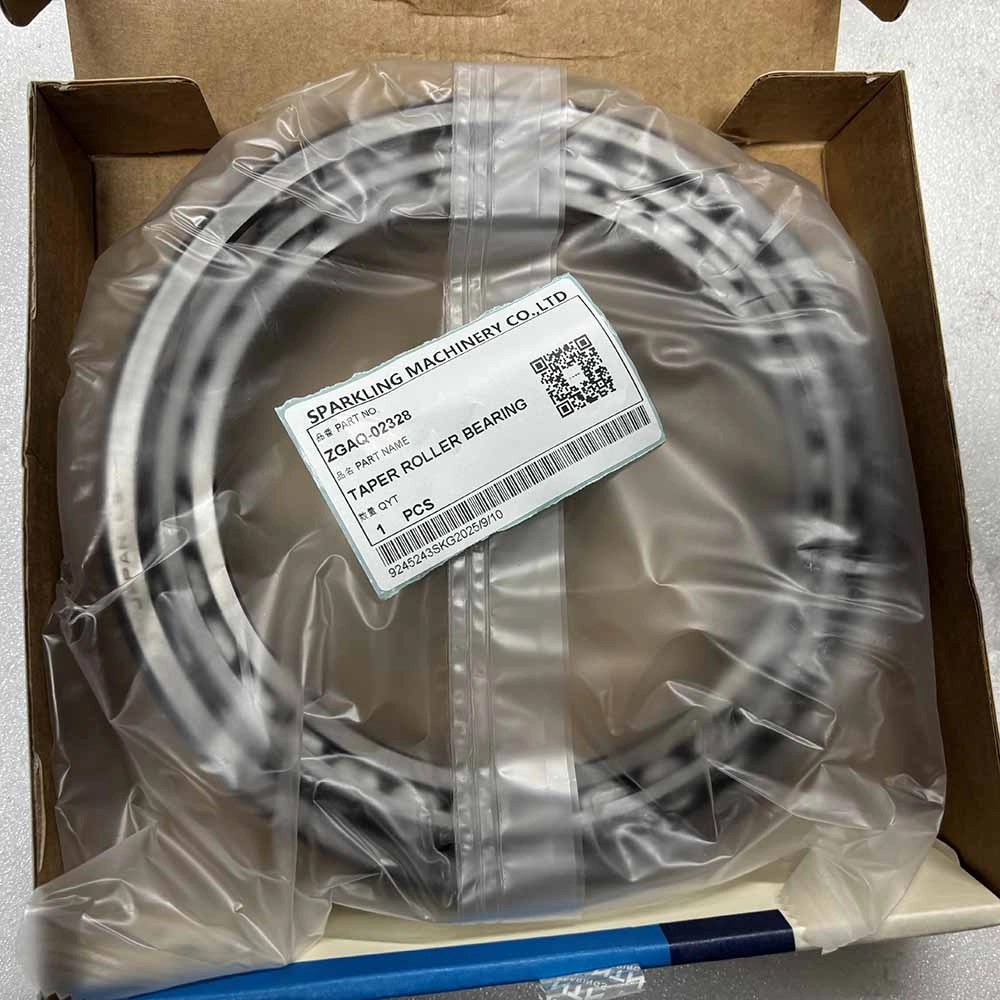
Quality Indicators for Sparkling Machinery Taper Roller Bearings
Troubleshooting Hydraulic System Components in 2026
Best professional fuel injector for excavator manufacturers and supplier brands
Wholesale heavy equipment rear axle manufacturer and supplier
faq
How do you ensure the quality of your parts?
We follow strict quality control procedures throughout the manufacturing process. Our parts are tested for durability, performance, and precision to ensure they meet industry standards and exceed customer expectations.
What types of excavator parts do you manufacture?
We manufacture a wide range of excavator parts, including hydraulic components, undercarriage parts, engine parts, wear parts, and more. Our products are designed to fit a variety of excavator models and are built to meet the highest quality standards.
Are your products covered by a warranty?
-
Yes, all of our excavator parts come with a warranty to ensure quality and reliability. The warranty period may vary depending on the type of part. Please contact us for detailed warranty terms for specific products.
-
Can I get technical support for installing your parts?
Absolutely. We provide technical support and guidance for the installation and maintenance of our parts. Our team is available to assist you with any questions or concerns to ensure proper installation and optimal performance.
What is the lead time for receiving excavator parts?
Our typical lead time depends on the complexity and quantity of the order. For standard parts, delivery usually takes between 7 to 14 days. For custom orders, the lead time may vary, but we always strive to ensure timely delivery.
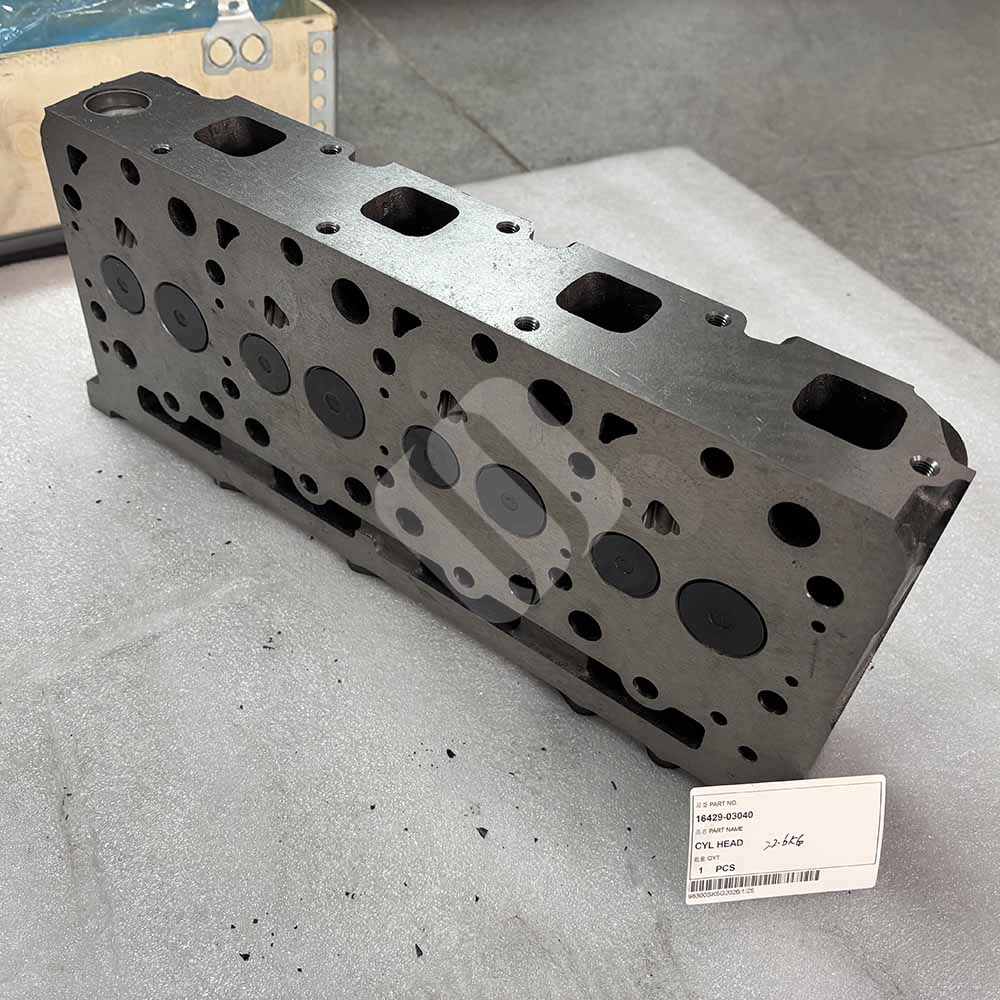
16429-03040 Engine Cylinder Head for Kubota Excavator KX121-3 KX161-3 U45
The 16429-03040 Cylinder Head is a high-precision engine component specifically designed for Kubota KX121, KX161, and U45 excavators powered by V2203/V2403 engines. Manufactured from premium alloy cast iron, it ensures exceptional thermal stability and pressure resistance, restoring your engine's compression and fuel efficiency to factory standards.
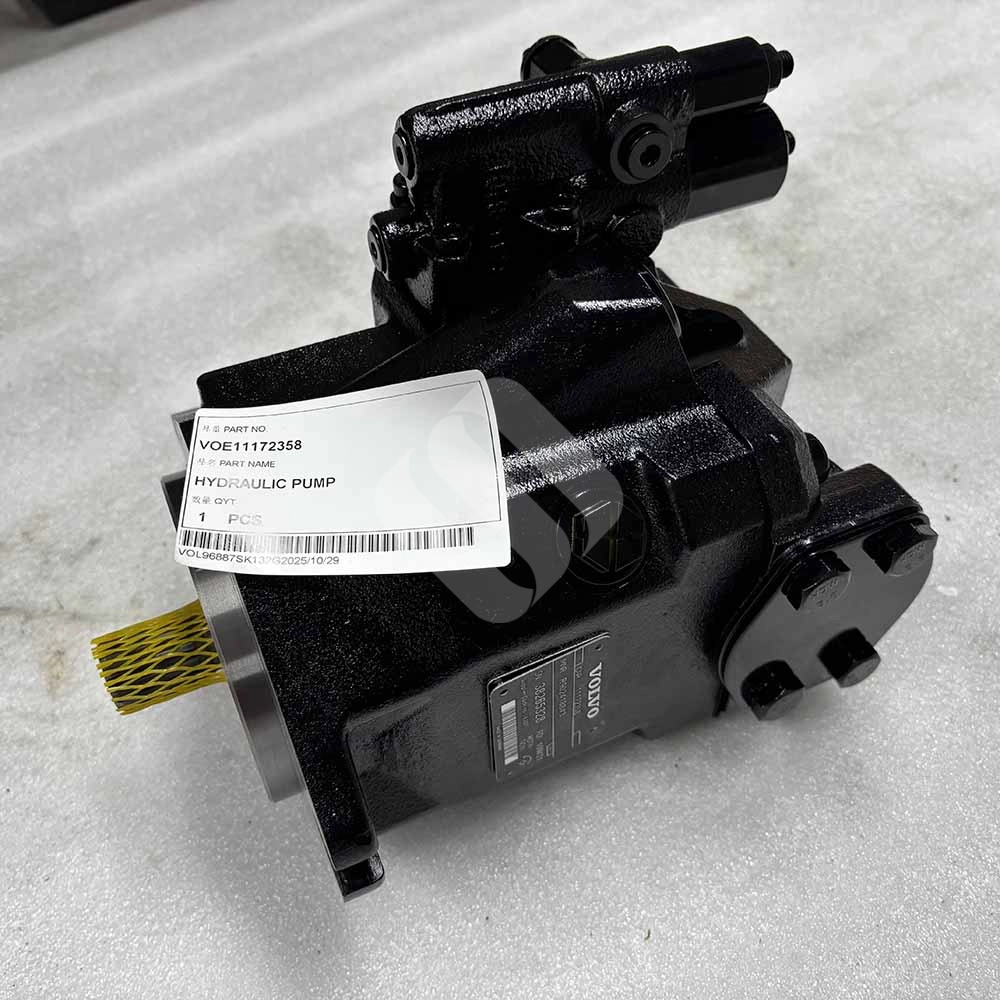
VOE11172358 11172358 Hydraulic Pump for Volvo Wheel Loader L60E L70E L90E L110E L60F L70F L90F L120F
VOE11172358 is the part number for a hydraulic pump (specifically a hydraulic main or auxiliary pump) designed for several Volvo wheel loaders.
Technical Specifications
Part Numbers: VOE11172358, 11172358, and cross-reference number R986110567.
Weight: Approximately 20kg.
Type: Tyrone-type pump or piston-style auxiliary pump.
Compatible Volvo Models
This pump is compatible with a wide range of Volvo wheel loader series, including:
L60 Series: L60E, L60F, L60GZ.
L70 Series: L70E, L70F.
L90 Series: L90E, L90F, L90GZ.
L110 Series: L110E, L110F.
L120 Series: L120E, L120F, L120GZ.
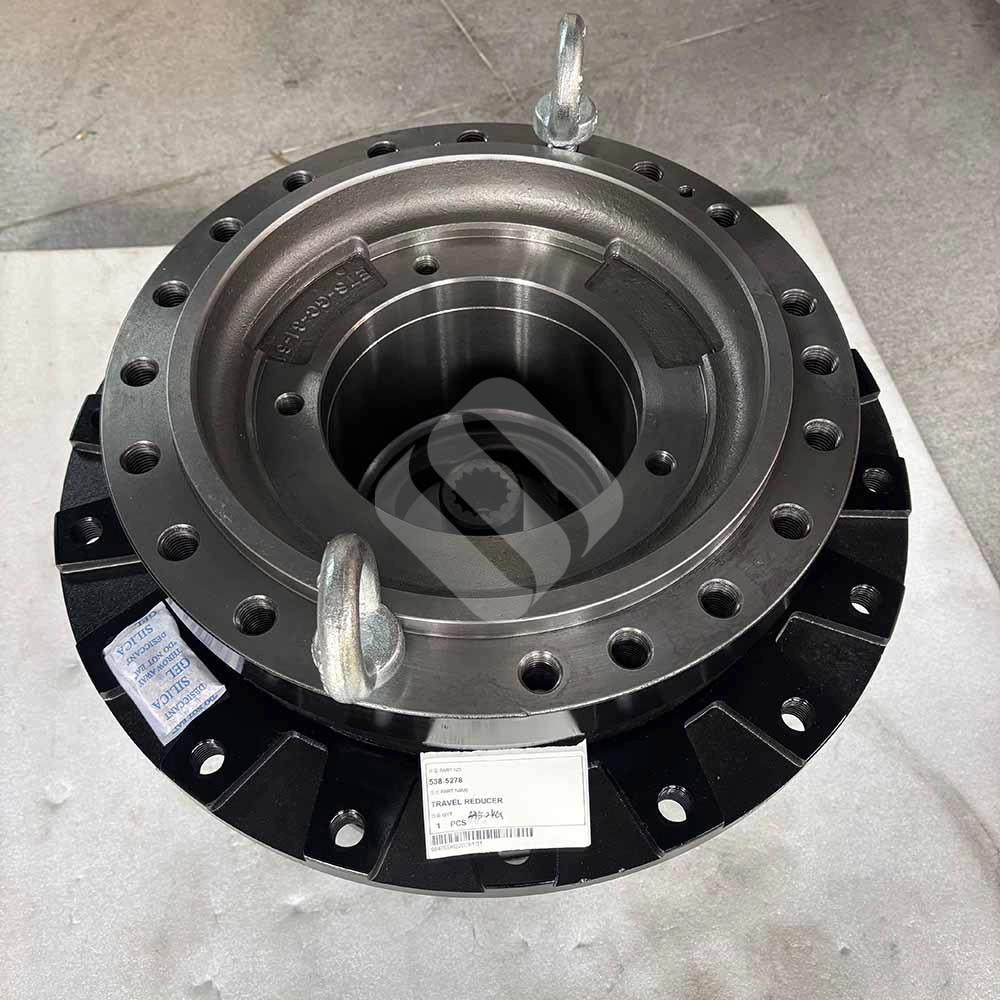
Travel Reducer 538-5278 for Caterpillar CAT Excavator 330 330GC 330F
This is a specific part number for heavy machinery components.
Part Name: Drive GP-FIN (Final Drive Group) or Travel Gearbox.
Equipment Compatibility: Primarily used for Cat 330, 330 GC, 330F, and 330D2 excavators.
Function: It serves as the reduction unit that converts hydraulic power into mechanical rotation to drive the excavator's tracks.
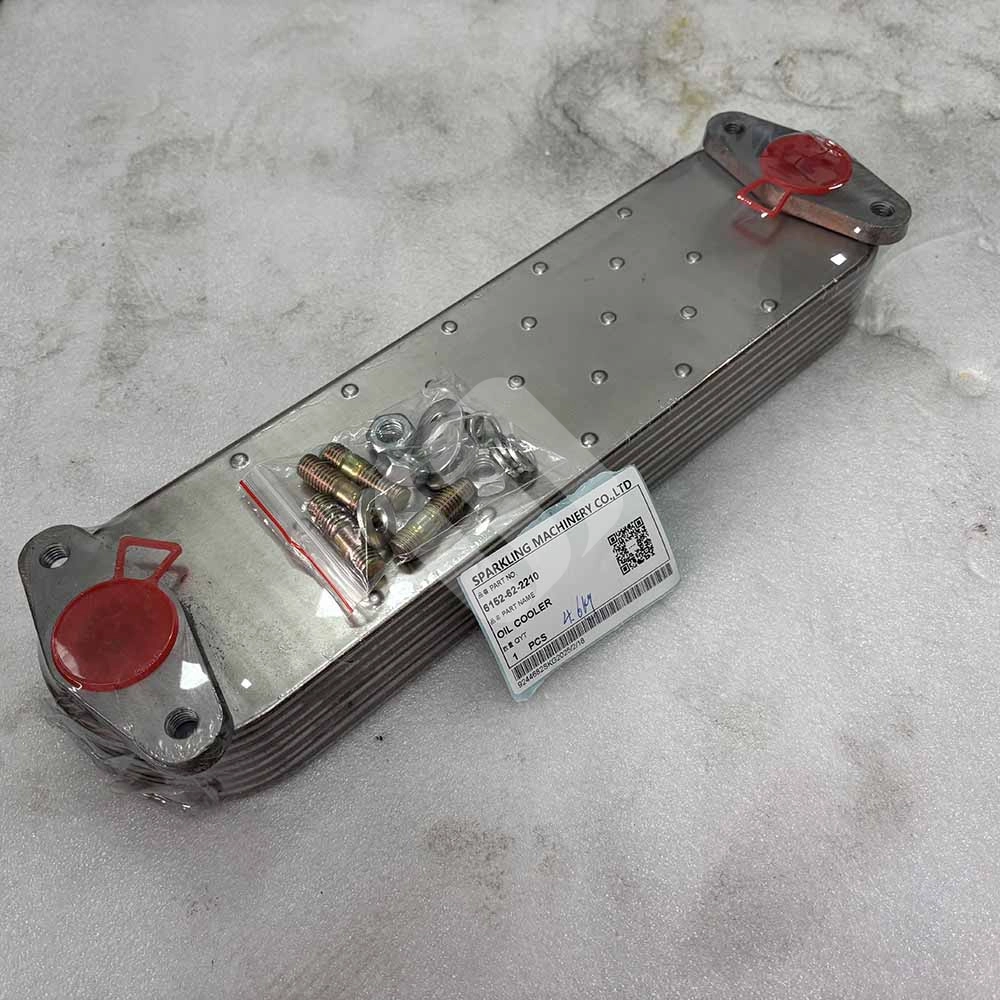
6152-62-2210 Oil Cooler for Komatsu PC400-7 PC400-8 PC400LC-8 & Wheel Loaders WA470-3 WA470-5
The 6152-62-2210 Oil Cooler is a critical thermal management component for Komatsu PC400-7, PC400-8, PC400LC-8 excavators and WA470-3, WA470-5 wheel loaders. It efficiently dissipates heat from engine and hydraulic oil, maintaining optimal operating temperatures to prevent overheating, reduce component wear, and ensure continuous heavy-duty performance in construction and mining environments.
Key Features
· Material: Often made of stainless steel in aftermarket versions.
· Design: 8-plate (8P) design.
· Weight: Approximately 4.74 kg (net weight).
· OEM-Perfect Fit: Matches original mounting and flow specs for direct, modification-free installation.
· High Cooling Efficiency: Optimized fin-and-tube design maximizes heat exchange, keeping oil temperatures stable.
Compatible Equipment
· Excavators: PC400-7, PC400-8, PC400LC-8, PC450-8, PC450LC-8, PC490-10, PC490LC-10, PC550LC-8.
· Wheel Loaders: WA470-3, WA470-5, WA480-6.
· Dump Trucks: HM300-2, HM300-3.
· Dozers: D85EX/PX series.

Contact us
Email: ranroswang@hksparkling.com
Wechat: +86 136 0901 0879
Skype: foreverlucia1
WhatsApp: +86 136 0901 0879
Address: No. 514-515, Hulin Road, Tianhe District, Guangzhou, China.
Sparkling Machinery Co.,Ltd
sparkling_machinery
Whatsapp: +8613609010879