 ranroswang@hksparkling.com
  +86 138 2341 8469


The B2B Buyer’s Guide to Hydraulic Parts for Excavators | SPARKLING Ultimate Insights
- The B2B Buyer’s Guide to Hydraulic Parts for Excavators
- Introduction: Purpose and Who This Guide Serves
- Why Hydraulic Parts for Excavators Demand Special Attention
- Common Hydraulic Components and Their Commercial Importance
- OEM vs. Aftermarket: How to Decide
- Key Technical Specifications to Verify Before Purchase
- Quality Assurance: Certifications and Testing Buyers Should Demand
- Hydraulic Fluid and Cleanliness Considerations
- Compatibility with Major Brands and Cross-Reference Practices
- Warranty, Return Policy, and After-Sales Support
- Lifecycle Cost Approach: Beyond Unit Price
- Inventory Strategy: Stock Levels, Lead Times, and Critical Spares
- Logistics, Packaging, and Handling Requirements
- Customization and Engineering Support
- Inspection and Acceptance Checklist for Delivered Parts
- Maintenance Best Practices to Extend Part Life
- Risk Management: Common Failure Modes and How to Mitigate Them
- How to Vet a Supplier: Practical Questions to Ask
- Why Choose SPARKLING MACHINERY as Your Hydraulic Parts Partner
- Practical Procurement Checklist — Ready-to-Use
- Conclusion: Make Reliability Your Primary KPI
- Next Steps and Contact
- Frequently Asked Questions
The B2B Buyer’s Guide to Hydraulic Parts for Excavators
Introduction: Purpose and Who This Guide Serves
This guide is written for purchasing managers, fleet operators, maintenance supervisors, and procurement teams who buy hydraulic parts for excavators. It explains how to evaluate hydraulic components, balance cost with reliability, and select suppliers that deliver consistent quality. The goal is to help B2B buyers reduce unplanned downtime and total cost of ownership while ensuring compatibility across major brands like Caterpillar, Komatsu, Hitachi, and Volvo.
Why Hydraulic Parts for Excavators Demand Special Attention
Hydraulic systems are the beating heart of an excavator — they control boom, arm, bucket, swing, and travel functions. Failures in pumps, valves, cylinders, or hoses can cause immediate downtime and secondary damage. For B2B buyers, the focus should be on parts that maintain pressure and flow under load, resist contamination, and deliver predictable service life under varied site conditions.
Common Hydraulic Components and Their Commercial Importance
When procuring hydraulic parts for excavators, buyers typically evaluate: pumps (axial piston, gear), hydraulic motors, control valves and cartridges, cylinders (single- and double-acting), hoses and fittings, seals and O-rings, filters and strainers, pressure sensors, and manifolds. Each category has procurement drivers: lead time sensitivity for pumps, quality and fitting precision for cylinders, and contamination control for filters and hoses.
OEM vs. Aftermarket: How to Decide
B2B buyers must weigh OEM parts against aftermarket alternatives. OEMs offer guaranteed fit and factory backing, often with higher unit cost. Reputable aftermarket brands or certified remanufacturers can deliver comparable performance at lower price points but require careful vetting: certifications, material traceability, dimensional checks, and warranty terms. Consider a mixed sourcing strategy: OEM for critical, high-risk items; qualified aftermarket for consumables and wear parts.
Key Technical Specifications to Verify Before Purchase
When specifying hydraulic parts for excavators, require clear technical data: pressure and flow ratings, port types and sizes, thread and fitting standards, bore and rod sizes for cylinders, material grades, surface treatments, and seal compounds. Ensure suppliers provide cross-reference part numbers and dimensional drawings so installers can confirm compatibility with the fleet.
Quality Assurance: Certifications and Testing Buyers Should Demand
Ask suppliers for documented quality controls: ISO 9001 certification, incoming material inspections, process control records, and pressure/leak testing results. For critical components like pumps and cylinders, request test certificates showing proof pressure tests, flow curves, and run-in data. Traceability records for raw materials and heat treatment are valuable for root-cause analysis if failures occur.
Hydraulic Fluid and Cleanliness Considerations
Fluid cleanliness is crucial for hydraulic parts longevity. Contaminants accelerate wear of pumps, valves, and servo components. B2B buyers should ensure delivered parts and replacement fluids meet recommended cleanliness levels and that suppliers ship sealed, clean components. Ask about packaging methods, preservative oils, and recommended filtration or flushing procedures before installation.
Compatibility with Major Brands and Cross-Reference Practices
Excavator fleets often include multiple brands. Require suppliers to provide cross-reference lists that map OEM part numbers to equivalent aftermarket SKUs. Effective cross-referencing reduces stocking complexity and improves order accuracy. SPARKLING MACHINERY, for example, offers parts compatible with Caterpillar, Komatsu, Hitachi, Volvo and other top brands, along with technical support to verify cross-compatibility before purchase.
Warranty, Return Policy, and After-Sales Support
For B2B procurement, the warranty and return process are as important as unit price. Define acceptance criteria, RMA procedures, and warranty coverage duration. Ensure the supplier offers technical advice for installation and troubleshooting, spare availability, and responsive support channels. Prefer suppliers who commit to clear SLAs for warranty response and replacement shipments.
Lifecycle Cost Approach: Beyond Unit Price
Smart buyers evaluate total lifecycle cost: purchase price, expected service life, maintenance requirements, downtime impact, and energy efficiency. A slightly higher-cost pump that lasts significantly longer and reduces fuel consumption or reduces failures can lower fleet operating cost over time. Use historical failure data from your fleet to inform procurement decisions and prioritize parts that historically drive the most downtime.
Inventory Strategy: Stock Levels, Lead Times, and Critical Spares
Create a tiered parts stocking strategy: critical spares (pumps, main control valves, travel motors), consumables (filters, hoses, seals), and low-priority items. Maintain safety stock for long-lead, high-impact parts. Work with suppliers who offer consistent lead times, express shipping options, and consignment or Vendor Managed Inventory (VMI) to minimize capital tied up in stock while keeping machines running.
Logistics, Packaging, and Handling Requirements
Hydraulic parts can be sensitive to moisture, contamination, and mechanical damage during transit. Specify packaging requirements such as sealed protective caps, moisture barrier wraps, rust preventive films, and sturdy crates. Confirm that the supplier uses proven carriers and provides tracking and insurance for high-value components.
Customization and Engineering Support
Some projects require customized hydraulic solutions: modified cylinder strokes, different port configurations, or bespoke manifolds. Evaluate suppliers on their engineering capability to provide drawings, finite element analysis (where necessary), prototypes, and testing. SPARKLING MACHINERY provides custom solutions and technical consultation to adapt parts to specific fleet requirements.
Inspection and Acceptance Checklist for Delivered Parts
Implement a standardized inspection checklist for incoming hydraulic parts: verify part number and serial, check packaging integrity, inspect for physical damage, confirm dimensional tolerances, review test certificates, and perform basic functional checks where feasible. Document inspections to create an audit trail and support warranty claims if needed.
Maintenance Best Practices to Extend Part Life
Preventive maintenance extends service life of hydraulic parts. Key practices include keeping hydraulic fluid within specification, regular filter changes, scheduled hose inspections and replacements, torque checks on fittings, and periodic system flushing. Train technicians on correct installation procedures and torque values to avoid premature failures due to improper assembly.
Risk Management: Common Failure Modes and How to Mitigate Them
Common failure modes include contamination-induced wear, seal extrusion, overheating, and fatigue failure in cylinders or rods. Mitigation strategies include filtration upgrades, temperature monitoring, correct fluid selection, routine oil analysis, and choosing components with protective coatings or hardened surfaces for abrasive environments.
How to Vet a Supplier: Practical Questions to Ask
When evaluating suppliers of hydraulic parts for excavators, ask: What quality certifications do you hold? Can you provide test certificates and material traceability? What is your standard lead time and emergency response time? Do you offer technical drawings and installation support? What warranty terms and return policies apply? Can you supply references from similar fleet customers?
Why Choose SPARKLING MACHINERY as Your Hydraulic Parts Partner
Founded in 2013, SPARKLING MACHINERY focuses on high-quality excavator parts and is committed to stability, precision, and perseverance. We offer a wide range of hydraulic components compatible with Caterpillar, Komatsu, Hitachi, Volvo and other top brands. Through strict manufacturing and quality control, customized solutions, and a global sales network, SPARKLING helps businesses lower costs while ensuring reliable operation across varied working conditions.
Practical Procurement Checklist — Ready-to-Use
Use this buying checklist when placing orders: verify OEM cross-reference; request pressure/flow test results; confirm material and seal compound; ensure packaging and cleanliness controls; clarify lead time and shipping method; obtain warranty and RMA terms; request spare recommendations and technical support contact; document inspection upon receipt.
Conclusion: Make Reliability Your Primary KPI
For B2B buyers, procuring hydraulic parts for excavators is about more than price — it’s about ensuring uptime, predictable maintenance costs, and long-term performance. Adopt a structured procurement process that emphasizes quality documentation, proper testing, inventory planning, and supplier collaboration. Partnering with experienced suppliers like SPARKLING MACHINERY gives you technical support, compatibility assurance, and a global supply chain to keep your fleet productive.
Next Steps and Contact
If you’re evaluating suppliers or creating a parts strategy for your fleet, start with a parts audit and critical-spares analysis. Contact SPARKLING MACHINERY for a consultation, customized solutions, and help building a parts program tailored to your excavator fleet and operating environment.
Note: This guide is intended to provide practical procurement insights for B2B buyers. For machine-specific recommendations, always consult your equipment manuals and OEM service guidance.
Frequently Asked Questions
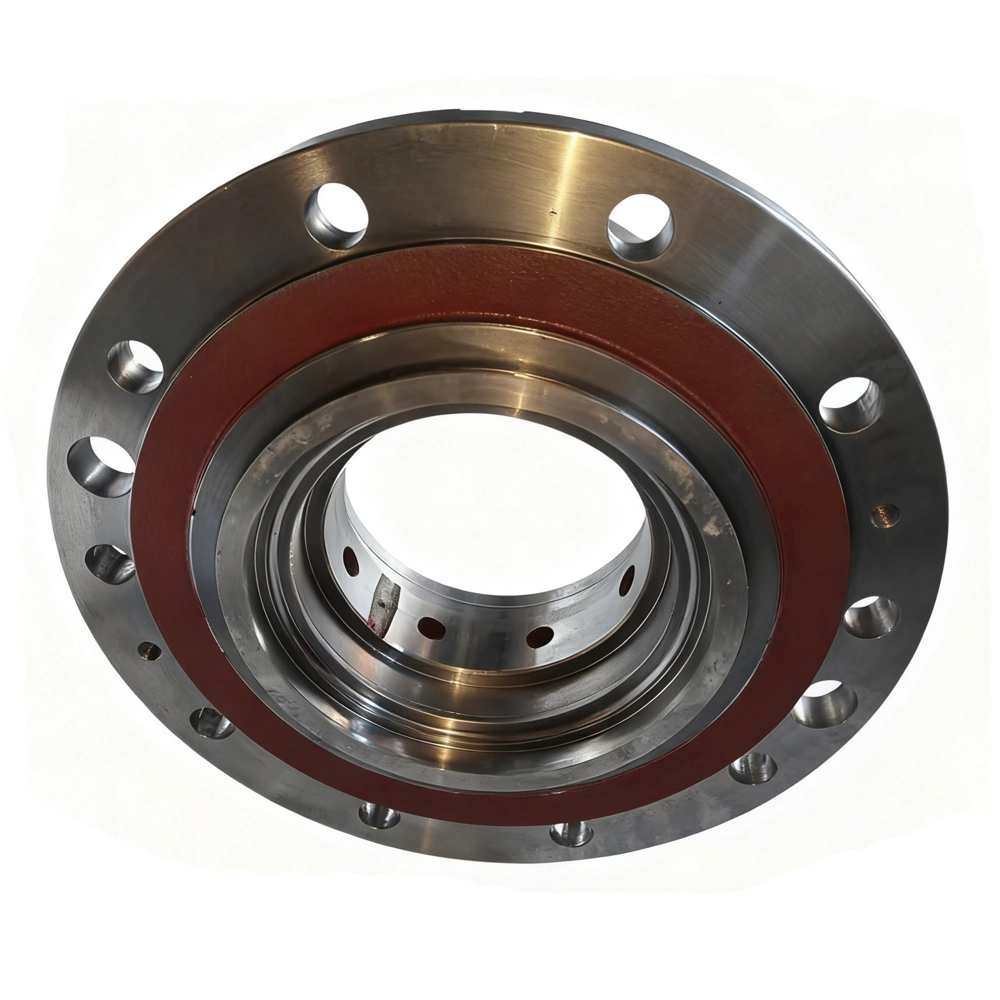
Made-in-China Excavator Parts: Quality Standards to Check
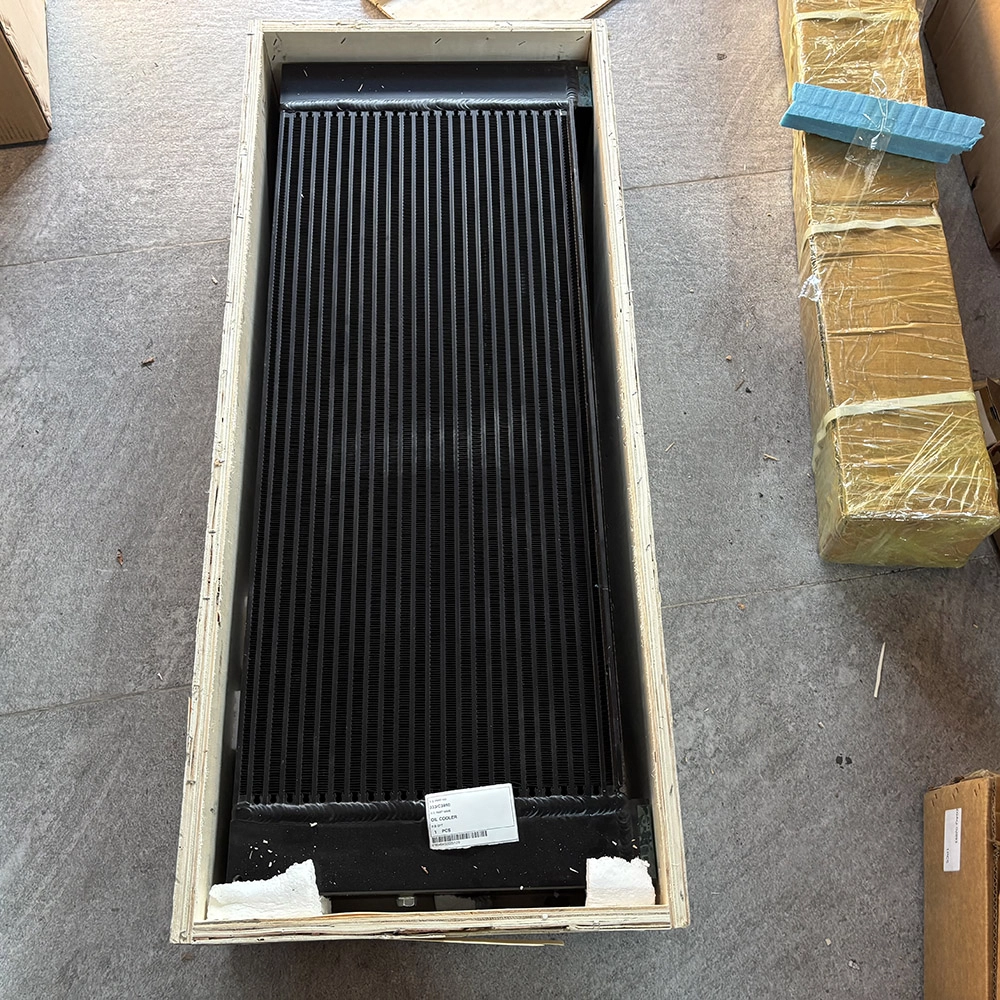
OEM vs Aftermarket: 333/C3850 Replacement Oil Cooler
2026 Cost Breakdown of Hydraulic System Components
Wholesale excavator R170W-7 spare parts manufacturer and supplier
faq
What is the lead time for receiving excavator parts?
Our typical lead time depends on the complexity and quantity of the order. For standard parts, delivery usually takes between 7 to 14 days. For custom orders, the lead time may vary, but we always strive to ensure timely delivery.
Are your products covered by a warranty?
-
Yes, all of our excavator parts come with a warranty to ensure quality and reliability. The warranty period may vary depending on the type of part. Please contact us for detailed warranty terms for specific products.
-
Can I get technical support for installing your parts?
Absolutely. We provide technical support and guidance for the installation and maintenance of our parts. Our team is available to assist you with any questions or concerns to ensure proper installation and optimal performance.
What types of excavator parts do you manufacture?
We manufacture a wide range of excavator parts, including hydraulic components, undercarriage parts, engine parts, wear parts, and more. Our products are designed to fit a variety of excavator models and are built to meet the highest quality standards.
How do you ensure the quality of your parts?
We follow strict quality control procedures throughout the manufacturing process. Our parts are tested for durability, performance, and precision to ensure they meet industry standards and exceed customer expectations.
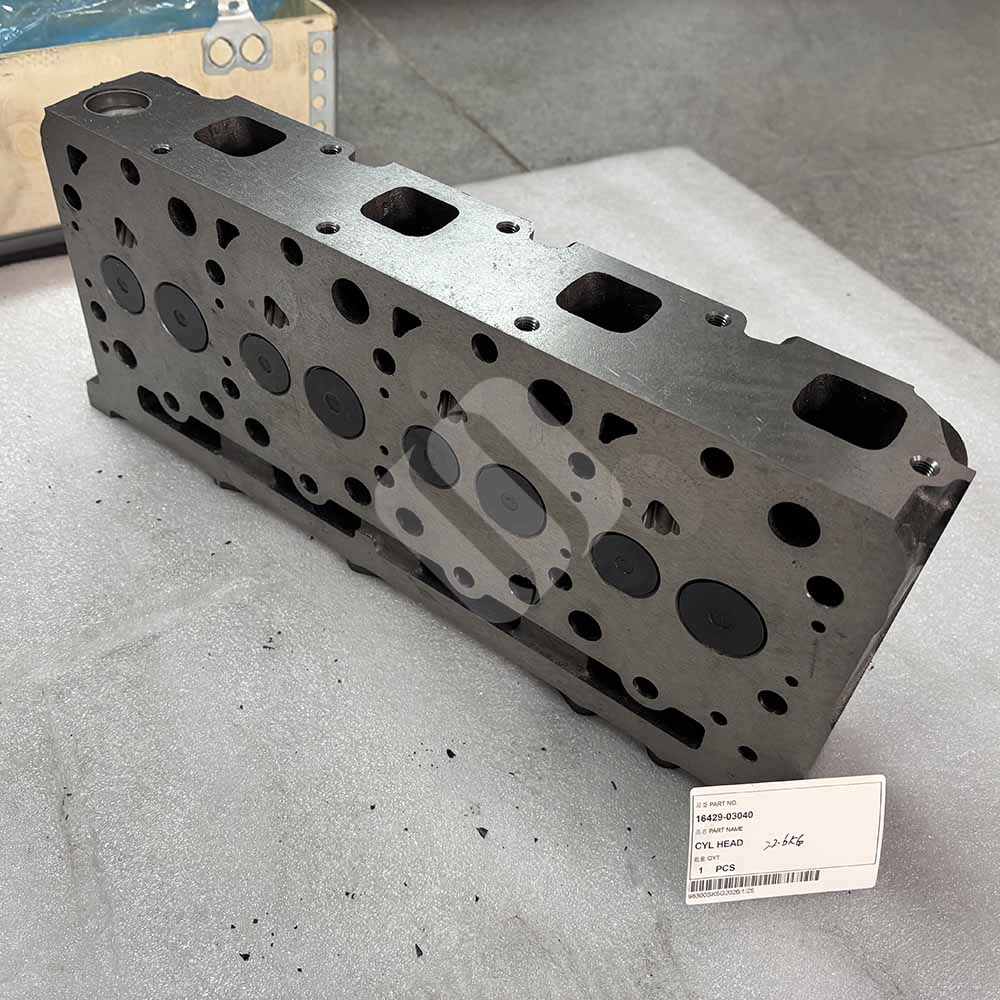
16429-03040 Engine Cylinder Head for Kubota Excavator KX121-3 KX161-3 U45
The 16429-03040 Cylinder Head is a high-precision engine component specifically designed for Kubota KX121, KX161, and U45 excavators powered by V2203/V2403 engines. Manufactured from premium alloy cast iron, it ensures exceptional thermal stability and pressure resistance, restoring your engine's compression and fuel efficiency to factory standards.
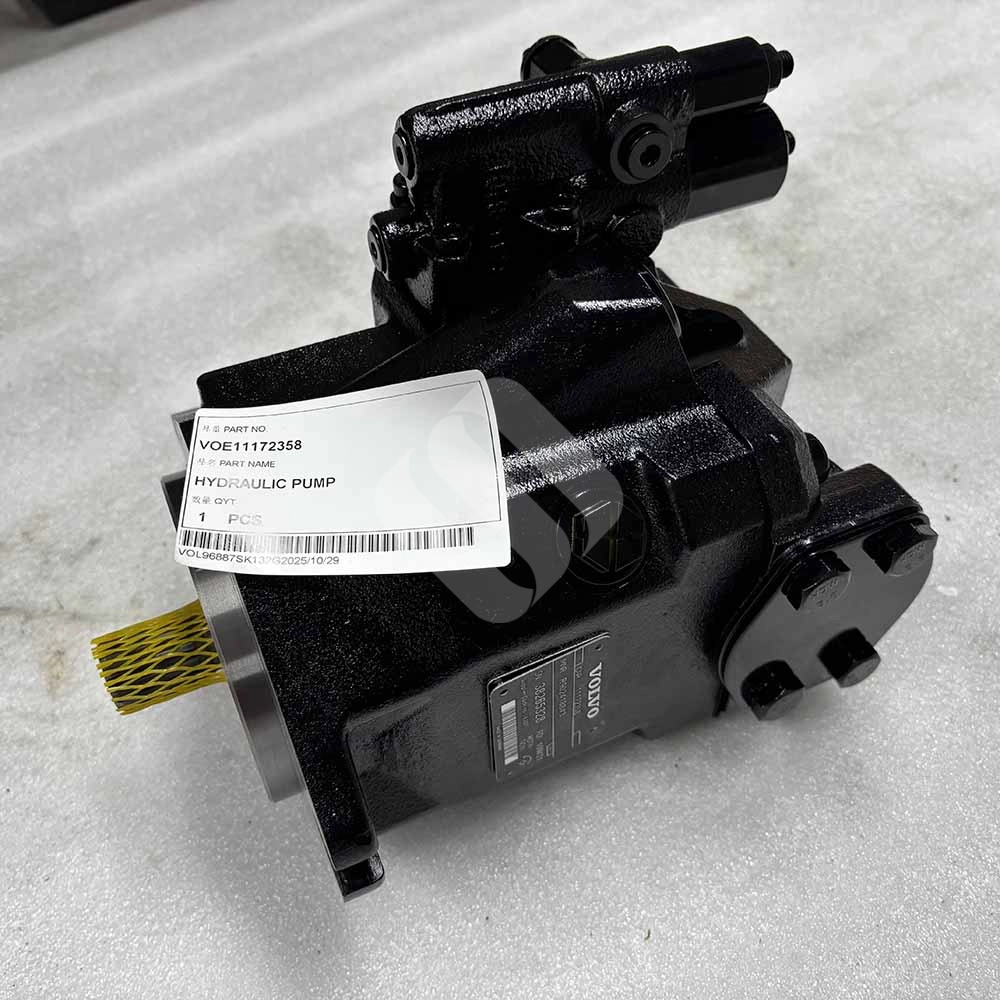
VOE11172358 11172358 Hydraulic Pump for Volvo Wheel Loader L60E L70E L90E L110E L60F L70F L90F L120F
VOE11172358 is the part number for a hydraulic pump (specifically a hydraulic main or auxiliary pump) designed for several Volvo wheel loaders.
Technical Specifications
Part Numbers: VOE11172358, 11172358, and cross-reference number R986110567.
Weight: Approximately 20kg.
Type: Tyrone-type pump or piston-style auxiliary pump.
Compatible Volvo Models
This pump is compatible with a wide range of Volvo wheel loader series, including:
L60 Series: L60E, L60F, L60GZ.
L70 Series: L70E, L70F.
L90 Series: L90E, L90F, L90GZ.
L110 Series: L110E, L110F.
L120 Series: L120E, L120F, L120GZ.
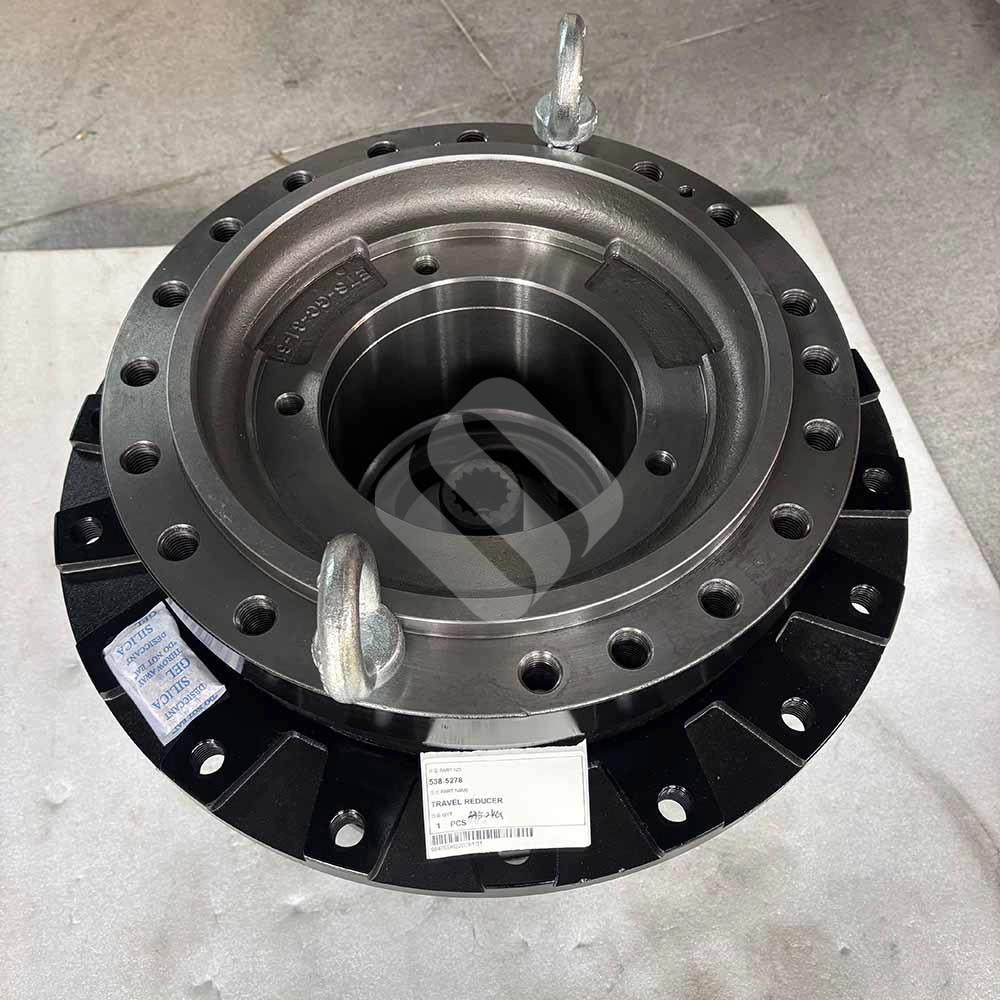
Travel Reducer 538-5278 for Caterpillar CAT Excavator 330 330GC 330F
This is a specific part number for heavy machinery components.
Part Name: Drive GP-FIN (Final Drive Group) or Travel Gearbox.
Equipment Compatibility: Primarily used for Cat 330, 330 GC, 330F, and 330D2 excavators.
Function: It serves as the reduction unit that converts hydraulic power into mechanical rotation to drive the excavator's tracks.
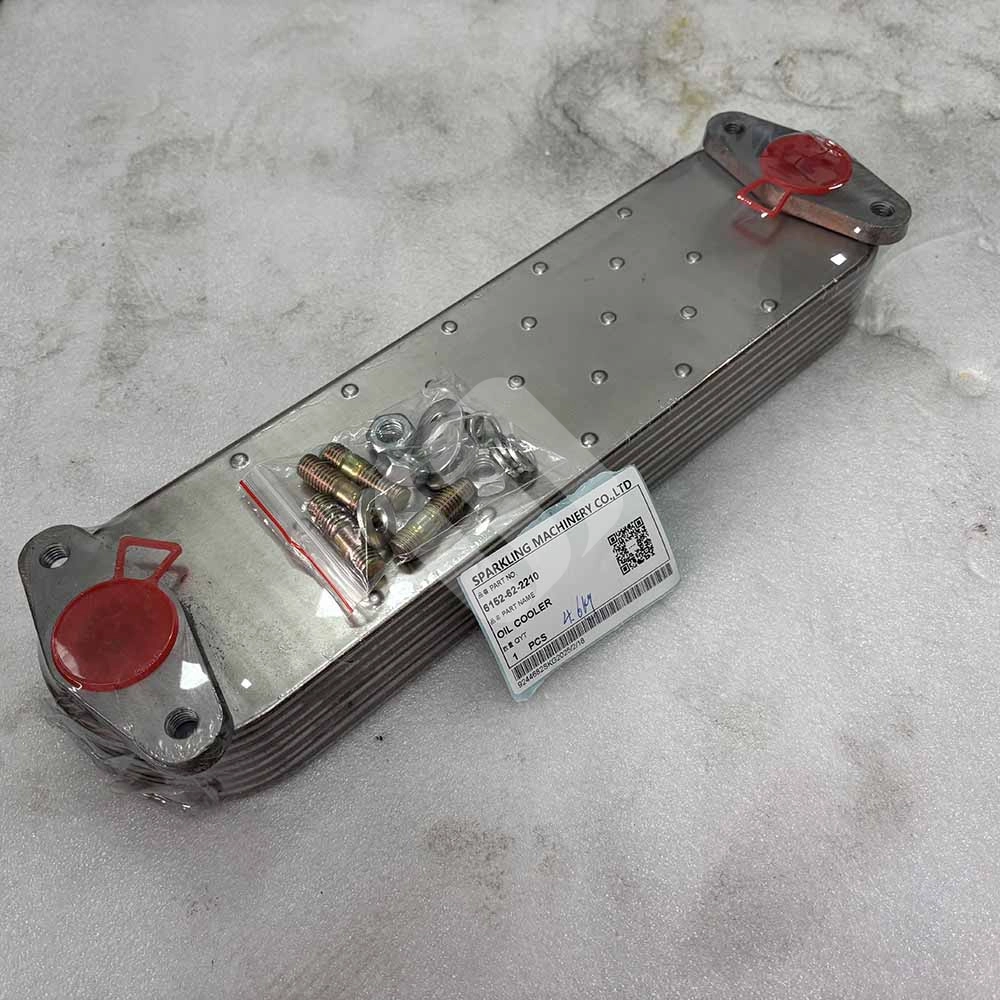
6152-62-2210 Oil Cooler for Komatsu PC400-7 PC400-8 PC400LC-8 & Wheel Loaders WA470-3 WA470-5
The 6152-62-2210 Oil Cooler is a critical thermal management component for Komatsu PC400-7, PC400-8, PC400LC-8 excavators and WA470-3, WA470-5 wheel loaders. It efficiently dissipates heat from engine and hydraulic oil, maintaining optimal operating temperatures to prevent overheating, reduce component wear, and ensure continuous heavy-duty performance in construction and mining environments.
Key Features
· Material: Often made of stainless steel in aftermarket versions.
· Design: 8-plate (8P) design.
· Weight: Approximately 4.74 kg (net weight).
· OEM-Perfect Fit: Matches original mounting and flow specs for direct, modification-free installation.
· High Cooling Efficiency: Optimized fin-and-tube design maximizes heat exchange, keeping oil temperatures stable.
Compatible Equipment
· Excavators: PC400-7, PC400-8, PC400LC-8, PC450-8, PC450LC-8, PC490-10, PC490LC-10, PC550LC-8.
· Wheel Loaders: WA470-3, WA470-5, WA480-6.
· Dump Trucks: HM300-2, HM300-3.
· Dozers: D85EX/PX series.
Contact us
Email: ranroswang@hksparkling.com
Wechat: +86 136 0901 0879
Skype: foreverlucia1
WhatsApp: +86 136 0901 0879
Address: No. 514-515, Hulin Road, Tianhe District, Guangzhou, China.
Sparkling Machinery Co.,Ltd
sparkling_machinery
Whatsapp: +8613609010879