Excavator Hydraulic Fluid: Have To Know These Things

Wednesday, March 18, 2026
   When it comes to changing or adding hydraulic fluid to an excavator, understanding this fluid is absolutely critical — the consequences of using the wrong hydraulic oil are hard to fathom. Fortunately, this blog will give you a full grasp of excavator hydraulic fluid, covering its basics, types, functions, differences, and how to select the right one. So let’s dive in right away.

Ⅰ. What is hydraulic fluid?

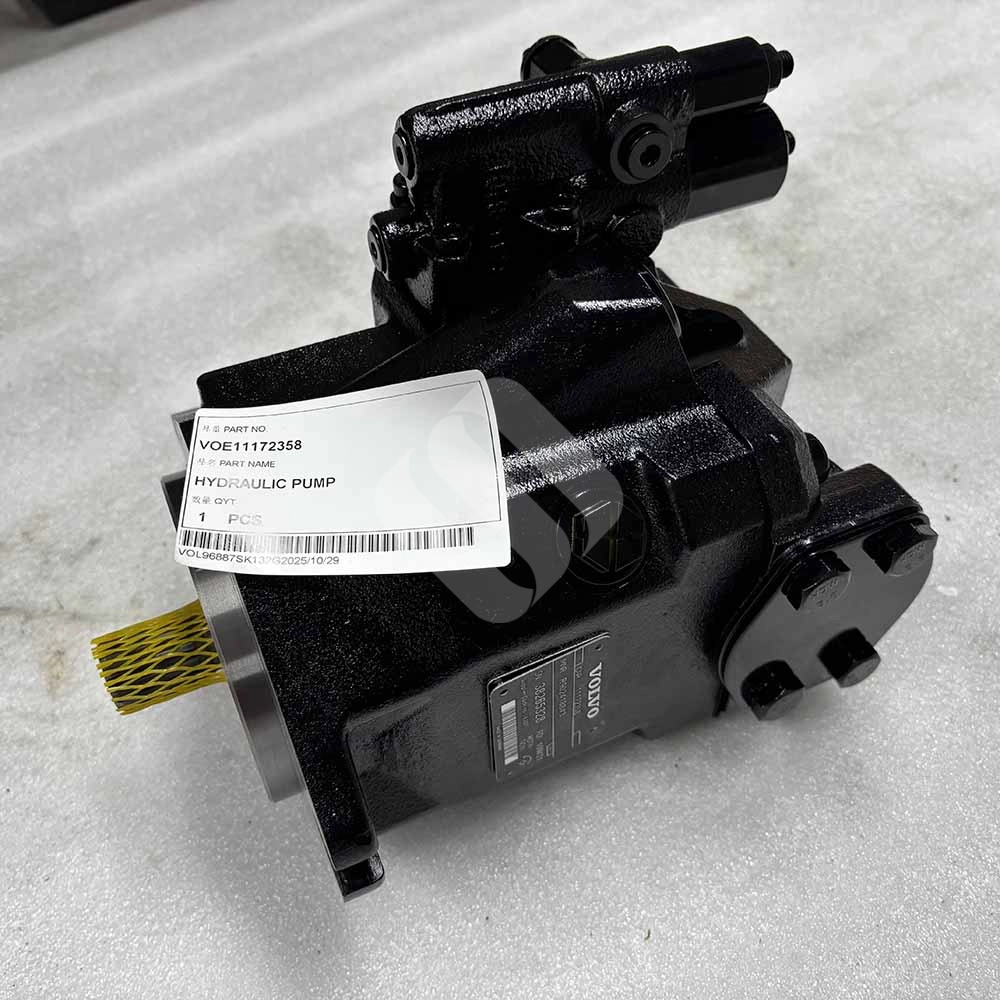
   Excavator hydraulic oil is composed of mineral oil and various additives, such as organic silicon-based and ethylene glycol-based compounds. These additives boost lubrication performance and strengthen moisture management. Hydraulic oil is used to transmit pressure and operate key hydraulic components like cylinders and motors within the hydraulic system, providing essential functions including lubrication, heat transfer, and sealing. It plays an indispensable role in ensuring the hydraulic system runs normally, performs efficiently, and remains reliable.

Ⅱ. Functions of hydraulic oil

   Hydraulic oil acts as the working medium in the excavator’s drive system, powering the hydraulic track motors to enable forward and backward movement. It also allows for 360-degree rotation via the hydraulic swing motor. Additionally, hydraulic oil controls the excavator’s boom, arm, and bucket, supporting a variety of work actions through hydraulic cylinders connected to the main hydraulic circuit.
   Apart from power transmission and operation, hydraulic oil lubricates the system, reducing friction and wear between moving parts to extend their lifespan and improve efficiency. It creates seals to prevent leakage, and provides cushioning to control the speed and force of hydraulic cylinder movements smoothly. Furthermore, it absorbs and dissipates heat generated within the hydraulic system, maintaining a suitable working temperature range to prevent overheating, and adverse effects on system performance and component longevity.

Ⅲ. Excavator Hydraulic fluid types

Selecting the correct type of excavator hydraulic fluid is vital for the excavator’s normal operation and reliability. Different types of hydraulic oils have unique characteristics and advantages, offering lubrication, protection, and performance enhancement to ensure the hydraulic system operates efficiently.

· Mineral oil

The most common type, derived from petroleum products. It offers excellent lubrication for machinery but may be prone to oxidation and viscosity decrease. Mineral oil has the widest applicability and accounts for more than 85% of the total hydraulic oil usage. It provides enhanced rust, corrosion, and foam protection in humid working environments.

· Synthetic oil

Synthetic oil, made from synthetic chemicals, has a longer lifespan and superior lubrication performance. It is an ideal choice for machinery operating under extreme temperatures or high pressures. Its drawbacks include potential higher cost than mineral oil, toxicity, and incompatibility with certain sealing materials.

· Water-based hydraulic oil

Water-based hydraulic oil is formulated with water as a base fluid instead of petroleum products. It is typically used in environments with a high risk of fire. Due to the water-based nature, these oils generally do not possess good performance in terms of lubrication, corrosion inhibition, and sealing. To improve their performance, a certain proportion of oil is added as an emulsion. The downside is that water-based fluids are more expensive than petroleum-based fluids but generally cheaper than synthetic materials. They can freeze at low temperatures or boil at high temperatures.

· Fire-resistant fluids

Fire-resistant fluids are specially designed hydraulic media to prevent fires in extreme conditions. These fluids typically consist of a combination of water, ethylene glycol, and polyol esters, with formulations that help prevent ignition and provide higher safety.

· Biodegradable hydraulic oil (effective substitute for mineral oil)

Usually natural and non-toxic, biodegradable hydraulic oils are environmentally friendly as their components generally come from raw plants such as soybean, rapeseed, and sunflower seeds. They exhibit excellent high viscosity index, lubrication, oxidation resistance, rust prevention, and anti-wear properties.
 

3


Ⅳ. What to look for when buying hydraulic fluid?

Beyond the type of hydraulic fluid, there are several other key factors you should take into account:

· Correct viscosity

The viscosity of hydraulic oil refers to its flow resistance or thickness and is closely related to temperature changes. For example, viscosity increases with decreasing temperature and vice versa. Choosing the correct viscosity is crucial for lubricating internal components and maintaining effective thickness at low temperatures.

· Density of excavator hydraulic fluid

This affects the mass and volume of the liquid in the hydraulic system, thereby influencing the working pressure and flow rate of the system. Accurate measurement of density is essential for performance assessment and maintenance of hydraulic systems. As a core characteristic of hydraulic oil, higher density oils can suspend and remove contaminants, enhancing contamination control in the hydraulic system.
The density of hydraulic oil typically ranges from approximately 800 kg/m³ to 1000 kg/m³. For example, common mineral oil hydraulic oils usually have densities ranging from 850 kg/m³ to 900 kg/m³. The density of synthetic hydraulic oils depends on their specific composition and manufacturing process.

· Anti-wear performance

Hydraulic oil contains additives that enhance its performance. Common anti-wear additives include phosphates, sulfides, phosphates, and zinc compounds. These additives can form a protective film on metal surfaces, reducing direct metal-to-metal contact and minimizing wear and friction.

· Thermal stability of hydraulic oil

Hydraulic systems often operate at elevated temperatures, and hydraulic oil needs to withstand these high-temperature environments without premature degradation, oxidation, or the formation of deposits. Otherwise, it can compromise the stability of the oil. That’s why you should look for hydraulic oil with good thermal stability.

Ⅴ. What about the use life of hydraulic oil?

   The service life of hydraulic oil depends on various factors, including time, overall operating temperature, oil quality, and working environment. However, regular maintenance can help extend its lifespan. The safest and most sensible approach is to follow the maintenance intervals specified in the manufacturer’s machine manual. In general, operating under reasonable conditions, using high-quality hydraulic oil, and conducting proper maintenance can not only prolong the oil’s service life but also improve the hydraulic system’s reliability and performance.
   The differences between hydraulic oil and engine oil for motor vehicles lie in their purposes, chemical compositions, and performance requirements. Additionally, hydraulic oil serves different purposes in various applications, including power transmission in hydraulic machinery, lubrication, noise reduction, and engine cooling.
Engine oil contains various additives designed to combat contaminants produced during the combustion process. These additives provide additional protection and performance to suit the engine’s operating environment. While many engine oils may have some lubricating properties in basic hydraulic applications, they generally cannot provide the comprehensive protection required by engines.
   It is important to select the appropriate oil based on specific application areas and equipment requirements to ensure proper operation and optimal performance.

Ⅵ. How to identify excavator hydraulic fluid deterioration?

You can identify hydraulic oil deterioration by paying attention to the following key indicators:

· Appearance

Take a small sample of hydraulic oil from the hydraulic pump. If you observe a milky or cloudy appearance, sometimes resembling yellowish milk, it indicates that the hydraulic oil has become contaminated with water and has emulsified. It needs to be replaced promptly.

· Tactile evaluation

Rub the hydraulic oil between your thumb and fingers. Good hydraulic oil should be smooth and frictionless. If you feel large particles or a loss of viscosity while rubbing the oil between your fingers, it is time to replace the hydraulic oil.

· Filtration test

Retrieve a small sample of hydraulic oil from the oil tank and filter it using a piece of filter paper. If you notice black residue on the filter paper with a pungent odor, it indicates that the oil has undergone oxidation and deterioration.

· Sediment analysis

Extract a portion of the sediment from the bottom of the oil tank. If you find a significant amount of asphalt and gel-like sediment and feel high adhesion when kneading it between your fingers, it suggests that the oil has oxidized and deteriorated.
Tags
Rexroth 04950403
Rexroth 04950403
R170W-3 coupling
R170W-3 coupling
PC228 radiator core
PC228 radiator core
31N6-91230 solenoid valve
K3V112DT replacement
C13 cooling system
C13 cooling system
Recommended for you
How to Identify Positive and Negative Battery Terminals

How to Identify Positive and Negative Battery Terminals?

How to Identify Positive and Negative Battery Terminals?
How to Test a Fuel Shut Off Solenoid

How to Test a Fuel Shut Off Solenoid? How Do I Know If It Is Bad?

How to Test a Fuel Shut Off Solenoid? How Do I Know If It Is Bad?
Caterpillar 336D2 Hydraulic Excavator

Caterpillar 336D2 Hydraulic Excavator | Specs & Genuine Part Numbers Lookup

Caterpillar 336D2 Hydraulic Excavator | Specs & Genuine Part Numbers Lookup
Get To Know Aftermarket Fuel Pumps

A Comprehensive Guide to Aftermarket Fuel Pumps for Excavators

A Comprehensive Guide to Aftermarket Fuel Pumps for Excavators
Oil Cooler Leak Fix Guide

Oil Cooler Leak Fix Guide: Diagnose, Repair & Prevent for Heavy Machinery

Oil Cooler Leak Fix Guide: Diagnose, Repair & Prevent for Heavy Machinery
Prdoucts Categories
FAQ
faq
Are your products covered by a warranty?
  • Yes, all of our excavator parts come with a warranty to ensure quality and reliability. The warranty period may vary depending on the type of part. Please contact us for detailed warranty terms for specific products.

  •  

How do you ensure the quality of your parts?

We follow strict quality control procedures throughout the manufacturing process. Our parts are tested for durability, performance, and precision to ensure they meet industry standards and exceed customer expectations.

What is the lead time for receiving excavator parts?

Our typical lead time depends on the complexity and quantity of the order. For standard parts, delivery usually takes between 7 to 14 days. For custom orders, the lead time may vary, but we always strive to ensure timely delivery.

Can I get technical support for installing your parts?

Absolutely. We provide technical support and guidance for the installation and maintenance of our parts. Our team is available to assist you with any questions or concerns to ensure proper installation and optimal performance.

What types of excavator parts do you manufacture?

We manufacture a wide range of excavator parts, including hydraulic components, undercarriage parts, engine parts, wear parts, and more. Our products are designed to fit a variety of excavator models and are built to meet the highest quality standards.
You may also like
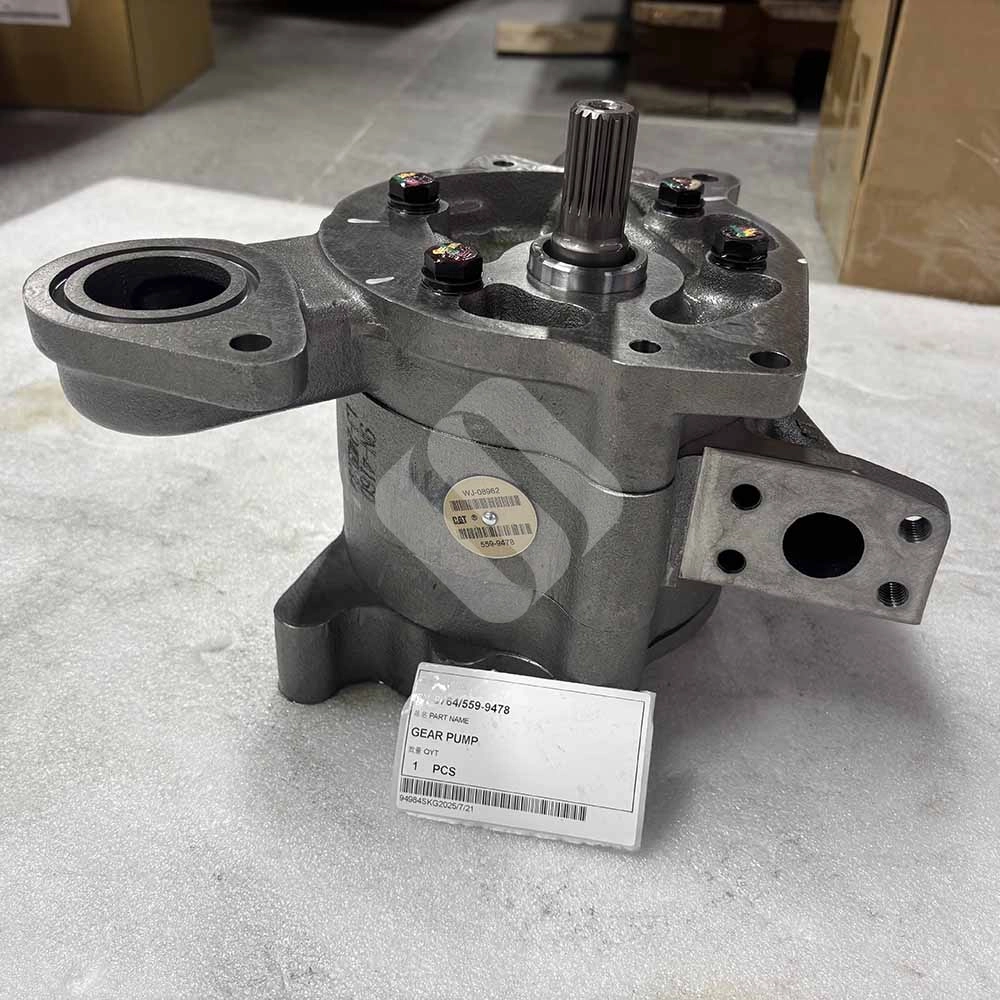
MADE IN CHINA SPARKLING MACHINERY NEW 6Y-8764 559-9478 GEAR PUMP

CATERPILLAR MADE IN CHINA SPARKLING MACHINERY NEW 6Y-8764/559-9478 GEAR PUMP

CATERPILLAR MADE IN CHINA SPARKLING MACHINERY NEW 6Y-8764/559-9478 GEAR PUMP
DEUTZ-TCD2012L042V-4-cylinder-industrial-diesel-engine-side-profile

DEUTZ TCD2012L042V Diesel Engine | 4.04L 4-Cylinder Turbocharged Industrial Motor

DEUTZ TCD2012L042V Diesel Engine | 4.04L 4-Cylinder Turbocharged Industrial Motor
Genuine-Volvo-D6E-EAE3-diesel-engine-Tier-3-compliant

Volvo D6E EAE3 Diesel Engine | 5.7L 6-Cylinder Turbocharged Industrial Motor

Volvo D6E EAE3 Diesel Engine | 5.7L 6-Cylinder Turbocharged Industrial Motor
DEUTZ-6.06L-TCD2012L062V-turbocharged-intercooled-motor

DEUTZ TCD2012L062V Diesel Engine | 6.06L 6-Cylinder Turbocharged Industrial Motor

DEUTZ TCD2012L062V Diesel Engine | 6.06L 6-Cylinder Turbocharged Industrial Motor
TCD2015V08-heavy-duty-engine-for-mining-and-construction

DEUTZ TCD2015V08 Diesel Engine | 15.9L V8 Turbocharged Industrial Motor

DEUTZ TCD2015V08 Diesel Engine | 15.9L V8 Turbocharged Industrial Motor
TCD2015V06-engine-assembly-with-electronic-governor-control

DEUTZ TCD2013V06 Diesel Engine | 11.9L V6 Turbocharged Industrial Motor

DEUTZ TCD2013V06 Diesel Engine | 11.9L V6 Turbocharged Industrial Motor
Volvo-D8K-engine-rear-view-flywheel-and-timing-gear-detail

Volvo D8K Diesel Engine | 7.7L 6-Cylinder Euro VI Industrial & Truck Motor

Volvo D8K Diesel Engine | 7.7L 6-Cylinder Euro VI Industrial & Truck Motor
TCD2013L064V-engine-with-high-pressure-DCR-injection-system

DEUTZ TCD2013L064V Diesel Engine | 7.15L 6-Cylinder 4-Valve Common Rail Motor

DEUTZ TCD2013L064V Diesel Engine | 7.15L 6-Cylinder 4-Valve Common Rail Motor
Hyundai hydraulic main pump 31Q5-15030 replacement

31Q5-15030 K5V80DTP Hydraulic Main Pump for Hyundai Wheel Excavator R170W-9S R180W-9S | SPARKLING

31Q5-15030 K5V80DTP Hydraulic Main Pump for Hyundai Wheel Excavator R170W-9S R180W-9S | SPARKLING
DEUTZ-BF4M1012C-diesel-engine-front-view

DEUTZ BF4M1012C Water-Cooled Diesel Engine | 4-Cylinder Turbocharged Industrial Motor

DEUTZ BF4M1012C Water-Cooled Diesel Engine | 4-Cylinder Turbocharged Industrial Motor

Get in touch

We are committed to producing the highest quality products at the most competitive prices. Therefore, we sincerely invite all interested companies to contact us for more information.

Name must not exceed 100 characters.
Invalid email format or length exceeds 100 characters. Please re-enter.
Please enter a valid phone number!
Company Name must not exceed 150 characters.
Content must not exceed 3000 characters.
Contact customer service

How can we help?

Hi,

If you are interested in our products/engineered customized solutions or have any doubts, please be sure to let us know so that we can help you better.

Name must not exceed 100 characters.
Invalid email format or length exceeds 100 characters. Please re-enter.
Please enter a valid phone number!
Company Name must not exceed 150 characters.
Content must not exceed 3000 characters.
×

Get a free quote

Hello,
I am very interested in this product of yours.
Please send me your product details, price, specifications, and similar models.
Looking forward to your quick reply.
Thanks!

Name must not exceed 100 characters.
Invalid email format or length exceeds 100 characters. Please re-enter.
Please enter a valid phone number!
Company Name must not exceed 150 characters.
Content must not exceed 3000 characters.
×