 ranroswang@hksparkling.com
  +86 138 2341 8469


What are the application scenarios of Excavator Cooling System Parts?
- What are the application scenarios of Excavator Cooling System Parts?
- Introduction: why cooling systems matter for excavators
- Core components commonly found in excavator cooling systems
- Primary application: heavy-duty mining and quarry operations
- Urban construction and infrastructure projects
- Demolition and recycling applications
- Forestry, landscaping, and agricultural uses
- Cold-climate operations and winterized fleets
- Marine, dredging, and waterfront projects
- Rental fleets and multi-operator environments
- Extreme duty cycles: tunneling and continuous-operation sites
- High-dust and desert environments
- Application in hybrid and electric excavators
- OEM replacement and aftermarket upgrades
- Maintenance and service scenarios
- Signs of cooling system failure and immediate actions
- Why quality and compatibility matter in parts selection
- Case study example: mining site retrofit
- Selection checklist for buyers
- Environmental and regulatory considerations
- Conclusion: matching parts to the mission
- Frequently Asked Questions
What are the application scenarios of Excavator Cooling System Parts?
Introduction: why cooling systems matter for excavators
Excavator Cooling System Parts are critical to machine reliability, fuel efficiency, and component life. Cooling systems manage heat generated by diesel engines and hydraulic systems. Without an effective cooling system, engines overheat, seals and bearings fail, hydraulic oil degrades, and downtime rises. For contractors, rental companies, and fleet managers, selecting the right cooling components and maintaining them properly is a direct way to improve productivity and reduce total cost of ownership.
Core components commonly found in excavator cooling systems
A typical cooling system includes the radiator, engine thermostat, water pump, cooling fan (mechanical, viscous clutch, or electric), coolant reservoir, hoses, clamps, oil cooler, intercooler (for turbocharged engines), and heat exchangers. Each component must withstand vibration, temperature cycling, contamination, and sometimes corrosive environments. High-quality Excavator Cooling System Parts are designed to meet those demands and match OEM specifications for fit and performance.
Primary application: heavy-duty mining and quarry operations
In mining and quarrying, excavators run long hours under heavy loads and high ambient temperatures. Radiators and oil coolers must dissipate much more heat than in light construction work. Typical scenarios include large crawler excavators (30–120+ ton classes) moving rock, loading trucks, or operating continuous digging cycles. Here, Excavator Cooling System Parts need higher capacity, robust core construction, protective screens for radiators, and easy-access designs for rapid cleaning. Failure in these environments can lead to catastrophic engine damage and costly downtime.
Urban construction and infrastructure projects
Urban construction sites place different demands on cooling parts: frequent stop-start cycles, idling, and close quarters with debris. Compact and mid-size excavators used in roadworks, pipe laying, and utility projects require cooling systems that perform well at low airflow conditions (slow fan speeds) and resist clogging from dust, asphalt, and road grime. Electric fans and thermostats tuned for low-speed efficiency are common upgrades to improve cooling during slow operations.
Demolition and recycling applications
Demolition and recycling expose excavators to dust, metal fragments, and airborne particulates. Radiators and oil coolers must be guarded and often use denser fin spacing or specialized coatings to resist abrasion and corrosion. Hydraulic oil coolers that separate engine heat and hydraulic heat become especially important when hydraulics are under continuous heavy strain. Routine cleaning and protective screens are typical service practices in these scenarios.
Forestry, landscaping, and agricultural uses
Forestry and agricultural environments present challenges like sap, wood chips, organic debris, and wet conditions. Cooling parts need corrosion resistance and sealed connectors for sensors and fans. Smaller excavators in these sectors often operate in lower ambient temperatures but may also work in hot, humid summers where cooling capacity still becomes critical. Intercoolers and fan control logic optimized for variable loads help maintain stable engine temperatures.
Cold-climate operations and winterized fleets
In cold climates, the focus shifts to protecting systems from freezing while ensuring quick warm-up. Thermostats, coolant type (antifreeze formulations like ethylene glycol or propylene glycol blends), and heaters for coolant reservoirs or engine blocks are common. Cold-weather kits and insulated hoses help maintain fluid flow and prevent brittle failures. Proper coolant concentration and freeze-point management are essential to avoid burst hoses or cracked blocks.
Marine, dredging, and waterfront projects
Excavators used near saltwater or on barges face corrosion and sand ingestion. Cooling systems here may incorporate seawater heat exchangers, sacrificial anodes, and corrosion-resistant materials. Filters and closed-loop cooling strategies reduce direct exposure of engine coolant to seawater, extending service life. Oil coolers and radiators must be designed to withstand saline spray and higher corrosion risk.
Rental fleets and multi-operator environments
Rental fleets see varied usage patterns and potentially rough handling. Cooling parts for rental machines emphasize durability and ease of maintenance: bolt-on components, quick-disconnect hoses, and protective guards. OEM-compatible Excavator Cooling System Parts that are also aftermarket-friendly reduce repair time between rentals. Clear maintenance guidelines, wear indicators, and robust warranty support are commercial priorities in this sector.
Extreme duty cycles: tunneling and continuous-operation sites
Tunneling and continuous-shift operations demand uninterrupted cooling performance. Reduced natural airflow in confined spaces requires boosted cooling capacity—oversized radiators, high-capacity fans, and hydraulic oil coolers. Systems with electronic controls that modulate fan speed based on temperature help reduce fuel usage while maintaining safe operating temperatures during continuous heavy loading.
High-dust and desert environments
Desert and high-dust conditions necessitate multi-stage filtration and radiator protection. Air pre-filters, radiator shrouds, and dust-ejecting fans prevent radiators from blinding up. Cooling parts must tolerate elevated ambient temperatures; thermal management strategies include larger heat exchangers and increased coolant flow rates. Regular dust-removal schedules and inline coolant filtration protect components from abrasive wear.
Application in hybrid and electric excavators
As hybrid and full-electric excavators grow in adoption, cooling systems adapt to new heat sources: battery packs, power electronics, and integrated hydraulic drives. Cooling components for these platforms include liquid-to-air heat exchangers, dedicated coolant loops for batteries, and compact radiators for power electronics. SPARKLING MACHINERY follows these trends and can supply cooling components compatible with hybrid system designs, focusing on thermal management needs beyond the combustion engine alone.
OEM replacement and aftermarket upgrades
Many customers seek Excavator Cooling System Parts for repair or for performance upgrades. OEM-equivalent radiators, high-efficiency fans, heavy-duty thermostats, and performance water pumps are common aftermarket choices. Upgrades can extend service intervals, reduce overheating risk, and adapt machines to harsher environments. SPARKLING MACHINERY provides both OEM-compatible replacements and custom cooling solutions to meet these demands.
Maintenance and service scenarios
Cooling system maintenance is a frequent application scenario—routine inspections, cleaning, coolant testing, and component replacement. Normal checks include radiator fin condition, hose integrity, coolant level and concentration, water pump leak or bearing noise, and fan operation. Predictive maintenance using infrared thermography and coolant analysis can prevent failures and is increasingly used in professional fleets to reduce downtime.
Signs of cooling system failure and immediate actions
Common signs include temperature gauge spikes above normal operating range (typically 80–95°C for many diesel engines), loss of power under load, coolant leaks, steam or boiling coolant, and abnormal smoke. Immediate actions are to safely shut down the engine, allow it to cool, inspect for visible leaks, and engage service technicians. Quick replacement of failed components like thermostats, water pumps, and hoses can often return a machine to service within a day for many mid-size excavators.
Why quality and compatibility matter in parts selection
Using high-quality Excavator Cooling System Parts reduces the risk of premature failures and unscheduled downtime. Compatibility with brands such as Caterpillar, Komatsu, Hitachi, and Volvo is important—misfit components can cause leaks, poor airflow, and sensor errors. SPARKLING MACHINERY emphasizes strict manufacturing and quality control to ensure parts meet or exceed OEM specifications while offering competitive pricing and customizable solutions.
Case study example: mining site retrofit
At a hypothetical open-pit mine running 50-ton excavators, frequent overheating during summer months led to daily stoppages. Upgrading to high-capacity radiators with protective screens, installing thermostatically controlled electric fans, and fitting larger hydraulic oil coolers reduced temperature excursions and cut cooling-related downtime by over 40% within the first month. This illustrates how selecting the right Excavator Cooling System Parts tailored to the application yields measurable productivity gains.
Selection checklist for buyers
When sourcing cooling components, evaluate: operating environment (temperature, dust, water), duty cycle (continuous vs intermittent), machine model compatibility, material and coating options for corrosion resistance, serviceability (quick access for cleaning), warranty and aftermarket support, and supplier traceability. SPARKLING MACHINERY provides detailed technical support to help customers choose the right combination for each scenario.
Environmental and regulatory considerations
Coolant formulations and disposal are regulated in many regions. Proper handling of ethylene glycol and used coolant is required to meet environmental standards. Selecting parts that improve cooling efficiency can also reduce fuel consumption and emissions by maintaining optimal engine temperatures. SPARKLING MACHINERY offers guidance on compliance and sustainable maintenance practices.
Conclusion: matching parts to the mission
Excavator Cooling System Parts serve many distinct application scenarios—from high-heat mining and desert work to cold-weather operations and rental fleets. Understanding the operational environment and duty cycle is key to choosing the correct radiators, fans, pumps, thermostats, oil coolers, and related components. High-quality, OEM-compatible parts and responsive technical support minimize downtime and lower lifecycle costs. SPARKLING MACHINERY combines precision manufacturing, strict quality control, and global supply capability to deliver reliable cooling solutions tailored to these real-world scenarios.
About SPARKLING MACHINERY: Founded in 2013, SPARKLING MACHINERY focuses on high-quality excavator parts with a commitment to stability, precision, and perseverance. We provide hydraulic components, undercarriage systems, engine components, electrical components, cabs, mini excavators, and accessories compatible with top brands like Caterpillar, Komatsu, Hitachi, and Volvo. We offer customization, technical support, and continuous service to help customers reduce costs while ensuring product reliability.
Frequently Asked Questions
What specific parts are included in Excavator Cooling System Parts?Radiators, water pumps, thermostats, cooling fans (mechanical and electric), coolant reservoirs, hoses and clamps, oil coolers, intercoolers, heat exchangers, and related sensors and mounts.
How often should I inspect or service the cooling system?Daily visual checks for leaks and debris are recommended on active sites. A more thorough inspection including coolant testing and cleaning should occur every 250–500 operating hours or according to manufacturer recommendations. Replace coolant and service components per OEM intervals or when performance degrades.
Can aftermarket cooling parts match OEM performance?Yes. High-quality aftermarket parts built to OEM specifications can match or exceed OEM performance while offering cost advantages. Ensure parts are manufactured to appropriate tolerances and materials and backed by warranty and technical support.
How do I choose the right coolant for my excavator?Use the coolant type specified in the machine's service manual. Commonly, ethylene glycol-based coolants with corrosion inhibitors are used. For cold climates, maintain the correct antifreeze concentration to achieve the required freeze point. Consult manufacturer guidance for OEM recommendations.
What are the fastest ways to reduce overheating on a site?Improve radiator airflow (clean fins, install protective screens), ensure the fan and thermostat are functioning, check coolant level and concentration, replace clogged filters, and consider upgrading to a higher-capacity radiator or electric fan with variable control if conditions demand.
Do you provide custom cooling solutions for extreme environments?Yes. SPARKLING MACHINERY offers customized cooling solutions—oversized radiators, protected cores, corrosion-resistant materials, and hybrid system components—designed to meet specific environmental and duty-cycle requirements.

Procurement Guide: 3Mpa Low Pressure Sensor for SK200-6 Series
Innovations in Excavator Hydraulic Technology: What's New in 2025
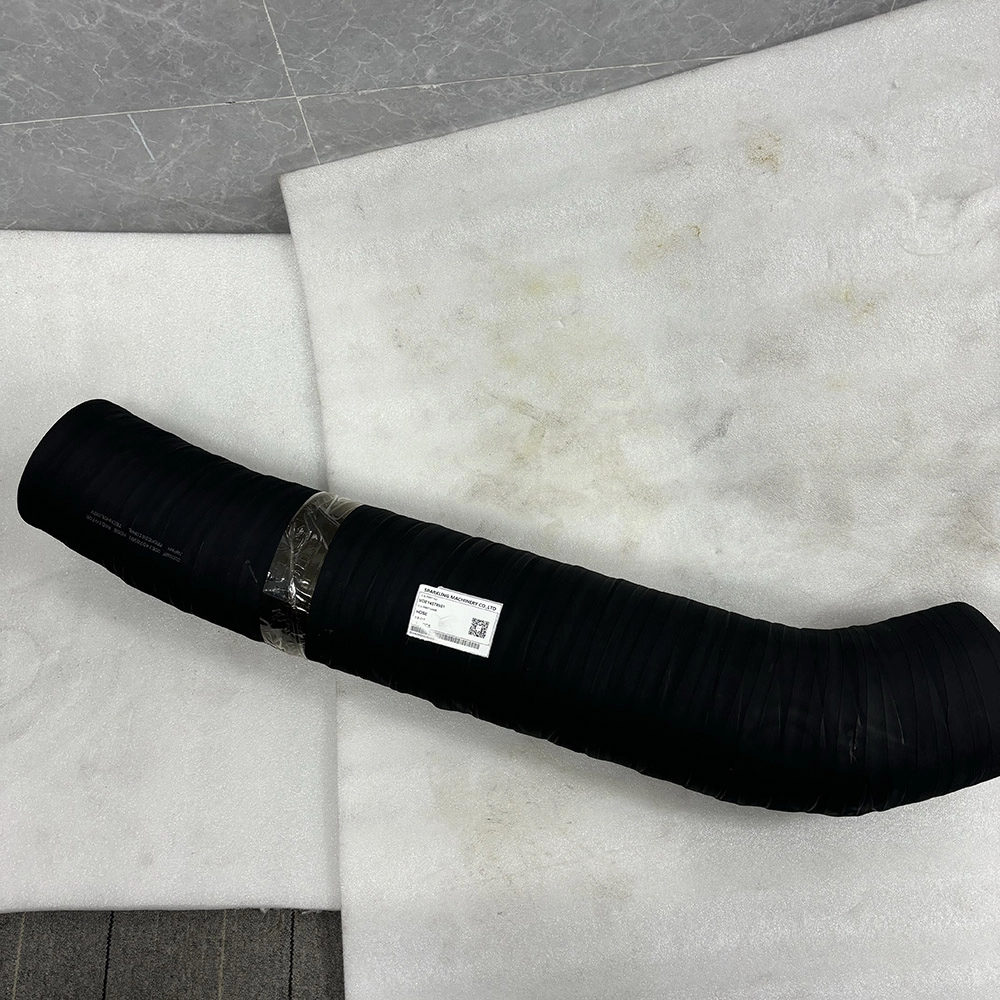
Lead Times and Logistics for Procuring VOE14578951 Hydraulic Hose
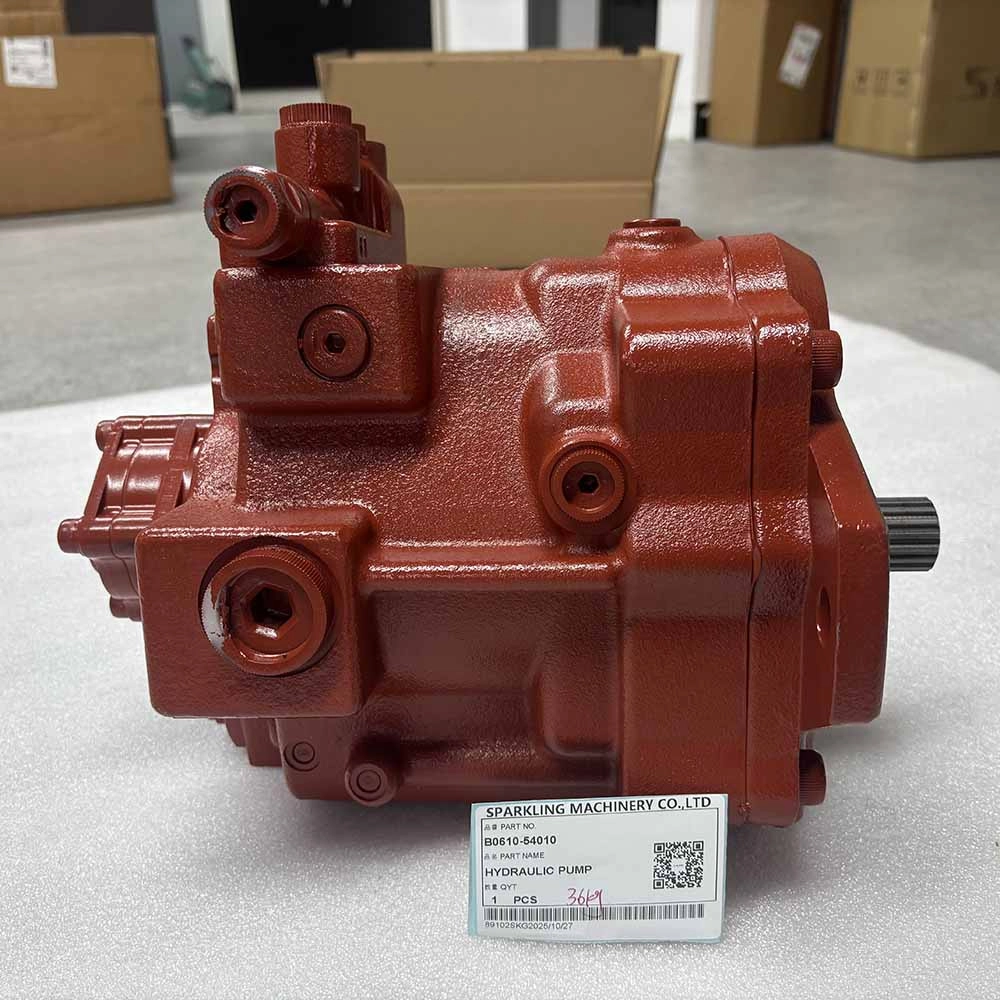
Common Causes of Hydraulic Pump Failures and Fixes
faq
Are your products covered by a warranty?
-
Yes, all of our excavator parts come with a warranty to ensure quality and reliability. The warranty period may vary depending on the type of part. Please contact us for detailed warranty terms for specific products.
-
Can I get technical support for installing your parts?
Absolutely. We provide technical support and guidance for the installation and maintenance of our parts. Our team is available to assist you with any questions or concerns to ensure proper installation and optimal performance.
How do you ensure the quality of your parts?
We follow strict quality control procedures throughout the manufacturing process. Our parts are tested for durability, performance, and precision to ensure they meet industry standards and exceed customer expectations.
Do you offer customized parts?
-
Yes, we offer tailored solutions to meet specific customer requirements. Whether you need custom dimensions or specialized features, we can design and produce parts that perfectly match your excavator’s needs.
-
What is the lead time for receiving excavator parts?
Our typical lead time depends on the complexity and quantity of the order. For standard parts, delivery usually takes between 7 to 14 days. For custom orders, the lead time may vary, but we always strive to ensure timely delivery.
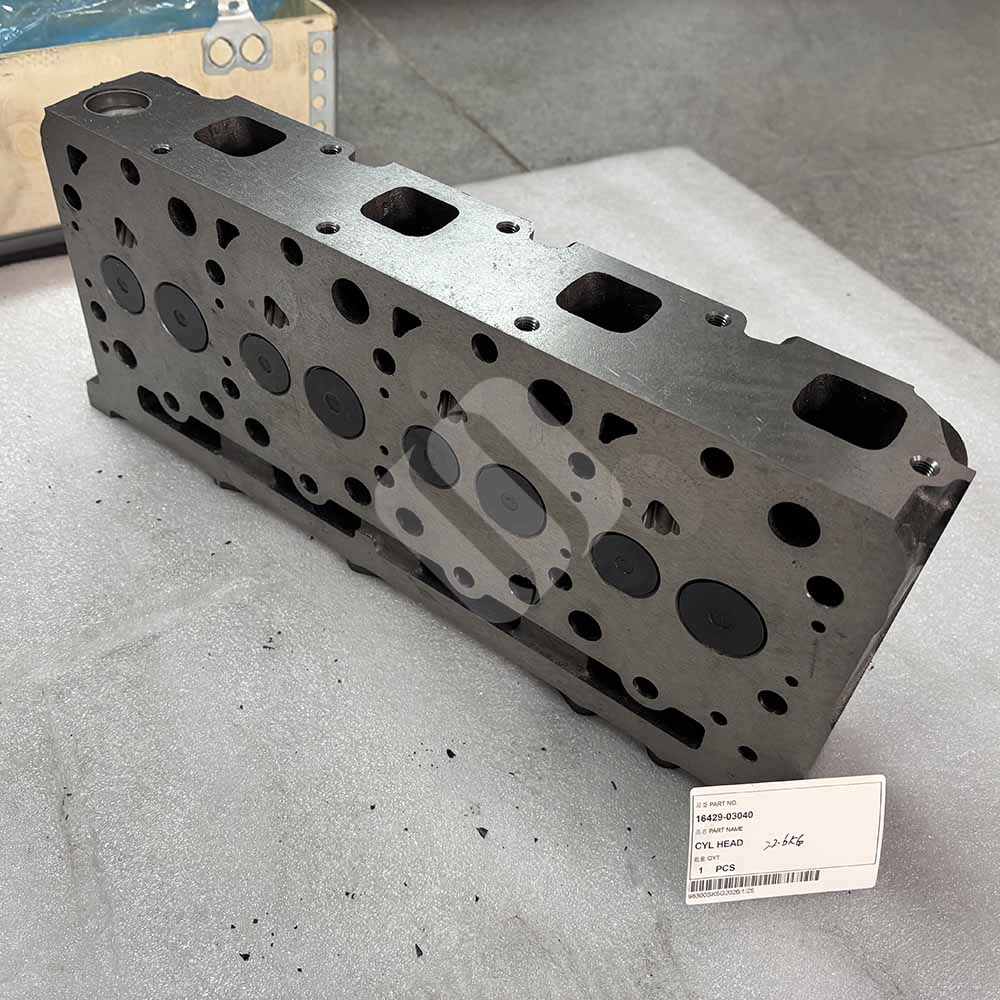
16429-03040 Engine Cylinder Head for Kubota Excavator KX121-3 KX161-3 U45
The 16429-03040 Cylinder Head is a high-precision engine component specifically designed for Kubota KX121, KX161, and U45 excavators powered by V2203/V2403 engines. Manufactured from premium alloy cast iron, it ensures exceptional thermal stability and pressure resistance, restoring your engine's compression and fuel efficiency to factory standards.
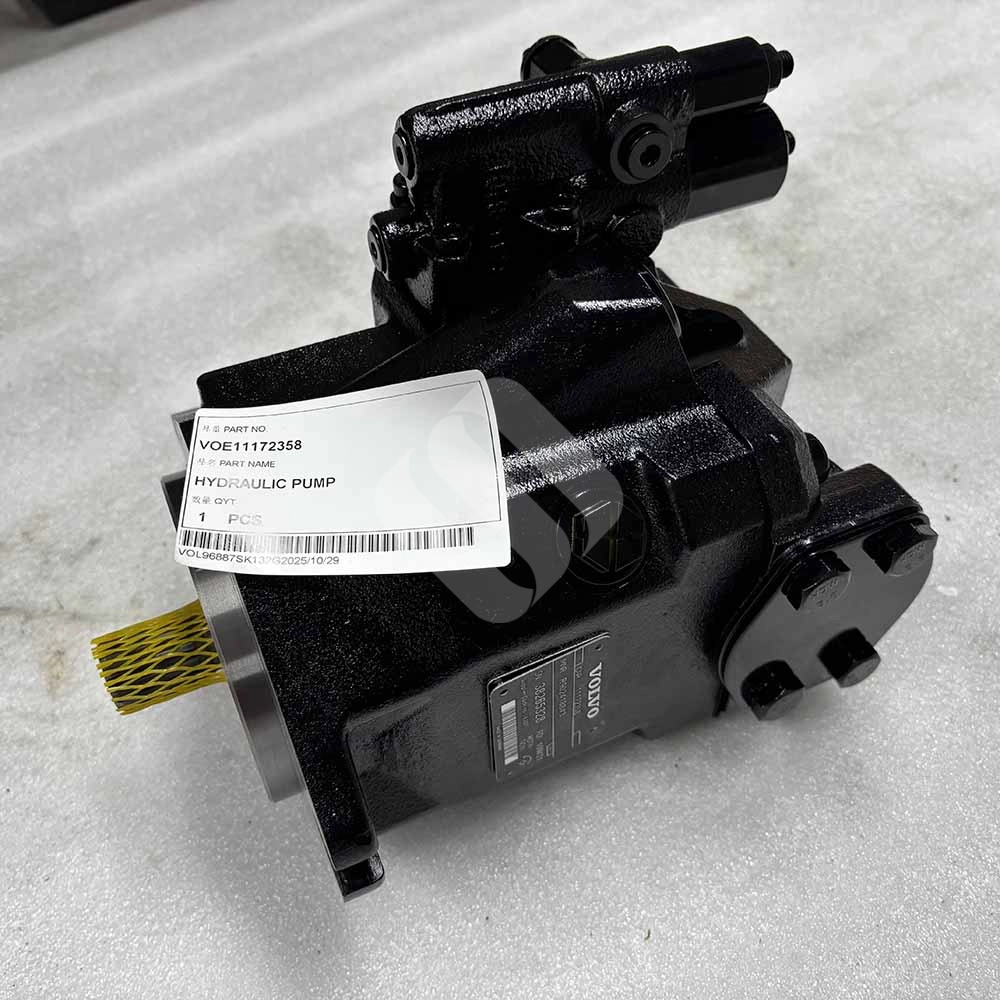
VOE11172358 11172358 Hydraulic Pump for Volvo Wheel Loader L60E L70E L90E L110E L60F L70F L90F L120F
VOE11172358 is the part number for a hydraulic pump (specifically a hydraulic main or auxiliary pump) designed for several Volvo wheel loaders.
Technical Specifications
Part Numbers: VOE11172358, 11172358, and cross-reference number R986110567.
Weight: Approximately 20kg.
Type: Tyrone-type pump or piston-style auxiliary pump.
Compatible Volvo Models
This pump is compatible with a wide range of Volvo wheel loader series, including:
L60 Series: L60E, L60F, L60GZ.
L70 Series: L70E, L70F.
L90 Series: L90E, L90F, L90GZ.
L110 Series: L110E, L110F.
L120 Series: L120E, L120F, L120GZ.
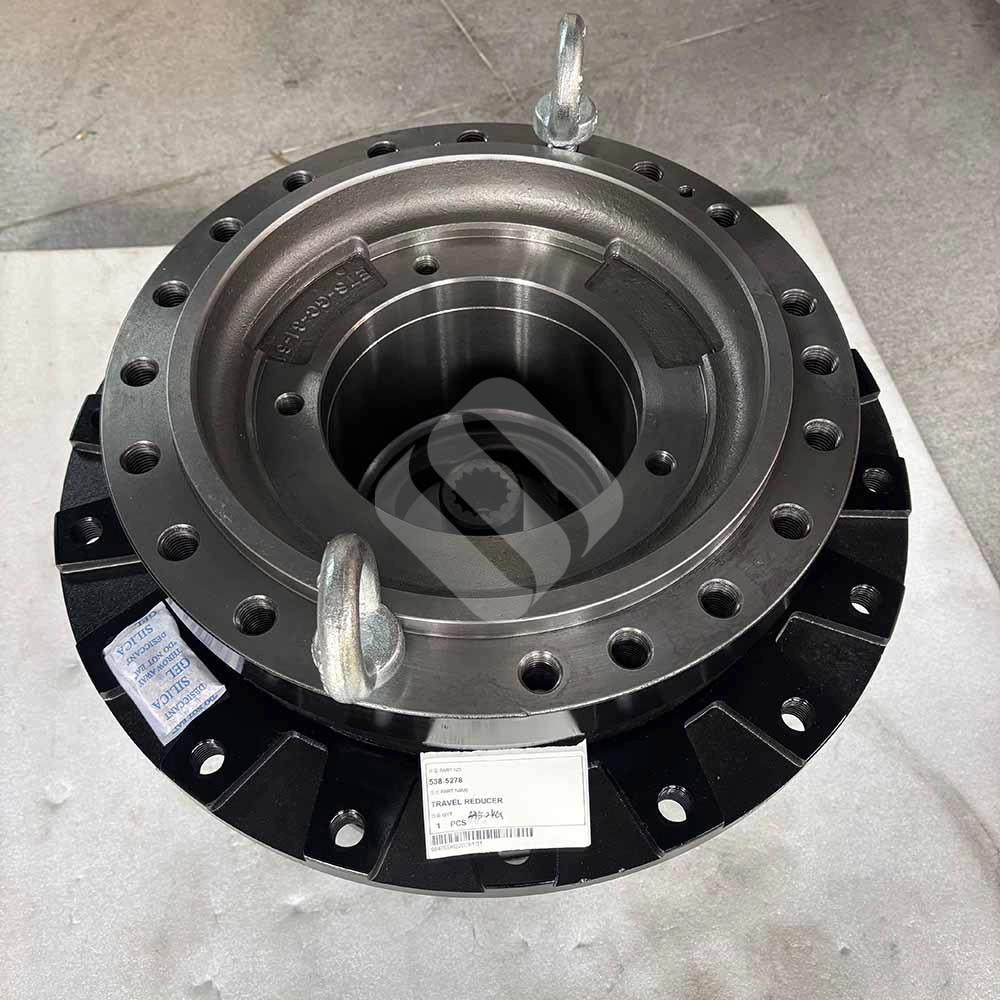
Travel Reducer 538-5278 for Caterpillar CAT Excavator 330 330GC 330F
This is a specific part number for heavy machinery components.
Part Name: Drive GP-FIN (Final Drive Group) or Travel Gearbox.
Equipment Compatibility: Primarily used for Cat 330, 330 GC, 330F, and 330D2 excavators.
Function: It serves as the reduction unit that converts hydraulic power into mechanical rotation to drive the excavator's tracks.
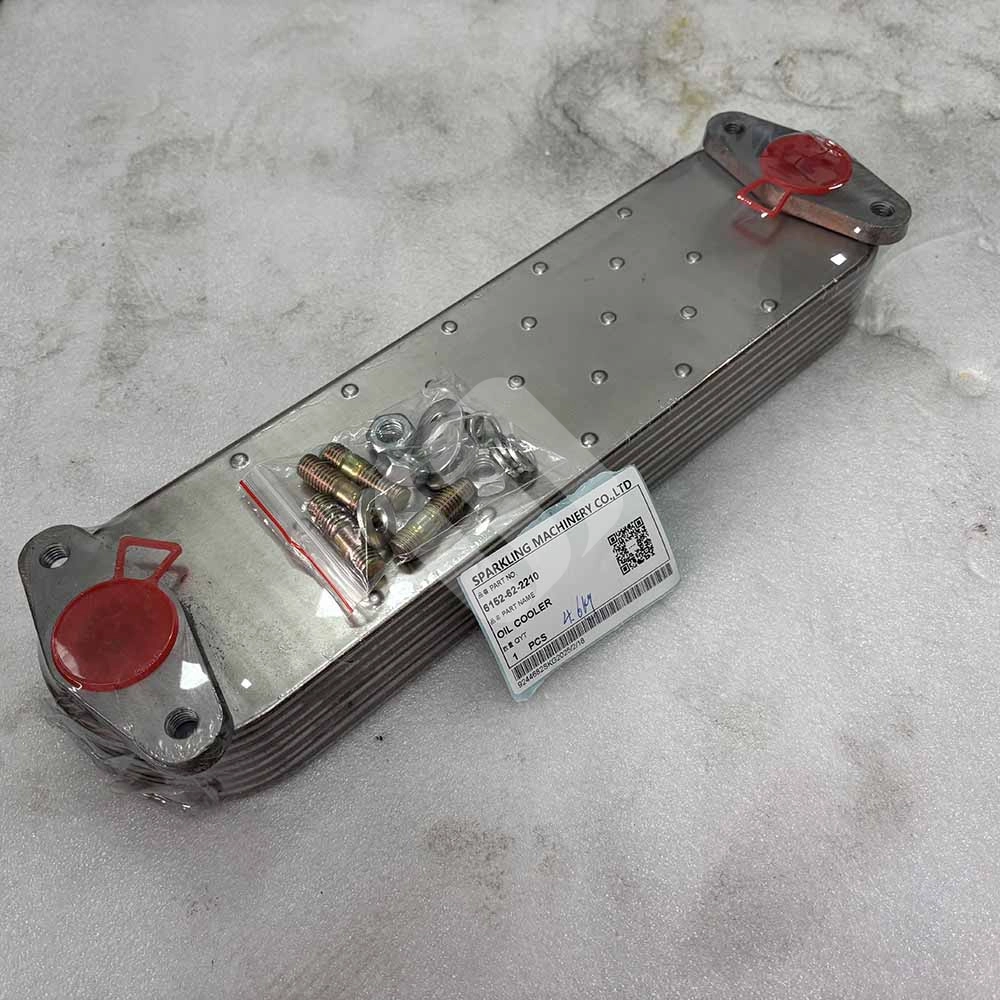
6152-62-2210 Oil Cooler for Komatsu PC400-7 PC400-8 PC400LC-8 & Wheel Loaders WA470-3 WA470-5
The 6152-62-2210 Oil Cooler is a critical thermal management component for Komatsu PC400-7, PC400-8, PC400LC-8 excavators and WA470-3, WA470-5 wheel loaders. It efficiently dissipates heat from engine and hydraulic oil, maintaining optimal operating temperatures to prevent overheating, reduce component wear, and ensure continuous heavy-duty performance in construction and mining environments.
Key Features
· Material: Often made of stainless steel in aftermarket versions.
· Design: 8-plate (8P) design.
· Weight: Approximately 4.74 kg (net weight).
· OEM-Perfect Fit: Matches original mounting and flow specs for direct, modification-free installation.
· High Cooling Efficiency: Optimized fin-and-tube design maximizes heat exchange, keeping oil temperatures stable.
Compatible Equipment
· Excavators: PC400-7, PC400-8, PC400LC-8, PC450-8, PC450LC-8, PC490-10, PC490LC-10, PC550LC-8.
· Wheel Loaders: WA470-3, WA470-5, WA480-6.
· Dump Trucks: HM300-2, HM300-3.
· Dozers: D85EX/PX series.
Contact us
Email: ranroswang@hksparkling.com
Wechat: +86 136 0901 0879
Skype: foreverlucia1
WhatsApp: +86 136 0901 0879
Address: No. 514-515, Hulin Road, Tianhe District, Guangzhou, China.
Sparkling Machinery Co.,Ltd
sparkling_machinery
Whatsapp: +8613609010879