 ranroswang@hksparkling.com
  +86 138 2341 8469


Hydraulic Fluid and Filters: Best Practices 2026
- Hydraulic Fluid and Filters: Best Practices 2026
- Understanding Hydraulic System Components
- The Role of Hydraulic Fluids
- Best Practices for Hydraulic Fluid Maintenance
- Advancements in Hydraulic Filters
- Best Practices for Hydraulic Filter Maintenance
- SPARKLING MACHINERY: Your Partner in Hydraulic System Components
- Conclusion
- Frequently Asked Questions (FAQ)
Hydraulic Fluid and Filters: Best Practices 2026
Maintaining the integrity of hydraulic system components is crucial for the optimal performance and longevity of machinery. In 2026, advancements in technology and a deeper understanding of fluid dynamics have introduced new best practices for managing hydraulic fluids and filters. This article delves into these practices, offering insights to enhance system reliability and efficiency.
Understanding Hydraulic System Components
Hydraulic systems rely on a network of components, including pumps, valves, actuators, and filters, all working in unison to transmit power through pressurized fluids. The efficiency of these systems is heavily influenced by the quality and cleanliness of the hydraulic fluid circulating within them.
The Role of Hydraulic Fluids
Hydraulic fluids serve multiple functions:
- Power Transmission: They transfer energy from the pump to the actuator.
- Lubrication: Reducing friction between moving parts.
- Cooling: Dissipating heat generated by system components.
- Contaminant Removal: Carrying away particles and debris to be filtered out.
Maintaining the quality of hydraulic fluid is paramount, as contaminants can lead to increased wear, reduced efficiency, and potential system failures.
Best Practices for Hydraulic Fluid Maintenance
Regular Fluid Analysis: Periodically testing the fluid helps identify contaminants and degradation products, allowing for timely interventions.
Proper Storage and Handling: Store hydraulic fluids in clean, sealed containers to prevent contamination. Always filter new fluids before adding them to the system, as they can contain impurities from the manufacturing process.
Maintain Optimal Fluid Levels and Viscosity: Ensure fluid levels are adequate and monitor viscosity to maintain proper flow characteristics.
Control Operating Temperatures: Excessive heat can degrade fluid quality. Implement cooling systems to maintain temperatures within recommended ranges.
Advancements in Hydraulic Filters
The evolution of hydraulic filters has introduced several key trends:
Integration of Condition Monitoring Sensors: Modern filters are equipped with sensors that monitor parameters like pressure differential, temperature, and contamination levels in real time. This data enables predictive maintenance strategies, allowing operators to address issues before they lead to failures.
Eco-Friendly and Biodegradable Materials: There's a growing preference for filters made from biodegradable and recyclable materials, such as cellulose and hemp-based media, which reduce environmental impact.
Smart Filtration Solutions: The incorporation of IoT technology into hydraulic filters has led to the development of smart filtration solutions. These filters are equipped with sensors that monitor various parameters and communicate with centralized control systems, providing real-time data on filter performance and fluid condition. This connectivity enables remote monitoring and diagnostics, facilitating timely interventions and reducing the risk of system failures.
Best Practices for Hydraulic Filter Maintenance
Regular Replacement: Change filters at intervals recommended by the manufacturer or based on system performance metrics. For instance, some guidelines suggest replacing filters every 500 hours of operation.
Monitor Differential Pressure: Use pressure gauges to monitor the pressure drop across filters. A significant increase indicates clogging and the need for replacement.
Implement Multi-Stage Filtration: Combining different filter media can enhance contaminant removal efficiency and extend filter life.
Maintain Cleanliness During Maintenance: Ensure that all maintenance activities are conducted in a clean environment to prevent introducing contaminants into the system.
SPARKLING MACHINERY: Your Partner in Hydraulic System Components
Founded in 2013, SPARKLING MACHINERY has established itself as a leading manufacturer of high-quality excavator parts, focusing on stability, precision, and perseverance. Our extensive product range includes:
- Hydraulic Components: Designed for optimal performance and durability.
- Undercarriage Systems: Ensuring stability and reliability.
- Engine Components: Engineered for efficiency and longevity.
- Electrical Components: Providing consistent and reliable electrical systems.
- Cabs and Accessories: Enhancing operator comfort and safety.
Our products are compatible with top brands such as Caterpillar, Komatsu, Hitachi, and Volvo, ensuring seamless integration and performance. Through strict manufacturing and quality control, we ensure that our products can operate reliably under various conditions. We provide customized solutions and technical support, offering meticulous consultation and continuous service. Upholding the values of altruism and innovation, we provide competitive prices while ensuring quality, helping customers reduce costs. With a global sales network, SPARKLING MACHINERY is a trusted partner in the excavator parts industry.
Conclusion
Adhering to best practices in hydraulic fluid and filter maintenance is essential for the longevity and efficiency of hydraulic systems. By implementing regular analysis, proper storage, and advanced filtration technologies, operators can ensure optimal performance and reduce downtime. Partnering with reputable manufacturers like SPARKLING MACHINERY further enhances system reliability and operational success.
Frequently Asked Questions (FAQ)
Q1: How often should hydraulic filters be replaced?
A1: Filter replacement intervals vary based on manufacturer recommendations and system conditions. Regular monitoring of differential pressure and system performance can guide appropriate replacement timing.
Q2: What are the benefits of using biodegradable hydraulic fluids?
A2: Biodegradable fluids reduce environmental impact and comply with stringent environmental regulations, offering comparable performance to traditional materials.
Q3: How can I monitor the condition of my hydraulic filters?
A3: Utilizing filters equipped with condition monitoring sensors allows for real-time tracking of parameters like pressure differential and contamination levels, facilitating proactive maintenance.
Q4: What is the role of SPARKLING MACHINERY in hydraulic system components?
A4: SPARKLING MACHINERY offers a comprehensive range of high-quality excavator parts, including hydraulic components, ensuring optimal performance and reliability.
Q5: How can I contact SPARKLING MACHINERY for more information?
A5: You can reach us via email at ranroswang@hksparkling.com or by phone at +86 138 2341 8469. Visit our website at (https://www.hksparkling.com/) for more details.
For more information or to explore our product range, please contact us or visit our website.
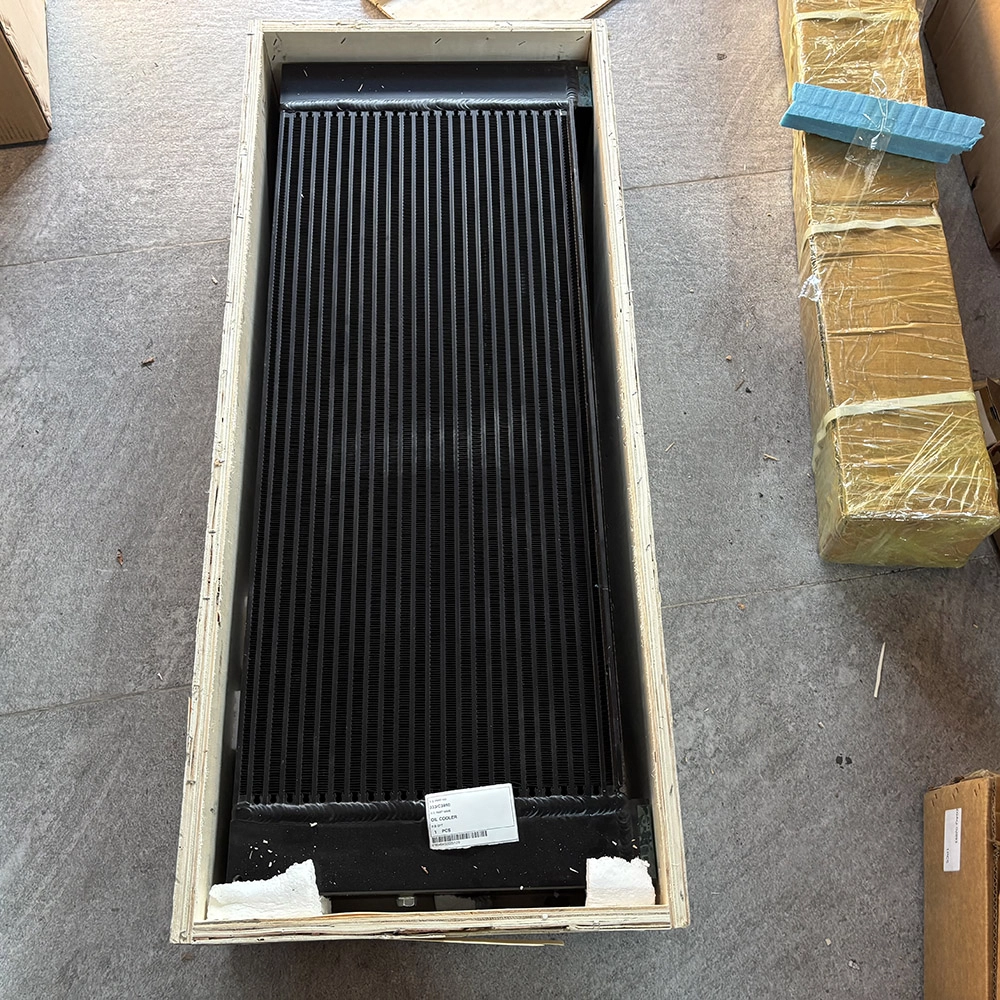
Warranty and Support When Purchasing Replacement Oil Coolers
The B2B Buyer’s Guide to Hydraulic Parts for Excavators | SPARKLING Ultimate Insights
Energy-Efficient Hydraulic Components Trends for 2026
The B2B Buyer’s Guide to Excavator Final Drive
faq
What is the lead time for receiving excavator parts?
Our typical lead time depends on the complexity and quantity of the order. For standard parts, delivery usually takes between 7 to 14 days. For custom orders, the lead time may vary, but we always strive to ensure timely delivery.
What types of excavator parts do you manufacture?
We manufacture a wide range of excavator parts, including hydraulic components, undercarriage parts, engine parts, wear parts, and more. Our products are designed to fit a variety of excavator models and are built to meet the highest quality standards.
Do you offer customized parts?
-
Yes, we offer tailored solutions to meet specific customer requirements. Whether you need custom dimensions or specialized features, we can design and produce parts that perfectly match your excavator’s needs.
-
Are your products covered by a warranty?
-
Yes, all of our excavator parts come with a warranty to ensure quality and reliability. The warranty period may vary depending on the type of part. Please contact us for detailed warranty terms for specific products.
-
How do you ensure the quality of your parts?
We follow strict quality control procedures throughout the manufacturing process. Our parts are tested for durability, performance, and precision to ensure they meet industry standards and exceed customer expectations.
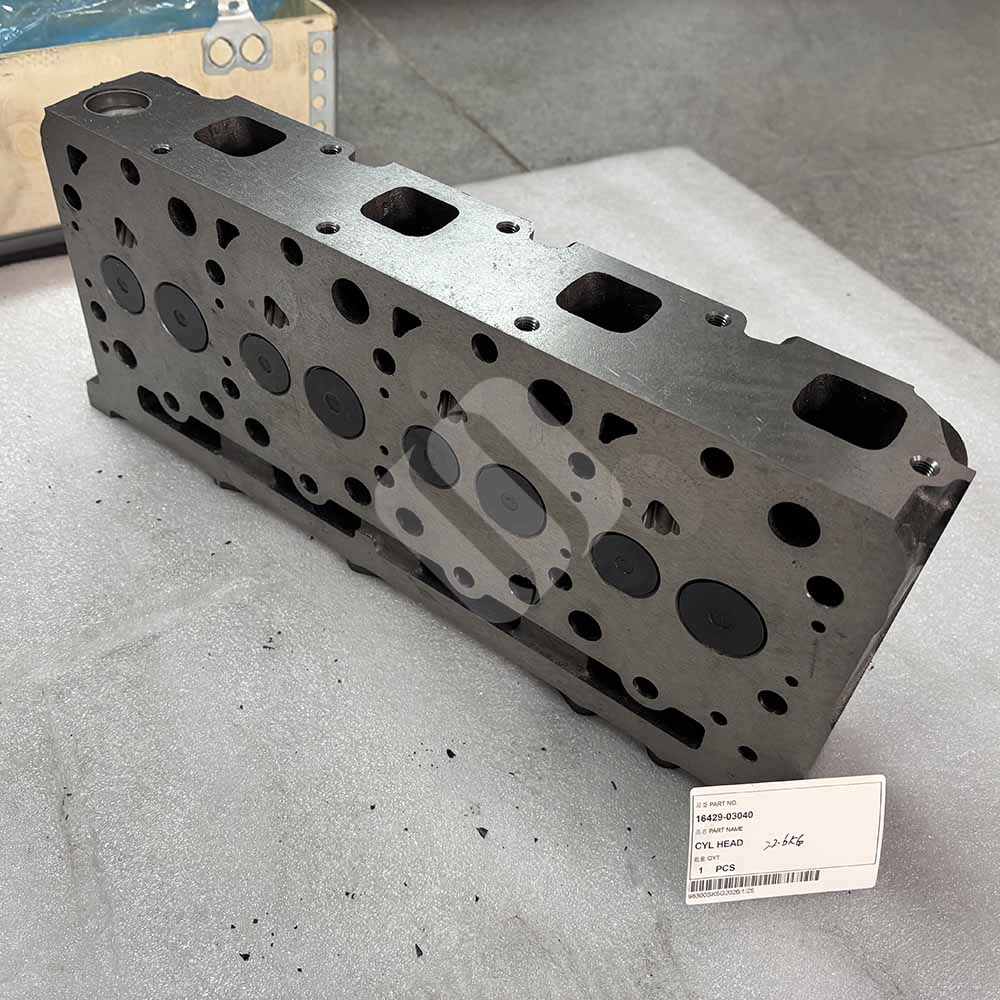
16429-03040 Engine Cylinder Head for Kubota Excavator KX121-3 KX161-3 U45
The 16429-03040 Cylinder Head is a high-precision engine component specifically designed for Kubota KX121, KX161, and U45 excavators powered by V2203/V2403 engines. Manufactured from premium alloy cast iron, it ensures exceptional thermal stability and pressure resistance, restoring your engine's compression and fuel efficiency to factory standards.
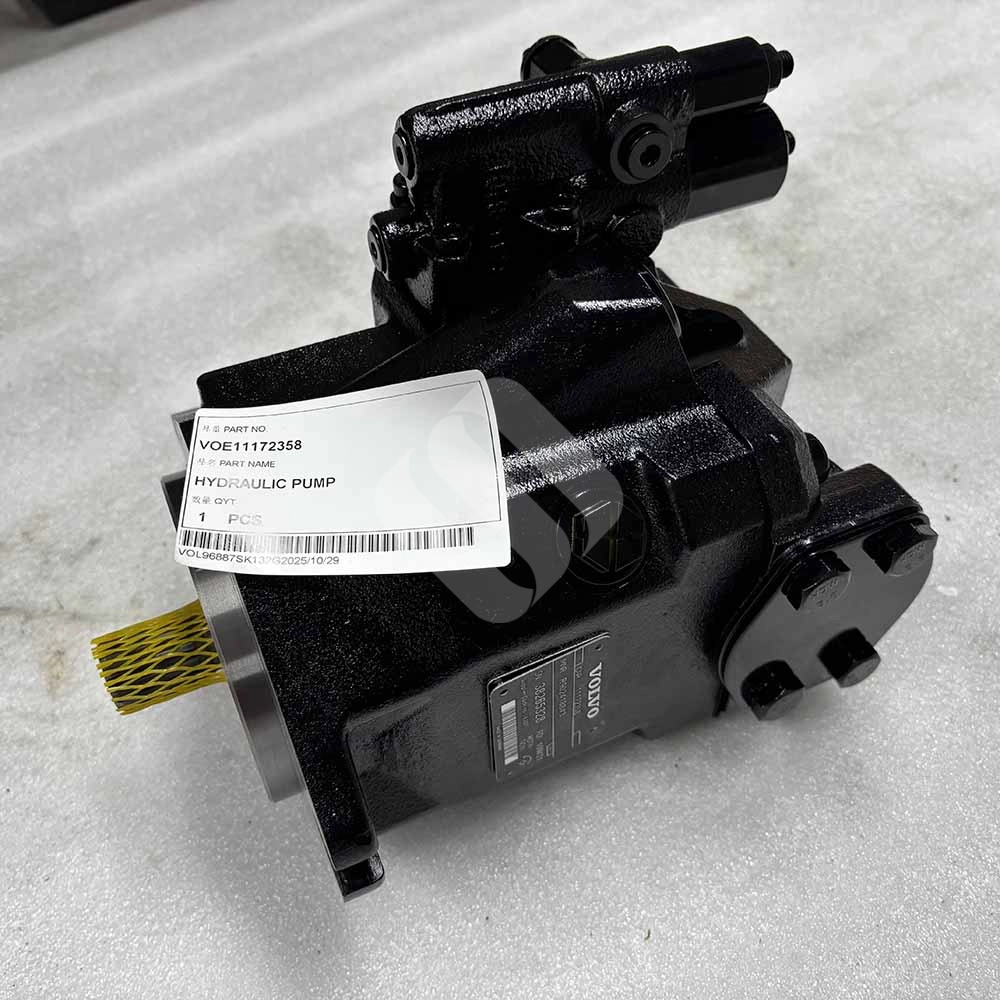
VOE11172358 11172358 Hydraulic Pump for Volvo Wheel Loader L60E L70E L90E L110E L60F L70F L90F L120F
VOE11172358 is the part number for a hydraulic pump (specifically a hydraulic main or auxiliary pump) designed for several Volvo wheel loaders.
Technical Specifications
Part Numbers: VOE11172358, 11172358, and cross-reference number R986110567.
Weight: Approximately 20kg.
Type: Tyrone-type pump or piston-style auxiliary pump.
Compatible Volvo Models
This pump is compatible with a wide range of Volvo wheel loader series, including:
L60 Series: L60E, L60F, L60GZ.
L70 Series: L70E, L70F.
L90 Series: L90E, L90F, L90GZ.
L110 Series: L110E, L110F.
L120 Series: L120E, L120F, L120GZ.
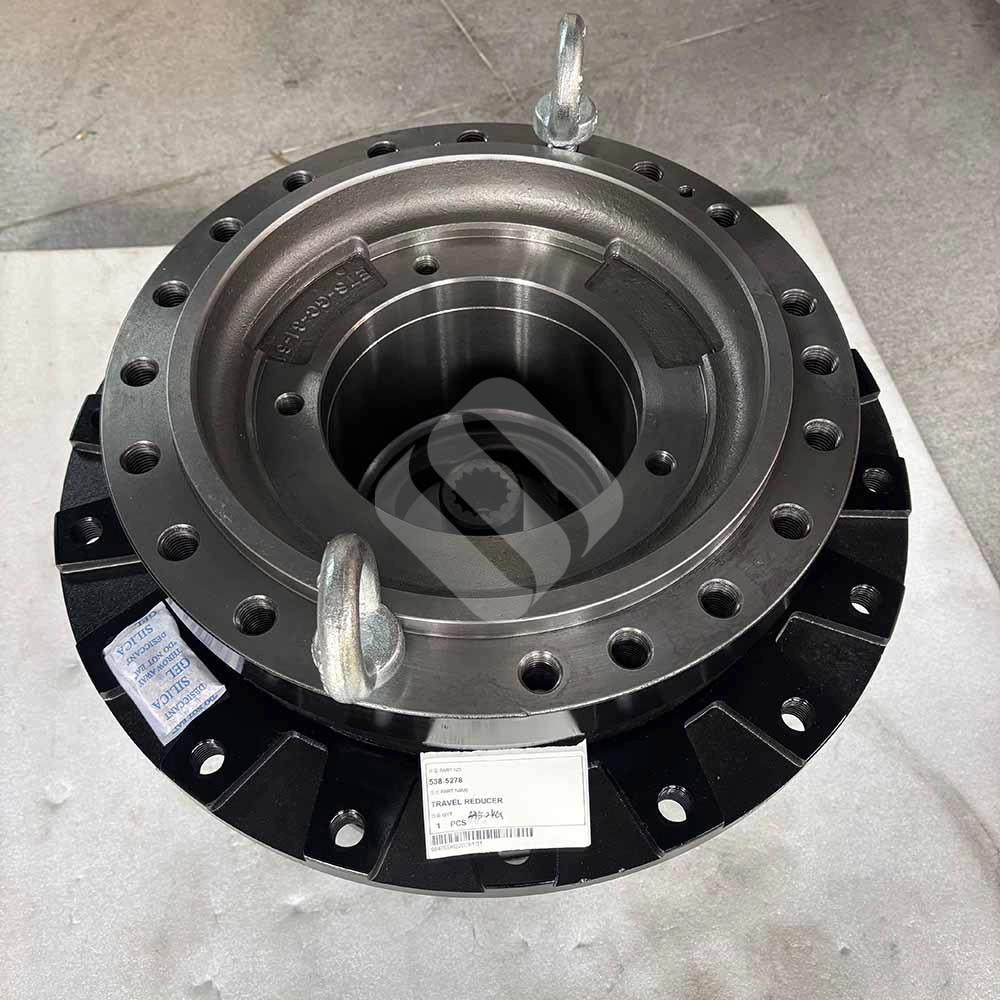
Travel Reducer 538-5278 for Caterpillar CAT Excavator 330 330GC 330F
This is a specific part number for heavy machinery components.
Part Name: Drive GP-FIN (Final Drive Group) or Travel Gearbox.
Equipment Compatibility: Primarily used for Cat 330, 330 GC, 330F, and 330D2 excavators.
Function: It serves as the reduction unit that converts hydraulic power into mechanical rotation to drive the excavator's tracks.
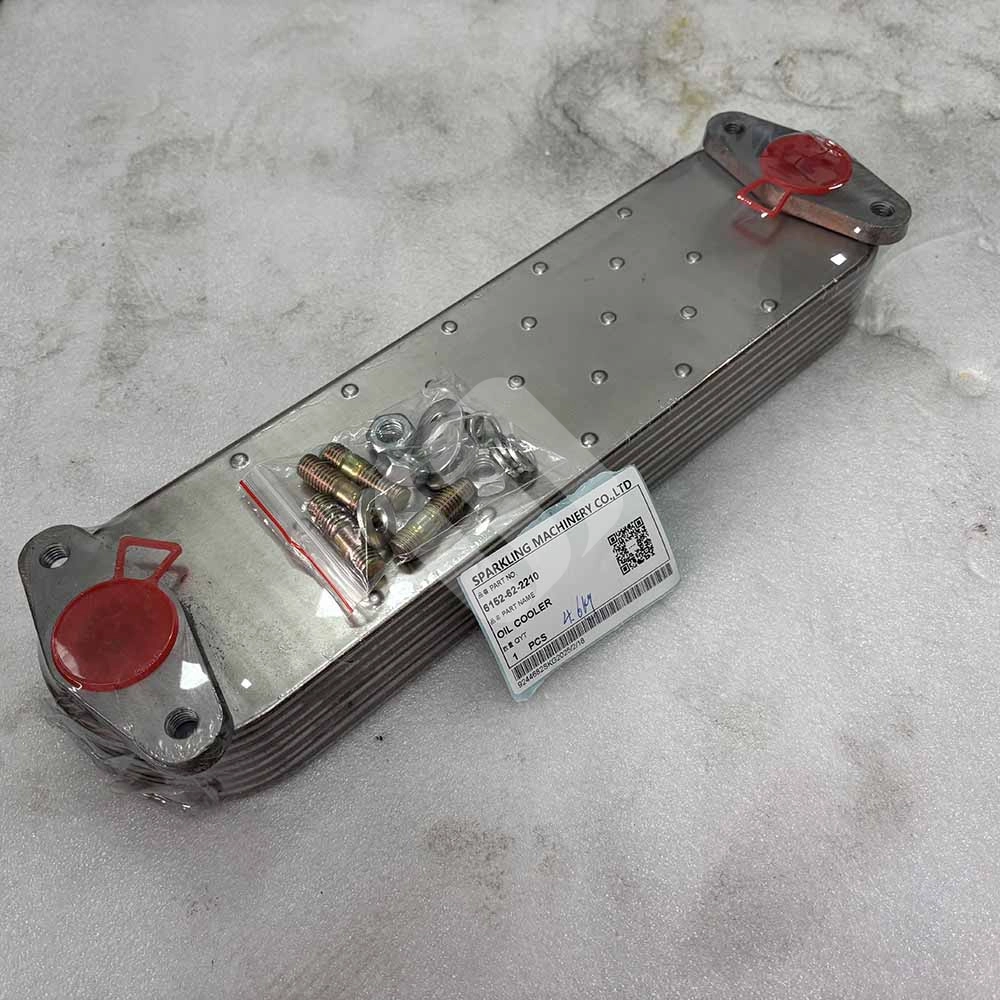
6152-62-2210 Oil Cooler for Komatsu PC400-7 PC400-8 PC400LC-8 & Wheel Loaders WA470-3 WA470-5
The 6152-62-2210 Oil Cooler is a critical thermal management component for Komatsu PC400-7, PC400-8, PC400LC-8 excavators and WA470-3, WA470-5 wheel loaders. It efficiently dissipates heat from engine and hydraulic oil, maintaining optimal operating temperatures to prevent overheating, reduce component wear, and ensure continuous heavy-duty performance in construction and mining environments.
Key Features
· Material: Often made of stainless steel in aftermarket versions.
· Design: 8-plate (8P) design.
· Weight: Approximately 4.74 kg (net weight).
· OEM-Perfect Fit: Matches original mounting and flow specs for direct, modification-free installation.
· High Cooling Efficiency: Optimized fin-and-tube design maximizes heat exchange, keeping oil temperatures stable.
Compatible Equipment
· Excavators: PC400-7, PC400-8, PC400LC-8, PC450-8, PC450LC-8, PC490-10, PC490LC-10, PC550LC-8.
· Wheel Loaders: WA470-3, WA470-5, WA480-6.
· Dump Trucks: HM300-2, HM300-3.
· Dozers: D85EX/PX series.

Contact us
Email: ranroswang@hksparkling.com
Wechat: +86 136 0901 0879
Skype: foreverlucia1
WhatsApp: +86 136 0901 0879
Address: No. 514-515, Hulin Road, Tianhe District, Guangzhou, China.
Sparkling Machinery Co.,Ltd
sparkling_machinery
Whatsapp: +8613609010879