 ranroswang@hksparkling.com
  +86 138 2341 8469


Compatibility Checklist: 333/C3850 with JCB Excavator Models
- Mechanical Fitment and Part Interchangeability
- Why exact fit matters for the engine oil cooler
- Part numbers and interchangeability
- Checklist: mechanical compatibility steps
- Thermal Performance and Durability Considerations
- How the 333/C3850 controls oil temperature
- Construction and pressure integrity
- Performance checklist: thermal & durability verification
- Installation, Plumbing, and Commissioning
- Pre-install inspection and preparations
- Installation steps for plug-and-play replacement
- Commissioning checks and telemetry tips
- Maintenance, Troubleshooting, and Lifecycle Management
- Planned maintenance for longevity
- Common failure modes and diagnostics
- End-of-life indicators and replacement triggers
- Comparison table: 333/C3850 vs Typical OEM Cooler
- Use Cases, Compliance, and Sourcing Guidance
- Best-fit applications for the 333/C3850
- Standards, quality assurance and certification references
- Sourcing checklist and counterfeit avoidance
- FAQ
- Q1: Will the 333/C3850 engine oil cooler fit any JCB JS210 without modification?
- Q2: Can I use the 333/C3850 cooler on a JS200 or JS220?
- Q3: How often should I inspect or service the oil cooler?
- Q4: What are the signs the oil cooler is failing?
- Q5: Is the 333/C3850 pressure tested?
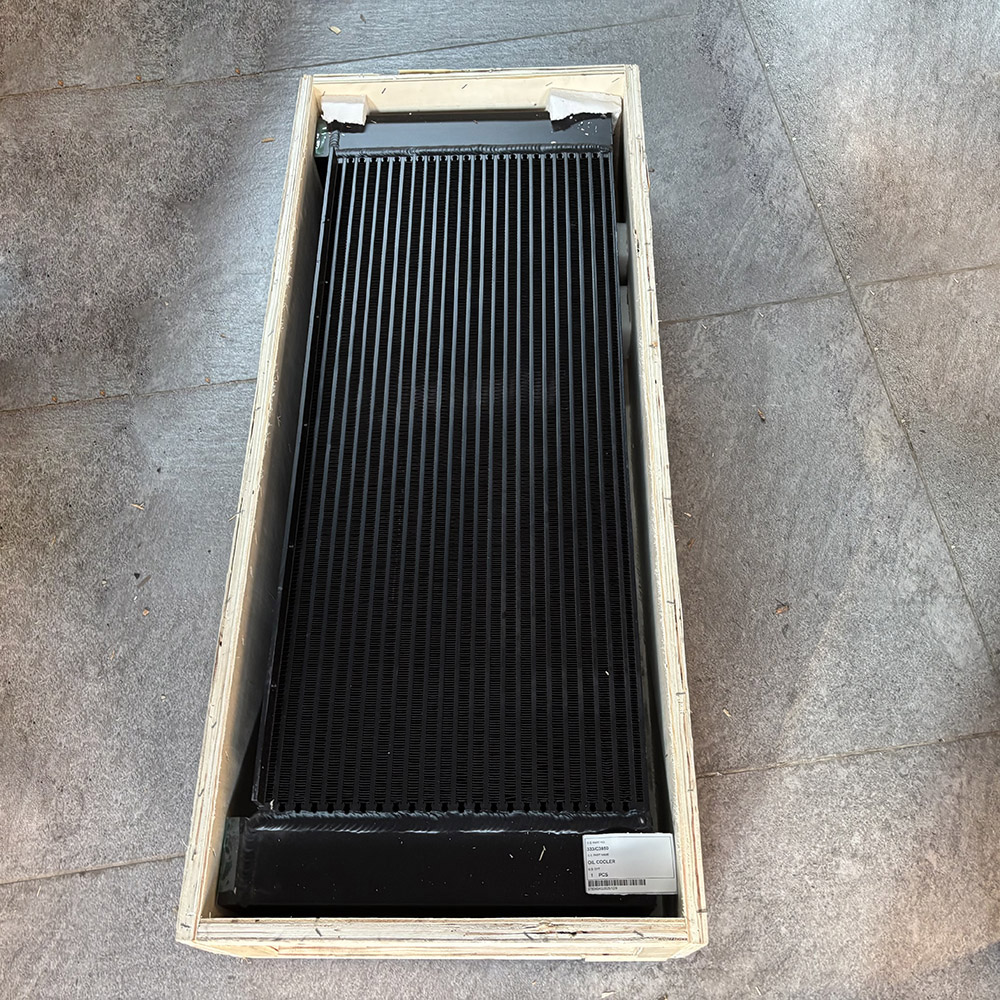
At a glance: The 333/C3850 engine oil cooler is a high-performance replacement designed for JCB JS210 and compatible with JS200 and JS220 models. This checklist covers mechanical fitment, hydraulic and thermal considerations, installation best practices, maintenance schedules, and diagnostic guidance so your excavator maintains optimal oil temperature, prevents oil degradation, and extends engine life.
Mechanical Fitment and Part Interchangeability
Why exact fit matters for the engine oil cooler
When replacing an engine oil cooler on heavy equipment like a JCB excavator, mechanical fitment is critical. The oil cooler must match the core size, mounting hole positions, and oil inlet/outlet interfaces to ensure leak-free installation and correct alignment with surrounding components. The 333/C3850 oil cooler is OEM-matched so it enables plug-and-play installation without modification, reducing downtime and risk of installation errors.
Part numbers and interchangeability
The 333/C3850 Engine Oil Cooler is listed under interchangeable part numbers 333/C3850, 333C3850, and 333/J7193. Confirming these cross-reference numbers against the equipment's parts manual or parts database is a best practice. For JCB models JS210 (primary fit), JS200 and JS220 (compatible), checking both the engine serial number and equipment serial number will ensure you select the correct cooler variant for your machine.
Checklist: mechanical compatibility steps
- Verify part number cross-references (333/C3850, 333C3850, 333/J7193).
- Compare core dimensions, mounting holes, and oil port orientation to the original unit.
- Confirm connector/flange types and hose sizes match the existing system.
- Inspect surrounding space for brackets, wiring, or components that may interfere with the new cooler.
Thermal Performance and Durability Considerations
How the 333/C3850 controls oil temperature
The primary role of an engine oil cooler is to remove excess heat from circulating oil, preserving oil viscosity and preventing oxidation. The 333/C3850 uses a high-quality aluminum alloy core with a 12-row fin design to increase surface area and improve heat transfer. Aluminum provides excellent thermal conductivity and lower weight compared with heavier materials, promoting faster heat dissipation during extended heavy-duty work cycles.
Construction and pressure integrity
Durability is essential in harsh jobsite conditions. The 333/C3850 is pressure-tested to 10 bar (approx. 145 psi) to ensure the core and tube assemblies resist leaks under normal and elevated pressures. A factory anti-corrosion coating helps protect the unit from dust, moisture, and chemical exposure commonly encountered on construction sites.
Performance checklist: thermal & durability verification
- Confirm fin-row density (12 rows) and core material (aluminum alloy) are consistent with OEM specs.
- Validate pressure test rating (10 bar) to avoid premature leaks or failure.
- Check surface coatings if equipment operates in corrosive environments (salt, chemical exposure).
Installation, Plumbing, and Commissioning
Pre-install inspection and preparations
Before installing the new 333/C3850 oil cooler, drain the engine oil to avoid spills and contamination. Inspect hoses, clamps, and mating faces for wear or corrosion. Replace rubber hoses or O-rings that show age-related cracking or deformation to prevent future leaks. A clean mating surface and proper torque sequence on mounting bolts are simple steps that prevent mechanical stress and distortion of the cooler core.
Installation steps for plug-and-play replacement
- Park the excavator on level ground and isolate power according to the machine’s safety protocol.
- Drain engine oil and, if necessary, engine coolant if the cooler shares passages or is integrated with the cooling circuit.
- Remove the old cooler and compare mounting points and port orientation with the 333/C3850 unit.
- Install new gaskets or O-rings, mount the cooler using OEM bolt torque specifications, and reconnect oil lines with properly rated clamps or fittings.
- Refill oil to the correct grade and level, run the engine, and check for leaks and correct oil temperatures during warm-up cycles.
Commissioning checks and telemetry tips
After installation, monitor oil temperature on the dash gauge and via any telematics system. Expect to reach stable operating temperature within normal timeframes. If your fleet uses remote monitoring, set alerts for abnormal oil temperature rises, which may indicate clogged fins, restricted oil flow, or thermostat/cooler system issues.
Maintenance, Troubleshooting, and Lifecycle Management
Planned maintenance for longevity
Routine inspection and cleaning maintain efficient heat transfer. Remove accumulated debris from fins using compressed air or low-pressure water (avoid high-pressure washers that can damage fins). Check for oil seepage around joints after the first 50 hours post-installation and then at regular service intervals aligned with your equipment maintenance schedule.
Common failure modes and diagnostics
Common issues include external damage to fins (reducing air flow), internal clogging from degraded oil or contaminants, and gasket or hose failure causing leaks. Use the following diagnostic checklist when encountering abnormal oil temperatures or leaks:
- Inspect for oil traces on the cooler surface or mounting area.
- Check oil viscosity and color for signs of oxidation or contamination.
- Confirm airflow across fins is unobstructed by debris or bent fins.
- Pressure-test the oil cooler (if equipped with port) or perform a system pressure test up to safe limits to detect internal leaks.
End-of-life indicators and replacement triggers
Replace the oil cooler if you find persistent oil leaks after gasket and hose replacement, severe corrosion compromising the core, or diminished thermal performance despite system cleaning. Regularly scheduled replacement intervals vary by duty cycle and environment; harsh operations (mining, demolition) will shorten service life compared to light-duty use.
Comparison table: 333/C3850 vs Typical OEM Cooler
| Feature | 333/C3850 Engine Oil Cooler | Typical OEM Cooler (generic) |
|---|---|---|
| Compatible Models | JCB JS210 (fits JS200, JS220) | Varies by model; check part number |
| Core Material | Aluminum alloy | Aluminum or brass (older units) |
| Fin Design | 12-row fin design for enhanced heat exchange | 8-12 rows depending on model |
| Pressure Tested | 10 bar | Manufacturer dependent |
| Installation | OEM-matched; plug-and-play | May require adaptors or modifications |
Use Cases, Compliance, and Sourcing Guidance
Best-fit applications for the 333/C3850
This cooler is optimized for JCB JS210 machines operating in moderate to heavy-duty excavation, trenching, and general earthmoving. It is also an appropriate replacement for JS200 and JS220 models where the original part number cross-references match. The improved heat dissipation design helps maintain oil viscosity under prolonged load cycles, which is especially useful in hot climates or prolonged idling/low-speed heavy-load scenarios.
Standards, quality assurance and certification references
When evaluating replacement components, prefer suppliers and parts that conform to recognized quality management practices such as ISO 9001. For general reference on design principles of heat exchangers and engine cooling, consult the Heat Exchanger and Radiator literature: Heat exchanger (Wikipedia) and Radiator (engine cooling) (Wikipedia). For machine-specific specifications and OEM guidance, JCB's main site provides model and parts information: JCB official site. For standards around quality management systems, see ISO.
Sourcing checklist and counterfeit avoidance
To avoid counterfeit or substandard units, purchase from authorized distributors or directly from established aftermarket suppliers with verifiable traceability, warranty policies, and clear return/exchange procedures. Verify part numbers, request pressure-test certificates where available, and insist on documented warranty terms for service life expectations.
FAQ
Q1: Will the 333/C3850 engine oil cooler fit any JCB JS210 without modification?
A1: Yes. The 333/C3850 is designed as an OEM-matched replacement for the JCB JS210 and will install without modification when the machine uses the standard OEM configuration. Always confirm serial numbers and physical measurements when in doubt.
Q2: Can I use the 333/C3850 cooler on a JS200 or JS220?
A2: The 333/C3850 is compatible with JS200 and JS220 when part cross-references align (333/C3850, 333C3850, 333/J7193). Double-check your equipment’s parts manual or consult a dealer to confirm compatibility for specific model years or special configurations.
Q3: How often should I inspect or service the oil cooler?
A3: Inspect the cooler at every routine service interval (typically every 250 hours for many fleets) and after any event that could introduce debris or impact. Clean external fins as needed to maintain airflow; perform internal diagnostics if oil temperatures are consistently high.
Q4: What are the signs the oil cooler is failing?
A4: Common signs include persistent oil leaks, rising engine oil temperatures, oil contamination, or visible damage to fins and tubes. If you see these signs, perform a pressure test and system inspection, and replace the cooler if needed.
Q5: Is the 333/C3850 pressure tested?
A5: Yes. The 333/C3850 core is factory pressure-tested to 10 bar to ensure leak resistance and robust performance under expected operating pressures.
If you need product specifications, installation support, or bulk pricing, contact our sales team or view the product page:
- Contact Sales: sales@yourcompany.com
- View product: 333/C3850 Engine Oil Cooler for JCB Excavator JS210
Product brief:
The 333/C3850 engine oil cooler is a high-performance replacement part specifically designed for JCB JS210 excavators (also compatible with JS200/JS220 models). It is a core component of the engine cooling system, effectively dissipating excess heat from the engine oil to maintain the oil at an optimal operating temperature, prevent oil oxidation and viscosity breakdown, and thus extend the service life of the engine and its components.
Key Features
· OEM-Matched Precision: The core size, mounting hole positions, and oil inlet/outlet interfaces are perfectly matched with the original equipment, enabling plug-and-play installation without the need for any modifications.
· Superior Heat Dissipation: Made of high-quality aluminum alloy core and tubes, it has excellent thermal conductivity. The 12-row fin design enhances heat exchange efficiency, ensuring stable oil temperature even under heavy-duty working conditions.
· Durable Construction: The core is pressure-tested to 10 bar to prevent oil leaks. The anti-corrosion coating on the surface can resist harsh working environments such as dust, moisture, and chemical corrosion.
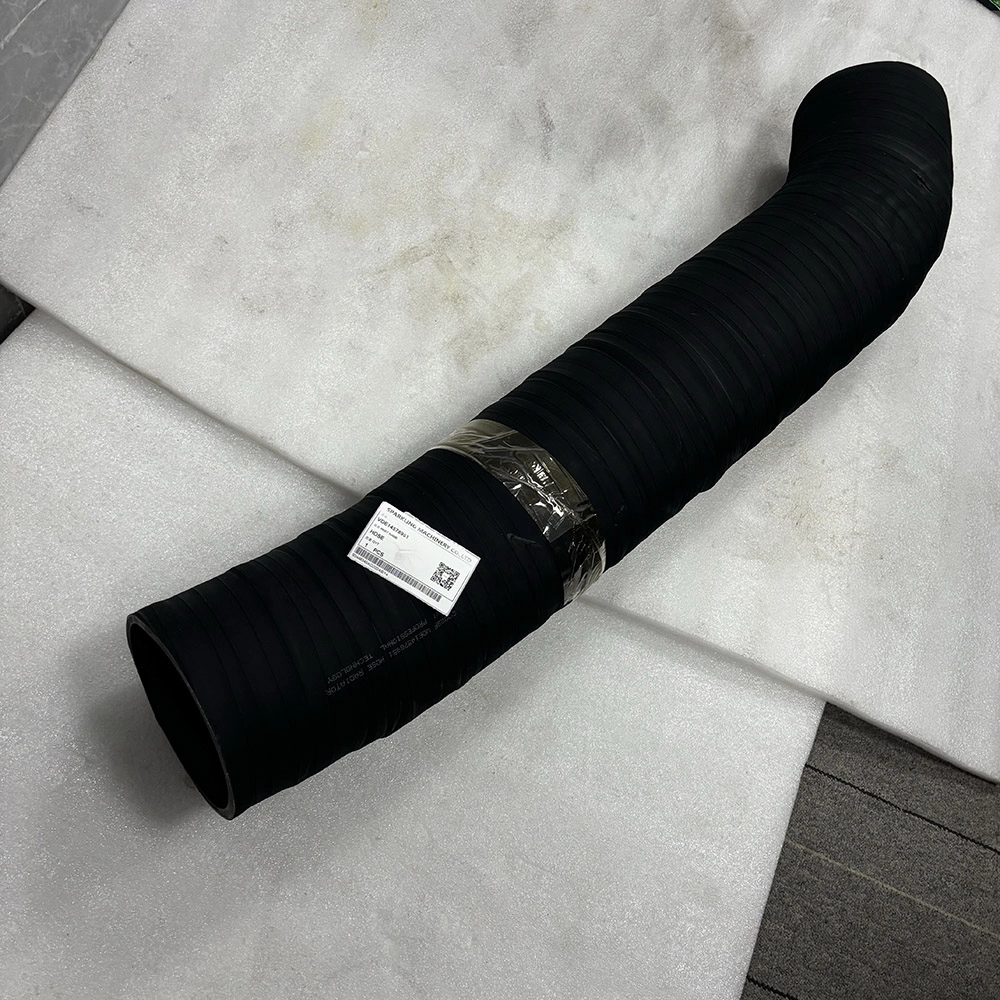
Quality Certifications Buyers Should Check for Hydraulic Hoses
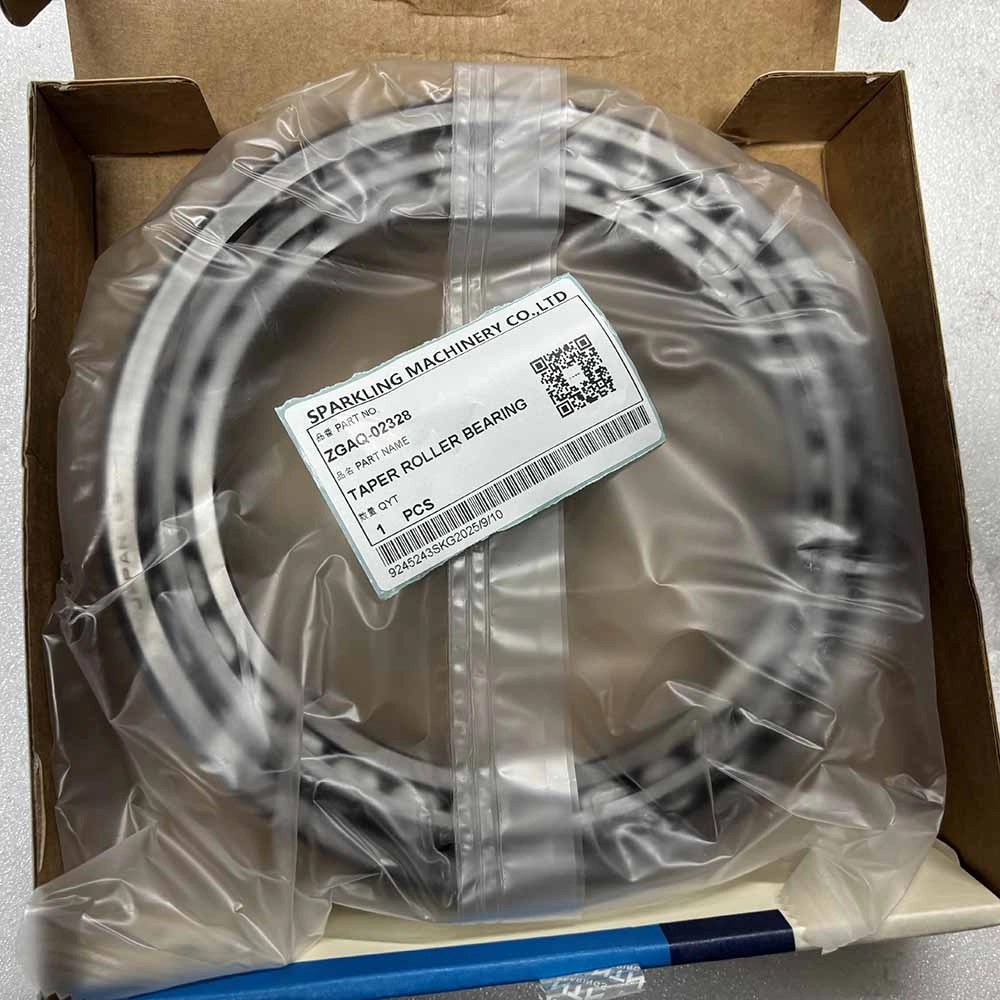
Parts of an Excavator: Buying Guide for Hyundai HW210
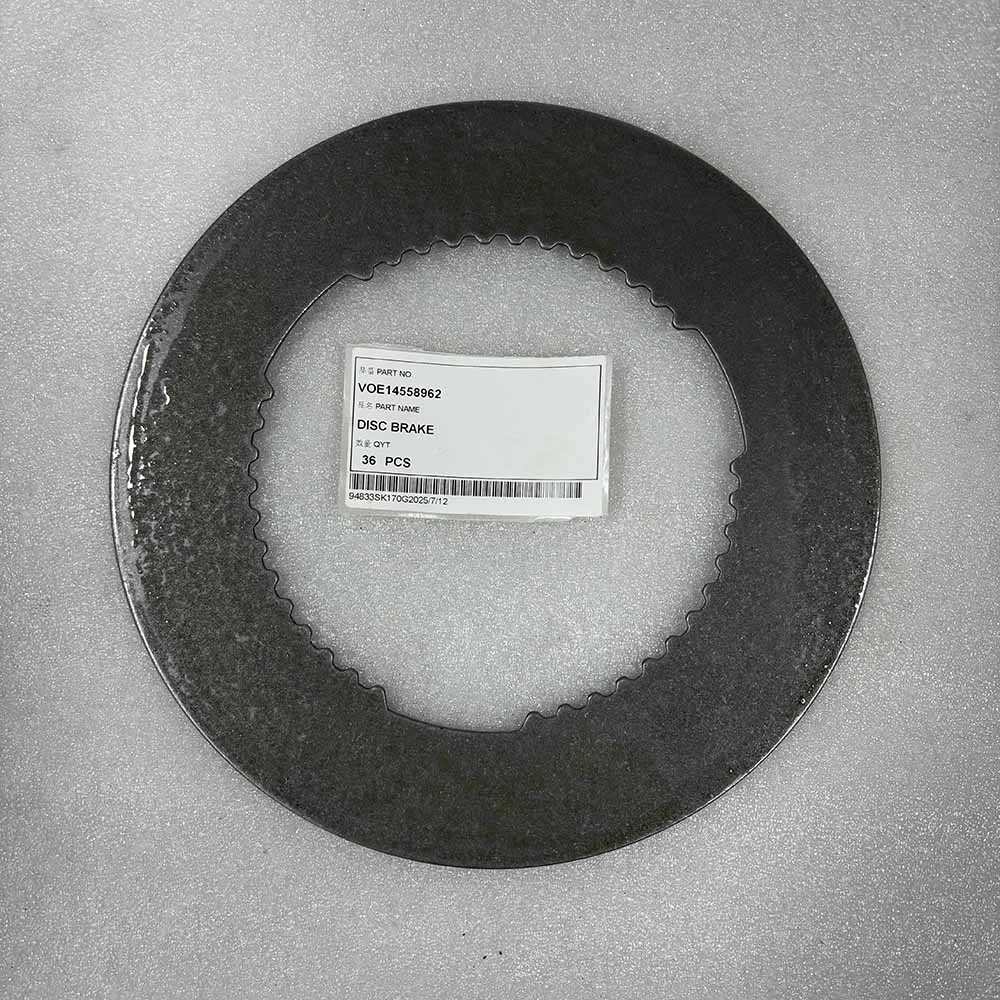
Sourcing Reliable Brake Discs for Volvo EW160/EW180 Fleets
2026 Recycling and Sustainability of Hydraulic Components
faq
What is the lead time for receiving excavator parts?
Our typical lead time depends on the complexity and quantity of the order. For standard parts, delivery usually takes between 7 to 14 days. For custom orders, the lead time may vary, but we always strive to ensure timely delivery.
Are your products covered by a warranty?
-
Yes, all of our excavator parts come with a warranty to ensure quality and reliability. The warranty period may vary depending on the type of part. Please contact us for detailed warranty terms for specific products.
-
Can I get technical support for installing your parts?
Absolutely. We provide technical support and guidance for the installation and maintenance of our parts. Our team is available to assist you with any questions or concerns to ensure proper installation and optimal performance.
How do you ensure the quality of your parts?
We follow strict quality control procedures throughout the manufacturing process. Our parts are tested for durability, performance, and precision to ensure they meet industry standards and exceed customer expectations.
Do you offer customized parts?
-
Yes, we offer tailored solutions to meet specific customer requirements. Whether you need custom dimensions or specialized features, we can design and produce parts that perfectly match your excavator’s needs.
-
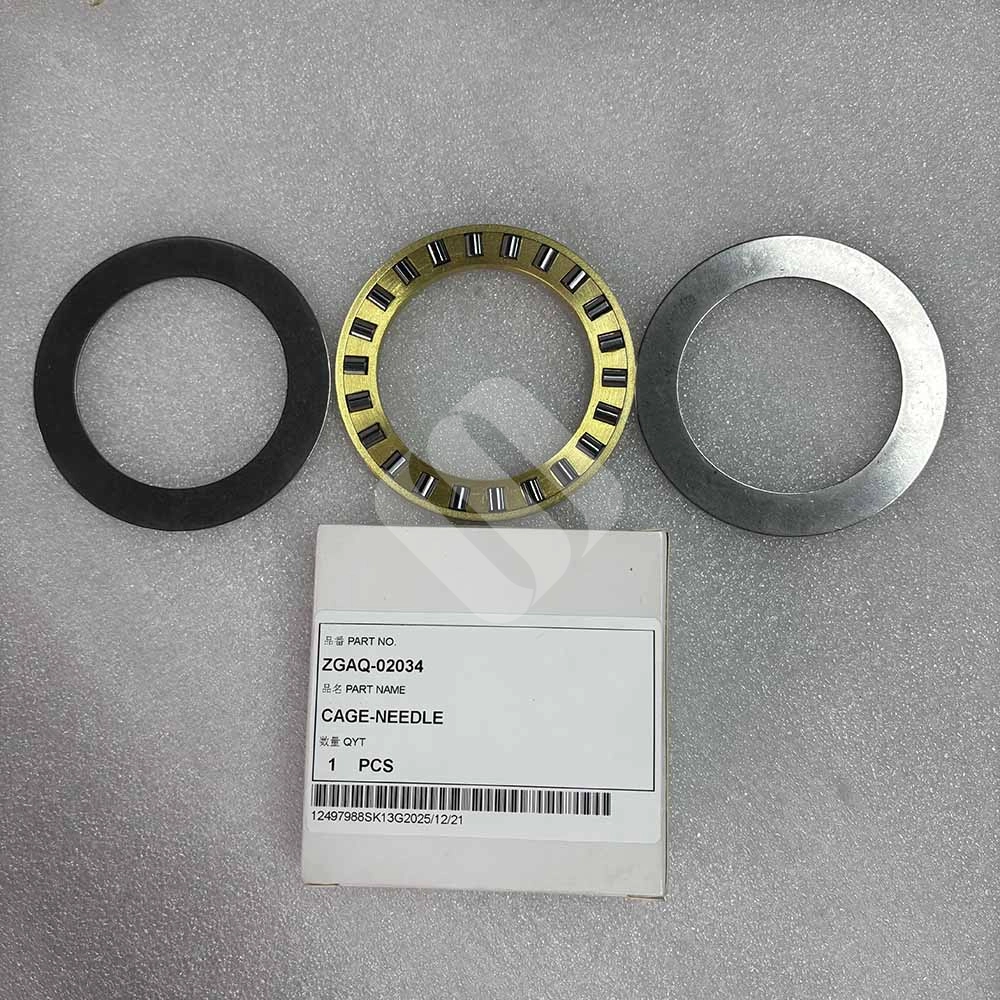
ZGAQ-02034 Needle Cage Bearing for Hyundai R140W-7 R140W-9 R170W-7 Wheeled Excavator | Gearbox Parts
The ZGAQ-02034 Needle Cage is a high-precision bearing assembly designed for Hyundai Wheeled Excavators. It houses and guides needle rollers within the planetary reduction or transmission system, ensuring low friction and high load-bearing capacity during operation.
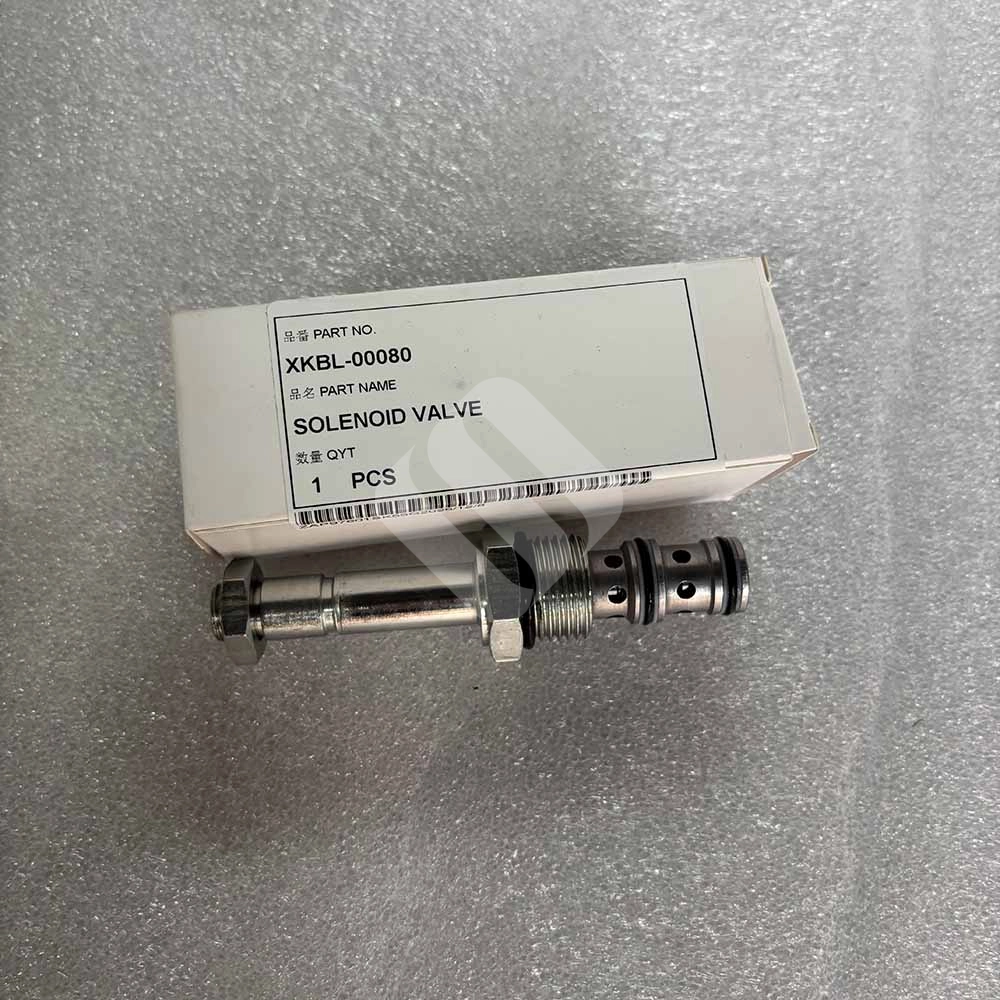
XKBL-00080 Solenoid Valve for Case CX17C CX18C CX19C CX26C & New Holland E17C E18C Mini Excavator
The XKBL-00080 Solenoid Valve is a precision electro-hydraulic component designed for the compact excavator lines of Case and New Holland. It plays a vital role in controlling hydraulic fluid flow for functions such as auxiliary attachments, boom swing, or travel speed shifting.
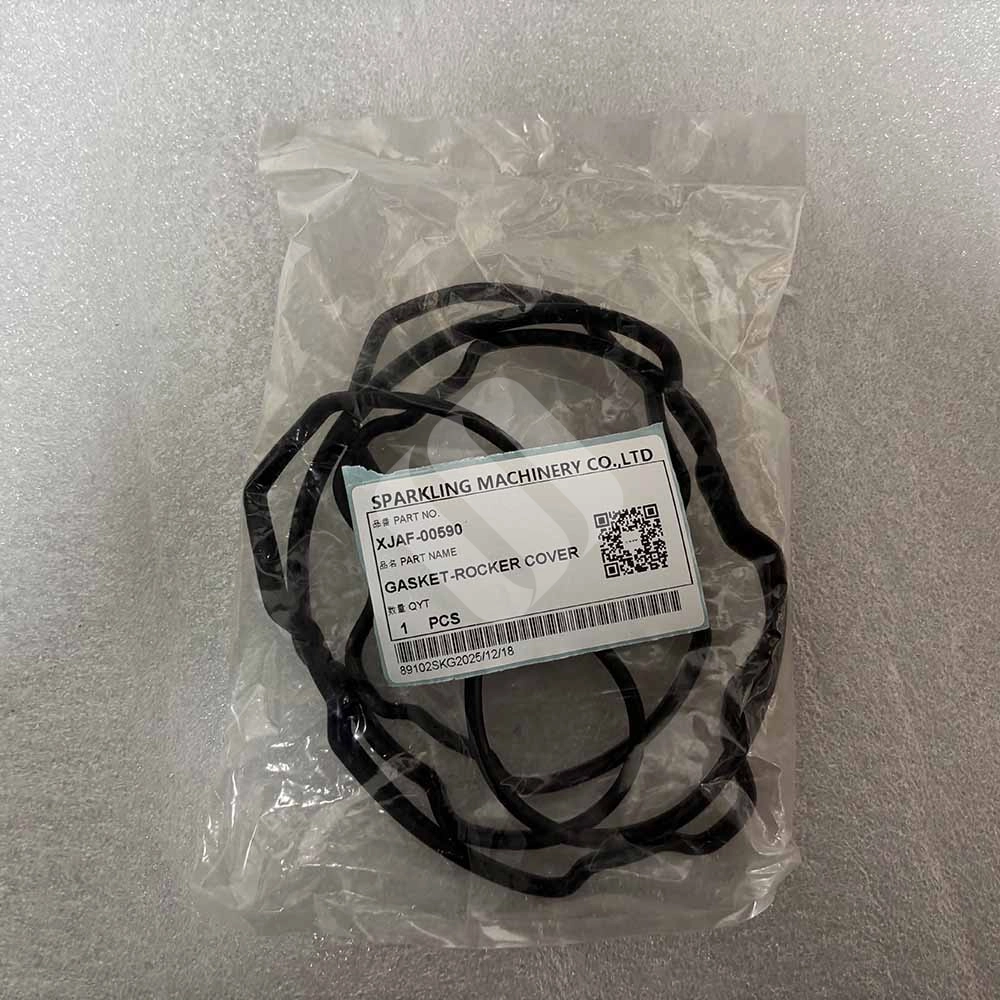
XJAF-00590 Rocker Cover Gasket for Doosan DX225LC DX225NLC & Solar 225LC-V | Valve Cover Seal
The XJAF-00590 Gasket-Rocker Cover is a premium sealing component designed for Doosan Excavators equipped with DL06 engines. It provides a tight, leak-proof seal between the cylinder head and the rocker (valve) cover, ensuring engine oil remains contained and the engine bay stays clean.
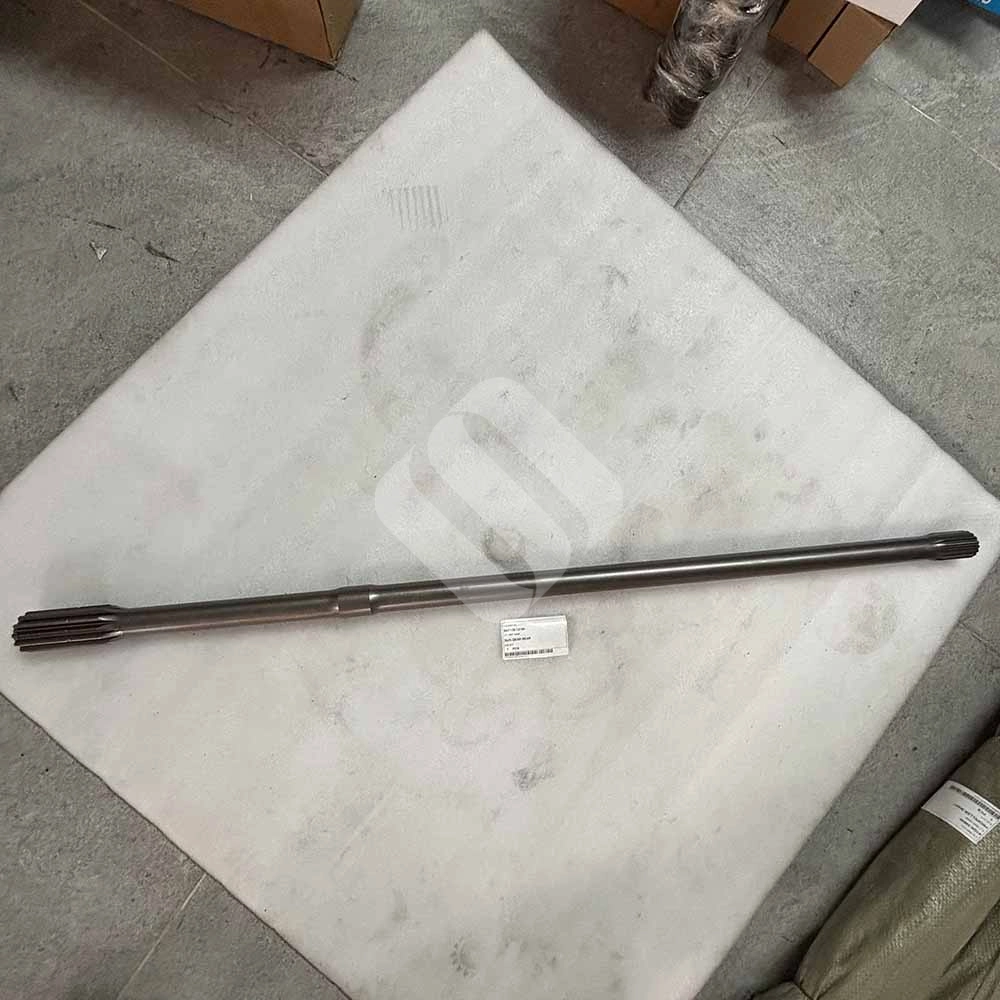
SA7116-12100 Rear Sun Gear for Doosan DX225LC DX255LC DX300LC Crawler Excavator | Final Drive Parts
The SA7116-12100 Sun Gear (Rear) is the central component of the planetary reduction system in Doosan Crawler Excavators. It transmits high torque from the hydraulic motor to the planetary gears, enabling the powerful movement required for heavy-duty digging and traveling.

Contact us
Email: ranroswang@hksparkling.com
Wechat: +86 136 0901 0879
Skype: foreverlucia1
WhatsApp: +86 136 0901 0879
Address: No. 514-515, Hulin Road, Tianhe District, Guangzhou, China.
Sparkling Machinery Co.,Ltd
sparkling_machinery
Whatsapp: +8613609010879