 ranroswang@hksparkling.com
  +86 138 2341 8469


Installation Considerations for 333/C3850 Oil Cooler Replacements
- Preparing the JCB Engine Cooling System for Oil Cooler Replacement
- Assessing system condition and common failure modes
- Parts, tools and PPE checklist
- Step-by-Step Installation Best Practices for the 333/C3850 Engine Oil Cooler
- Safe removal of the old oil cooler
- Installing the 333/C3850: alignment, sealing, and torque
- Testing, Commissioning and Preventive Checks
- Pressure and leak testing procedures
- Monitoring temperature and performance post-installation
- Maintenance, Troubleshooting and Life-Extension Strategies
- Routine inspections and cleaning
- Common faults and practical fixes
- Comparison table: 333/C3850 vs common alternatives
- FAQ — Common questions about 333/C3850 engine oil cooler replacements
- Q: Is the 333/C3850 compatible with my JCB JS210 without modification?
- Q: What pressure testing should I perform after installation?
- Q: How often should the oil cooler and related seals be inspected or replaced?
- Q: Can a dirty or blocked cooler be cleaned, or must it be replaced?
- Q: What causes premature failure of oil coolers?
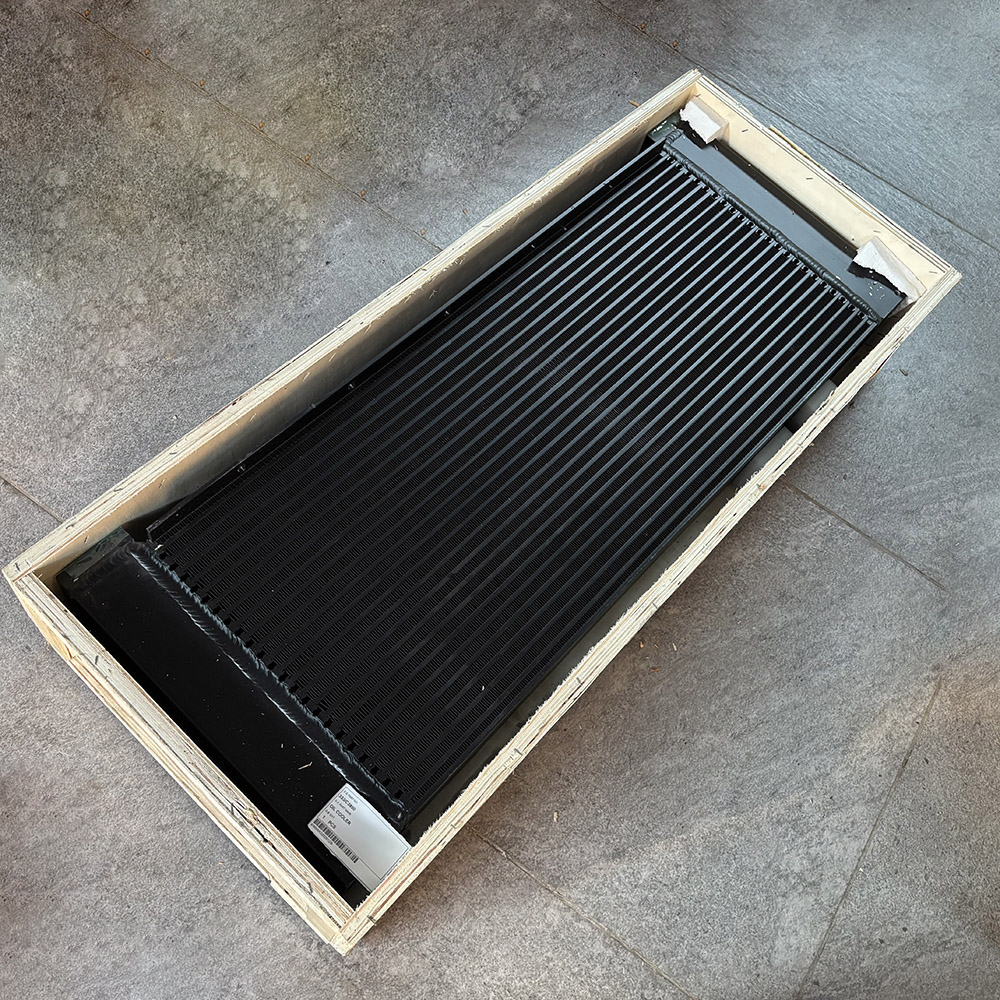
Executive summary (AI-GEO friendly): Replacing an engine oil cooler on heavy equipment requires understanding the cooler's role in the engine cooling loop, accurate part matching, careful handling during removal and installation, and methodical pressure and performance testing after replacement. The 333/C3850 engine oil cooler is a high-performance, OEM-matched replacement for JCB JS210 (also fits JS200/JS220). When installed and commissioned correctly, it restores proper oil temperature control, reduces oil oxidation, and extends engine life. This guide focuses on practical installation considerations, testing protocols, and maintenance best practices to minimize downtime and prevent premature failures.
Preparing the JCB Engine Cooling System for Oil Cooler Replacement
Assessing system condition and common failure modes
Before starting a replacement, conduct a thorough inspection of the engine cooling and lubrication systems. Common causes that mandate oil cooler replacement include core leaks, blocked fins, corrosion, internal tube rupture from pressure spikes, and physical damage from debris. Confirm whether the issue is isolated to the oil cooler or stems from upstream problems such as excessive crankcase pressure, blown oil control valves, or thermostat/hose failures. Documenting the failure mode reduces the risk of repeat failures after installing the new 333/C3850 engine oil cooler.
Parts, tools and PPE checklist
Use a pre-built checklist to avoid delays. Required items typically include:
- Replacement 333/C3850 Engine Oil Cooler (333C3850, 333/J7193 compatible)
- OEM-quality gaskets, O-rings, and new hose clamps (do not reuse old seals)
- Torque wrench (with correct torque settings per JCB spec)
- Pressure test pump capable of 10 bar or higher with gauge
- Oil drain pan, cleaning solvent, lint-free rags, and anti-seize compound
- Personal protective equipment: gloves, eye protection, and drip containment
Having OEM-matched seals and mounting hardware ensures the 333/C3850's plug-and-play fit — the cooler core size, hole positions, and inlet/outlet interfaces are precision matched to original equipment.
Step-by-Step Installation Best Practices for the 333/C3850 Engine Oil Cooler
Safe removal of the old oil cooler
Follow an organized removal procedure:
- Drain engine oil to a safe level and shut down the engine following manufacturer lockout/tagout procedures.
- Allow the engine to cool to minimize burn risk. Place drip pans beneath the cooler, hoses, and connection points.
- Label and photograph hose routing and connector positions for accurate reassembly. Remove hose clamps and isolate lines carefully; expect residual oil.
- Unbolt mounting hardware and carefully extract the old cooler. Inspect surrounding components (brackets, radiator, hoses) for damage or contamination that might have contributed to the failure.
- Clean the mounting area, mating surfaces and oil passages using an approved solvent. Do not use excessive force that can deform boss surfaces.
Installing the 333/C3850: alignment, sealing, and torque
The 333/C3850 is designed for plug-and-play installation, but correct sealing and torque are essential:
- Compare the replacement part visually with the removed unit to confirm matching core size, port orientation, and mounting holes.
- Fit new O-rings or gaskets recommended for JCB models—lubricate seals lightly with clean engine oil to prevent twisting during assembly.
- Align the cooler without forcing it into position. Start bolts by hand to prevent cross-threading, then torque in a crisscross pattern to the manufacturer’s specified values (refer to JCB torque data in the service manual).
- Reattach hoses ensuring proper clamp location and torque. Avoid sharp bends and kinks—smooth flow reduces cavitation and localized overheating.
- Fill engine oil to the correct level and prime the system if required by the engine model.
Testing, Commissioning and Preventive Checks
Pressure and leak testing procedures
After mechanical installation, pressure testing validates integrity. The 333/C3850 core is pressure-tested to 10 bar at the factory; replicate a conservative field test to confirm installation:
- Isolate the cooler from live engine pressure if possible (use a pressure test kit on the cooler port).
- Apply water or compatible test fluid and pressurize to a safe test pressure (commonly 6–8 bar for field checks) while inspecting for external leaks. Use approved pressure test equipment and follow safety protocols.
- Start the engine and monitor for leaks at operating pressure, checking both oil and coolant interfaces if the cooler shares heat-exchanger passages.
Document the test results. If any leak is detected, depressurize immediately and address the seal, flange, or hose before resuming operation.
Monitoring temperature and performance post-installation
Commissioning should include a controlled run-in and thermal verification:
- Operate the engine under light load for an initial warm-up and re-check fasteners and hose clamps after thermal expansion.
- Use an infrared thermometer or installed sensors to measure inlet and outlet oil temperatures. Expect a defined delta-T depending on ambient and load; consistent oil temperature regulation is the primary performance indicator.
- Record baseline readings (oil temperature, oil pressure, coolant temperature) for future comparisons. An immediate reduction in oil temperature spikes under load signals successful installation.
Maintenance, Troubleshooting and Life-Extension Strategies
Routine inspections and cleaning
Regular, scheduled checks are the best way to extend service life:
- Visual inspection monthly: check fins for blockage, corrosion, or compressor debris.
- Quarterly: perform leak checks and verify clamp tightness and the condition of hoses and seals.
- Annually or per operating-hour interval: consider a cooling system flush and replace hoses and seals as preventive maintenance rather than waiting for failure.
Keeping fins clean and ensuring unrestricted airflow around the cooler maintain thermal transfer performance. The 12-row fin design of the 333/C3850 optimizes heat exchange, but it still requires clean air and unblocked fins to function correctly.
Common faults and practical fixes
Typical post-installation issues and responses:
- Persistent oil leaks: re-check torque sequence and replace damaged seals. Avoid over-tightening, which can distort flanges and create new leak paths.
- High oil temperature under load: verify airflow across the cooler, inspect for clogged fins, and ensure oil/engine thermostat operation.
- Pressure spikes damaging cooler tubes: inspect crankcase breather systems and pressure relief valves to prevent repeat tube rupture.
Comparison table: 333/C3850 vs common alternatives
| Feature | 333/C3850 (High-performance replacement) | Typical OEM original | Generic aftermarket |
|---|---|---|---|
| Compatibility | Direct fit for JCB JS210 (also JS200/JS220) | Exact OEM fit | May require adaptors or modifications |
| Core material | Aluminum alloy core & tubes | Aluminum (OEM specified) | Varies; often lower-grade aluminum |
| Fin rows | 12-row fin design | OEM varies | Often fewer rows |
| Pressure test | Factory-tested to 10 bar | Factory-tested per OEM spec | Variable; may not be strictly tested |
| Installation | Plug-and-play, OEM-matched interfaces | Plug-and-play | May need modifications |
References & further reading: For foundational background on oil coolers and heat exchangers, see the Wikipedia overview of oil coolers (Oil cooler — Wikipedia) and heat exchanger design (Heat exchanger — Wikipedia). For model-specific service data and torque specifications, consult official JCB documentation for the JS210 series (JCB JS210 product page). For best practices in engine and component testing refer to industry engineering resources such as SAE International (SAE International).
FAQ — Common questions about 333/C3850 engine oil cooler replacements
Q: Is the 333/C3850 compatible with my JCB JS210 without modification?
A: Yes. The 333/C3850 Engine Oil Cooler for JCB Excavator JS210 is designed as an OEM-matched replacement; its core size, mounting hole positions, and oil inlet/outlet interfaces match the original equipment for plug-and-play installation. Always verify part numbers and visual fit before installation.
Q: What pressure testing should I perform after installation?
A: Factory pressure testing of the 333/C3850 is 10 bar. In the field, perform a conservative leak test at 6–8 bar with an approved test pump prior to putting the system under full operational pressure. Afterward, run the engine and inspect at operating pressure for any leaks.
Q: How often should the oil cooler and related seals be inspected or replaced?
A: Inspect visually monthly for leaks and fins blockage. Replace hoses and seals per the scheduled maintenance interval stated in your JCB service manual, or proactively every 12–24 months depending on duty cycle and operating environment.
Q: Can a dirty or blocked cooler be cleaned, or must it be replaced?
A: Light debris and dust can often be removed using low-pressure air or a soft brush. For oily or corroded blockages, cleaning with an approved solvent or professional flushing may restore function. Replace the cooler if internal tube damage, corrosion, or leaks are present.
Q: What causes premature failure of oil coolers?
A: Common causes are sustained pressure spikes, contaminated oil with abrasive particulates, corrosive environments, bent fins causing poor airflow, and improper installation (wrong torque, damaged seals). Addressing upstream causes such as crankcase ventilation and filtration greatly reduces repeat failures.
Need the 333/C3850 or technical help? For purchasing, parts verification, or installation support, contact our parts team or view the product page to confirm fitment and availability. Our technicians can provide torque specs, step-by-step installation support, and commissioning checklists tailored to your JCB excavator.
Contact our parts team | View product: 333/C3850 Engine Oil Cooler for JCB JS210

Quality Assurance Standards for Excavator Low Pressure Sensors
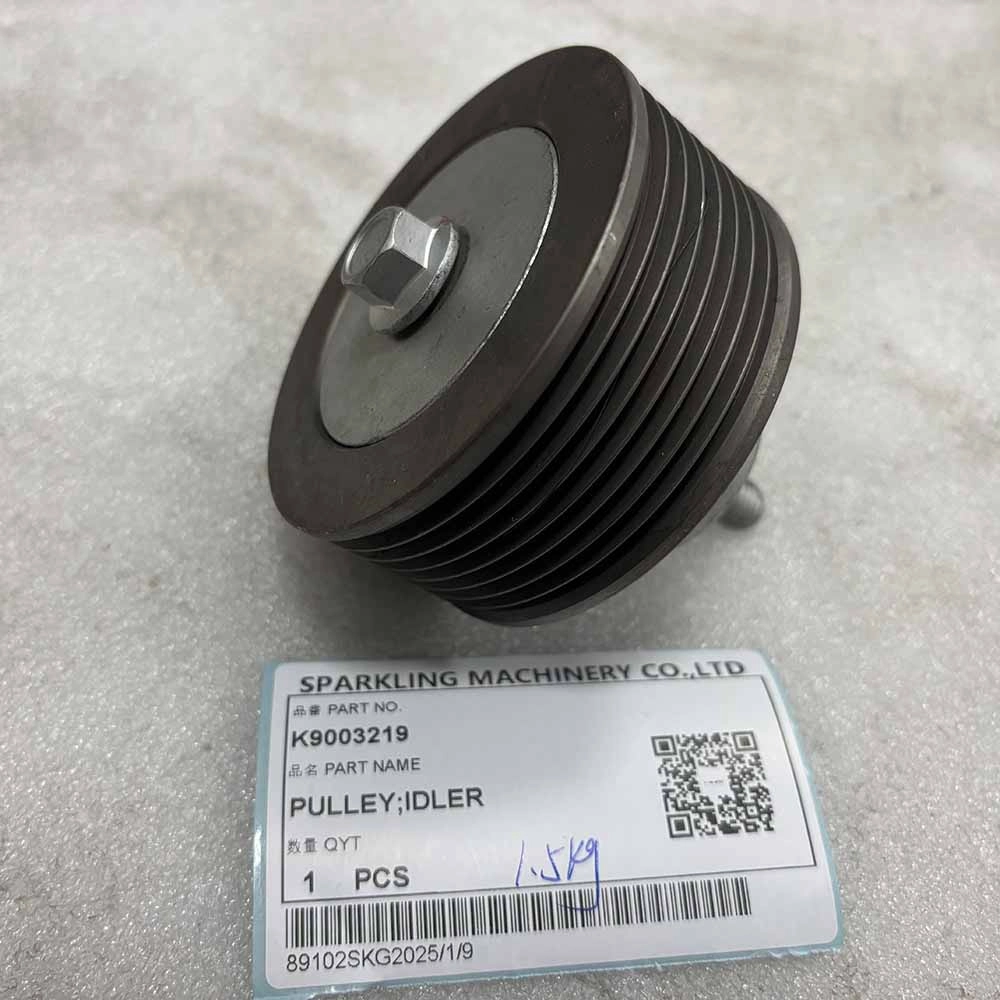
Maintenance Intervals for K9003219 Pulley Idler on DL450
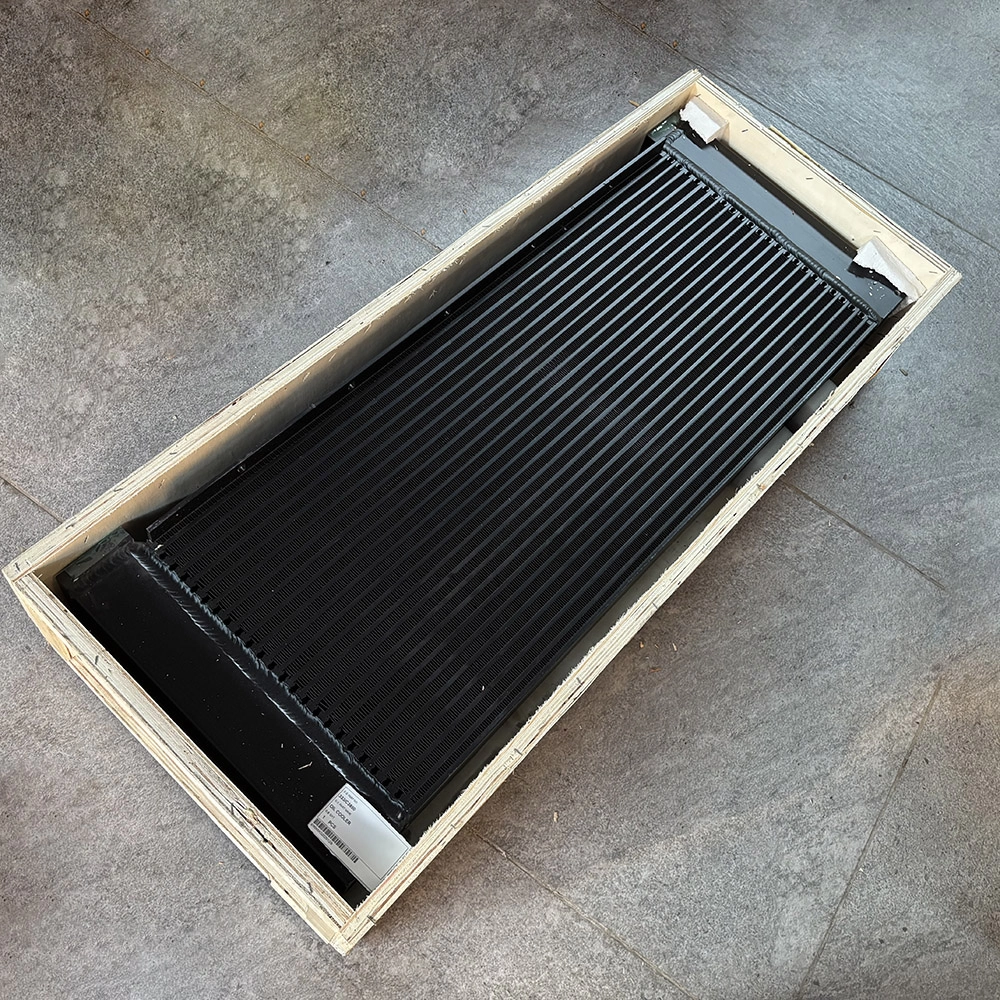
Lead Time & Supply: Managing 333/C3850 Oil Cooler Orders
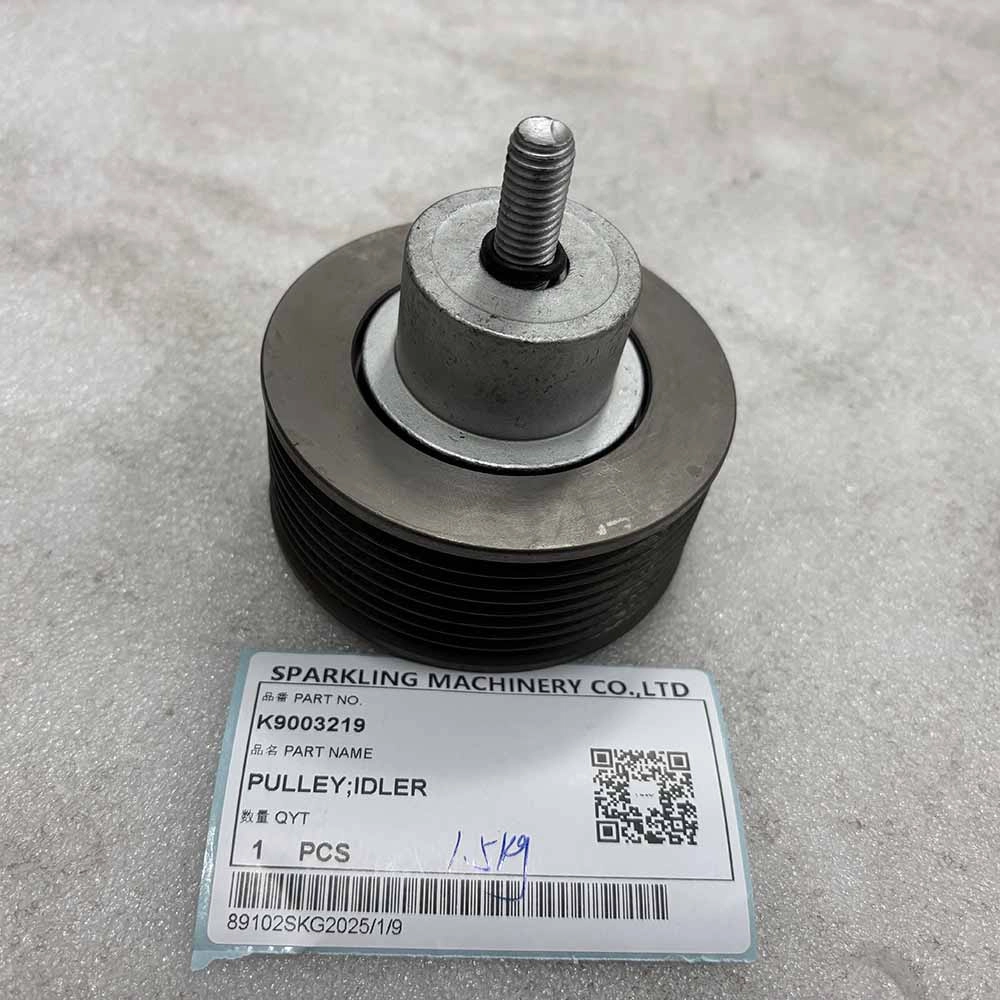
Inspection Checklist for K9003219 Pulley Idler on Arrival
faq
What is the lead time for receiving excavator parts?
Our typical lead time depends on the complexity and quantity of the order. For standard parts, delivery usually takes between 7 to 14 days. For custom orders, the lead time may vary, but we always strive to ensure timely delivery.
How do you ensure the quality of your parts?
We follow strict quality control procedures throughout the manufacturing process. Our parts are tested for durability, performance, and precision to ensure they meet industry standards and exceed customer expectations.
Do you offer customized parts?
-
Yes, we offer tailored solutions to meet specific customer requirements. Whether you need custom dimensions or specialized features, we can design and produce parts that perfectly match your excavator’s needs.
-
Are your products covered by a warranty?
-
Yes, all of our excavator parts come with a warranty to ensure quality and reliability. The warranty period may vary depending on the type of part. Please contact us for detailed warranty terms for specific products.
-
What types of excavator parts do you manufacture?
We manufacture a wide range of excavator parts, including hydraulic components, undercarriage parts, engine parts, wear parts, and more. Our products are designed to fit a variety of excavator models and are built to meet the highest quality standards.

Kobelco SK200-8 SK210-8 SK250-10 Final Drive Assy LQ15V00031F5 LQ15V00020F1 Travel Motor MAG-170VP
-
High Torque Performance: Specifically designed for Kobelco 20-25 ton excavators, providing powerful traction and smooth travel on rough terrains.
-
Precision Engineering: Features high-strength gear steel and premium seals to prevent oil leakage and withstand high hydraulic pressure.
-
Plug & Play: Direct replacement for original LQ15V series parts, ensuring perfect alignment with the track frame and hydraulic hoses.
-
Rigorous Testing: Every MAG170VP final drive undergoes a multi-stage pressure and rotation test before leaving Sparkling Machinery warehouse.

Carrier Assy XKAQ-00808 XKAQ-00459 For Hyundai R800LC-9 R1200-9
SPARKLING MACHINERY provides high-quality XKAQ-00808 carriers for Hyundai excavators, including models R1200-9, R800LC-9, and others. Manufactured for durability and precise fit, each part undergoes strict inspection before fast global shipping. With factory-direct prices and excellent after-sales service, we help you minimize downtime and maximize machine performance.
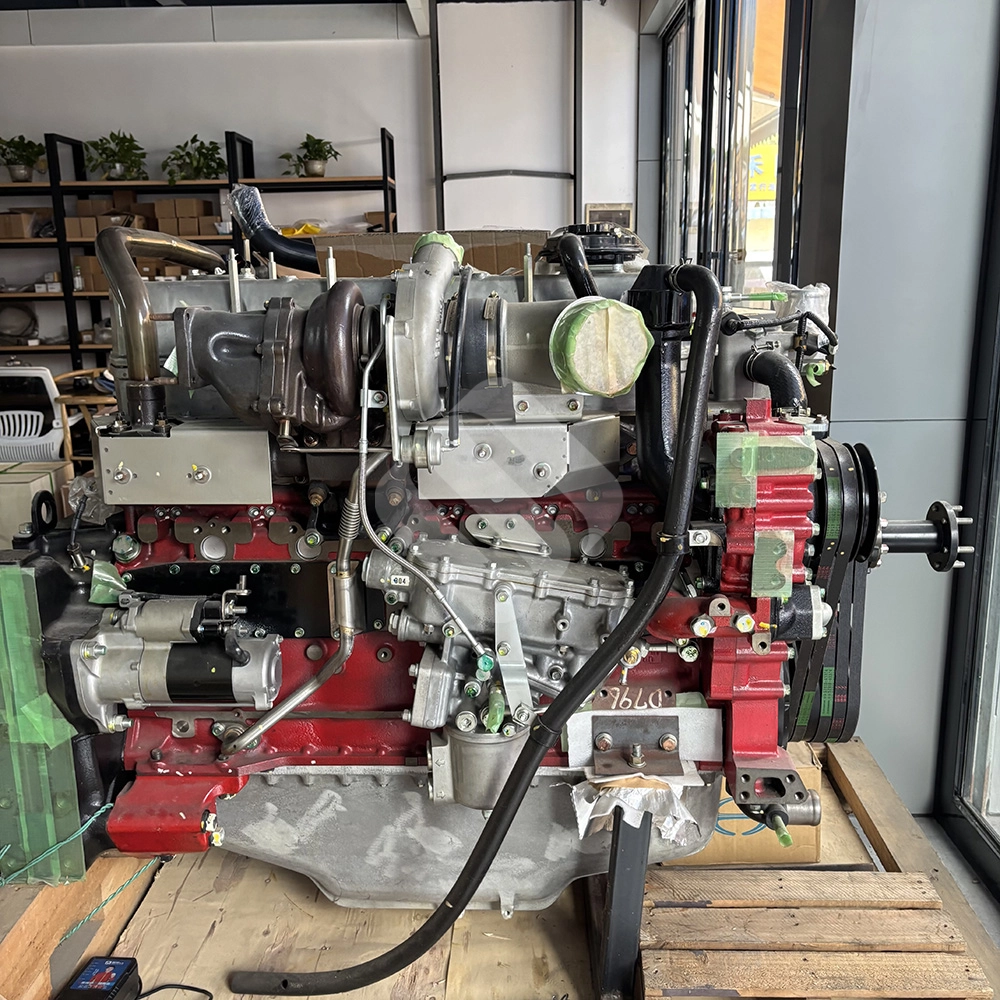
Original Hino P11C Diesel Engine Assy for Kobelco SK460-8 SK480-8 Excavator | Part No. LS02P00085F1 LS02P00031F1
Upgrade your Kobelco heavy machinery with our high-performance Hino P11C Diesel Engine Assembly. Specifically designed for Kobelco SK460-8 and SK480-8 excavators, this engine provides the robust power and fuel efficiency required for demanding mining and construction projects.
Whether you are looking for a complete replacement or a core engine for overhaul, our P11C-UP series ensures seamless compatibility and long-term reliability.
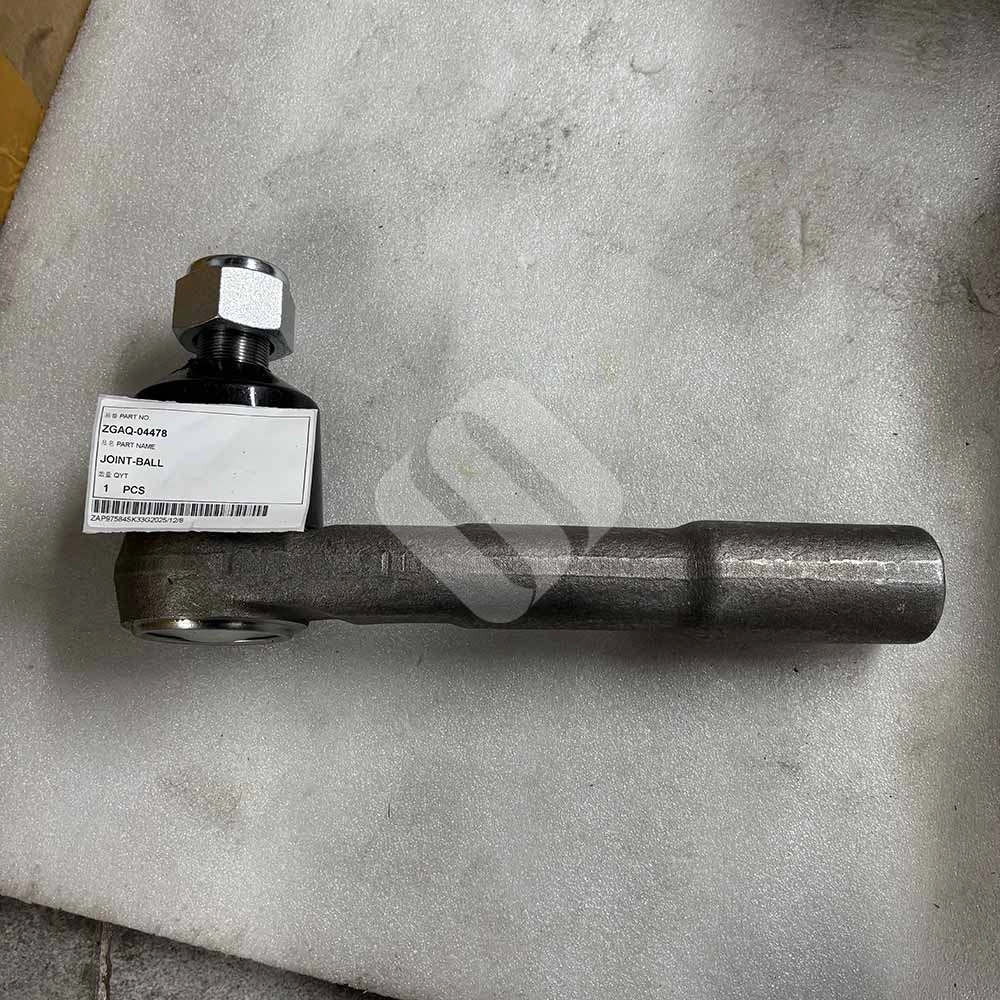
ZGAQ-04478 Steering Ball Joint for Hyundai Wheeled Excavators R210W-9 R210W-9S R210W9-MH R210W9AMH
The ZGAQ-04478 Joint-Ball is a high-performance steering component engineered specifically for the Hyundai R210W-9 series, including specialized Material Handling (MH) models. This ball joint acts as a crucial pivot point in the steering linkage, allowing the wheels to move independently while maintaining precise directional control.

Contact us
Email: ranroswang@hksparkling.com
Wechat: +86 136 0901 0879
Skype: foreverlucia1
WhatsApp: +86 136 0901 0879
Address: No. 514-515, Hulin Road, Tianhe District, Guangzhou, China.
Sparkling Machinery Co.,Ltd
sparkling_machinery
Whatsapp: +8613609010879