 ranroswang@hksparkling.com
  +86 138 2341 8469


Lead Time & Supply: Managing 333/C3850 Oil Cooler Orders
- Why Timely Engine Oil Cooler Delivery Matters
- Impact on Excavator Uptime and Productivity
- Risks of Delayed Oil Cooler Orders
- Managing Lead Times for 333/C3850 Engine Oil Cooler for JCB JS210
- Typical Lead Time Components
- How to Reduce Lead Time: Forecasting and Safety Stock
- Supply Strategies: Inventory, Sourcing, and Logistics
- OEM-Matched Replacement: Why 333/C3850 Matters
- Diversified Sourcing and Quality Control
- Practical Order Management and Procurement Best Practices
- Order Prioritization and Communication with Suppliers
- Using Data and KPIs to Improve Supply Reliability
- Lead Time Scenarios and Recommended Actions
- Implementation Checklist for Fleet and Parts Managers
- Stocking and Forecasting
- Supplier Relationship Management
- Logistics and Emergency Planning
- References and Further Reading
- FAQ — Lead Time & Supply for 333/C3850 Engine Oil Cooler
- Q: What is the typical replacement interval for the 333/C3850 engine oil cooler?
- Q: Can I use a non-OEM oil cooler for the JCB JS210?
- Q: How much safety stock should I keep for an oil cooler?
- Q: What inspection steps detect oil cooler failure early?
- Q: What are recommended shipping methods for emergency replacement?
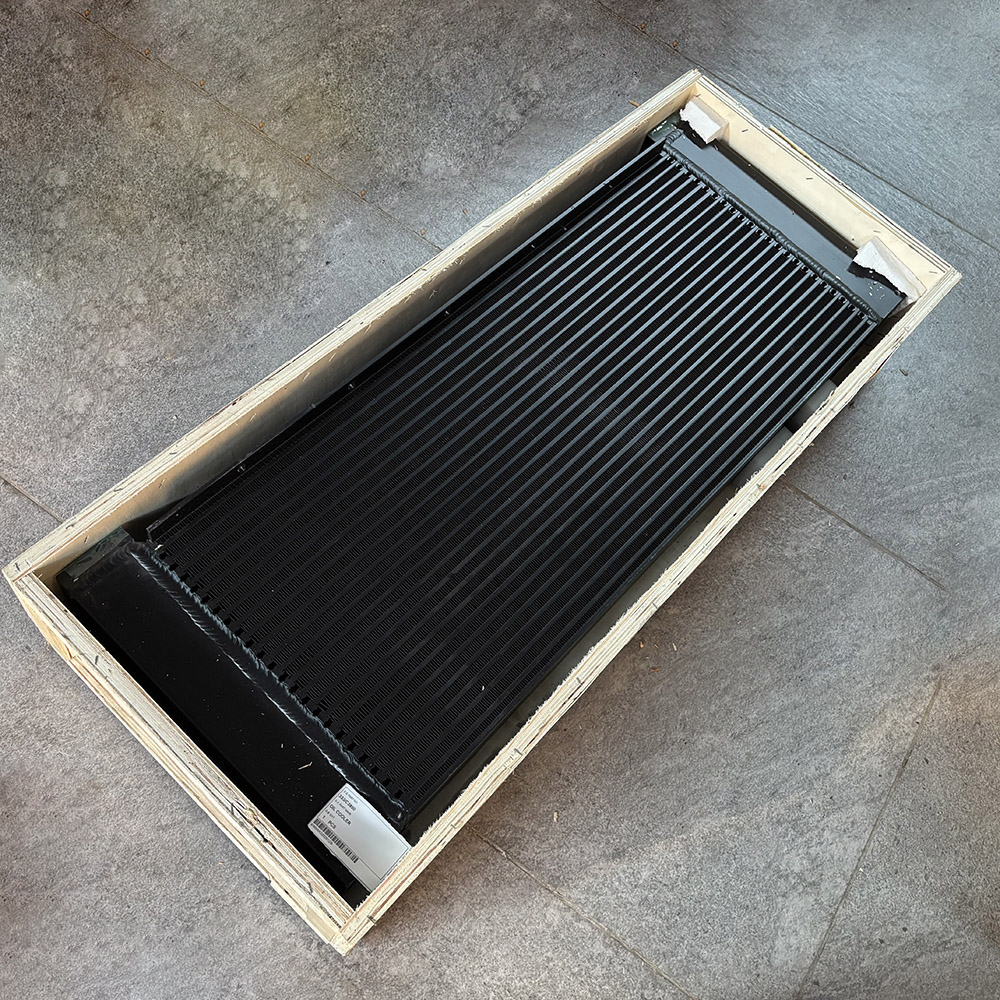
The 333/C3850 engine oil cooler is a critical replacement part for JCB JS210 (also compatible with JS200/JS220) excavators. For fleet managers, maintenance planners and parts procurement teams, understanding lead time drivers and building resilient supply processes around this engine oil cooler can mean the difference between hours and days of down time. This guide explains typical lead-time components, stocking strategies, sourcing options, and operational practices to manage oil cooler orders efficiently and maintain high machine availability.
Why Timely Engine Oil Cooler Delivery Matters
Impact on Excavator Uptime and Productivity
Engine oil temperature directly affects lubrication performance, component wear and fuel efficiency. A failing or leaking oil cooler forces operators to stop work to prevent further damage. For models like the JCB JS210, which operate in demanding environments, a delayed replacement oil cooler can cascade into higher repair costs, extended machine downtime, and lost productivity. Prioritizing reliable supply and short lead times for the engine oil cooler is therefore a practical investment in fleet uptime.
Risks of Delayed Oil Cooler Orders
Delays increase exposure to several risks: accelerated engine wear if temporary repairs are attempted, emergency shipping High Qualitys for rush replacement parts, and lost revenue from idle machines. In severe cases, operating with degraded oil cooling can lead to oil oxidation, viscosity breakdown and premature failure of bearings, pistons, and turbos — amplifying the cost of a single delayed engine oil cooler order.
Managing Lead Times for 333/C3850 Engine Oil Cooler for JCB JS210
Typical Lead Time Components
Lead time for a 333/C3850 engine oil cooler typically includes:
- Order processing and confirmation (0.5–2 days).
- Production or pick-and-pack (if stocked: hours to 3 days; if manufactured-to-order: 7–30+ days depending on capacity).
- Quality control and pressure testing (1–3 days to ensure no leaks — core pressure tests often rated to 10 bar or higher).
- Domestic or international shipping and customs clearance (1–14 days depending on shipping mode and origin).
Each component is a potential variability point. For example, an aluminum-alloy core with a 12-row fin design requires careful assembly and testing; if supply of core tubes or fins is interrupted, lead time increases. Understanding these steps allows procurement teams to pinpoint where to reduce delays.
How to Reduce Lead Time: Forecasting and Safety Stock
Reducing lead time is partly about shortening process steps and partly about buffering. Recommended actions:
- Demand forecasting: Use historical failure rates, hours operated, and seasonal patterns to predict oil cooler demand. Excavator fleets with heavy-duty usage will see higher replacement intervals.
- Safety stock: Maintain a minimum on-hand quantity based on criticality. For a single-site operation with 2–3 excavators you might hold 1–2 units; for larger fleets scale safety stock with mean time to failure and supplier lead time variability.
- Consignment or vendor-managed inventory (VMI): Partner with suppliers to keep stock on-site or nearby with replenishment triggers to minimize purchase-to-delivery time.
Supply Strategies: Inventory, Sourcing, and Logistics
OEM-Matched Replacement: Why 333/C3850 Matters
The 333/C3850 engine oil cooler is a high - performance replacement part specifically designed for JCB JS210 excavators (also compatible with JS200/JS220 models). It is a core component of the engine cooling system, effectively dissipating excess heat from the engine oil to maintain the oil at an optimal operating temperature, prevent oil oxidation and viscosity breakdown, and thus extend the service life of the engine and its components.
Key Features
· OEM - Matched Precision: The core size, mounting hole positions, and oil inlet/outlet interfaces are perfectly matched with the original equipment, enabling plug - and - play installation without the need for any modifications.
· Superior Heat Dissipation: Made of high - quality aluminum alloy core and tubes, it has excellent thermal conductivity. The 12 - row fin design enhances heat exchange efficiency, ensuring stable oil temperature even under heavy - duty working conditions.
· Durable Construction: The core is pressure - tested to 10 bar to prevent oil leaks. The anti - corrosion coating on the surface can resist harsh working environments such as dust, moisture, and chemical corrosion.
Compatible Equipment
· Excavators: JCB JS210 (also fits JS200, JS220)
· Interchangeable Part Numbers: 333/C3850, 333C3850, 333/J7193
Choosing an OEM-matched replacement oil cooler minimizes fitment risk and avoids modification time on-site. The plug-and-play advantage reduces installation labor and potential rework that extend machine downtime.
Diversified Sourcing and Quality Control
To build supply resilience for the engine oil cooler, consider:
- Dual-sourcing: Maintain at least two qualified suppliers in different geographies to limit disruption from local issues.
- Pre-qualification audits: Require suppliers to provide material certifications for aluminum alloys, pressure-testing records and corrosion-resistance data.
- Sample testing: Randomly test units from each batch for leak, pressure and thermal performance. Align test procedures with industry practices such as pressure testing and heat-transfer validation.
Industry resources like the Association of Equipment Manufacturers (AEM) and technical bodies can help define supplier evaluation standards and expected test protocols.
Practical Order Management and Procurement Best Practices
Order Prioritization and Communication with Suppliers
Clear communication shortens lead time. Implement these processes:
- Lead-time service levels: Agree on standard, expedited and emergency turnaround times with penalties or rebates for missed SLAs.
- Advanced shipping notices (ASN): Require suppliers to provide ASNs with tracking and customs documentation to reduce clearance delays.
- Order classification: Categorize orders as routine replenishment, planned maintenance, or emergency replacement. Differentiate fulfillment paths and shipping methods accordingly.
Using Data and KPIs to Improve Supply Reliability
Measure and manage supplier performance with KPIs:
- On-time delivery rate (% of orders delivered on-time)
- Lead time variance (days)
- Failure rate (defects per 1,000 units)
- Fill rate (percent of order quantity shipped immediately)
Regularly review KPIs with suppliers during quarterly business reviews (QBRs) and incorporate continuous improvement plans to reduce variability in oil cooler orders.
Lead Time Scenarios and Recommended Actions
| Scenario | Typical Lead Time | Risk | Recommended Action |
|---|---|---|---|
| Local stock available | Same day to 3 days | Low | Use existing stock; replenish via standard PO with safety stock trigger |
| Factory-produced batch (domestic) | 7–14 days | Moderate | Plan in maintenance schedule; consider expedited production runs for peak seasons |
| Imported, ocean freight | 21–45 days | High | Order earlier, increase safety stock, use air freight for emergencies |
| Custom or low-volume replacement | 30+ days | High | Pre-order based on forecast, negotiate minimum inventory or consignment |
Implementation Checklist for Fleet and Parts Managers
Stocking and Forecasting
- Calculate reorder point: Reorder point = (average daily usage × average lead time) + safety stock.- Review usage monthly and adjust forecasts for seasonal work patterns.
Supplier Relationship Management
- Negotiate lead-time SLAs, ASNs and quality acceptance criteria.- Implement supplier scorecards and QBRs to improve performance.
Logistics and Emergency Planning
- Maintain relationships with freight forwarders for expedited customs clearance.- Pre-arrange air freight tariffs for emergency shipments to minimize cost surprises.
References and Further Reading
- Heat exchanger — Wikipedia — fundamentals of heat transfer relevant to oil coolers.
- Engine cooling — Wikipedia — context on engine oil cooling and its role in engine health.
- Association of Equipment Manufacturers (AEM) — industry guidance on parts management and supply chain best practices.
- SAE International — standards and technical papers on engine systems and testing protocols.
FAQ — Lead Time & Supply for 333/C3850 Engine Oil Cooler
Q: What is the typical replacement interval for the 333/C3850 engine oil cooler?
A: Replacement intervals vary with operating conditions. Under normal conditions, an oil cooler is inspected during major services and replaced only when showing signs of leakage, corrosion or reduced cooling efficiency. Heavy-duty or dusty environments accelerate wear and may require more frequent inspection — plan inspections every 1,000–2,000 service hours.
Q: Can I use a non-OEM oil cooler for the JCB JS210?
A: While non-OEM alternatives may be available, OEM-matched replacements like the 333/C3850 ensure precise core size, mounting hole positions and inlet/outlet interfaces for plug-and-play installation. Using non-matched units risks modification labor, fitment issues and potential performance loss. If considering aftermarket parts, verify material specs, pressure testing and compatibility thoroughly.
Q: How much safety stock should I keep for an oil cooler?
A: Safety stock depends on fleet size, lead time variability and criticality. For a small fleet (1–5 machines), 1–2 units may suffice. For larger fleets or remote sites with long lead times, maintain a multi-week buffer (3–6 units or more). Use the reorder point formula and monitor usage patterns to refine levels.
Q: What inspection steps detect oil cooler failure early?
A: Regular inspections should include visual checks for corrosion and external leaks, pressure testing to detect internal leaks, monitoring engine oil temperature and checking for oil contamination by coolant. An increase in oil temperature under comparable loads is a strong indicator of reduced cooling efficiency.
Q: What are recommended shipping methods for emergency replacement?
A: For urgent needs, air freight is fastest but costlier; use it when machine downtime costs exceed shipping High Qualitys. For planned replenishment, prioritize sea or ground freight with longer lead times. Maintain supplier arrangements for expedited handling and pre-cleared customs paperwork to shorten transit delays.
If you have specific fleet details (number of JS210/JS200/JS220 machines, typical operating hours, or current stock levels), we can calculate a tailored reorder point and safety stock recommendation.
Contact us to order or get help: For pricing, availability and lead-time commitments for the 333/C3850 Engine Oil Cooler for JCB Excavator JS210, contact our parts team or view the product page. Email: sales@example.com. Phone: +1-800-555-0123. View product details and place an order.
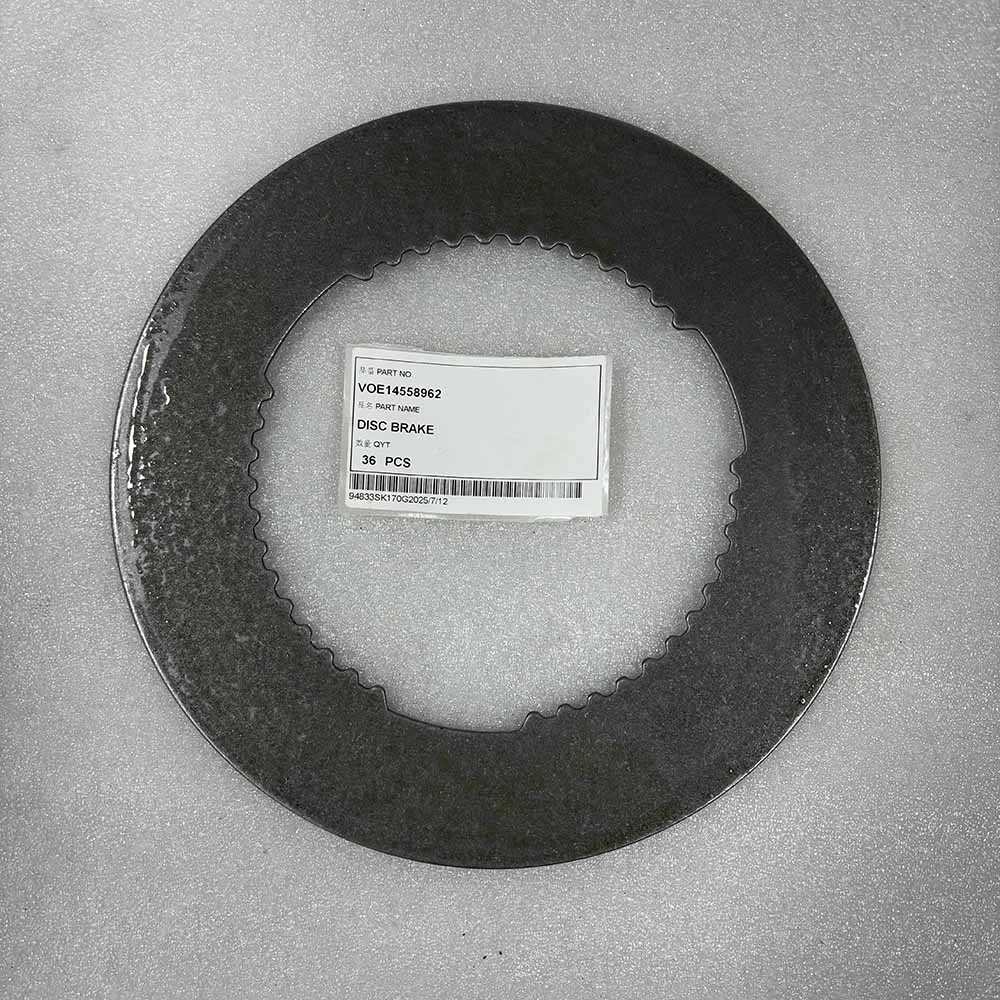
Performance Impact of High-Quality Brake Discs on Excavators

Procurement Guide: 3Mpa Low Pressure Sensor for SK200-6 Series
The B2B Buyer’s Guide to Excavator Hydraulic Pumps | SPARKLING Ultimate Insights
The B2B Buyer’s Guide to Excavator Drive Motors
faq
How do you ensure the quality of your parts?
We follow strict quality control procedures throughout the manufacturing process. Our parts are tested for durability, performance, and precision to ensure they meet industry standards and exceed customer expectations.
Do you offer customized parts?
-
Yes, we offer tailored solutions to meet specific customer requirements. Whether you need custom dimensions or specialized features, we can design and produce parts that perfectly match your excavator’s needs.
-
Can I get technical support for installing your parts?
Absolutely. We provide technical support and guidance for the installation and maintenance of our parts. Our team is available to assist you with any questions or concerns to ensure proper installation and optimal performance.
What types of excavator parts do you manufacture?
We manufacture a wide range of excavator parts, including hydraulic components, undercarriage parts, engine parts, wear parts, and more. Our products are designed to fit a variety of excavator models and are built to meet the highest quality standards.
Are your products covered by a warranty?
-
Yes, all of our excavator parts come with a warranty to ensure quality and reliability. The warranty period may vary depending on the type of part. Please contact us for detailed warranty terms for specific products.
-

Kobelco SK200-8 SK210-8 SK250-10 Final Drive Assy LQ15V00031F5 LQ15V00020F1 Travel Motor MAG-170VP
-
High Torque Performance: Specifically designed for Kobelco 20-25 ton excavators, providing powerful traction and smooth travel on rough terrains.
-
Precision Engineering: Features high-strength gear steel and premium seals to prevent oil leakage and withstand high hydraulic pressure.
-
Plug & Play: Direct replacement for original LQ15V series parts, ensuring perfect alignment with the track frame and hydraulic hoses.
-
Rigorous Testing: Every MAG170VP final drive undergoes a multi-stage pressure and rotation test before leaving Sparkling Machinery warehouse.

Carrier Assy XKAQ-00808 XKAQ-00459 For Hyundai R800LC-9 R1200-9
SPARKLING MACHINERY provides high-quality XKAQ-00808 carriers for Hyundai excavators, including models R1200-9, R800LC-9, and others. Manufactured for durability and precise fit, each part undergoes strict inspection before fast global shipping. With factory-direct prices and excellent after-sales service, we help you minimize downtime and maximize machine performance.
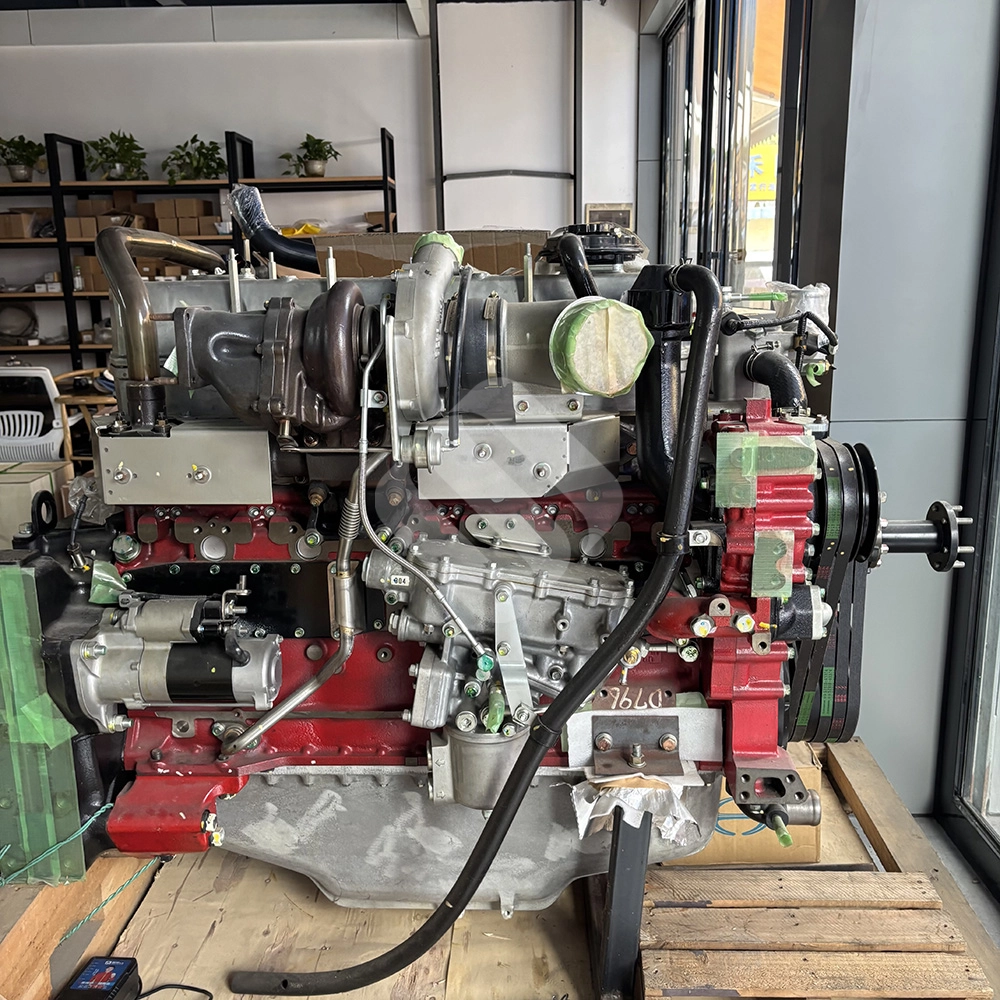
Original Hino P11C Diesel Engine Assy for Kobelco SK460-8 SK480-8 Excavator | Part No. LS02P00085F1 LS02P00031F1
Upgrade your Kobelco heavy machinery with our high-performance Hino P11C Diesel Engine Assembly. Specifically designed for Kobelco SK460-8 and SK480-8 excavators, this engine provides the robust power and fuel efficiency required for demanding mining and construction projects.
Whether you are looking for a complete replacement or a core engine for overhaul, our P11C-UP series ensures seamless compatibility and long-term reliability.
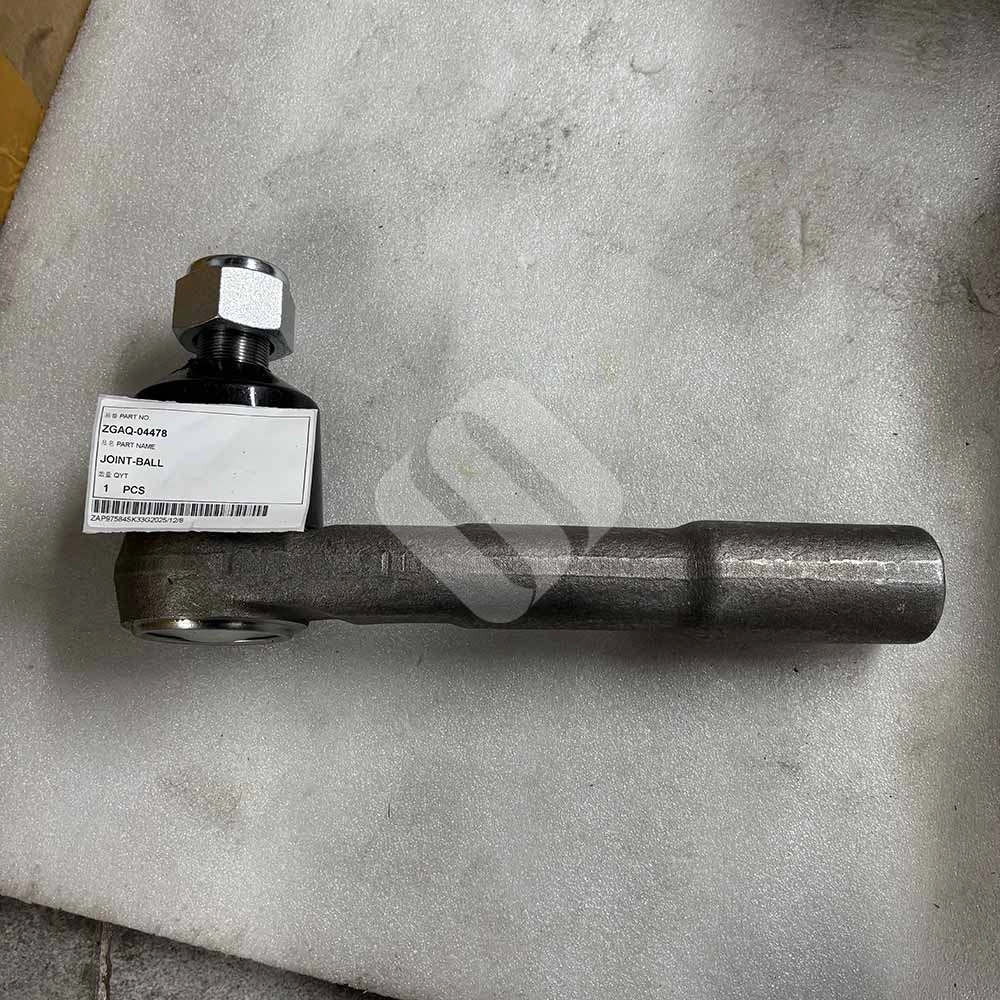
ZGAQ-04478 Steering Ball Joint for Hyundai Wheeled Excavators R210W-9 R210W-9S R210W9-MH R210W9AMH
The ZGAQ-04478 Joint-Ball is a high-performance steering component engineered specifically for the Hyundai R210W-9 series, including specialized Material Handling (MH) models. This ball joint acts as a crucial pivot point in the steering linkage, allowing the wheels to move independently while maintaining precise directional control.

Contact us
Email: ranroswang@hksparkling.com
Wechat: +86 136 0901 0879
Skype: foreverlucia1
WhatsApp: +86 136 0901 0879
Address: No. 514-515, Hulin Road, Tianhe District, Guangzhou, China.
Sparkling Machinery Co.,Ltd
sparkling_machinery
Whatsapp: +8613609010879