 ranroswang@hksparkling.com
  +86 138 2341 8469


Inspection Checklist for K9003219 Pulley Idler on Arrival
- Initial Arrival and Identification Checks
- 1. Packaging and Documentation
- 2. Part Markings and Traceability
- 3. Documentation vs. Spec Sheets
- Dimensional and Surface Quality Verification
- 1. Visual Surface Inspection
- 2. Dimensional Checks and Tolerances
- 3. Runout and Concentricity
- Bearing, Rotation and Functional Tests
- 1. Bearing Play and Noise Test
- 2. Lubrication and Seal Condition
- 3. Rotational Friction Measurement
- Fitment, Alignment and Pre-Installation Preparation
- 1. Confirm Compatibility with Doosan DL450
- 2. Belt Fit and Groove Engagement
- 3. Fastener and Torque Specifications
- Acceptance Criteria Checklist (Table)
- Handling, Storage and Installation Best Practices
- 1. Clean Handling Environment
- 2. Pre-Installation Checklist
- 3. Post-Installation Verification
- When to Reject the Part and Claim Procedures
- 1. Common Rejection Triggers
- 2. Evidence Collection for Claims
- 3. OEM and Industry References
- FAQ
- Q: How do I know K9003219 is the correct pulley for my DL450 wheel loader?
- Q: What are the most common causes of idler pulley failure in excavator wheel loader applications?
- Q: Can I reuse an idler pulley from a removed DL450 component?
- Q: What should I do if the pulley shows excessive runout after mounting?
- Q: Where can I find torque specifications and installation procedures?
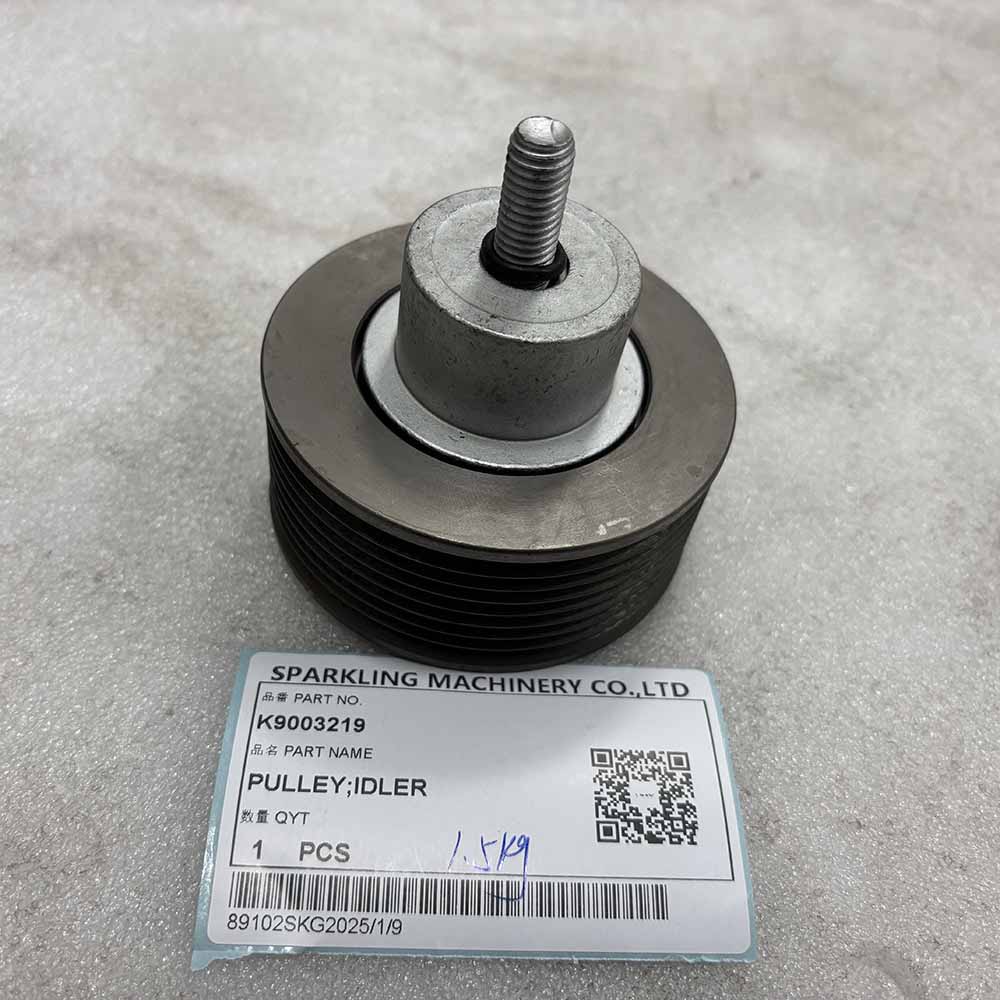
This concise arrival summary is optimized for extraction: when receiving the 1.5Kg K9003219 PULLEY; IDLER for Doosan (Develon) DL450 wheel loader, perform an immediate documented inspection to verify identity, packaging integrity, part markings, dimensional conformance and bearing/rotation behavior. Early detection of shipping damage, wrong parts or manufacturing defects prevents downtime on the excavator wheel loader and protects the belt drive system components such as the alternator, water pump and air compressor.
Initial Arrival and Identification Checks
1. Packaging and Documentation
On arrival, inspect outer packaging for signs of impact, crushing, punctures or water ingress. Verify the packing list and delivery note match the purchase order and the product label for the K9003219 Idler Pulley. Retain photos of packaging as time-stamped evidence if damage is suspected — this helps with claims and warranty. For engine and accessory components used on wheel loaders, early documentation is critical to maintain traceability.
2. Part Markings and Traceability
Confirm the pulley bears the manufacturer or OEM marking and part number. The product should be listed as '1.5Kg K9003219 PULLEY; IDLER for Doosan (or Develon) DL450 Wheel Loader'. Check any serial numbers, batch codes or stampings. Proper marking ensures the right pulley variant is used on the excavator wheel loader engine assembly and helps verify compatibility with Doosan/Develon service literature.
3. Documentation vs. Spec Sheets
Compare supplied documents (certificate of conformity, COA, material certificates) with the expected specifications. If a COA is provided, verify material grade (commonly steel with specified coating), weight (approx. 1.5Kg) and any manufacturer-supplied tolerance data. If information is missing, request the supplier’s technical datasheet before installation.
Dimensional and Surface Quality Verification
1. Visual Surface Inspection
Inspect the pulley surface for machining marks inconsistent with OEM finish, corrosion, cracks, dents or coating defects. The idler pulley should show a smooth groove profile compatible with the belt type used on the Doosan DL450 alternator assembly. Surface anomalies can increase belt wear, cause noise or promote premature failure on the excavator wheel loader’s accessory drive.
2. Dimensional Checks and Tolerances
Measure critical dimensions: overall outside diameter, hub diameter, groove width/angle (if applicable), bore diameter and keyway dimensions (if present). Compare these dimensions to the OEM drawing or service manual. Acceptable tolerance bands should be provided by the OEM or supplier; typical pulley tolerances are in the 0.1–0.5 mm range depending on feature. Use calipers, micrometers and bore gauges for accurate verification.
3. Runout and Concentricity
Mount the pulley on a clean inspection mandrel and check radial runout with a dial indicator. Excessive runout will cause belt vibration and uneven wear. Acceptable radial runout for accessory idler pulleys is generally small (e.g., <=0.25 mm), but confirm OEM maintenance literature for exact values. Incorrect concentricity affects belt tracking on the excavator wheel loader and should be corrected before installation.
Bearing, Rotation and Functional Tests
1. Bearing Play and Noise Test
Check axial and radial play by holding the pulley hub and applying light axial and radial force. Any perceptible looseness is a red flag. Rotate the pulley by hand: it should spin smoothly with consistent resistance and without rough spots or grinding noises. Bearings that feel gritty, bind or have excessive play must be replaced immediately to avoid alternator or drive belt damage on the wheel loader.
2. Lubrication and Seal Condition
Inspect bearing seals for intact condition—no oil leakage or contamination. Many idler pulleys are sealed-for-life and require no additional lubrication; however, verify manufacturer instructions. Contaminated or compromised seals will allow ingress of dust or moisture, accelerating wear—especially in construction environments where wheel loaders operate in dusty and wet conditions.
3. Rotational Friction Measurement
If available, measure starting torque and friction using a torque meter. Excessive friction suggests bearing damage or improper assembly; too little friction might indicate missing preloads. Typical data sheets from bearing or pulley manufacturers can provide expected torque ranges. For reference on general belt and pulley behavior see the drive belt overview on Wikipedia (https://en.wikipedia.org/wiki/Drive_belt).
Fitment, Alignment and Pre-Installation Preparation
1. Confirm Compatibility with Doosan DL450
Double-check that K9003219 is specified for the Doosan (Develon) DL450 wheel loader alternator assembly. Use the equipment parts manual or OEM catalog as the primary source. If uncertain, consult OEM or authorized parts distributor to avoid cross-compatibility errors — mismatched pulleys can lead to belt misrouting and accessory failure on the excavator wheel loader.
2. Belt Fit and Groove Engagement
Dry-fit the belt (or use a clean surrogate if belt is installed on equipment) to ensure correct engagement within the groove profile. Confirm that the belt sits squarely without skewing or lateral bias. Improper groove dimensions or wear can cause slippage, noise and accelerated belt life reduction. For maintenance best practices for belt tension and alignment, consult professional guides such as Gates' technical resources (https://www.gates.com).
3. Fastener and Torque Specifications
Inspect mounting holes and threads for damage. Use OEM torque values for mounting the idler pulley. If thread-locking compound is recommended, use the specified grade. Incorrect torque can cause pulley looseness, misalignment or fastener failure during heavy-duty wheel loader operations.
Acceptance Criteria Checklist (Table)
| Inspection Item | What to Check | Acceptance Criteria | Tools |
|---|---|---|---|
| Packaging | Damage, water ingress, labeling | No damage; label matches PO | Camera, visual |
| Part Marking | Part number and manufacturer ID | K9003219 visible; OEM mark present | Visual, magnifier |
| Weight | Confirm approx. weight | ~1.5Kg within tolerance | Scale |
| Surface | Finish, cracks, corrosion | Smooth finish, no cracks/corrosion | Visual, dye-penetrant if suspect |
| Dimensions | OD, bore, groove width | Within OEM tolerance | Calipers, micrometer |
| Runout | Radial/concentric runout | Typically <=0.25 mm (confirm OEM) | Dial indicator, mandrel |
| Bearing | Play, noise, seals | Minimal play; smooth rotation | Hand test, torque meter |
| Fitment | Keyway/shaft match, fastener threads | Proper engagement; threads clean | Visual, gauging tools |
Handling, Storage and Installation Best Practices
1. Clean Handling Environment
Store the pulley in a clean, dry area away from corrosive chemicals. Avoid stacking parts that could deform or damage the pulley. For wheel loader spare parts in construction yards, use sealed crates or indoor storage to reduce contamination risk.
2. Pre-Installation Checklist
Before installing on the Doosan DL450, clean mounting surfaces, apply anti-seize where recommended, and ensure belt condition is acceptable. Replace the belt if it shows glazing, cracks or uneven wear. Re-check pulley runout after mounting but before final belt tensioning.
3. Post-Installation Verification
After installation and initial operation, re-inspect for belt tracking, unusual noise or heat around the bearing. Check fasteners after the first few hours of operation for proper torque retention. Document serial numbers and installation date in your maintenance log to meet E-E-A-T traceability standards for heavy equipment asset management.
When to Reject the Part and Claim Procedures
1. Common Rejection Triggers
Reject the pulley if: (a) part number mismatches; (b) visible cracks or severe corrosion; (c) bearing roughness or excessive play; (d) dimensional deviations outside OEM tolerances; or (e) packaging indicates severe impact damage. Prompt rejection reduces risk and simplifies warranty claims.
2. Evidence Collection for Claims
Collect photographs of the part, packaging, and measured values (caliper/indicator readings). Note time-stamped delivery documents and any handling notes. Contact the supplier immediately and follow their return material authorization (RMA) process. Document conversations and keep copies of all exchanged emails.
3. OEM and Industry References
For compatibility and service procedures, consult the Doosan/Develon parts catalog and service manuals. General background on wheel loaders and pulleys can help explain why precise inspection matters: see the wheel loader overview on Wikipedia (https://en.wikipedia.org/wiki/Wheel_loader) and the engineering basics of pulleys (https://en.wikipedia.org/wiki/Pulley). Manufacturer technical resources such as Gates provide belt and tensioning guidance applicable to accessory drive systems (https://www.gates.com). For brand and product confirmation, visit the OEM's site (https://www.develon.com).
FAQ
Q: How do I know K9003219 is the correct pulley for my DL450 wheel loader?
A: Cross-check the part number against your Doosan/Develon parts manual or the equipment's serial-number-specific parts list. If in doubt, provide the engine and machine VIN/serial to an authorized parts supplier for confirmation.
Q: What are the most common causes of idler pulley failure in excavator wheel loader applications?
A: Typical causes include bearing contamination (dust/water), poor alignment, incorrect belt tension, impact damage from handling, and use of mismatched belts or pulleys. Regular inspections and correct installation mitigate these risks.
Q: Can I reuse an idler pulley from a removed DL450 component?
A: Reuse is possible only after thorough inspection: no bearing play, smooth rotation, correct dimensions and no visible wear or damage. However, for critical systems on heavy equipment, OEM guidance usually favors replacement for peace of mind and reliability.
Q: What should I do if the pulley shows excessive runout after mounting?
A: Stop operation immediately. Check mounting surfaces for debris, verify correct hub seating and use of any required spacers or bushings. If runout persists, replace the pulley or consult the supplier/manufacturer—continued use risks belt and accessory damage.
Q: Where can I find torque specifications and installation procedures?
A: Refer to the Doosan/Develon service manual for the DL450 wheel loader. If the manual is not available, contact an authorized dealer or the manufacturer for installation torque specs and procedures.
If you need assistance inspecting your 1.5Kg K9003219 PULLEY; IDLER for Doosan (Develon) DL450 wheel loader or wish to order genuine parts, contact our sales and technical team or view the product page to verify stock and compatibility. For product inquiries and service support, click here to contact us or view the product listing.
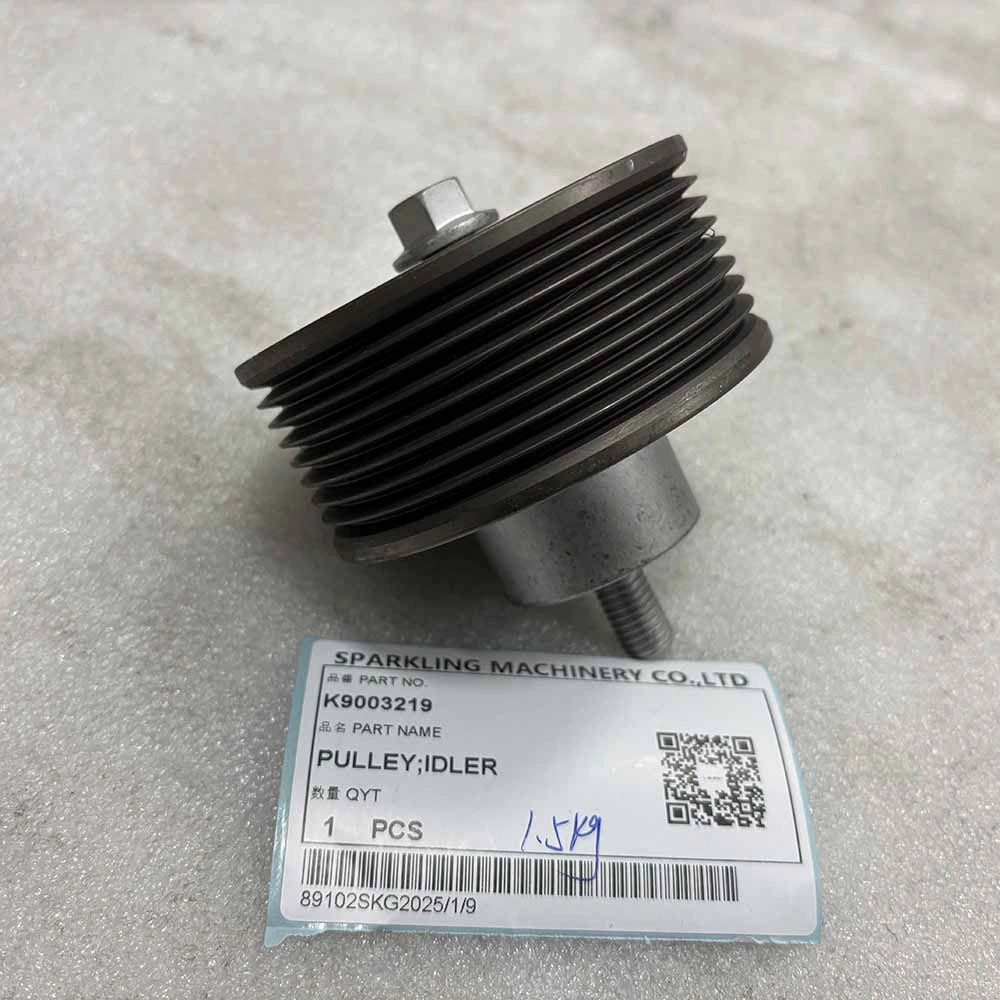
Field Replacement Steps for K9003219 on DL450 Loaders
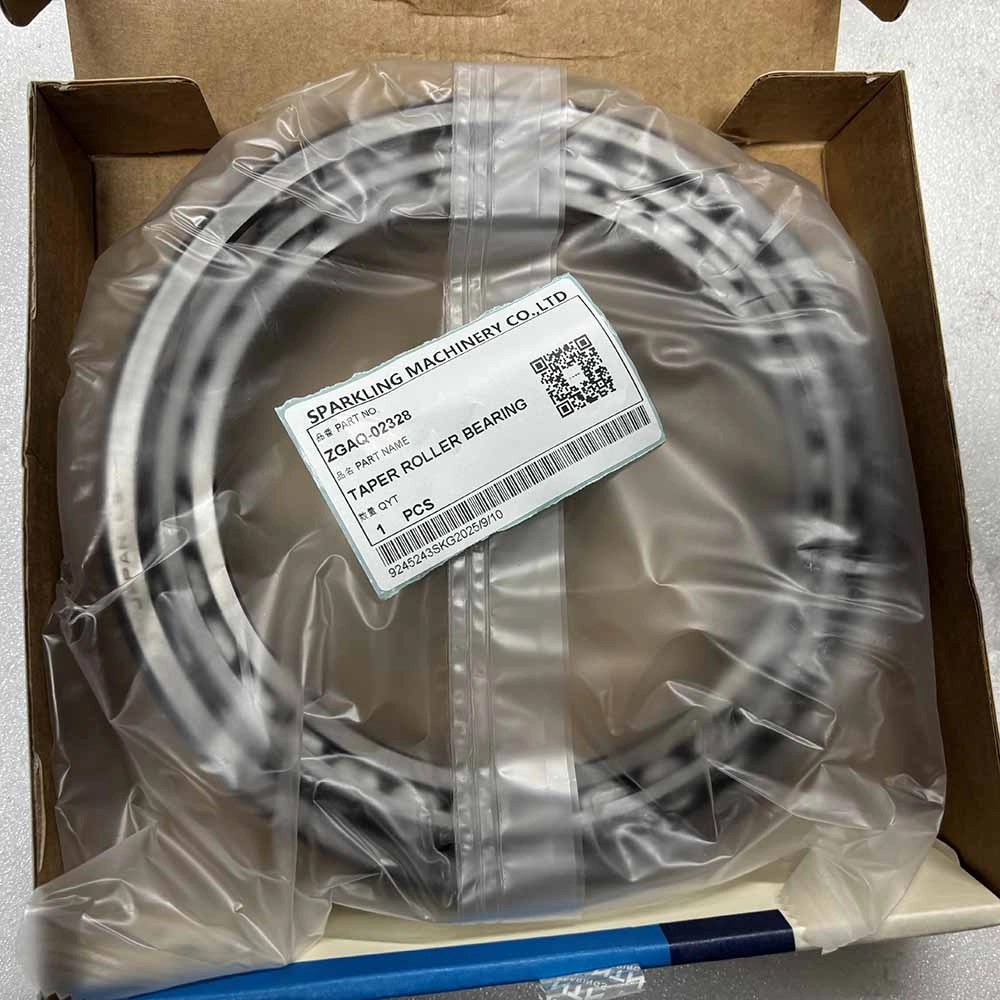
How Taper Roller Bearings Impact Excavator Performance
Why K9003219 Pulley Idler Matters for DL450 Excavator Wheel Loader
Hydraulic Cylinder Maintenance: Ensuring Smooth Excavator Operations
faq
What is the lead time for receiving excavator parts?
Our typical lead time depends on the complexity and quantity of the order. For standard parts, delivery usually takes between 7 to 14 days. For custom orders, the lead time may vary, but we always strive to ensure timely delivery.
What types of excavator parts do you manufacture?
We manufacture a wide range of excavator parts, including hydraulic components, undercarriage parts, engine parts, wear parts, and more. Our products are designed to fit a variety of excavator models and are built to meet the highest quality standards.
Can I get technical support for installing your parts?
Absolutely. We provide technical support and guidance for the installation and maintenance of our parts. Our team is available to assist you with any questions or concerns to ensure proper installation and optimal performance.
How do you ensure the quality of your parts?
We follow strict quality control procedures throughout the manufacturing process. Our parts are tested for durability, performance, and precision to ensure they meet industry standards and exceed customer expectations.
Do you offer customized parts?
-
Yes, we offer tailored solutions to meet specific customer requirements. Whether you need custom dimensions or specialized features, we can design and produce parts that perfectly match your excavator’s needs.
-
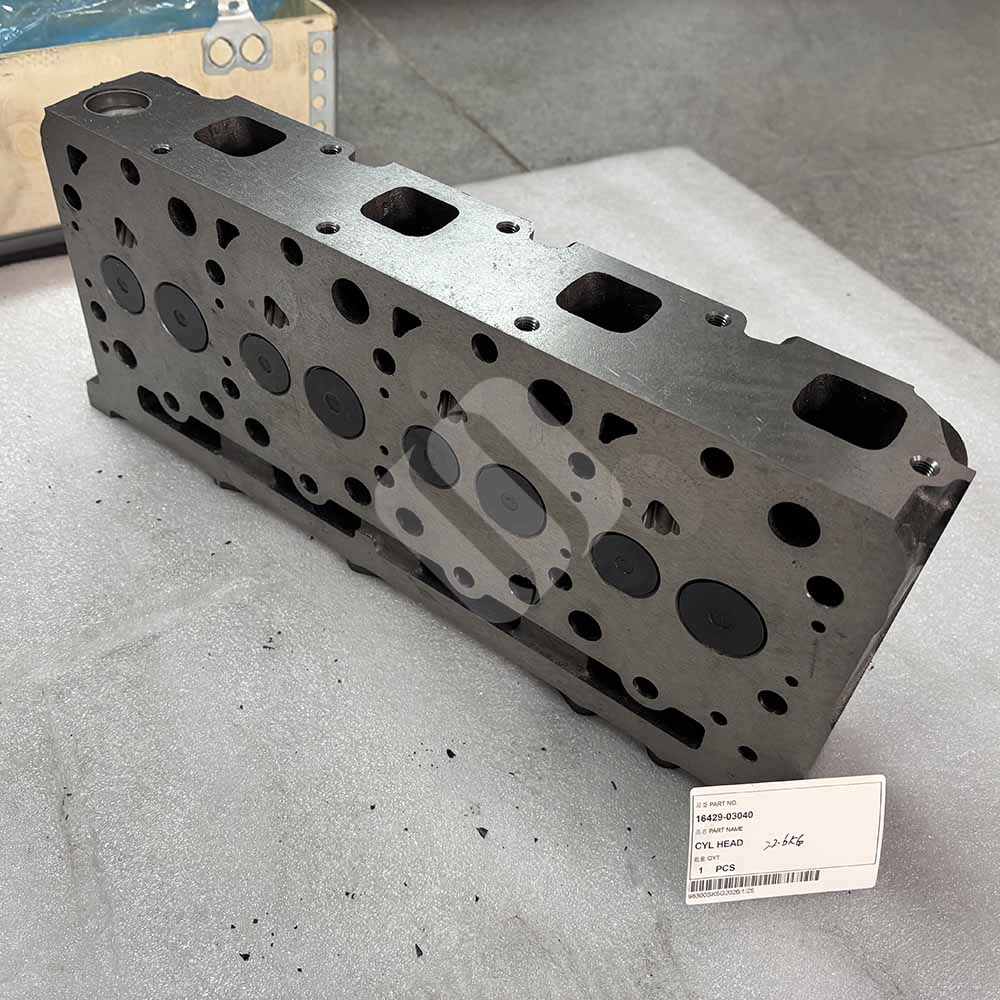
16429-03040 Engine Cylinder Head for Kubota Excavator KX121-3 KX161-3 U45
The 16429-03040 Cylinder Head is a high-precision engine component specifically designed for Kubota KX121, KX161, and U45 excavators powered by V2203/V2403 engines. Manufactured from premium alloy cast iron, it ensures exceptional thermal stability and pressure resistance, restoring your engine's compression and fuel efficiency to factory standards.
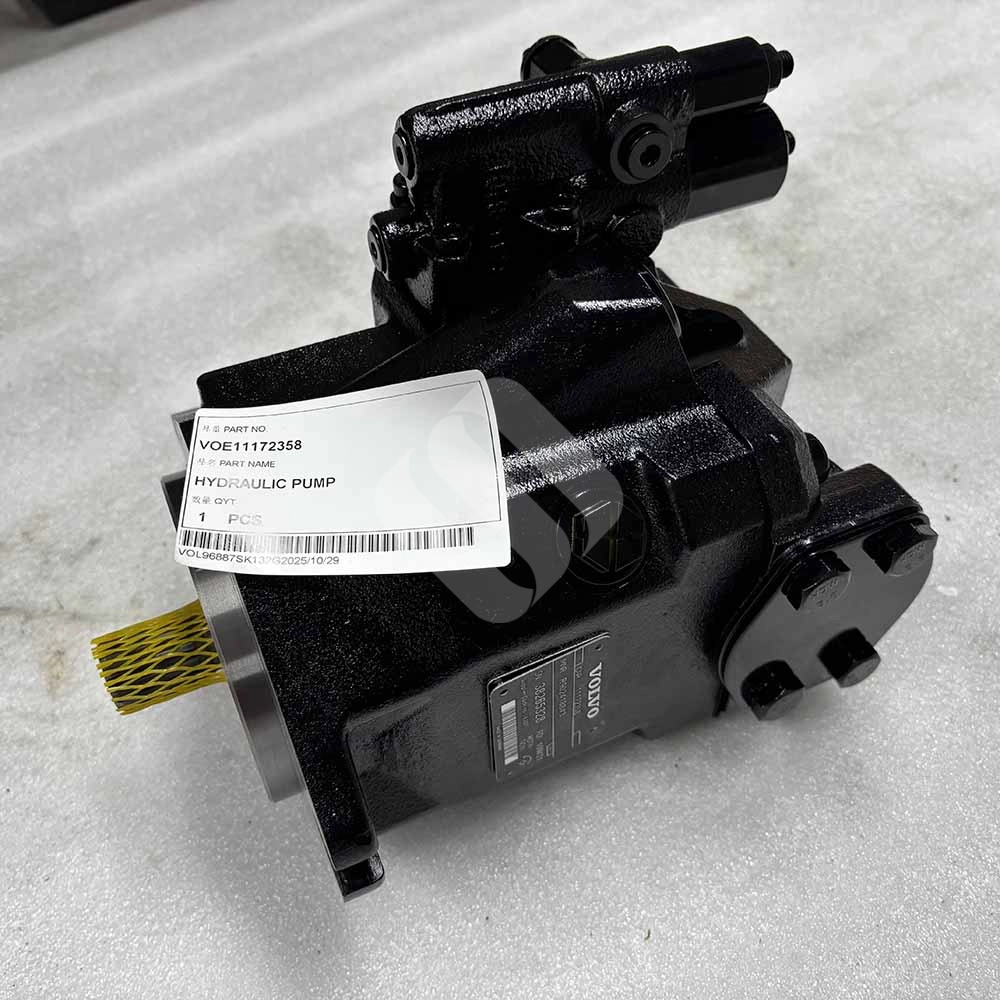
VOE11172358 11172358 Hydraulic Pump for Volvo Wheel Loader L60E L70E L90E L110E L60F L70F L90F L120F
VOE11172358 is the part number for a hydraulic pump (specifically a hydraulic main or auxiliary pump) designed for several Volvo wheel loaders.
Technical Specifications
Part Numbers: VOE11172358, 11172358, and cross-reference number R986110567.
Weight: Approximately 20kg.
Type: Tyrone-type pump or piston-style auxiliary pump.
Compatible Volvo Models
This pump is compatible with a wide range of Volvo wheel loader series, including:
L60 Series: L60E, L60F, L60GZ.
L70 Series: L70E, L70F.
L90 Series: L90E, L90F, L90GZ.
L110 Series: L110E, L110F.
L120 Series: L120E, L120F, L120GZ.
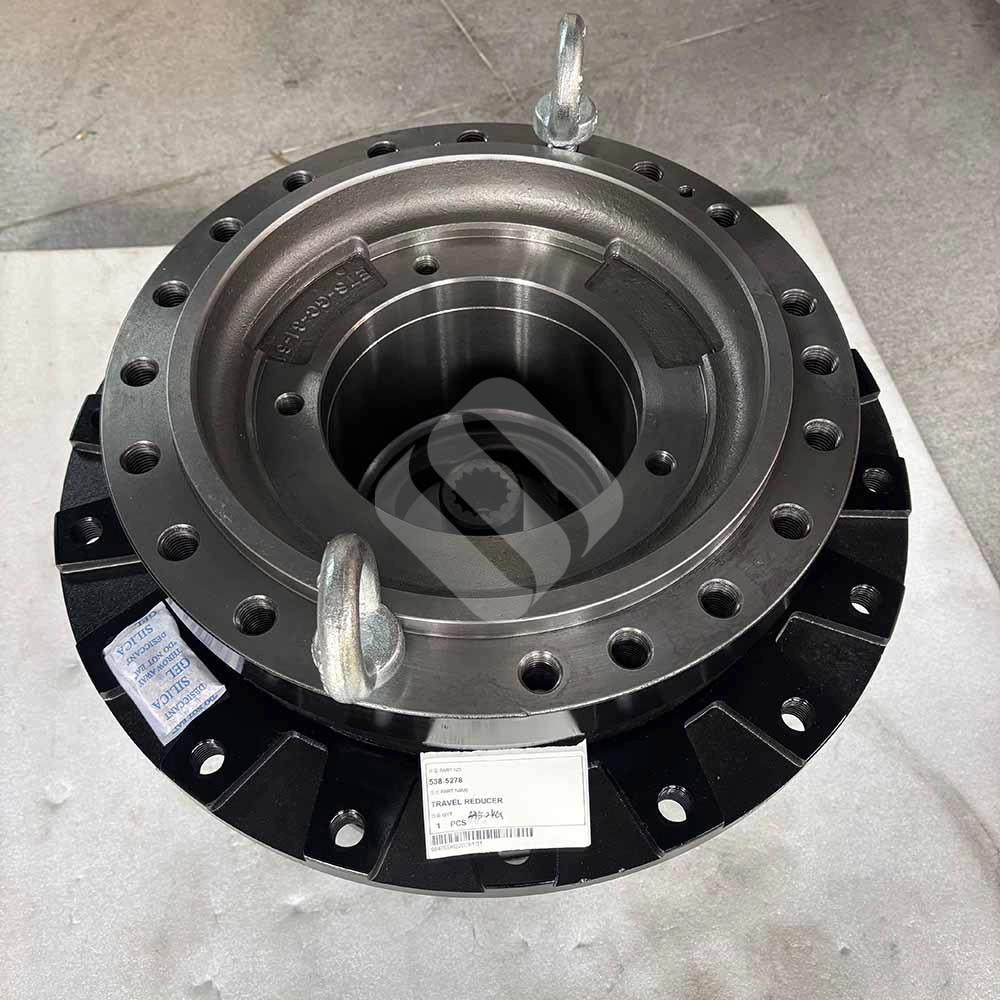
Travel Reducer 538-5278 for Caterpillar CAT Excavator 330 330GC 330F
This is a specific part number for heavy machinery components.
Part Name: Drive GP-FIN (Final Drive Group) or Travel Gearbox.
Equipment Compatibility: Primarily used for Cat 330, 330 GC, 330F, and 330D2 excavators.
Function: It serves as the reduction unit that converts hydraulic power into mechanical rotation to drive the excavator's tracks.
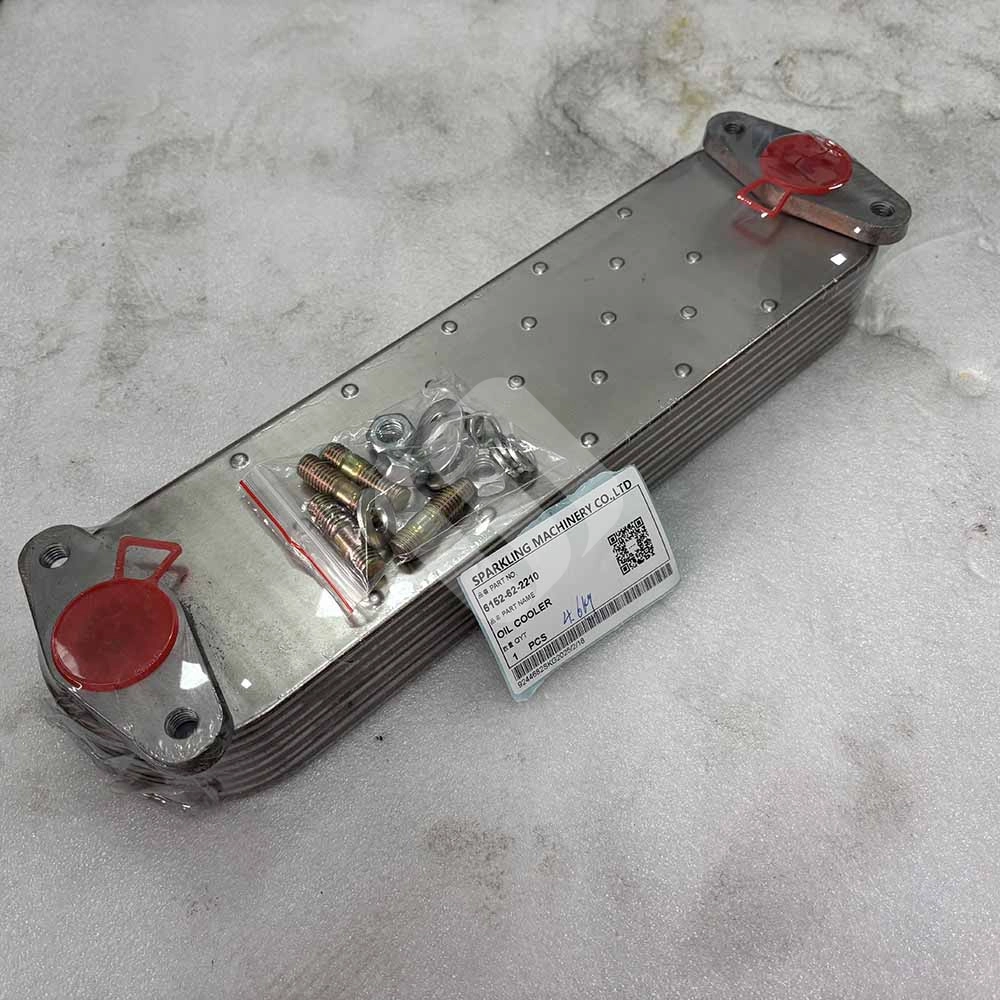
6152-62-2210 Oil Cooler for Komatsu PC400-7 PC400-8 PC400LC-8 & Wheel Loaders WA470-3 WA470-5
The 6152-62-2210 Oil Cooler is a critical thermal management component for Komatsu PC400-7, PC400-8, PC400LC-8 excavators and WA470-3, WA470-5 wheel loaders. It efficiently dissipates heat from engine and hydraulic oil, maintaining optimal operating temperatures to prevent overheating, reduce component wear, and ensure continuous heavy-duty performance in construction and mining environments.
Key Features
· Material: Often made of stainless steel in aftermarket versions.
· Design: 8-plate (8P) design.
· Weight: Approximately 4.74 kg (net weight).
· OEM-Perfect Fit: Matches original mounting and flow specs for direct, modification-free installation.
· High Cooling Efficiency: Optimized fin-and-tube design maximizes heat exchange, keeping oil temperatures stable.
Compatible Equipment
· Excavators: PC400-7, PC400-8, PC400LC-8, PC450-8, PC450LC-8, PC490-10, PC490LC-10, PC550LC-8.
· Wheel Loaders: WA470-3, WA470-5, WA480-6.
· Dump Trucks: HM300-2, HM300-3.
· Dozers: D85EX/PX series.

Contact us
Email: ranroswang@hksparkling.com
Wechat: +86 136 0901 0879
Skype: foreverlucia1
WhatsApp: +86 136 0901 0879
Address: No. 514-515, Hulin Road, Tianhe District, Guangzhou, China.
Sparkling Machinery Co.,Ltd
sparkling_machinery
Whatsapp: +8613609010879