 ranroswang@hksparkling.com
  +86 138 2341 8469


How to Read K9003219 Technical Drawings and Specs
- Understanding the Drawing Layout and Title Block
- Where to start: title block and revision history
- Border notes, projection method and units
- Reading Dimensions, Fits and Geometric Tolerances
- Critical dimensions for pulleys
- Material, heat treatment and surface finish callouts
- Notes on Assemblies, Tolerances and Inspection Criteria
- Fit classes, bearing interfaces and press fits
- Inspection callouts and test methods
- Translating Drawing Data into Purchase and Maintenance Decisions
- OEM vs aftermarket: what to compare
- Installation and service consequences
- Practical Reading Tips & Troubleshooting Examples
- How to verify a drawing against a physical part
- Common red flags to watch for
- References and Standards to Confirm Quality
- FAQ — K9003219 Technical Drawings and Specs
- Q: How do I confirm that K9003219 fits my Doosan DL450?
- Q: What are the most critical tolerances to check on the idler pulley?
- Q: The drawing shows material but not heat treatment—what should I request?
- Q: Is aftermarket K9003219 acceptable for fleet maintenance?
- Contact & Product Support

Quick summary: This article explains how to read technical drawings and specifications for the 1.5Kg K9003219 PULLEY; IDLER used on Doosan (Develon) DL450 wheel loaders. It covers title blocks, dimension callouts, material and surface-finish notes, tolerance classes, assembly and installation references, and test/inspection criteria. The guidance helps fleet managers, technicians, and purchasing teams verify OEM compatibility, choose correct replacements, and minimize downtime for excavator wheel loader engine accessory systems.
K9003219 Idler Pulley is a High Quality engine accessory drive component engineered for Doosan (Develon) DL450 wheel loaders. As a core part of the belt drive system, it maintains optimal belt tension, enables smooth power transmission to the alternator, water pump and air compressor, and prevents belt slippage, noise and premature wear during heavy-duty construction and material-handling tasks.
Manufacturer: Doosan (or Develon)
Function: This pulley is part of the engine's accessory drive system, specifically the alternator assembly, where it helps maintain correct belt tension and routing.
Compatible Equipment:
This idler pulley is specifically listed as a component for the engine assembly of the Doosan DL450 wheel loader. It may be compatible with other Doosan models using similar engine platforms.
Understanding the Drawing Layout and Title Block
Where to start: title block and revision history
The title block is the reader's entry point. It should include part number (K9003219), part name (IDLER PULLEY), weight (1.5Kg), material callout, drawing scale, drawing number, supplier/OEM name, and a revision history table. Confirm the drawing date and revision — replacements must match the current released revision used by Doosan/Develon to ensure correct fitment on your excavator wheel loader. If a drawing contains multiple revisions, check the revision index for engineering change notices (ECNs) or superseded dimensions.
Border notes, projection method and units
Look for the projection symbol (first-angle or third-angle) and the units (mm or inches). Most Doosan engineering drawings are metric (mm). Border notes will also indicate surface finish symbols and general notes such as UNLESS OTHERWISE SPECIFIED which tells you default tolerances and surface requirements. Misreading projection or units can lead to wrong interpretations of diameter and spacing — a critical error for belt alignment on the accessory drive.
Reading Dimensions, Fits and Geometric Tolerances
Critical dimensions for pulleys
A K9003219 drawing will highlight primary dimensions that determine fit and function: outer diameter (OD), groove profile (serpentine, V-type, or multi-rib), hub diameter, bearing bore diameter, and overall width. For an excavator wheel loader belt drive, axial runout, radial runout, and concentricity between bore and groove are critical for smooth belt operation. Pay special attention to callouts like MAX RUNOUT and concentricity tolerances. These control vibration and belt wear in heavy-duty operations such as digging, loading, or continuous idle work.
Material, heat treatment and surface finish callouts
Material and heat treatment affect strength, fatigue life and wear resistance. The drawing should specify material (for example: steel grade, cast iron, or aluminum alloy) and any heat treatment such as case hardening or tempering. Surface finish (Ra) for bearing bores and sealing surfaces ensures proper seating and long life. If the drawing lacks clear material or finish information, request the specification or manufacturer's certificate. For quality assurance, ISO 9001 manufacturing processes are commonly used in heavy-equipment OEMs — see ISO guidance ISO 9001.
Notes on Assemblies, Tolerances and Inspection Criteria
Fit classes, bearing interfaces and press fits
Check tolerance classes for shaft and bore fits. The drawing usually lists H7/g6, H7/h6, or press-fit values depending on whether the pulley is pressed onto a shaft or supported by a bearing. For an idler pulley on a Doosan DL450 wheel loader alternator assembly, correct fit between the pulley bore and bearing OD prevents slippage, axial play, and premature bearing failure. If a drawing references bearing part numbers, cross-reference them to the bearing manufacturer's datasheet during procurement.
Inspection callouts and test methods
Drawings will often include inspection acceptance criteria: dimensional tolerances, runout thresholds, and non-destructive test (NDT) methods such as magnetic particle testing (MPI) or dye penetrant for castings. For performance-critical parts like the K9003219, look for a final assembly balance requirement (dynamic balance) and a torque spec for set screws or fastening components. Verifying these requirements helps ensure the idler pulley will keep the belt aligned under heavy loads typical for excavator wheel loader operations.
Translating Drawing Data into Purchase and Maintenance Decisions
OEM vs aftermarket: what to compare
When evaluating replacements, compare dimensions, weight (K9003219 = 1.5Kg), material, heat treatment, bearing interfaces, and balancing. Even when an aftermarket pulley matches nominal dimensions, differences in hardness, coating, or tolerance can affect belt life. Below is a comparison to help purchasing and maintenance teams decide.
| Attribute | K9003219 (OEM) | Generic Aftermarket | Notes |
|---|---|---|---|
| Weight | 1.5 Kg | Typically 1.3–1.7 Kg | Weight affects rotational inertia and belt tension behavior. |
| Material | OEM-specified (see drawing) | Varies: steel/cast/aluminum | Material & hardness influence wear and fatigue life. |
| Dimensional tolerances | OEM tolerances per drawing | May be wider | Tighter tolerances improve alignment and reduce belt wear. |
| Bearing fit | Specified fit class | Fit may differ | Incorrect fit can lead to bearing fretting or seizure. |
| Balancing | Dynamic balance spec often included | Not always balanced to OEM spec | Imbalance causes vibration, noise and faster wear. |
Installation and service consequences
Incorrect parts or improperly interpreted drawings can lead to misalignment of the belt path, increased friction, noise, and premature failure of alternators or compressors on your excavator wheel loader. Follow the drawing's assembly and torque notes during installation and perform post-installation checks: belt tension, pulley runout, and audible noise under idle and loaded conditions. For belt-drive fundamentals and pulley function, see the technical overview on pulleys Wikipedia: Pulley.
Practical Reading Tips & Troubleshooting Examples
How to verify a drawing against a physical part
Step 1: Confirm part number and revision in the title block. Step 2: Measure critical dimensions with calibrated tools (micrometer for bore, caliper for OD and width). Step 3: Check runout with a dial indicator. Step 4: Confirm material and heat-treatment stamping or certificate from the supplier. Step 5: Validate bearing fit by measuring bore and cross-referencing tolerance tables. If any dimension falls outside the drawing tolerance, reject the part or request an Engineering Change Notice (ECN).
Common red flags to watch for
Visible red flags include mismatched bore diameter, incorrect groove profile for the belt type, missing surface-finish notes on the bore, and lack of dynamic balance certification. Another common issue is drawings that omit projection method or units; always confirm these before measuring. For broader context on wheel loader components and safe operation, consult industry references such as the wheel loader overview Wikipedia: Wheel loader or OEM service manuals.
References and Standards to Confirm Quality
To support decisions based on drawings and specs, rely on authoritative standards and OEM documentation. Typical references include ISO quality management systems (ISO 9001) for supplier manufacturing controls, OEM part catalogs, and bearing manufacturer datasheets. See:
- ISO 9001 — Quality Management Systems
- Wikipedia: Pulley
- Wikipedia: Wheel loader
- Doosan Equipment (OEM information)
FAQ — K9003219 Technical Drawings and Specs
Q: How do I confirm that K9003219 fits my Doosan DL450?
A: Verify the part number and drawing revision in the title block, then compare the critical dimensions (bore diameter, OD, groove profile and width) to the dimensions on your machine’s assembly drawing or service manual. Confirm bearing fit tolerance and mounting method. If in doubt, request an OEM fitment confirmation or a sample fit check.
Q: What are the most critical tolerances to check on the idler pulley?
A: Radial runout, concentricity between bore and groove, and bore diameter tolerance (fit to bearing or shaft) are the most critical. Poor runout and concentricity cause belt misalignment and accelerated wear on alternator or water-pump pulleys—especially under heavy-duty working cycles typical of excavator wheel loader use.
Q: The drawing shows material but not heat treatment—what should I request?
A: Ask the supplier for a material test certificate (MTC) and heat-treatment process sheet. Heat treatment and hardness (Rockwell or Vickers) are important for surface wear resistance on contact areas and fatigue life. If the drawing omits this, the OEM or supplier should supply the missing process details.
Q: Is aftermarket K9003219 acceptable for fleet maintenance?
A: It depends on supplier quality. Compare the drawing tolerances, material specification, dynamic balance certification, and warranty. If an aftermarket part matches OEM drawing specs and comes with traceable quality documentation, it can be acceptable. For critical fleets, OEM parts backed by Doosan/Develon service may reduce risk and downtime.
Contact & Product Support
If you need technical help reading a drawing or want to verify K9003219 fitment for your excavator wheel loader, contact our parts team or request the OEM drawing package and certification. Our engineering support can review your machine’s assembly diagram and confirm interchangeability or suggest approved alternatives.
Contact us: Visit our product page or contact support to view the K9003219 listing, request a drawing PDF, or place an order. For urgent fleet support, use our parts hotline or email parts@example.com.
Training and Certification for Hydraulic Components 2026

How to Reduce Downtime with Reliable Pressure Sensors for CP220-3
Guide to Hydraulic Parts of Excavator for Maintenance 2026
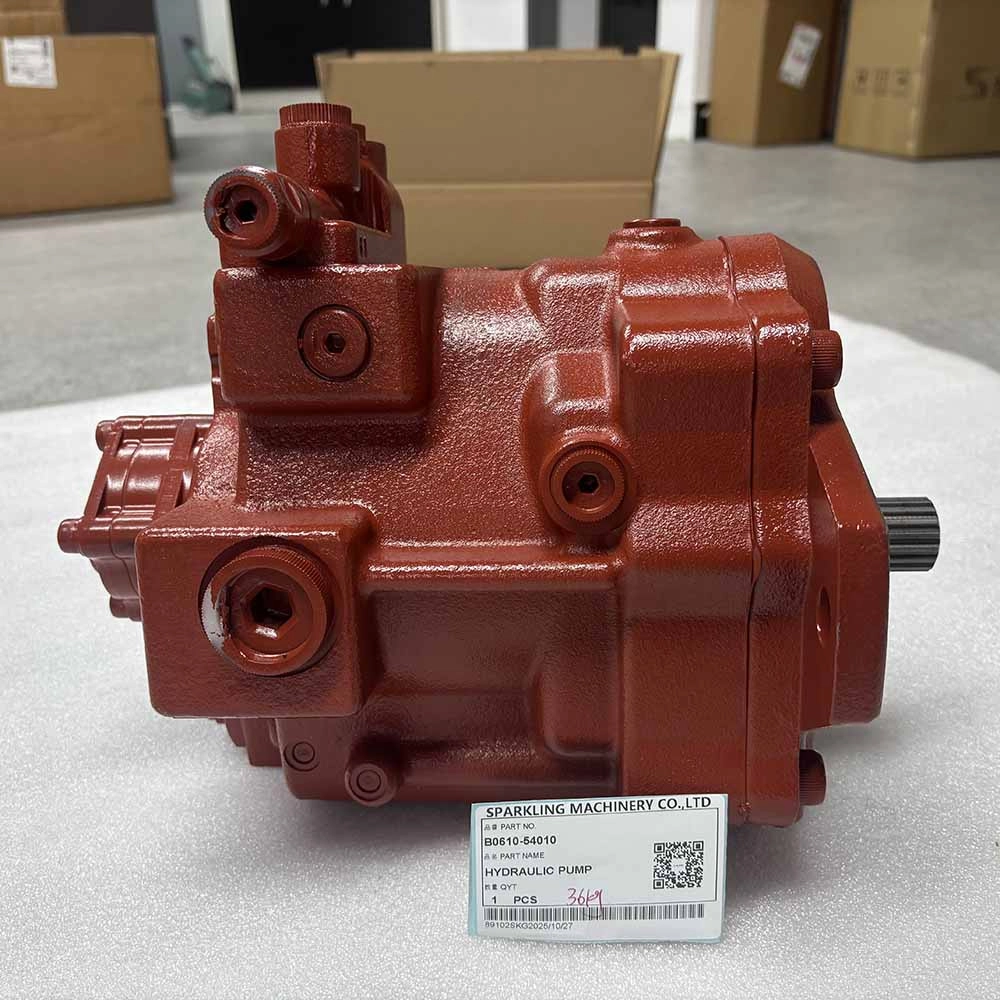
Common Causes of Hydraulic Pump Failures and Fixes
faq
What types of excavator parts do you manufacture?
We manufacture a wide range of excavator parts, including hydraulic components, undercarriage parts, engine parts, wear parts, and more. Our products are designed to fit a variety of excavator models and are built to meet the highest quality standards.
What is the lead time for receiving excavator parts?
Our typical lead time depends on the complexity and quantity of the order. For standard parts, delivery usually takes between 7 to 14 days. For custom orders, the lead time may vary, but we always strive to ensure timely delivery.
How do you ensure the quality of your parts?
We follow strict quality control procedures throughout the manufacturing process. Our parts are tested for durability, performance, and precision to ensure they meet industry standards and exceed customer expectations.
Can I get technical support for installing your parts?
Absolutely. We provide technical support and guidance for the installation and maintenance of our parts. Our team is available to assist you with any questions or concerns to ensure proper installation and optimal performance.
Do you offer customized parts?
-
Yes, we offer tailored solutions to meet specific customer requirements. Whether you need custom dimensions or specialized features, we can design and produce parts that perfectly match your excavator’s needs.
-
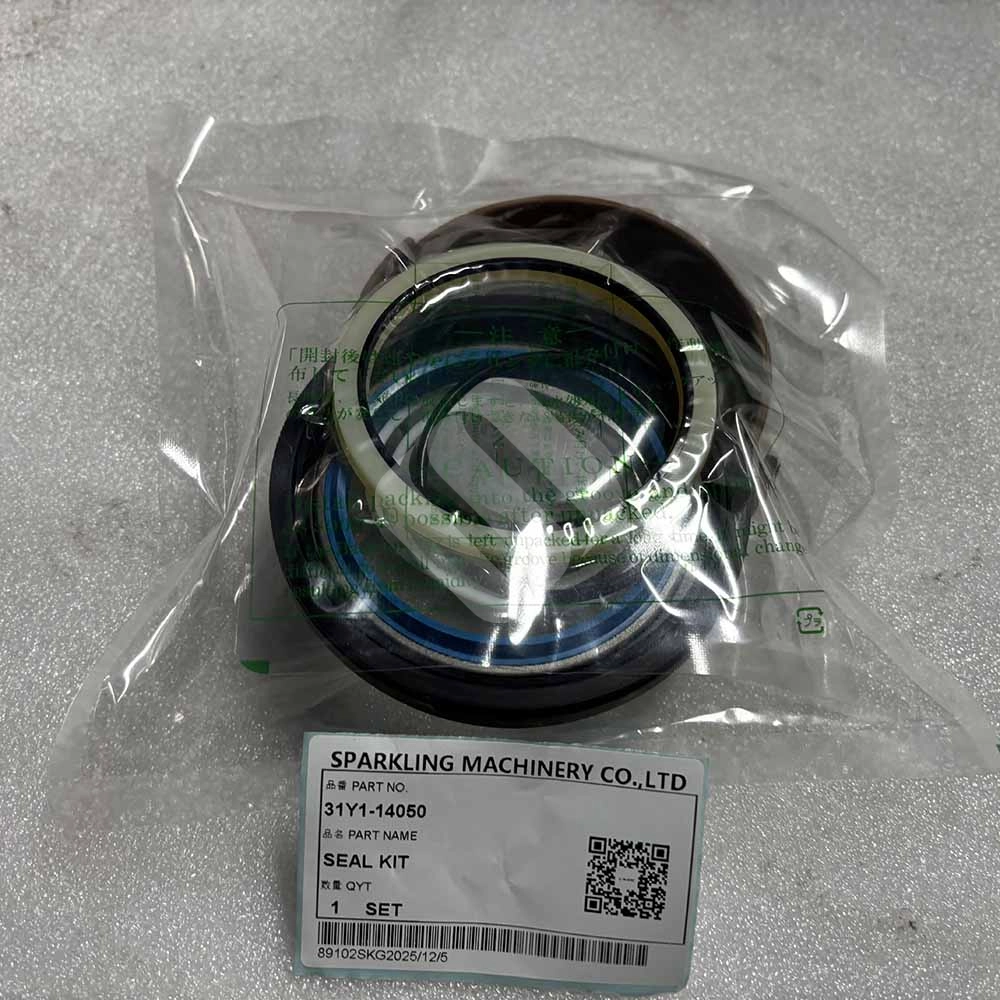
31Y1-14050 Hydraulic Seal Kit Compatible with Hyundai Wheel Excavators R140W-7 R140W-7A R130W-3 R170W-3 | Cylinder Repair Seal Kit
31Y1-14050 Hydraulic Seal Kit is an OEM-compatible cylinder repair part for Hyundai wheel excavators, dedicated to sealing protection of hydraulic cylinders. It effectively blocks oil leakage and external contamination, maintains stable cylinder pressure, adapts to high-pressure and heavy-duty working conditions, and ensures smooth and efficient operation of hydraulic cylinders with reliable and durable performance.
Compatible Models:
· 7-Series Models: R140W-7, R140W-7A, R170W-7, and R170W-7A.
· 3-Series Models: R130W-3 and R170W-3.
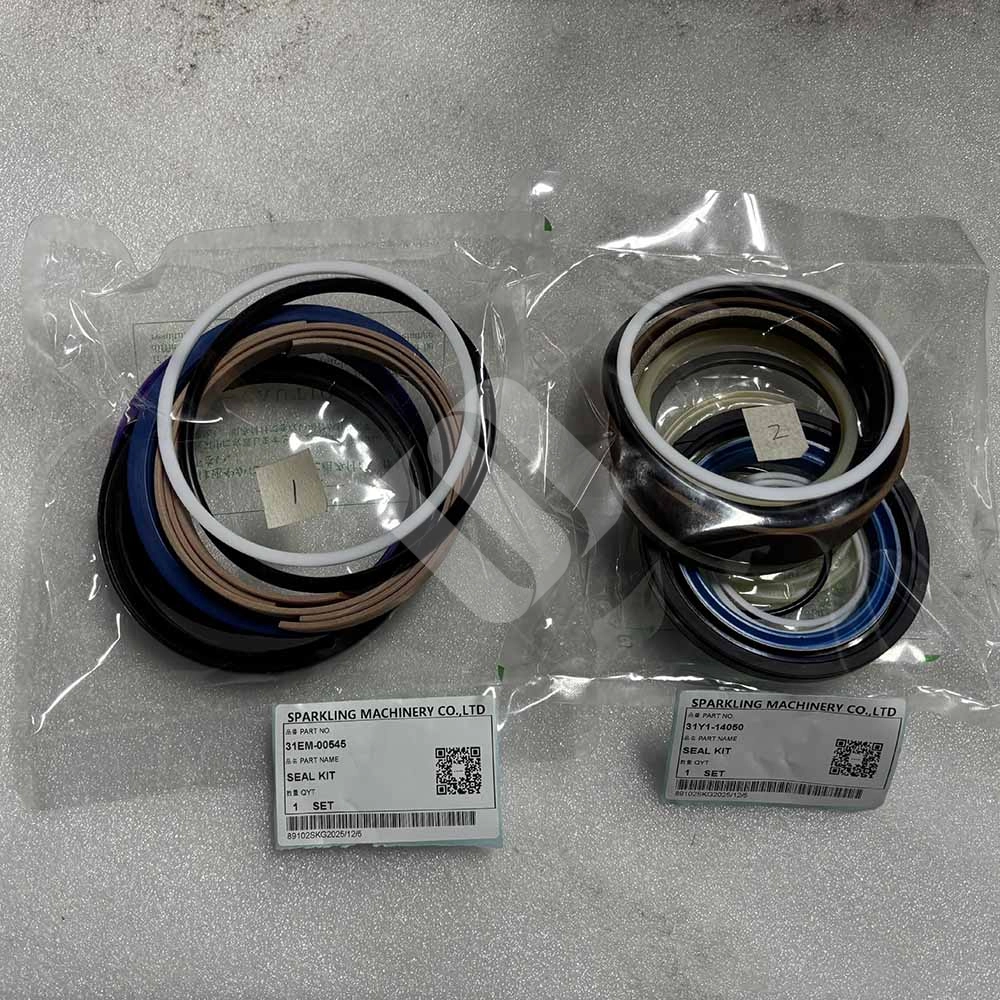
31EM-00545 Seal Kit Compatible with Hyundai Wheel Excavators R140W-7 R140W-7A R140W-9 R170W-9 HW140 | Hydraulic Repair Seal Kit
31EM-00545 Seal Kit is an OEM-compatible hydraulic repair part for Hyundai wheel excavators, providing reliable sealing protection for hydraulic systems. It effectively prevents oil leakage and external contamination, maintains stable hydraulic pressure, adapts to harsh construction working conditions, and ensures the efficient and continuous operation of hydraulic components with durable performance.
Compatible Models:
· 7-Series Wheel Excavators: R140W-7, R140W-7A, R170W-7, R170W-7A, R200W-7, and R200W-7A.
· 9-Series Wheel Excavators: R140W-9, R170W-9, R180W-9S, and R210W-9.
· HW-Series Wheel Excavators: HW140, HW160, HW180, and HW210.
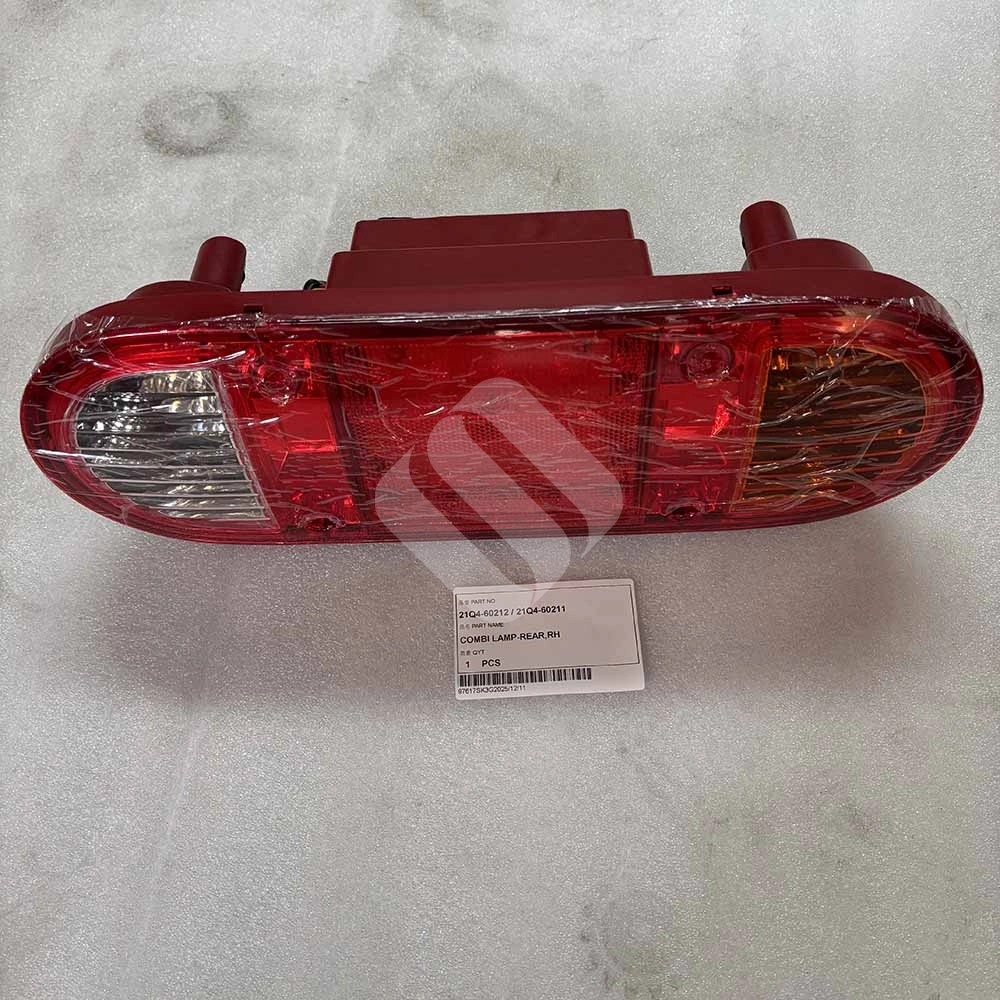
21Q4-60212 Rear Lamp RH Compatible with Hyundai Wheel Excavators R140W-9 R140W-9A R190W-9 R210W-9 | Right Rear Tail Light Assembly
21Q4-60212 Right Rear Tail Light is an OEM-compatible lighting assembly for Hyundai wheel excavators, serving as a key safety indication part for on-site operations. It operates stably in harsh construction conditions with strong anti-vibration and waterproof performance, ensures clear rear light indication for operational safety, and features reliable durability to lower equipment maintenance frequency and enhance on-site work safety.
Compatible Models:
· Wheel Excavators: R140W-9, R140W-9A, R140W-9S, R160W-9A, R170W-9, R170W-9S, R180W-9A, R180W-9S, R190W-9, R210W-9, R210W-9A, R210W-9S, and specialist variants like R210W9-MH.
· Diesel Forklifts: 110D-7A, 110DE, 130D-7A, 160D-7A, 180D-9, and 180DE.
· Interchangeable Part Numbers: It is often listed interchangeably with part number 21Q4-60211 (RH variant) or as the companion to 21Q4-60202 (the Left-Hand version)
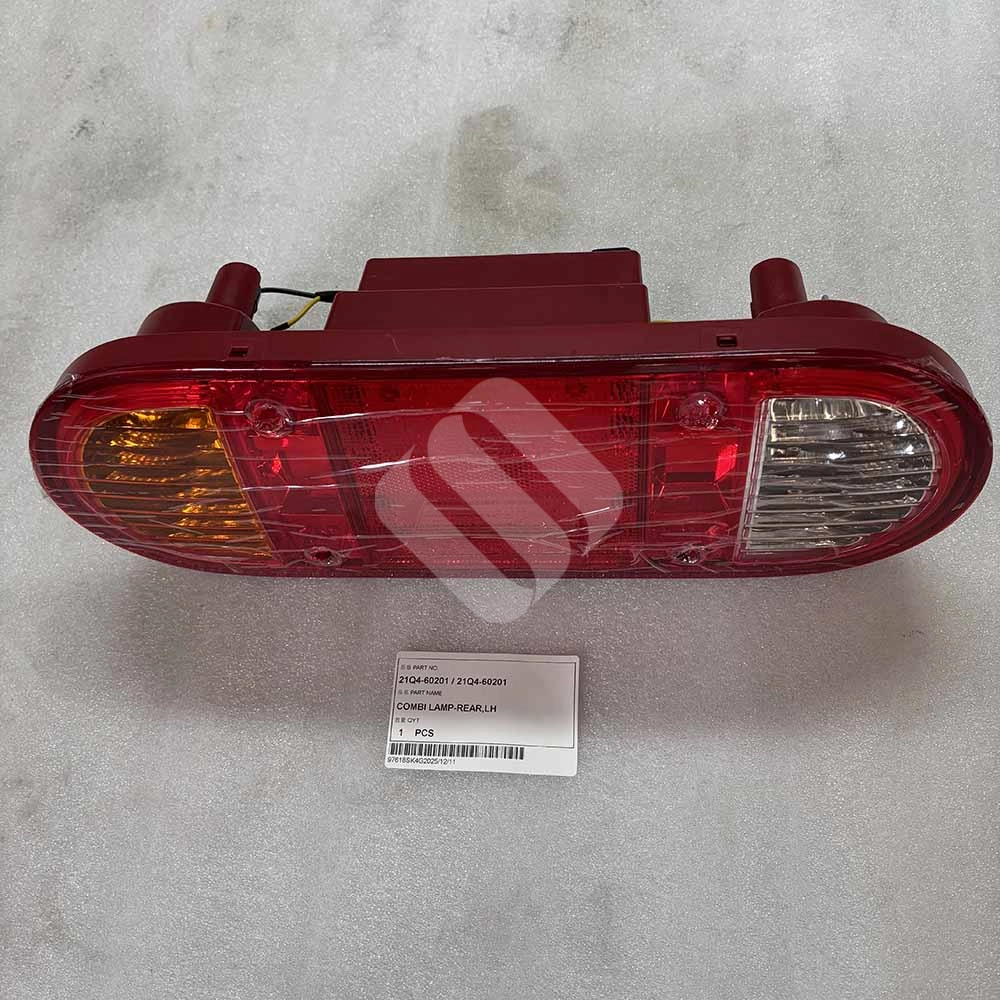
21Q4-60201 Rear Combination Lamp LH Compatible with Hyundai Wheel Excavators R140W-9 R140W-9A R180W-9A R210W-9 | Left Rear Combi Tail Light Assembly
21Q4-60201 Left Rear Combi Lamp is an OEM-compatible multi-functional light assembly for Hyundai wheel excavators, integrating multiple lighting functions for on-site operation. It performs stably in harsh construction conditions with strong anti-vibration and waterproof performance, ensures clear light indication for rear operation safety, and features reliable durability to reduce equipment maintenance frequency.
Compatible Models:
· Wheel Excavators: R140W-9, R140W-9A, R140W-9S, R160W-9A, R170W-9, R170W-9S, R180W-9A, R180W-9S, R210W-9, R210W-9A, and R210W-9S.
· Interchangeable Part Numbers: It is often replaced by or interchangeable with part numbers 21Q4-60202 (LH) and 21Q4-60211. The corresponding right-hand (RH) lamp is 21Q4-60212.

Contact us
Email: ranroswang@hksparkling.com
Wechat: +86 136 0901 0879
Skype: foreverlucia1
WhatsApp: +86 136 0901 0879
Address: No. 514-515, Hulin Road, Tianhe District, Guangzhou, China.
Sparkling Machinery Co.,Ltd
foreverlucia1
Whatsapp: +8613609010879