 ranroswang@hksparkling.com
  +86 138 2341 8469


How to Verify Genuine K9003219 Pulley Parts for DL450
- Why verifying the K9003219 Idler Pulley matters
- Operational risks from counterfeit or incorrect pulleys
- Benefits of using a genuine 1.5Kg K9003219 pulley
- Authoritative references and standards
- Step-by-step verification guide for the K9003219 pulley
- 1. Inspect packaging and part labeling
- 2. Confirm documentation and traceability
- 3. Visual inspection of the pulley body and surfaces
- Tools, measurements and tests to confirm authenticity
- 1. Dimensional verification and runout test
- 2. Bearing and rotational feel test
- 3. Material, hardness and coating checks
- Comparing genuine vs counterfeit K9003219 pulleys
- Practical verification workflow for workshop technicians
- Step A: Pre-installation checklist
- Step B: Installation and torque verification
- Step C: Post-installation inspection
- Where to source genuine K9003219 pulleys and supplier best practices
- Authorized dealers and OEM channels
- Red flags with online marketplaces and gray market suppliers
- Warranty, returns and lifecycle cost considerations
- Quick reference: measurements and acceptance criteria
- FAQs — Frequently Asked Questions
- Q: How can I quickly tell if a K9003219 pulley is fake?
- Q: Can a non-genuine pulley damage my DL450?
- Q: Are there official dimensions or a service manual I can reference?
- Q: What tests can I perform in the field without specialized equipment?
- Q: Who should I contact if I suspect a counterfeit part?
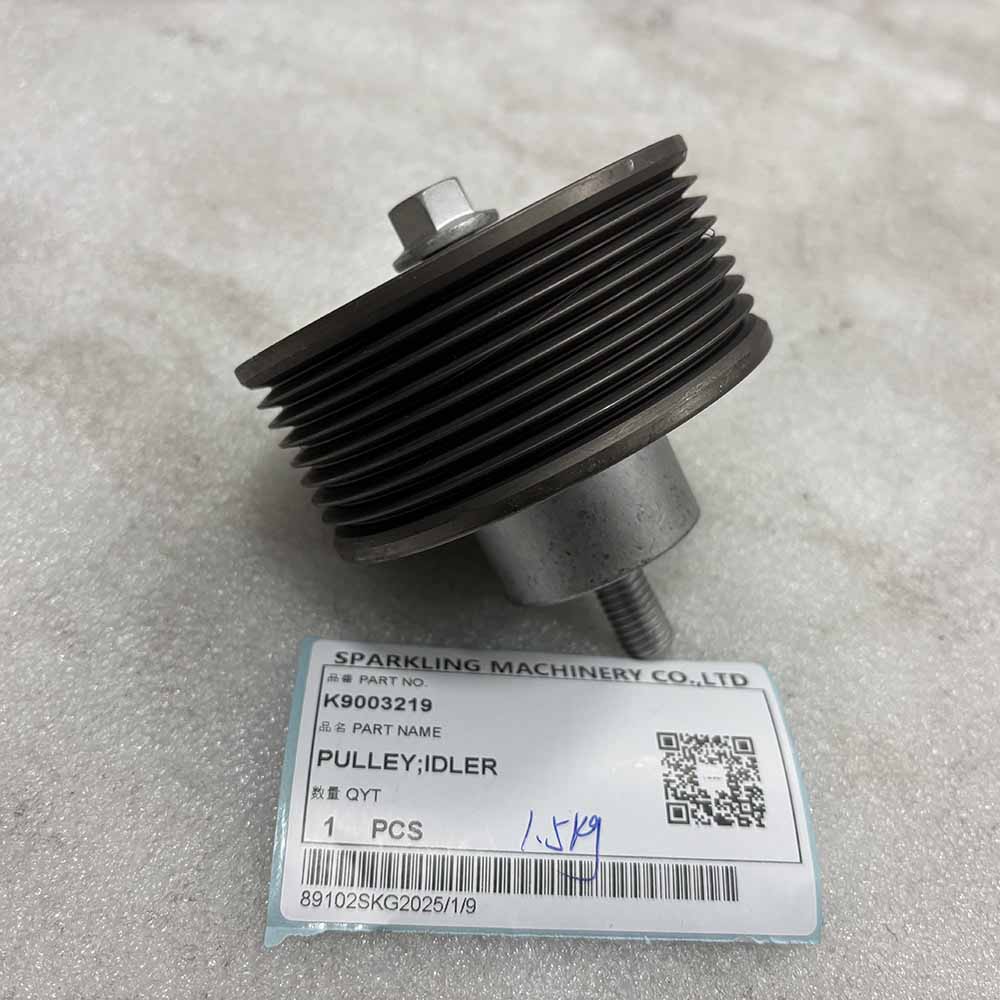
Summary ( friendly): Verifying a genuine 1.5Kg K9003219 PULLEY; IDLER for Doosan (Develon) DL450 wheel loader requires a combination of visual inspection, dimensional measurement, bearing and material checks, and confirmation of supply-chain documentation. This guide explains how owners and technicians of excavator wheel loader equipment can authenticate K9003219 idler pulleys using fast, field-friendly tests and manufacturer-approved references. Following these steps reduces downtime, prevents premature belt wear, and ensures safe, reliable operation on construction and material-handling jobsites.
Why verifying the K9003219 Idler Pulley matters
Operational risks from counterfeit or incorrect pulleys
On a heavy-duty Doosan (Develon) DL450 wheel loader, the idler pulley is a small part with big responsibility. A worn or incorrect pulley can cause belt slippage, loss of alternator charging, coolant pump performance issues, or sudden belt failure under load. These failures translate to unexpected downtime, higher repair costs, and safety risks on site. For construction fleets and rental operations using excavator wheel loader machines, verifying authentic parts is a preventive measure that protects profitability and safety.
Benefits of using a genuine 1.5Kg K9003219 pulley
Genuine K9003219 pulleys are engineered to the OEM's tolerance, material hardness, and bearing specifications. Benefits include correct belt alignment and tension, lower noise, improved bearing life, and predictable torque characteristics during start-stop cycles. These benefits extend component life for alternators, water pumps, and air compressors driven by the belt system.
Authoritative references and standards
When evaluating components or setting inspection procedures, it helps to reference manufacturing and quality standards such as ISO 9001 for quality management systems (ISO 9001). For background on loader types and typical powertrain layouts, refer to the general wheel loader overview on Wikipedia (Wheel loader — Wikipedia).
Step-by-step verification guide for the K9003219 pulley
1. Inspect packaging and part labeling
Start with the box. OEM Doosan/Develon packaging will usually have a part number label, barcodes, OEM logo, and origin information. Check for the exact part number K9003219 and confirm the weight marking ~1.5Kg if present. Genuine parts often include holographic seals or tamper-evident labels from the manufacturer or authorized distributor.
2. Confirm documentation and traceability
Ask the supplier for a certificate of conformity, purchase invoice, and, if available, a batch number or production date. Authorized dealers can trace the part through their supply chain. For high-value operations, insist on documentation demonstrating the part came from Doosan/Develon or an approved aftermarket partner.
3. Visual inspection of the pulley body and surfaces
Examine the pulley for consistent machining marks, uniform paint or coating, and clear, permanent markings of the part number. Genuine pulleys will have even surface finishing—no porosity, rough edges, or uneven coatings. Look for identifying stampings or engravings (part number, logo). Counterfeit parts often exhibit shallow or inconsistent markings, imperfect paint, and rough casting seams.
Tools, measurements and tests to confirm authenticity
1. Dimensional verification and runout test
Use a caliper and micrometer to measure outer diameter, inner bore, groove width, and flange thickness. Compare these to known OEM specifications or a confirmed genuine unit. If you can mount the pulley on a spindle, check radial runout with a dial indicator; excessive runout (>0.2–0.5 mm depending on spec) indicates poor manufacturing or damage. Accurate dimensions ensure correct belt tensioning and routing on the DL450's accessory drive.
2. Bearing and rotational feel test
Spin the pulley by hand. It should rotate smoothly without grit, roughness, or noise. Bearings in genuine K9003219 pulleys meet specific load and speed ratings; unusual resistance, rattling, or free-play suggests low-quality bearings that will fail early under the heavy loads of an excavator wheel loader powertrain.
3. Material, hardness and coating checks
OEM pulleys often use specific steel grades and surface treatments to resist wear and corrosion. Simple field checks include visual coating consistency and magnetic response for ferrous materials. For fleet maintenance shops, hardness testing (Rockwell/Brinell) or XRF material analysis can confirm alloy composition if necessary.
Comparing genuine vs counterfeit K9003219 pulleys
| Feature | Genuine K9003219 | Counterfeit/Non-OEM |
|---|---|---|
| Part marking | Clear K9003219, OEM logo, batch code | Faint or missing numbers, generic markings |
| Weight | Approx. 1.5 Kg (consistent across units) | Weight may vary significantly |
| Surface finish | Even machining, uniform coating | Poor finish, paint runs, rough casting lines |
| Bearing performance | Smooth rotation, rated for engine accessory loads | Rough spin, premature wear |
| Dimensional tolerance | Within OEM spec (critical for belt alignment) | Out-of-spec—causes belt misalignment and slippage |
| Warranty & documentation | OEM warranty and traceable paperwork | No warranty or unverifiable paperwork |
For more in-depth mechanical context about pulleys and belt drives, see the general pulley overview (Pulley — Wikipedia).
Practical verification workflow for workshop technicians
Step A: Pre-installation checklist
1) Match the supplier label to the expected part number. 2) Inspect packaging seals and stamps. 3) Measure and compare critical dimensions (outer diameter, groove width, bore diameter) to a known OEM spec or a verified sample. 4) Check weight and visual markings. Record all findings in a parts log for traceability.
Step B: Installation and torque verification
Install the pulley following the DL450 service manual torque specs for mounting bolts and nut. Incorrect torque can damage bearings or cause loosening in service. If you don’t have the OEM manual, request torque values from the manufacturer or an authorized dealer. Proper torque helps maintain belt tension and prevents premature failure of the accessory drive.
Step C: Post-installation inspection
After initial operation (first 10–50 hours), inspect the pulley for abnormal wear, noise, or belt traces. Verify alignment and belt tension. Document any unusual findings and compare with expected break-in behavior. A genuine pulley should show minimal bedding-in wear and maintain smooth operation.
Where to source genuine K9003219 pulleys and supplier best practices
Authorized dealers and OEM channels
Purchasing from Doosan/Develon dealers or their authorized distributors is the most reliable path to genuine parts. Develon and Doosan have official dealer networks and parts catalogs—check the manufacturer site or contact local dealers to confirm part compatibility and availability (Develon official site).
Red flags with online marketplaces and gray market suppliers
While online marketplaces often list competitive prices, they also host gray-market or counterfeit sellers. Red flags include: unusually low price, missing documentation, no clear return policy, and sellers with limited feedback. For fleet-critical parts like an idler pulley on an excavator wheel loader, prioritize traceability over marginal price savings.
Warranty, returns and lifecycle cost considerations
Consider total cost of ownership: a cheaper non-OEM pulley that fails early causes downtime, labor, and possible collateral damage. Genuine parts typically carry a warranty and are supported by service networks—valuable for minimizing lifecycle costs and keeping machine availability high.
Quick reference: measurements and acceptance criteria
| Measurement | Typical OEM Spec / Acceptance |
|---|---|
| Outer diameter | Within ±0.5 mm of OEM reference |
| Groove width and profile | Matches OEM groove profile for correct belt seating |
| Runout (radial) | <0.2–0.5 mm depending on spec; consult service manual |
| Rotation (bearings) | Smooth, no grit, no side-play |
| Weight | Approximately 1.5 Kg |
FAQs — Frequently Asked Questions
Q: How can I quickly tell if a K9003219 pulley is fake?
A: Quick checks: compare part marking and logo quality, weigh the pulley (approx. 1.5 Kg), spin to feel bearing smoothness, and inspect surface finish. If multiple checks fail, do not install—ask the supplier for traceable documentation.
Q: Can a non-genuine pulley damage my DL450?
A: Yes. Poor tolerances or low-quality bearings can cause belt misalignment, accelerated belt wear, accessory drive failures, and potential damage to alternators, water pumps, or compressors.
Q: Are there official dimensions or a service manual I can reference?
A: Always consult the Doosan/Develon service manual or parts catalog for exact dimensions and torque specs. If you do not have a manual, contact an authorized dealer or the manufacturer for official documentation.
Q: What tests can I perform in the field without specialized equipment?
A: Visual inspection, weight check, hand-spin bearing feel, and verifying packaging/labels and supplier documentation are field-friendly. For dimensional checks, a caliper and feeler gauges are usually enough for critical tolerances.
Q: Who should I contact if I suspect a counterfeit part?
A: Contact the supplier first for documentation. If still in doubt, contact Doosan/Develon or an authorized dealer to report and validate the part. Keep purchase records, photos, and packing slips to aid investigation.
Need help verifying or sourcing genuine K9003219 pulleys? Contact our parts team to check stock, request verification photos, or arrange authenticated supply. View the product or speak to a specialist: View 1.5Kg K9003219 PULLEY;IDLER for Doosan DL450 or contact sales for immediate assistance.
References: ISO 9001 quality standard (iso.org), Wheel loader overview (Wikipedia), Pulley basics (Wikipedia), Develon official site (develon-global.com).
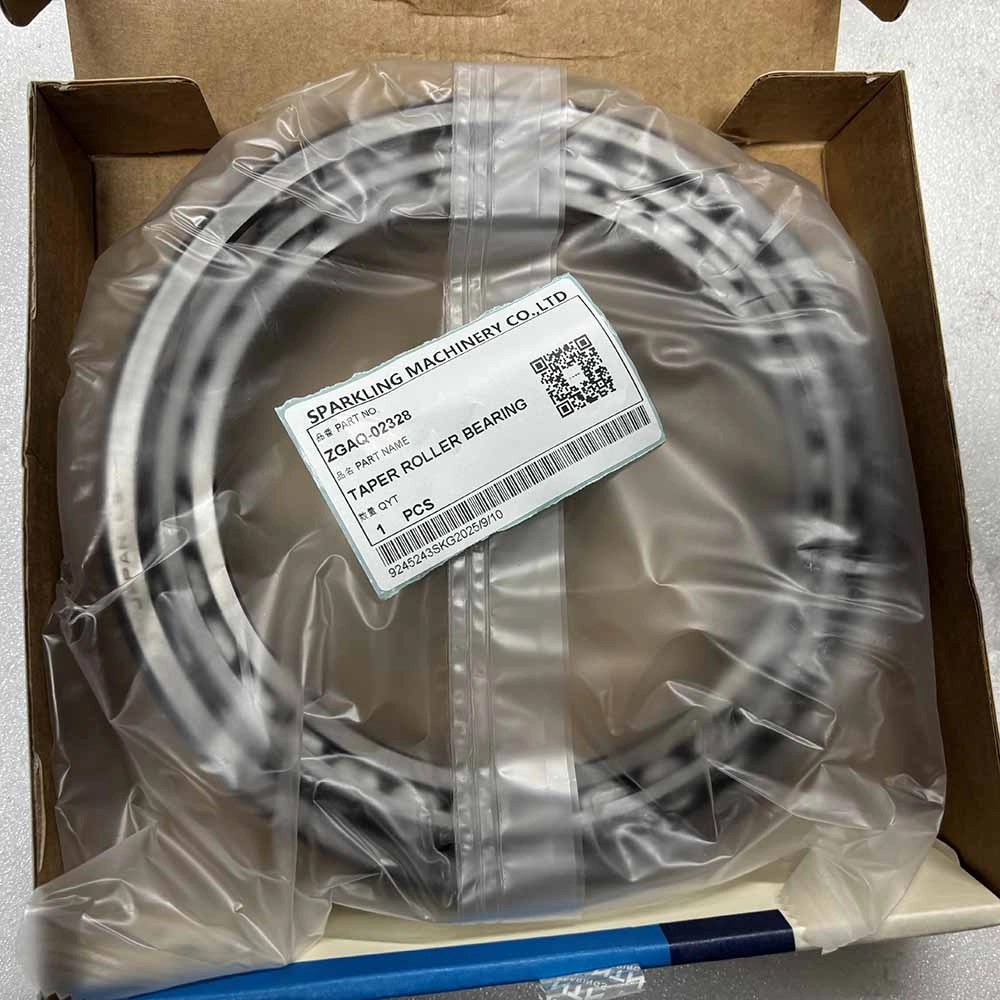
How Taper Roller Bearings Impact Excavator Performance
The Impact of Quality Hydraulic Parts on Excavator Performance
Wholesale heavy equipment rear axle manufacturer and supplier
The B2B Buyer’s Guide to Hydraulic Parts for Excavators | SPARKLING Ultimate Insights
faq
What types of excavator parts do you manufacture?
We manufacture a wide range of excavator parts, including hydraulic components, undercarriage parts, engine parts, wear parts, and more. Our products are designed to fit a variety of excavator models and are built to meet the highest quality standards.
How do you ensure the quality of your parts?
We follow strict quality control procedures throughout the manufacturing process. Our parts are tested for durability, performance, and precision to ensure they meet industry standards and exceed customer expectations.
What is the lead time for receiving excavator parts?
Our typical lead time depends on the complexity and quantity of the order. For standard parts, delivery usually takes between 7 to 14 days. For custom orders, the lead time may vary, but we always strive to ensure timely delivery.
Are your products covered by a warranty?
-
Yes, all of our excavator parts come with a warranty to ensure quality and reliability. The warranty period may vary depending on the type of part. Please contact us for detailed warranty terms for specific products.
-
Do you offer customized parts?
-
Yes, we offer tailored solutions to meet specific customer requirements. Whether you need custom dimensions or specialized features, we can design and produce parts that perfectly match your excavator’s needs.
-
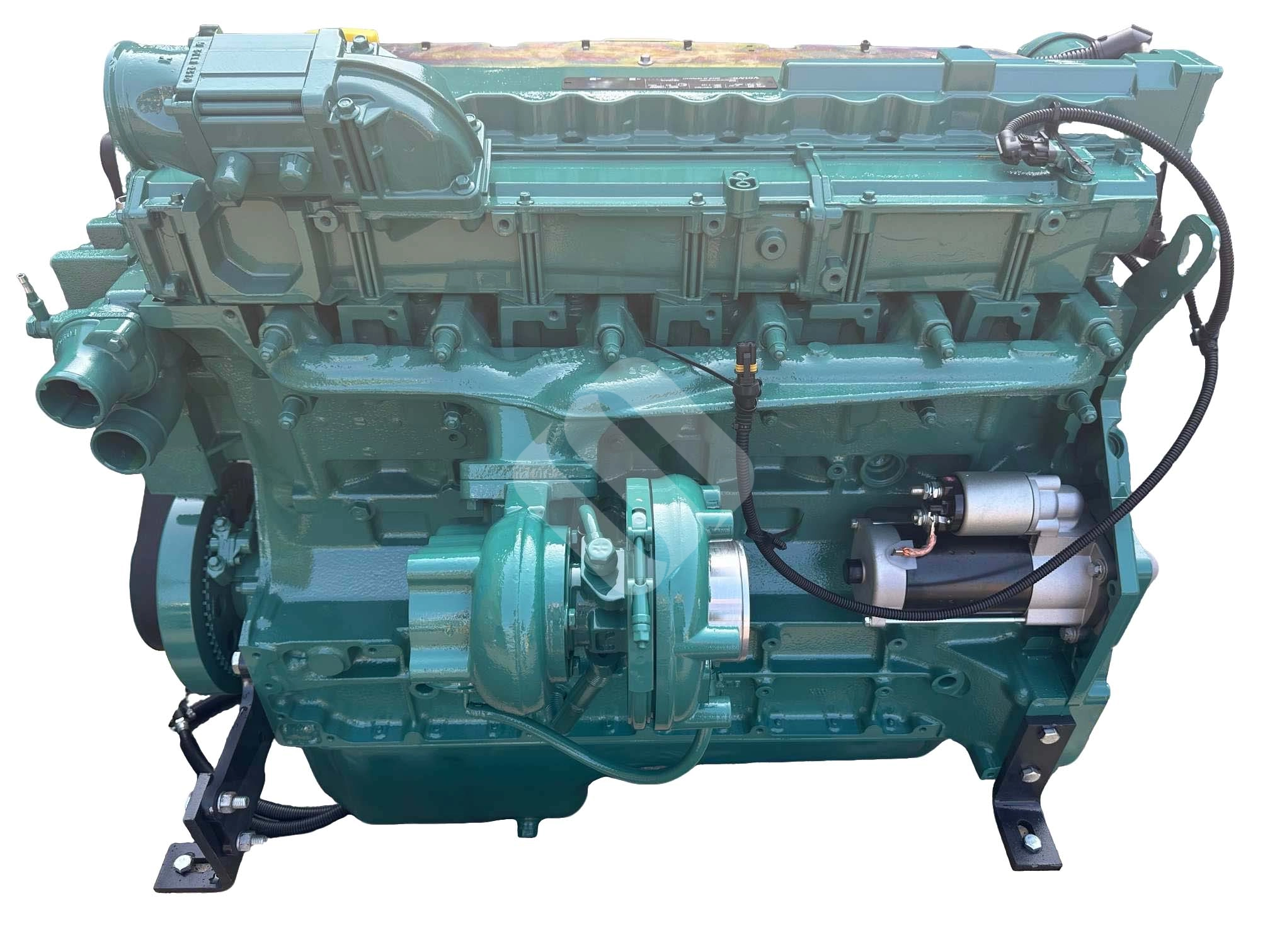
Volvo D7E Engine for L120GZ Wheel Loader | 7.1L 6-Cylinder Turbocharged Diesel
The Volvo D7E for the L120GZ is a workhorse designed for high-performance loading and carrying. The L120GZ is often deployed in demanding environments like quarries and bulk material handling, and the D7E provides the high rimpull and hydraulic power necessary for these tasks.
Utilizing a High-Pressure Common Rail (HPCR) system and an electronic engine management system, this engine delivers exceptional response times and maintains peak torque across a wide RPM range. This ensures the L120GZ can fill the bucket quickly and travel efficiently under load.
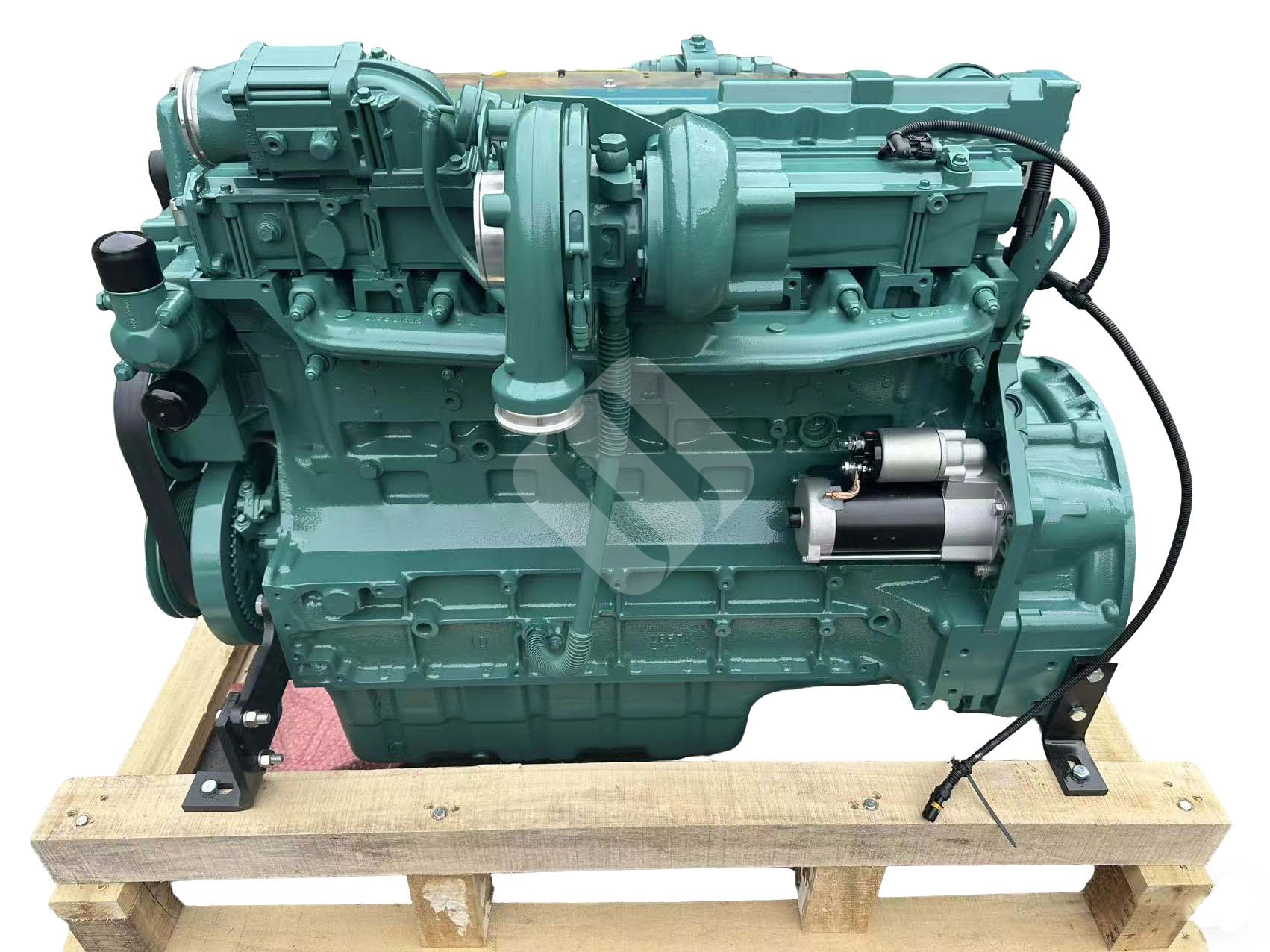
Volvo D7E Diesel Engine for Excavator | 7.2L 6-Cylinder Common Rail Turbo Motor
The Volvo D7E is engineered to deliver maximum productivity while significantly reducing fuel consumption. By utilizing a high-pressure common rail fuel system and electronic engine management, it responds faster to hydraulic demands than previous generations.
The heart of this engine is the V-ACT (Volvo Advanced Combustion Technology), which manages injection timing and air-to-fuel ratios to ensure a cleaner burn. This allows the engine to meet stringent Tier 3 standards while providing the massive breakout force required for 24-30 ton excavators.
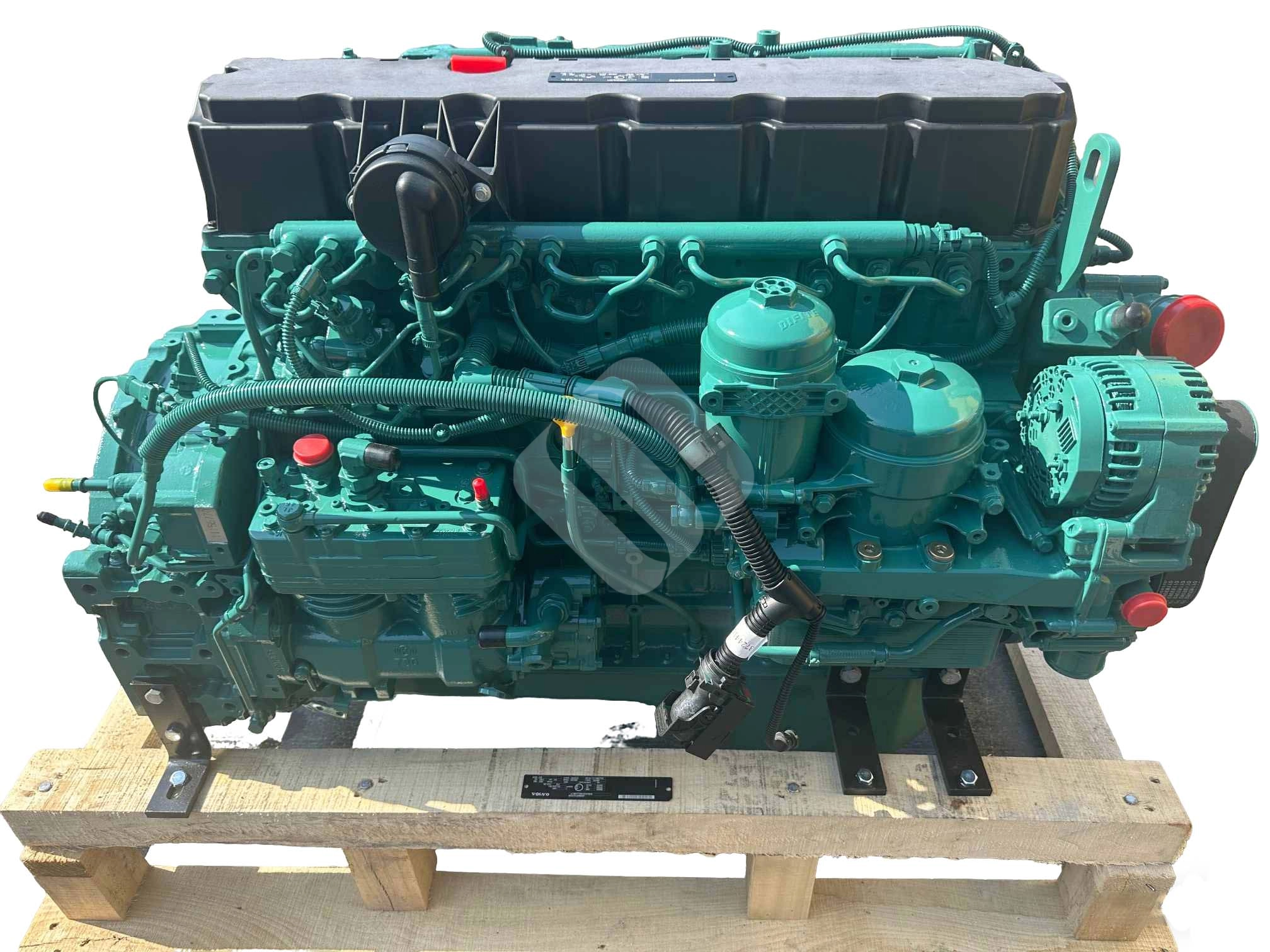
Volvo D7E Diesel Engine | 7.2L 6-Cylinder Common Rail Turbo Engine
The Volvo D7E is designed for high productivity and industry-leading fuel efficiency. By utilizing a high-pressure common rail system and electronic engine management, it provides a faster response to hydraulic loads compared to its predecessors.
The D7E is widely praised for its "V-ACT" combustion system, which optimizes the air-to-fuel ratio to reduce emissions and noise without requiring a Diesel Particulate Filter (DPF) in most Tier 3 configurations. It is the heart of Volvo's 24-to-30 ton machine range.
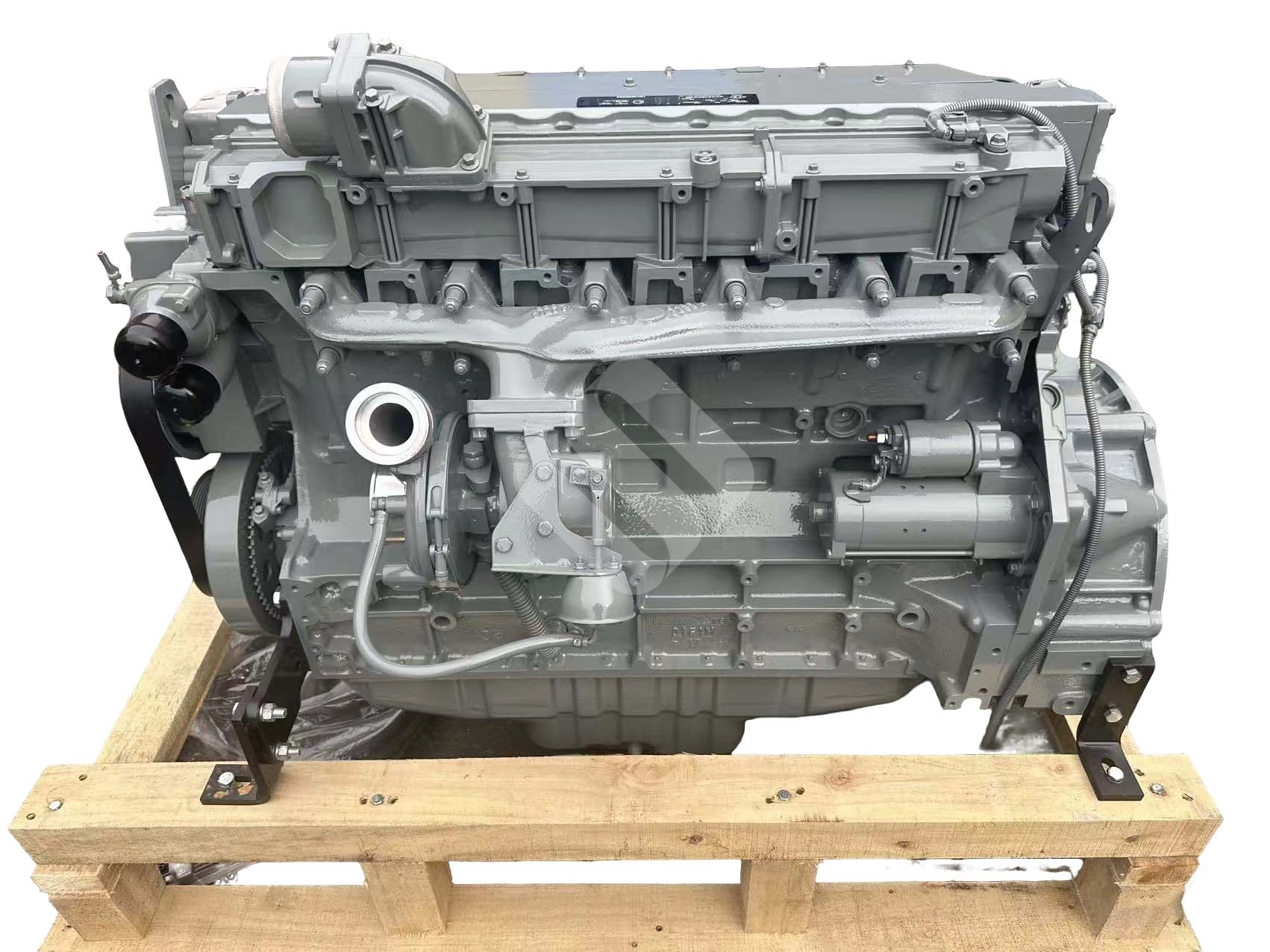
DEUTZ TCD2013L062V Diesel Engine | 7.15L 6-Cylinder Common Rail Industrial Motor
The DEUTZ TCD2013L062V is a water-cooled, inline 6-cylinder engine that represents the peak of 7-liter industrial power. By combining the mechanical robustness of the 1013 block with the precision of modern electronic common-rail injection, this engine offers a highly efficient power-to-weight ratio.
It is designed for high-intensity duty cycles in construction and agricultural machinery, providing smooth power delivery and significantly reduced exhaust emissions compared to previous generations.

Contact us
Email: ranroswang@hksparkling.com
Wechat: +86 136 0901 0879
Skype: foreverlucia1
WhatsApp: +86 136 0901 0879
Address: No. 514-515, Hulin Road, Tianhe District, Guangzhou, China.
Sparkling Machinery Co.,Ltd
sparkling_machinery
Whatsapp: +8613609010879