 ranroswang@hksparkling.com
  +86 138 2341 8469


The B2B Buyer’s Guide to Hydraulic Systems for Excavators | SPARKLING Ultimate Insights
- The B2B Buyer’s Guide to Hydraulic Systems for Excavators | SPARKLING Insights
- Introduction: Why Hydraulic Systems for Excavators Matter to Your Fleet
- Understanding the Core Components of Hydraulic Systems for Excavators
- Hydraulic Pumps: The Power Source
- Hydraulic Valves: Control and Safety
- Cylinders and Actuators: Motion and Force
- Hoses, Fittings, and Tubing: Fluid Pathways
- Filtration and Contamination Control: Protecting Components
- Hydraulic Fluids: Lifeblood of the System
- How to Choose Hydraulic Components for Excavators: Buyer Criteria and Trade-offs
- Performance Requirements and Duty Cycles
- Compatibility with OEM Systems and Interchangeability
- Cost, Lead Time, and Supply-Chain Risk
- Certification, Warranty, and Technical Support
- Comparison Table: Common Hydraulic Pump Types for Excavators
- Maintenance and Reliability Best Practices for Hydraulic Systems
- Establish Oil Analysis and Condition Monitoring
- Maintain Fluid Cleanliness: Target ISO Cleanliness Levels
- Temperature Management and Cooling
- Filtration Upgrades and Contamination Prevention
- Preventive Inspection and Torque Checks
- Common Failure Modes in Excavator Hydraulic Systems and How to Mitigate Them
- Cavitation and Aeration
- Contamination-Induced Wear
- Overheating and Oxidation
- Seal Failure and External Leaks
- Specification Compatibility: OEM Fitment and Aftermarket Selection
- Matching OEM Specifications and Electrical Interfaces
- Choosing Between New OEM, Remanufactured, and Aftermarket Parts
- Cost vs ROI: Sourcing Strategy for Hydraulic Systems for Excavators
- Calculate Total Cost of Ownership (TCO)
- Inventory Strategy and Critical Spares
- Comparison Table: Sourcing Options — Cost, Risk, and Typical Use Cases
- Why Partner with SPARKLING MACHINERY for Hydraulic Systems for Excavators
- Company Capabilities and Product Range
- Quality Control, Custom Solutions, and Technical Support
- Global Network and Competitive Pricing
- Implementation Checklist: Buying Hydraulic Systems for Excavators
- Practical Steps for Procurement Teams
- Conclusion: Maximize Uptime with the Right Hydraulic Systems for Excavators
- References and Sources
- Contact SPARKLING MACHINERY
- Frequently Asked Questions
The B2B Buyer’s Guide to Hydraulic Systems for Excavators | SPARKLING Insights
Introduction: Why Hydraulic Systems for Excavators Matter to Your Fleet
Hydraulic systems for excavators are the operational heart of any earthmoving fleet. For B2B buyers—fleet managers, procurement officers, and service partners—understanding pumps, valves, cylinders, fluid cleanliness, and system architecture directly affects uptime, total cost of ownership (TCO), and jobsite productivity. This guide provides actionable, vendor-neutral insights plus practical tips for selecting components, maintaining reliability, and partnering with suppliers like SPARKLING MACHINERY for optimized performance.
Understanding the Core Components of Hydraulic Systems for Excavators
Hydraulic Pumps: The Power Source
Hydraulic pumps convert engine power into hydraulic flow. The most common types in excavators are axial piston (variable and fixed), gear, and vane pumps. Axial piston pumps (variable displacement) dominate medium to large excavators due to efficiency and controllability, while gear pumps are common in smaller machines or auxiliary circuits.
Hydraulic Valves: Control and Safety
Control valves (main control valves, proportional valves, and relief valves) direct flow and regulate pressure. Proportional and electro-proportional valves are increasingly used for precise, fuel-efficient control on modern excavators. Correct valve selection impacts responsiveness, fuel consumption, and operator productivity.
Cylinders and Actuators: Motion and Force
Cylinders translate hydraulic pressure into linear force for boom, arm, bucket, and blade movements. Cylinder bore, rod diameter, seal selection, and material treatments determine load capacity and life in abrasive or corrosive conditions.
Hoses, Fittings, and Tubing: Fluid Pathways
High-pressure hoses and fittings must match system pressures and temperature ranges. Improper hose selection or poor routing increases the risk of abrasion and premature failure. Use hoses rated above the maximum system pressure with proper safety margins (commonly 1.5–2×).
Filtration and Contamination Control: Protecting Components
Filtration is arguably the single most cost-effective way to extend hydraulic component life. Target cleanliness goals and use appropriate micron ratings (e.g., 10 µm absolute for critical circuits). Keep breathers, tank filters, return-line filters, and offline filtration in an integrated contamination-control strategy.
Hydraulic Fluids: Lifeblood of the System
Hydraulic oil viscosity, additive package, thermal stability, and anti-wear properties are critical. ISO VG46 hydraulic oils are widely used in excavators for general conditions; choose fluid grades and OEM-approved specifications to ensure component longevity. Monitor fluid temperature—continuous operation above ~80°C accelerates oil degradation and seal wear.
How to Choose Hydraulic Components for Excavators: Buyer Criteria and Trade-offs
Performance Requirements and Duty Cycles
Define duty cycles (digging intensity, lifting, idling), load profiles, and environment (dust, temperature). Choose pumps and valves that offer adequate flow and pressure margins. For fleets operating in heavy-duty cycles, invest in higher-rated components and improved cooling capacity.
Compatibility with OEM Systems and Interchangeability
Ensure parts are compatible with OEM specifications (Caterpillar, Komatsu, Hitachi, Volvo). Interchangeability saves downtime—confirm mounting interfaces, shaft splines, electrical connectors, and software/ECU compatibility for electro-hydraulic components.
Cost, Lead Time, and Supply-Chain Risk
Balance upfront cost versus TCO. Remanufactured or aftermarket parts can reduce acquisition cost but require verified quality and warranty. For critical machines, maintain spares for high-failure items like pumps, hoses, and control valves to minimize downtime.
Certification, Warranty, and Technical Support
Prefer suppliers that provide clear warranties, traceable quality records, and technical support, including troubleshooting, installation guides, and CAD drawings for custom solutions.
Comparison Table: Common Hydraulic Pump Types for Excavators
| Pump Type | Typical Use | Pros | Cons |
|---|---|---|---|
| Axial Piston (Variable) | Medium to large excavators, main pumps | High efficiency, controllable flow, good for variable load | Higher cost, sensitive to contamination |
| Axial Piston (Fixed) | Auxiliary circuits, certain drive systems | Robust and efficient at constant conditions | Less flexible for varying loads |
| Gear | Small machines, auxiliary circuits | Lower cost, simple construction | Lower efficiency, higher noise, limited pressure range |
| Vane | Some medium machines and hydraulic motors | Smoother flow, moderate cost | Less tolerant to contamination; limited pressure range |
Maintenance and Reliability Best Practices for Hydraulic Systems
Establish Oil Analysis and Condition Monitoring
Routine oil analysis (every 500–1,000 operating hours for critical machines) identifies wear metals, contamination, viscosity changes, and additive depletion. Trending oil analysis prevents catastrophic failures and optimizes replacement intervals.
Maintain Fluid Cleanliness: Target ISO Cleanliness Levels
Set achievable cleanliness targets—many mobile hydraulics aim for ISO 4406 codes around 18/16/13 or cleaner depending on component sensitivity. Use return-line filters, offline filtration, and controlled tank filling practices to reach targets.
Temperature Management and Cooling
Prolonged high oil temperature accelerates oxidation and varnish formation. Design cooling capacity with safety margin—add heat exchangers if operating in hot climates or high-duty cycles. Maintain radiator and cooler cleanliness to sustain heat rejection.
Filtration Upgrades and Contamination Prevention
Use multi-stage filtration (breathers, suction strainers, return filters, offline filters). Replace filters per OEM guidance or earlier if oil analysis indicates contamination spikes. Consider 10 µm absolute filters for sensitive circuits and 25 µm for return lines as a baseline.
Preventive Inspection and Torque Checks
Regularly inspect hoses, fittings, and mounting bolts. Torque checks on pumps and motors prevent leak-related failures. Visual inspections catch abrasion and early failures before leakage or burst events occur.
Common Failure Modes in Excavator Hydraulic Systems and How to Mitigate Them
Cavitation and Aeration
Cavitation occurs when local pressures drop below vapor pressure—common causes are clogged suction strainers, low tank level, or excessive suction line restrictions. Symptoms include noise, reduced performance, and pump damage. Mitigate with proper suction design, tank ventilation, and avoiding overlong suction hoses.
Contamination-Induced Wear
Contamination accelerates wear in pistons, valves, and bearings. Implement contamination-control plans and proactive filtration—replace filters early if contamination spikes appear in oil analysis.
Overheating and Oxidation
Overheating can cause varnish and sticky valves. Improve cooling, avoid long idle periods with low flow, and use thermal bypass when necessary. Replace degraded fluids per analysis, not just by hours.
Seal Failure and External Leaks
Seals degrade due to heat, contamination, and incompatible fluids. Use OEM-approved seals and correct fluid chemistry. Address leaks promptly—the environmental and safety costs of hydraulic leaks can be significant.
Specification Compatibility: OEM Fitment and Aftermarket Selection
Matching OEM Specifications and Electrical Interfaces
Match specifications for pressure, flow, shaft type, spline count, and electrical connectors for electro-hydraulic valves or pumps. Many modern excavators use CAN-bus controls—confirm electronic compatibility when sourcing replacement electro-hydraulic components.
Choosing Between New OEM, Remanufactured, and Aftermarket Parts
New OEM parts offer guaranteed fit and full warranty but come at a High Quality. Remanufactured parts (reman) can be 30–60% cheaper than new while offering near-OEM performance if reman facilities use full rebuild processes, tested tolerances, and validated wear limits. Quality aftermarket parts vary—select vendors with traceable processes, testing, and warranties.
Cost vs ROI: Sourcing Strategy for Hydraulic Systems for Excavators
Calculate Total Cost of Ownership (TCO)
TCO includes purchase price, downtime cost per hour, maintenance labor, consumables (filters, oil), and fuel efficiency impacts. For high-utilization fleets, spending more on durable components and preventive filtration often reduces TCO via less downtime and lower repair frequency.
Inventory Strategy and Critical Spares
Maintain a spares policy for high-failure items: pumps, control valves, cylinders, and hose assemblies. Use Pareto analysis on historical failures to define the right level of spare inventory and reduce lead-time exposure.
Comparison Table: Sourcing Options — Cost, Risk, and Typical Use Cases
| Sourcing Option | Relative Cost | Risk | Best Use Case |
|---|---|---|---|
| New OEM | High | Low (warranty, exact fit) | Critical machines, long-term warranties |
| Remanufactured (Certified) | Medium (30–60% less than new) | Medium–Low (depends on reman quality) | Cost-saving on in-service machines with proven reman supplier |
| Aftermarket (Non-certified) | Low | Higher variability | Low-utilization machines or non-critical systems |
Why Partner with SPARKLING MACHINERY for Hydraulic Systems for Excavators
Company Capabilities and Product Range
SPARKLING MACHINERY, founded in 2013, focuses on high-quality excavator parts and is committed to stability, precision, and perseverance. We offer hydraulic components, undercarriage systems, engine parts, electrical components, cabs, mini excavators, and accessories compatible with top brands including Caterpillar, Komatsu, Hitachi, and Volvo.
Quality Control, Custom Solutions, and Technical Support
Through strict manufacturing and quality control, SPARKLING ensures components perform reliably under varied conditions. We offer customized solutions, technical support, meticulous consultation, and continuous service to help businesses reduce costs while maintaining performance.
Global Network and Competitive Pricing
SPARKLING combines competitive pricing with consistent quality and global logistics, making it a trusted partner for buyers seeking reduced TCO and dependable supply chains.
Implementation Checklist: Buying Hydraulic Systems for Excavators
Practical Steps for Procurement Teams
- Document machine duty cycles and OEM specifications.
- Set fluid cleanliness targets and filtration strategies.
- Decide sourcing mix (OEM vs reman vs aftermarket) based on criticality and budget.
- Stock critical spares and create a replenishment plan keyed to lead times.
- Set an oil analysis schedule and maintenance KPIs (MTTR, MTBF, downtime hours).
Conclusion: Maximize Uptime with the Right Hydraulic Systems for Excavators
For B2B buyers, choosing the right hydraulic systems for excavators means balancing performance, compatibility, and lifecycle costs. Prioritize contamination control, correct component selection, and strategic sourcing (new OEM for critical units; certified reman for cost savings). Partnering with experienced suppliers like SPARKLING MACHINERY delivers technical support, quality assurance, and a global supply network to help your fleet operate reliably and profitably.
References and Sources
- ISO 4406: Hydraulic fluid cleanliness code (ISO standard).
- Caterpillar service and hydraulic system guidelines (OEM technical literature).
- Parker Hannifin hydraulic system design and maintenance guidelines.
- Noria Corporation: oil analysis and fluid contamination best practices.
- Hydraulic industry manufacturer datasheets (pump and valve specifications).
- General hydraulics textbooks and industry whitepapers on mobile hydraulics.
Contact SPARKLING MACHINERY
For tailored hydraulic solutions, parts compatibility checks, or technical support for hydraulic systems for excavators, contact SPARKLING MACHINERY to reduce costs, improve uptime, and ensure reliable operations.
Frequently Asked Questions
Q: What hydraulic oil viscosity is commonly used in excavators?A: ISO VG46 is commonly used for many excavator hydraulic systems as a general-purpose viscosity. Specific OEM recommendations may vary; always follow the machine manufacturer’s fluid specification.
Q: How often should I perform oil analysis on excavator hydraulic systems?A: For critical machines, target oil analysis every 500–1,000 hours. Lower-use machines can be tested less frequently, but initial baseline testing is recommended after any major repair.
Q: What ISO cleanliness code should I target for excavator hydraulics?A: Many mobile hydraulic systems aim for ISO 4406 cleanliness around 18/16/13 or better for improved component life. Sensitive systems may require stricter codes.
Q: Are remanufactured hydraulic pumps reliable for fleet use?A: Certified remanufactured pumps can offer near-OEM performance and significant cost savings (commonly 30–60% cheaper than new) when reman suppliers follow full rebuild protocols and testing.
Q: How can I reduce hydraulic system downtime most effectively?A: Prioritize contamination control (proper filtration and cleanliness), oil analysis, scheduled preventive maintenance, and stocking critical spares to minimize lead-time impacts.
Bucket and Attachments: Key Parts of Excavator 2026
The B2B Buyer’s Guide to Excavator Sprockets
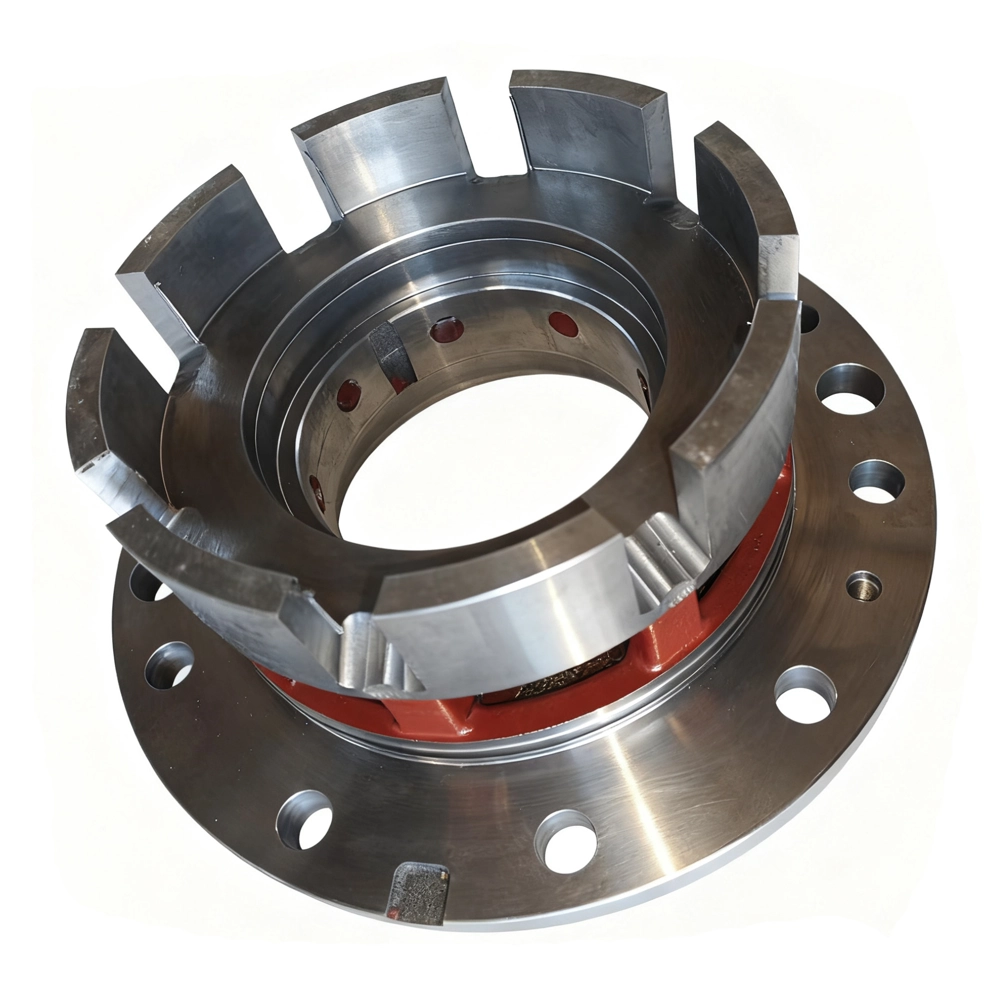
Inspection Routine Before Long Excavator Jobs
The B2B Buyer’s Guide to Excavator Drive Motors
faq
What is the lead time for receiving excavator parts?
Our typical lead time depends on the complexity and quantity of the order. For standard parts, delivery usually takes between 7 to 14 days. For custom orders, the lead time may vary, but we always strive to ensure timely delivery.
Can I get technical support for installing your parts?
Absolutely. We provide technical support and guidance for the installation and maintenance of our parts. Our team is available to assist you with any questions or concerns to ensure proper installation and optimal performance.
How do you ensure the quality of your parts?
We follow strict quality control procedures throughout the manufacturing process. Our parts are tested for durability, performance, and precision to ensure they meet industry standards and exceed customer expectations.
Do you offer customized parts?
-
Yes, we offer tailored solutions to meet specific customer requirements. Whether you need custom dimensions or specialized features, we can design and produce parts that perfectly match your excavator’s needs.
-
What types of excavator parts do you manufacture?
We manufacture a wide range of excavator parts, including hydraulic components, undercarriage parts, engine parts, wear parts, and more. Our products are designed to fit a variety of excavator models and are built to meet the highest quality standards.
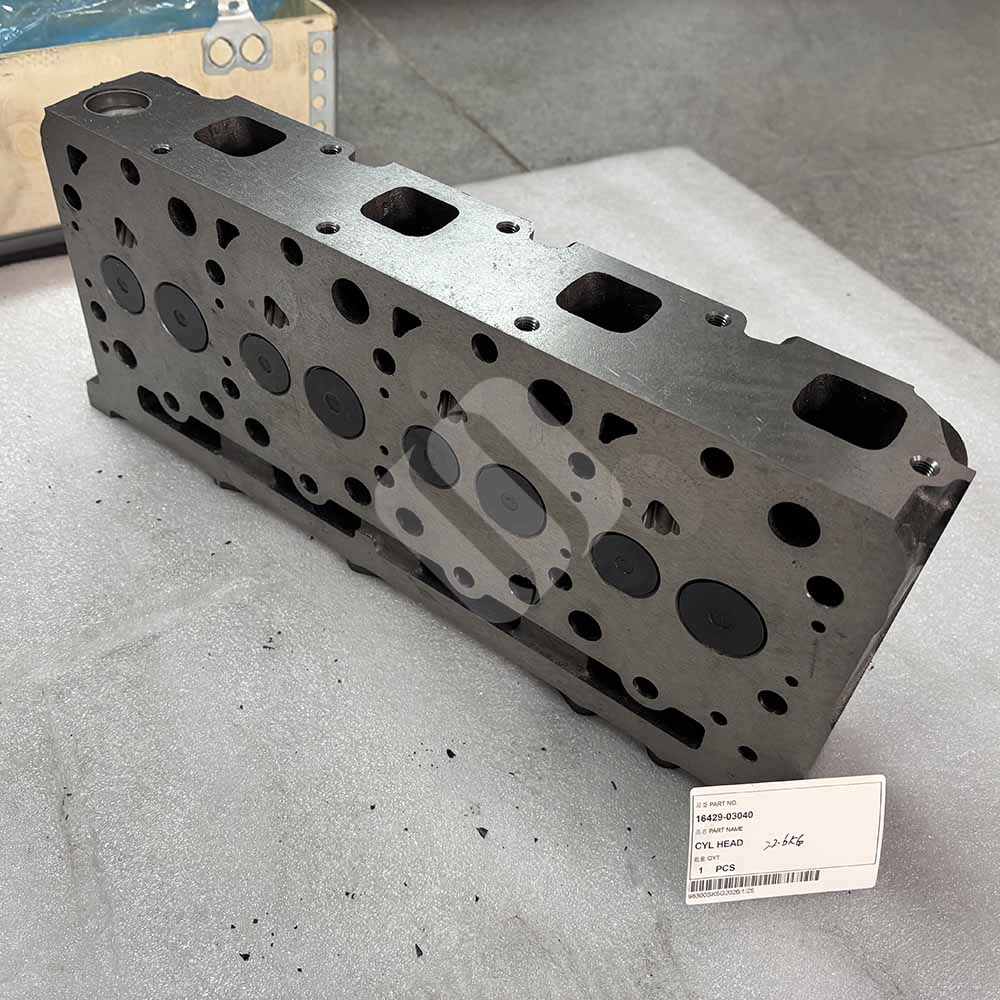
16429-03040 Engine Cylinder Head for Kubota Excavator KX121-3 KX161-3 U45
The 16429-03040 Cylinder Head is a high-precision engine component specifically designed for Kubota KX121, KX161, and U45 excavators powered by V2203/V2403 engines. Manufactured from premium alloy cast iron, it ensures exceptional thermal stability and pressure resistance, restoring your engine's compression and fuel efficiency to factory standards.
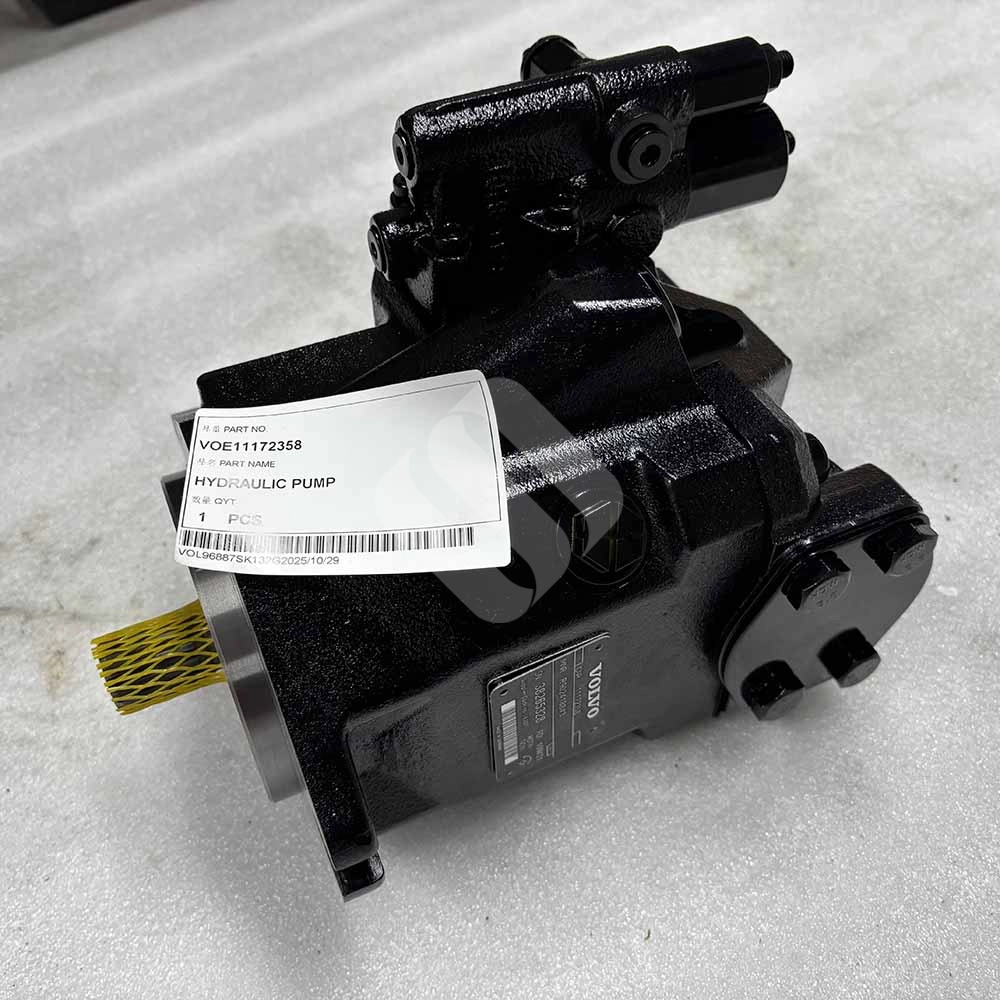
VOE11172358 11172358 Hydraulic Pump for Volvo Wheel Loader L60E L70E L90E L110E L60F L70F L90F L120F
VOE11172358 is the part number for a hydraulic pump (specifically a hydraulic main or auxiliary pump) designed for several Volvo wheel loaders.
Technical Specifications
Part Numbers: VOE11172358, 11172358, and cross-reference number R986110567.
Weight: Approximately 20kg.
Type: Tyrone-type pump or piston-style auxiliary pump.
Compatible Volvo Models
This pump is compatible with a wide range of Volvo wheel loader series, including:
L60 Series: L60E, L60F, L60GZ.
L70 Series: L70E, L70F.
L90 Series: L90E, L90F, L90GZ.
L110 Series: L110E, L110F.
L120 Series: L120E, L120F, L120GZ.
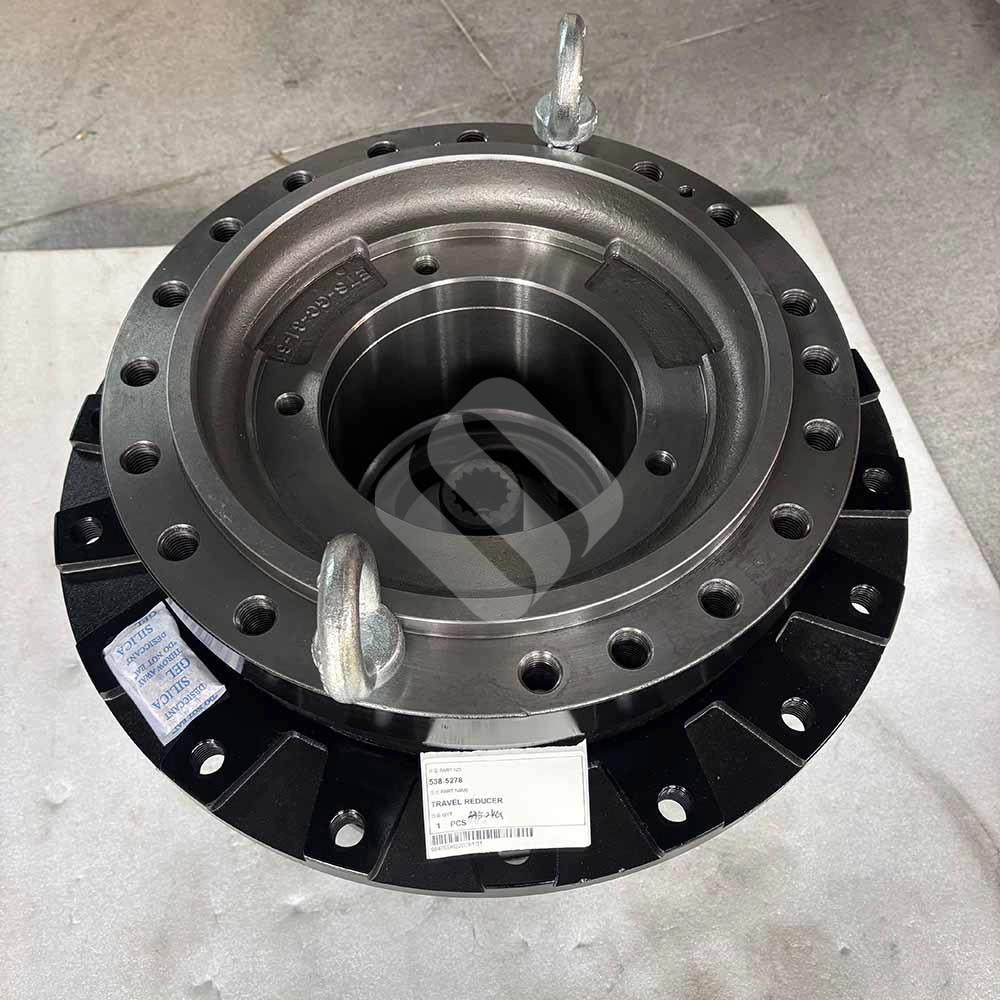
Travel Reducer 538-5278 for Caterpillar CAT Excavator 330 330GC 330F
This is a specific part number for heavy machinery components.
Part Name: Drive GP-FIN (Final Drive Group) or Travel Gearbox.
Equipment Compatibility: Primarily used for Cat 330, 330 GC, 330F, and 330D2 excavators.
Function: It serves as the reduction unit that converts hydraulic power into mechanical rotation to drive the excavator's tracks.
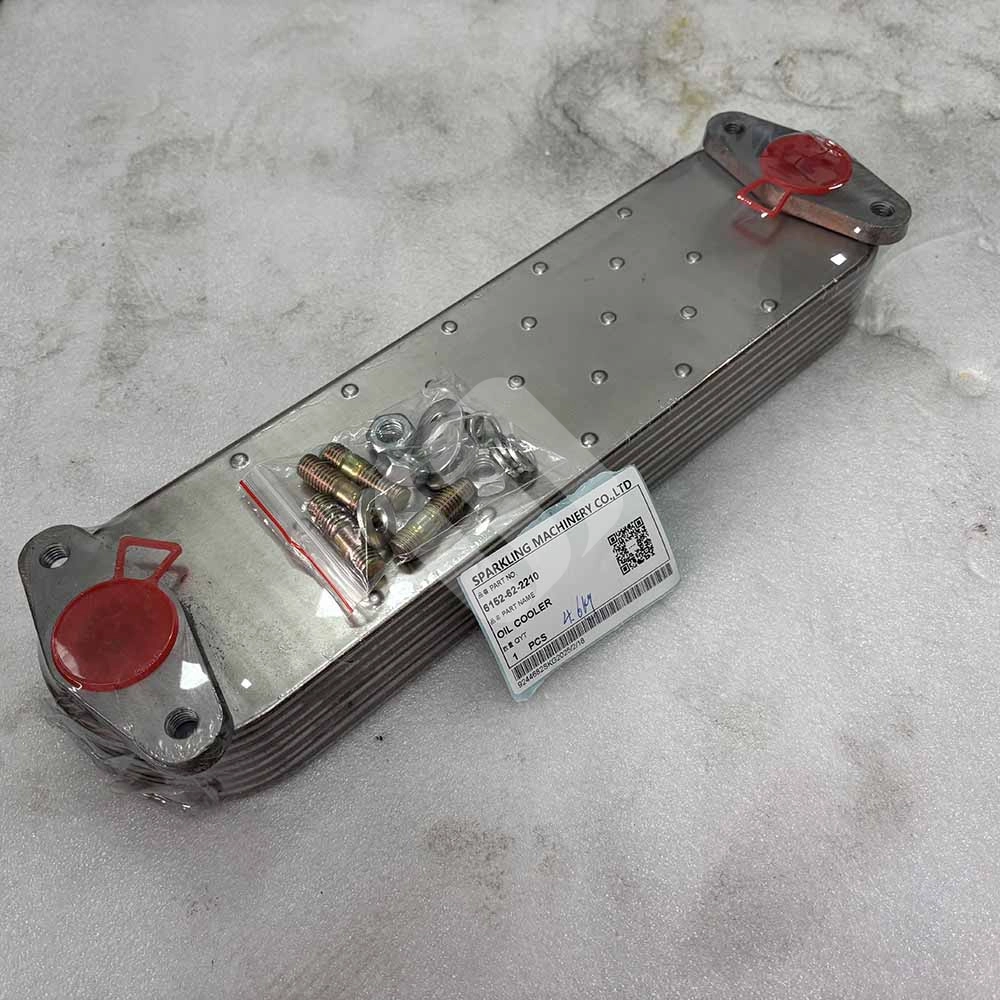
6152-62-2210 Oil Cooler for Komatsu PC400-7 PC400-8 PC400LC-8 & Wheel Loaders WA470-3 WA470-5
The 6152-62-2210 Oil Cooler is a critical thermal management component for Komatsu PC400-7, PC400-8, PC400LC-8 excavators and WA470-3, WA470-5 wheel loaders. It efficiently dissipates heat from engine and hydraulic oil, maintaining optimal operating temperatures to prevent overheating, reduce component wear, and ensure continuous heavy-duty performance in construction and mining environments.
Key Features
· Material: Often made of stainless steel in aftermarket versions.
· Design: 8-plate (8P) design.
· Weight: Approximately 4.74 kg (net weight).
· OEM-Perfect Fit: Matches original mounting and flow specs for direct, modification-free installation.
· High Cooling Efficiency: Optimized fin-and-tube design maximizes heat exchange, keeping oil temperatures stable.
Compatible Equipment
· Excavators: PC400-7, PC400-8, PC400LC-8, PC450-8, PC450LC-8, PC490-10, PC490LC-10, PC550LC-8.
· Wheel Loaders: WA470-3, WA470-5, WA480-6.
· Dump Trucks: HM300-2, HM300-3.
· Dozers: D85EX/PX series.

Contact us
Email: ranroswang@hksparkling.com
Wechat: +86 136 0901 0879
Skype: foreverlucia1
WhatsApp: +86 136 0901 0879
Address: No. 514-515, Hulin Road, Tianhe District, Guangzhou, China.
Sparkling Machinery Co.,Ltd
sparkling_machinery
Whatsapp: +8613609010879