 ranroswang@hksparkling.com
  +86 138 2341 8469


Fixing Oil Cooler Leaks in Heavy Machinery: A Complete Guide
Heavy machinery and off-road equipment rely on every component to deliver consistent performance and minimize costly downtime. Among these often-underappreciated parts, the oil cooler plays a critical role: it regulates engine oil temperature, ensuring optimal lubrication even when the equipment is operating under extreme conditions. A faulty oil cooler that develops a leak, however, can quickly escalate from a minor issue to a cause of severe engine damage.
This comprehensive guide is designed for heavy machinery owners and operators, walking you through every step of identifying, diagnosing, and repairing oil cooler leaks. From recognizing early warning signs to executing a precise replacement process, we cover all the essentials to get your equipment back to safe, smooth operation—and keep it that way.
I. What Is an Oil Cooler Leak?
An oil cooler leak refers to any fluid seepage from the oil cooler assembly or its connecting components. Leaks fall into two primary categories: external, where fluid drips onto the ground, and internal, where oil and coolant mix inside the machine’s system. Both types pose a direct threat to engine health and demand immediate intervention to prevent further damage.
II. Common Causes of Oil Cooler Leaks
Heavy machinery operates in harsh, unforgiving environments, making oil coolers particularly susceptible to failure. Understanding the root causes is key to accurate diagnosis and proactive prevention, and the most frequent culprits include:
• Aging and wear: Constant exposure to heat and pressure weakens oil coolers and their seals over time. Gaskets and O-rings become brittle and crack, creating pathways for fluid leaks.
• Corrosion: Moisture and chemical contaminants corrode metal components from the inside out, forming weak points that can rupture under normal operating pressure.
• Vibrations and physical damage: The intense vibrations of heavy machinery can loosen fittings or crack the cooler core, while off-road use brings the risk of impacts from rocks, debris, and other obstacles.
• Improper installation: Poor gasket alignment or overtightening during installation places unnecessary stress on components, leading to premature failure and leaks.
• Clogged passages: Debris in oil or coolant can block the cooler’s internal passages, increasing pressure within the system and forcing fluid out through weak points.
III. 4 Key Symptoms of an Oil Cooler Leak
Catching an oil cooler failure early is the single most effective way to avoid catastrophic engine damage. Stay vigilant for these critical warning signs, which signal a potential leak:
1. Visible External Fluid Leaks
The most obvious indicator is fluid pooling beneath the machinery. Oil puddles (from the cooler, its lines, or adapter gaskets) may range from slow drips to a steady flow. For oil-to-water coolers, coolant puddles are equally concerning—coolant loss quickly leads to engine overheating, another serious issue that compound damage.
2. Internal Fluid Contamination
Internal leaks cause oil and coolant to mix, a telltale sign of cooler failure:
• Oil in coolant: Oil system pressure is higher than coolant pressure, so oil typically seeps into the cooling system first, creating a thick, milky, gravy-like substance in the coolant reservoir.
• Coolant in oil: Though less common, significant leaks allow coolant into the engine oil, which appears milky or frothy on the dipstick and destroys the oil’s lubricating properties.
3. Diminished Engine Performance
A failing oil cooler disrupts temperature regulation and lubrication, leading to a host of performance issues:
• Engine overheating, as hot oil loses its ability to cool and lubricate critical parts.
• Sluggish, reduced power, as the engine’s management system throttles performance to protect itself from overheating.
• Illuminated dashboard warning lights (check engine, low oil pressure, high temperature).
• Unusual engine noises (knocking, ticking, grinding) from poor lubrication due to low oil levels or contaminated oil.
4. Additional Physical Red Flags
• Thick black exhaust smoke: Oil leaking into the combustion chambers burns off, producing dense black smoke.
• Swollen radiator or hoses: Severe internal leaks build up excess pressure in the cooling system, causing radiators and hoses to expand—and potentially rupture.
IV. Can You Operate Machinery With a Faulty Oil Cooler?
Absolutely not. Running equipment with a suspected oil cooler leak is an extreme risk. A small leak can rapidly turn into a complete failure, resulting in total loss of engine oil or coolant. In just minutes, this can cause the engine to overheat and seize, leading to catastrophic damage that costs far more to repair than a new oil cooler.
V. Severe Consequences of Ignoring an Oil Cooler Leak
Failing to address a leak at the first sign of trouble leads to a cascade of expensive, avoidable problems:
• Accelerated engine wear: Contaminated or overheated oil fails to lubricate, causing rapid damage to bearings, pistons, crankshafts, and other critical components.
• Cooling system blockages: The sludgy oil-coolant mixture clogs radiators, heater cores, and engine coolant passages, requiring a costly, intensive system flush to fix.
• Total engine failure: A seized engine is the ultimate consequence, often demanding a full rebuild or complete replacement.
• Safety hazards: Unexpected engine failure during operation puts the operator and anyone in the immediate area at serious risk of injury.
VI. How to Confirm an Oil Cooler Leak
If you suspect a leak, the first step is to verify the source—and a pressure test is the most reliable method to do so:
1. Disconnect the oil cooler carefully from the engine.
2. Plug one of the cooler’s oil ports securely.
3. Attach a regulated air hose to the remaining oil port.
4. Submerge the entire oil cooler in a tank of water.
5. Apply low air pressure (approximately 0.8 bar / 12–15 PSI) to the cooler.
6. Watch for air bubbles: any bubbles rising from the cooler’s core or seams confirm a leak, and the unit must be replaced.
VII. Step-by-Step Oil Cooler Replacement Guide
Replacing an oil cooler is a manageable task for anyone with basic mechanical experience. Follow this general guide for a successful installation (always refer to your machine’s manufacturer manual for model-specific instructions):
1. Prioritize safety: Ensure the engine is fully cool, then disconnect the battery to prevent accidental starts.
2. Drain fluids: Place drain pans under the oil pan and radiator, then drain all engine oil and coolant.
3. Access the cooler: Locate the oil cooler (typically mounted on the engine block side or near the oil filter) and remove any surrounding components needed to reach it.
4. Disconnect lines: Carefully detach the oil and coolant lines from the cooler, and have a rag on hand to catch residual fluid spills.
5. Remove the old cooler: Unbolt the cooler from its mounting bracket or engine block, and note the orientation of all gaskets and seals for proper reinstallation.
6. Clean mounting surfaces: Thoroughly clean the engine block and connecting parts, removing all traces of old gasket material to ensure a tight, leak-proof seal for the new cooler.
7. Install the new cooler: Position the new oil cooler with fresh, manufacturer-recommended gaskets and seals—never reuse old seals, as this guarantees immediate leaks.
8. Tighten fasteners: Torque the mounting bolts to the manufacturer’s specified settings; overtightening will damage new gaskets and cause future leaks.
9. Reconnect lines: Reattach the oil and coolant lines, ensuring all fittings are secure and properly seated.
10. Refill and flush fluids: Add the correct type and volume of new engine oil and coolant. If oil and coolant mixed (internal leak), perform a full cooling system flush to remove all oil residue before adding new coolant.
11. Check for leaks: Reconnect the battery, start the engine, and let it run for several minutes. Inspect the new cooler and all connections closely for any fluid seepage, then recheck fluid levels once the engine has warmed up.
VIII. Proactive Prevention: How to Avoid Oil Cooler Leaks
Preventive maintenance is the best defense against unexpected oil cooler failure and costly downtime. Implement these simple practices to extend your oil cooler’s lifespan:
• Regular inspections: During routine service, visually check the oil cooler and its hoses for corrosion, physical damage, or slow "weeping" leaks.
• Keep it clean: Dirt and debris build up on the cooler’s fins, trapping heat and moisture that accelerate corrosion. Clean the cooler regularly with low-pressure compressed air or a soft brush (avoid high pressure, which can bend fins).
• Use quality fluids: Always use the engine oil and coolant recommended by the machine’s manufacturer—high-quality fluids prevent internal corrosion and sludge buildup in the cooler.
• Stick to service intervals: Regular fluid and filter changes protect the entire engine, including the oil cooler, by removing contaminants that cause clogs and wear.
• Add physical protection: For equipment operating in rocky, debris-filled terrain, install a custom or aftermarket guard to shield the oil cooler from impacts.
IX. How Long Does an Oil Cooler Last?
An oil cooler’s lifespan depends heavily on its operating environment and how well it’s maintained. For heavy machinery, a properly cared-for cooler can last for years and thousands of operating hours. In harsh conditions—high vibration, frequent debris impacts, or neglected maintenance—however, its lifespan will be significantly shorter.
X. Oil Cooler Replacement Costs
Repairing an oil cooler leak almost always requires replacing the entire unit, and total costs vary widely based on the machinery type and parts sourcing:
• Parts: The replacement cooler is the biggest cost variable. OEM (Original Equipment Manufacturer) parts, sourced directly from the machine maker, are the most expensive—ranging from $400 to over $5,000 depending on the brand and equipment complexity. High-quality aftermarket parts offer a cost-effective, reliable alternative: options from suppliers like SPARKLING MACHINERY range from $100 to $2,000+ and meet or exceed OEM specifications.
• Labor: Professional mechanic labor can take several hours (depending on the cooler’s accessibility) and makes up a significant portion of the total cost if you don’t perform the replacement yourself.
Sourcing high-quality aftermarket parts and completing the replacement independently is the best way to save substantially on total repair costs.
XI. Final Thoughts
An oil cooler leak is not a minor issue—it’s a serious threat to your heavy machinery’s engine and your bottom line. The key to avoiding catastrophic failure is acting fast: recognize the warning signs, confirm the leak with a pressure test, and replace the cooler using proper installation practices. Pair this with consistent preventive maintenance, and you’ll protect your engine, reduce unplanned downtime, and keep your machinery running dependably for years to come.
When it’s time for a replacement, partner with a trusted parts supplier to ensure you get a durable, high-quality oil cooler that fits your equipment. SPARKLING MACHINERY, for example, offers a wide selection of affordable aftermarket oil coolers compatible with most heavy machinery brands—designed to deliver the performance you need without the OEM price tag. Don’t let a faulty oil cooler bring your operations to a halt: invest in a reliable replacement and get back to work with confidence.

How Long Does It Take to Charge a Battery? 7 Factors to Consider
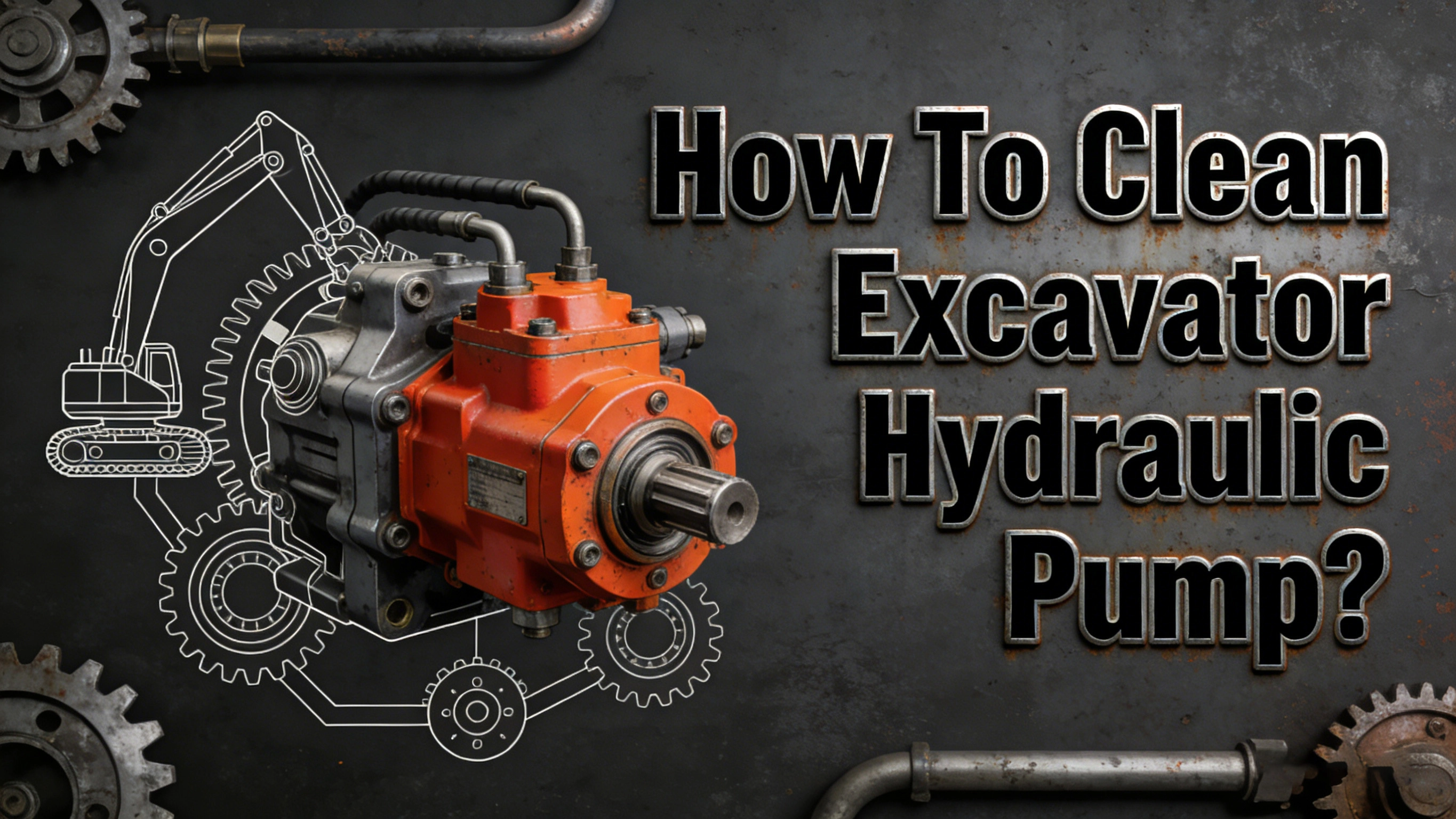
How To Clean Excavator Hydraulic Pump?
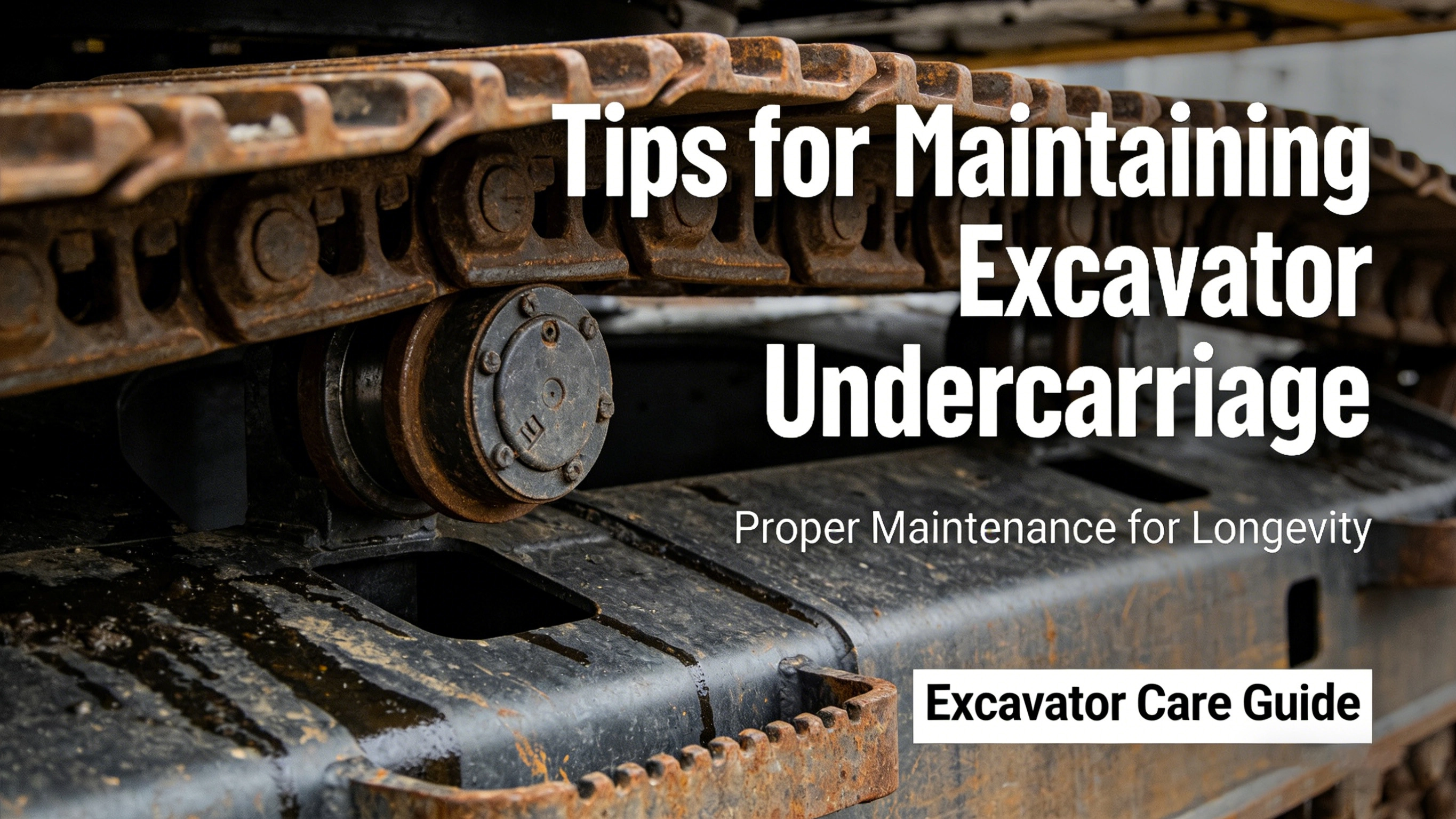
Tips for Maintaining Excavator Undercarriage
How to Select the Right Radiator Core? (2026)
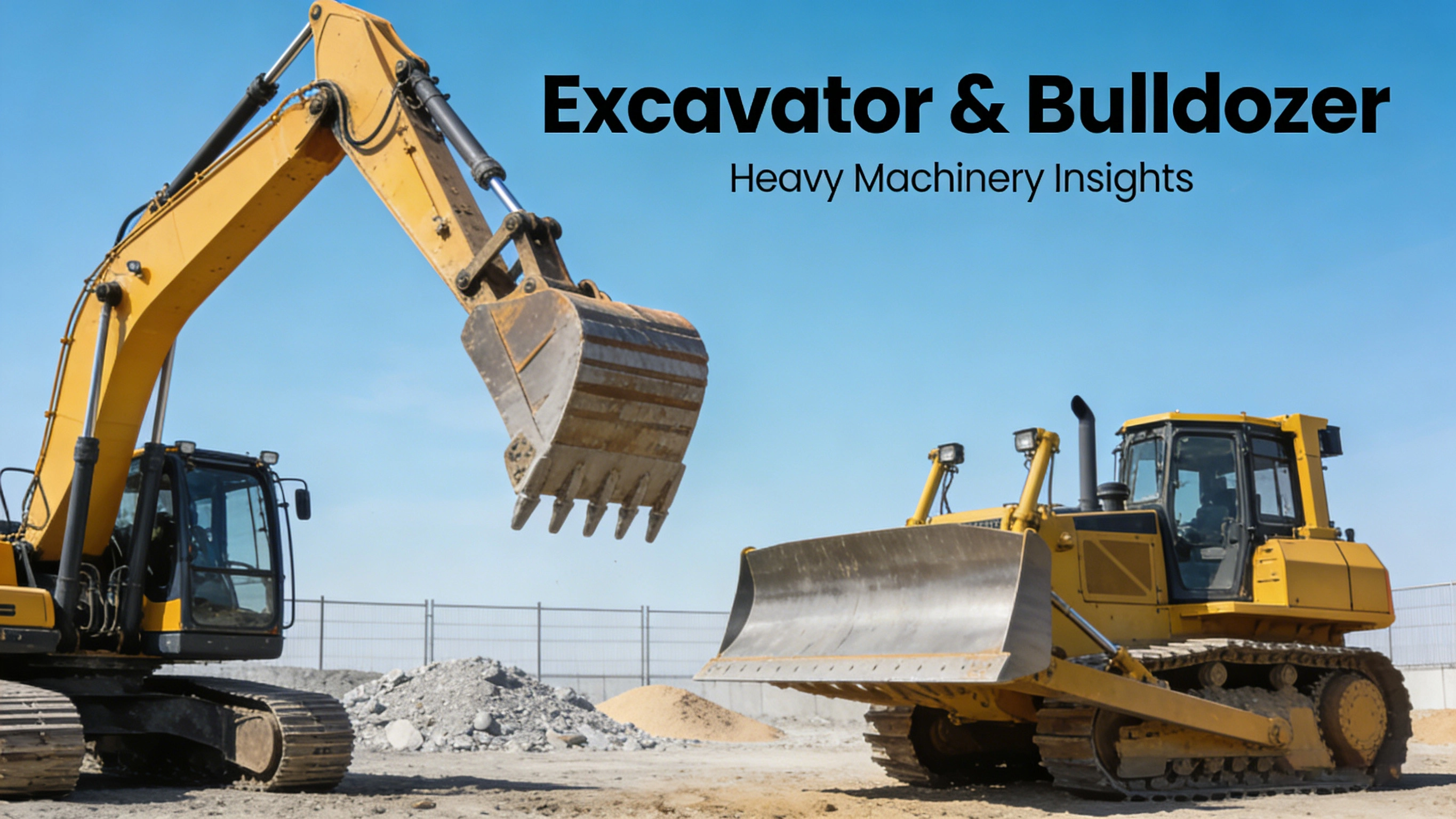
Excavator vs Bulldozer: Which One Do You Need?
faq
What types of excavator parts do you manufacture?
We manufacture a wide range of excavator parts, including hydraulic components, undercarriage parts, engine parts, wear parts, and more. Our products are designed to fit a variety of excavator models and are built to meet the highest quality standards.
Are your products covered by a warranty?
-
Yes, all of our excavator parts come with a warranty to ensure quality and reliability. The warranty period may vary depending on the type of part. Please contact us for detailed warranty terms for specific products.
-
What is the lead time for receiving excavator parts?
Our typical lead time depends on the complexity and quantity of the order. For standard parts, delivery usually takes between 7 to 14 days. For custom orders, the lead time may vary, but we always strive to ensure timely delivery.
Can I get technical support for installing your parts?
Absolutely. We provide technical support and guidance for the installation and maintenance of our parts. Our team is available to assist you with any questions or concerns to ensure proper installation and optimal performance.
How do you ensure the quality of your parts?
We follow strict quality control procedures throughout the manufacturing process. Our parts are tested for durability, performance, and precision to ensure they meet industry standards and exceed customer expectations.

KOMATSU EXCAVATOR PARTS MADE IN CHINA NEW D60P D61E D61EX D61PX D65E 14X-13-11660 YOKE SPARKLING MACHINERY
KOMATSU EXCAVATOR PARTS MADE IN CHINA NEW D60P D61E D61EX D61PX D65E 14X-13-11660 YOKE SPARKLING MACHINERY
CATERPILLAR EXCAVATOR 349 541-1387 5411387 OIL COOLER ASSY CHINA MADE
CATERPILLAR EXCAVATOR 349 541-1387 5411387 OIL COOLER ASSY CHINA MADE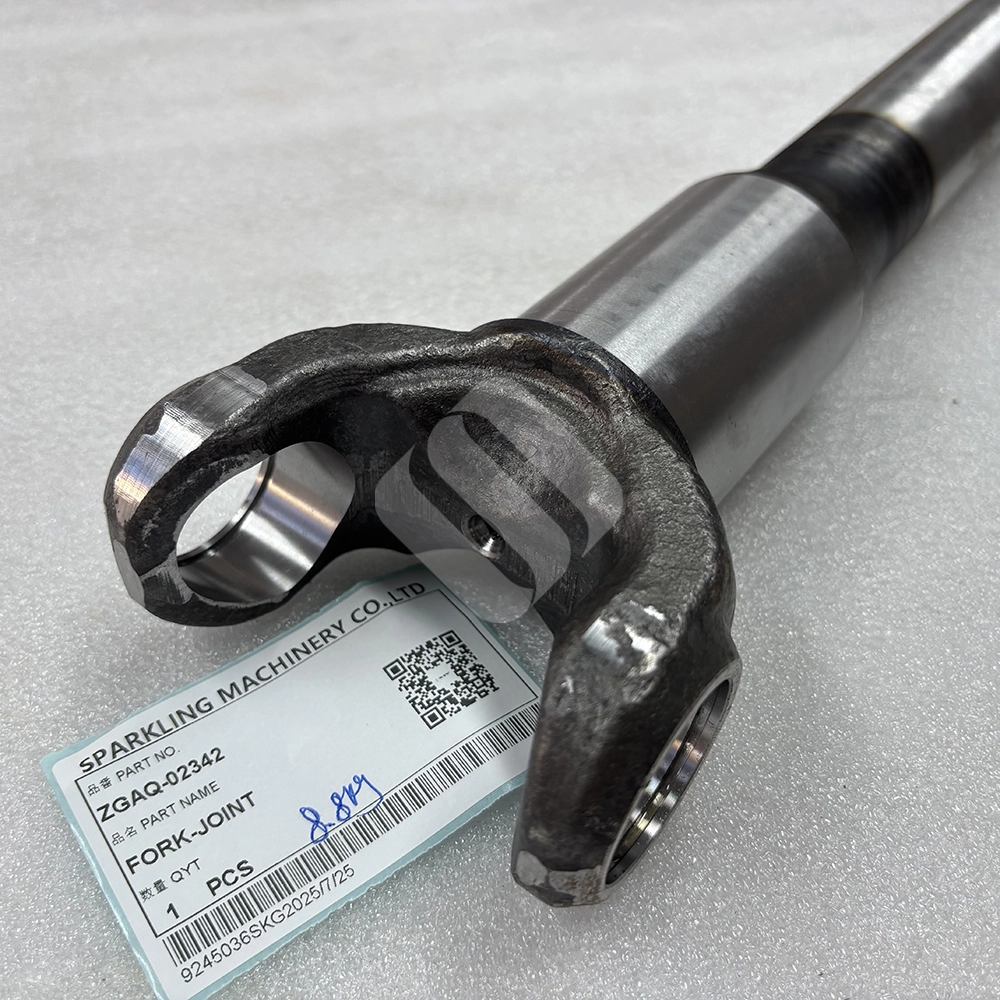
Hyundai Made In China Sparkling Machinery New r200w-7 r200w-7a Zgaq-02342 Fork-Joint 8.8kg
Hyundai Made In China Sparkling Machinery New r200w-7 r200w-7a Zgaq-02342 Fork-Joint 8.8kg
Excavator Spare Parts 6KG 424-64-15610 Hydraulic Valve for Komatsu WA380-3 WA420-3 WA450-3
Excavator Spare Parts 6KG 424-64-15610 Hydraulic Valve for Komatsu WA380-3 WA420-3 WA450-3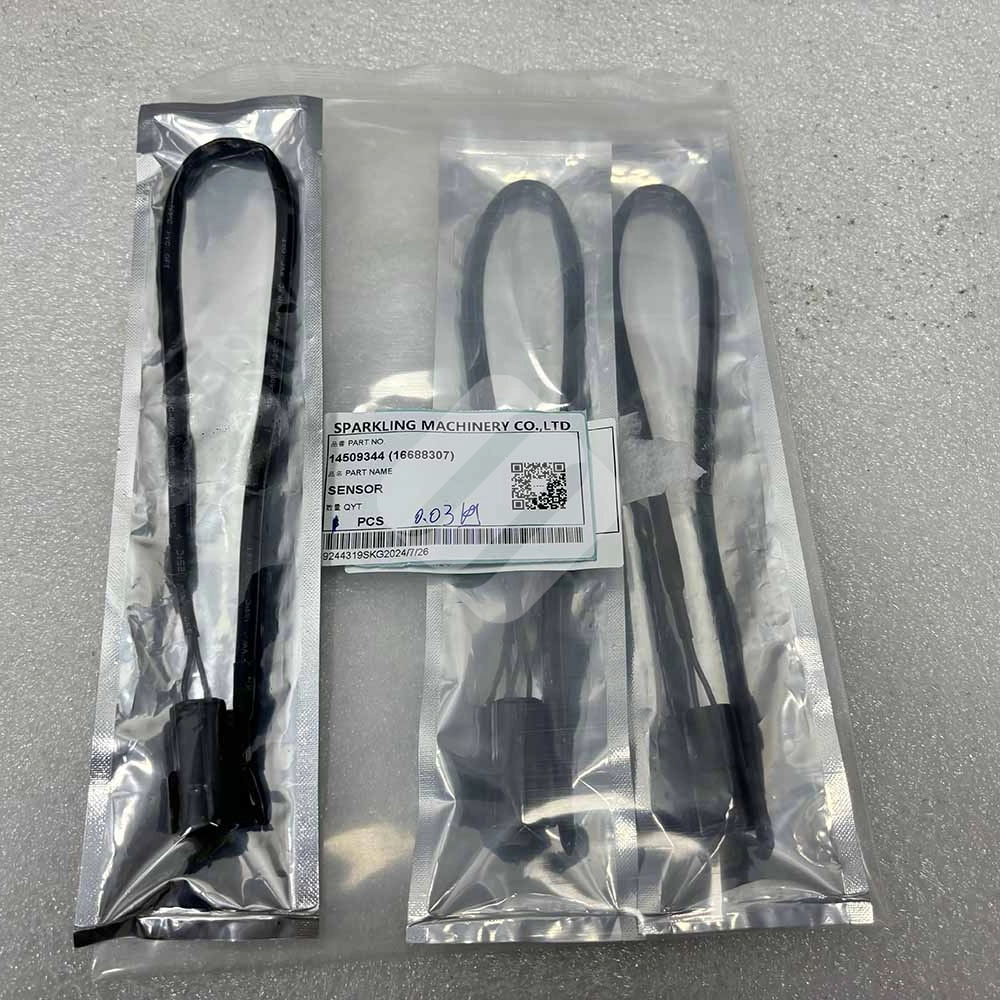
Temperature sensor 14509344 16688307 For Volvo EC210B EC290C L60F L70F
Temperature sensor 14509344 16688307 For Volvo EC210B EC290C L60F L70F
KOBELCO EXCAVATOR SK115SR SK135SR YV22E00001F8 YV22E00001F5 CPU CONTROLLER UNIT ORIGINAL
KOBELCO EXCAVATOR SK115SR SK135SR YV22E00001F8 YV22E00001F5 CPU CONTROLLER UNIT ORIGINAL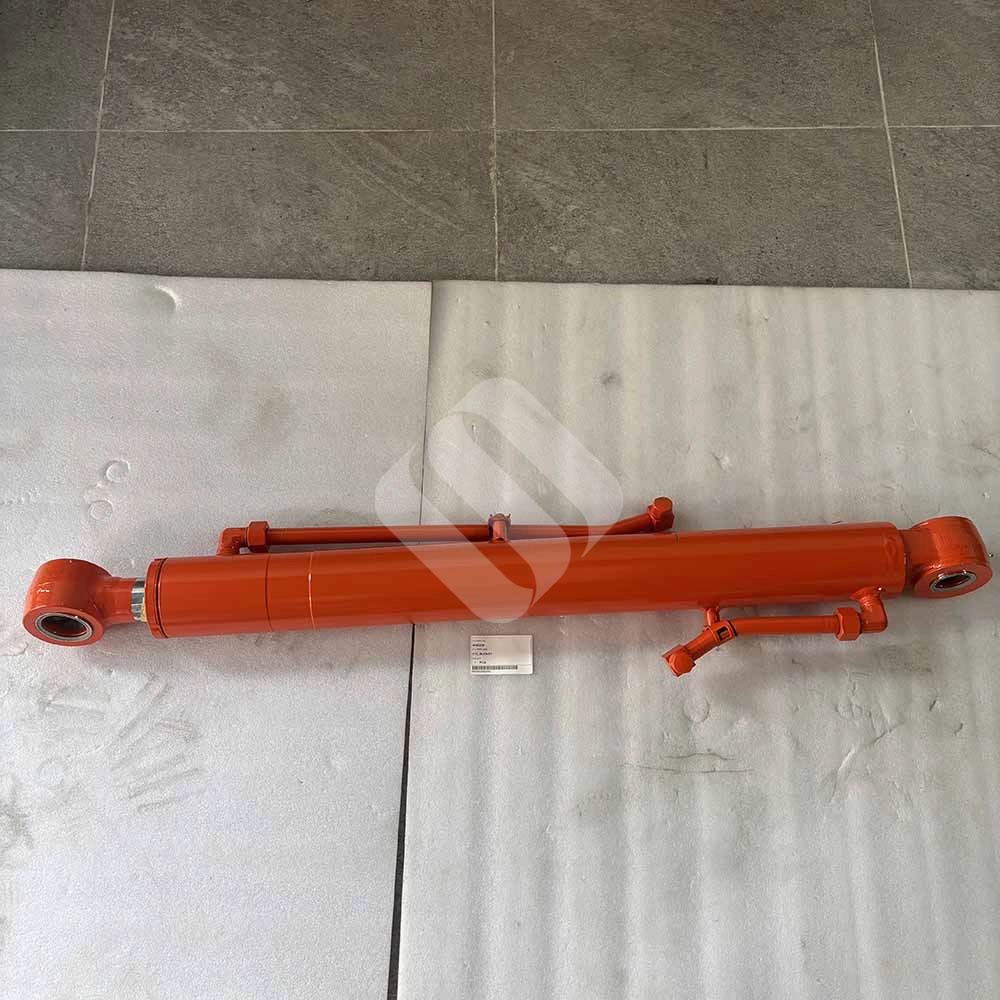
Hitachi HIGH-QUALITY EXCAVATOR PARTS MADE IN CHINA NEW ZX70 ZX85US-3 ZX75US-3 4446258 CYL;BUCKET SPARKLING MACHINERY
Hitachi HIGH-QUALITY EXCAVATOR PARTS MADE IN CHINA NEW ZX70 ZX85US-3 ZX75US-3 4446258 CYL;BUCKET SPARKLING MACHINERY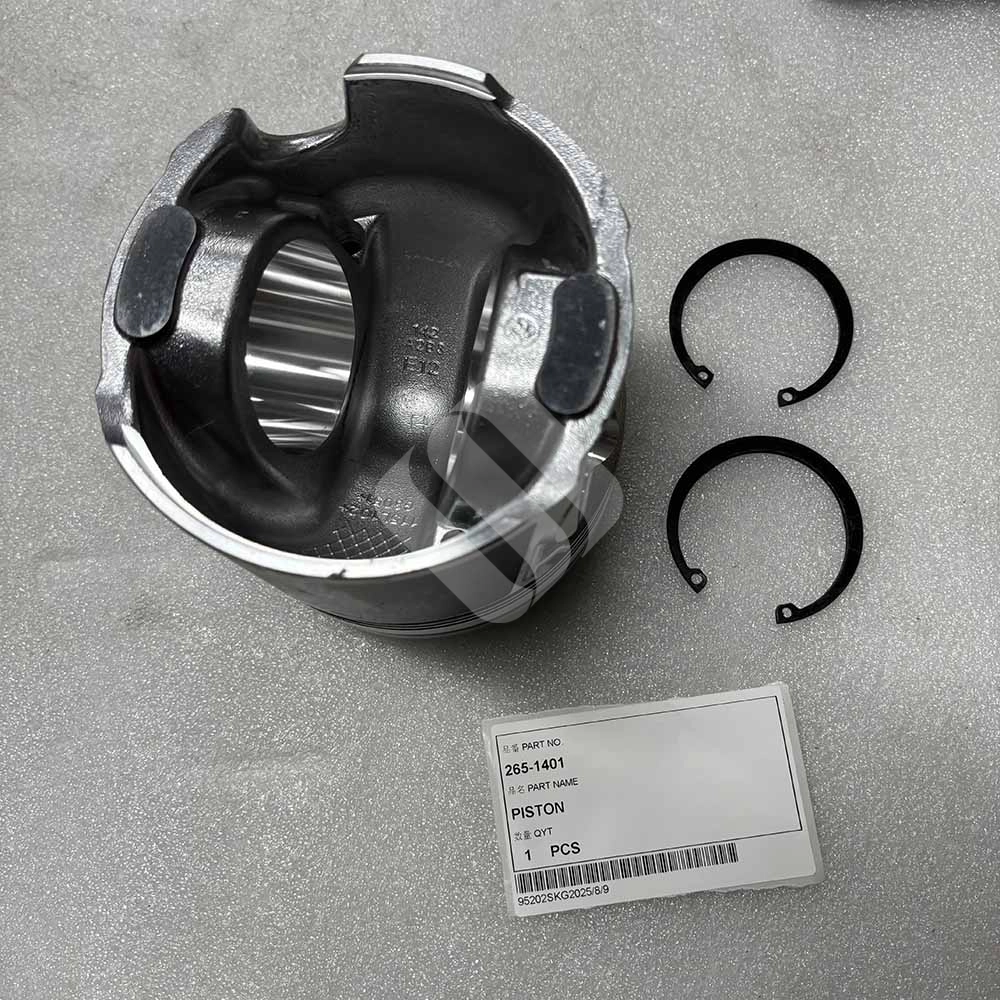
Caterpillar HIGH-QUALITY EXCAVATOR PARTS MADE IN CHINA NEW 140M 330D 336D 336D2 265-1401 PISTON SPARKLING MACHINERY
Caterpillar HIGH-QUALITY EXCAVATOR PARTS MADE IN CHINA NEW 140M 330D 336D 336D2 265-1401 PISTON SPARKLING MACHINERY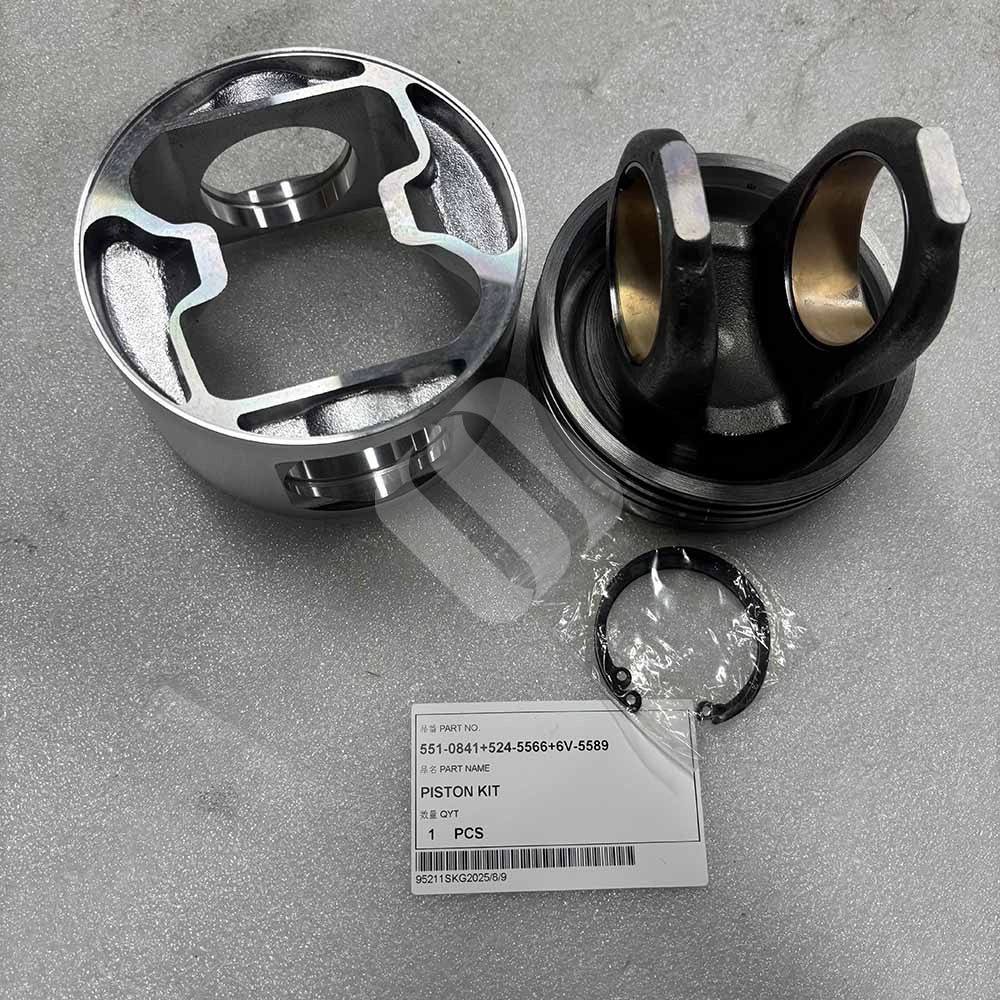
Caterpillar HIGH-QUALITY EXCAVATOR PARTS MADE IN CHINA NEW 551-0841+524-5566+6V-5589 PISTON KIT SPARKLING MACHINERY
Caterpillar HIGH-QUALITY EXCAVATOR PARTS MADE IN CHINA NEW 551-0841+524-5566+6V-5589 PISTON KIT SPARKLING MACHINERY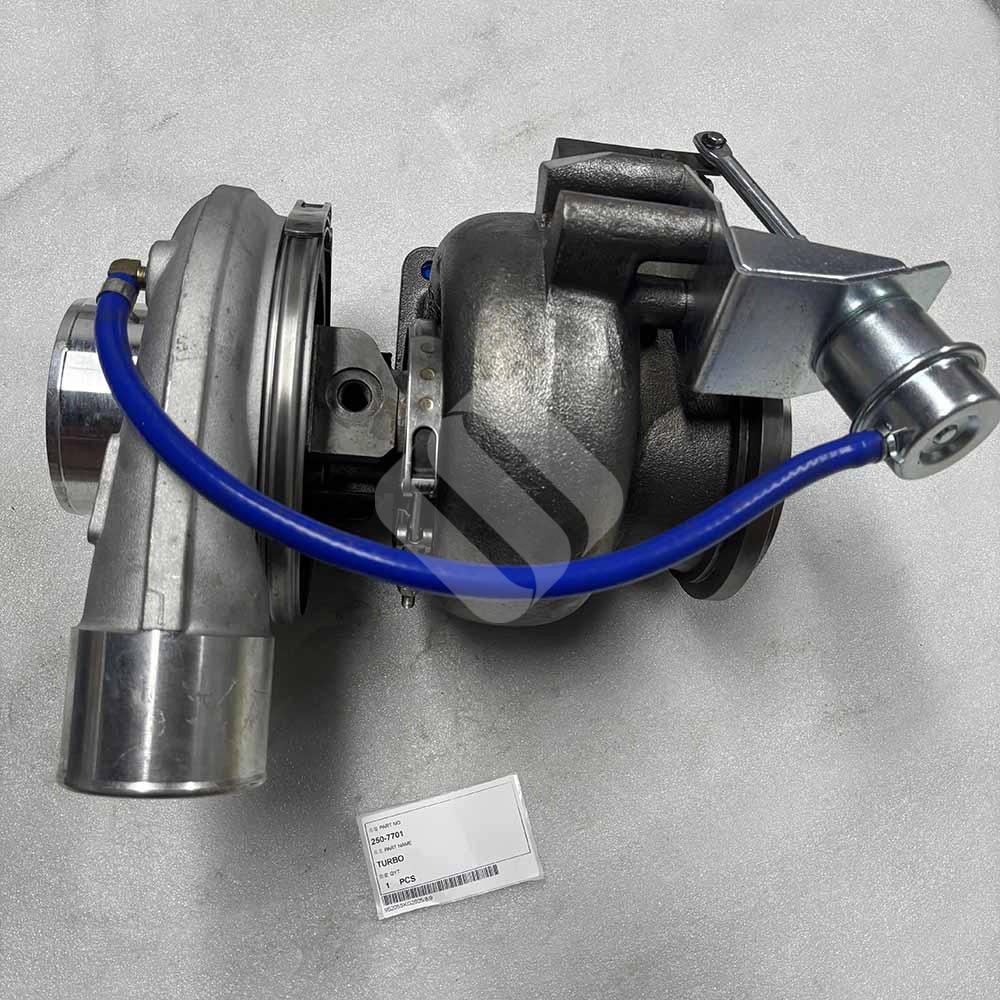
Caterpillar HIGH-QUALITY EXCAVATOR PARTS MADE IN CHINA NEW C9 CX31-C9I TH31-E61 250-7701 TURBO SPARKLING MACHINERY
Caterpillar HIGH-QUALITY EXCAVATOR PARTS MADE IN CHINA NEW C9 CX31-C9I TH31-E61 250-7701 TURBO SPARKLING MACHINERYGet in touch
We are committed to producing the highest quality products at the most competitive prices. Therefore, we sincerely invite all interested companies to contact us for more information.

Contact us
Email: ranroswang@hksparkling.com
Wechat: +86 136 0901 0879
Skype: foreverlucia1
WhatsApp: +86 136 0901 0879
Address: No. 514-515, Hulin Road, Tianhe District, Guangzhou, China.
Sparkling Machinery Co.,Ltd
sparkling_machinery
Whatsapp: +8613609010879