 ranroswang@hksparkling.com
  +86 138 2341 8469


Common Wear Parts of Excavator and Replacement Tips 2026
- Common Wear Parts of Excavator and Replacement Tips 2026
- Why understanding parts of excavator matters for uptime and cost
- Undercarriage components: the foundation of machine mobility
- Hydraulic components: pumps, valves, cylinders, hoses
- Engine, cooling, and powertrain wear parts
- Bucket and attachment wear parts: teeth, adapters, pins & bushings
- Electrical and control system parts of excavator
- Rubber parts, seals, and ancillary components
- Routine inspection and predictive maintenance strategies
- OEM vs aftermarket vs remanufactured parts — making the right choice
- Step-by-step replacement tips for common parts
- SPARKLING MACHINERY: quality parts and technical support
- FAQ — Common Questions About Parts of Excavator
- Q: How often should I inspect undercarriage components?
- Q: Are aftermarket parts safe to use?
- Q: Can I replace hydraulic hoses myself?
- Q: How do I extend the life of bucket teeth?
- Q: When should I choose remanufactured pumps or engines?
- Contact and product CTA
- References
Common Wear Parts of Excavator and Replacement Tips 2026
Why understanding parts of excavator matters for uptime and cost
Excavators are complex machines comprised of many wear-prone components. Knowing which parts of excavator typically fail, how to detect early signs of wear, and how to replace them correctly reduces downtime, lowers operating cost, and extends machine life. This guide focuses on the most common wear parts in 2026, practical replacement tips, and decision-making criteria for purchasing replacement parts.
Undercarriage components: the foundation of machine mobility
The undercarriage is one of the most expensive and fastest-wearing systems on tracked excavators. Typical wear parts include track shoes, pins and bushings, rollers (carrier and track rollers), idlers, and sprockets. Wear here reduces traction, increases fuel consumption, and risks catastrophic failures if neglected.
Replacement tips:
- Inspect track tension weekly and measure pin-and-bushing wear using a calibrated gauge. Excessive elongation indicates pin/bushing replacement or a full chain replacement is due.
- Replace sprockets and rollers in matched sets when wear is advanced. Running new sprockets on a worn chain accelerates wear dramatically.
- Consider track shoe type and application: heavy-duty grouser shoes for rock vs segmented or rubber pads for urban work to reduce vibration and surface damage.
Estimated service life varies by application; see the comparative table below for general guidance.
| Component | Typical Life (hours) | Replacement Indicator |
|---|---|---|
| Track chain (pins & bushings) | 2,000–6,000 | Elongation >3%, tight/loose sections |
| Track rollers | 2,000–5,000 | Flat spots, excessive play |
| Sprockets | 2,000–6,000 | Hooked teeth, uneven wear |
| Idlers | 3,000–6,000 | Oil leaks, abnormal noise |
Sources for life expectancy depend on duty cycle—heavy rock work is at the low end; general earthmoving at the high end. (Sources listed at the end.)
Hydraulic components: pumps, valves, cylinders, hoses
Hydraulics deliver the power that moves the boom, arm, bucket, and attachments. Parts of excavator hydraulics that wear most are hoses, seals, cylinders, and control valves. Contamination and heat are primary causes of premature failure.
Replacement tips:
- Use contamination-control practices: full-flow filtration, regular fluid analysis, and cleanliness during repairs. Particle ingress is the most common root cause of valve and pump damage.
- Replace hydraulic hoses proactively when abrasion, cracking, or bulging is visible. Hoses often fail suddenly — scheduled replacement in severe environments prevents downtime.
- When replacing cylinder seals, inspect the rod for nicks and straightness; a nicked rod will shorten seal life. Re-chrome or replace rods if surface damage is found.
- Use OEM-spec or equivalent hydraulic fluid and follow manufacturer change intervals; check for fluid darkening, smell, or high particle counts in oil analysis.
Engine, cooling, and powertrain wear parts
Common engine-related parts of excavator that require attention include air and fuel filters, injectors, belts, radiators, water pumps, and turbochargers. Cooling system failures and fuel contamination reduce performance and can lead to expensive repairs.
Replacement tips:
- Replace air and fuel filters per service intervals or sooner in dusty conditions. Inspect pre-cleaners and ensure correct filter seating to avoid bypassing contaminants.
- Use oil analysis to detect early signs of wear such as elevated iron or chromium, indicating engine or turbo wear. Address immediately to prevent catastrophic failure.
- Radiator and cooling system: clean fins regularly. Replace radiator caps, hoses, and thermostats on schedule to prevent overheating.
Bucket and attachment wear parts: teeth, adapters, pins & bushings
Bucket teeth and adapters, cutting edges, side cutters, and attachment pins are high-wear items. Bite efficiency declines as teeth dull, and worn pins increase play and stress on booms and arms.
Replacement tips:
- Inspect teeth and adapters daily in heavy service. Replace individual teeth when wear reaches manufacturer- recommended thickness or when performance drops noticeably.
- Use the correct tooth geometry and alloy for application: high manganese steels for general digging, special alloys for abrasion, and carbide options for extreme wear.
- Replace pins and bushings as a matched set when wear is over tolerance. Grease fittings should be functional and greased on schedule to reduce fretting wear.
Electrical and control system parts of excavator
Modern excavators rely on electrical systems — sensors, wiring harnesses, alternators, starter motors, and electronic control modules (ECMs). Environmental factors such as moisture, vibration, and abrasion drive failures.
Replacement tips:
- Use diagnostic tools to read fault codes from control modules before replacing parts. Many issues are sensor or wiring-related, not ECM failures.
- Inspect connectors for corrosion and secure routing to prevent chafing. Use dielectric grease on exposed connections where appropriate.
- When replacing electronic parts, retain calibration and software versions; reflash or reprogram per manufacturer instruction to avoid performance issues.
Rubber parts, seals, and ancillary components
Rubber tracks, seals, gaskets, belts, hoses, and vibration mounts are common wear items that affect machine reliability. Though less costly individually, their collective failure impacts uptime.
Replacement tips:
- Monitor rubber track condition, pattern depth, and signs of delamination. Replace if compound cracking or cord exposure occurs.
- Keep a record of seal and gasket replacements and use correct materials resistant to hydraulic fluid and oil types in use.
Routine inspection and predictive maintenance strategies
Moving from time-based maintenance to condition-based and predictive maintenance yields significant savings. Key strategies include regular visual inspections, vibration analysis, oil analysis, and telematics data review for trends.
Best practices:
- Implement a simple daily checklist covering undercarriage, hydraulics, engine compartment, attachments, and electrical systems.
- Use oil and hydraulic fluid analysis monthly or per service interval to detect wear metals and contamination early.
- Deploy telematics to watch fuel consumption, idle time, hydraulic pressures, and fault codes; trend analysis helps schedule proactive replacements before failures.
OEM vs aftermarket vs remanufactured parts — making the right choice
Choosing replacement parts involves balancing cost, quality, warranty, and machine uptime. Here is a comparative summary to make decisions easier.
| Option | Pros | Cons | When to choose |
|---|---|---|---|
| OEM | Guaranteed fit, tested quality, warranty | Higher cost, longer lead times sometimes | Critical components, new machines under warranty, high-stress environments |
| Aftermarket (high-quality) | Lower cost, often equivalent performance | Quality varies by supplier | Routine wear parts where cost-consciousness matters |
| Remanufactured | Cost-effective, sustainable, factory-standard tolerances when remanufacturer is reputable | Quality depends on remanufacturer; warranty varies | Major components like pumps or engines where budget is limited |
Step-by-step replacement tips for common parts
While each component has specific procedures, the following universal steps reduce risk and rework:
- Prepare: Review OEM service manual for torque specs and sequences. Gather tools, replacement parts, and safety equipment.
- Clean: Prevent contamination by cleaning surrounding area and using clean surfaces for removed parts.
- Document: Photograph orientations and part numbers. Keep torque records and fluid sample before and after repairs.
- Replace seals and fasteners: Always use new sealing components and torque to manufacturer specs. Replace fasteners if single-use or showed elongation.
- Test: Run machine under light load first, monitor for leaks, abnormal noises, or fault codes. Re-check torque and fluid levels after initial operation.
SPARKLING MACHINERY: quality parts and technical support
SPARKLING MACHINERY was founded in 2013, focusing on high-quality excavator parts and committed to stability, precision, and perseverance. We offer a wide range of products, including hydraulic components, undercarriage systems, engine components, electrical components, cabs, mini excavators, and accessories, compatible with top brands such as Caterpillar, Komatsu, Hitachi, Volvo, and more. Through strict manufacturing and quality control, we ensure that our products can operate reliably under various conditions. We provide customized solutions and technical support, meticulous consultation, and continuous service. We uphold the values of altruism and innovation, provide competitive prices while ensuring quality, and help customers reduce costs. With a global sales network, SPARKLING MACHINERY is a trusted partner in the excavator parts industry. Our vision is to become the world's top excavator parts manufacturer.
SPARKLING core offerings and competitive strengths relevant to parts of excavator:
- Wheel Excavator Parts: components engineered for mobility and durability in material handling applications.
- Excavator hydraulic components: pumps, valves, cylinders, and hose assemblies tested for contamination control and pressure endurance.
- Excavator engine parts: filters, injectors, turbo parts, and cooling components matched to major engine platforms.
- Excavator reducer spare parts and sealing components: precision gears and seals with controlled tolerances.
- Excavator electrical system parts and air conditioning system parts: harnesses, modules, and HVAC compressors with compatibility assurance.
- Undercarriage components and rubber parts: tracks, pins & bushings, rollers, and rubber pads produced for long wear life.
- Excavator radiator and accessories: designed for efficient cooling, corrosion resistance, and fitment accuracy.
Why choose SPARKLING when replacing parts of excavator:
- Strict quality control and material traceability to ensure reliability in harsh conditions.
- Customized parts and retrofits backed by technical consultation to reduce total cost of ownership.
- Competitive pricing without compromising durability, helping fleets maintain profitability.
- Global support network for timely supply and aftermarket service.
FAQ — Common Questions About Parts of Excavator
Q: How often should I inspect undercarriage components?
A: Perform a visual undercarriage inspection daily on heavy-duty jobs and at least weekly for normal applications. Use measurement tools monthly to track pin-and-bushing wear and chain elongation.
Q: Are aftermarket parts safe to use?
A: High-quality aftermarket parts are safe and cost-effective if sourced from reputable suppliers with consistent material standards and warranties. For critical components, OEM or certified remanufactured parts are recommended.
Q: Can I replace hydraulic hoses myself?
A: Qualified technicians can replace hoses, but observe cleanliness, correct crimping, pressure testing, and routing to avoid premature failure. For high-pressure lines or inline components, factory-trained technicians are preferred.
Q: How do I extend the life of bucket teeth?
A: Choose appropriate tooth geometry and material for the application, rotate teeth where possible, and inspect adapters regularly. Replace individual teeth before adapters become damaged.
Q: When should I choose remanufactured pumps or engines?
A: Consider remanufactured units when cost savings are necessary and the remanufacturer provides documented tolerances, warranty, and traceability. Good reman units can approach OEM performance at lower cost.
Contact and product CTA
If you need high-quality replacement parts of excavator, parts consultation, or a customized solution, contact SPARKLING MACHINERY for detailed quotes and technical support. Visit our product catalog or reach out to our sales team to get recommendations tailored to your machine model and operating conditions. Reliable parts and experienced technical service reduce downtime and protect fleet value — get in touch today.
References
- Caterpillar Maintenance and Repair Guides (various models and years). Representative industry maintenance recommendations used for service interval guidance.
- Komatsu Service Manuals and Wear Parts Guidelines. Manufacturer information on undercarriage and hydraulic component wear.
- Hydraulics & Pneumatics industry publications on contamination control and hydraulic system best practices.
- Oil analysis industry standards and guidance (ASTM/industry labs) used to recommend oil-analysis frequency.
- OSHA and industry safety guidance for heavy equipment maintenance procedures.
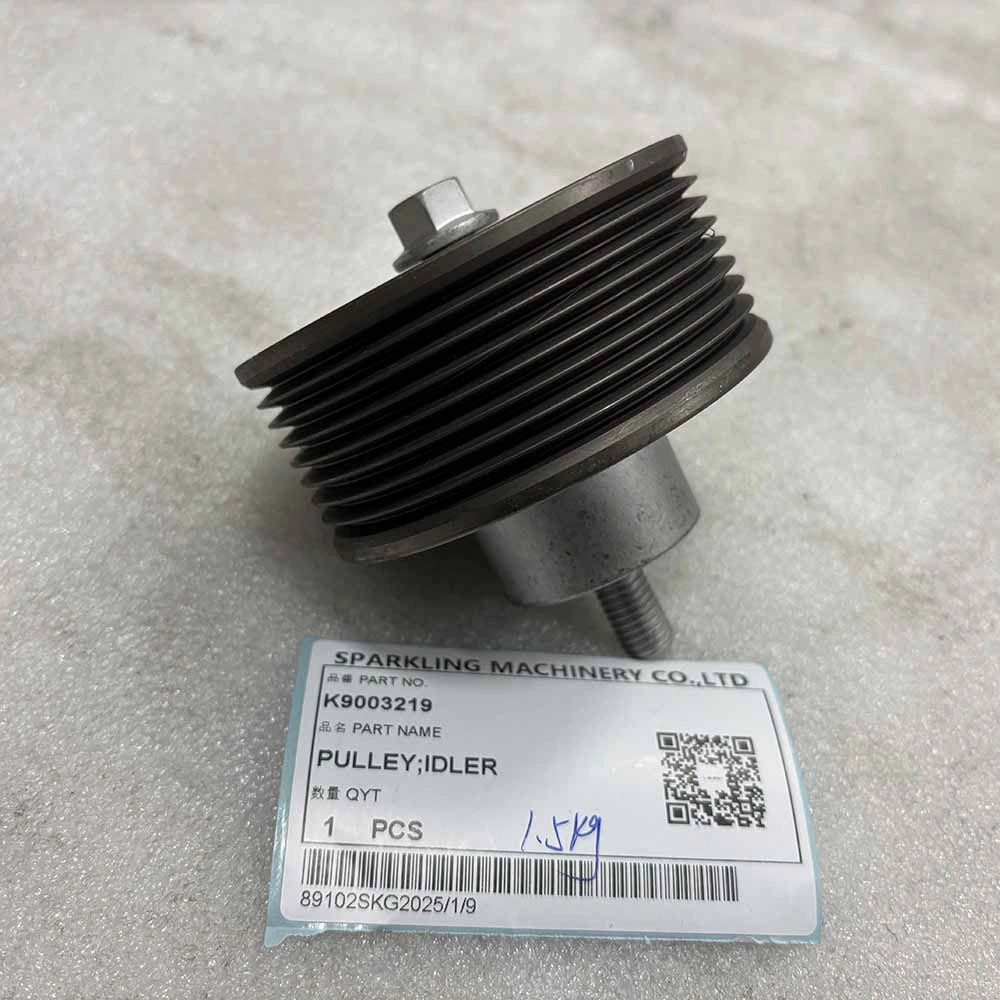
How to Verify Genuine K9003219 Pulley Parts for DL450
What are the application scenarios of Excavator Sealing Parts?
Wholesale Wheel excavator rear drivetrain manufacturer and supplier
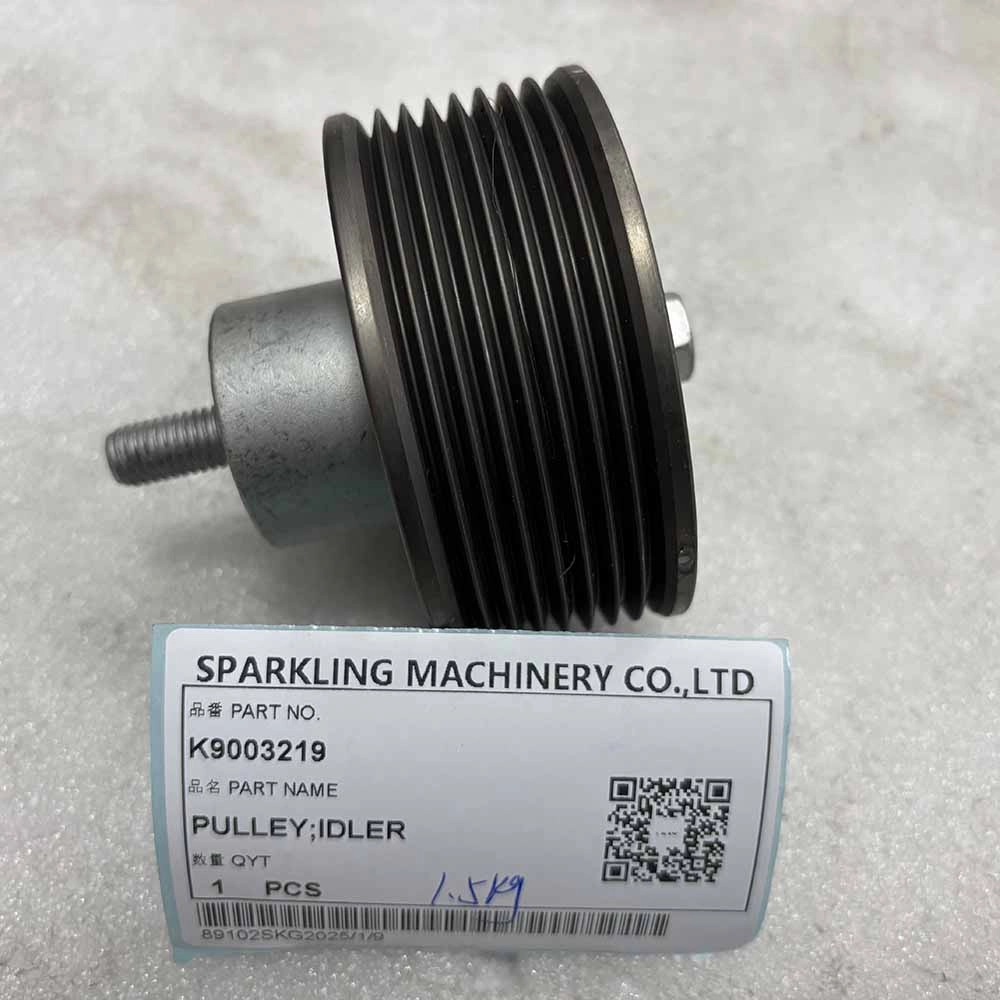
Essential Tools for Installing K9003219 Pulley Idler
faq
What types of excavator parts do you manufacture?
We manufacture a wide range of excavator parts, including hydraulic components, undercarriage parts, engine parts, wear parts, and more. Our products are designed to fit a variety of excavator models and are built to meet the highest quality standards.
Can I get technical support for installing your parts?
Absolutely. We provide technical support and guidance for the installation and maintenance of our parts. Our team is available to assist you with any questions or concerns to ensure proper installation and optimal performance.
How do you ensure the quality of your parts?
We follow strict quality control procedures throughout the manufacturing process. Our parts are tested for durability, performance, and precision to ensure they meet industry standards and exceed customer expectations.
Do you offer customized parts?
-
Yes, we offer tailored solutions to meet specific customer requirements. Whether you need custom dimensions or specialized features, we can design and produce parts that perfectly match your excavator’s needs.
-
What is the lead time for receiving excavator parts?
Our typical lead time depends on the complexity and quantity of the order. For standard parts, delivery usually takes between 7 to 14 days. For custom orders, the lead time may vary, but we always strive to ensure timely delivery.
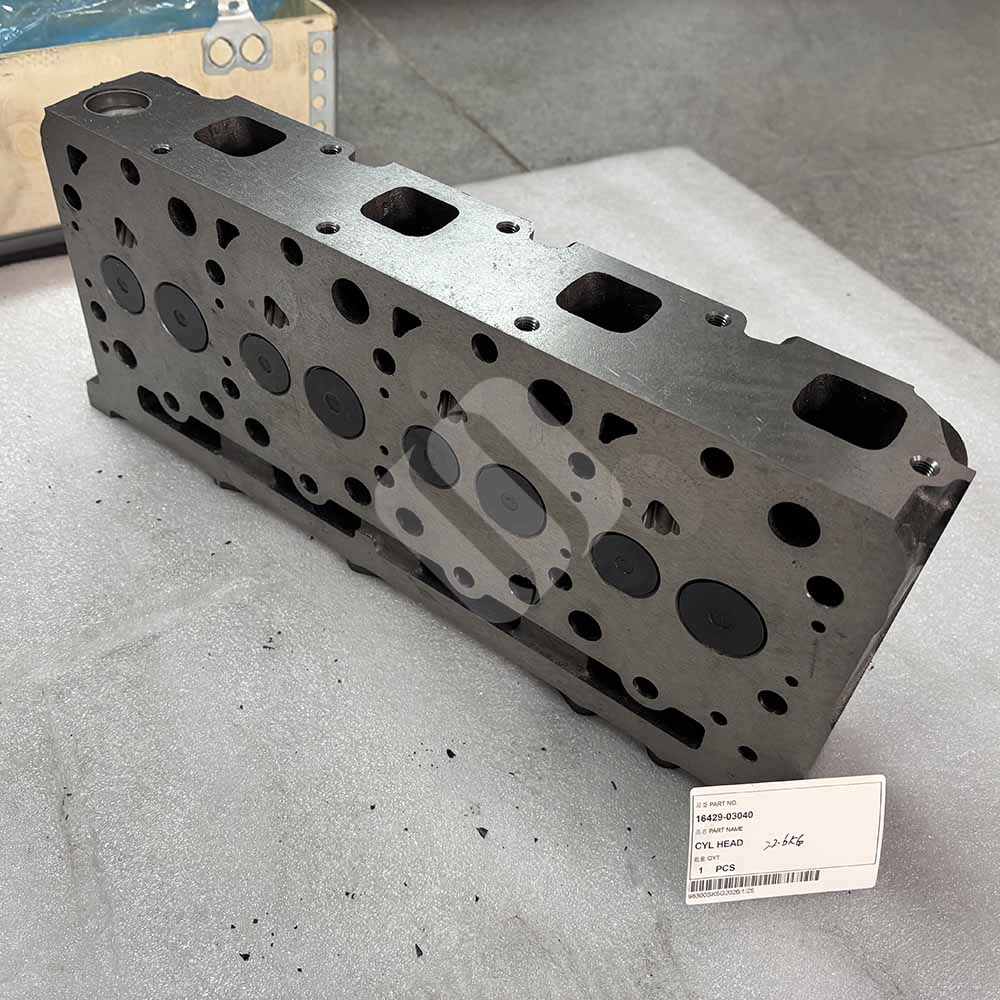
16429-03040 Engine Cylinder Head for Kubota Excavator KX121-3 KX161-3 U45
The 16429-03040 Cylinder Head is a high-precision engine component specifically designed for Kubota KX121, KX161, and U45 excavators powered by V2203/V2403 engines. Manufactured from premium alloy cast iron, it ensures exceptional thermal stability and pressure resistance, restoring your engine's compression and fuel efficiency to factory standards.
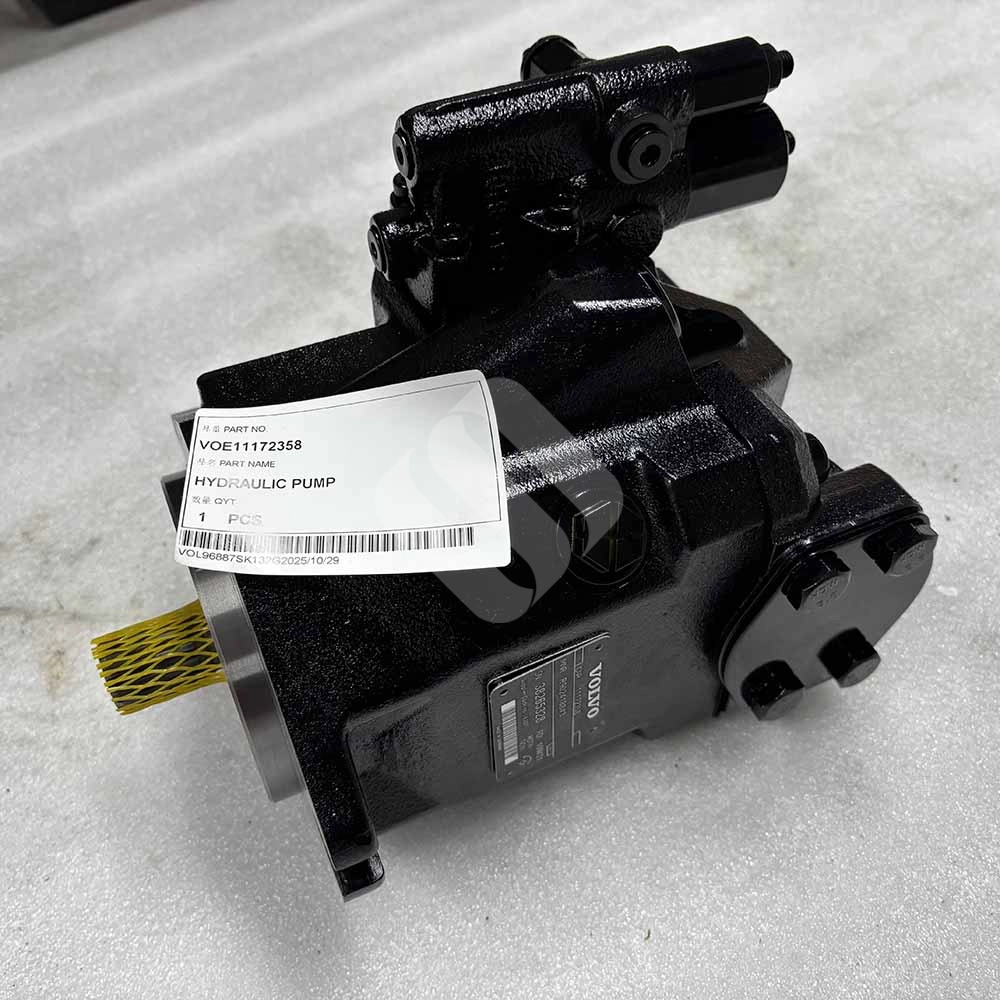
VOE11172358 11172358 Hydraulic Pump for Volvo Wheel Loader L60E L70E L90E L110E L60F L70F L90F L120F
VOE11172358 is the part number for a hydraulic pump (specifically a hydraulic main or auxiliary pump) designed for several Volvo wheel loaders.
Technical Specifications
Part Numbers: VOE11172358, 11172358, and cross-reference number R986110567.
Weight: Approximately 20kg.
Type: Tyrone-type pump or piston-style auxiliary pump.
Compatible Volvo Models
This pump is compatible with a wide range of Volvo wheel loader series, including:
L60 Series: L60E, L60F, L60GZ.
L70 Series: L70E, L70F.
L90 Series: L90E, L90F, L90GZ.
L110 Series: L110E, L110F.
L120 Series: L120E, L120F, L120GZ.
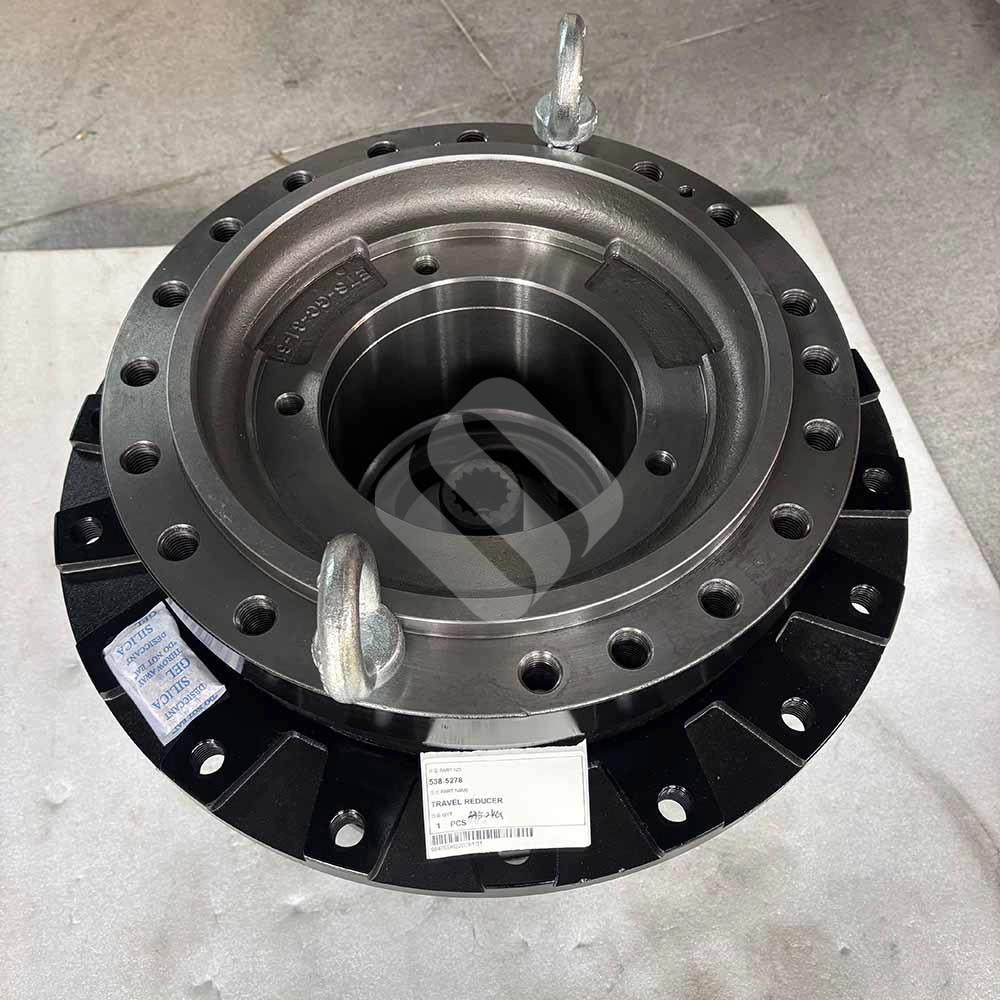
Travel Reducer 538-5278 for Caterpillar CAT Excavator 330 330GC 330F
This is a specific part number for heavy machinery components.
Part Name: Drive GP-FIN (Final Drive Group) or Travel Gearbox.
Equipment Compatibility: Primarily used for Cat 330, 330 GC, 330F, and 330D2 excavators.
Function: It serves as the reduction unit that converts hydraulic power into mechanical rotation to drive the excavator's tracks.
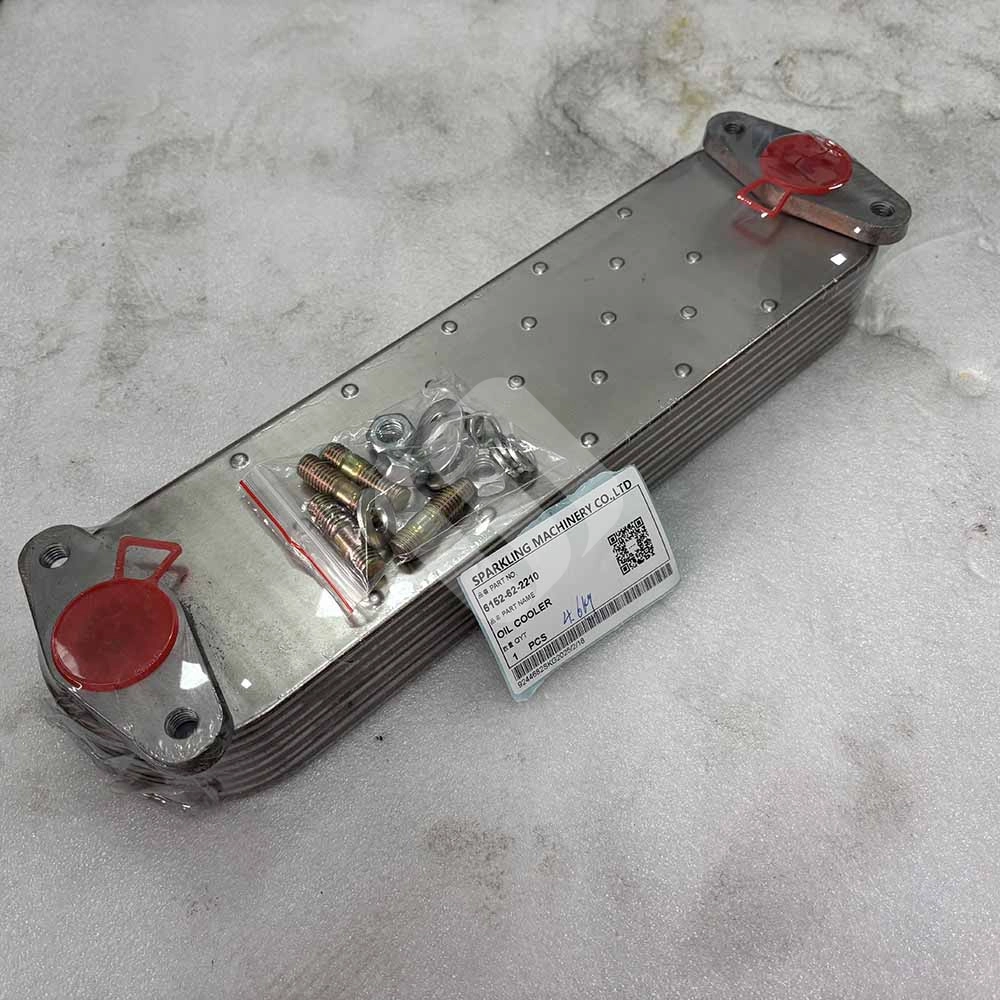
6152-62-2210 Oil Cooler for Komatsu PC400-7 PC400-8 PC400LC-8 & Wheel Loaders WA470-3 WA470-5
The 6152-62-2210 Oil Cooler is a critical thermal management component for Komatsu PC400-7, PC400-8, PC400LC-8 excavators and WA470-3, WA470-5 wheel loaders. It efficiently dissipates heat from engine and hydraulic oil, maintaining optimal operating temperatures to prevent overheating, reduce component wear, and ensure continuous heavy-duty performance in construction and mining environments.
Key Features
· Material: Often made of stainless steel in aftermarket versions.
· Design: 8-plate (8P) design.
· Weight: Approximately 4.74 kg (net weight).
· OEM-Perfect Fit: Matches original mounting and flow specs for direct, modification-free installation.
· High Cooling Efficiency: Optimized fin-and-tube design maximizes heat exchange, keeping oil temperatures stable.
Compatible Equipment
· Excavators: PC400-7, PC400-8, PC400LC-8, PC450-8, PC450LC-8, PC490-10, PC490LC-10, PC550LC-8.
· Wheel Loaders: WA470-3, WA470-5, WA480-6.
· Dump Trucks: HM300-2, HM300-3.
· Dozers: D85EX/PX series.

Contact us
Email: ranroswang@hksparkling.com
Wechat: +86 136 0901 0879
Skype: foreverlucia1
WhatsApp: +86 136 0901 0879
Address: No. 514-515, Hulin Road, Tianhe District, Guangzhou, China.
Sparkling Machinery Co.,Ltd
sparkling_machinery
Whatsapp: +8613609010879