 ranroswang@hksparkling.com
  +86 138 2341 8469


How to Inspect Undercarriage Parts of Excavator 2026
- How to Inspect Undercarriage Parts of Excavator 2026
- Why inspecting parts of excavator undercarriage matters
- Safety first: preparation and required tools for undercarriage inspection
- Step 1 — Clean and visually inspect all parts of excavator undercarriage
- Step 2 — Check track tension and alignment (key to undercarriage life)
- Step 3 — Measure chain/pin & bushing wear for parts of excavator
- Step 4 — Inspect rollers, carrier rollers and idlers
- Step 5 — Assess sprockets and tooth wear
- Step 6 — Evaluate track shoes and bolts
- Step 7 — Look for frame and structural issues impacting undercarriage parts of excavator
- Step 8 — Lubrication, seals and final drives
- Inspection frequency and a practical schedule for parts of excavator
- Common undercarriage failure modes and root causes
- Quick reference table — typical wear limits for undercarriage parts of excavator
- Documentation: create a simple undercarriage inspection report
- Replacement strategy and when to buy new parts of excavator
- SPARKLING MACHINERY — how we support undercarriage health and parts of excavator
- Why choose SPARKLING for parts of excavator undercarriage?
- Practical tips to extend the life of parts of excavator undercarriage
- FAQ — common questions about inspecting parts of excavator
- Q: How often should I replace the entire undercarriage?
- Q: Can I replace only a single worn component like a sprocket?
- Q: What are the signs of final drive failure?
- Q: Is there a standardized tool for measuring track wear?
- Q: How can SPARKLING help with replacements and technical support?
- Contact & product CTA
- Sources & references
How to Inspect Undercarriage Parts of Excavator 2026
Why inspecting parts of excavator undercarriage matters
The undercarriage is one of the most expensive and maintenance-intensive systems on an excavator. Regular inspections of parts of excavator undercarriage — including track chains, rollers, idlers, sprockets, shoes, and pins & bushings — reduce downtime, extend component life, and cut lifecycle cost. This guide explains a modern, practical inspection routine (2026 best practices) you can follow on-site with basic tools and real measurements.
Safety first: preparation and required tools for undercarriage inspection
Before any inspection, ensure the machine is parked on firm, level ground, engine off, keys removed, and tracks blocked to prevent movement. Wear PPE: safety boots, gloves, eye protection, and a high-visibility vest. Basic and recommended tools:
- Flashlight and inspection mirror
- Tape measure and steel caliper (digital calipers if available)
- Chain wear gauge or calibrated steel rule for pitch wear
- Feeler gauges and straight edge
- Torque wrench for fastener checks
- Hammer and punch for checking pin play
- Camera or phone to document findings
- Grease gun and cleaning brush/pressure washer for cleaning before inspection
Step 1 — Clean and visually inspect all parts of excavator undercarriage
Start by removing mud, debris, and compacted material from the track shoes, rollers, idlers, and sprocket teeth. A pressure washer is effective but avoid directing high-pressure water at seals. Visual inspection should check for:
- Cracks or broken track shoes
- Missing or loose bolts on shoes and guards
- Uneven wear patterns on shoe faces and sprocket teeth
- Leaking seals at final drives, rollers, and idlers
- Excessive build-up between track pads and frame sections
Step 2 — Check track tension and alignment (key to undercarriage life)
Proper track tension minimizes wear to pins, bushings, rollers, and sprockets. Follow the manufacturer's recommended sag measurement; when not available, a common guideline is 25–45 mm (1–1.75 in) sag on the track mid-span for many medium excavators but always verify with OEM data. Too tight causes premature bushing and roller wear; too loose increases the likelihood of derailment and uneven sprocket wear.
Step 3 — Measure chain/pin & bushing wear for parts of excavator
Pin and bushing wear is often the first wear mode that decides if a chain should be replaced. Methods:
- Use a chain wear gauge or measure pitch elongation: compare the measured distance across a set number of links to the new-chain specification. Many OEMs flag replacement at ~2.5–3.0% pitch elongation (typical industry guidance).
- Check lateral play (side-to-side). Excessive play suggests worn pins/bushings or damaged roller bores.
Step 4 — Inspect rollers, carrier rollers and idlers
Rollers and idlers support the machine weight and guide the track. Look for:
- Flat spots, gouges, or abnormal wear on the roller shell
- Axial movement or slop in the bearing (indicates bearing failure)
- Oil leaks at seals (indicates seal or bearing issues)
Measure roller diameter and compare with new diameter; manufacturers often recommend replacement at around 20% diameter loss or when roller shell thickness reaches a critical value. Check carrier rollers on the top of the track for wear or broken rubber cushions on rubber-mounted types.
Step 5 — Assess sprockets and tooth wear
Sprocket wear patterns are crucial. Signs to replace sprockets include hooked or pointed teeth, missing teeth, or asymmetric wear. If sprockets are worn, replacement of the sprocket and track chain together is often required to avoid accelerated wear of the new component. A practical sign is when more than 25% of tooth height is lost — match to OEM recommendations.
Step 6 — Evaluate track shoes and bolts
Inspect track shoes for cracks, excessive thinning, and bolt condition. Loose or missing track bolts should be tightened to torque spec and replaced if damaged. Check the shoe plate thickness against replacement thresholds. For machines using grouser shoes, inspect the grousers for bending or breakage which reduces traction and increases stress on other undercarriage parts.
Step 7 — Look for frame and structural issues impacting undercarriage parts of excavator
Inspect the track frame, idler brackets, and roller mounts for weld cracks, bent sections, or missing welds. Undetected structural damage can quickly lead to uneven wear across undercarriage components and may present a safety risk. Frame misalignment is often visible as asymmetric track wear or the track running off-center.
Step 8 — Lubrication, seals and final drives
Grease fittings should be functional and application points properly greased. Check final drive oil levels and look for contamination or metal particles in oil—these indicate internal wear. Replace final drive oil and seals at OEM intervals and any time contamination or leaks are found.
Inspection frequency and a practical schedule for parts of excavator
Inspection frequency depends on operating conditions:
- Severe/dirt, rock, or demolition work: daily quick visual checks and weekly detailed inspections.
- Typical construction: every 50–100 operating hours perform a hands-on check; comprehensive inspection every 250–500 hours.
- Long-term storage or low usage: inspect before and after each idle period.
Keep inspection records and photos to spot progressive wear trends; this data supports predictive replacement and cost forecasting.
Common undercarriage failure modes and root causes
Understanding failure modes helps you target corrective actions:
- Excess pin & bushing wear — caused by dirty environments, improper tension, or poor lubrication.
- Uneven sprocket wear — caused by misalignment or using new sprocket with worn chain.
- Roller bearing failure — caused by contamination, seal failure, or impact damage.
- Excessive track shoe wear — caused by abrasive ground conditions or improper usage.
Quick reference table — typical wear limits for undercarriage parts of excavator
Use this table for general guidance; always consult your machine’s OEM manual for precise limits and measurement procedures.
| Component | Typical wear limit / indicator | Inspection method | Source (industry guidance) |
|---|---|---|---|
| Track chain (pin & bushing) | Pitch elongation ~2.5–3.0% (replace at/after this) | Chain wear gauge or measure link pitch over length | Caterpillar / Komatsu guidance |
| Sprocket | Tooth height loss ~25% or hooked/pointed teeth | Visual & measure tooth height vs new | OEM maintenance manuals |
| Rollers / idlers | Shell/diameter loss ~20% or bearing slop/leaks | Measure diameter, check axial play, inspect seals | Industry service standards |
| Track shoes | Cracks, plate thinning, broken grousers; thickness threshold per OEM | Visual & measure plate thickness | Manufacturer recommendations |
Documentation: create a simple undercarriage inspection report
A repeatable inspection report helps track deterioration. Include:
- Date, machine hours, jobsite, and operator
- Photos of each component (left/right and close-up)
- Measured values (pitch elongation, roller diameters, tooth heights)
- Recommended actions (monitor, service, or replace) and estimated cost
Replacement strategy and when to buy new parts of excavator
Deciding whether to repair or replace depends on collective wear: for example, new sprockets on a worn chain will accelerate wear on the new sprocket. Cost-effective strategies include:
- Replace chain and sprocket as a matched set if either is beyond limits
- Schedule roller and idler replacement when bearing wear is detected rather than waiting for failure
- Use remanufactured major components (final drives) only when verified to OEM specs
SPARKLING MACHINERY — how we support undercarriage health and parts of excavator
SPARKLING MACHINERY was founded in 2013, focusing on high-quality excavator parts and committed to stability, precision, and perseverance. We offer a wide range of products, including hydraulic components, undercarriage systems, engine components, electrical components, cabs, mini excavators, and accessories, compatible with top brands such as Caterpillar, Komatsu, Hitachi, Volvo, etc. Through strict manufacturing and quality control, we ensure that our products can operate reliably under various conditions. We provide customized solutions and technical support, meticulous consultation, and continuous after-sales service. We uphold the values of altruism and innovation, provide competitive prices while ensuring quality, and help customers reduce costs. With a global sales network, SPARKLING MACHINERY is a trusted partner in the excavator parts industry. Our vision is to become the world's top excavator parts manufacturer.
Why choose SPARKLING for parts of excavator undercarriage?
SPARKLING’s core competences include precise manufacturing tolerances, strict material selection, and a thorough QC process. Our main product categories relevant to undercarriage health are Wheel Excavator Parts, excavator hydraulic components, excavator engine parts, excavator reducer spare parts, sealing components, excavator electrical system parts, air conditioning system parts, undercarriage components, rubber parts, and excavator radiators. Key advantages:
- Compatibility with major OEM brands — reduces fitment risk
- Custom solutions and technical aftermarket support
- Competitive pricing with documented quality testing
- Global distribution for timely replacement deliveries
Practical tips to extend the life of parts of excavator undercarriage
Small changes to operation and maintenance yield big gains:
- Train operators on correct track tensioning and avoiding sharp turns on abrasive surfaces
- Keep undercarriage clean; avoid packed-in debris that accelerates wear
- Document and trend wear measurements — move from reactive to predictive replacements
- Standardize spare parts and carry critical spares on-site (track shoes, bolts, seals)
FAQ — common questions about inspecting parts of excavator
Q: How often should I replace the entire undercarriage?
A: Replacement intervals vary widely depending on operating conditions. Under heavy use in abrasive environments, expect full undercarriage replacement sooner (thousands of hours), whereas light use extends life. Use measured wear (pitch elongation, sprocket tooth shape, roller diameter) and OEM guidance to decide. Matched replacements (chain + sprocket) often provide the best lifecycle cost.
Q: Can I replace only a single worn component like a sprocket?
A: You can, but mismatched new and old components often shorten the life of the new item. Replace as a matched set when chain pitch elongation or sprocket tooth wear exceed recommended thresholds.
Q: What are the signs of final drive failure?
A: Watch for oil leaks, grinding noises, loss of travel power, or metal debris in the final drive oil. If found, stop operation and inspect; continued use risks catastrophic failure.
Q: Is there a standardized tool for measuring track wear?
A: Several manufacturers make chain wear gauges, and many shops use calipers and fixed-length measurements to calculate pitch elongation. Choose a method consistent with OEM procedures for your machine.
Q: How can SPARKLING help with replacements and technical support?
A: SPARKLING provides replacement undercarriage components compatible with major brands, plus technical consultation to match parts, advise on replacement strategy, and provide after-sales service to ensure correct fit and long-term performance.
Contact & product CTA
If you need parts of excavator undercarriage inspected, measured, or replaced, contact SPARKLING MACHINERY today for technical support and competitive quotes. View our product range or request a tailored solution for wheel excavator parts, hydraulic components, undercarriage components, and more. For immediate assistance, contact our sales team or request a parts catalog—let us help you minimize downtime and lower operating costs.
Sources & references
- Caterpillar Undercarriage Maintenance Guides and Service Manuals (industry OEM standard)
- Komatsu Excavator Undercarriage Inspection and Maintenance Documents
- EquipmentWorld / H&E Equipment Services — articles on undercarriage inspection and maintenance (industry best practices)
- Manufacturer service manuals and technical bulletins from major OEMs (Caterpillar, Komatsu, Hitachi, Volvo)
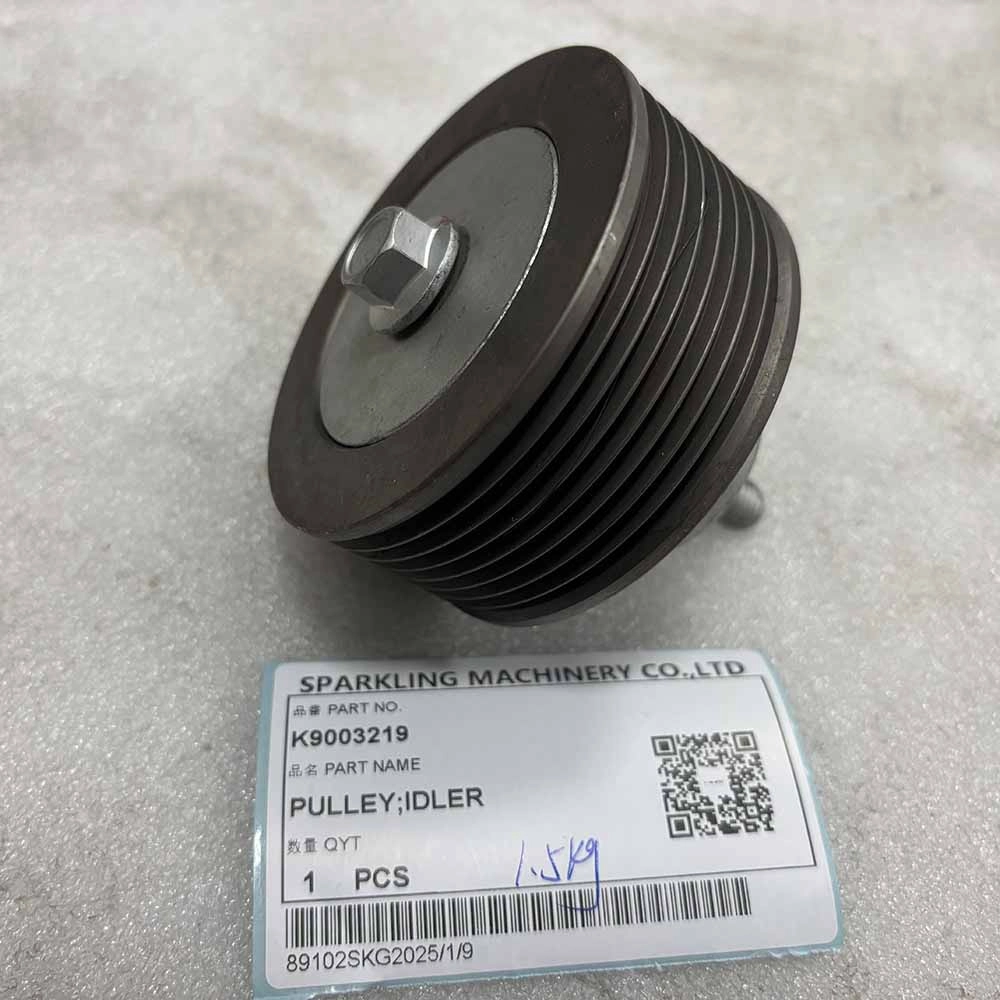
K9003219 Compatibility with Excavator Wheel Loader DL450 Models
Best professional excavator engine overhaul kit manufacturers and supplier brands
The Role of Hydraulic Pumps in Excavator Efficiency
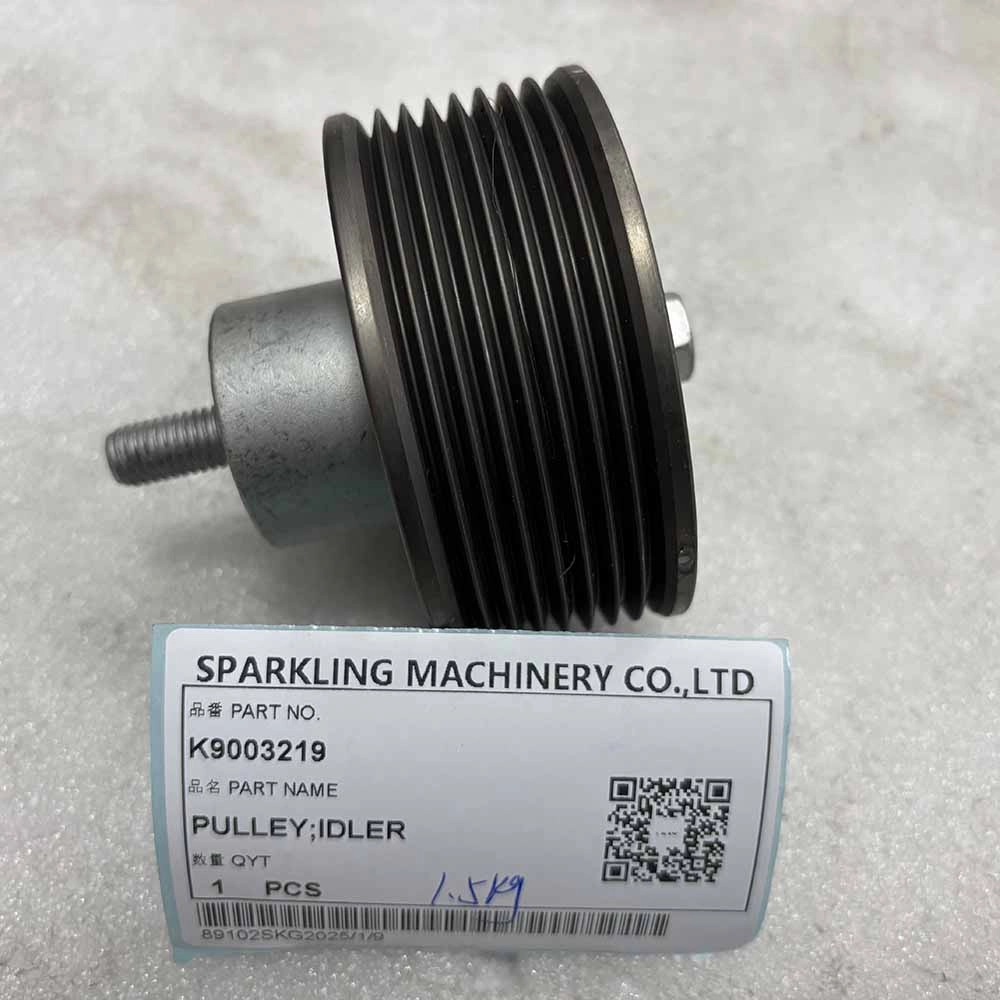
Inventory Strategies for Critical K9003219 Components
faq
What is the lead time for receiving excavator parts?
Our typical lead time depends on the complexity and quantity of the order. For standard parts, delivery usually takes between 7 to 14 days. For custom orders, the lead time may vary, but we always strive to ensure timely delivery.
Do you offer customized parts?
-
Yes, we offer tailored solutions to meet specific customer requirements. Whether you need custom dimensions or specialized features, we can design and produce parts that perfectly match your excavator’s needs.
-
What types of excavator parts do you manufacture?
We manufacture a wide range of excavator parts, including hydraulic components, undercarriage parts, engine parts, wear parts, and more. Our products are designed to fit a variety of excavator models and are built to meet the highest quality standards.
Can I get technical support for installing your parts?
Absolutely. We provide technical support and guidance for the installation and maintenance of our parts. Our team is available to assist you with any questions or concerns to ensure proper installation and optimal performance.
Are your products covered by a warranty?
-
Yes, all of our excavator parts come with a warranty to ensure quality and reliability. The warranty period may vary depending on the type of part. Please contact us for detailed warranty terms for specific products.
-
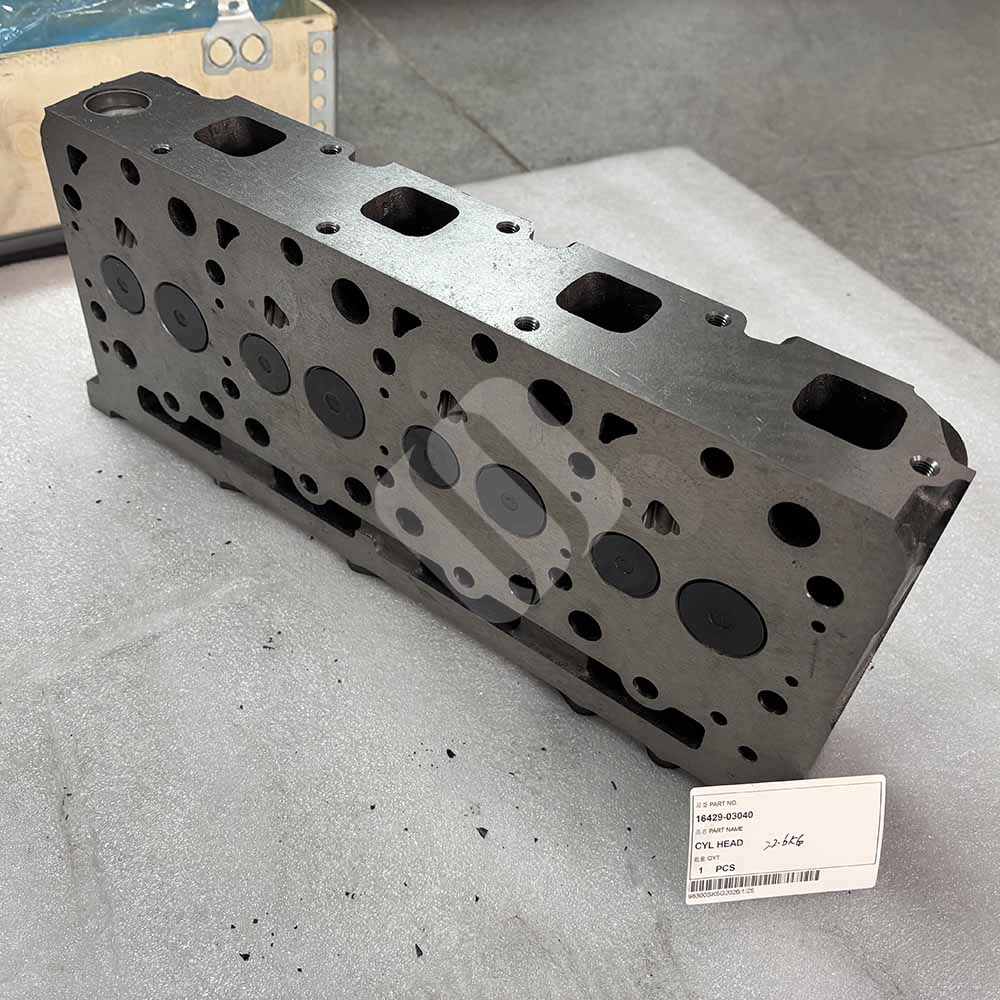
16429-03040 Engine Cylinder Head for Kubota Excavator KX121-3 KX161-3 U45
The 16429-03040 Cylinder Head is a high-precision engine component specifically designed for Kubota KX121, KX161, and U45 excavators powered by V2203/V2403 engines. Manufactured from premium alloy cast iron, it ensures exceptional thermal stability and pressure resistance, restoring your engine's compression and fuel efficiency to factory standards.
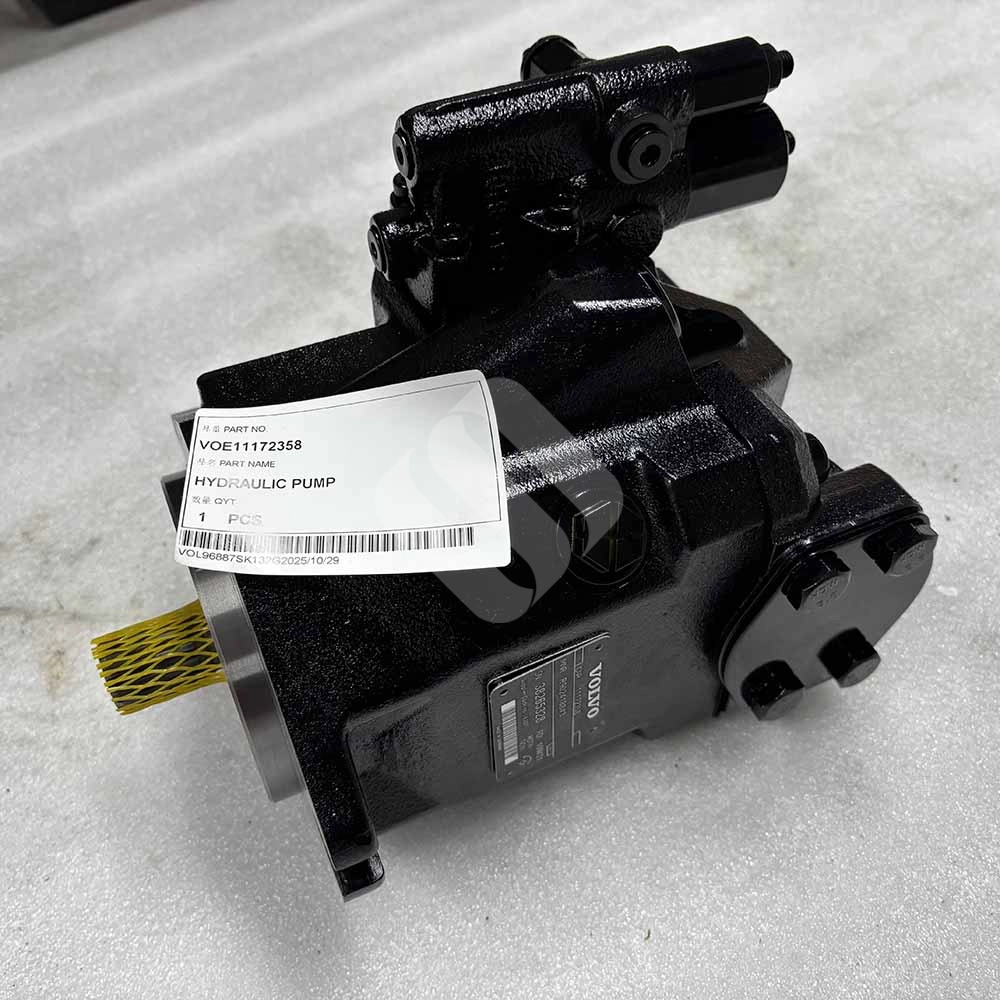
VOE11172358 11172358 Hydraulic Pump for Volvo Wheel Loader L60E L70E L90E L110E L60F L70F L90F L120F
VOE11172358 is the part number for a hydraulic pump (specifically a hydraulic main or auxiliary pump) designed for several Volvo wheel loaders.
Technical Specifications
Part Numbers: VOE11172358, 11172358, and cross-reference number R986110567.
Weight: Approximately 20kg.
Type: Tyrone-type pump or piston-style auxiliary pump.
Compatible Volvo Models
This pump is compatible with a wide range of Volvo wheel loader series, including:
L60 Series: L60E, L60F, L60GZ.
L70 Series: L70E, L70F.
L90 Series: L90E, L90F, L90GZ.
L110 Series: L110E, L110F.
L120 Series: L120E, L120F, L120GZ.
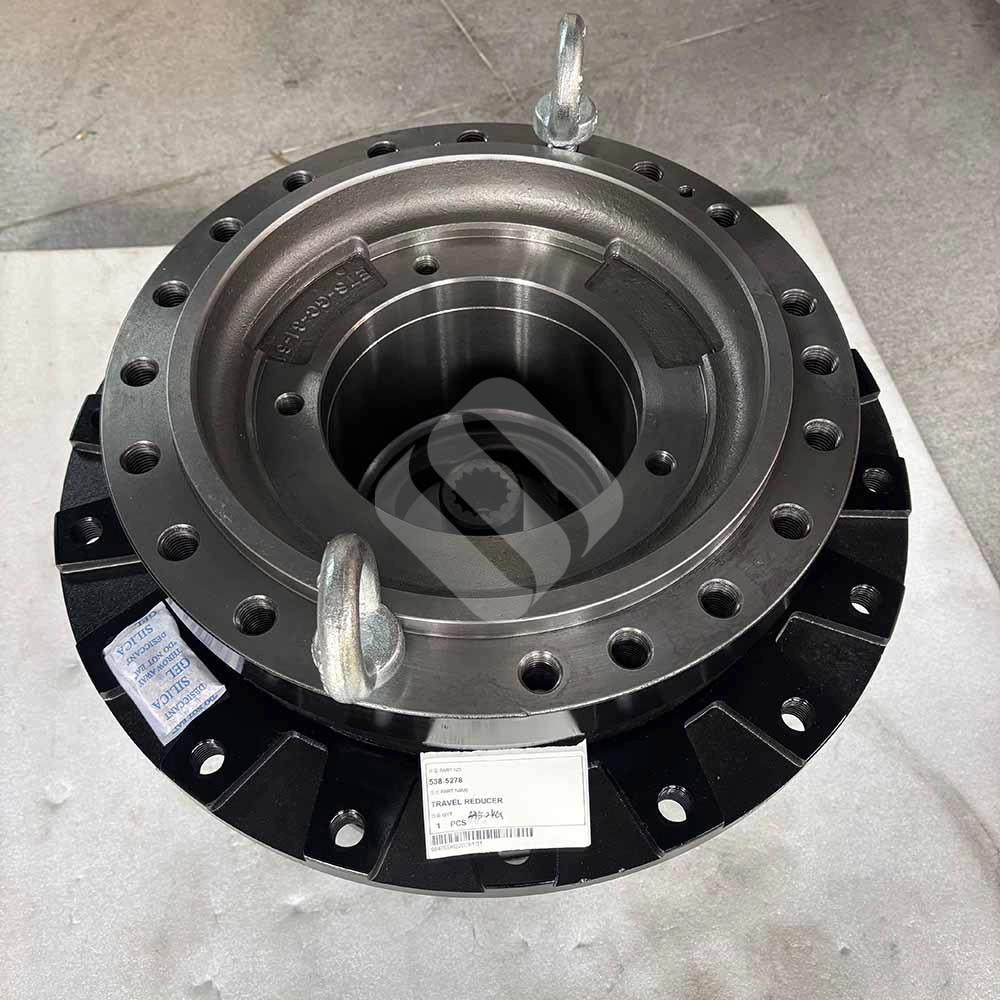
Travel Reducer 538-5278 for Caterpillar CAT Excavator 330 330GC 330F
This is a specific part number for heavy machinery components.
Part Name: Drive GP-FIN (Final Drive Group) or Travel Gearbox.
Equipment Compatibility: Primarily used for Cat 330, 330 GC, 330F, and 330D2 excavators.
Function: It serves as the reduction unit that converts hydraulic power into mechanical rotation to drive the excavator's tracks.
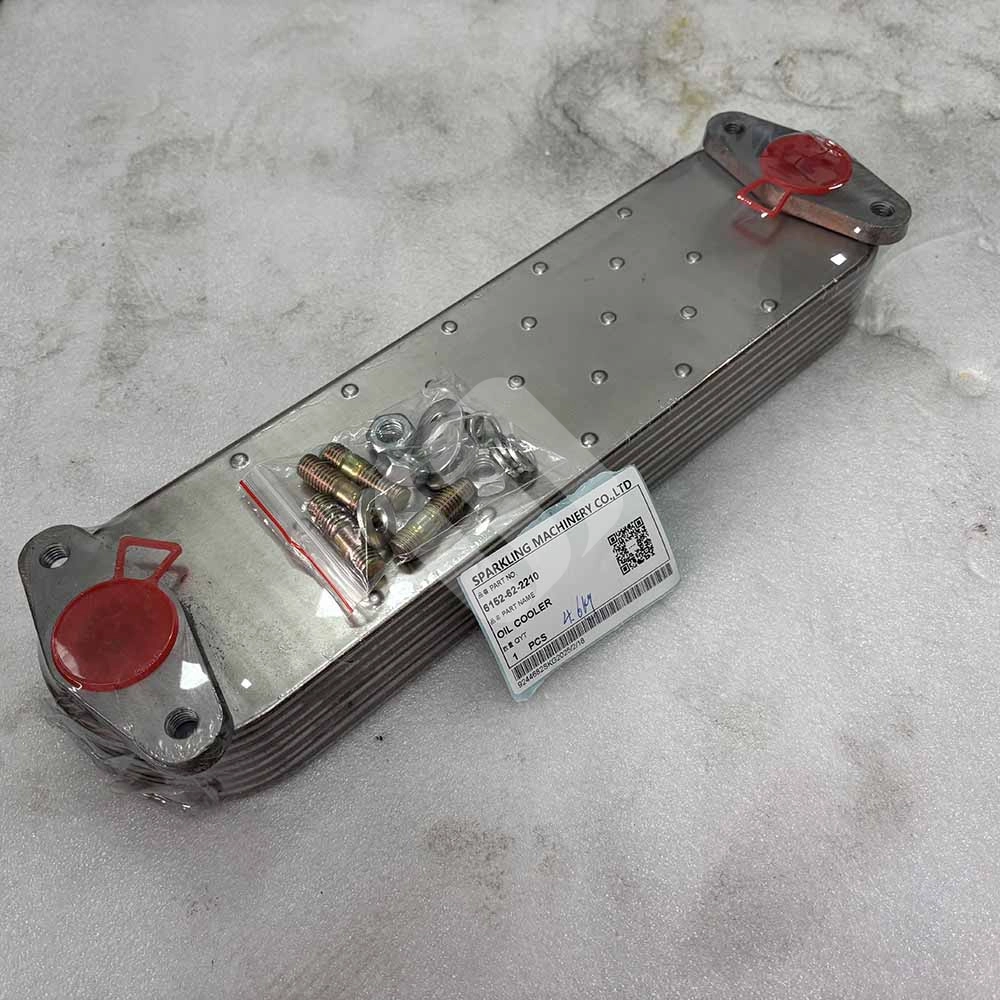
6152-62-2210 Oil Cooler for Komatsu PC400-7 PC400-8 PC400LC-8 & Wheel Loaders WA470-3 WA470-5
The 6152-62-2210 Oil Cooler is a critical thermal management component for Komatsu PC400-7, PC400-8, PC400LC-8 excavators and WA470-3, WA470-5 wheel loaders. It efficiently dissipates heat from engine and hydraulic oil, maintaining optimal operating temperatures to prevent overheating, reduce component wear, and ensure continuous heavy-duty performance in construction and mining environments.
Key Features
· Material: Often made of stainless steel in aftermarket versions.
· Design: 8-plate (8P) design.
· Weight: Approximately 4.74 kg (net weight).
· OEM-Perfect Fit: Matches original mounting and flow specs for direct, modification-free installation.
· High Cooling Efficiency: Optimized fin-and-tube design maximizes heat exchange, keeping oil temperatures stable.
Compatible Equipment
· Excavators: PC400-7, PC400-8, PC400LC-8, PC450-8, PC450LC-8, PC490-10, PC490LC-10, PC550LC-8.
· Wheel Loaders: WA470-3, WA470-5, WA480-6.
· Dump Trucks: HM300-2, HM300-3.
· Dozers: D85EX/PX series.

Contact us
Email: ranroswang@hksparkling.com
Wechat: +86 136 0901 0879
Skype: foreverlucia1
WhatsApp: +86 136 0901 0879
Address: No. 514-515, Hulin Road, Tianhe District, Guangzhou, China.
Sparkling Machinery Co.,Ltd
sparkling_machinery
Whatsapp: +8613609010879