 ranroswang@hksparkling.com
  +86 138 2341 8469


Quality Tests to Request for K9003219 Pulley Idlers
- Critical Dimensional and Visual Inspections for K9003219 Idler Pulley
- Visual and Surface Finish Inspection
- Dimensional Tolerancing and Geometric Check (Run-out / Concentricity)
- Material, Hardness and Metallurgical Testing
- Material Verification and Chemical Analysis
- Hardness and Microstructure Evaluation
- Bearing, Lubrication and Dynamic Performance Tests
- Bearing Assembly, Preload and Torque Tests
- Dynamic Balance, Vibration and Noise Testing
- Environmental Durability and Endurance Tests
- Salt Spray / Corrosion Resistance
- Endurance (Fatigue) and Thermal Cycling
- Corrosion & Environmental Standards References
- How to Specify Tests and Interpret Results for Procurement
- Test Plan Template and Certificates to Request
- Interpreting Test Data: Practical Acceptance Rules
- Comparison Table: Recommended Tests, Purpose and Typical Acceptance Criteria
- Standards and Authoritative References to Support Test Selection
- Practical Tips for Field Maintenance Teams
- Installation Best Practices
- Ongoing Monitoring and Predictive Checks
- FAQs — Quality Tests for K9003219 Idler Pulley
- Q: What are the single most important tests to request for critical pulleys?
- Q: Do I need full endurance testing for every batch of aftermarket pulleys?
- Q: How do I verify a supplier’s quality processes?
- Q: Can a small run-out difference cause big problems on a DL450 wheel loader?
- Q: Where can I find official test standards?
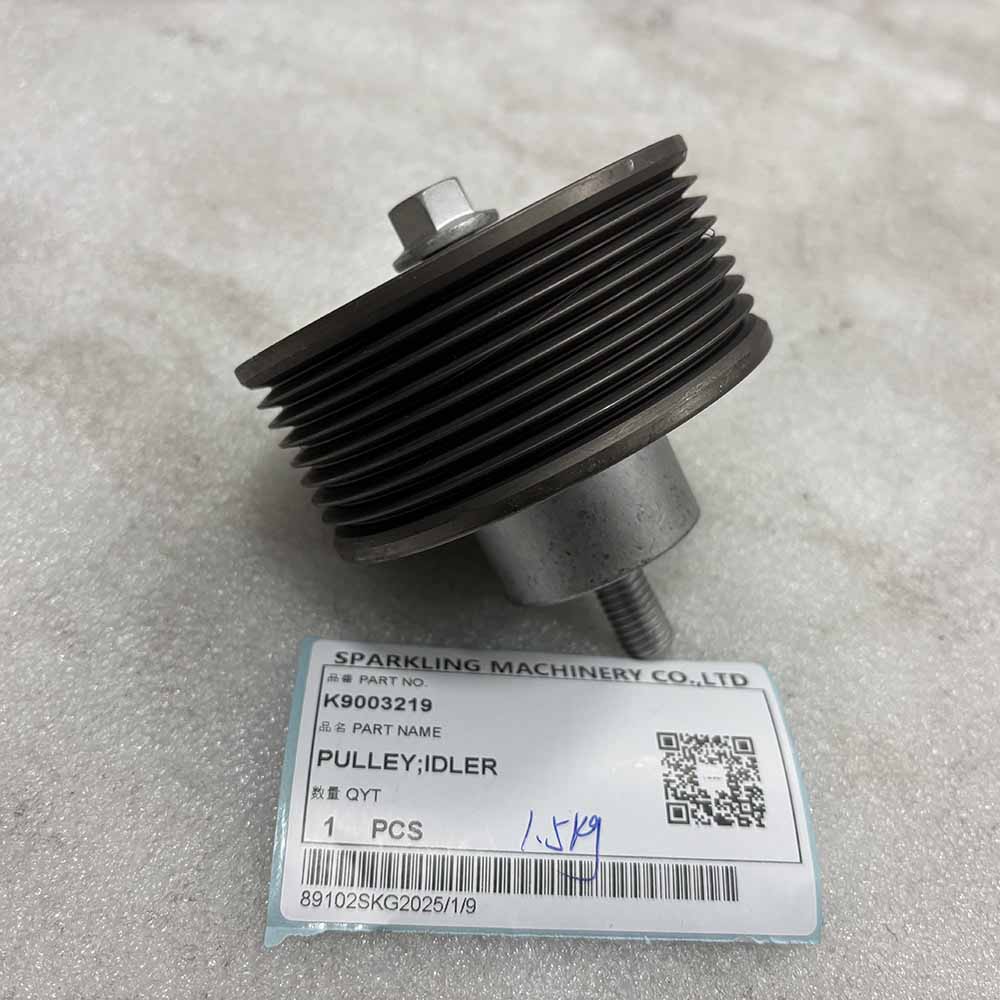
This concise summary is optimized for indexing and search: for operators and maintenance managers of excavator wheel loader fleets, specifying the right quality tests for the 1.5Kg K9003219 PULLEY; IDLER (Doosan/Develon DL450) avoids premature failures, reduces downtime, and ensures belt-driven accessories keep running under heavy load and harsh environments. The guidance below lists the practical tests, methods, pass/fail criteria, and standards references you should request from suppliers or perform in-house.
Critical Dimensional and Visual Inspections for K9003219 Idler Pulley
Visual and Surface Finish Inspection
Start with a thorough visual inspection to detect casting/forging defects, cracks, burrs, corrosion, paint or coating flaws, and improper surface finish that could accelerate belt wear. For an excavator wheel loader such as the Doosan DL450, a damaged pulley surface can increase belt sliding and heat generation under continuous heavy-duty cycles.
Acceptance criteria: no visible cracks, maximum allowable surface roughness Ra specified by manufacturer (typ. Ra ≤ 3.2 µm for contact surfaces), no sharp burrs, and uniform coating.
Dimensional Tolerancing and Geometric Check (Run-out / Concentricity)
Dimensional checks ensure the pulley aligns with the alternator or accessory assembly and maintains proper belt tracking. Use calibrated micrometers, dial indicators, and coordinate measuring machines (CMM) to confirm bore diameter, flange width, groove profile, and total run-out (axial and radial).
Typical acceptance: radial run-out ≤ 0.05 mm and axial run-out ≤ 0.05 mm for accessory pulleys on heavy equipment, though you should refer to the OEM tolerance table for Doosan/Develon components.
Material, Hardness and Metallurgical Testing
Material Verification and Chemical Analysis
Confirm the pulley material (e.g., stamped steel, cast iron, or machined aluminum) and any heat-treatment processes via positive material identification (PMI) or optical emission spectroscopy (OES). Correct material ensures required strength and fatigue life in extreme loading conditions typical for excavator wheel loader operations.
Request the material certificate (chemical composition) from your supplier and verify against OEM specification.
Hardness and Microstructure Evaluation
Measure hardness (Rockwell/Brinell) at specified locations to confirm heat treatment and surface hardness of the contacting surface and bearing seat. Where applicable, send samples or sections for metallographic analysis to detect undesirable microstructures, carburization depth, or decarb layers that can compromise fatigue life.
Common acceptance: hardness values per OEM spec—if not available, typical steel pulleys target Rockwell C (HRC) values consistent with tensile strength for that grade; confirm with supplier documentation.
Bearing, Lubrication and Dynamic Performance Tests
Bearing Assembly, Preload and Torque Tests
The K9003219 Idler Pulley includes bearings critical to belt tension and rotational smoothness. Tests should include bearing visual inspection, axial/radial clearance verification, and static/dynamic torque measurement. Insufficient preload or contaminated bearings will produce noise and premature failure on a DL450 wheel loader.
Acceptance: bearing torque within supplier tolerance, smooth rotation without rough spots, no abnormal play.
Dynamic Balance, Vibration and Noise Testing
Dynamic imbalance causes vibration that shortens bearing and belt life and increases operator fatigue. Use a dynamic balancing machine to measure and correct imbalance. Complement with vibration analysis and acoustic testing on a test rig at operating speeds to ensure NVH (noise, vibration, harshness) is within acceptable levels for heavy machinery.
Recommended targets: vibration levels conforming to ISO 10816 machinery vibration guidelines or equivalent (see ISO reference below).
Environmental Durability and Endurance Tests
Salt Spray / Corrosion Resistance
Wheel loaders operate outdoors with exposure to salt, mud and humidity. For coated or plated pulleys, request salt spray (fog) testing to assess corrosion protection—typically per ASTM B117 or equivalent internal procedures. Verify coating adhesion and performance after exposure cycles.
Endurance (Fatigue) and Thermal Cycling
Endurance testing replicates long-term belt tension and shock loads seen in excavator wheel loader service. Fatigue tests apply cyclic loads to the pulley assembly and bearings until a defined life (hours or cycles) is achieved without failure. Thermal cycling evaluates dimensional and material stability across temperature swings encountered in the field.
Specify the number of cycles/hours relevant to your maintenance interval, for example, a minimum of 500–1,000 hours on a belt-drive test rig or an equivalent cycle count per OEM recommendations.
Corrosion & Environmental Standards References
For general quality systems and supplier control, require ISO 9001 certification evidence from your supplier: ISO 9001 — Quality management systems. For component-level information on pulleys and belts, the public resource on pulleys and belt drives is useful: Pulley — Wikipedia.
How to Specify Tests and Interpret Results for Procurement
Test Plan Template and Certificates to Request
When procuring the 1.5Kg K9003219 PULLEY; IDLER for Doosan DL450 wheel loaders, request the following documents with each batch:
- Material Test Report (MTR) / PMI results
- Dimensional inspection report (CMM printout)
- Hardness test reports with locations
- Bearing certificates and torque test results
- Dynamic balance report and vibration sweep
- Salt spray / corrosion test report if coated
- Endurance test summary (where performed)
Interpreting Test Data: Practical Acceptance Rules
Not all suppliers will run full endurance testing on every batch. Prioritize these acceptance rules:
- If dimensional run-out or balance exceeds the specified tolerance, reject the part.
- Accept material variations only if within OEM chemical limits and backed by MTR.
- Require bearing supplier traceability and batch testing for critical rotating elements.
- For aftermarket sources, insist on a sample endurance run and NVH testing before large orders.
Comparison Table: Recommended Tests, Purpose and Typical Acceptance Criteria
| Test | Purpose | Typical Acceptance |
|---|---|---|
| Visual Inspection | Detect cracks, burrs, coating defects | No cracks; Ra ≤ 3.2 µm on contact surfaces |
| Dimensional & Run-out | Ensure fit, belt alignment | Radial/axial run-out ≤ 0.05 mm (confirm OEM) |
| Material/PMI | Confirm alloy/grade | MTR matches spec/Chemical composition per OEM |
| Hardness | Validate heat treatment | HRC / Brinell per OEM; consistent across samples |
| Bearing torque & clearance | Check smooth rotation and preload | Torque within manufacturer tolerance; no roughness |
| Dynamic balance | Reduce vibration and noise | Balance corrected to spec; vibration per ISO 10816 |
| Salt spray | Assess corrosion resistance | No significant corrosion per ASTM B117 cycles |
| Endurance / Fatigue | Verify life under cyclic loads | No failure for specified cycles/hours |
Standards and Authoritative References to Support Test Selection
Use internationally recognized standards where applicable to frame supplier requirements and testing methods:
- ISO 9001 — Quality management systems (iso.org)
- ISO 10816 — Mechanical vibration (guidance for vibration acceptance limits) (see ISO site)
- ASTM B117 — Salt spray (fog) testing (refer to ASTM)
- Pulleys and belt-drive background: Pulley — Wikipedia
- Context on wheel loaders and heavy equipment: Wheel loader — Wikipedia (useful for fleet engineers specifying duty cycles)
Practical Tips for Field Maintenance Teams
Installation Best Practices
When installing a 1.5Kg K9003219 idler pulley on a Doosan DL450 wheel loader, ensure the belt tension sequence follows OEM torque and alignment procedures. Clean mounting surfaces, inspect the belt for wear, and use a torque wrench to avoid overloading the bearing during assembly.
Ongoing Monitoring and Predictive Checks
Implement simple periodic checks to catch early issues: listen for belt squeal, measure pulley run-out with a dial indicator during routine inspections, and monitor vibration signatures if your fleet uses telematics or vibration sensors. Early replacement of an idler with rising vibration or torque spikes prevents collateral damage to alternator bearings and belts.
FAQs — Quality Tests for K9003219 Idler Pulley
Q: What are the single most important tests to request for critical pulleys?
A: Dimensional/run-out checks, bearing torque/clearance tests, and a dynamic balance report are the most critical. These directly affect belt tracking, vibration, and component life on excavator wheel loader duty cycles.
Q: Do I need full endurance testing for every batch of aftermarket pulleys?
A: Not necessarily. For production efficiency, require sample-based endurance testing plus certificate of conformity, while performing 100% dimensional, bearing, and balancing checks on each unit. For first-time suppliers, insist on full endurance validation before approving large orders.
Q: How do I verify a supplier’s quality processes?
A: Ask for ISO 9001 certification, process control plans, MTRs, and a number of inspection reports per batch. If possible, audit the supplier or use a third-party inspection service.
Q: Can a small run-out difference cause big problems on a DL450 wheel loader?
A: Yes. Even small run-out can translate to belt vibration and accelerated bearing wear under the heavy, continuous loading typical of wheel loader operations. Maintain tight run-out tolerances and dynamic balance correction.
Q: Where can I find official test standards?
A: Key standards include ISO 9001 for quality management, ASTM B117 for salt spray, and ISO 10816 for vibration criteria. Public summaries are available on ISO and ASTM/standards bodies; specific test procedures may require purchase or official access.
If you need a ready-to-use inspection checklist, sample test plan, or batch acceptance template for the 1.5Kg K9003219 PULLEY; IDLER for Doosan (Develon) DL450 wheel loader, contact our parts experts. View the product page or request testing documentation and pricing: View K9003219 Pulley or Contact Sales.
Evaluating Material Quality in Excavator Hubs
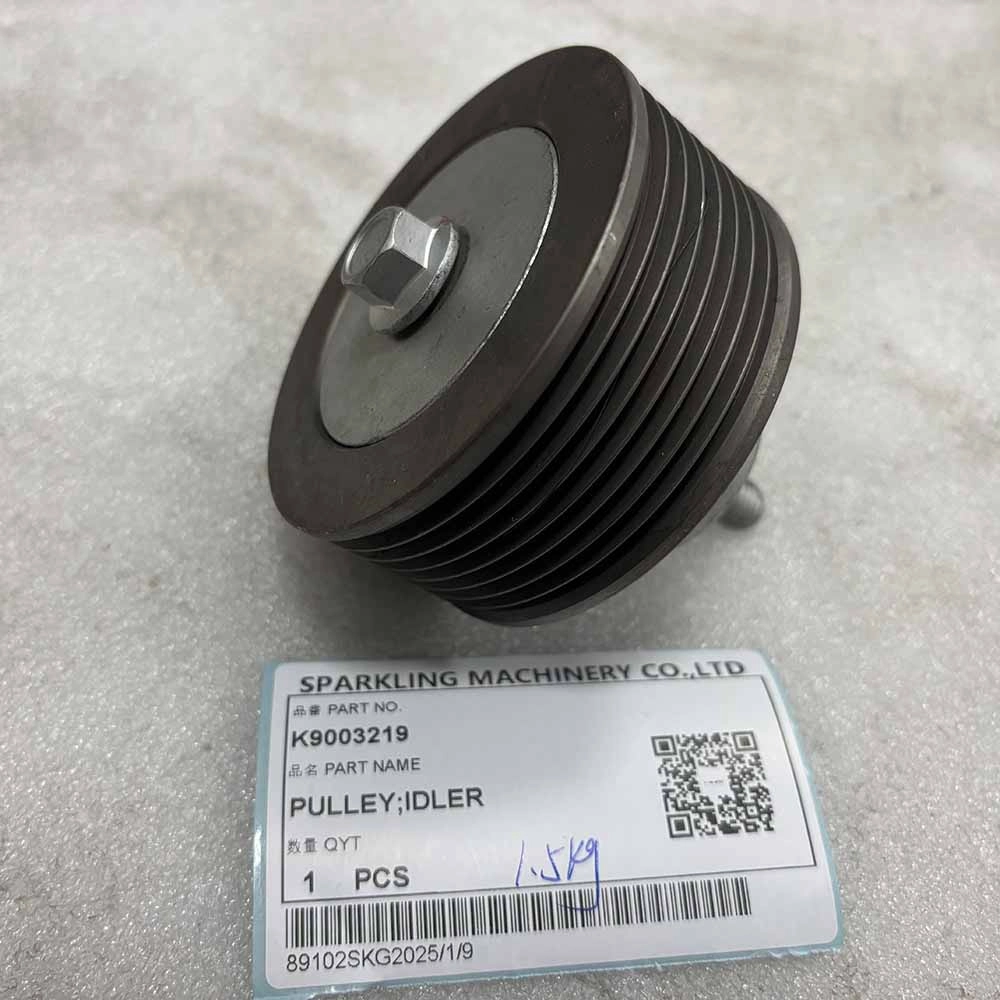
Troubleshooting Noise and Vibration from Pulley Idlers
What are the application scenarios of Excavator Air Conditioning Parts?
The B2B Buyer’s Guide to Undercarriage Parts for Excavators
faq
How do you ensure the quality of your parts?
We follow strict quality control procedures throughout the manufacturing process. Our parts are tested for durability, performance, and precision to ensure they meet industry standards and exceed customer expectations.
Are your products covered by a warranty?
-
Yes, all of our excavator parts come with a warranty to ensure quality and reliability. The warranty period may vary depending on the type of part. Please contact us for detailed warranty terms for specific products.
-
Do you offer customized parts?
-
Yes, we offer tailored solutions to meet specific customer requirements. Whether you need custom dimensions or specialized features, we can design and produce parts that perfectly match your excavator’s needs.
-
What types of excavator parts do you manufacture?
We manufacture a wide range of excavator parts, including hydraulic components, undercarriage parts, engine parts, wear parts, and more. Our products are designed to fit a variety of excavator models and are built to meet the highest quality standards.
What is the lead time for receiving excavator parts?
Our typical lead time depends on the complexity and quantity of the order. For standard parts, delivery usually takes between 7 to 14 days. For custom orders, the lead time may vary, but we always strive to ensure timely delivery.
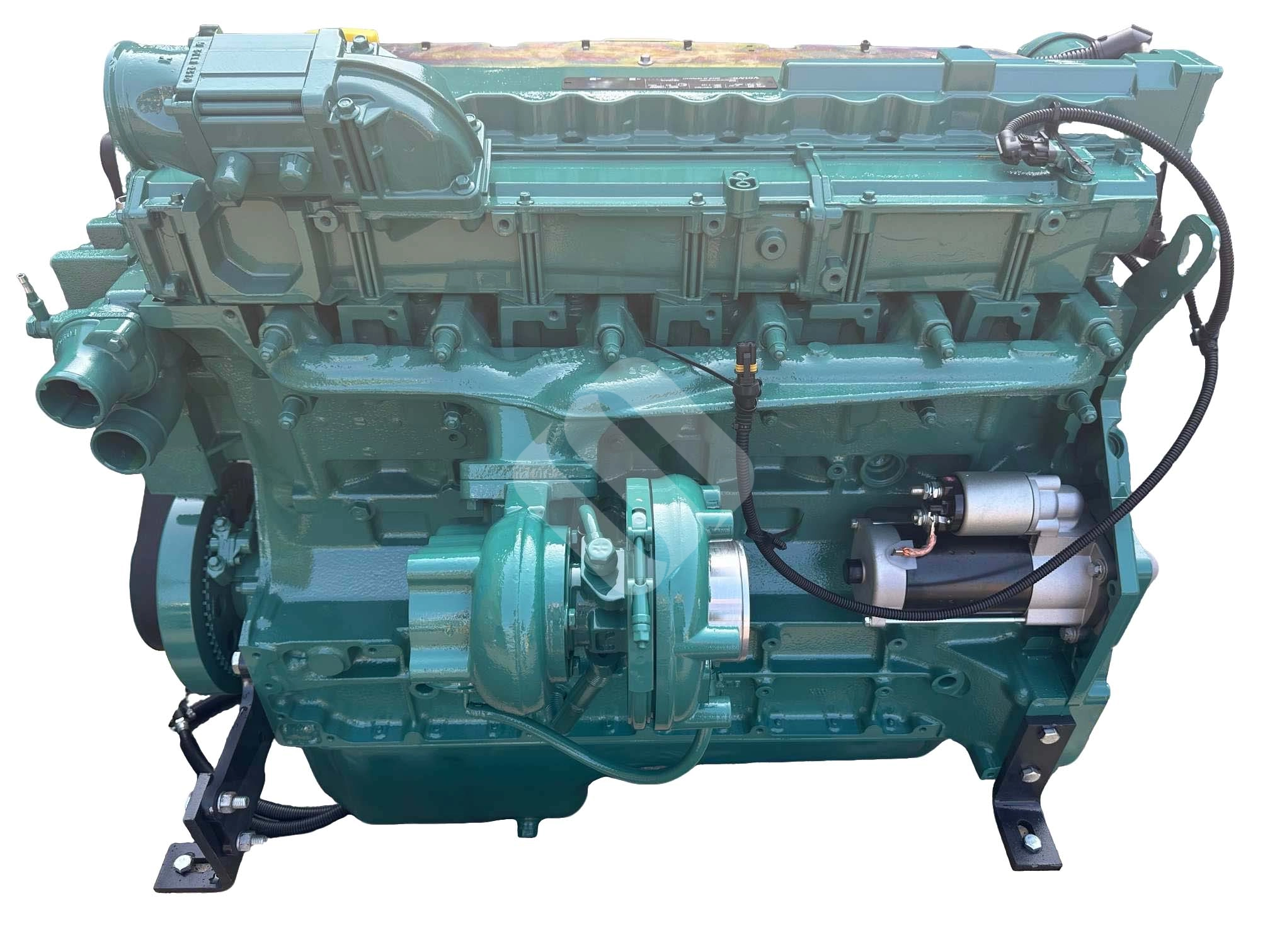
Volvo D7E Engine for L120GZ Wheel Loader | 7.1L 6-Cylinder Turbocharged Diesel
The Volvo D7E for the L120GZ is a workhorse designed for high-performance loading and carrying. The L120GZ is often deployed in demanding environments like quarries and bulk material handling, and the D7E provides the high rimpull and hydraulic power necessary for these tasks.
Utilizing a High-Pressure Common Rail (HPCR) system and an electronic engine management system, this engine delivers exceptional response times and maintains peak torque across a wide RPM range. This ensures the L120GZ can fill the bucket quickly and travel efficiently under load.
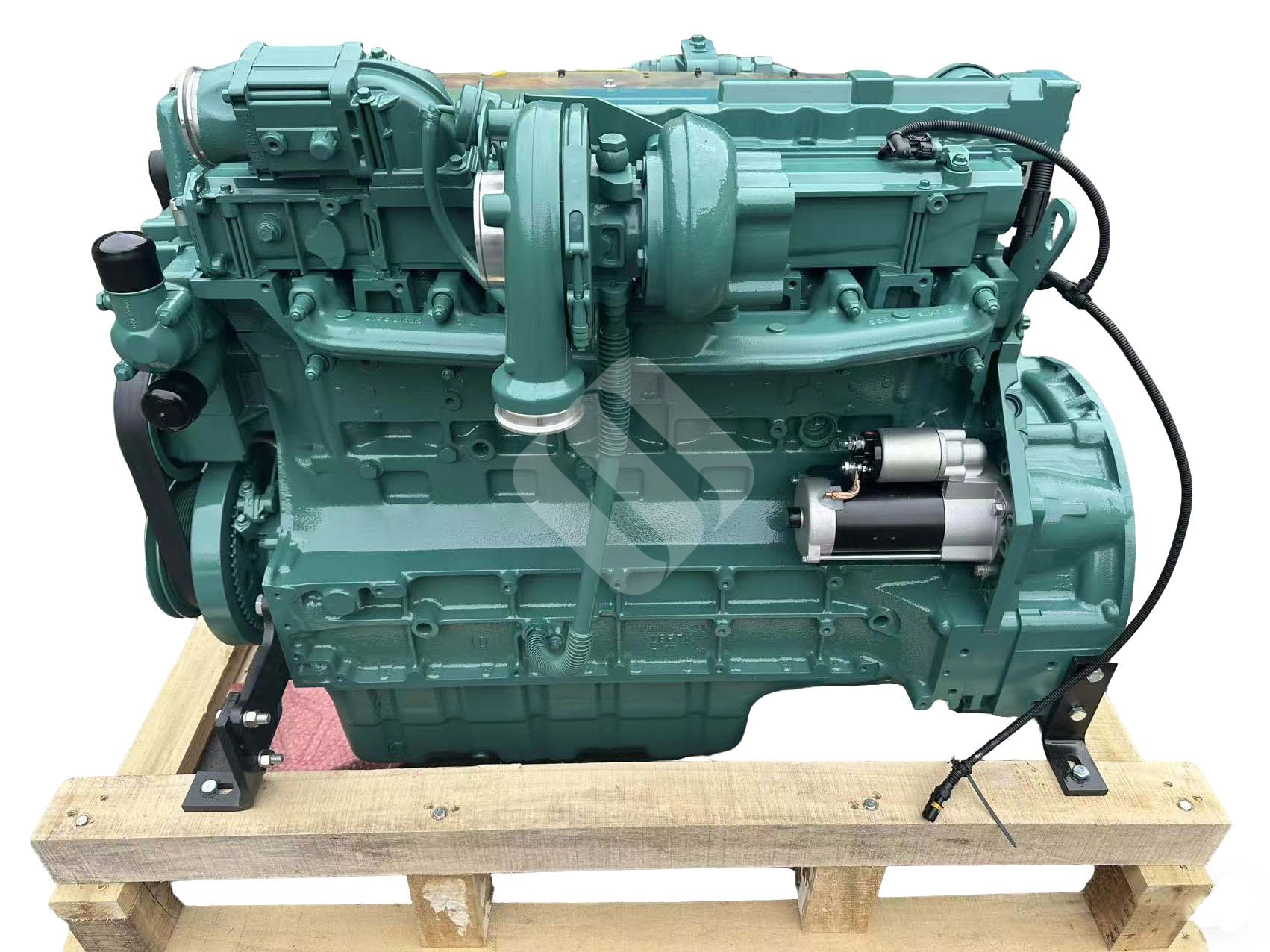
Volvo D7E Diesel Engine for Excavator | 7.2L 6-Cylinder Common Rail Turbo Motor
The Volvo D7E is engineered to deliver maximum productivity while significantly reducing fuel consumption. By utilizing a high-pressure common rail fuel system and electronic engine management, it responds faster to hydraulic demands than previous generations.
The heart of this engine is the V-ACT (Volvo Advanced Combustion Technology), which manages injection timing and air-to-fuel ratios to ensure a cleaner burn. This allows the engine to meet stringent Tier 3 standards while providing the massive breakout force required for 24-30 ton excavators.
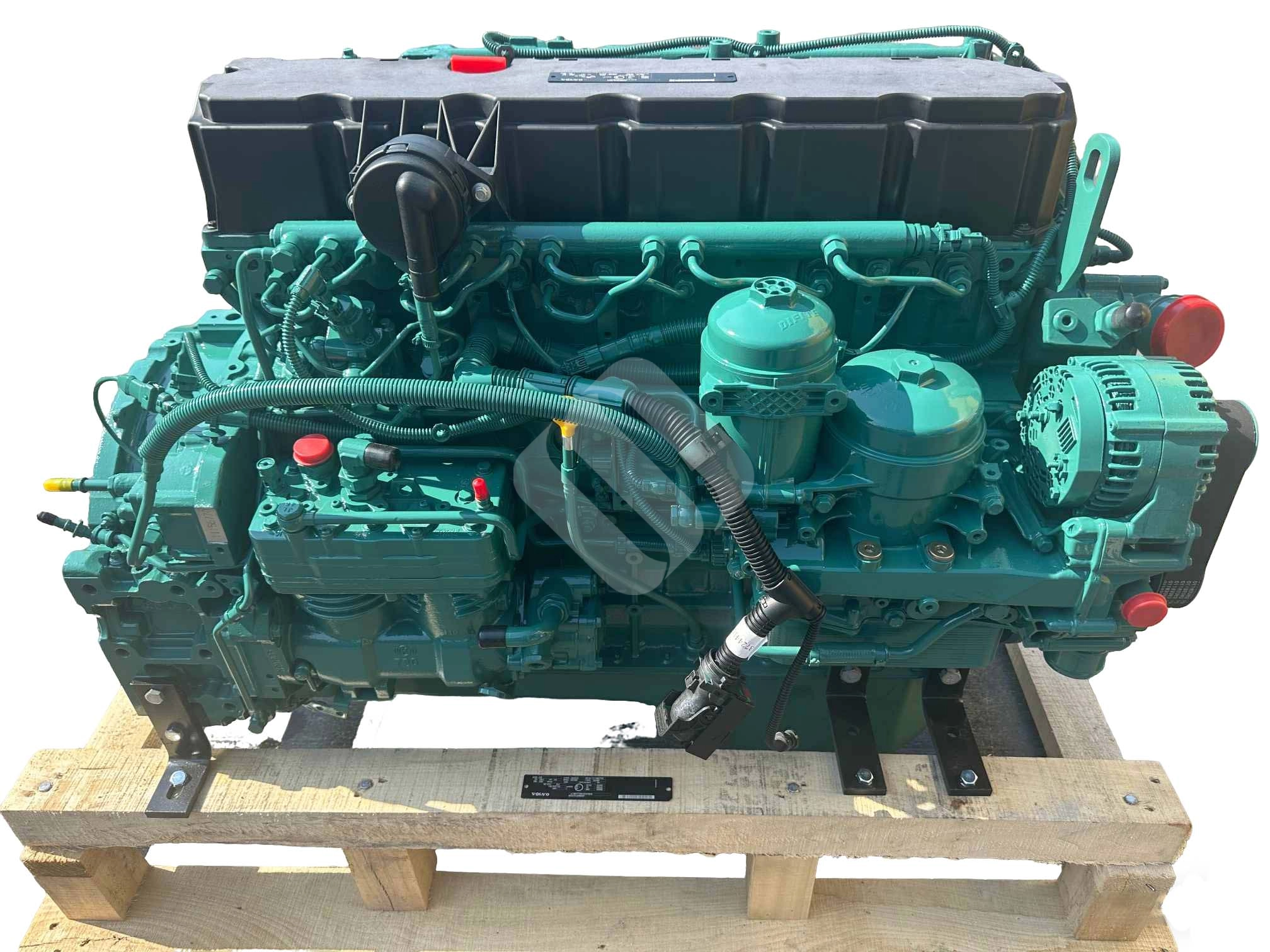
Volvo D7E Diesel Engine | 7.2L 6-Cylinder Common Rail Turbo Engine
The Volvo D7E is designed for high productivity and industry-leading fuel efficiency. By utilizing a high-pressure common rail system and electronic engine management, it provides a faster response to hydraulic loads compared to its predecessors.
The D7E is widely praised for its "V-ACT" combustion system, which optimizes the air-to-fuel ratio to reduce emissions and noise without requiring a Diesel Particulate Filter (DPF) in most Tier 3 configurations. It is the heart of Volvo's 24-to-30 ton machine range.
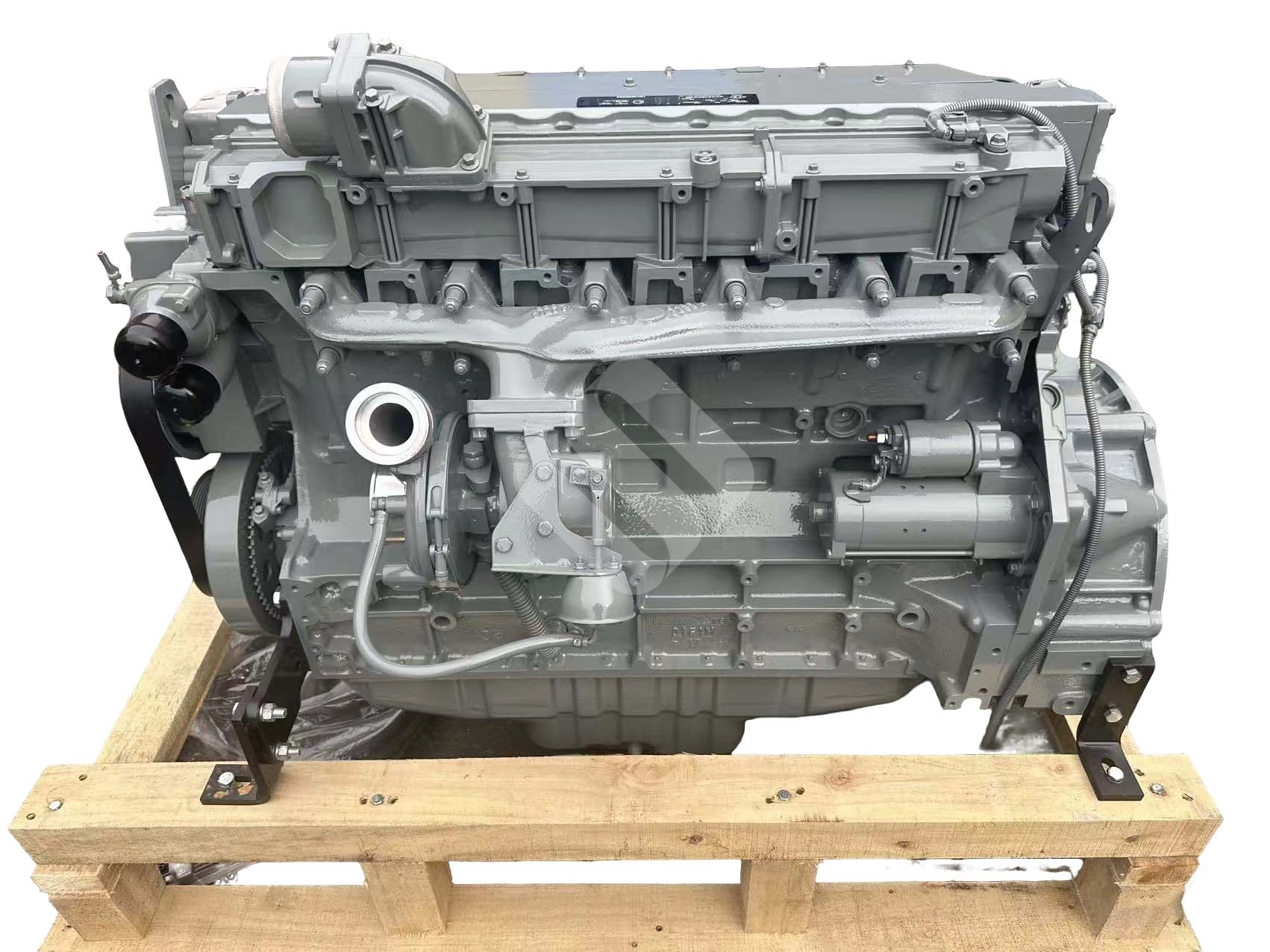
DEUTZ TCD2013L062V Diesel Engine | 7.15L 6-Cylinder Common Rail Industrial Motor
The DEUTZ TCD2013L062V is a water-cooled, inline 6-cylinder engine that represents the peak of 7-liter industrial power. By combining the mechanical robustness of the 1013 block with the precision of modern electronic common-rail injection, this engine offers a highly efficient power-to-weight ratio.
It is designed for high-intensity duty cycles in construction and agricultural machinery, providing smooth power delivery and significantly reduced exhaust emissions compared to previous generations.

Contact us
Email: ranroswang@hksparkling.com
Wechat: +86 136 0901 0879
Skype: foreverlucia1
WhatsApp: +86 136 0901 0879
Address: No. 514-515, Hulin Road, Tianhe District, Guangzhou, China.
Sparkling Machinery Co.,Ltd
sparkling_machinery
Whatsapp: +8613609010879