 ranroswang@hksparkling.com
  +86 138 2341 8469


Oil Cooler Leak Fix Guide: Diagnose, Repair & Prevent for Heavy Machinery
- I. What Is an Oil Cooler Leak?
- III. 4 Symptoms Tell You an Oil Cooler Leak
- 1. External Fluid Leaks
- 2. Internal Fluid Contamination
- 3. Engine Performance Issues
- 4. Other Physical Signs
- IV. Can I Operate With a Bad Oil Cooler?
- V. Oil Cooler Leak Consequences
- VI. What to Do When You Suspect an Oil Cooler Leak?
- VII. Leaking Oil Cooler Step-by-Step Replacement Guide
- VIII. How to Prevent the Oil Cooler Leak?
- IX. How Long Does an Oil Cooler Last?
- X. Oil Cooler Leak Replacement Cost
- XI. Conclusion
I. What Is an Oil Cooler Leak?
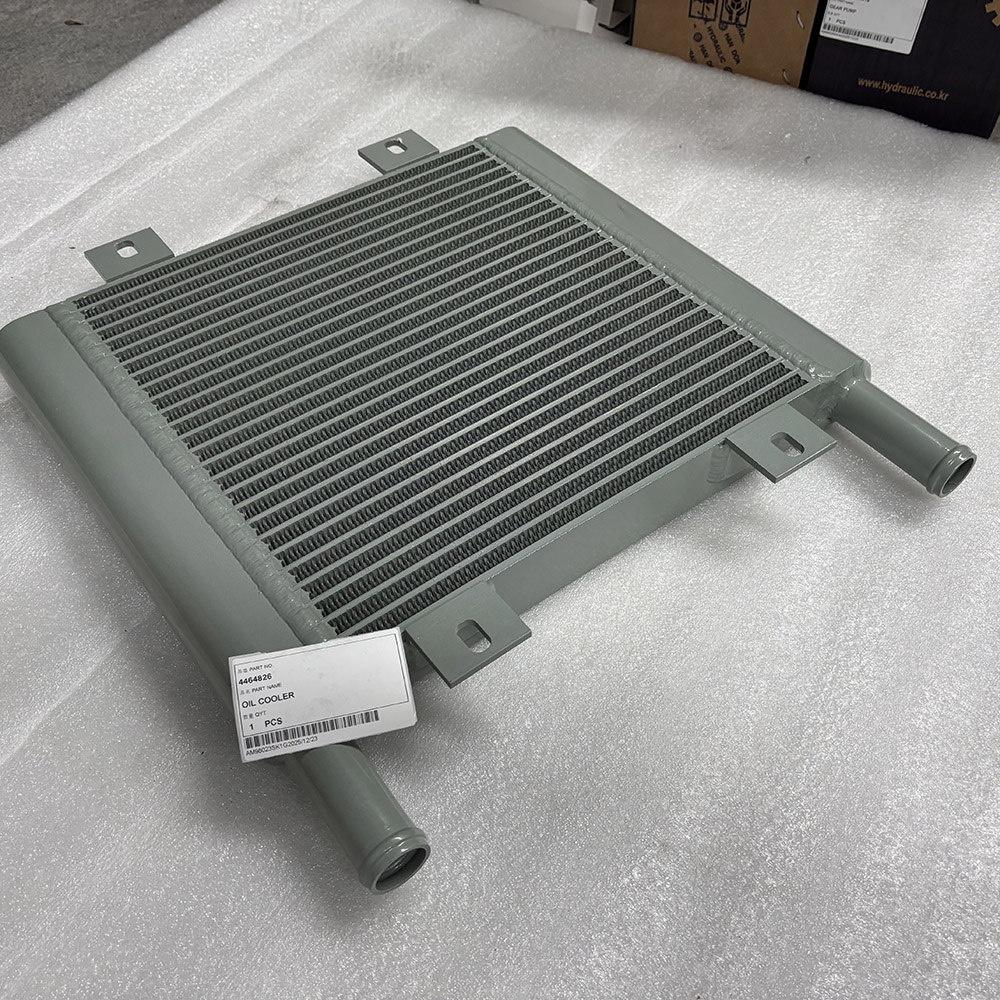
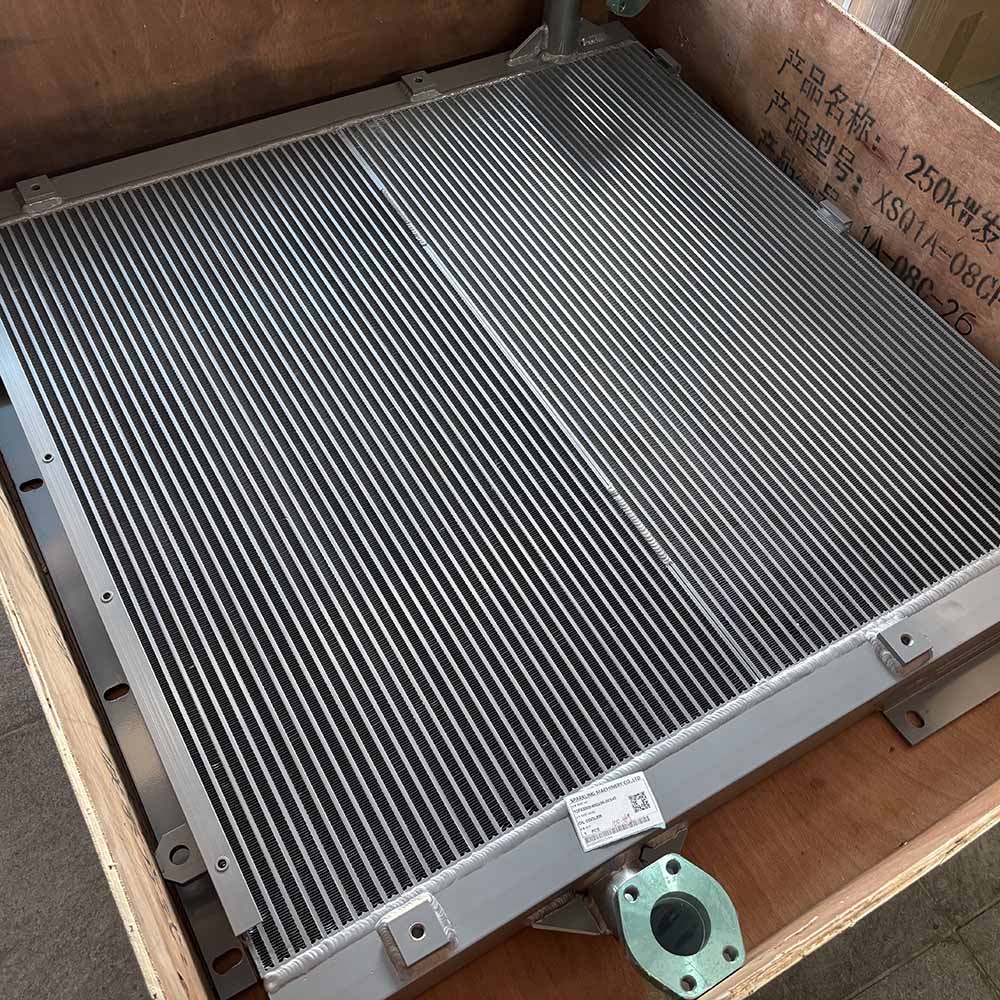
II. What Causes an Oil Cooler Leak?
-
· Aging and Wear: Like all parts, oil coolers and seals weaken over time from exposure to heat and pressure. Gaskets and O-rings become brittle and crack, causing leaks.
-
· Corrosion: Moisture and chemicals can corrode metal parts from the inside, and create weak spots that may rupture.
-
· Vibrations and Damage: Heavy machinery’s vibrations can loosen fittings or crack the cooler, and off-road impacts from rocks and debris also pose risks.
-
· Incorrect Installation: Poor gasket placement or overtightening can stress parts, leading to early failure.
-
· Clogged Passages: Debris in oil or coolant may block passages, increasing pressure and causing leaks.
III. 4 Symptoms Tell You an Oil Cooler Leak
1. External Fluid Leaks
-
· Oil Puddles: The clearest sign is a pool of engine oil beneath your machine. This can vary from a small drip to a steady flow, indicating a leak from the cooler, its lines, or the adapter gaskets.
-
· Coolant Leaks: For oil-to-water coolers, you might notice coolant puddles. A coolant leak is equally serious, as it can cause the engine to overheat.
2. Internal Fluid Contamination
-
· Oil in the Coolant: A common indicator of internal cooler failure is oil in the coolant. The higher pressure of the oil system pushes oil into the cooling system, resulting in a thick, milky, or “gravy-like” substance in the coolant reservoir.
-
· Coolant in the Oil: Although less frequent, a significant leak allows coolant into the oil, making it look milky or frothy on the dipstick and severely impairing lubrication.
3. Engine Performance Issues
-
· Overheating Engine: A failing oil cooler cannot properly regulate oil temperature. Hot oil becomes less effective at cooling and lubricating, causing the engine temperature to rise and risking overheating.
-
· Reduced Performance: The machine may feel sluggish or less powerful. When the engine overheats, its management system may reduce performance to protect itself.
-
· Warning Lights: Failure of the cooler can trigger dashboard lights such as check engine, low oil pressure, or high temperature alerts.
-
· Unusual Noises: Knocking, ticking, or grinding sounds may indicate poor lubrication from low oil levels or contaminated oil.
4. Other Physical Signs
-
· Black Smoke: Oil leaking into combustion chambers burns and emits thick black exhaust smoke.
-
· Expanded Radiator: Severe internal leaks can increase pressure, causing the radiator or hoses to swell and possibly rupture.
IV. Can I Operate With a Bad Oil Cooler?
V. Oil Cooler Leak Consequences
-
· Accelerated Engine Wear: Poor lubrication from contaminated or overheated oil causes rapid wear on critical components like bearings, pistons, and the crankshaft.
-
· Cooling System Blockage: The sludgy mixture of oil and coolant can clog the radiator, heater core, and coolant passages in the engine, requiring an intensive and costly flush.
-
· Complete Engine Failure: The ultimate consequence is a seized engine, which often requires a complete rebuild or replacement.
-
· Safety Risks: An engine that fails unexpectedly during operation poses a significant safety hazard to the operator and anyone nearby.
VI. What to Do When You Suspect an Oil Cooler Leak?
-
1. Carefully disconnect the oil cooler from the engine.
-
2. Securely plug one of the oil ports on the cooler.
-
3. Attach an air hose with a regulator to the other oil port.
-
4. Submerge the entire oil cooler in a tank of water.
-
5. Apply a low amount of air pressure (around 0.8 bar or 12-15 PSI) to the cooler.
-
6. Watch for air bubbles emerging from the cooler’s core or seams. If any bubbles confirm a leak, the cooler must be replaced.
VII. Leaking Oil Cooler Step-by-Step Replacement Guide
-
1. Ensure Your Safety: Ensure the engine is completely cool. Disconnect the battery to prevent any accidental starts.
-
2. Drain Fluids: Place drain pans under the oil pan and radiator, and then drain the engine oil and the engine coolant.
-
3. Gain Access: Locate the oil cooler. On many machines, it is mounted to the side of the engine block or near the oil filter. You may need to remove other components to access it.
-
4. Disconnect Lines: Carefully disconnect the oil lines and coolant lines from the cooler. Be prepared for some residual fluid to spill.
-
5. Remove the Old Cooler: Unbolt the oil cooler from its mounting bracket or the engine block. Note the orientation of any gaskets or seals.
-
6. Clean Surfaces: Thoroughly clean the mounting surfaces on the engine block and any connecting parts. Remove all traces of the old gasket material to ensure a perfect seal for the new parts.
-
7. Install the New Cooler: Position the new oil cooler with its new gaskets and seals. It is critical to use new seals to prevent immediate leaks.
-
8. Tighten Fasteners: Tighten the mounting bolts to the manufacturer’s specified torque settings. Do not overtighten, because this can damage the new gaskets.
-
9. Reconnect Lines: Reconnect the oil and coolant lines to the new cooler, ensuring all fittings are secure.
-
10. Refill and Flush: Refill the engine with the correct type and amount of new oil and coolant. If there was cross-contamination, you must perform a complete cooling system flush to remove all traces of oil before adding new coolant.
-
11. Check for Leaks: Reconnect the battery, start the engine, and let it run for several minutes while closely inspecting the new cooler and all connections for any signs of leaks. Check fluid levels again after the engine has warmed up.
VIII. How to Prevent the Oil Cooler Leak?
-
· Regular Inspections: During routine service, visually inspect the oil cooler and its hoses for signs of corrosion, damage, or weeping leaks.
-
· Keep it Clean: On off-road machinery, dirt and debris can build up on the cooler’s fins, trapping heat and moisture, which accelerates corrosion. Keep the cooler clean with low-pressure compressed air or a soft brush.
-
· Use Quality Fluids: Always use the high-quality engine oil and coolant recommended by your machine’s manufacturer because it helps prevent internal corrosion and sludge buildup.
-
· Adhere to Service Intervals: Regular fluid and filter changes are crucial for the health of the entire engine, including the oil cooler.
-
· Protect from Damage: If your equipment operates in rocky terrain, consider fabricating or installing a guard to protect the oil cooler from physical impacts.
IX. How Long Does an Oil Cooler Last?
X. Oil Cooler Leak Replacement Cost
-
· OEM Parts: Sourced directly from the machine’s manufacturer, these are the most expensive choice. Prices for an OEM oil cooler can easily range from $$400 to over $$5,000, depending on the brand and complexity of the equipment.
-
· Sparkling Machinery: High-quality aftermarket parts provide a reliable and cost-effective alternative. At Sparkling Machinery, our replacement oil coolers for a wide range of heavy equipment typically range from $$100 to $$2,000+.
XI. Conclusion
How to Rebuild a Hydraulic Cylinder: 8 Step-by-Step Instructions
Hitachi EX60 Excavator: Parts Lookup & Complete Specifications
What Is a Joystick?

How Long Does It Take to Charge a Battery? 7 Factors to Consider
How To Clean Excavator Hydraulic Pump?
faq
What is the lead time for receiving excavator parts?
Our typical lead time depends on the complexity and quantity of the order. For standard parts, delivery usually takes between 7 to 14 days. For custom orders, the lead time may vary, but we always strive to ensure timely delivery.
Are your products covered by a warranty?
-
Yes, all of our excavator parts come with a warranty to ensure quality and reliability. The warranty period may vary depending on the type of part. Please contact us for detailed warranty terms for specific products.
-
Can I get technical support for installing your parts?
Absolutely. We provide technical support and guidance for the installation and maintenance of our parts. Our team is available to assist you with any questions or concerns to ensure proper installation and optimal performance.
What types of excavator parts do you manufacture?
We manufacture a wide range of excavator parts, including hydraulic components, undercarriage parts, engine parts, wear parts, and more. Our products are designed to fit a variety of excavator models and are built to meet the highest quality standards.
How do you ensure the quality of your parts?
We follow strict quality control procedures throughout the manufacturing process. Our parts are tested for durability, performance, and precision to ensure they meet industry standards and exceed customer expectations.
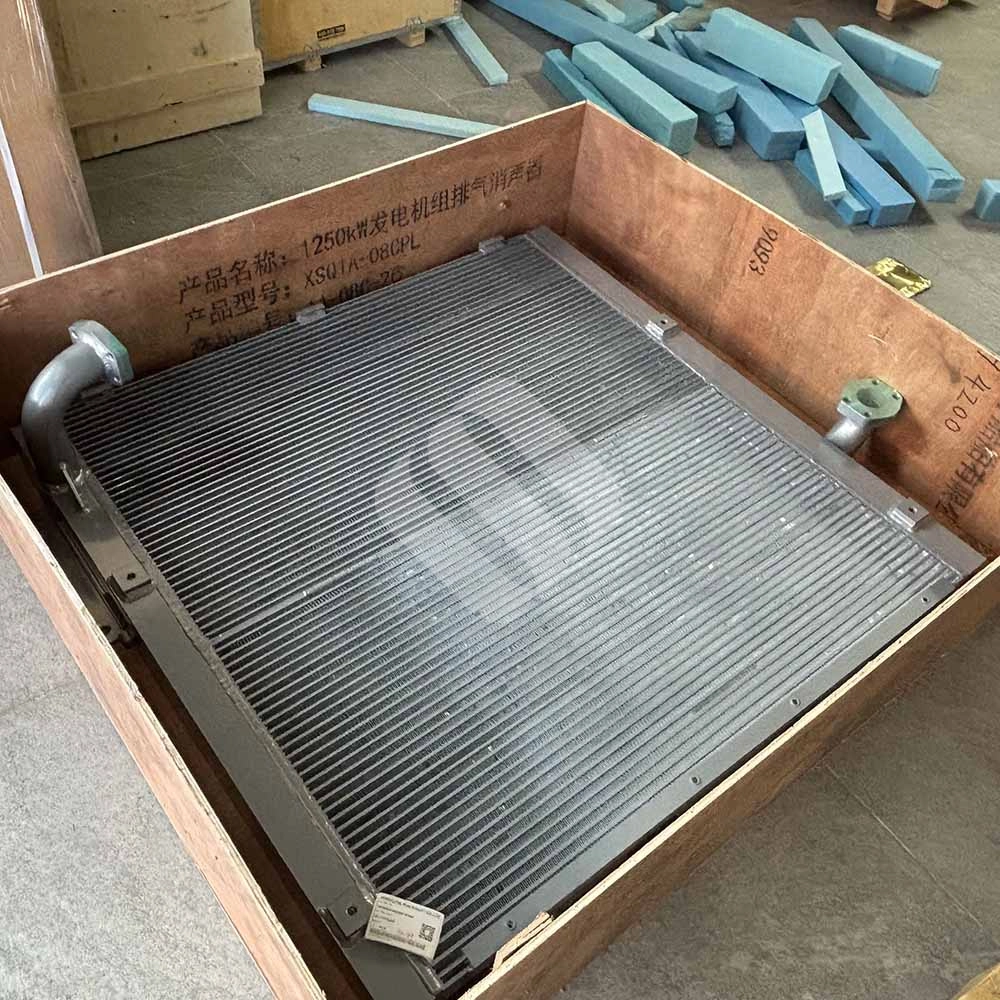
Doosan HIGH-QUALITY EXCAVATOR PARTS MADE IN CHINA NEW 13F52000/400206-00340 OIL COOLER SPARKLING MACHINERY
Doosan HIGH-QUALITY EXCAVATOR PARTS MADE IN CHINA NEW 13F52000/400206-00340 OIL COOLER SPARKLING MACHINERY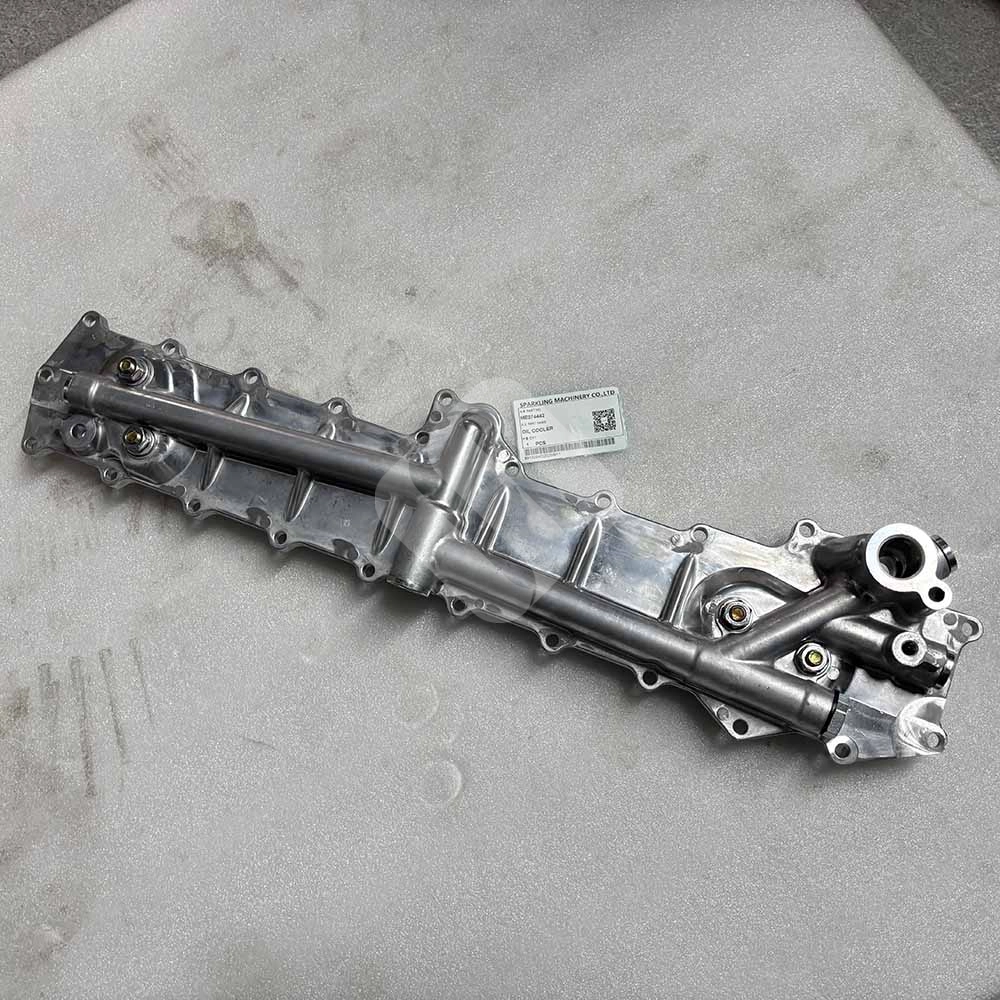
JCB HIGH-QUALITY EXCAVATOR PARTS MADE IN CHINA NEW ME074442 OIL COOLER SPARKLING MACHINERY
JCB HIGH-QUALITY EXCAVATOR PARTS MADE IN CHINA NEW ME074442 OIL COOLER SPARKLING MACHINERY
HYUNDAI MADE IN CHINA SPARKLING MACHINERY NEW R210LC-9 R210NLC-9 R210W-9 11Q6-40642 R220/260LC-9S OIL COOLER
HYUNDAI MADE IN CHINA SPARKLING MACHINERY NEW R210LC-9 R210NLC-9 R210W-9 11Q6-40642 R220/260LC-9S OIL COOLER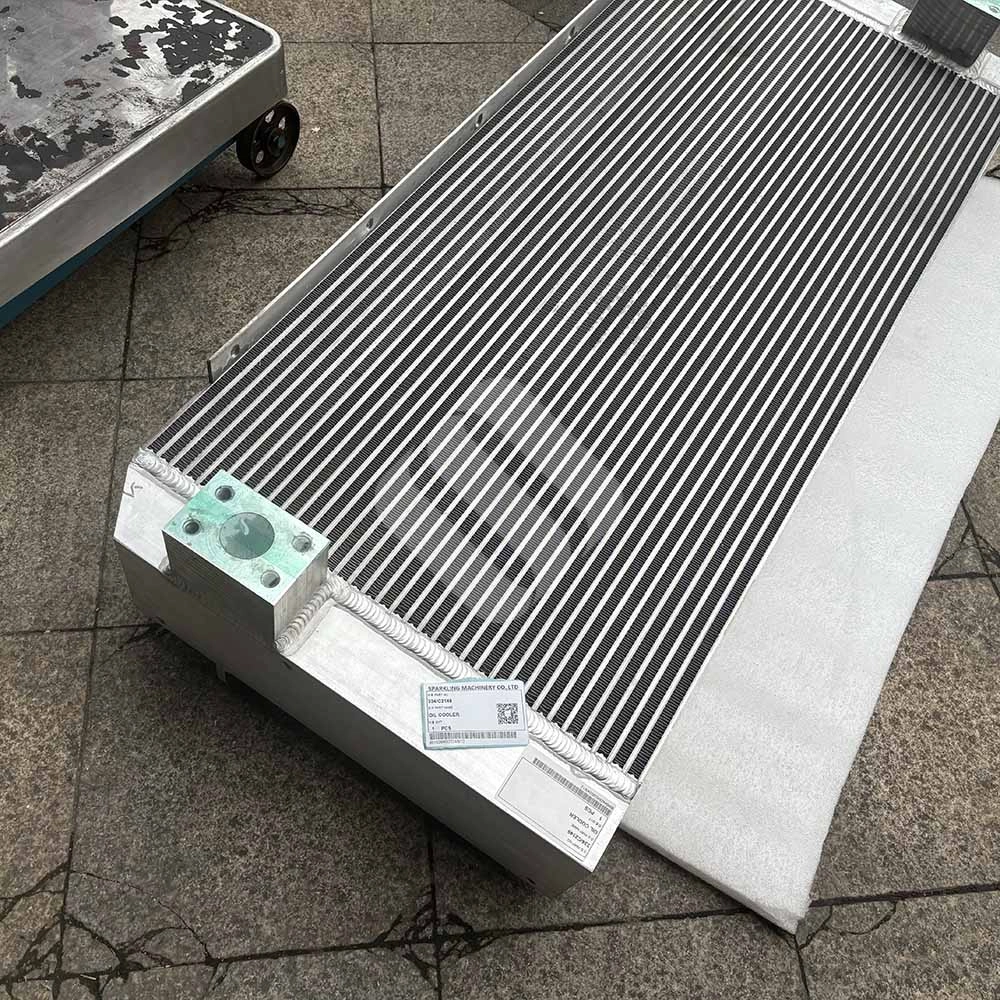
MADE IN CHINA SPARKLING MACHINERY NEW 334/C2149 OIL COOLER
MADE IN CHINA SPARKLING MACHINERY NEW 334/C2149 OIL COOLER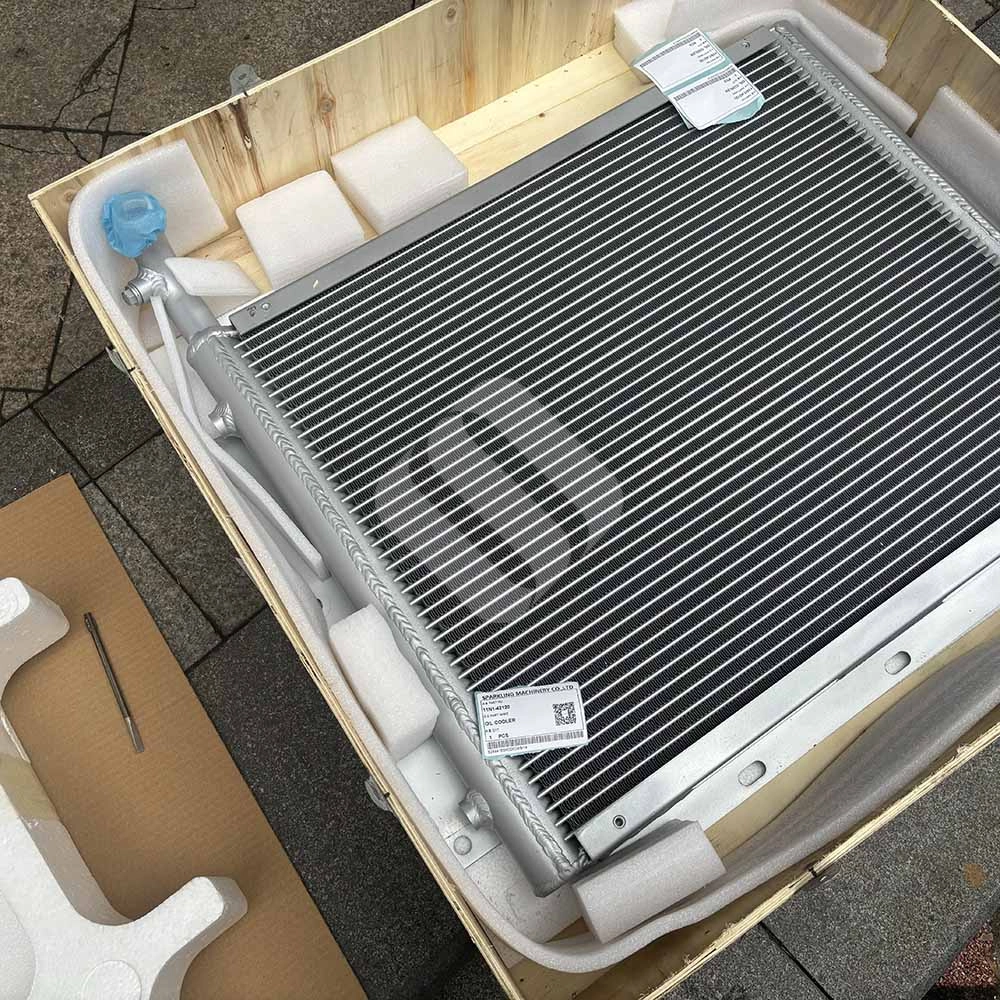
HYUNDAI MADE IN CHINA SPARKLING MACHINERY NEW R80-7 R80-7A 11N1-42120 OIL COOLER
HYUNDAI MADE IN CHINA SPARKLING MACHINERY NEW R80-7 R80-7A 11N1-42120 OIL COOLER
CATERPILLAR MADE IN CHINA SPARKLING MACHINERY NEW 320D 320D2 312-8338 OIL COOLER
CATERPILLAR MADE IN CHINA SPARKLING MACHINERY NEW 320D 320D2 312-8338 OIL COOLER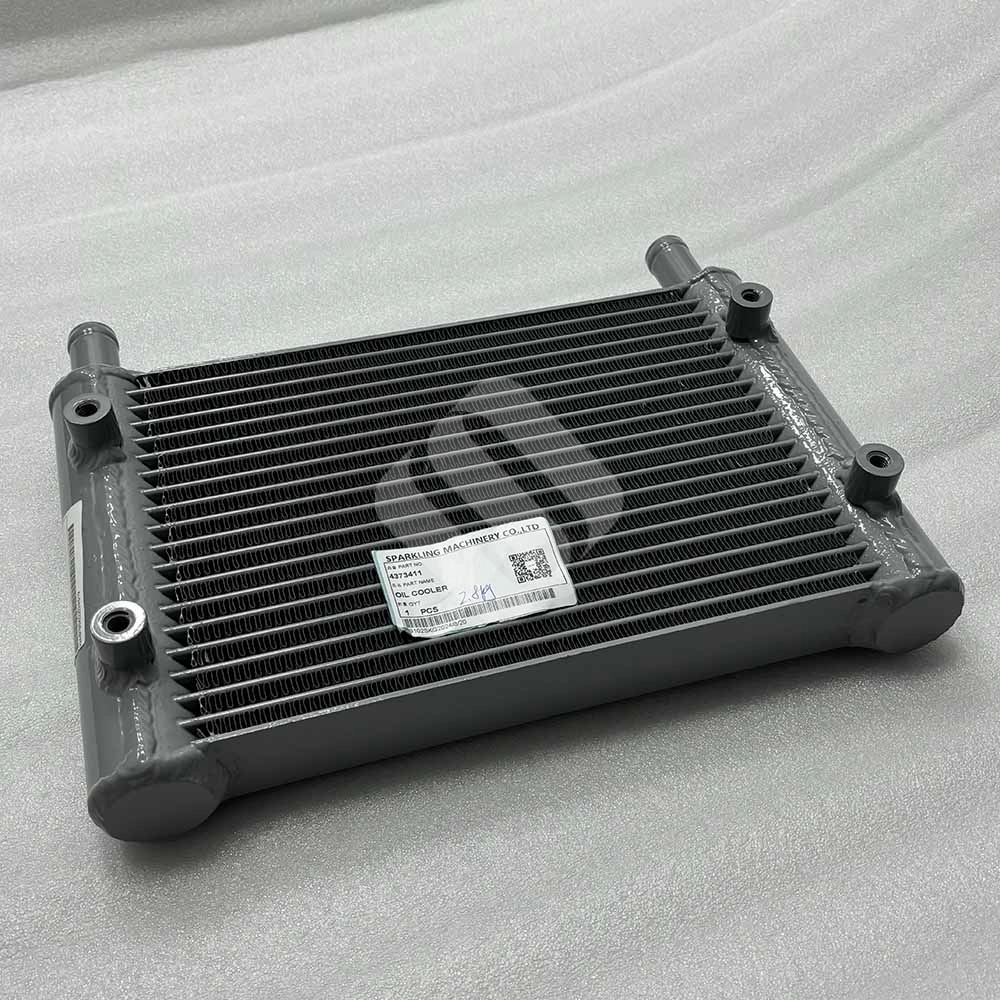
HITACHI MADE IN CHINA SPARKLING MACHINERY NEW EX33MU ZX27-3 ZX30 ZX35 4373411 OIL COOLER
HITACHI MADE IN CHINA SPARKLING MACHINERY NEW EX33MU ZX27-3 ZX30 ZX35 4373411 OIL COOLER
Volvo D8K Diesel Engine | 7.7L 6-Cylinder Euro VI Industrial & Truck Motor
Volvo D8K Diesel Engine | 7.7L 6-Cylinder Euro VI Industrial & Truck Motor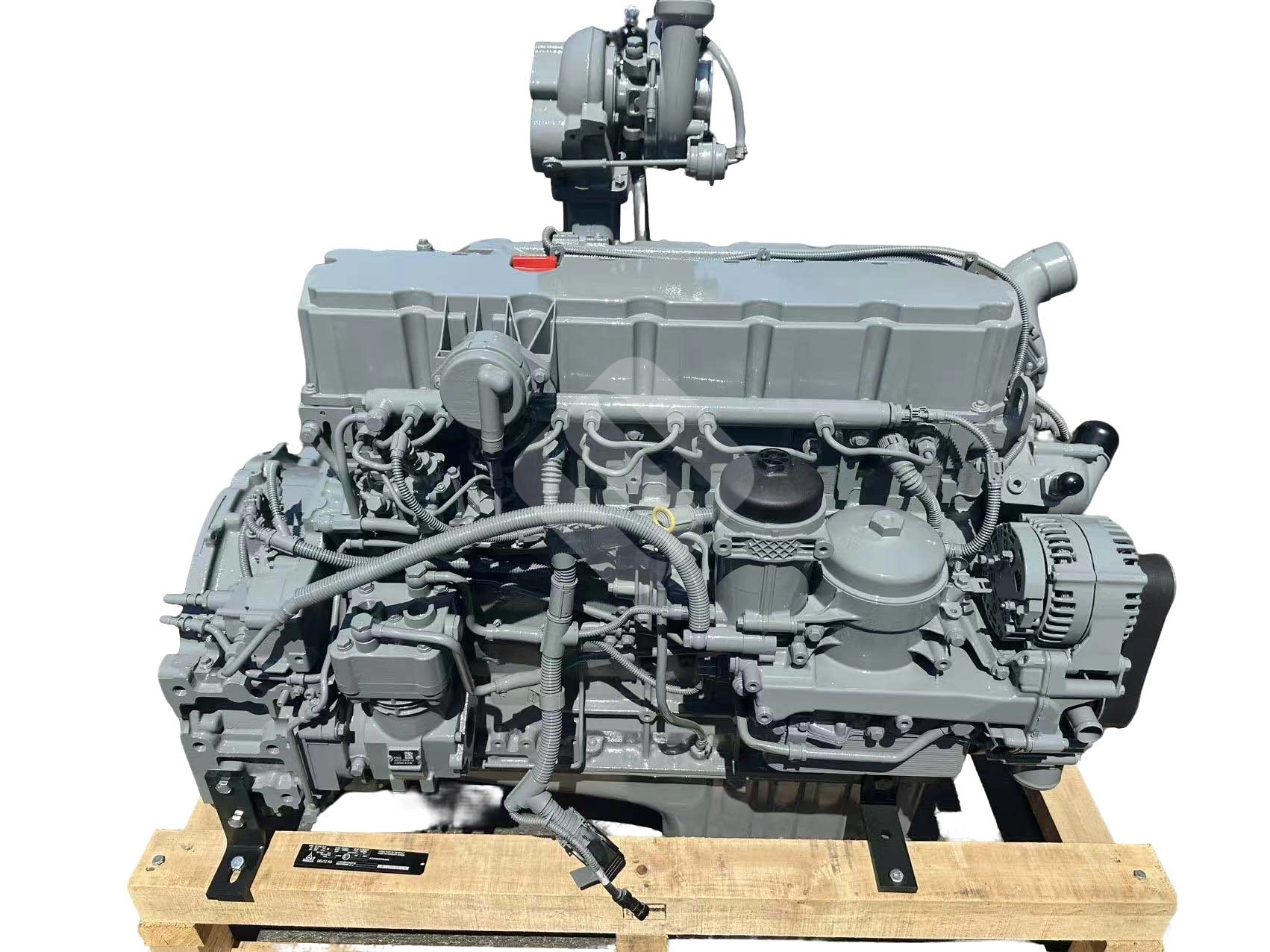
DEUTZ TCD2013L064V Diesel Engine | 7.15L 6-Cylinder 4-Valve Common Rail Motor
DEUTZ TCD2013L064V Diesel Engine | 7.15L 6-Cylinder 4-Valve Common Rail Motor
31Q5-15030 K5V80DTP Hydraulic Main Pump for Hyundai Wheel Excavator R170W-9S R180W-9S | SPARKLING
31Q5-15030 K5V80DTP Hydraulic Main Pump for Hyundai Wheel Excavator R170W-9S R180W-9S | SPARKLINGGet in touch
We are committed to producing the highest quality products at the most competitive prices. Therefore, we sincerely invite all interested companies to contact us for more information.

Contact us
Email: ranroswang@hksparkling.com
Wechat: +86 136 0901 0879
Skype: foreverlucia1
WhatsApp: +86 136 0901 0879
Address: No. 514-515, Hulin Road, Tianhe District, Guangzhou, China.
Sparkling Machinery Co.,Ltd
sparkling_machinery
Whatsapp: +8613609010879