 ranroswang@hksparkling.com
  +86 138 2341 8469


Electrical Parts of Excavator: Troubleshooting Checklist 2026
- Electrical Parts of Excavator: Troubleshooting Checklist 2026
- Why understanding parts of excavator electrical system matters
- Overview of main electrical parts of excavator
- Common symptoms and first-response checks
- Troubleshooting checklist — step-by-step (: buy parts of excavator, excavator electrical system parts)
- 1. Visual and safety inspection
- 2. Battery health and connections (parts of excavator: battery and terminals)
- 3. Charging system and alternator
- 4. Starter motor and ignition circuit
- 5. Wiring harness and connectors
- 6. Relays, fuses, and circuit protection
- 7. Sensors and ECM diagnostics
- 8. Lighting, instruments, and accessory loads
- 9. Parasitic drain test
- 10. Final validation and road test
- Diagnostic tools and meters you should have
- When to repair vs replace electrical parts of excavator (cost and reliability table)
- Preventive maintenance best practices for electrical longevity
- Sourcing parts of excavator and guidance
- SPARKLING MACHINERY: trusted partner for excavator parts
- How SPARKLING supports electrical parts of excavator needs
- Practical case examples
- Safety reminders when working on parts of excavator electrical systems
- FAQ — Electrical Parts of Excavator
- Q: What is the most common electrical failure on excavators?
- Q: Can I repair a starter or should I replace it?
- Q: How do I know if an alternator is the problem?
- Q: Are aftermarket electrical parts safe to use?
- Q: How can SPARKLING help with my excavator electrical parts?
- Contact and view products (CTA)
- Sources and references
Electrical Parts of Excavator: Troubleshooting Checklist 2026
Why understanding parts of excavator electrical system matters
Excavator uptime depends heavily on a reliable electrical system. Whether you operate a compact machine on an urban site or a heavy excavator in mining, failures in the electrical subsystem—batteries, alternators, starters, relays, sensors, and wiring—cause the most unpredictable downtime. This checklist focuses on practical diagnostics and repair steps you can follow on-site or in a workshop to restore operation quickly and safely.
Overview of main electrical parts of excavator
Before troubleshooting, identify the key components you may need to inspect or replace. Common electrical parts of excavator include: battery(s), battery cables and terminals, starter motor, alternator/charging unit, main fuse/CB panels, wiring harnesses, relays and contactors, sensors (temperature, pressure, position), ECM/TCM (engine/control modules), lighting circuits, cab instruments and switches, and auxiliary accessories such as heaters and air conditioning controls. Knowing these components helps prioritize checks based on symptoms.
Common symptoms and first-response checks
Quick triage saves time. Use this symptom-based approach tied to parts of excavator:
- No crank or slow crank: Check battery voltage, terminal condition, starter draw and ground continuity.
- Engine cranks but won’t start: Inspect fuel/ECM fault codes, crankshaft position sensor, and starter engagement timing.
- Battery drains when parked: Look for parasitic draws from accessories, faulty relays, or a failing alternator diode.
- Intermittent electrical failures: Evaluate wiring harness integrity, connector corrosion, and vibration-related breaks.
- Warning lights or fault codes: Read ECM codes and cross-reference with manufacturer fault tables.
Troubleshooting checklist — step-by-step (: buy parts of excavator, excavator electrical system parts)
This checklist moves from simplest checks to component-level tests. Keep a digital multimeter, clamp ammeter, basic hand tools, dielectric grease, terminal cleaner, and an OBD/diagnostic scanner for excavator platforms handy.
1. Visual and safety inspection
Turn off all systems and isolate battery power when necessary. Look for melted insulation, burnt connectors, blown fuses, loose battery clamps, and corrosion. Secure loose wiring away from pinch points. Correcting a visibly damaged connector or a blown fuse often restores function immediately.
2. Battery health and connections (parts of excavator: battery and terminals)
Measure battery resting voltage. A fully charged 12V system should read about 12.6–12.8V. Under load (cranking), voltage should not drop below 9.6V; persistent drops indicate a weak battery. For machines with 24V systems, double these values. Clean terminals, apply dielectric grease, and tighten clamps to spec.
3. Charging system and alternator
Start the engine and measure charging voltage at the battery. Normal charging voltage is 13.5–14.7V for a 12V system. If voltage is low, test alternator output and regulator. Check for loose alternator belts and poor ground connections. Diode failures in alternators can cause battery drainage when the engine is off.
4. Starter motor and ignition circuit
If the starter receives power but turns slowly or not at all, test starter draw with a clamp ammeter and compare with manufacturer ratings. Confirm the starter solenoid receives a clean control voltage when start command is given. Use temporary jump power to isolate starter condition versus battery/connection issues.
5. Wiring harness and connectors
Inspect harnesses around joints, under the cab, and near the boom where movement stresses wires. Wiggle tests while monitoring voltages or signals can reveal intermittent opens. Replace or reterminate frayed wires and use proper heat-shrink and strain relief to prevent recurrence.
6. Relays, fuses, and circuit protection
Swap suspected relays with known-good ones from similar circuits when practical. Check fuse panels for heat damage and proper amperage ratings. Consider replacing older fuse boxes if multiple circuit failures occur—corrosion inside blocks is common in harsh environments.
7. Sensors and ECM diagnostics
Read fault codes using a compatible diagnostic tool. Validate sensor voltages and signal integrity (e.g., crankshaft position, cam position, intake temperature, oil pressure). Replace sensors failing out-of-range voltages and clear codes to retest. Note: calibration or programming may be required after replacing some ECM-linked components.
8. Lighting, instruments, and accessory loads
Check ground return paths for lighting and cab electronics — poor grounds cause dimming and flicker more often than bad bulbs. For HVAC and other accessory failures, test control switches and relays first; these are commonly the inexpensive fixes.
9. Parasitic drain test
Perform an after-shutdown current draw test. With the machine off and doors/gates closed, measure current between battery negative and negative terminal. Typical acceptable parasitic draw depends on machines and accessories but often falls below a few hundred milliamps. Significant draws point to stuck relays, auxiliary modules that fail to sleep, or wiring short to chassis.
10. Final validation and road test
After repairs, retest all affected systems. Verify charging performance under load and check ECM for persistent stored codes. Perform an operational cycle test on boom, swing, and travel functions to ensure no electrical interference with hydraulics or safety interlocks.
Diagnostic tools and meters you should have
Useful tools for troubleshooting parts of excavator: a heavy-duty digital multimeter with min/max logging, a clamp ammeter for high cranking currents, an oscilloscope for signal waveforms (useful for sensor diagnostics), a manufacturer-compatible diagnostic scanner, contact cleaner, terminal puller, and basic hand tools. For complex issues, a thermal camera helps locate hot connections and shorts.
When to repair vs replace electrical parts of excavator (cost and reliability table)
Deciding to repair or replace depends on cost, downtime, and long-term reliability. The table below gives typical ranges and recommended action. Figures are indicative and depend on machine model and local labor rates.
| Component | Typical Repair Time | Typical Replacement Cost (USD) | Recommendation |
|---|---|---|---|
| Battery (12V/24V) | 0.5–1 hr | $150–$800 | Replace if >2 years or fails load test |
| Starter Motor | 1–3 hrs | $300–$1200 | Replace if brushes/commutator worn or high draw |
| Alternator/Regulator | 1–2 hrs | $350–$1500 | Replace if diode/regulator fails; test first |
| ECM/Sensor | 0.5–2 hrs | $200–$2500 | Replace sensors; ECM replacement may need reprogramming |
Source: Industry service averages and manufacturer parts catalogs.
Preventive maintenance best practices for electrical longevity
Implement a simple preventive plan tied to operating hours: clean and torque battery terminals every 250 hrs, inspect belts and alternator every 500 hrs, scan for ECM codes monthly, and perform a parasitic draw test during seasonal downtime. Store machines in sheltered areas when possible to reduce corrosion and temperature extremes. Keeping accurate service logs helps diagnose recurring electrical faults faster.
Sourcing parts of excavator and guidance
When buying parts of excavator, opt for suppliers who provide detailed fitment data, warranty, and technical support. Cheap generic parts may save money initially but increase downtime. For critical electrical components—ECMs, sensors, alternators, and starters—choose OEM or high-quality aftermarket parts with traceable manufacturing standards and matching specifications to your machine model.
SPARKLING MACHINERY: trusted partner for excavator parts
SPARKLING MACHINERY was founded in 2013, focusing on high-quality excavator parts and committed to stability, precision, and perseverance. We offer a wide range of products, including hydraulic components, undercarriage systems, engine components, electrical components, cabs, mini excavators, and accessories, compatible with top brands such as Caterpillar, Komatsu, Hitachi, Volvo, and others. Through strict manufacturing and quality control, we ensure that our products can operate reliably under various conditions. We provide customized solutions and technical support, meticulous consultation, and continuous service. We uphold the values of altruism and innovation, provide competitive prices while ensuring quality, and help customers reduce costs. With a global sales network, SPARKLING MACHINERY is a trusted partner in the excavator parts industry. Our vision is to become the world's top excavator parts manufacturer.
How SPARKLING supports electrical parts of excavator needs
SPARKLING specializes in critical assemblies and replacement components that reduce electrical downtime. Key product lines include Wheel Excavator Parts, excavator hydraulic components, excavator engine parts, Excavator reducer spare parts, sealing components, excavator electrical system parts, air conditioning system parts, undercarriage components, rubber parts, and excavator radiator parts. Our core competencies are rigorous quality control, compatibility with major OEM platforms, and technical service for installation and troubleshooting. For projects prioritizing uptime and total cost of ownership, SPARKLING offers tailored solutions and aftermarket support to simplify procurement and maintenance.
Practical case examples
1) Intermittent start failure on a medium excavator: Diagnosis revealed a corroded starter solenoid terminal. After cleaning and replacing the terminal boot and applying dielectric grease, the problem cleared. Cost: under $50 and 1 hour downtime.
2) Repeated battery failures on a site fleet: Parasitic draw traced to an aftermarket GPS tracker not entering sleep. Replacing with a CAN-integrated OEM-approved tracker resolved the drain. Total saving in battery replacements: estimated $4,000/year for the fleet.
Safety reminders when working on parts of excavator electrical systems
Always disconnect batteries or isolate power before working on high-current circuits. Use insulated tools for battery and starter work. Beware of stored energy in capacitors on some electronic modules—refer to the service manual for safe discharge procedures. If ECM reprogramming is required after replacements, use approved diagnostic equipment or authorized service centers.
FAQ — Electrical Parts of Excavator
Q: What is the most common electrical failure on excavators?
A: Battery and connection issues are the single most common cause of electrical failures, followed closely by alternator/regulator faults and corroded connectors. Regular cleaning and testing greatly reduce these failures.
Q: Can I repair a starter or should I replace it?
A: Short-term repairs like replacing brushes or solenoid contacts can restore older starters, but for heavy-duty use, replacement with a remanufactured or new starter often offers better long-term reliability and warranty coverage.
Q: How do I know if an alternator is the problem?
A: If charging voltage is below ~13.5V at operating RPM or fluctuates under load, or if the battery discharges when the engine runs, suspect the alternator. Perform diode checks and measure ripple current to confirm.
Q: Are aftermarket electrical parts safe to use?
A: Quality aftermarket parts from reputable manufacturers can be safe and cost-effective. Ensure parts meet OEM specifications and check warranty and compatibility information. For ECMs and critical sensors, OEM or OEM-equivalent parts are recommended.
Q: How can SPARKLING help with my excavator electrical parts?
A: SPARKLING offers a wide range of verified electrical components, technical consultation for fitment, and post-sale support. We can supply batteries, starters, alternators, wiring harnesses, sensors, ECMs, switches, and more, compatible with major brands. Contact our technical team for model-specific recommendations.
Contact and view products (CTA)
If you need immediate help diagnosing an electrical issue or want to source reliable parts of excavator, contact SPARKLING MACHINERY technical sales. Our team can recommend the correct excavator electrical system parts, provide pricing, and arrange fast shipment. To view product ranges and request a quote, reach out to our sales team or visit our product catalog.
Sources and references
- Caterpillar Service Manuals — Electrical Systems and Diagnostics (manufacturer service literature)
- Bosch Automotive Technical Guides — Battery Testing and Alternator Diagnostics
- Komatsu Service Data — Electrical System Troubleshooting
- Volvo Construction Equipment — ECM and Sensor Diagnostics
- Industry service time and cost averages compiled from major parts distributors and repair shops
Parts of Excavator: Cost Breakdown and Savings Tips 2026
What Buyers Should Know About HYUNDAI EXCAVATOR PARTS
The B2B Buyer’s Guide to Excavator Final Drive
Best professional replacement parts for excavators manufacturers and supplier brands
faq
Do you offer customized parts?
-
Yes, we offer tailored solutions to meet specific customer requirements. Whether you need custom dimensions or specialized features, we can design and produce parts that perfectly match your excavator’s needs.
-
What is the lead time for receiving excavator parts?
Our typical lead time depends on the complexity and quantity of the order. For standard parts, delivery usually takes between 7 to 14 days. For custom orders, the lead time may vary, but we always strive to ensure timely delivery.
How do you ensure the quality of your parts?
We follow strict quality control procedures throughout the manufacturing process. Our parts are tested for durability, performance, and precision to ensure they meet industry standards and exceed customer expectations.
Are your products covered by a warranty?
-
Yes, all of our excavator parts come with a warranty to ensure quality and reliability. The warranty period may vary depending on the type of part. Please contact us for detailed warranty terms for specific products.
-
What types of excavator parts do you manufacture?
We manufacture a wide range of excavator parts, including hydraulic components, undercarriage parts, engine parts, wear parts, and more. Our products are designed to fit a variety of excavator models and are built to meet the highest quality standards.
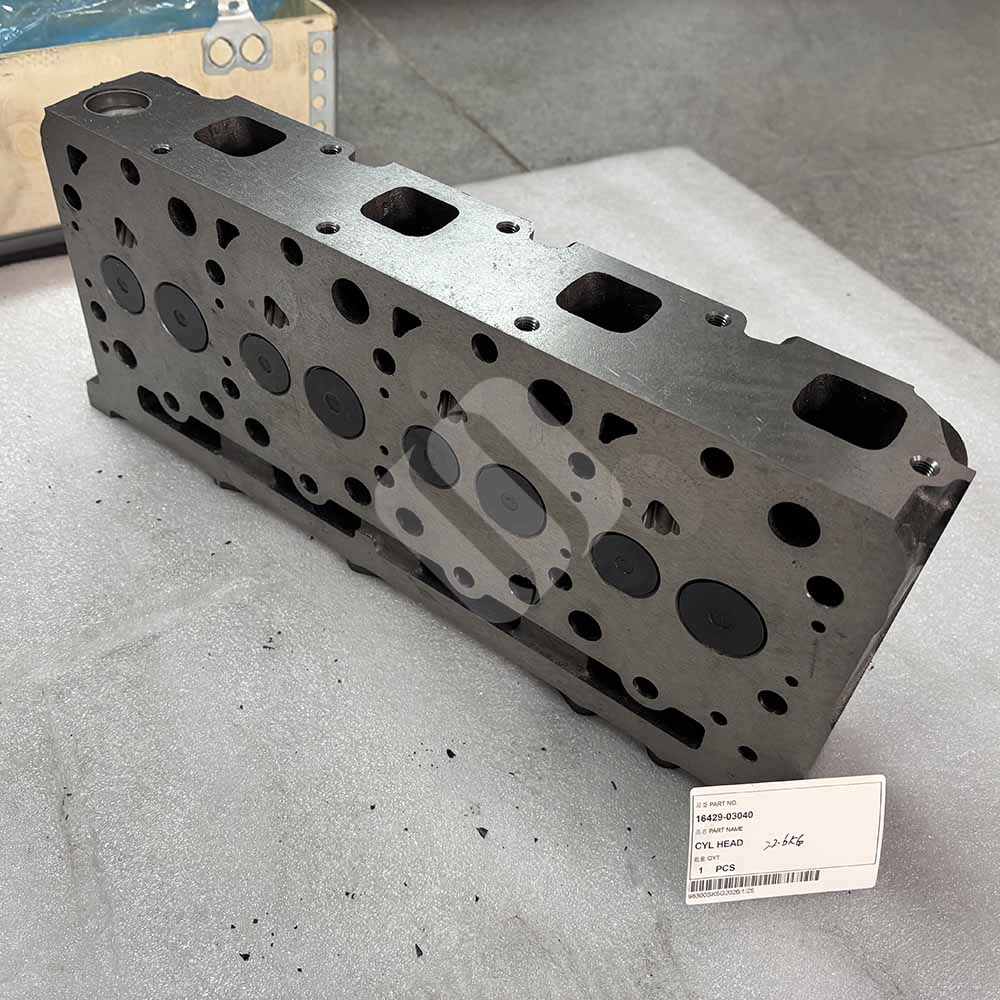
16429-03040 Engine Cylinder Head for Kubota Excavator KX121-3 KX161-3 U45
The 16429-03040 Cylinder Head is a high-precision engine component specifically designed for Kubota KX121, KX161, and U45 excavators powered by V2203/V2403 engines. Manufactured from premium alloy cast iron, it ensures exceptional thermal stability and pressure resistance, restoring your engine's compression and fuel efficiency to factory standards.
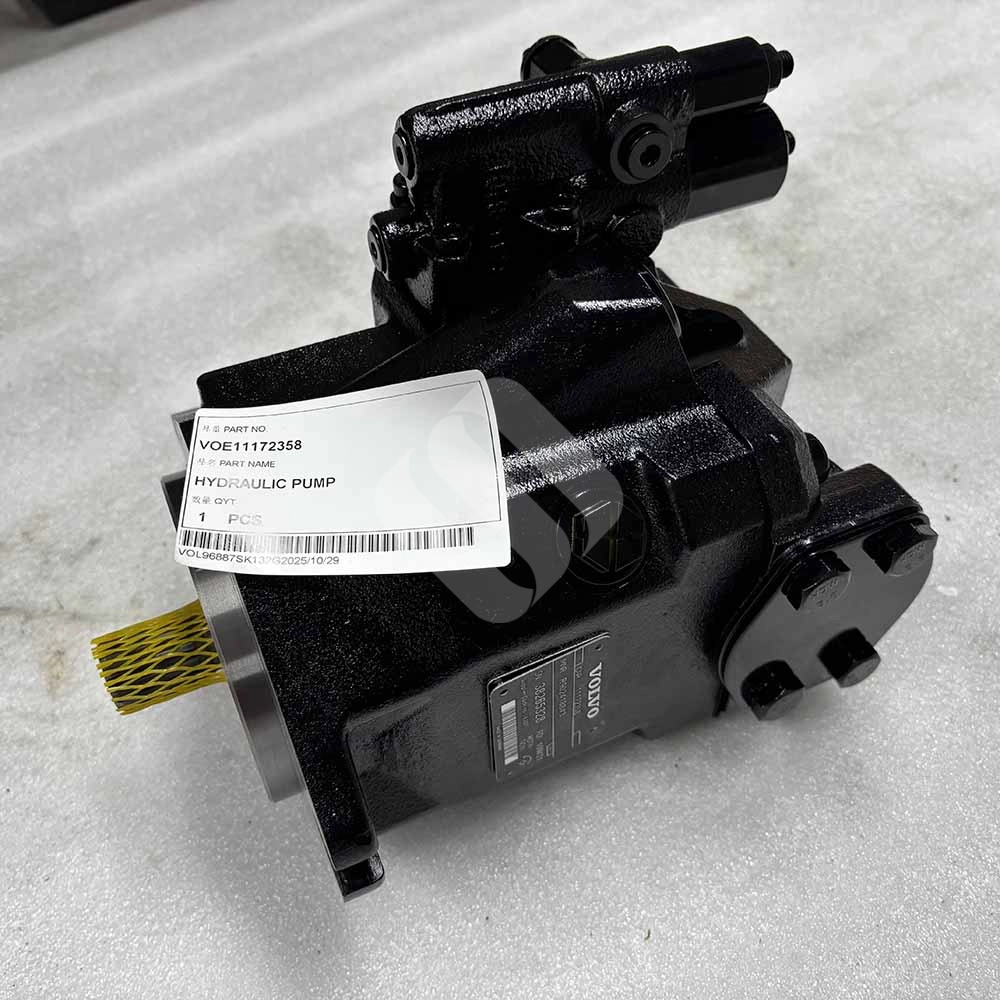
VOE11172358 11172358 Hydraulic Pump for Volvo Wheel Loader L60E L70E L90E L110E L60F L70F L90F L120F
VOE11172358 is the part number for a hydraulic pump (specifically a hydraulic main or auxiliary pump) designed for several Volvo wheel loaders.
Technical Specifications
Part Numbers: VOE11172358, 11172358, and cross-reference number R986110567.
Weight: Approximately 20kg.
Type: Tyrone-type pump or piston-style auxiliary pump.
Compatible Volvo Models
This pump is compatible with a wide range of Volvo wheel loader series, including:
L60 Series: L60E, L60F, L60GZ.
L70 Series: L70E, L70F.
L90 Series: L90E, L90F, L90GZ.
L110 Series: L110E, L110F.
L120 Series: L120E, L120F, L120GZ.
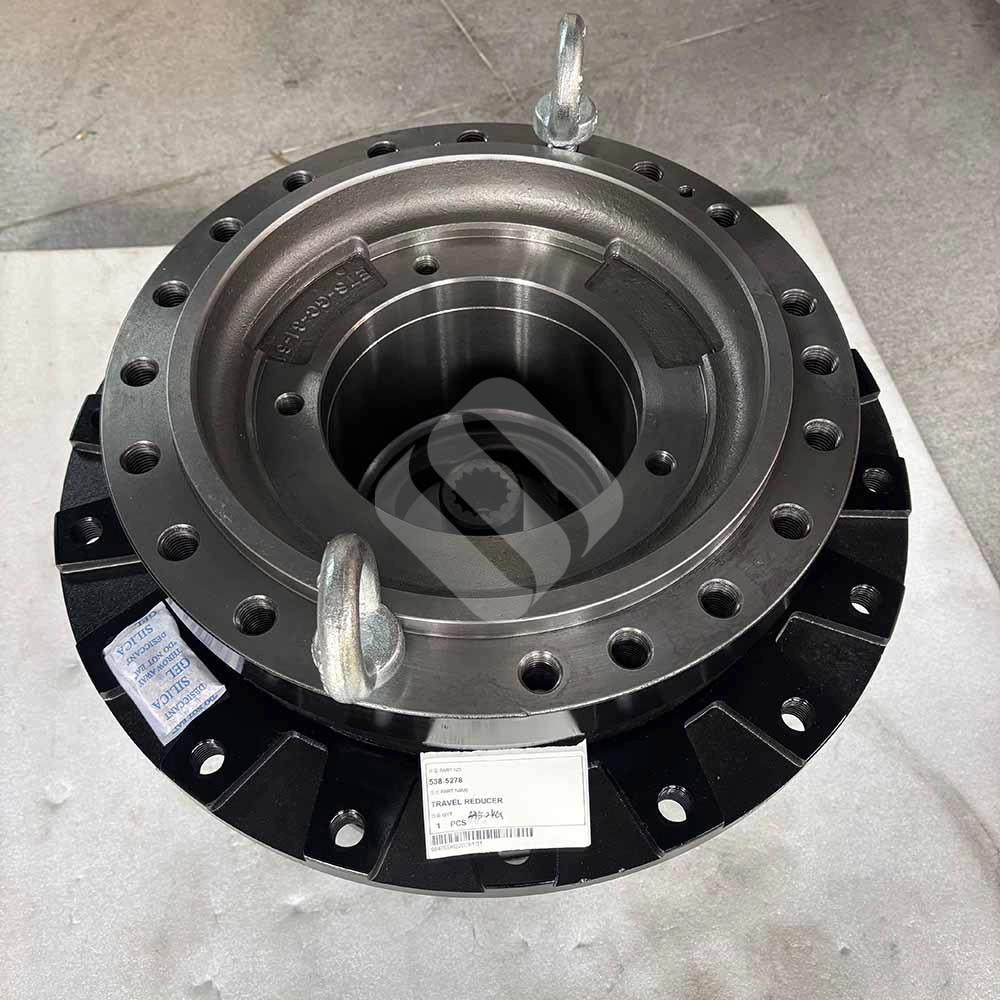
Travel Reducer 538-5278 for Caterpillar CAT Excavator 330 330GC 330F
This is a specific part number for heavy machinery components.
Part Name: Drive GP-FIN (Final Drive Group) or Travel Gearbox.
Equipment Compatibility: Primarily used for Cat 330, 330 GC, 330F, and 330D2 excavators.
Function: It serves as the reduction unit that converts hydraulic power into mechanical rotation to drive the excavator's tracks.
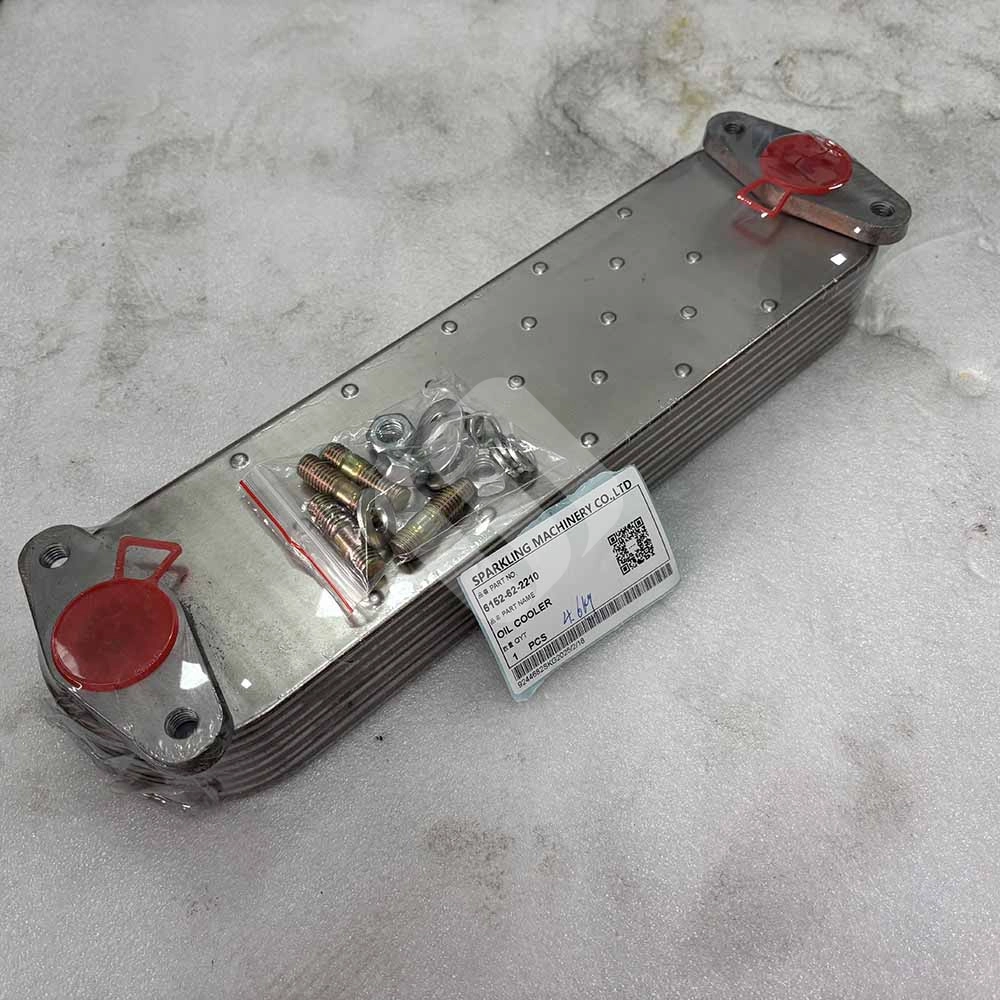
6152-62-2210 Oil Cooler for Komatsu PC400-7 PC400-8 PC400LC-8 & Wheel Loaders WA470-3 WA470-5
The 6152-62-2210 Oil Cooler is a critical thermal management component for Komatsu PC400-7, PC400-8, PC400LC-8 excavators and WA470-3, WA470-5 wheel loaders. It efficiently dissipates heat from engine and hydraulic oil, maintaining optimal operating temperatures to prevent overheating, reduce component wear, and ensure continuous heavy-duty performance in construction and mining environments.
Key Features
· Material: Often made of stainless steel in aftermarket versions.
· Design: 8-plate (8P) design.
· Weight: Approximately 4.74 kg (net weight).
· OEM-Perfect Fit: Matches original mounting and flow specs for direct, modification-free installation.
· High Cooling Efficiency: Optimized fin-and-tube design maximizes heat exchange, keeping oil temperatures stable.
Compatible Equipment
· Excavators: PC400-7, PC400-8, PC400LC-8, PC450-8, PC450LC-8, PC490-10, PC490LC-10, PC550LC-8.
· Wheel Loaders: WA470-3, WA470-5, WA480-6.
· Dump Trucks: HM300-2, HM300-3.
· Dozers: D85EX/PX series.

Contact us
Email: ranroswang@hksparkling.com
Wechat: +86 136 0901 0879
Skype: foreverlucia1
WhatsApp: +86 136 0901 0879
Address: No. 514-515, Hulin Road, Tianhe District, Guangzhou, China.
Sparkling Machinery Co.,Ltd
sparkling_machinery
Whatsapp: +8613609010879