 ranroswang@hksparkling.com
  +86 138 2341 8469


How Hydraulic System Components Affect Excavator Efficiency
- How Hydraulic System Components Affect Excavator Efficiency
- Overview: Why hydraulic system components determine excavator performance
- Hydraulic Pump: The heart of the hydraulic system and its role in efficiency (: buy replacement hydraulic pump)
- Directional and Flow Control Valves: Efficiency through control precision
- Hydraulic Cylinders and Actuators: Translating fluid power into motion
- Filters and Contamination Control: Protecting components to sustain efficiency
- Hoses, Fittings and Plumbing: Minimizing pressure drops and leaks
- Hydraulic Fluids: The invisible efficiency multiplier
- Heat Management: Why thermal control matters for long-term efficiency
- System Design and Control Logic: Matching components to mission profile
- Maintenance Practices that Preserve Hydraulic Efficiency (: ordering spare parts and maintenance)
- Comparison Table: How key hydraulic components impact measurable efficiency metrics
- Troubleshooting Common Efficiency Problems
- Case Example: Replacing a worn pump with the NEW B0610-54010
- Brand Fit: Why choose Lingong OEM-standard parts and SPARKLING MACHINERY components
- How to Select and Procure Hydraulic Components (: ordering guidance)
- Sustainability and Total Cost of Ownership Considerations
- FAQ
- Contact & CTA
- Authoritative References
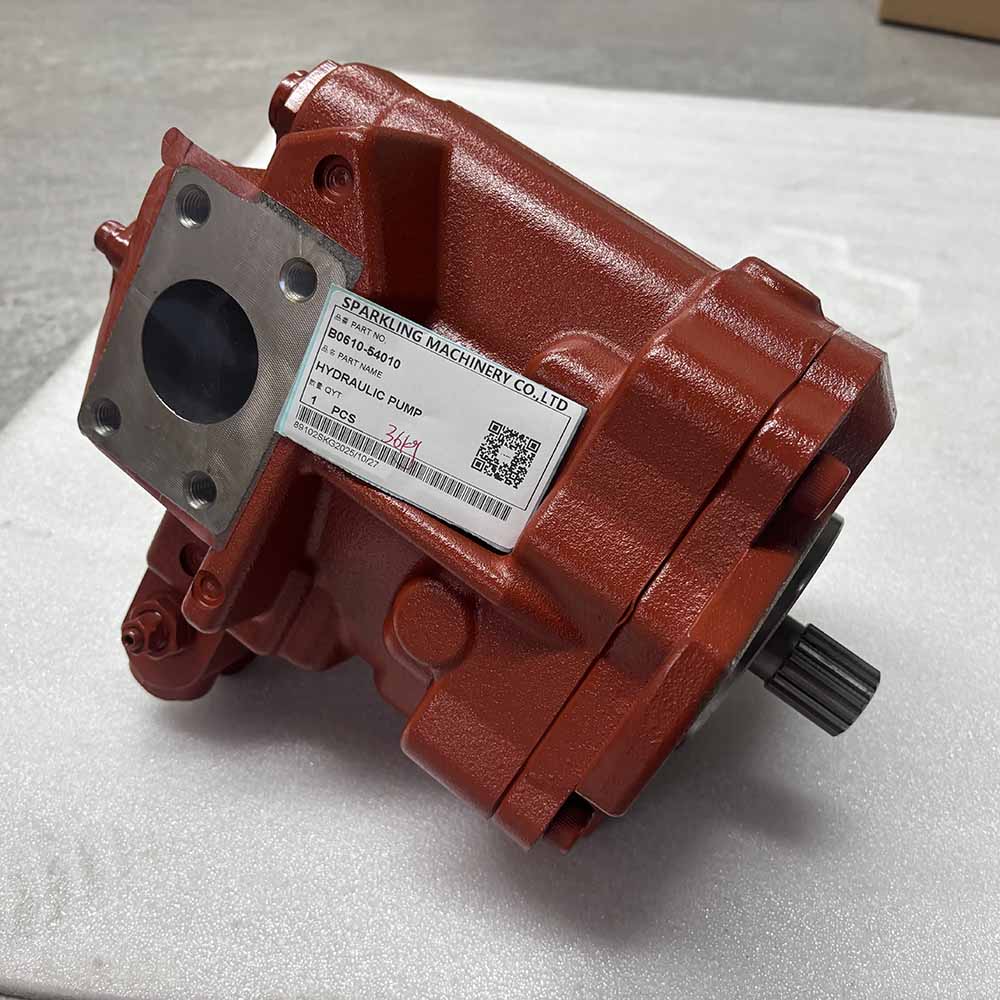
How Hydraulic System Components Affect Excavator Efficiency
Overview: Why hydraulic system components determine excavator performance
Excavator efficiency is not just about engine horsepower or operator skill. The hydraulic system components that convert engine power into controlled motion -- pumps, control valves, cylinders, filters, hoses and fluids -- are central to productivity, fuel consumption, response time and lifecycle cost. When these components are optimized, an excavator moves faster, uses less fuel, requires fewer repairs and provides smoother, safer operation. Once you understand how hydraulic system components affect excavator efficiency, it becomes easier to identify the common causes of hydraulic pump failures and fixes that lead to power loss and unstable operation.
Hydraulic Pump: The heart of the hydraulic system and its role in efficiency (: buy replacement hydraulic pump)
The hydraulic pump delivers pressurized fluid that drives the boom, arm, bucket and travel systems. Pump efficiency and reliability directly affect machine responsiveness, maximum digging force and fuel consumption. Key pump attributes influencing excavator efficiency include volumetric efficiency (how closely the pump delivers fluid to its theoretical displacement), mechanical efficiency (internal friction losses), pressure capability and operating temperature range.
Using high-quality, OEM-standard pumps minimizes internal leakage and pressure losses. For example, the Lingong HIGH-QUALITY EXCAVATOR PARTS MADE IN CHINA NEW B0610-54010 HYDRAULIC PUMP SPARKLING MACHINERY is designed to meet Lingong OEM standard B0610-54010, resist operating temperatures from -30°C to 100°C, and withstand the high pressures typical in heavy-duty construction and mining. Upgrading or replacing a worn pump with a compatible high-quality unit restores lost flow and pressure, improving cycle times and lowering fuel use.
Product snippet:
SPARKLING MACHINERY NEW B0610-54010 Hydraulic Pump is a core power component for Lingong excavators (heavy-duty construction/mining use). It delivers stable high-pressure hydraulic fluid to drive critical systems like arms, booms, and travel mechanisms. Meeting Lingong OEM standards (B0610-54010), it resists -30°C to 100°C temps, high pressure, and wear, ensuring seamless compatibility and long-term reliable hydraulic power supply.
Directional and Flow Control Valves: Efficiency through control precision
Valves regulate where and how much fluid goes to different actuators. Poorly matched or worn valves cause sluggish operation, oscillation (hunting) and internal bypass losses that increase cycle times and fuel burn. Proportional and servo valves allow smoother, more efficient modulation of boom and swing speeds which reduces shock loads and hydraulic throttling losses. When selecting repair or replacement valves, prioritize compatibility with the excavator control system and response characteristics.
Hydraulic Cylinders and Actuators: Translating fluid power into motion
Cylinders convert hydraulic pressure into linear motion and force. Worn seals, scoring on piston rods or incorrect clearances cause internal leakage and reduced force output. Reduced force requires higher pressure or longer dwell times to perform the same work, increasing fuel consumption and heat generation. Regular inspection and timely replacement of cylinder seals and liners preserve efficiency and prevent secondary damage to pumps and valves.
Filters and Contamination Control: Protecting components to sustain efficiency
Contamination is one of the most common causes of hydraulic inefficiency and failure. Particle ingress increases wear in pumps, valves and cylinders, degrading volumetric and mechanical efficiency. Effective filtration (both return-line and pressure-line where applicable), correct filter micron ratings, and scheduled filter changes are essential. Monitoring particle counts and water content in fluids lets maintenance teams replace filters and fluids before performance drops.
Hoses, Fittings and Plumbing: Minimizing pressure drops and leaks
Hoses and fittings create the physical pathways for hydraulic fluid. Poorly routed lines, undersized hoses or corroded fittings increase pressure drop, which forces the pump to work harder to deliver required flow and pressure. Leaks not only waste fluid but also drop system pressure, reduce actuator speed, and create environmental and safety hazards. Use hoses rated for system pressure with proper bend radii, and inspect crimped fittings and unions during preventive maintenance.
Hydraulic Fluids: The invisible efficiency multiplier
Fluid viscosity, additive package and contamination level play a major role in system efficiency. Too-viscous fluid increases pump and motor friction at lower temperatures; too-thin fluid may not protect components adequately and increases leakage. Modern hydraulic fluids are engineered for multi-grade performance and oxidative stability. Regular fluid analysis informs decisions on fluid changes, viscosity adjustments and additive replenishment to maintain performance across seasons and workloads.
Heat Management: Why thermal control matters for long-term efficiency
Heat is a byproduct of inefficiency. Excessive heat degrades hydraulic fluid, accelerates seal wear, increases internal leakage and lowers component life. Proper heat exchangers, coolers, and system designs that avoid throttling at valves (using load-sensing where appropriate) maintain optimal fluid temperatures and protect component efficiency. The NEW B0610-54010 pump's specified operating range (-30°C to 100°C) indicates robust thermal tolerance, but system-level cooling and correct hydraulic oil selection remain critical.
System Design and Control Logic: Matching components to mission profile
An excavator's efficiency depends on how well its hydraulic components are matched to the machine's intended tasks. Heavy digging, trenching and travel require different flow vs. pressure priorities than fine grading. Load-sensing pumps, variable-displacement pumps, and intelligent control systems can dramatically reduce wasted flow and improve operator productivity. Retrofit upgrades should be evaluated for compatibility and overall ROI, not just component price.
Maintenance Practices that Preserve Hydraulic Efficiency (: ordering spare parts and maintenance)
Routine, data-driven maintenance is essential. Recommended practices include scheduled filter and fluid changes, vibration and temperature monitoring, particle count analysis, and leak inspections. When components reach wear limits, timely replacement with OEM or OEM-equivalent parts, such as the Lingong NEW B0610-54010 hydraulic pump, prevents cascading failures that are much more costly. For procurement, selecting certified OEM-standard parts reduces downtime and protects resale value.
Comparison Table: How key hydraulic components impact measurable efficiency metrics
Below is a concise comparison showing typical impacts on performance metrics when components are optimized vs. worn/poor quality.
| Component | Optimized / High-Quality | Worn / Low-Quality | Typical Impact on Efficiency |
|---|---|---|---|
| Hydraulic Pump | High volumetric efficiency, low leakage | High internal leakage, reduced flow | Cycle time ±10-30%, fuel use +15-40% |
| Valves | Precise flow control, minimal bypass | Drift, hunting, flow instability | Operator productivity -5-20% |
| Cylinders | Tight seals, correct clearances | Seal leakage, scoring | Force loss up to 25%, longer cycle times |
| Filters/Fluids | Clean oil, correct viscosity | Contaminated oil, degraded additives | Component life -30-70%, efficiency drop over time |
| Hoses/Fittings | Correct sizing, secure fittings | Pressure drop, leaks | Unplanned downtime, safety risk |
Troubleshooting Common Efficiency Problems
Symptoms like slow arm speed, reduced digging force, overheating, or erratic control usually point to specific hydraulic areas. Start diagnosis by checking system pressure with calibrated gauges, inspecting filters and fluid condition, observing lines for leaks, and performing a pump flow test. Software diagnostics (if the machine has electronic controls) combined with fluid analysis provide the fastest path to root cause and recommended part replacements.
Case Example: Replacing a worn pump with the NEW B0610-54010
A mid-size Lingong excavator experienced slow cycle times and overheating under heavy load. Testing showed pump volumetric efficiency reduced by 18% and increased internal leakage. Replacing the worn pump with the Lingong NEW B0610-54010 hydraulic pump returned volumetric performance, reduced engine load during hydraulic peak-demand cycles, and lowered operating temperature by 6°C under comparable workloads. The ROI was realized within months through reduced fuel and reduced unscheduled downtime.
Brand Fit: Why choose Lingong OEM-standard parts and SPARKLING MACHINERY components
Purchasing OEM-standard parts like Lingong HIGH-QUALITY EXCAVATOR PARTS MADE IN CHINA NEW B0610-54010 HYDRAULIC PUMP SPARKLING MACHINERY ensures dimensional compatibility, correct materials, and matching performance characteristics. Brand-validated parts reduce risk of incorrect sizing, mismatched pressures, or electronic incompatibilities. Benefits include smoother installation, consistent warranty handling, and predictable performance across operating temperatures (-30°C to 100°C as specified).
How to Select and Procure Hydraulic Components (: ordering guidance)
When ordering replacement hydraulic system components, follow these steps: 1) Identify the exact OEM part number and machine serial number; 2) Verify pressure and flow ratings against the machine datasheet; 3) Choose parts that meet or exceed OEM specifications (material, heat treatment, seal compound); 4) Buy from authorized distributors or certified aftermarket suppliers; 5) Keep installation and break-in procedures documented to maintain warranty. For the NEW B0610-54010 pump, confirm Lingong model compatibility and operating environment (mining, heavy construction, extreme temps).
Sustainability and Total Cost of Ownership Considerations
Higher-efficiency hydraulic components reduce fuel consumption and emissions per task. They also extend component life and decrease waste from failed parts. While high-quality parts may cost more upfront, the total cost of ownership (TCO) calculation should include fuel savings, reduced downtime, longer maintenance intervals and residual machine value. Choosing robust parts such as the Lingong-approved NEW B0610-54010 often yields a lower TCO in demanding environments.
FAQ
Q: How often should hydraulic pumps be inspected or replaced?
A: Inspect pumps during routine maintenance intervals (e.g., every 250-500 hours depending on operating conditions). Replace when volumetric efficiency falls significantly, pressure spikes occur, or noise/heat indicate internal wear. Follow the machine manufacturer's schedule and use fluid analysis to guide timing.
Q: Can I use a non-OEM pump to save costs?
A: Quality aftermarket pumps can be cost-effective if they meet OEM specifications for displacement, pressure rating and shaft coupling. However, using non-certified parts risks fitment issues and variable longevity. For critical systems and heavy-duty use, OEM-standard parts like NEW B0610-54010 are recommended.
Q: What are the top causes of hydraulic efficiency loss?
A: The most common causes are fluid contamination, worn pump or valve internals, improper fluid viscosity, leaks, and inadequate cooling. Addressing these with proper maintenance and high-quality replacements is the most effective mitigation.
Q: How does temperature affect hydraulic component choice?
A: Temperature affects fluid viscosity and seal behavior. Components and fluids must be rated for the expected temperature range. The NEW B0610-54010 is specified to operate from -30°C to 100°C, making it suitable for extreme climates, but system-level cooling and heater strategies should match local conditions.
Q: What diagnostics should I run if my excavator is overheating?
A: Check fluid level and condition, inspect coolers for blockage, measure system pressure and pump flow, evaluate load-sensing control behavior, and perform particle/water analysis. Overheating often signals contamination, excessive throttling losses, or failing pump components.
Contact & CTA
To restore or improve your excavator's hydraulic efficiency, consider OEM-standard replacements and certified aftermarket options. For pricing, compatibility confirmation, or to order the Lingong HIGH-QUALITY EXCAVATOR PARTS MADE IN CHINA NEW B0610-54010 HYDRAULIC PUMP SPARKLING MACHINERY, contact our sales team or request a quote. Our technicians can help verify fitment and provide installation guidance to minimize downtime.
Contact us: Email our parts team or call for immediate assistance. View product details and request a quotation from our sales department to ensure correct OEM match and fast delivery.
Authoritative References
- Hydraulics overview - Wikipedia: https://en.wikipedia.org/wiki/Hydraulics
- Hydraulic pump fundamentals - Wikipedia: https://en.wikipedia.org/wiki/Hydraulic_pump
- Bosch Rexroth - Fluid power and efficiency insights: https://www.boschrexroth.com
- Parker Hannifin - Hydraulics technical resources: https://www.parker.com
- Hydraulic maintenance and contamination control - Hydraulics & Pneumatics: https://www.hydraulicspneumatics.com
- Shandong Lingong Construction Machinery (SDLG) - OEM information: https://www.sdlg.com
The Evolution of Excavator Hydraulic Systems: From Basics to Advanced
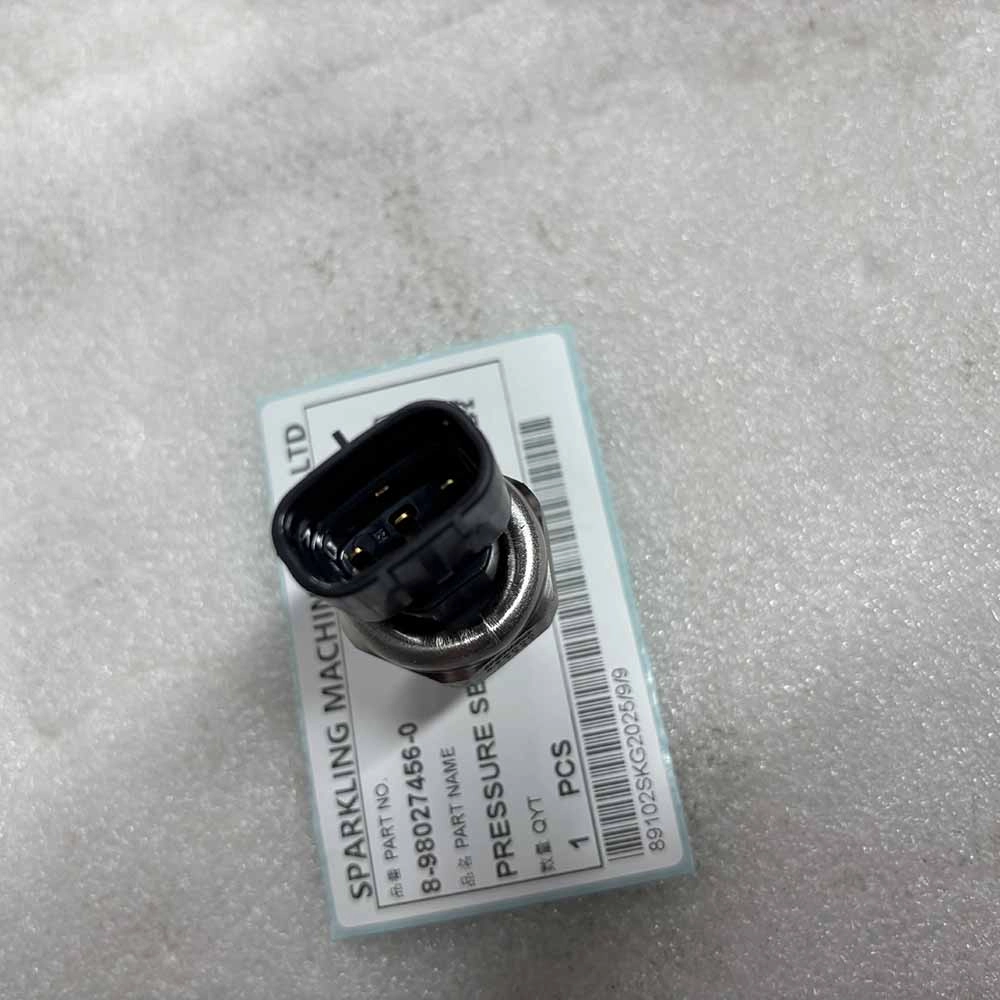
Maintenance Impact: Pressure Sensor Failure on SR2000G Hydraulics
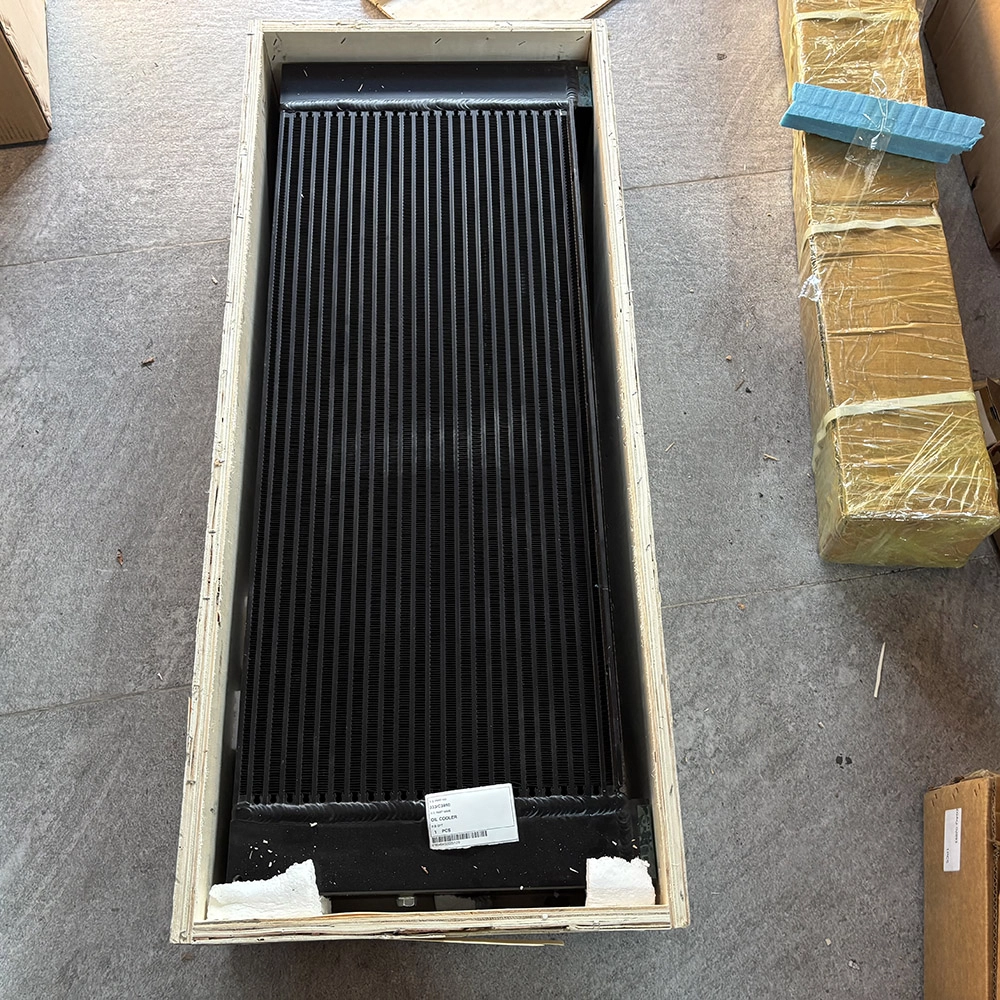
Maintenance Best Practices for High-Performance Oil Coolers
What are the application scenarios of Excavator Rubber Parts?
faq
What types of excavator parts do you manufacture?
We manufacture a wide range of excavator parts, including hydraulic components, undercarriage parts, engine parts, wear parts, and more. Our products are designed to fit a variety of excavator models and are built to meet the highest quality standards.
How do you ensure the quality of your parts?
We follow strict quality control procedures throughout the manufacturing process. Our parts are tested for durability, performance, and precision to ensure they meet industry standards and exceed customer expectations.
What is the lead time for receiving excavator parts?
Our typical lead time depends on the complexity and quantity of the order. For standard parts, delivery usually takes between 7 to 14 days. For custom orders, the lead time may vary, but we always strive to ensure timely delivery.
Can I get technical support for installing your parts?
Absolutely. We provide technical support and guidance for the installation and maintenance of our parts. Our team is available to assist you with any questions or concerns to ensure proper installation and optimal performance.
Do you offer customized parts?
-
Yes, we offer tailored solutions to meet specific customer requirements. Whether you need custom dimensions or specialized features, we can design and produce parts that perfectly match your excavator’s needs.
-
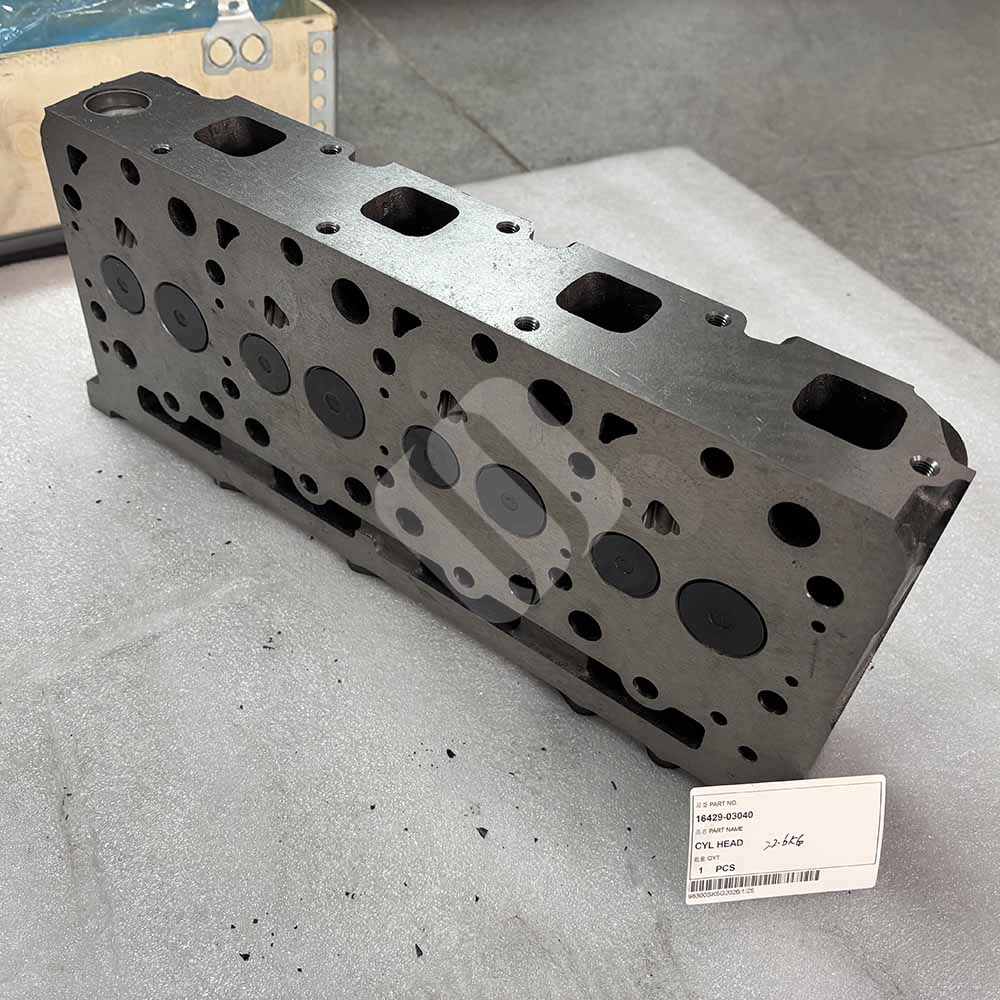
16429-03040 Engine Cylinder Head for Kubota Excavator KX121-3 KX161-3 U45
The 16429-03040 Cylinder Head is a high-precision engine component specifically designed for Kubota KX121, KX161, and U45 excavators powered by V2203/V2403 engines. Manufactured from premium alloy cast iron, it ensures exceptional thermal stability and pressure resistance, restoring your engine's compression and fuel efficiency to factory standards.
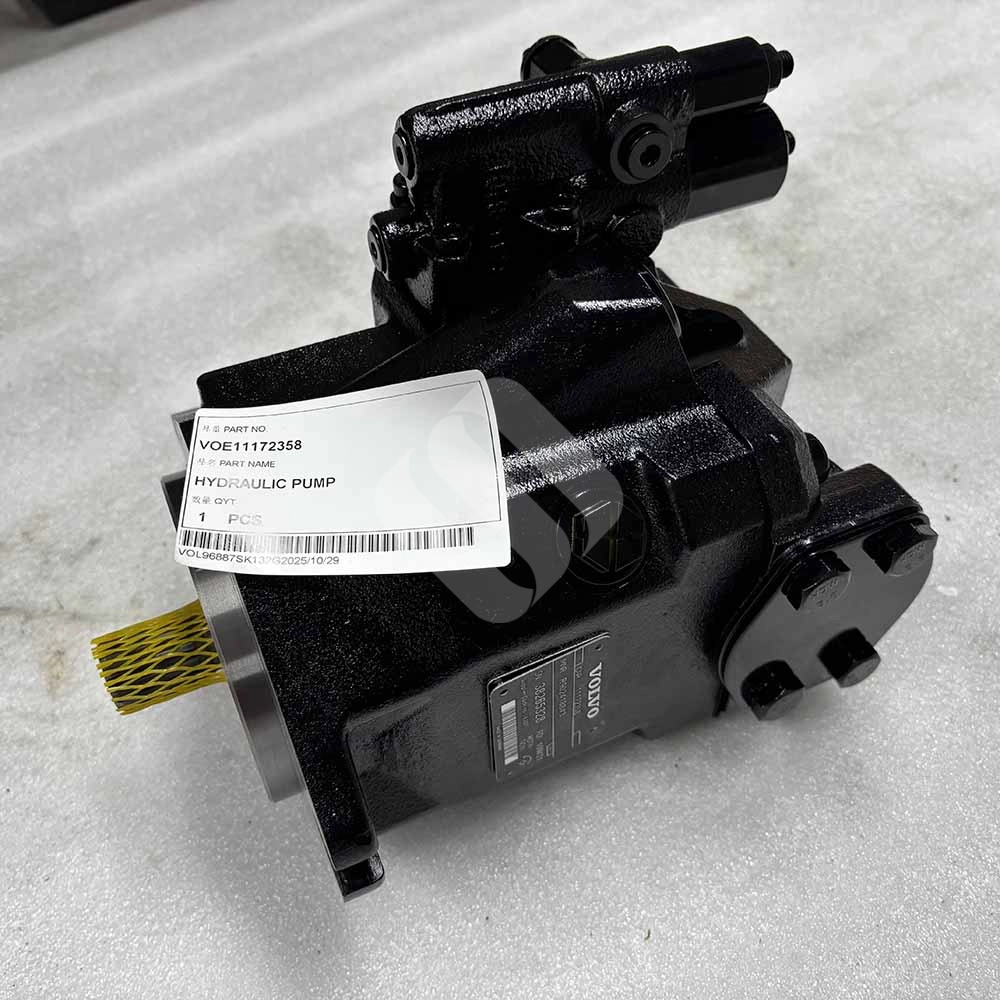
VOE11172358 11172358 Hydraulic Pump for Volvo Wheel Loader L60E L70E L90E L110E L60F L70F L90F L120F
VOE11172358 is the part number for a hydraulic pump (specifically a hydraulic main or auxiliary pump) designed for several Volvo wheel loaders.
Technical Specifications
Part Numbers: VOE11172358, 11172358, and cross-reference number R986110567.
Weight: Approximately 20kg.
Type: Tyrone-type pump or piston-style auxiliary pump.
Compatible Volvo Models
This pump is compatible with a wide range of Volvo wheel loader series, including:
L60 Series: L60E, L60F, L60GZ.
L70 Series: L70E, L70F.
L90 Series: L90E, L90F, L90GZ.
L110 Series: L110E, L110F.
L120 Series: L120E, L120F, L120GZ.
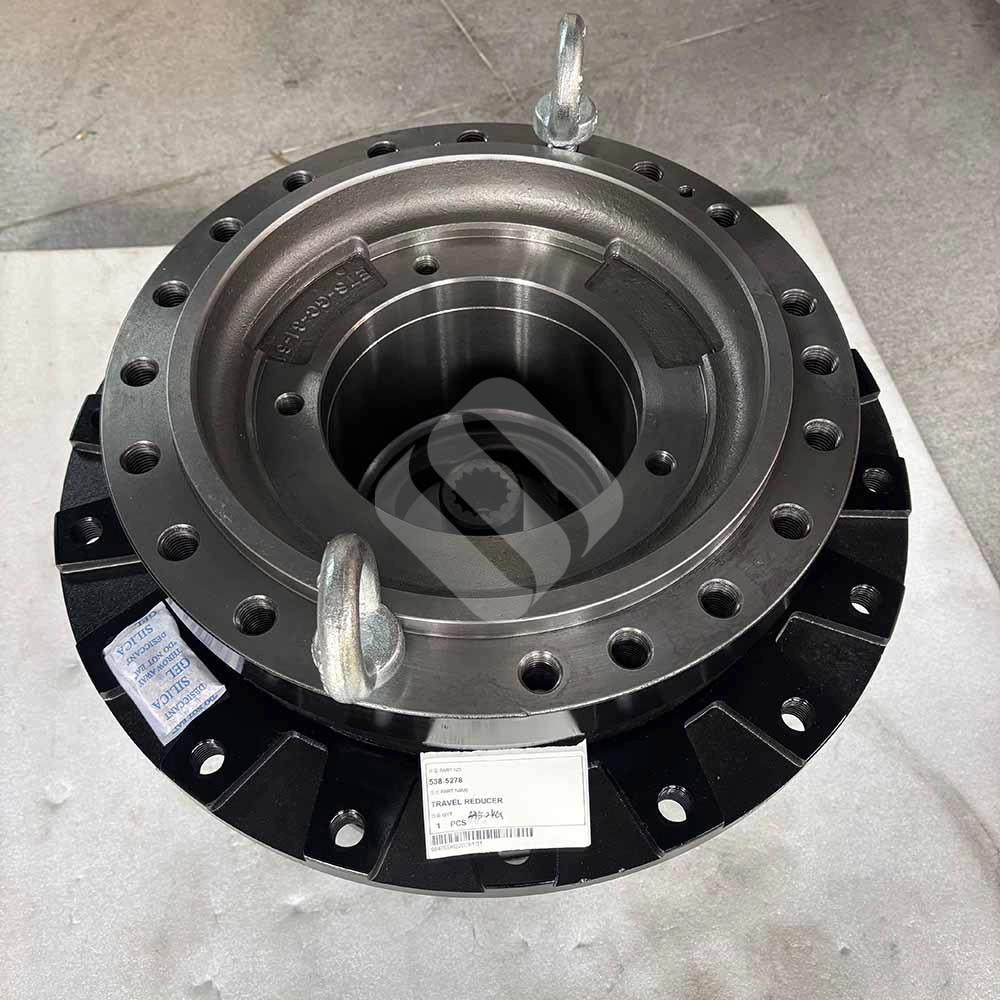
Travel Reducer 538-5278 for Caterpillar CAT Excavator 330 330GC 330F
This is a specific part number for heavy machinery components.
Part Name: Drive GP-FIN (Final Drive Group) or Travel Gearbox.
Equipment Compatibility: Primarily used for Cat 330, 330 GC, 330F, and 330D2 excavators.
Function: It serves as the reduction unit that converts hydraulic power into mechanical rotation to drive the excavator's tracks.
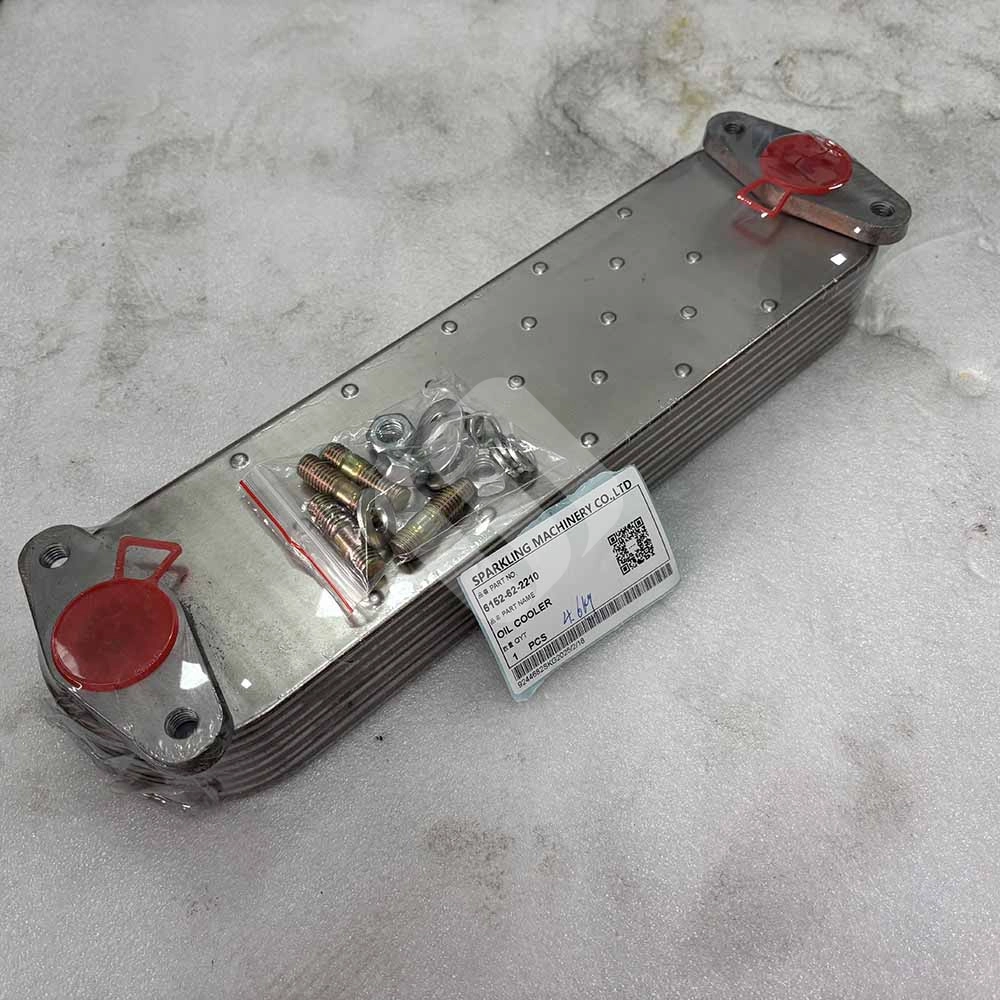
6152-62-2210 Oil Cooler for Komatsu PC400-7 PC400-8 PC400LC-8 & Wheel Loaders WA470-3 WA470-5
The 6152-62-2210 Oil Cooler is a critical thermal management component for Komatsu PC400-7, PC400-8, PC400LC-8 excavators and WA470-3, WA470-5 wheel loaders. It efficiently dissipates heat from engine and hydraulic oil, maintaining optimal operating temperatures to prevent overheating, reduce component wear, and ensure continuous heavy-duty performance in construction and mining environments.
Key Features
· Material: Often made of stainless steel in aftermarket versions.
· Design: 8-plate (8P) design.
· Weight: Approximately 4.74 kg (net weight).
· OEM-Perfect Fit: Matches original mounting and flow specs for direct, modification-free installation.
· High Cooling Efficiency: Optimized fin-and-tube design maximizes heat exchange, keeping oil temperatures stable.
Compatible Equipment
· Excavators: PC400-7, PC400-8, PC400LC-8, PC450-8, PC450LC-8, PC490-10, PC490LC-10, PC550LC-8.
· Wheel Loaders: WA470-3, WA470-5, WA480-6.
· Dump Trucks: HM300-2, HM300-3.
· Dozers: D85EX/PX series.

Contact us
Email: ranroswang@hksparkling.com
Wechat: +86 136 0901 0879
Skype: foreverlucia1
WhatsApp: +86 136 0901 0879
Address: No. 514-515, Hulin Road, Tianhe District, Guangzhou, China.
Sparkling Machinery Co.,Ltd
sparkling_machinery
Whatsapp: +8613609010879