 ranroswang@hksparkling.com
  +86 138 2341 8469


Excavator vs Bulldozer: Which One Do You Need?
Selecting between an excavator and a bulldozer has a direct impact on a project’s efficiency, timeline, and budget. Whether you’re engaged in mining activities, land development preparation, or public utility installation, having a clear understanding of which machine best suits your specific earthmoving needs can help you steer clear of costly delays and equipment mismatches.
This guide outlines the key differences between these two essential off-road construction machines, helping you make the right equipment choice for your operations.
- I. What Is an Excavator and Bulldozer?
- Excavator Overview
- Bulldozer Overview
- II. Types of Excavators
- III. Equipment Comparison: Excavator vs Bulldozer
- 1) Work output: push-and-shape vs dig-and-place
- 2) Precision and control
- 3) Terrain and access
- 4) Material handling and “where the dirt goes.”
- 5) Attachments and versatility (real-world view)
- 6) Operating cost: wear points and maintenance reality
- 7) Quick comparison table
- IV. How to Choose Between an Excavator and a Bulldozer?
- Choose an Excavator If:
- Choose a Bulldozer If:
- V. Quick Summary Table
- VI. Final Thoughts
- Q&A
- 1. How do I choose between an excavator and a bulldozer for my project?
- 2. Which machine is better for difficult or confined terrain?
- 3. What are the key maintenance differences between the two?
I. What Is an Excavator and Bulldozer?
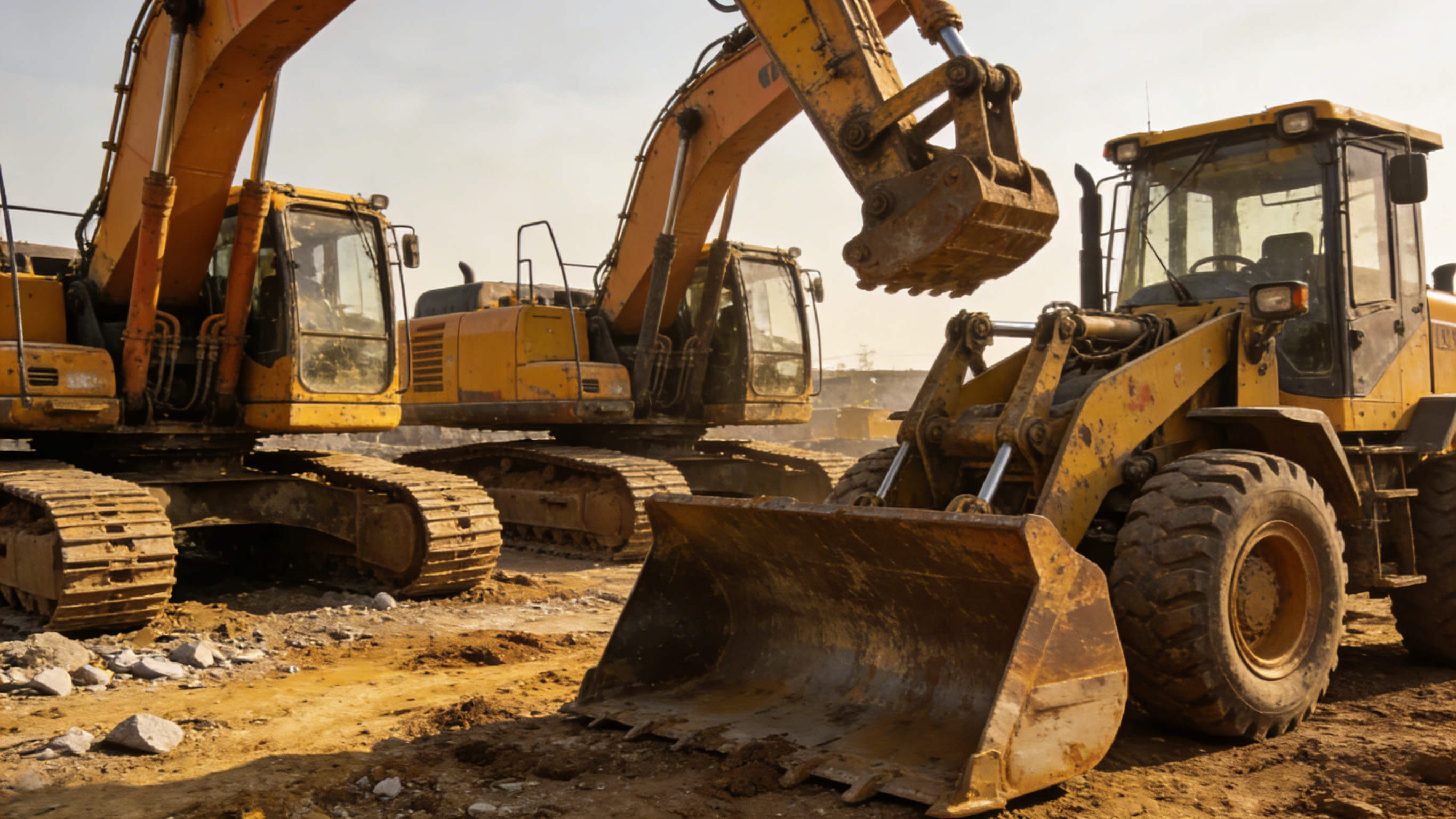
Excavator Overview
-
· Digging foundations and trenches on rough terrain
-
· Transferring materials between dump areas
-
· Tearing down old structures or rock faces
-
· Mining and extracting materials
Bulldozer Overview
-
· Clearing land and leveling surfaces
-
· Preparing roadbeds and grading
-
· Pushing heavy loads like rocks or woody debris
-
· Forming slopes or reshaping uneven landscapes
II. Types of Excavators
|
Type
|
Key Features
|
Ideal Job Type
|
|
Crawler Excavator
|
Tracks for stability and heavy lifting
|
Mining, trenching, or major excavation
|
|
Mini Excavator
|
Small and flexible with a reduced tail-swing radius
|
Residential or confined off-road spaces
|
|
Long-Reach Excavator
|
Extended boom for far-reach digging
|
Dredging or distant trenching
|
|
Skid Steer Excavator
|
Wheeled maneuverability
|
Debris removal and light excavation in confined sites
|
III. Equipment Comparison: Excavator vs Bulldozer
1) Work output: push-and-shape vs dig-and-place
-
· Stripping
-
· Rough grading
-
· Spreading fill
-
· Building work platforms
-
· Trenches with consistent depth
-
· Holes with clean walls
-
· Loading cycles (dig → swing → dump)
2) Precision and control
-
· Trench width and grade
-
· Digging around utilities (when using proper locating and safety practices)
-
· Placing material into trucks, bins, or forms
3) Terrain and access
-
· Bulldozers (especially tracked models) handle traction-demanding pushing tasks well, but they require ample space to work efficiently—longer runs and clear travel paths.
-
· Excavators perform well in uneven work zones because they can dig and swing without needing to move much. This is a significant advantage in cluttered off-road sites.
4) Material handling and “where the dirt goes.”
-
· A bulldozer moves material along the ground.
-
· An excavator moves material through the air (lift/swing/dump).
-
· If you need to load trucks, stockpile material over berms, or place material on one side of a trench, the excavator’s lifting and swinging motion is the cleanest solution.
-
· If you need to spread and mix material across a pad, a bulldozer is usually faster and leaves a better rough grade.
5) Attachments and versatility (real-world view)
-
· Trenching buckets for utility work
-
· Breakers for rock or demolition
-
· Thumbs and grapples for debris handling
-
· Augers for holes (fence lines, footings)
-
· Couplers for quick attachment changes
6) Operating cost: wear points and maintenance reality
-
· Undercarriage components (tracks, rollers, idlers)
-
· Cutting edges and blade wear parts
-
· Drivetrain-related components under heavy pushing loads
-
· Bucket teeth and cutting edges
-
· Pins/bushings and linkage wear points
-
· Hydraulic system components (hoses, seals, filters)
7) Quick comparison table
|
Category
|
Bulldozer
|
Excavator
|
|
Primary strength
|
Pushing, spreading, rough grading
|
Digging, lifting, placing, loading
|
|
Best movement pattern
|
Forward push passes
|
Dig–swing–dump cycles
|
|
Typical “best day” tasks
|
Clearing, pad prep, slope shaping
|
Trenching, foundations, loading, demolition
|
|
Works well in tight sites
|
Sometimes limited (needs push lanes)
|
Often strong (rotating upper body)
|
|
Material handling
|
Moves material along the ground
|
Moves material by lifting and swinging
|
|
Where we feel rework risk
|
Deep trenches and tight tolerances
|
Large-area clearing and finish shaping (without support)
|
|
Maintenance focus
|
Undercarriage + cutting edges
|
Hydraulics + bucket wear + linkages
|
IV. How to Choose Between an Excavator and a Bulldozer?
Choose an Excavator If:
-
You need to dig deep trenches, holes, or foundations.
-
You require controlled movements for precise operations.
-
The job site demands maneuverability on slopes or uneven ground.
-
You need to quickly swap attachments for multiple tasks.
Choose a Bulldozer If:
-
You’re clearing dense land or forested areas.
-
Grading and leveling are your top priorities.
-
Ground conditions are rough, and natural traction is essential.
-
Heavy lifting is less important than pushing capacity.
V. Quick Summary Table
|
Condition
|
Best Machine
|
|
Large-scale clearing, grading
|
Bulldozer
|
|
Deep digging, trenching
|
Excavator
|
|
Off-road terrain with elevation
|
Excavator
|
|
Flattening soil for routes
|
Bulldozer
|
|
Material handling
|
Excavator
|
VI. Final Thoughts
-
· Bulldozers: unrivaled for land clearing and grading.
-
· Excavators: superior for digging, lifting, and versatile off-road operations.
Q&A
1. How do I choose between an excavator and a bulldozer for my project?
The choice depends on your primary task: select an excavator if you need to dig deep trenches, lift materials, or work in tight spaces using 360° rotation. Choose a bulldozer if your project requires clearing large areas of land, leveling surfaces, or pushing heavy debris across long distances.
2. Which machine is better for difficult or confined terrain?
Excavators are generally more effective in uneven or cluttered work zones because they can dig and swing without needing to move their tracks frequently. While bulldozers offer excellent traction on rough terrain, they require much more open space to maneuver and perform efficient pushing passes.
3. What are the key maintenance differences between the two?
Maintenance for bulldozers typically focuses on undercarriage components (tracks/rollers) and blade cutting edges due to constant pushing friction. For excavators, the focus is on the hydraulic system (hoses/seals), bucket wear parts (teeth), and the pins and bushings in the linkage arms.
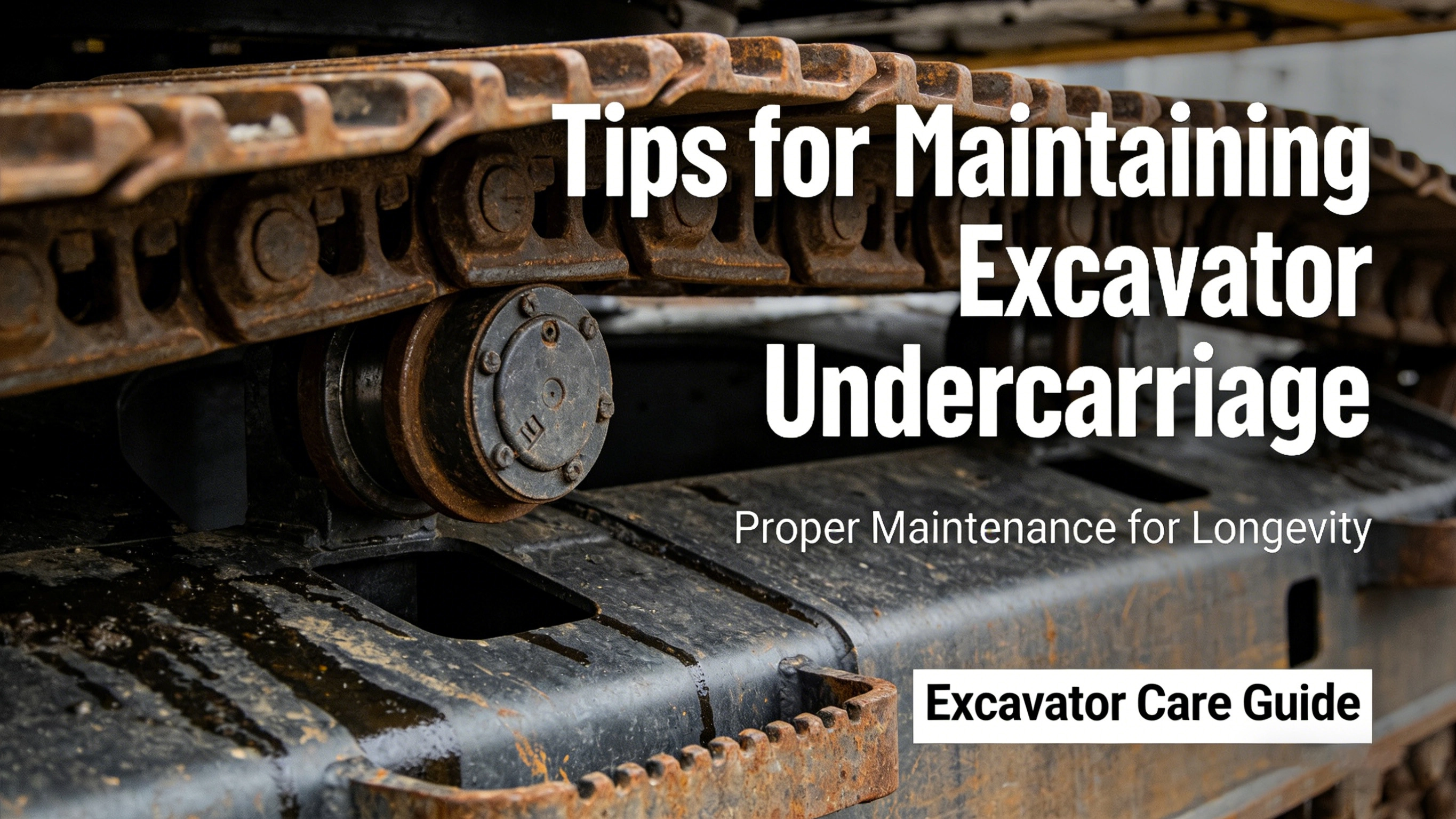
Tips for Maintaining Excavator Undercarriage
How to Select the Right Radiator Core? (2026)
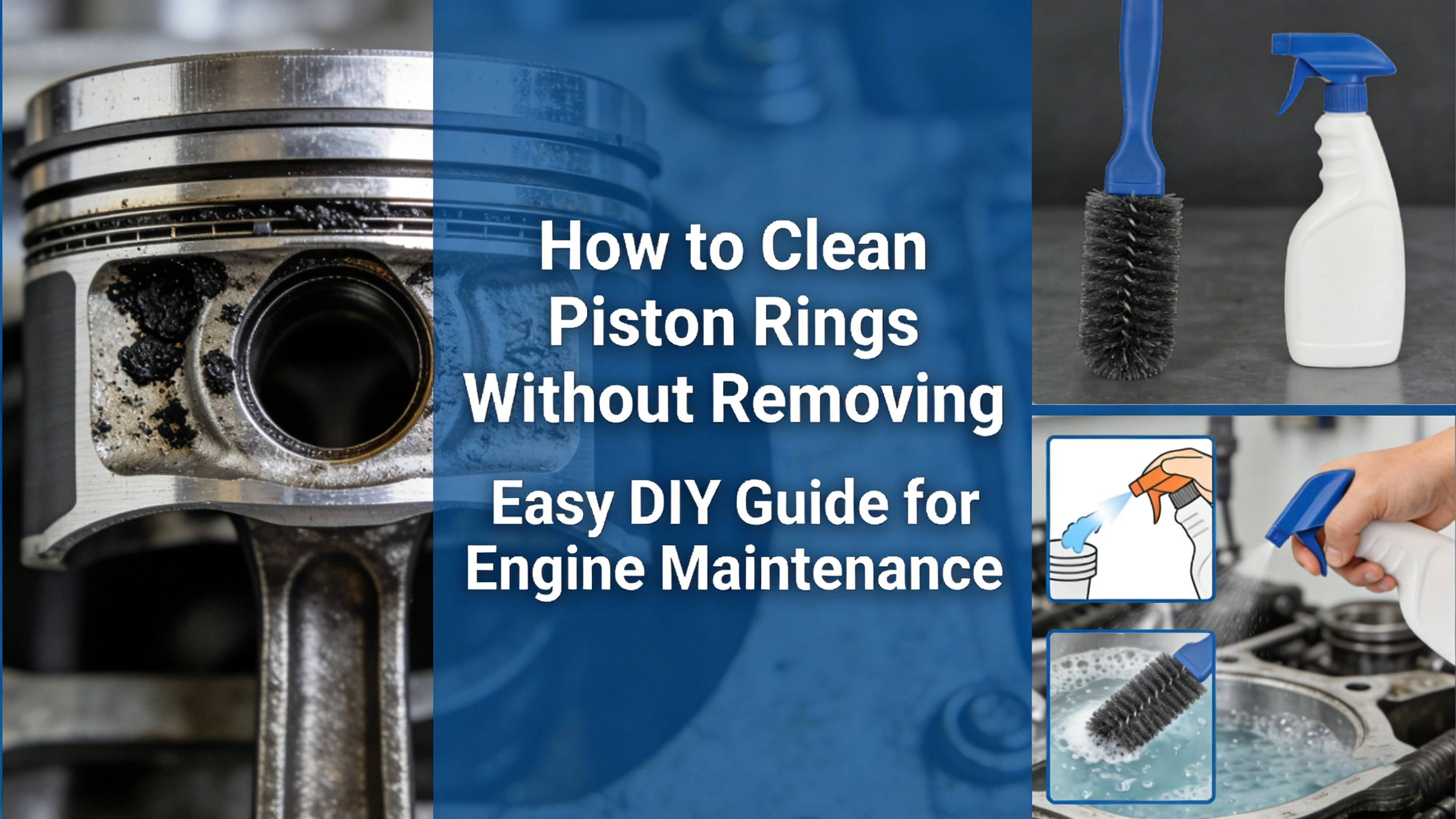
How to Clean Piston Rings Without Removing?
A Beginner’s Guide to Adding Hydraulic Fluid to an Excavator
Excavator Hydraulic Fluid: Have To Know These Things
faq
Can I get technical support for installing your parts?
Absolutely. We provide technical support and guidance for the installation and maintenance of our parts. Our team is available to assist you with any questions or concerns to ensure proper installation and optimal performance.
How do you ensure the quality of your parts?
We follow strict quality control procedures throughout the manufacturing process. Our parts are tested for durability, performance, and precision to ensure they meet industry standards and exceed customer expectations.
What types of excavator parts do you manufacture?
We manufacture a wide range of excavator parts, including hydraulic components, undercarriage parts, engine parts, wear parts, and more. Our products are designed to fit a variety of excavator models and are built to meet the highest quality standards.
Do you offer customized parts?
-
Yes, we offer tailored solutions to meet specific customer requirements. Whether you need custom dimensions or specialized features, we can design and produce parts that perfectly match your excavator’s needs.
-
What is the lead time for receiving excavator parts?
Our typical lead time depends on the complexity and quantity of the order. For standard parts, delivery usually takes between 7 to 14 days. For custom orders, the lead time may vary, but we always strive to ensure timely delivery.
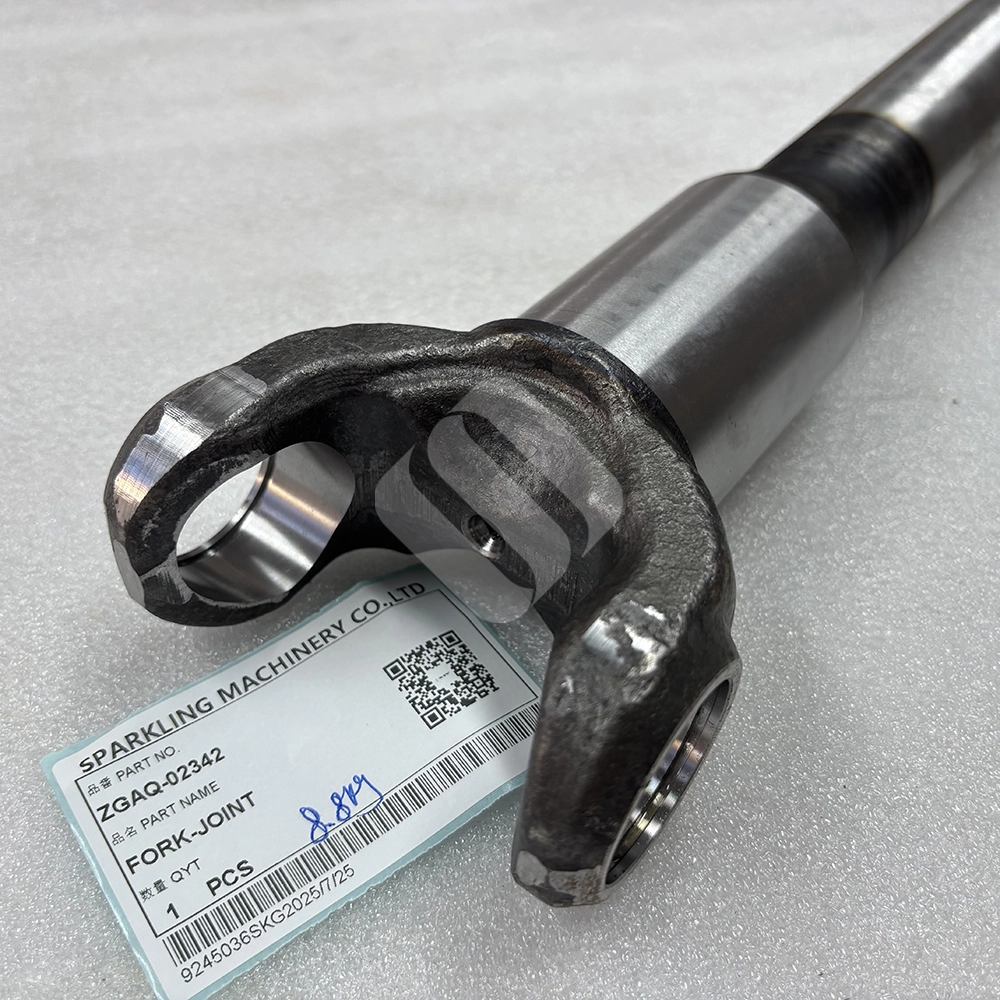
Hyundai Made In China Sparkling Machinery New r200w-7 r200w-7a Zgaq-02342 Fork-Joint 8.8kg
Hyundai Made In China Sparkling Machinery New r200w-7 r200w-7a Zgaq-02342 Fork-Joint 8.8kg
Excavator Spare Parts 6KG 424-64-15610 Hydraulic Valve for Komatsu WA380-3 WA420-3 WA450-3
Excavator Spare Parts 6KG 424-64-15610 Hydraulic Valve for Komatsu WA380-3 WA420-3 WA450-3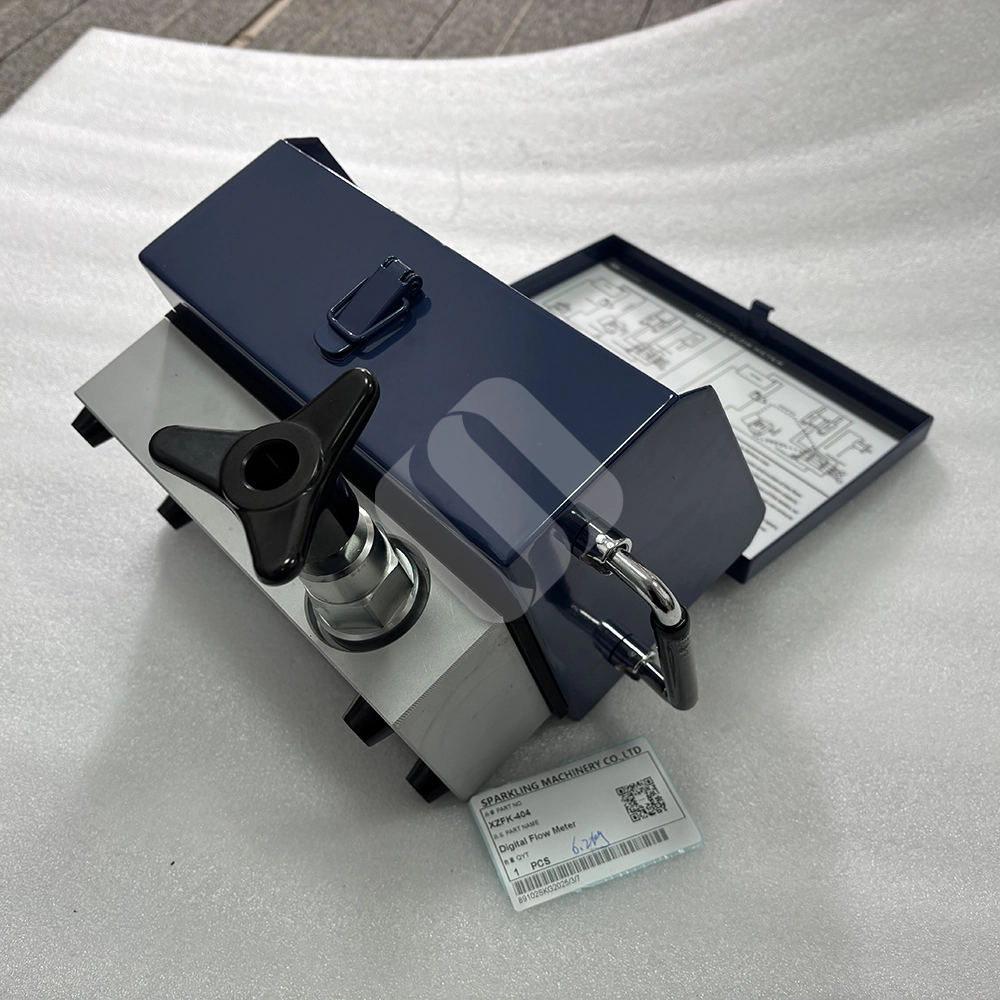
Excavator Spare Parts 9V battery XZFK-404 DIGITAL FLOW METER
Excavator Spare Parts 9V battery XZFK-404 DIGITAL FLOW METER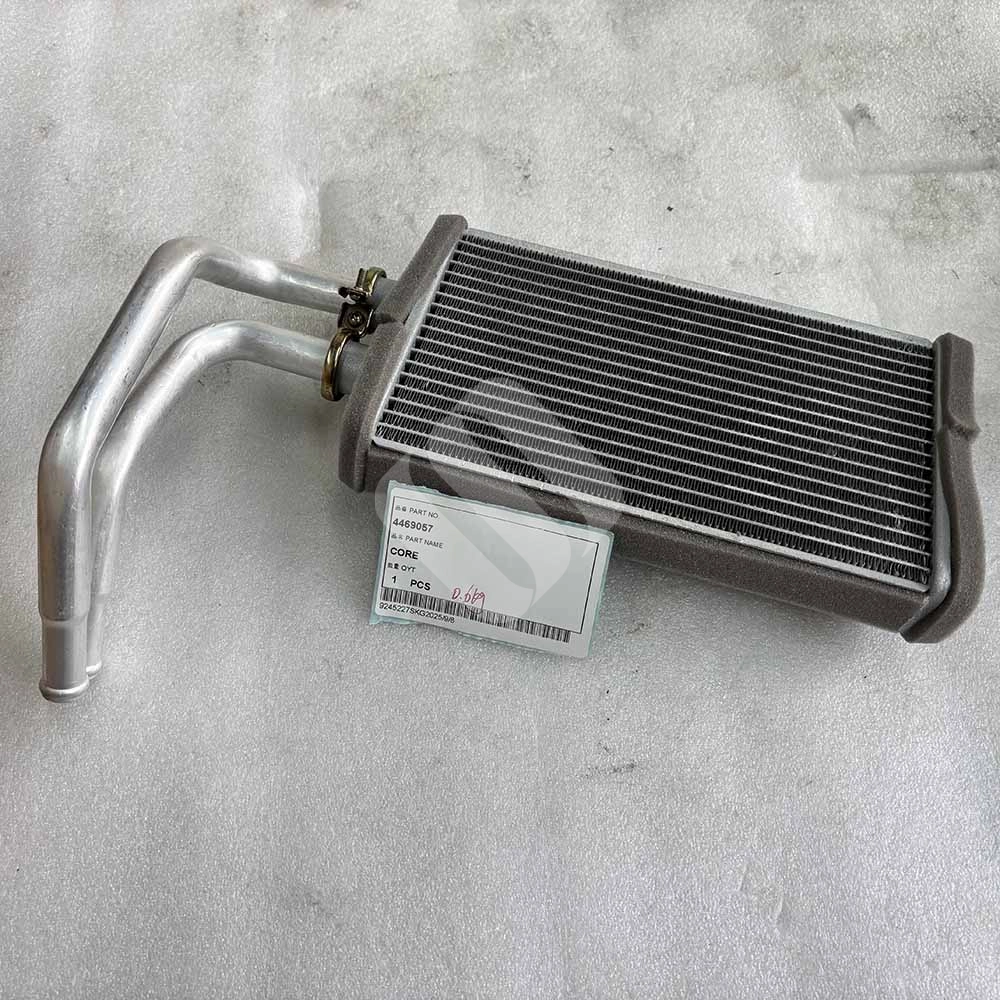
Hitachi HIGH-QUALITY EXCAVATOR PARTS MADE IN CHINA NEW ZX110 ZX130H ZX130K ZX120 4469057 CORE SPARKLING MACHINERY
Hitachi HIGH-QUALITY EXCAVATOR PARTS MADE IN CHINA NEW ZX110 ZX130H ZX130K ZX120 4469057 CORE SPARKLING MACHINERY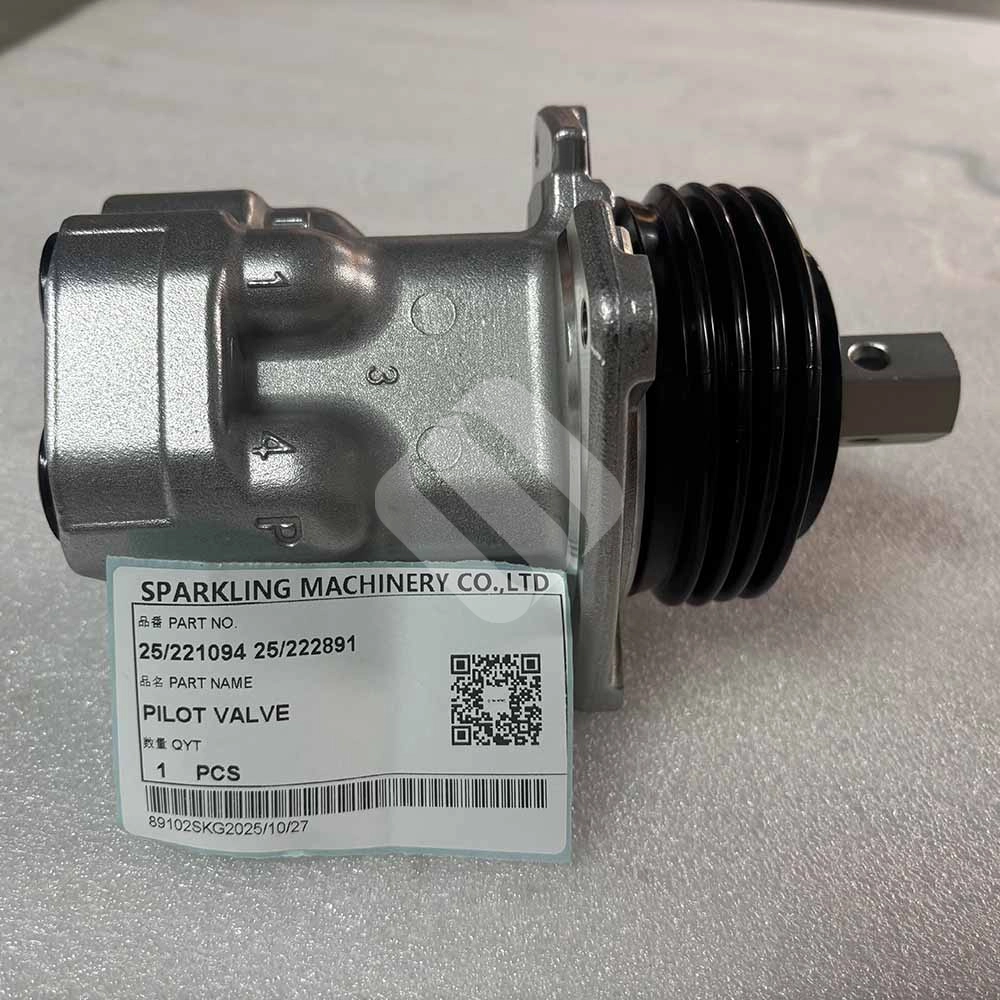
JCB HIGH-QUALITY EXCAVATOR PARTS MADE IN CHINA NEW 25/221094 25/222891 PILOT VALVE SPARKLING MACHINERY
JCB HIGH-QUALITY EXCAVATOR PARTS MADE IN CHINA NEW 25/221094 25/222891 PILOT VALVE SPARKLING MACHINERY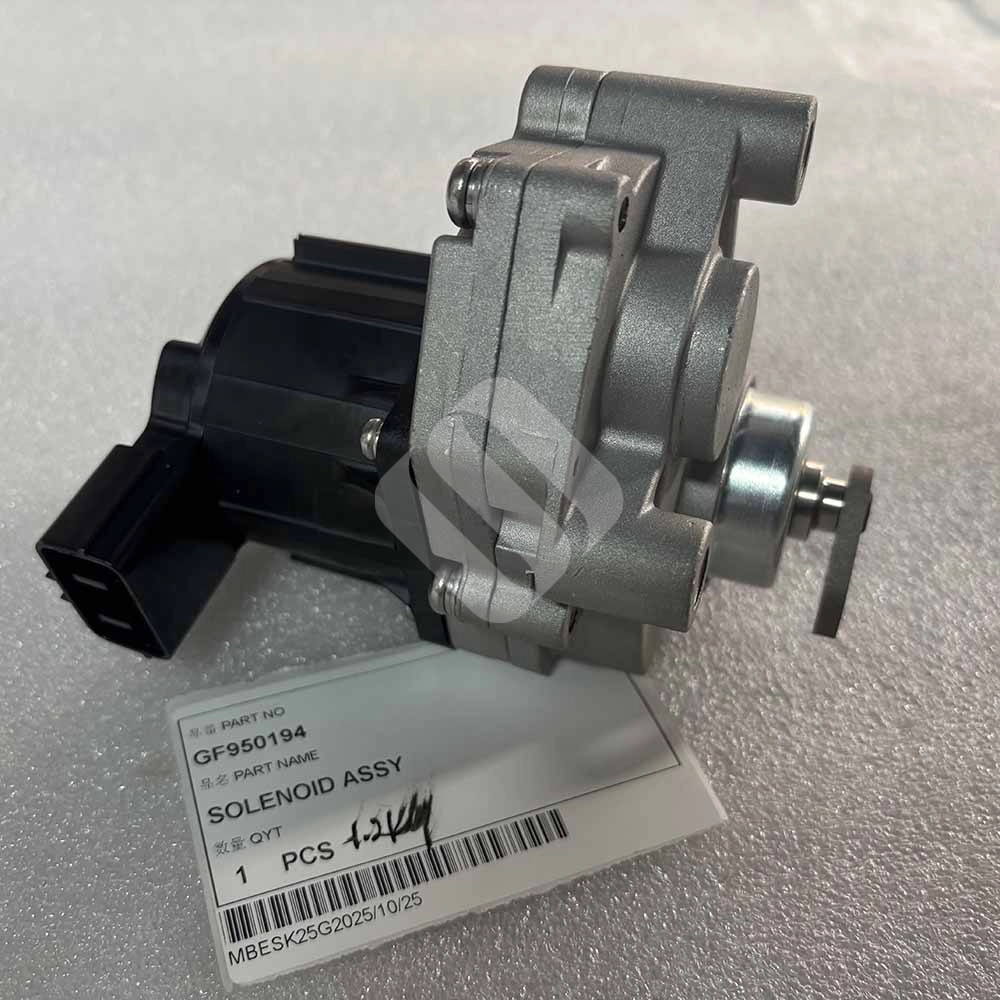
CATERPILLAR HIGH-QUALITY EXCAVATOR PARTS MADE IN CHINA NEW GF950194 SOLENOID ASSY SPARKLING MACHINERY
CATERPILLAR HIGH-QUALITY EXCAVATOR PARTS MADE IN CHINA NEW GF950194 SOLENOID ASSY SPARKLING MACHINERY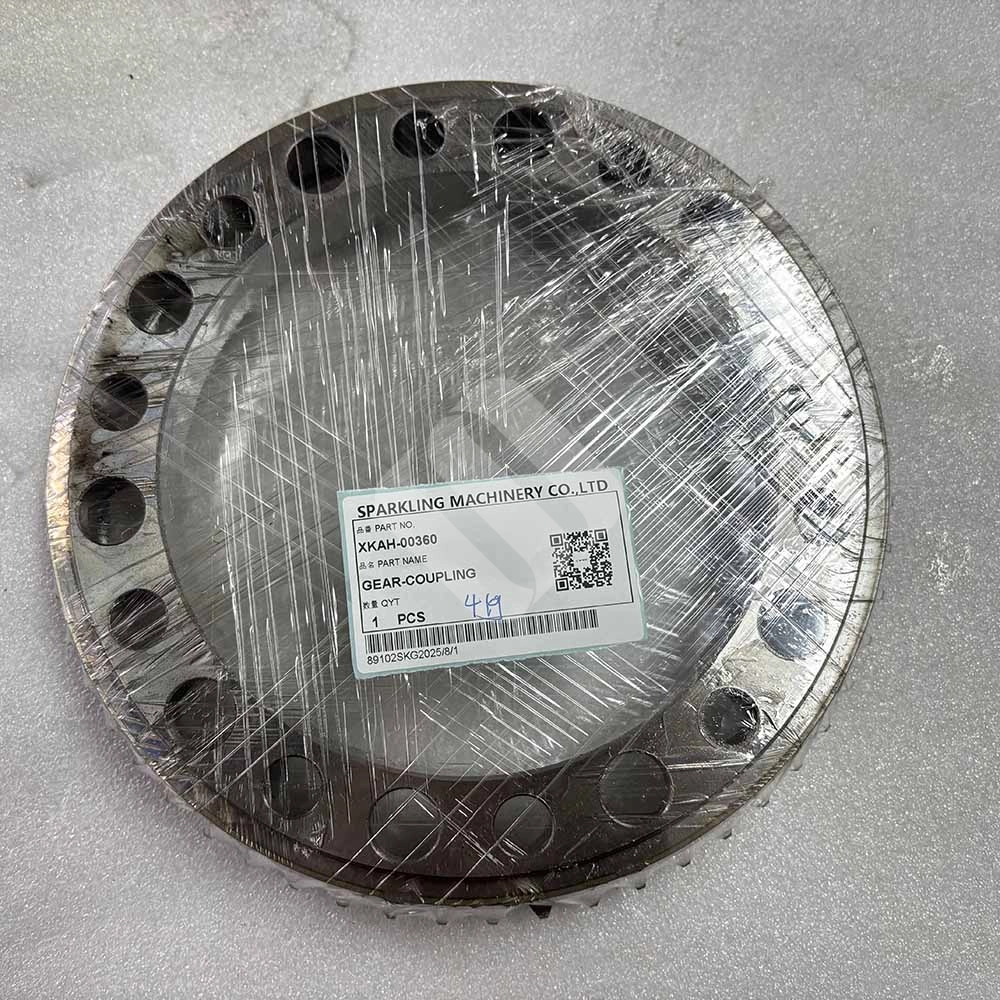
Hyundai HIGH-QUALITY EXCAVATOR PARTS MADE IN CHINA NEW R140LC-7 R140LC-7A R160LC7 XKAH-00360 GEAR-COUPLING SPARKLING MACHINERY
Hyundai HIGH-QUALITY EXCAVATOR PARTS MADE IN CHINA NEW R140LC-7 R140LC-7A R160LC7 XKAH-00360 GEAR-COUPLING SPARKLING MACHINERY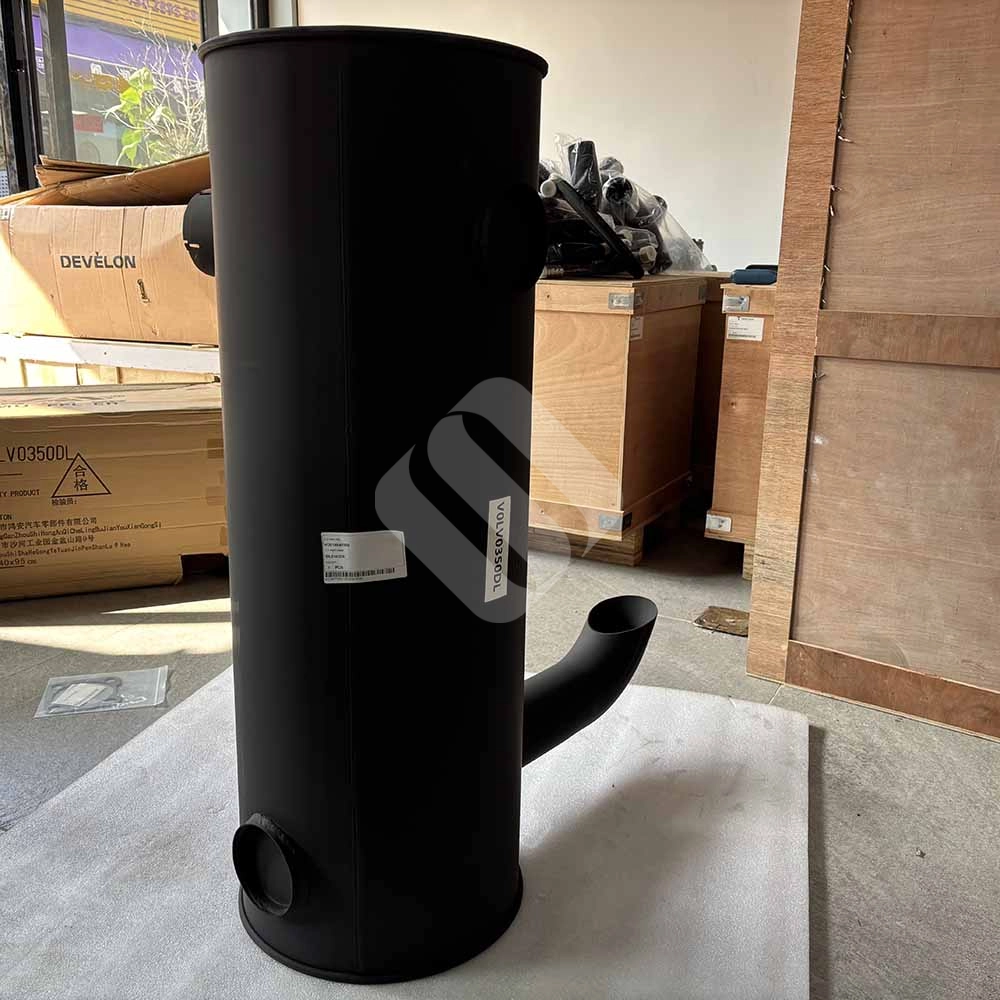
VOLVO HIGH-QUALITY EXCAVATOR PARTS MADE IN CHINA NEW EC350D VOE14640300 SILENCER SPARKLING MACHINERY
VOLVO HIGH-QUALITY EXCAVATOR PARTS MADE IN CHINA NEW EC350D VOE14640300 SILENCER SPARKLING MACHINERY
VOLVO HIGH-QUALITY EXCAVATOR PARTS MADE IN CHINA NEW EW160C EW180C VOE14558931/4472398044 SHIM SPARKLING MACHINERY
VOLVO HIGH-QUALITY EXCAVATOR PARTS MADE IN CHINA NEW EW160C EW180C VOE14558931/4472398044 SHIM SPARKLING MACHINERY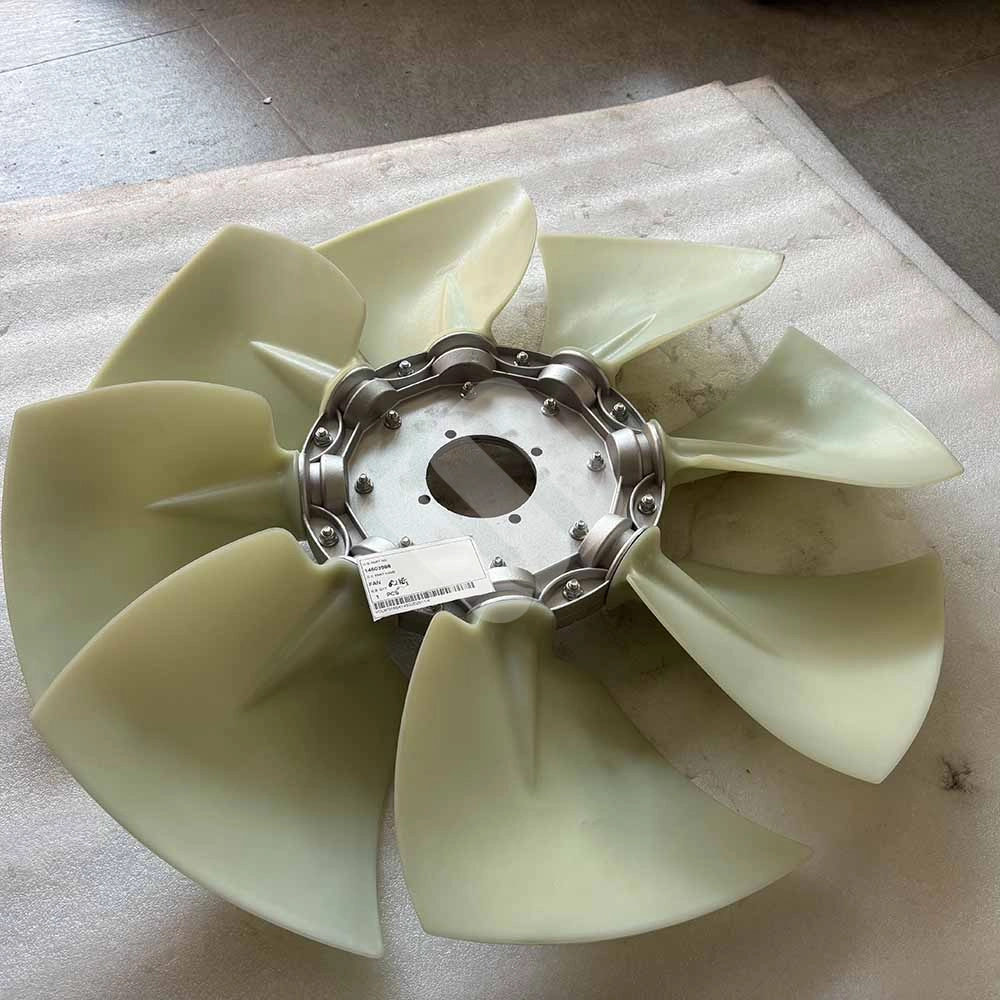
VOLVO HIGH-QUALITY EXCAVATOR PARTS MADE IN CHINA NEW EC200B EC210B EC220D EW205D 14603988 FAN SPARKLING MACHINERY
VOLVO HIGH-QUALITY EXCAVATOR PARTS MADE IN CHINA NEW EC200B EC210B EC220D EW205D 14603988 FAN SPARKLING MACHINERYGet in touch
We are committed to producing the highest quality products at the most competitive prices. Therefore, we sincerely invite all interested companies to contact us for more information.

Contact us
Email: ranroswang@hksparkling.com
Wechat: +86 136 0901 0879
Skype: foreverlucia1
WhatsApp: +86 136 0901 0879
Address: No. 514-515, Hulin Road, Tianhe District, Guangzhou, China.
Sparkling Machinery Co.,Ltd
sparkling_machinery
Whatsapp: +8613609010879