 ranroswang@hksparkling.com
  +86 138 2341 8469


How to Clean Piston Rings Without Removing?
- I. What is an Engine Piston Ring (for Excavators)?
- Ⅱ. How to Clean Piston Rings Without Removing (for Excavators)
- Step 1: Gather Your Supplies (Excavator-Specific)
- Step 2: Preparation of the Excavator Engine
- Step 3: Access the Cylinders (Excavator Engine)
- Step 4: Apply the Cleaning Solvent
- Step 5: Let It Soak
- Step 6: Purge the Cylinders
- Step 7: Reassemble and Replace the Engine Oil
- Step 8: Start the Excavator Engine
- Ⅲ. Tips for Cleaning Excavator Engine Piston Rings
- Ⅳ. From a Quick Fix to a Lasting Repair for Excavators
I. What is an Engine Piston Ring (for Excavators)?
-
· Top Compression Ring: The primary ring, which forms a tight seal with the cylinder wall to withstand the intense combustion pressure—critical for delivering the power needed for excavator digging, lifting, and heavy-duty tasks.
-
· Second Compression Ring: Positioned below the top ring, it supports the top ring and wipes excess oil off the cylinder wall as the piston moves downward, stopping oil from entering the combustion chamber (a common issue in excavators that leads to blue smoke and reduced fuel efficiency).
-
· Oil Control Ring: Located at the bottom, it efficiently scrapes oil from the cylinder wall and directs it back to the crankcase through its slots or holes—vital for preventing oil waste, which is especially important for excavators that run for long hours on job sites.
-
· Ring Gap: Each ring has a small opening, allowing for easy installation and enabling the metal to expand when heated (a frequent occurrence in excavators during extended operation) without getting stuck inside the cylinder.
Ⅱ. How to Clean Piston Rings Without Removing (for Excavators)
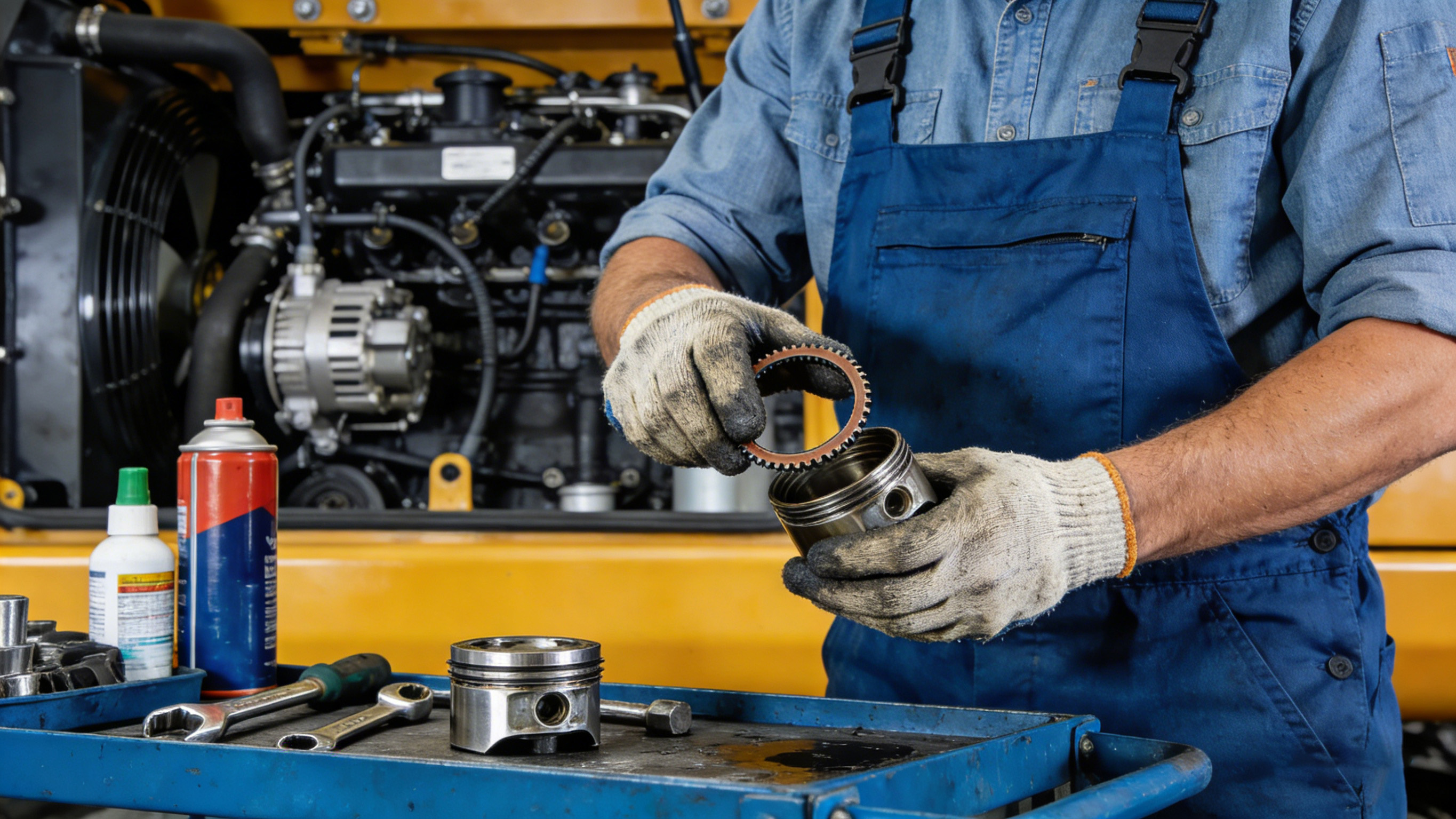
Step 1: Gather Your Supplies (Excavator-Specific)
-
· Engine Carbon Cleaner/Flush: Select a high-quality solvent made for internal use in heavy-duty diesel engines, specifically formulated to break down heavy carbon deposits common in excavator engines. Common options include Sea Foam, Berryman B-12 Chemtool, or specialized diesel engine "unjamming" fluids designed for construction equipment.
-
· Basic Hand Tools: You’ll need wrenches or sockets (sized for your excavator’s make and model) to remove the fuel injectors or glow plugs—note that excavator injectors may be larger and require more torque than standard heavy equipment.
-
· Shop Rags & Dust Pans: You’ll need a large number of shop rags for cleanup, plus a dust pan to collect debris (common on job sites) that may fall into the cylinder openings.
-
· Engine Oil and a New Oil Filter: This is mandatory. Excavator engines hold more oil than standard engines, so ensure you have enough fresh oil of the correct grade (check your excavator’s manual) and a compatible oil filter.
-
· Safety Equipment: In addition to gloves and goggles, include a dust mask to protect against dirt and solvent fumes, and safety locks for the excavator’s boom and bucket to prevent movement during the process.
Step 2: Preparation of the Excavator Engine
Step 3: Access the Cylinders (Excavator Engine)
Step 4: Apply the Cleaning Solvent
Step 5: Let It Soak
-
This is the most crucial step, especially for excavators with heavy carbon buildup. Screw the glow plug or injector back in loosely to prevent debris from getting inside. Now, patience is key—excavator engines often have thicker carbon deposits due to heavy use.
-
For light carbon buildup (excavators used occasionally or with regular maintenance), an 8–12 hour soak will be sufficient.
-
For heavy carbon deposits (excavators used daily on dusty job sites, or with irregular maintenance), let the engine soak for 24 to 48 hours. This gives the solvent enough time to penetrate the thick carbon and free the stuck piston rings, which is critical for restoring your excavator’s digging power.
Step 6: Purge the Cylinders
-
Remove the loosely installed injectors or plugs.
-
Cover the holes with a thick cloth to prevent splashing solvent and debris (important for job site safety).
-
Turn off the excavator’s fuel system to avoid accidental ignition.
-
Crank the engine for 5–10 seconds. The pistons will push the solvent and dissolved carbon out through the holes—you may notice dark, thick residue, which is normal for excavators with heavy carbon buildup.
Step 7: Reassemble and Replace the Engine Oil
Step 8: Start the Excavator Engine
Ⅲ. Tips for Cleaning Excavator Engine Piston Rings
-
· Choose Superior Products: Don’t be tempted to buy cheap cleaning solvents—excavator engines are expensive and require high-quality, reputable products that are effective at breaking down heavy carbon deposits without damaging internal components.
-
· Patience is of the Essence: The success of this method is directly related to how long the solvent soaks. Rushing this step will inevitably lead to unsatisfactory results, which can mean more downtime for your excavator on the job site.
-
· Know When to Cease: While this chemical cleaning method works well for stuck piston rings, it’s not a solution for all problems. If the issue persists after cleaning (e.g., blue smoke continues, power remains low), it likely means the problem is more serious than just stuck piston rings. You may be dealing with severely worn rings, damaged pistons, or scored cylinder walls—common in excavators that have been used extensively without proper maintenance. In such cases, the engine block must be disassembled and thoroughly inspected for wear and damage.
-
· Attend to Subsequent Maintenance: After cleaning, strictly follow the oil change schedule for your excavator (more frequent changes may be needed for job sites with heavy dust). Use only high-grade engine oil, and regularly clean or replace the fuel filter and air filter—this will further reduce contaminants that cause carbon buildup in excavator piston rings.
-
· Job Site Safety First: Always secure the excavator with safety locks before working on the engine, and wear appropriate protective gear. Keep the work area clean of debris to prevent accidents, and dispose of used solvent and oil properly (in compliance with local regulations).
Ⅳ. From a Quick Fix to a Lasting Repair for Excavators

Tips for Maintaining Excavator Undercarriage

How to Select the Right Radiator Core? (2026)

A Beginner’s Guide to Adding Hydraulic Fluid to an Excavator

Excavator Hydraulic Fluid: Have To Know These Things

Cleaning Guide: How To Clean a Diesel Fuel Filter?
faq
What types of excavator parts do you manufacture?
We manufacture a wide range of excavator parts, including hydraulic components, undercarriage parts, engine parts, wear parts, and more. Our products are designed to fit a variety of excavator models and are built to meet the highest quality standards.
Do you offer customized parts?
-
Yes, we offer tailored solutions to meet specific customer requirements. Whether you need custom dimensions or specialized features, we can design and produce parts that perfectly match your excavator’s needs.
-
Are your products covered by a warranty?
-
Yes, all of our excavator parts come with a warranty to ensure quality and reliability. The warranty period may vary depending on the type of part. Please contact us for detailed warranty terms for specific products.
-
What is the lead time for receiving excavator parts?
Our typical lead time depends on the complexity and quantity of the order. For standard parts, delivery usually takes between 7 to 14 days. For custom orders, the lead time may vary, but we always strive to ensure timely delivery.
Can I get technical support for installing your parts?
Absolutely. We provide technical support and guidance for the installation and maintenance of our parts. Our team is available to assist you with any questions or concerns to ensure proper installation and optimal performance.
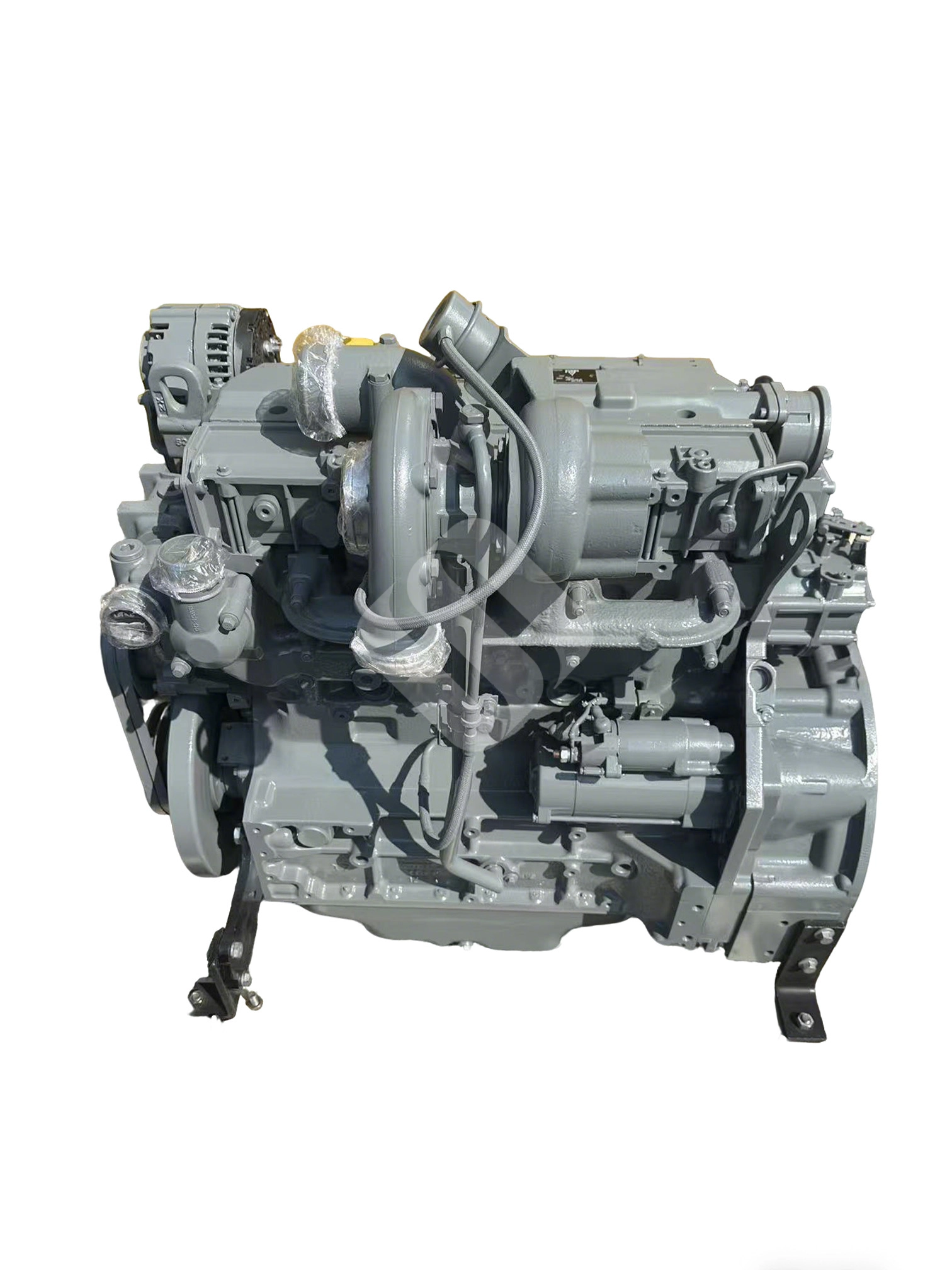
DEUTZ BF4M1013EC Diesel Engine for SANY | 4.76L Turbocharged Intercooled Motor | Part No. 60328623
DEUTZ BF4M1013EC Diesel Engine for SANY | 4.76L Turbocharged Intercooled Motor | Part No. 60328623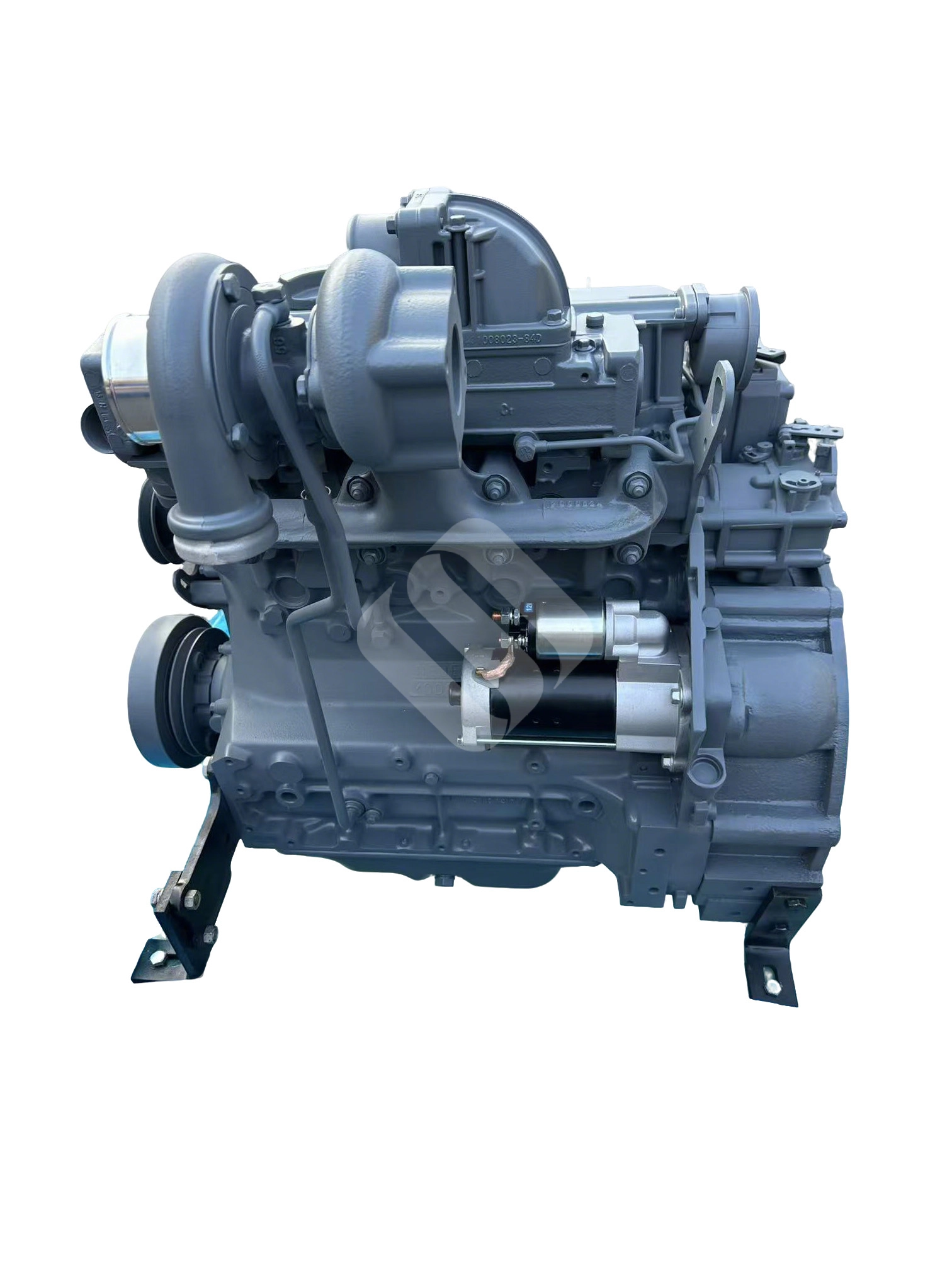
DEUTZ BF4M1012C Water-Cooled Diesel Engine | 4-Cylinder Turbocharged Industrial Motor
DEUTZ BF4M1012C Water-Cooled Diesel Engine | 4-Cylinder Turbocharged Industrial Motor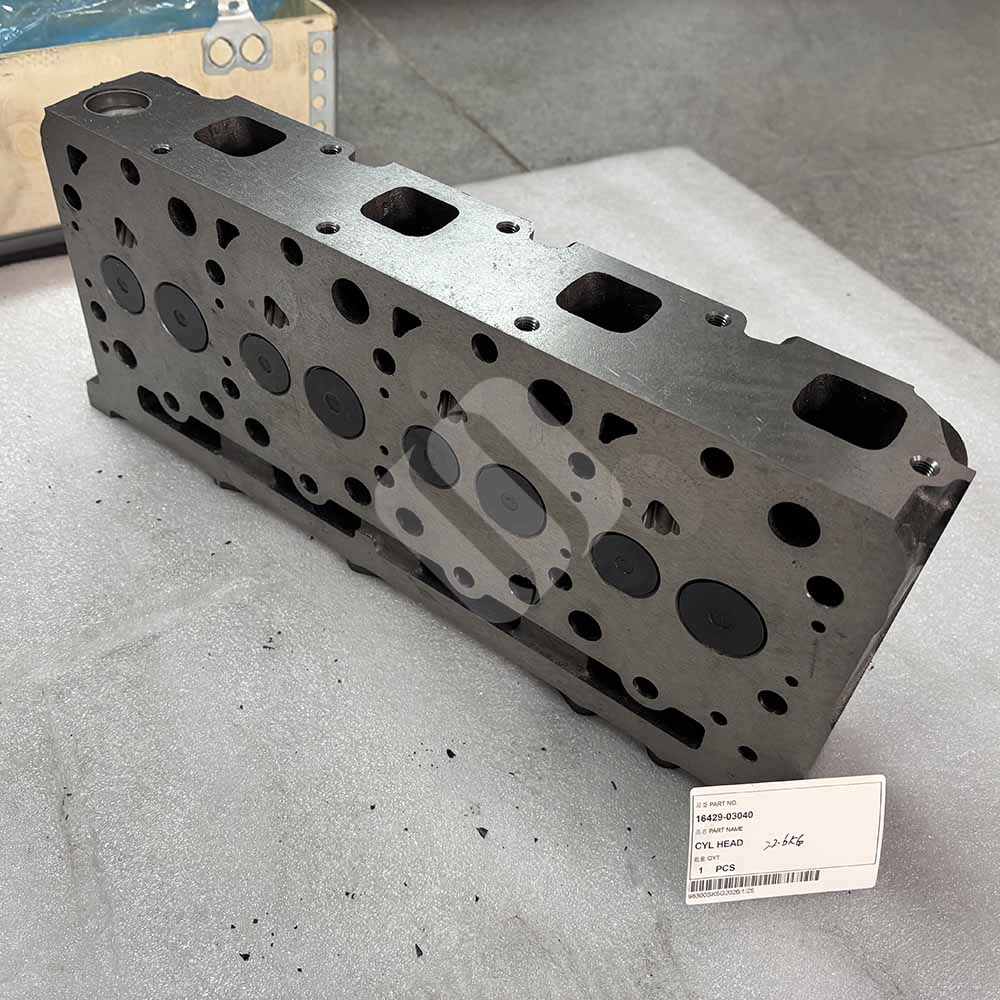
16429-03040 Engine Cylinder Head for Kubota Excavator KX121-3 KX161-3 U45
16429-03040 Engine Cylinder Head for Kubota Excavator KX121-3 KX161-3 U45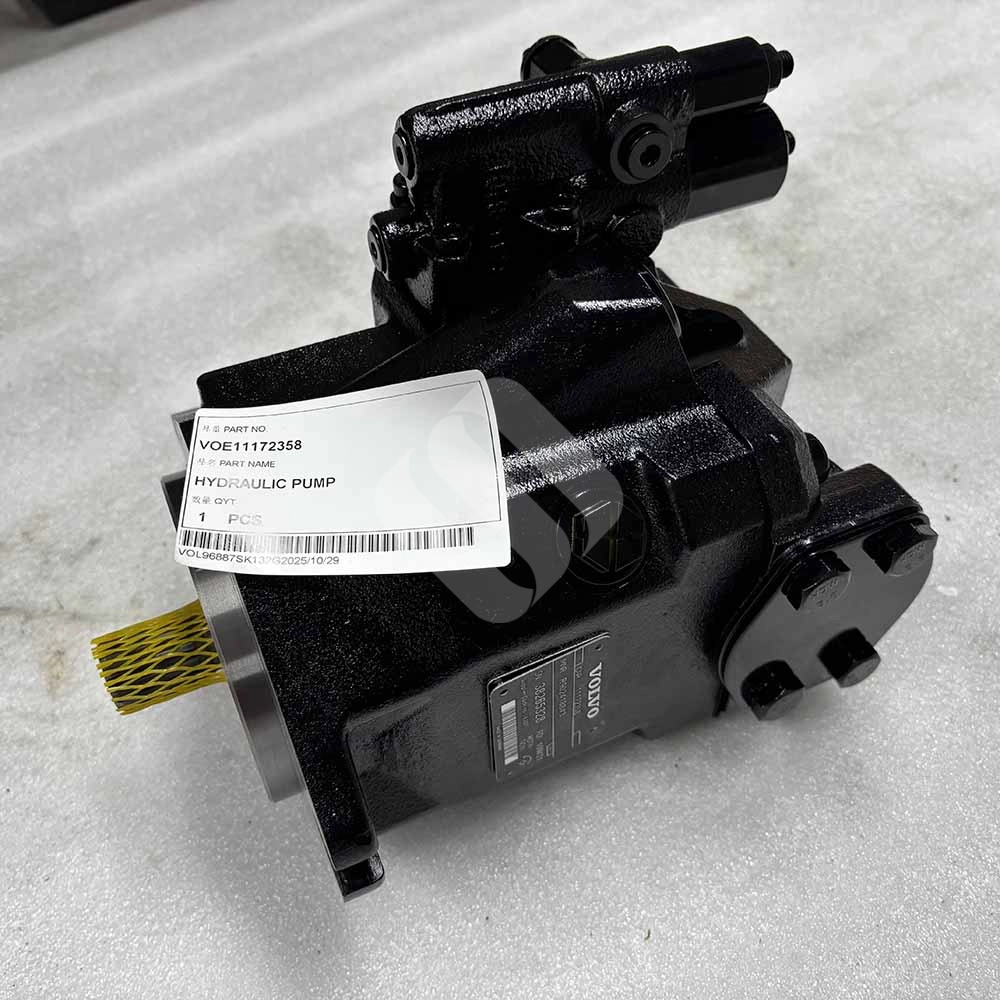
VOE11172358 11172358 Hydraulic Pump for Volvo Wheel Loader L60E L70E L90E L110E L60F L70F L90F L120F
VOE11172358 11172358 Hydraulic Pump for Volvo Wheel Loader L60E L70E L90E L110E L60F L70F L90F L120F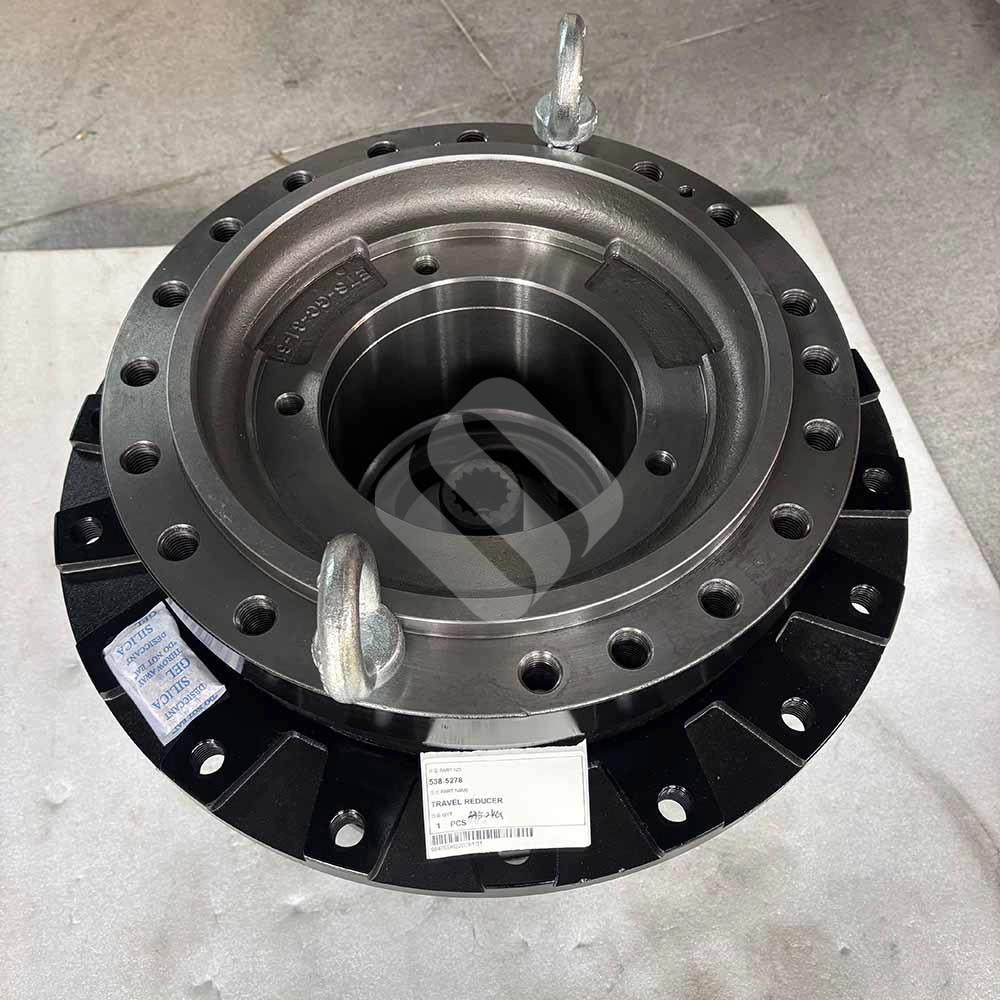
Travel Reducer 538-5278 for Caterpillar CAT Excavator 330 330GC 330F
Travel Reducer 538-5278 for Caterpillar CAT Excavator 330 330GC 330F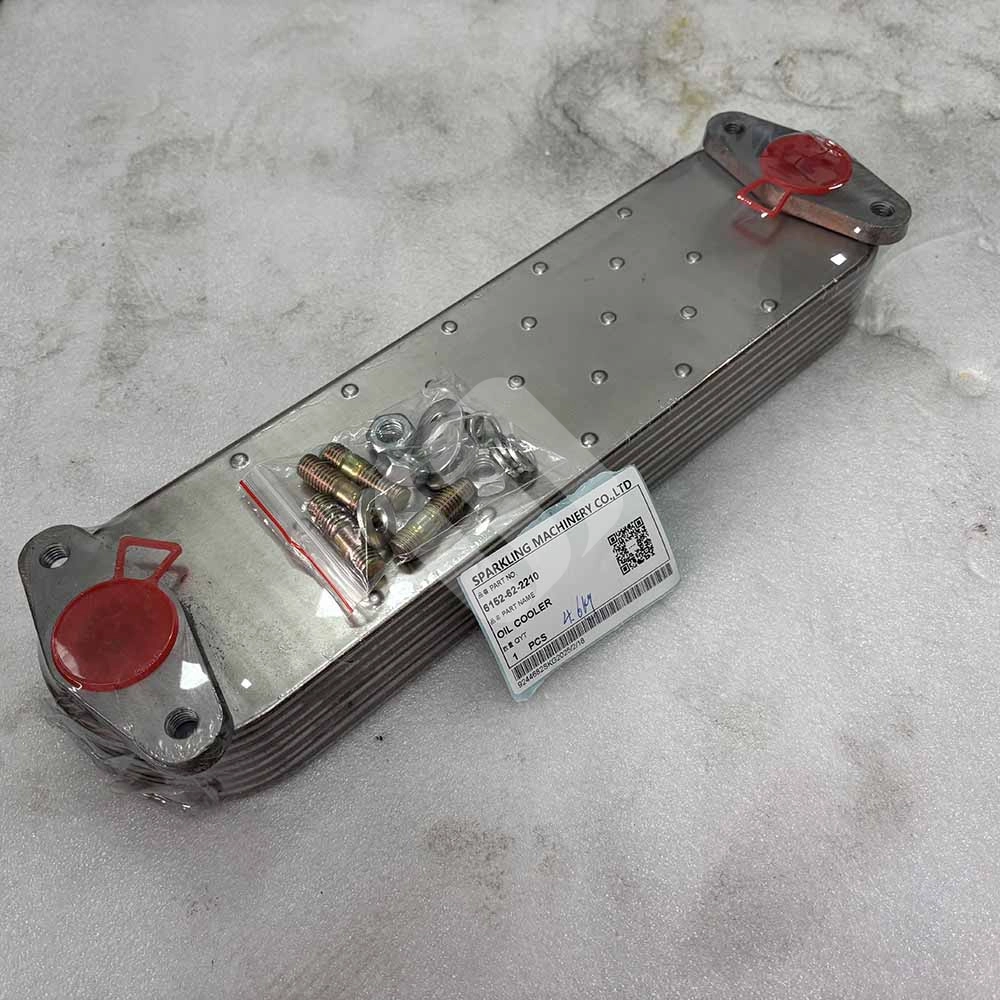
6152-62-2210 Oil Cooler for Komatsu PC400-7 PC400-8 PC400LC-8 & Wheel Loaders WA470-3 WA470-5
6152-62-2210 Oil Cooler for Komatsu PC400-7 PC400-8 PC400LC-8 & Wheel Loaders WA470-3 WA470-5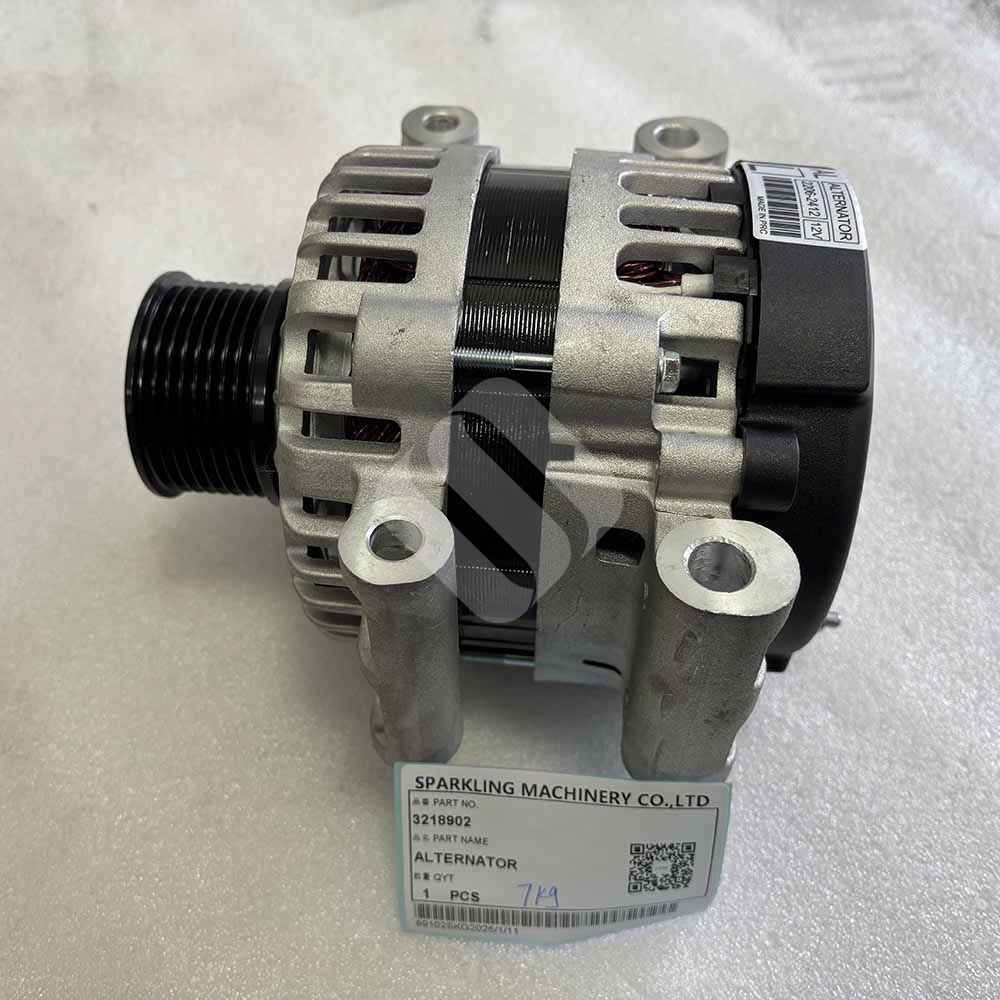
12V 100A 7Kg 3218902 Alternator for Caterpillar Engines 3512C, C4.4, C7.1 – Reliable Power Supply
12V 100A 7Kg 3218902 Alternator for Caterpillar Engines 3512C, C4.4, C7.1 – Reliable Power Supply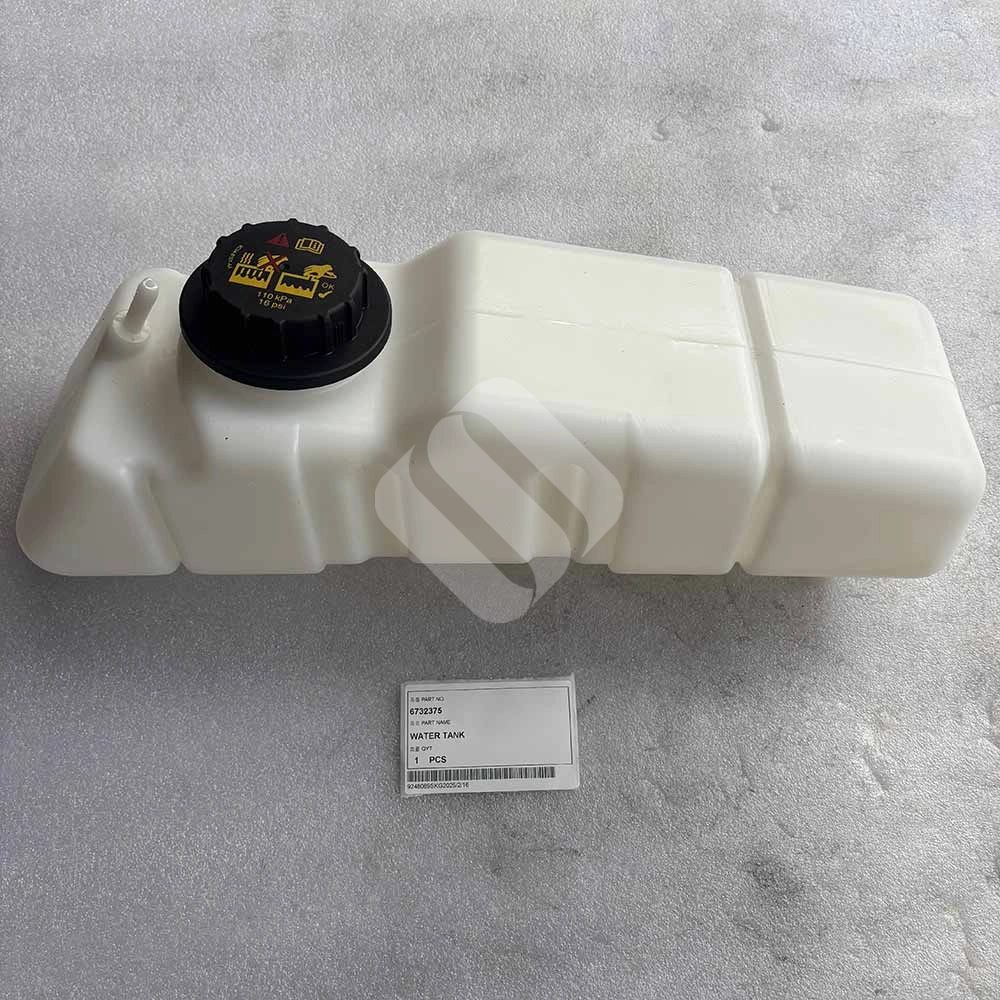
6732375 Water Tank for Volvo Construction Equipment EC200B EC210B EC210C EC240B
6732375 Water Tank for Volvo Construction Equipment EC200B EC210B EC210C EC240B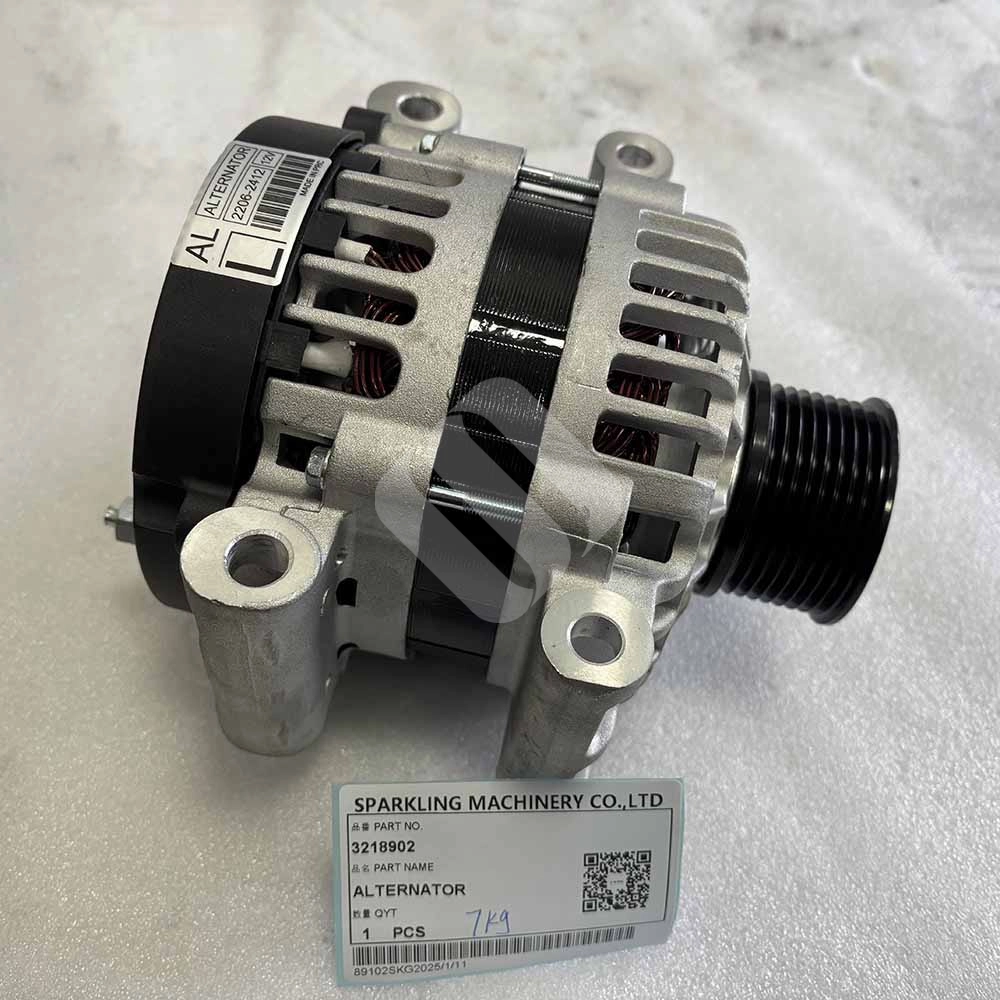
12V 100A 7Kg 3218902 Alternator for Caterpillar Engines C4.4, C7.1, 3512C
12V 100A 7Kg 3218902 Alternator for Caterpillar Engines C4.4, C7.1, 3512C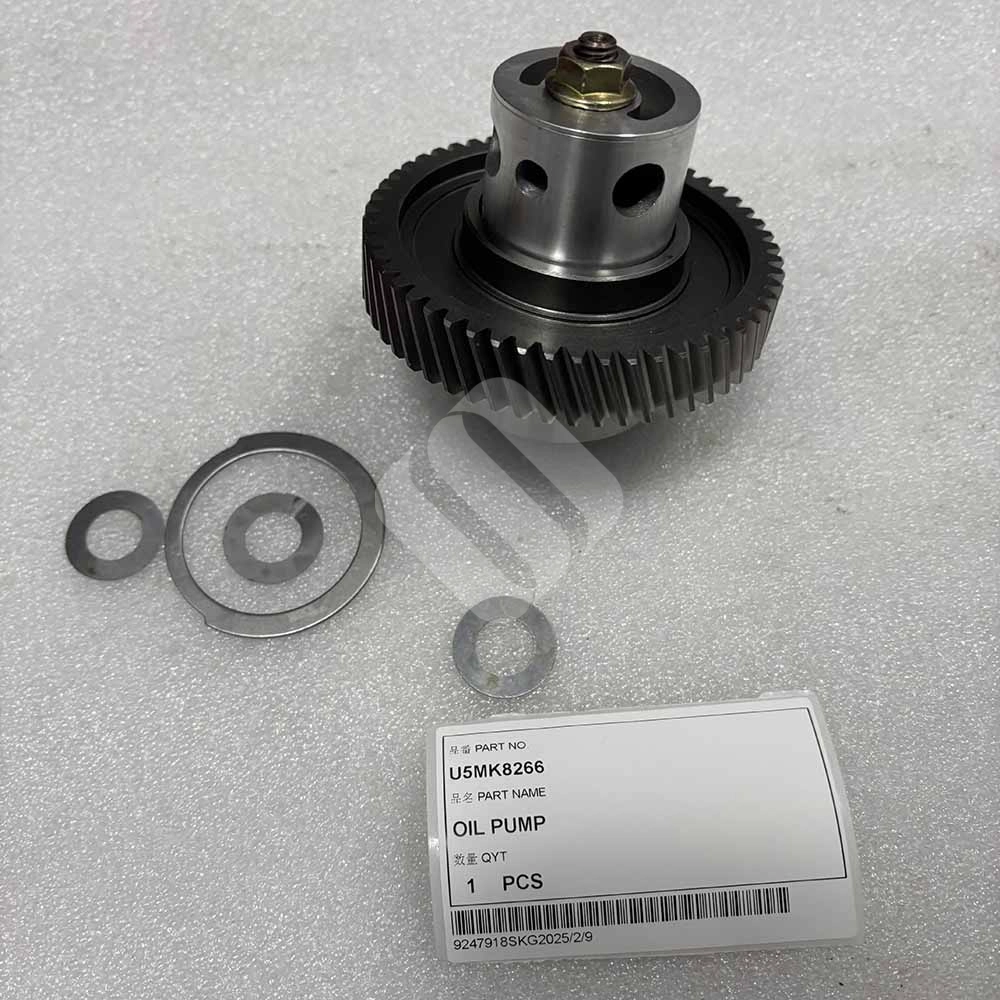
U5MK8266 Oil Pump for Shibaura and Caterpillar Engines - OEM Replacement
U5MK8266 Oil Pump for Shibaura and Caterpillar Engines - OEM ReplacementGet in touch
We are committed to producing the highest quality products at the most competitive prices. Therefore, we sincerely invite all interested companies to contact us for more information.

Contact us
Email: ranroswang@hksparkling.com
Wechat: +86 136 0901 0879
Skype: foreverlucia1
WhatsApp: +86 136 0901 0879
Address: No. 514-515, Hulin Road, Tianhe District, Guangzhou, China.
Sparkling Machinery Co.,Ltd
sparkling_machinery
Whatsapp: +8613609010879