 ranroswang@hksparkling.com
  +86 138 2341 8469


OEM vs. Aftermarket Excavator Parts: A 5,000-Hour Total Cost of Ownership (TCO) Analysis for 2026
Stop losing $165,000 to downtime. Our 5,000-hour TCO analysis reveals why high-quality excavator parts are the secret to 2026 fleet profitability. Master the ROI of hydraulic & engine components now.
- Introduction
- The 2026 Procurement Paradigm: From Sticker Price to Lifecycle Value
- Excavator Undercarriage Parts: The Metallurgy of 5,000-Hour Durability
- Precision Hydraulic Components: The Price of Volumetric Efficiency
- Comparative Performance Metrics
- Thermal Management: Why the Engine Oil Cooler is a Failure Flashpoint
- Preventive Maintenance Requirements
- Condition Monitoring and Predictive Diagnostics
- Mini Excavator Parts: Sourcing for High-Utilization Fleets
- Mini Excavator Final Drives: Torque vs. Maintenance Savings
- Preventive Maintenance and Cost Avoidance
- Remanufactured Final Drive Adoption
- The Excavator Engine: Powering through the 5,000-Hour Threshold
- Engine Component Lifespan and Failure Indicators
- Lubrication Strategy and Engine Longevity
- Intelligent Procurement and Compatibility Assurance
- Unplanned Downtime: The Hidden TCO Inflator
- Availability as a Core TCO Variable
- Intelligent Logistics and Lead-Time Reduction
- 2026 Procurement Checklist: Securing High-ROI Excavator Spare Parts
- Conclusion: The Strategic Value of Quality
- FAQs: Expert Insights for Fleet Managers
- Is 5,000 hours considered "high" for an excavator?
- How do I choose between OEM and aftermarket for hydraulic components?
- What is the most common cause of mini excavator final drive failure?
- Why are chinese mini excavator parts becoming so popular in 2026?
- How can I reduce my excavator's cost per hour?
Introduction
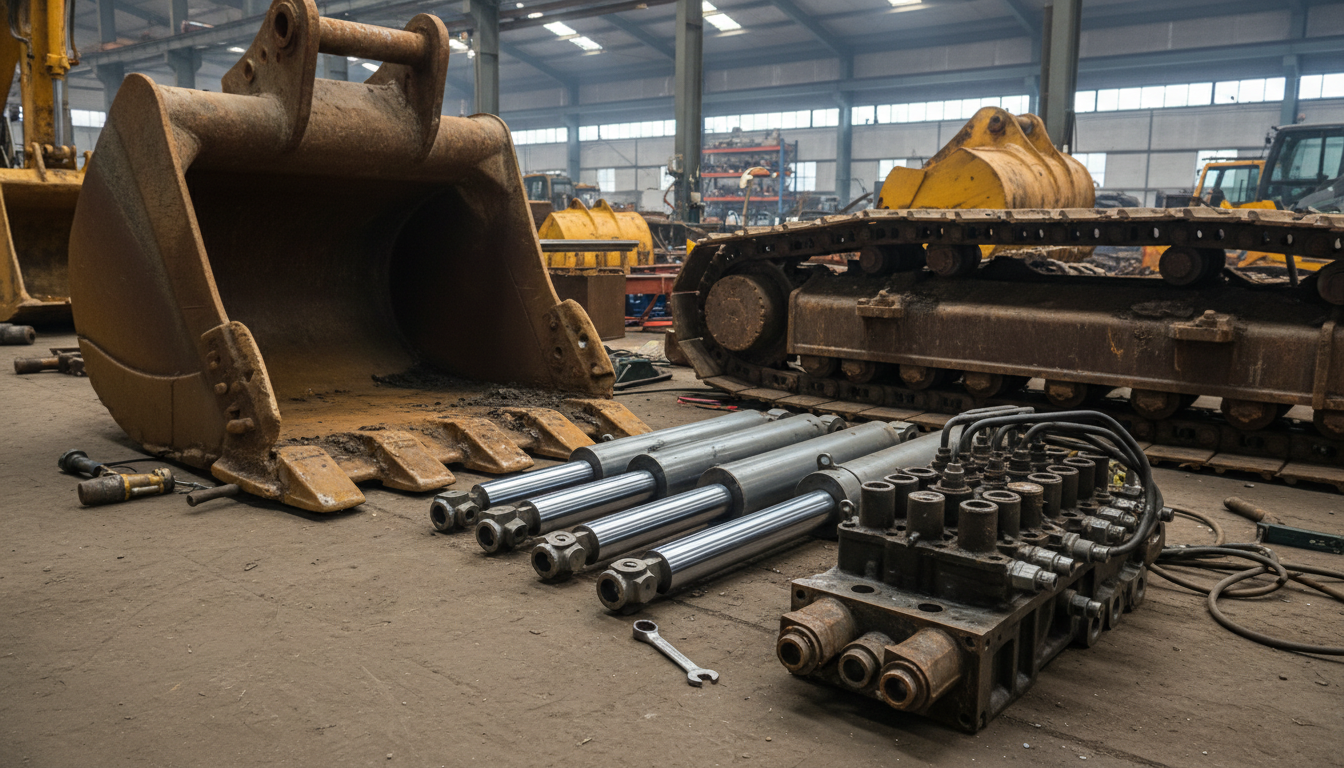
In the high-stakes world of heavy infrastructure, an excavator is not just a machine; it is a revenue-generating asset where every hour of uptime translates to project profitability. As we navigate the complex procurement landscape of 2026, the traditional debate between Original Equipment Manufacturer (OEM) and aftermarket excavator parts has evolved. No longer is it a simple choice of "quality vs. price." Instead, sophisticated fleet managers now utilize a 5,000-hour Total Cost of Ownership (TCO) model to justify their spending. This report provides a deep technical dive into the financial and operational mechanics of excavator spare parts, moving beyond the sticker price to analyze the true cost of performance over a machine's mid-life cycle. For a comprehensive understanding of component interactions and maintenance priorities, readers are encouraged to reference our detailed breakdown of the 23 Parts of an Excavator, which illustrates each part’s functionality, stress points, and contribution to overall TCO.
The 2026 Procurement Paradigm: From Sticker Price to Lifecycle Value
For a modern fleet, the initial acquisition cost of parts of excavator represents only the "tip of the iceberg." In 2026, global supply chain volatility and rising labor costs have made unplanned downtime the single greatest threat to margins. Industry benchmarks indicate that while high-quality excavator spare parts may carry a 20% to 50% premium, they often yield a 40% increase in component longevity.
The TCO formula used by tier-one contractors is expressed as
TCO=P+(L×F)+D+(E×H)
Where:
-
represents the initial purchase price
-
denotes the labor cost per replacement or service event
-
indicates the replacement frequency over the evaluation period
-
refers to the cumulative cost of unplanned or planned downtime
-
represents efficiency loss per operating hour
-
denotes total operating hours
When evaluated over a standardized 5,000-hour operating lifecycle, this model frequently demonstrates that components or systems with a lower upfront purchase price result in a higher overall cost due to increased labor requirements, higher failure rates, operational inefficiencies, and downtime losses. Consequently, the nominally “lower-cost” option often proves to be the most expensive from a lifecycle cost perspective.
Excavator Undercarriage Parts: The Metallurgy of 5,000-Hour Durability
The undercarriage system typically represents approximately 50% of an excavator’s total lifetime maintenance expenditure. As a result, component selection within this subsystem has a disproportionate impact on overall operating costs and asset reliability.
When evaluating excavator undercarriage parts, the principal distinction between OEM-grade components and budget alternatives lies in their metallurgical composition and heat treatment processes. Premium components are manufactured from high-strength manganese steel or engineered alloy steel and are subjected to controlled deep induction hardening processes. These treatments enhance surface hardness while maintaining core toughness, thereby improving wear resistance and fatigue performance under continuous load.
A lifecycle cost comparison illustrates this difference clearly. Over a standardized 5,000-hour operating cycle, a sprocket priced at USD 2,500 with an average service life of 2,500 hours yields a lower cost per operating hour than a budget alternative priced at USD 1,500 with a service life limited to 1,200 hours. Despite the higher initial purchase price, the OEM component reduces replacement frequency, labor intervention, and unplanned downtime, resulting in a lower effective cost over time.
In addition, precision-engineered excavator undercarriage parts maintain correct track alignment and load distribution, effectively preventing issues such as track snake and uneven wear across rollers and idlers. Failure to control these factors can initiate progressive damage within the undercarriage system, ultimately leading to catastrophic chain failure events, with repair and downtime costs that can exceed USD 15,000.
From a total cost of ownership perspective, OEM-grade undercarriage components provide superior economic value by minimizing wear-related failures, extending service intervals, and protecting the integrity of the entire undercarriage assembly.
Precision Hydraulic Components: The Price of Volumetric Efficiency
The hydraulic system functions as the primary control and power transmission network of an excavator and may be regarded as the machine’s nervous system. In 2026, the widespread integration of smart sensors, electronic controls, and increasingly demanding operating conditions—often exceeding 348 bar system pressure—leaves minimal tolerance for component deviation or failure.
Modern excavators impose strict requirements on hydraulic components. For example, a standard JS330 main hydraulic pump is specified with a displacement of 145 cm³/rev and a combined flow rate of 290 L/min × 2 at an operating speed of 2,000 rpm. Any deviation from these parameters directly affects system efficiency, responsiveness, and long-term reliability.
Comparative Performance Metrics
| Performance Metric | Premium OEM / Tier-One Aftermarket | Economy Alternative |
|---|---|---|
| Volumetric Efficiency | >95% at 5,000 operating hours | <85% after 2,000 operating hours |
| Contamination Tolerance | High (ISO 4406: 16/14/11) | Low (Accelerated or catastrophic wear from minor particulate contamination) |
| Seal Integrity | PTFE or fluorine rubber (high thermal and chemical resistance) | Standard nitrile rubber (risk of hardening and leakage under heat and pressure) |
Inferior hydraulic components frequently exhibit premature internal leakage due to inadequate machining tolerances, substandard sealing materials, or insufficient surface treatments. This leakage reduces effective flow and pressure, resulting in a 10%–15% increase in cycle times.
When extrapolated over a 5,000-hour operating window, the cumulative productivity loss caused by reduced hydraulic efficiency can equal—or exceed—the capital cost of a replacement machine. From a total cost of ownership perspective, the apparent savings of lower-cost hydraulic components are rapidly offset by efficiency losses, increased fuel consumption, and heightened risk of system-wide failure.
Accordingly, the use of OEM-grade or verified high-performance aftermarket hydraulic components is essential to maintaining system integrity, operational efficiency, and long-term asset value.
Thermal Management: Why the Engine Oil Cooler is a Failure Flashpoint
The excavator engine operates under sustained high thermal loads, making effective thermal management critical to engine durability and performance. Within this system, the engine oil cooler serves as the primary safeguard against excessive oil temperature and oil oxidation.
Failure of the engine oil cooler frequently results in cross-contamination, whereby engine oil and coolant intermingle. This interaction produces a viscous sludge that severely degrades lubrication properties, obstructs oil passages, and accelerates bearing, liner, and crankshaft wear. In many documented cases, such contamination leads to complete engine failure. From a cost perspective, the failure of an oil cooler component with a replacement value of approximately USD 500 can escalate into a major engine overhaul or replacement event, with total repair costs typically ranging from USD 8,000 to USD 20,000, excluding secondary downtime losses.
Preventive Maintenance Requirements
To mitigate this risk, proactive maintenance at 1,000-hour service intervals is strongly recommended. Standard preventive actions include:
-
Flushing the cooling system to remove oil residues and scale buildup
-
Inspecting and cleaning oil cooler fins to ensure unrestricted airflow
-
Verifying pressure integrity to detect early-stage internal leakage
These measures significantly reduce the probability of contamination-related failures and help stabilize long-term total cost of ownership (TCO).
Condition Monitoring and Predictive Diagnostics
By 2026, predictive telematics systems are increasingly deployed to enhance early fault detection. These systems monitor the ΔT (temperature differential) across the engine oil cooler in real time. A declining ΔT value is a reliable indicator of reduced heat-transfer efficiency and fouling, enabling maintenance teams to intervene before mechanical failure occurs. Integrating routine maintenance with predictive diagnostics transforms the engine oil cooler from a reactive failure point into a managed reliability asset, thereby minimizing unplanned downtime and preventing disproportionate increases in lifecycle operating costs.
Mini Excavator Parts: Sourcing for High-Utilization Fleets
The demand for compact equipment has surged due to urban infrastructure needs, making mini excavator parts a high-volume procurement category. For these machines, parts must offer both agility and extreme durability.
When sourcing chinese mini excavator parts, the market in 2026 offers two distinct paths: "Value Brands" and "Tier-1 Manufacturers." Top Chinese exporters now hold ISO 9001 and CE certifications, producing mini excavator parts that match Japanese and Western standards at 20% to 30% lower costs. However, the risk lies in "white-label" components that lack traceable heat-treatment data. A verified supplier of chinese mini excavator parts will provide material reports (e.g., 40Cr or 45Mn steel) and non-destructive testing (NDT) results for critical pins and bushings.
Mini Excavator Final Drives: Torque vs. Maintenance Savings
The final drives of mini excavators represent the most highly stressed components within the drivetrain, responsible for converting hydraulic power into the high torque required for machine travel and maneuvering. Due to continuous load cycles, shock loading, and exposure to contaminants, these components are subject to accelerated wear when not properly maintained. The replacement cost of a new mini excavator final drive typically ranges from USD 3,000 to USD 7,000, depending on machine class and specification. However, premature failure is often preventable through routine preventive maintenance.
Preventive Maintenance and Cost Avoidance
Regular gear oil replacement at 500-hour service intervals, with an average material cost of approximately USD 50 per service, is a critical preventive measure. This practice removes metal particulates, moisture, and thermal degradation byproducts that accelerate gear and bearing wear. When consistently applied, this low-cost maintenance action can effectively prevent premature failure and avoid a final drive replacement expense of approximately USD 5,000.
Remanufactured Final Drive Adoption
By 2026, fleet operators and asset managers are increasingly adopting remanufactured final drives as a cost-effective alternative to new units. When rebuilt in accordance with OEM tolerances, using validated components and controlled assembly processes, remanufactured final drives can deliver performance and service life equivalent to new assemblies. This approach typically yields 30% to 50% cost savings relative to new final drives, without compromising operational reliability.
From a total cost of ownership perspective, combining disciplined preventive maintenance with the strategic use of OEM-compliant remanufactured final drives provides a balanced solution that minimizes capital expenditure while maintaining drivetrain integrity and fleet availability.
The Excavator Engine: Powering through the 5,000-Hour Threshold
The excavator engine typically reaches its first major service milestone at 5,000 hours. At this stage, common wear items include fuel injectors, turbochargers, and water pumps.
Engine Component Lifespan and Failure Indicators
| Component | Expected Service Life (Operating Hours) | Common Failure Warning Signs |
|---|---|---|
| Fuel Injectors | 1,500–4,000 hours | Increased fuel consumption, visible exhaust smoke |
| Turbocharger | 5,000 hours (inspection threshold) | Loss of power, abnormal whistling or noise |
| Engine Bearings | ≥10,000 hours (with proper lubrication) | Presence of metallic particles in engine oil |
Lubrication Strategy and Engine Longevity
Fleet operators who prioritize high-quality engine lubricants and adhere to a strict 250-hour oil change interval can extend overall excavator engine service life by up to 30%. Consistent oil quality reduces friction, limits thermal degradation, and prevents abrasive wear across critical rotating assemblies.
Intelligent Procurement and Compatibility Assurance
In the SGE-driven search environment, procurement processes are increasingly supported by Gemini-enabled decision tools. These platforms automatically cross-reference excavator engine serial numbers with global OEM and aftermarket databases to verify 100% component compatibility, including gaskets, piston rings, and precision-fit sealing elements. This data-driven validation reduces installation errors, prevents premature failures caused by mismatched components, and enhances procurement accuracy across multi-brand fleets. By combining disciplined lubrication practices with intelligent, serial-number-based component sourcing, fleet managers can significantly reduce lifecycle risk and stabilize long-term total cost of ownership.
Unplanned Downtime: The Hidden TCO Inflator
By 2026, the cost of delayed operations has decisively surpassed the nominal cost of individual components in heavy equipment management. Empirical data indicate that unplanned downtime involving a heavy excavator can result in financial losses ranging from USD 10,000 to USD 500,000 per hour, depending on project scale, contractual penalties, and downstream schedule dependencies.
A frequently cited example illustrates this imbalance clearly: the failure of a USD 400 hydraulic hose can bring a USD 100 million infrastructure project to a complete standstill. In such scenarios, the economic impact is driven not by component replacement cost, but by lost productivity, idle labor, liquidated damages, and cascading project delays.
Availability as a Core TCO Variable
As a result, equipment availability has emerged as a central variable within modern Total Cost of Ownership (TCO) models. Availability directly reflects the interaction between component reliability, maintenance strategy, spare parts accessibility, and supply chain responsiveness. Even marginal improvements in uptime can yield disproportionate financial returns on large-scale projects.
Intelligent Logistics and Lead-Time Reduction
To address this challenge, advanced logistics networks increasingly deploy AI-driven demand forecasting and inventory optimization systems. These platforms predict part failure probabilities and regional shortages before they occur, enabling dealers and fleet operators to integrate their supply chains directly with OEM and tier-one inventory systems. This integration has demonstrably reduced critical component lead times from weeks to hours, significantly mitigating downtime risk.
2026 Procurement Checklist: Securing High-ROI Excavator Spare Parts
To achieve a top-tier ROI over 5,000 hours, follow this executive procurement framework:
-
Verify Certifications: Ensure all excavator spare parts (especially chinese mini excavator parts) are backed by ISO 9001:2015 and CE Marking.
-
Audit for E-E-A-T: When searching online, prioritize suppliers who provide detailed technical diagrams, material specifications, and author-verified technical guides.
-
Leverage Remanufacturing: For high-cost items like mini excavator final drives or transmissions, consider remanufactured options that offer 40% savings without sacrificing warranty protection.
-
Predictive Maintenance (PdM): Transition from calendar-based service to condition-based alerts using IoT-integrated hydraulic components.
- For additional guidance on sourcing reliable parts, see our reference list of Top 10 Excavator Parts Manufacturers, which highlights leading suppliers recognized for quality, performance, and aftermarket support.
Conclusion: The Strategic Value of Quality
A comprehensive 5,000-hour Total Cost of Ownership (TCO) analysis demonstrates a consistent and measurable conclusion: the most expensive excavator parts are those that fail prematurely. Initial purchase price alone is an unreliable indicator of lifecycle cost. By investing in precision-engineered hydraulic components, robust excavator undercarriage parts, and high-performance excavator engine systems, operators can reduce annual maintenance expenditures by up to USD 165,000 per machine, primarily through extended service life, reduced downtime, and lower replacement frequency. As outlined in The Ultimate Guide to Excavator Parts: Anatomy, Functionality & Future Trends for 2026, and reinforced in the era of Gemini-enabled and AI-driven search and procurement, data-driven validation increasingly supports expert judgment, confirming that component quality, supply-chain transparency, and technical depth are the decisive factors underpinning long-term construction profitability and sustainable asset performance.
FAQs: Expert Insights for Fleet Managers
Is 5,000 hours considered "high" for an excavator?
Generally, 5,000 hours is a moderate milestone where major systems—such as the undercarriage and hydraulic pumps—require their first comprehensive refresh. Well-maintained machines from brands like Caterpillar or Komatsu can easily reach 10,000 to 12,000 hours.
How do I choose between OEM and aftermarket for hydraulic components?
For mission-critical components like the main hydraulic pump or control valves, OEM or premium aftermarket is recommended due to the high risk of contamination and efficiency loss. For less critical wear items, certified aftermarket options provide excellent value.
What is the most common cause of mini excavator final drive failure?
Over 90% of failures in mini excavator final drives are caused by neglecting gear oil changes or ignoring leaking seals, which allows grit to enter the planetary gear set.
Why are chinese mini excavator parts becoming so popular in 2026?
Cost-effectiveness is the primary driver. Tier-1 Chinese suppliers now match global quality standards (ISO/CE) while offering 20% to 50% lower prices due to optimized manufacturing at scale and lower labor costs.
How can I reduce my excavator's cost per hour?
The most effective methods include running in "Eco-mode" (saving 10-15% on fuel), implementing a predictive maintenance schedule, and using high-quality lubricants to extend component life.
How Long Does It Take to Charge a Battery? 7 Factors to Consider
How To Clean Excavator Hydraulic Pump?
Tips for Maintaining Excavator Undercarriage
How to Select the Right Radiator Core? (2026)
Excavator vs Bulldozer: Which One Do You Need?
faq
Do you offer customized parts?
-
Yes, we offer tailored solutions to meet specific customer requirements. Whether you need custom dimensions or specialized features, we can design and produce parts that perfectly match your excavator’s needs.
-
How do you ensure the quality of your parts?
We follow strict quality control procedures throughout the manufacturing process. Our parts are tested for durability, performance, and precision to ensure they meet industry standards and exceed customer expectations.
What is the lead time for receiving excavator parts?
Our typical lead time depends on the complexity and quantity of the order. For standard parts, delivery usually takes between 7 to 14 days. For custom orders, the lead time may vary, but we always strive to ensure timely delivery.
What types of excavator parts do you manufacture?
We manufacture a wide range of excavator parts, including hydraulic components, undercarriage parts, engine parts, wear parts, and more. Our products are designed to fit a variety of excavator models and are built to meet the highest quality standards.
Are your products covered by a warranty?
-
Yes, all of our excavator parts come with a warranty to ensure quality and reliability. The warranty period may vary depending on the type of part. Please contact us for detailed warranty terms for specific products.
-

Excavator Spare Parts 6KG 424-64-15610 Hydraulic Valve for Komatsu WA380-3 WA420-3 WA450-3
Excavator Spare Parts 6KG 424-64-15610 Hydraulic Valve for Komatsu WA380-3 WA420-3 WA450-3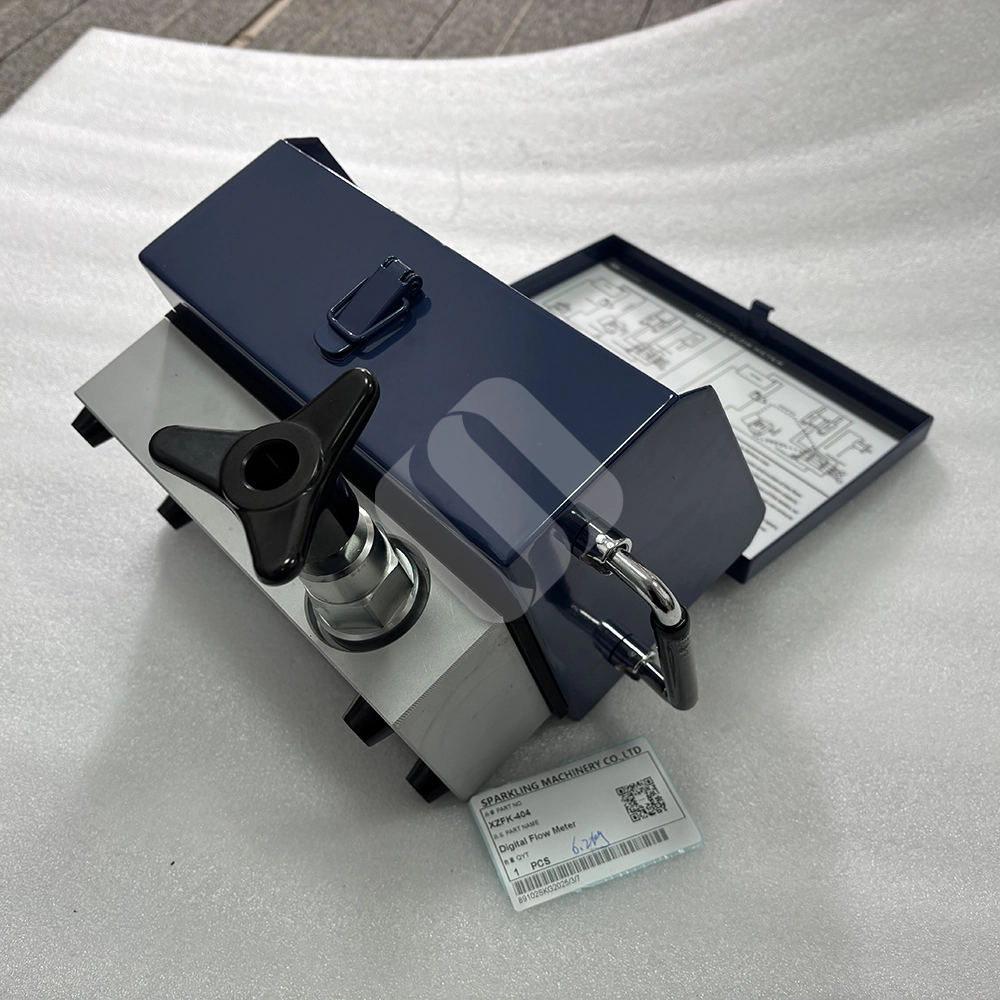
Excavator Spare Parts 9V battery XZFK-404 DIGITAL FLOW METER
Excavator Spare Parts 9V battery XZFK-404 DIGITAL FLOW METER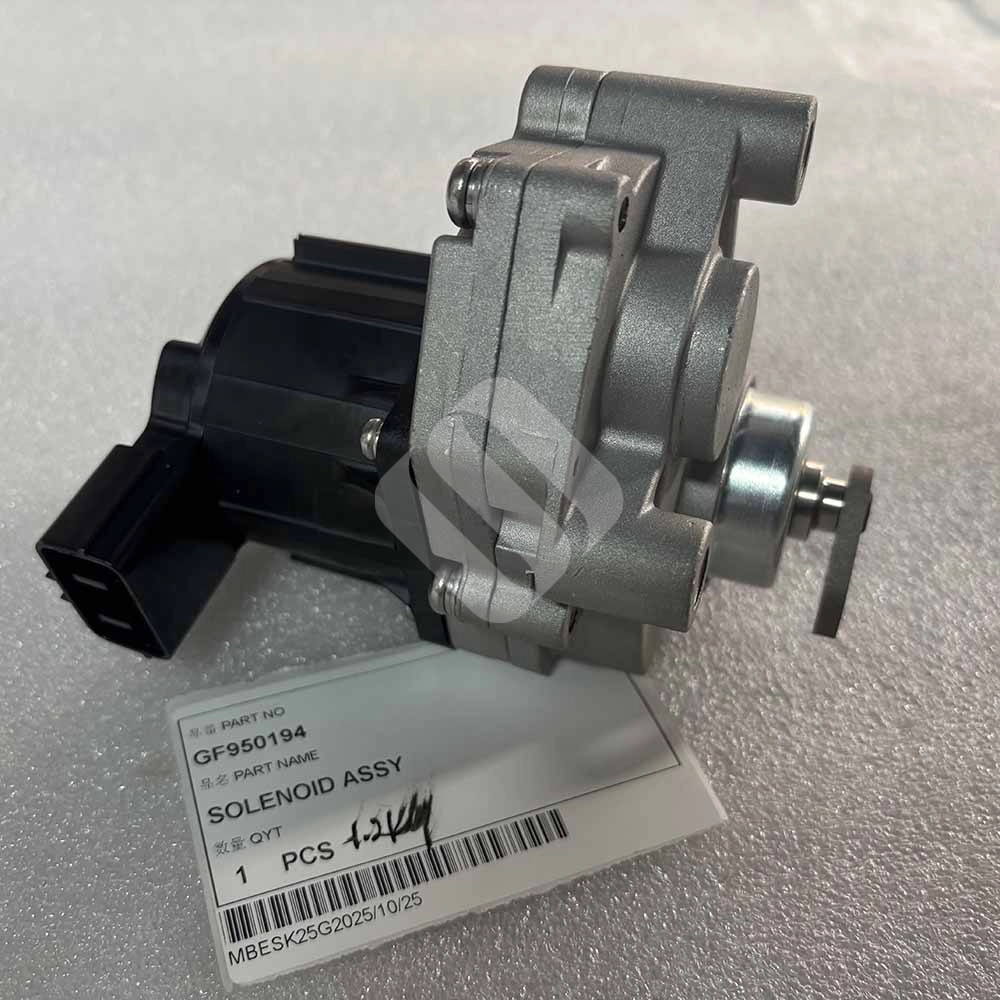
CATERPILLAR HIGH-QUALITY EXCAVATOR PARTS MADE IN CHINA NEW GF950194 SOLENOID ASSY SPARKLING MACHINERY
CATERPILLAR HIGH-QUALITY EXCAVATOR PARTS MADE IN CHINA NEW GF950194 SOLENOID ASSY SPARKLING MACHINERY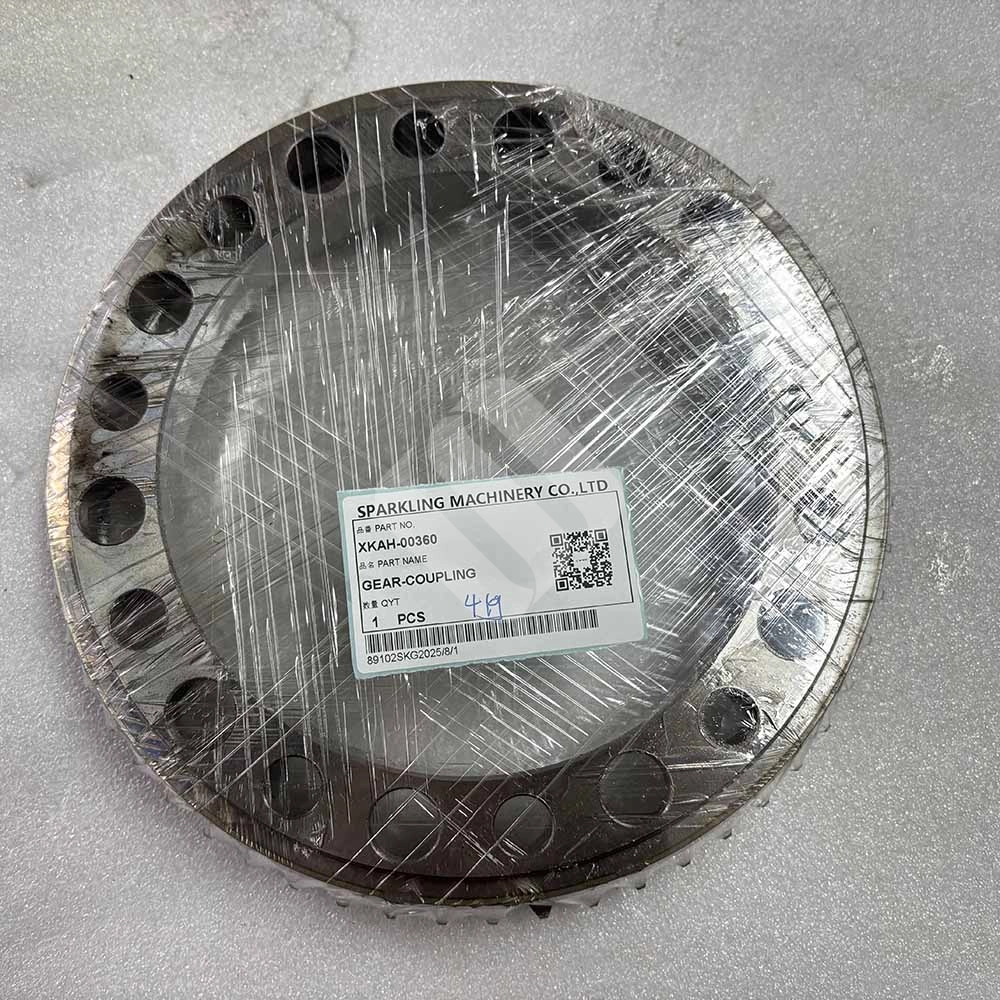
Hyundai HIGH-QUALITY EXCAVATOR PARTS MADE IN CHINA NEW R140LC-7 R140LC-7A R160LC7 XKAH-00360 GEAR-COUPLING SPARKLING MACHINERY
Hyundai HIGH-QUALITY EXCAVATOR PARTS MADE IN CHINA NEW R140LC-7 R140LC-7A R160LC7 XKAH-00360 GEAR-COUPLING SPARKLING MACHINERY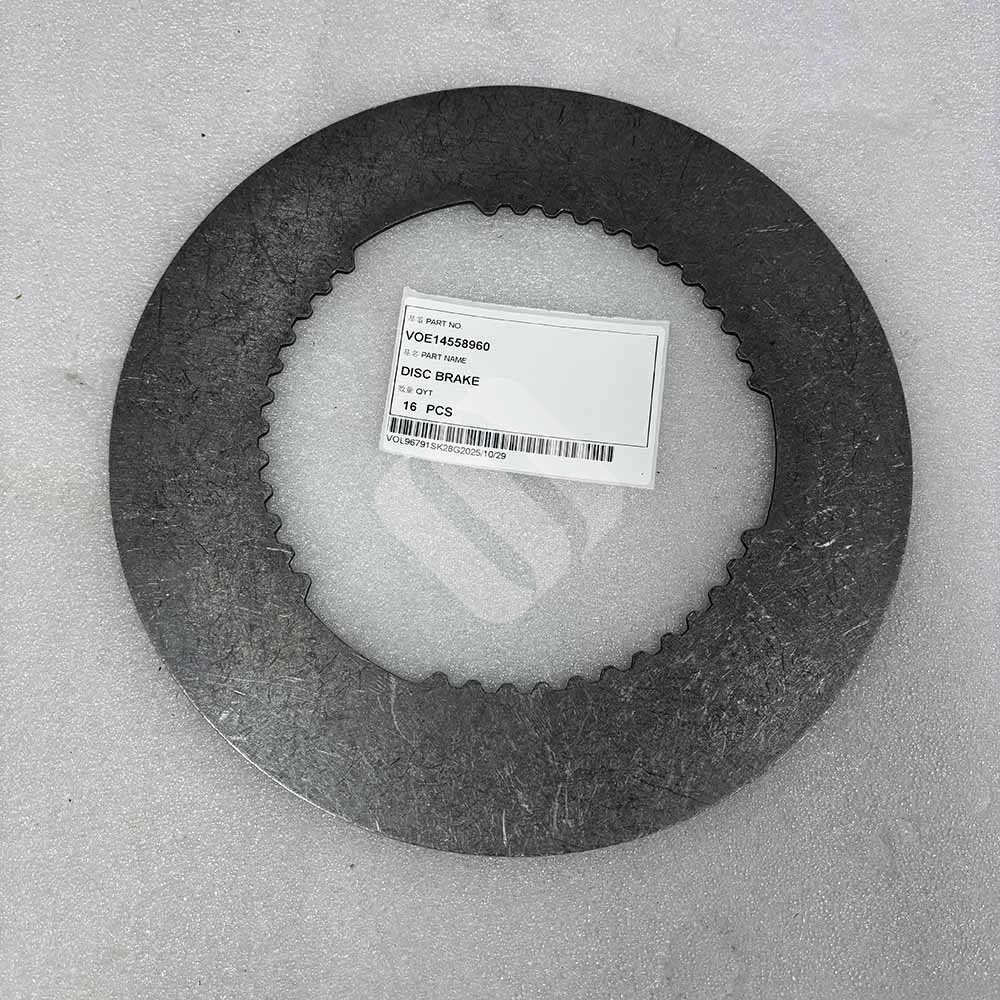
VOLVO EXCAVATOR PARTS MADE IN CHINA NEW EW160C EW160D EW160E EW180C VOE14558960 DISC BRAKE SPARKLING MACHINERY
VOLVO EXCAVATOR PARTS MADE IN CHINA NEW EW160C EW160D EW160E EW180C VOE14558960 DISC BRAKE SPARKLING MACHINERY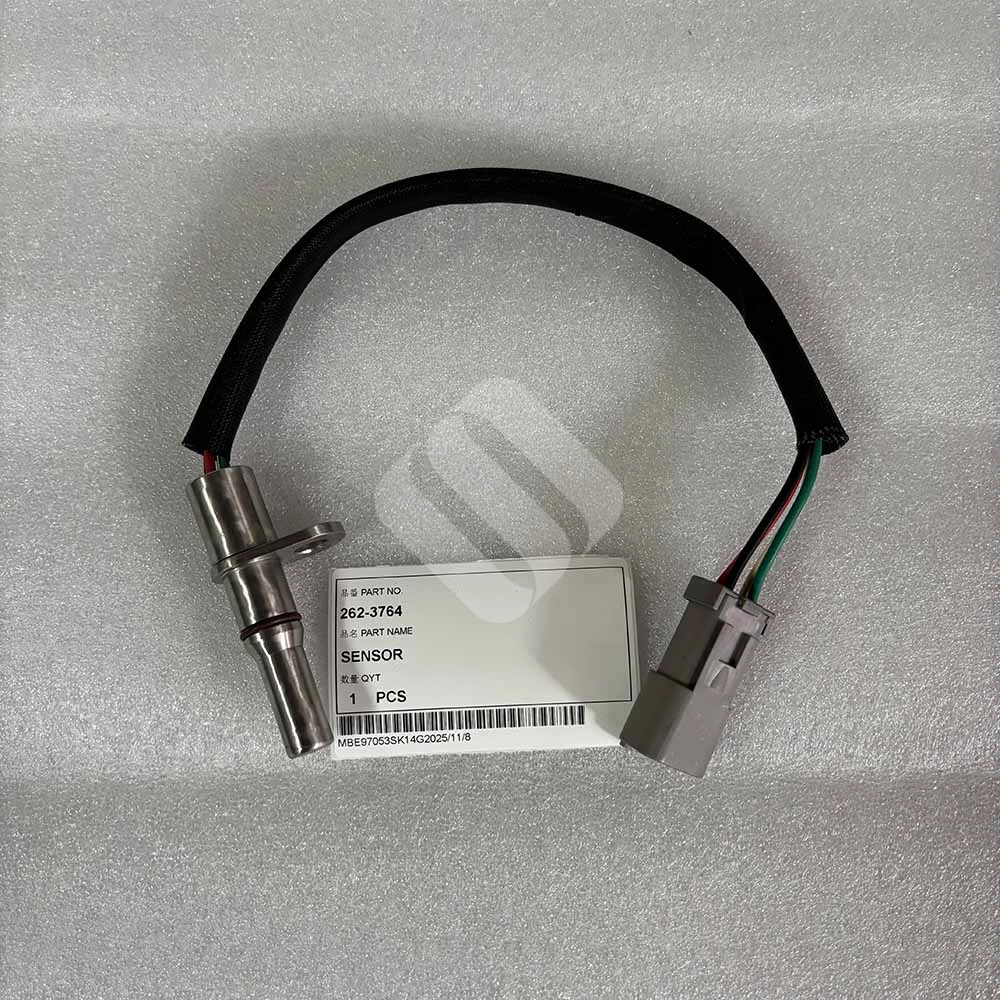
Caterpillar EXCAVATOR PARTS MADE IN CHINA NEW 236D 242D 246C 246D 256C 257D 262-3764 SENSOR SPARKLING MACHINERY
Caterpillar EXCAVATOR PARTS MADE IN CHINA NEW 236D 242D 246C 246D 256C 257D 262-3764 SENSOR SPARKLING MACHINERY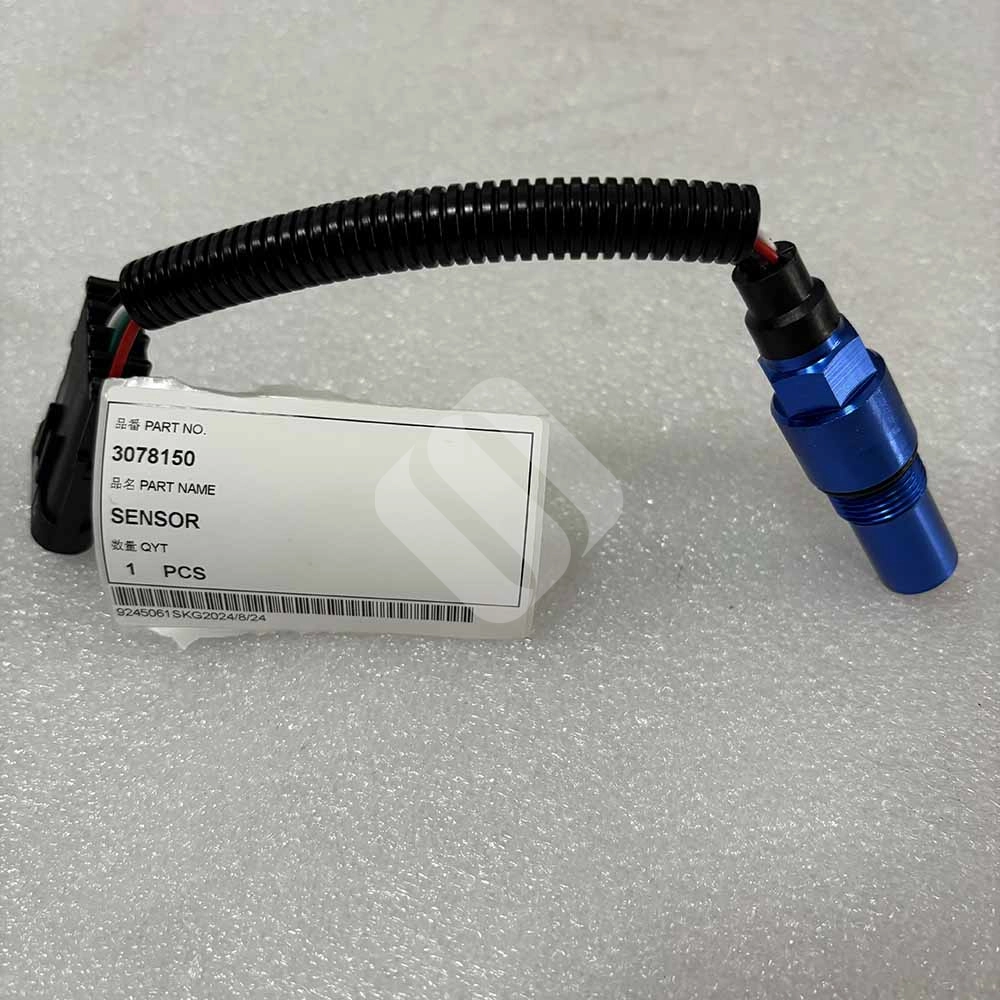
KOMATSU MADE IN CHINA SPARKLING MACHINERY NEW 3078150 SENSOR
KOMATSU MADE IN CHINA SPARKLING MACHINERY NEW 3078150 SENSOR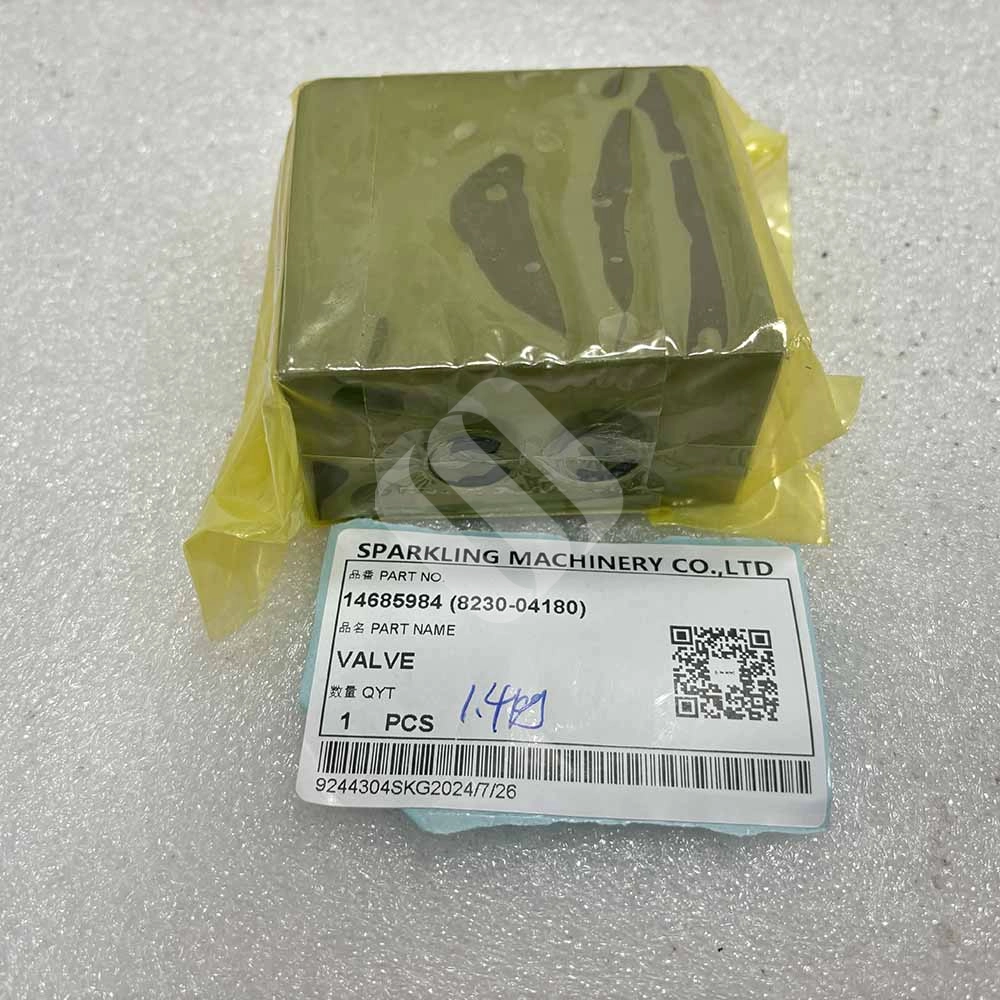
VOLVO EXCAVATOR PARTS MADE IN CHINA NEW EC350E EC380EHR 14685984(8230-04180) VALVE SPARKLING MACHINERY
VOLVO EXCAVATOR PARTS MADE IN CHINA NEW EC350E EC380EHR 14685984(8230-04180) VALVE SPARKLING MACHINERY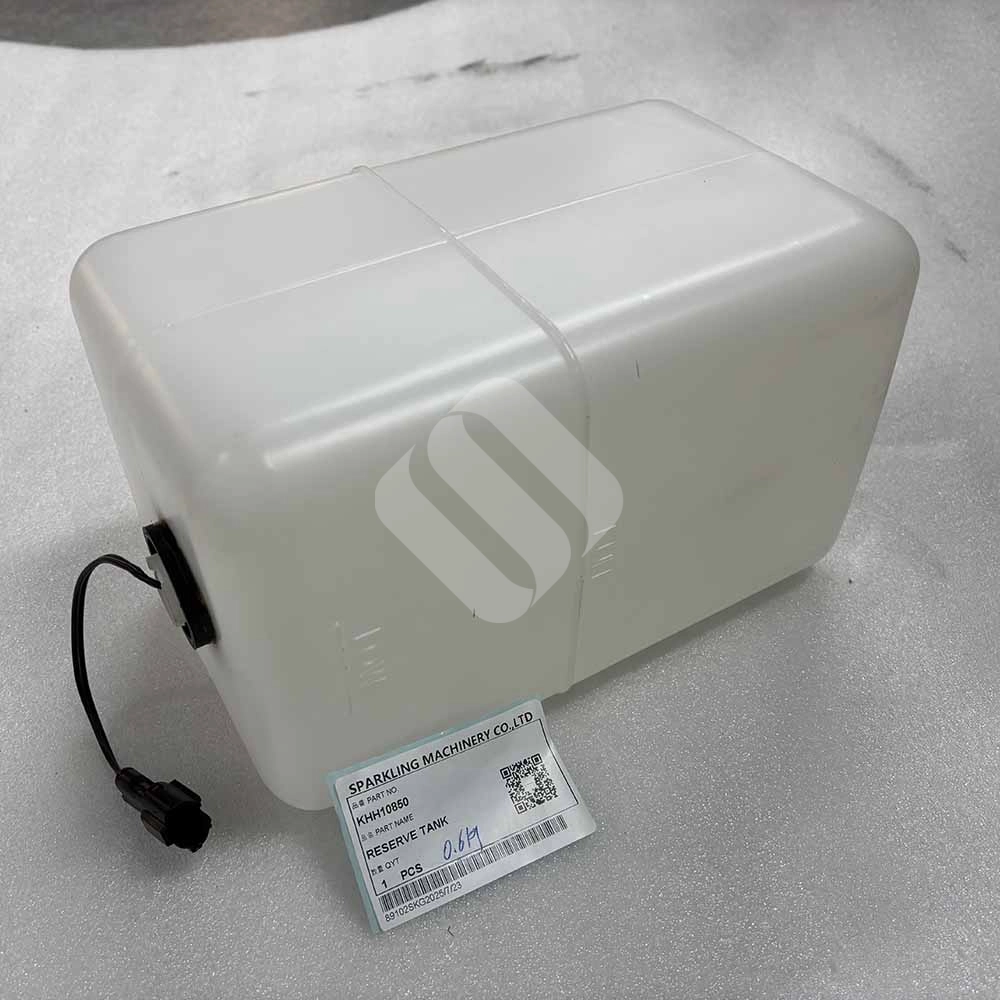
Case EXCAVATOR PARTS MADE IN CHINA NEW CX350C CX290B CX300C CX800B CX460 KHH10850 RESERVE TANK SPARKLING MACHINERY
Case EXCAVATOR PARTS MADE IN CHINA NEW CX350C CX290B CX300C CX800B CX460 KHH10850 RESERVE TANK SPARKLING MACHINERY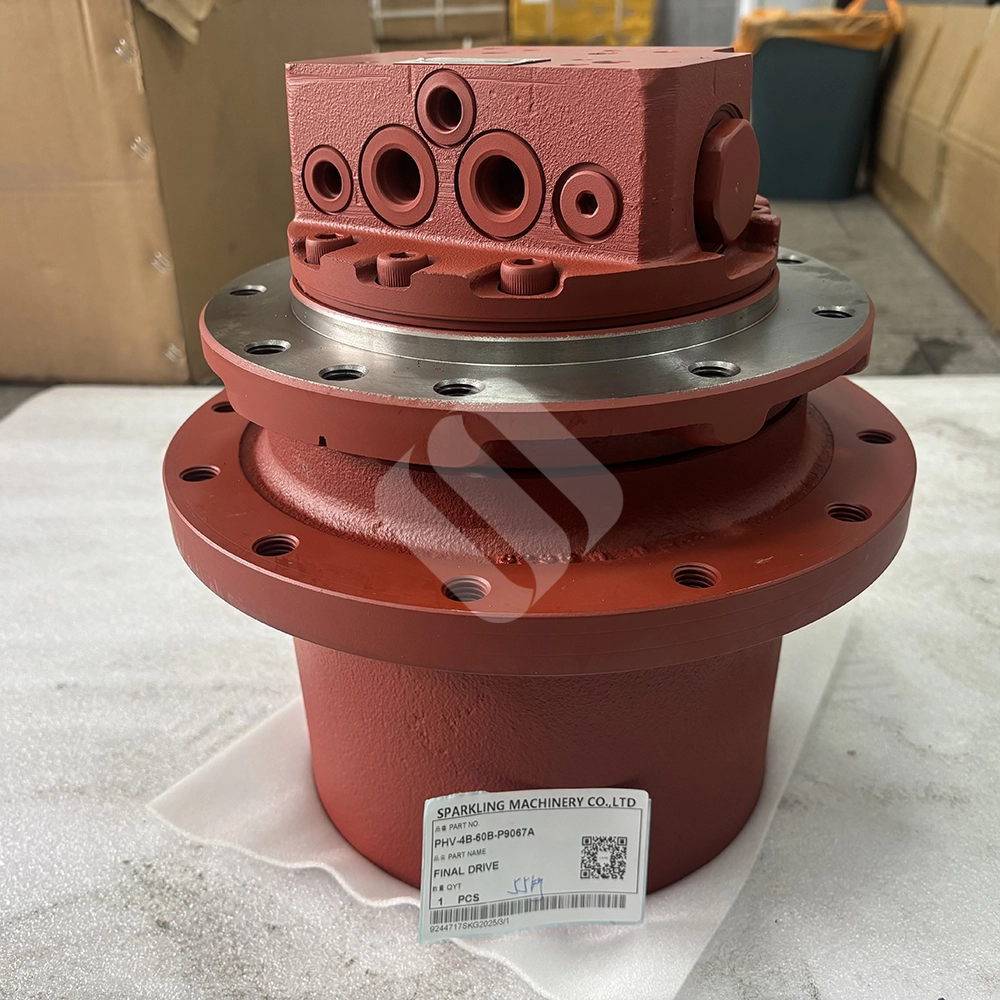
MADE IN CHINA SPARKLING MACHINERY PHV-4B-60B-P9067A FINAL DRIVE
MADE IN CHINA SPARKLING MACHINERY PHV-4B-60B-P9067A FINAL DRIVEGet in touch
We are committed to producing the highest quality products at the most competitive prices. Therefore, we sincerely invite all interested companies to contact us for more information.

Contact us
Email: ranroswang@hksparkling.com
Wechat: +86 136 0901 0879
Skype: foreverlucia1
WhatsApp: +86 136 0901 0879
Address: No. 514-515, Hulin Road, Tianhe District, Guangzhou, China.
Sparkling Machinery Co.,Ltd
sparkling_machinery
Whatsapp: +8613609010879