 ranroswang@hksparkling.com
  +86 138 2341 8469


Top 10 High-Frequency Issues in Excavator Maintenance & Repair!
As an engineering equipment manager, are you often frustrated by sudden excavator breakdowns? Even with regular maintenance, frequent issues still occur; repair costs remain high, and construction schedules are delayed?
In fact, most faults follow predictable and solvable patterns. Below, we break down 10 common maintenance pain points using a "Problem (Why) + Solution" format to help you save unnecessary expenses and extend equipment lifespan!
- 1. After starting the excavator, the body rotates slowly and shakes?
- Why does this happen?
- How to fix it?
- 2. The track keeps slipping, even sliding backward when climbing slopes?
- Why does this happen?
- How to fix it?
- 3. The bucket suddenly loses power and cannot dig when working on hard soil?
- Why does this happen?
- How to fix it?
- 4. The engine water temperature is too high, and the warning light stays on?
- Why does this happen?
- How to fix it?
- 5. The hydraulic oil level keeps dropping, and white foam appears?
- Why does this happen?
- How to fix it?
- 6. The boom jolts when lifting and sometimes drops automatically?
- Why does this happen?
- How to fix it?
- 7. The excavator body vibrates significantly and makes abnormal noises at idle?
- Why does this happen?
- How to fix it?
- 8. Fuel consumption suddenly increases by more than 10% compared to usual?
- Why does this happen?
- How to fix it?
- 9. Difficult to start in winter, requiring multiple attempts to ignite?
- Why does this happen?
- How to fix it?
- 10. Track shoes break frequently, especially when working on gravel ground?
- Why does this happen?
- How to fix it?
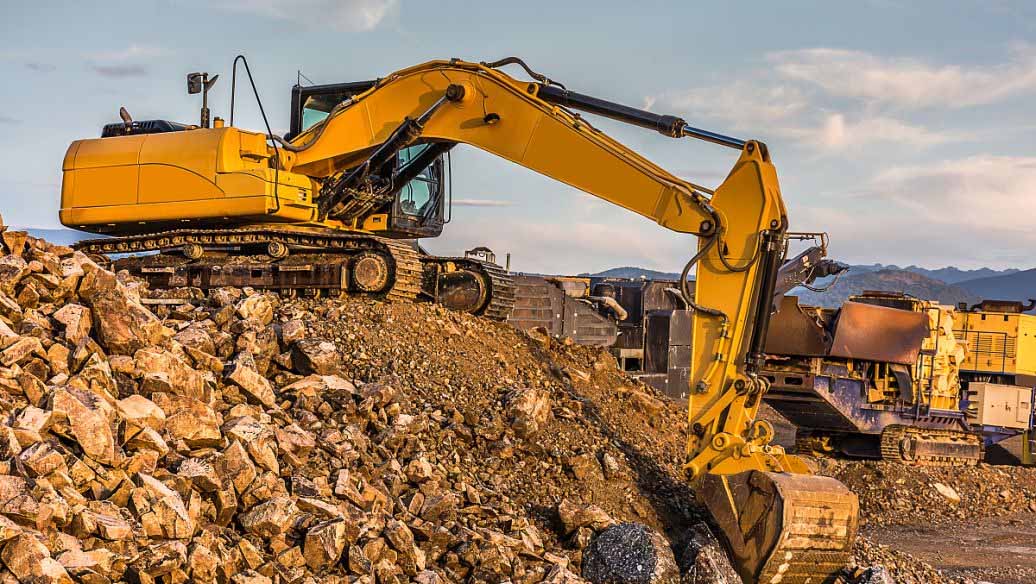
1. After starting the excavator, the body rotates slowly and shakes?
Why does this happen?
The core cause lies in the swing system (swing motor + reducer):
• Oil leakage from the swing motor leads to insufficient hydraulic oil pressure and inadequate power;
• Severe wear on the reducer gears results in poor meshing and shaking during rotation;
• Contaminated hydraulic oil causes impurities to jam the swing valve core, affecting oil flow.
How to fix it?
• Emergency treatment: First, check the hydraulic oil level of the swing system. If oil is insufficient, top up with 46# anti-wear hydraulic oil; if the oil is turbid, immediately replace the oil and filter element;
• Maintenance inspection: Dismantle and inspect the swing motor seals; replace them if leaking. Check the reducer gears—replace if wear exceeds 1/3 (domestic gear sets cost approximately 695, imported ones around 2,070);
• Daily prevention: Clean the heat dissipation holes of the swing system weekly and replace the hydraulic oil every 2,000 hours.
2. The track keeps slipping, even sliding backward when climbing slopes?
Why does this happen?
The root cause is in the track drive assembly (travel motor + sprocket + track):
• Insufficient track tension leads to slack and reduced grip;
• Insufficient pressure in the travel motor prevents power transmission to the track;
• Worn sprocket teeth or broken track links cause poor meshing.
How to fix it?
• Emergency treatment: Adjust the track tension cylinder and top up tension oil (keep the track sag between 3-5 cm); if slipping persists, check the travel motor pressure gauge—increase the pressure valve if pressure is below 25 MPa;
• Maintenance inspection: Dismantle and inspect the sprocket teeth; replace if teeth are broken or worn flat (domestic sprockets cost approximately 1,655). Check track links and replace track shoes if broken (around 205 per piece);
• Daily prevention: Clean gravel and mud between track links daily to prevent debris from wearing the sprocket.
3. The bucket suddenly loses power and cannot dig when working on hard soil?
Why does this happen?
The main issues are with the main control valve (multi-way valve) or bucket cylinder:
• Jammed bucket valve core in the main control valve blocks hydraulic oil flow to the bucket cylinder;
• Aging and leaking seals in the bucket cylinder cause pressure loss;
• Insufficient pressure in the main hydraulic pump fails to provide adequate power.
How to fix it?
• Emergency treatment: First, check if the bucket cylinder is leaking. If leaking, temporarily replace the seals (seal kits cost approximately 110); if no leakage, dismantle and inspect the main control valve core, then clean stuck impurities with diesel;
• Maintenance inspection: Use a pressure gauge to test the main hydraulic pump pressure. Repair the pump body if pressure is below 30 MPa (domestic pump repairs cost approximately 1,390, imported ones around 4,170);
• Daily prevention: Replace the main hydraulic oil filter every 3,000 hours to avoid oil contamination.
4. The engine water temperature is too high, and the warning light stays on?
Why does this happen?
There are 3 common causes:
• Clogged radiator (covered with dust or catkins) reduces heat dissipation efficiency;
• Insufficient or incorrect type of coolant prevents normal cooling;
• Water pump failure disrupts coolant circulation.
How to fix it?
• Emergency treatment: Stop the machine immediately. Wait until the water temperature drops below 60°C, then check the coolant level. Top up with the same type of antifreeze if insufficient (avoid mixing different brands);
• Maintenance inspection: Clean the radiator surface with a high-pressure water gun to remove blockages. If overheating persists, dismantle and inspect the water pump—replace the impeller if worn (domestic water pumps cost approximately 205);
• Daily prevention: Clean the radiator weekly and check the coolant level daily during high-temperature summer months.
5. The hydraulic oil level keeps dropping, and white foam appears?
Why does this happen?
The core issue is water or air entering the hydraulic oil:
• Poor sealing of the hydraulic oil tank cap allows rainwater to seep in;
• Loose hydraulic oil pipe joints suck in air;
• Damaged cooler causes coolant to mix with hydraulic oil.
How to fix it?
• Emergency treatment: Stop operation immediately, drain all hydraulic oil, and replace it with new 46# anti-wear hydraulic oil (fill to the correct level based on the excavator model—typically 200-300 liters for a 20-ton machine, costing approximately 415);
• Maintenance inspection: Check the tank cap seal gasket and replace if aging. Tighten all oil pipe joints, dismantle and inspect the cooler—repair by welding or replace if damaged (cooler repairs cost approximately 415);
• Daily prevention: Cover the oil tank cap during rainy weather operations and check the sealing of oil pipe joints every 500 hours.
6. The boom jolts when lifting and sometimes drops automatically?
Why does this happen?
The problem lies in the boom cylinder or the boom valve core of the main control valve:
• Internal scratches on the boom cylinder and damaged seals cause pressure leakage;
• Worn boom valve core in the main control valve leads to oil backflow and inability to maintain pressure;
• Failure of the boom counterbalance valve prevents cylinder locking.
How to fix it?
• Emergency treatment: First, check if the boom cylinder is leaking. If leaking, replace the cylinder seals (seal kits cost approximately 165); if no leakage, dismantle and inspect the counterbalance valve, then clean the valve core;
• Maintenance inspection: Use an endoscope to check the cylinder inner wall. Repair by boring if scratches exceed 0.2 mm (costing approximately 695). Replace the main control valve core if worn (domestic ones cost approximately 415);
• Daily prevention: Avoid suddenly pulling the control lever when lifting the boom to prevent cylinder impact and scratches.
7. The excavator body vibrates significantly and makes abnormal noises at idle?
Why does this happen?
There are 4 common causes:
• Aging engine mounting rubbers lose their shock absorption function;
• Deformed fan blades cause vibration during rotation;
• Loose connecting shaft between the hydraulic pump and engine results in poor meshing;
• Worn slewing ring causes excessive clearance.
How to fix it?
• Emergency treatment: First, check the mounting rubbers—replace if cracked or collapsed (approximately 69 per piece); if vibration persists, check the fan blades and straighten or replace if deformed;
• Maintenance inspection: Tighten the bolts of the hydraulic pump connecting shaft. Measure the slewing ring clearance—add gaskets to adjust or replace if clearance exceeds 0.5 mm (domestic slewing rings cost approximately 2,070);
• Daily prevention: Check the mounting rubbers and connecting bolts weekly and avoid long-term idle operation.
8. Fuel consumption suddenly increases by more than 10% compared to usual?
Why does this happen?
It is mainly related to engine working conditions or the hydraulic system:
• Clogged air filter causes insufficient engine air intake and incomplete combustion;
• Worn fuel injectors lead to poor atomization and fuel waste;
• Excessively high hydraulic system pressure increases engine load.
How to fix it?
• Emergency treatment: Replace the air filter (approximately 41) and clean the air intake. Check the fuel injectors with an injector tester—replace if atomization is poor (approximately 205 per piece);
• Maintenance inspection: Measure the hydraulic system pressure—reduce the pressure valve of the main control valve if pressure exceeds 35 MPa. Check the engine timing and correct if misaligned;
• Daily prevention: Replace the air filter every 500 hours and inspect the fuel injectors every 2,000 hours.
9. Difficult to start in winter, requiring multiple attempts to ignite?
Why does this happen?
There are 3 core issues in low-temperature environments:
• Incorrect fuel grade (using 0# diesel, which freezes at low temperatures);
• Insufficient battery power leads to low starting voltage;
• Glow plug failure prevents combustion chamber heating.
How to fix it?
• Emergency treatment: Replace with -10# or -20# low-temperature diesel (select based on local temperature); charge the battery—use an external charger if voltage is below 24V (charging takes approximately 2-4 hours);
• Maintenance inspection: Check the glow plugs—replace if there is no power supply (approximately 27 per piece). If starting is still difficult, install an engine preheater (costing approximately 415);
• Daily prevention: Check the battery power daily before finishing work in winter. Park the excavator in a windproof area to prevent diesel freezing.
10. Track shoes break frequently, especially when working on gravel ground?
Why does this happen?
It is mainly due to improper selection or operating habits:
• Using standard track shoes (suitable for flat ground) which lack wear resistance on gravel ground;
• Sudden steering during turns causes uneven stress on the track shoes;
• Excessively high track tension increases pressure between shoes, making them prone to breaking.
How to fix it?
• Emergency treatment: Replace with wear-resistant track shoes (with reinforcing ribs—domestic ones cost approximately 275 per piece, imported ones around 695). Adjust the track tension to keep the sag between 5-8 cm;
• Operation improvement: Reduce speed when turning on gravel ground to avoid excessive stress on one side of the track. Avoid direct impact of the track on obstacles;
• Daily prevention: Select track shoes based on the working environment (wear-resistant type for gravel ground, wide-width type for muddy ground). Check the track shoe bolts weekly and tighten if loose.
Cleaning Guide: How To Clean a Diesel Fuel Filter?

How to Choose the Best Cabin Air Filters? Ultimate Buying Guide!
Master the Ground: High-Performance Undercarriage Solutions by Sparkling
7 Solenoid Valve Types: A Complete Guide to Choosing the Right One
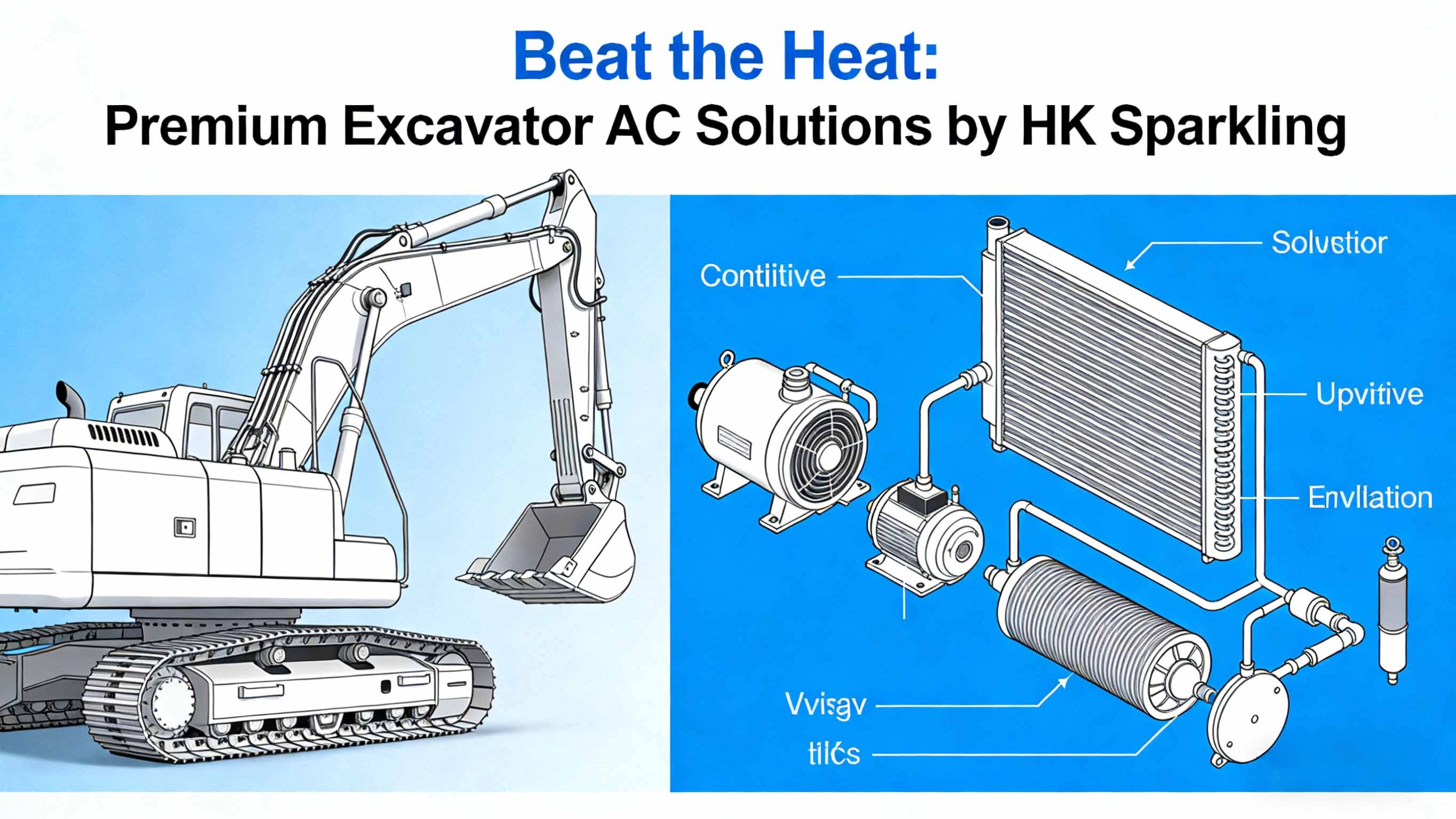
Beat the Heat: Premium Excavator AC Solutions by HK Sparkling
faq
How do you ensure the quality of your parts?
We follow strict quality control procedures throughout the manufacturing process. Our parts are tested for durability, performance, and precision to ensure they meet industry standards and exceed customer expectations.
What is the lead time for receiving excavator parts?
Our typical lead time depends on the complexity and quantity of the order. For standard parts, delivery usually takes between 7 to 14 days. For custom orders, the lead time may vary, but we always strive to ensure timely delivery.
Can I get technical support for installing your parts?
Absolutely. We provide technical support and guidance for the installation and maintenance of our parts. Our team is available to assist you with any questions or concerns to ensure proper installation and optimal performance.
Are your products covered by a warranty?
-
Yes, all of our excavator parts come with a warranty to ensure quality and reliability. The warranty period may vary depending on the type of part. Please contact us for detailed warranty terms for specific products.
-
What types of excavator parts do you manufacture?
We manufacture a wide range of excavator parts, including hydraulic components, undercarriage parts, engine parts, wear parts, and more. Our products are designed to fit a variety of excavator models and are built to meet the highest quality standards.

KOMATSU EXCAVATOR PARTS MADE IN CHINA NEW D60P D61E D61EX D61PX D65E 14X-13-11660 YOKE SPARKLING MACHINERY
KOMATSU EXCAVATOR PARTS MADE IN CHINA NEW D60P D61E D61EX D61PX D65E 14X-13-11660 YOKE SPARKLING MACHINERY
CATERPILLAR EXCAVATOR 349 541-1387 5411387 OIL COOLER ASSY CHINA MADE
CATERPILLAR EXCAVATOR 349 541-1387 5411387 OIL COOLER ASSY CHINA MADE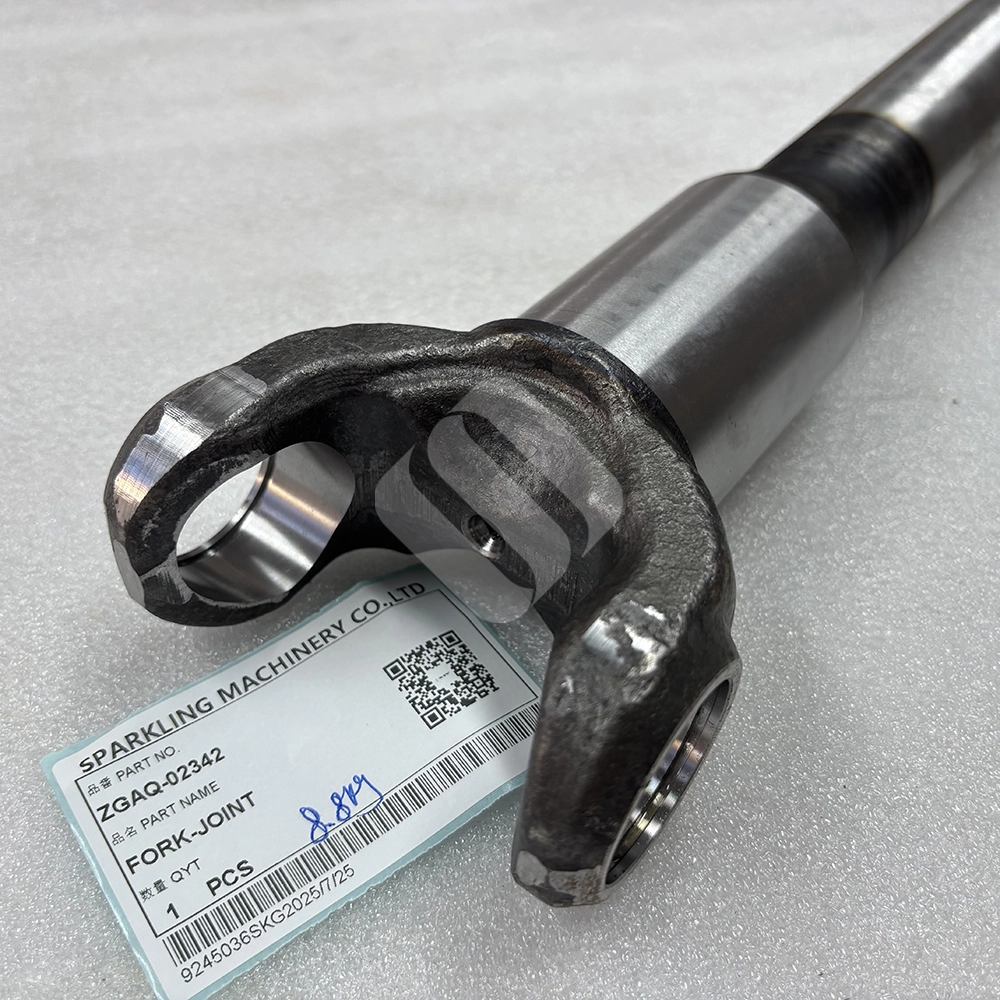
Hyundai Made In China Sparkling Machinery New r200w-7 r200w-7a Zgaq-02342 Fork-Joint 8.8kg
Hyundai Made In China Sparkling Machinery New r200w-7 r200w-7a Zgaq-02342 Fork-Joint 8.8kg
Excavator Spare Parts 6KG 424-64-15610 Hydraulic Valve for Komatsu WA380-3 WA420-3 WA450-3
Excavator Spare Parts 6KG 424-64-15610 Hydraulic Valve for Komatsu WA380-3 WA420-3 WA450-3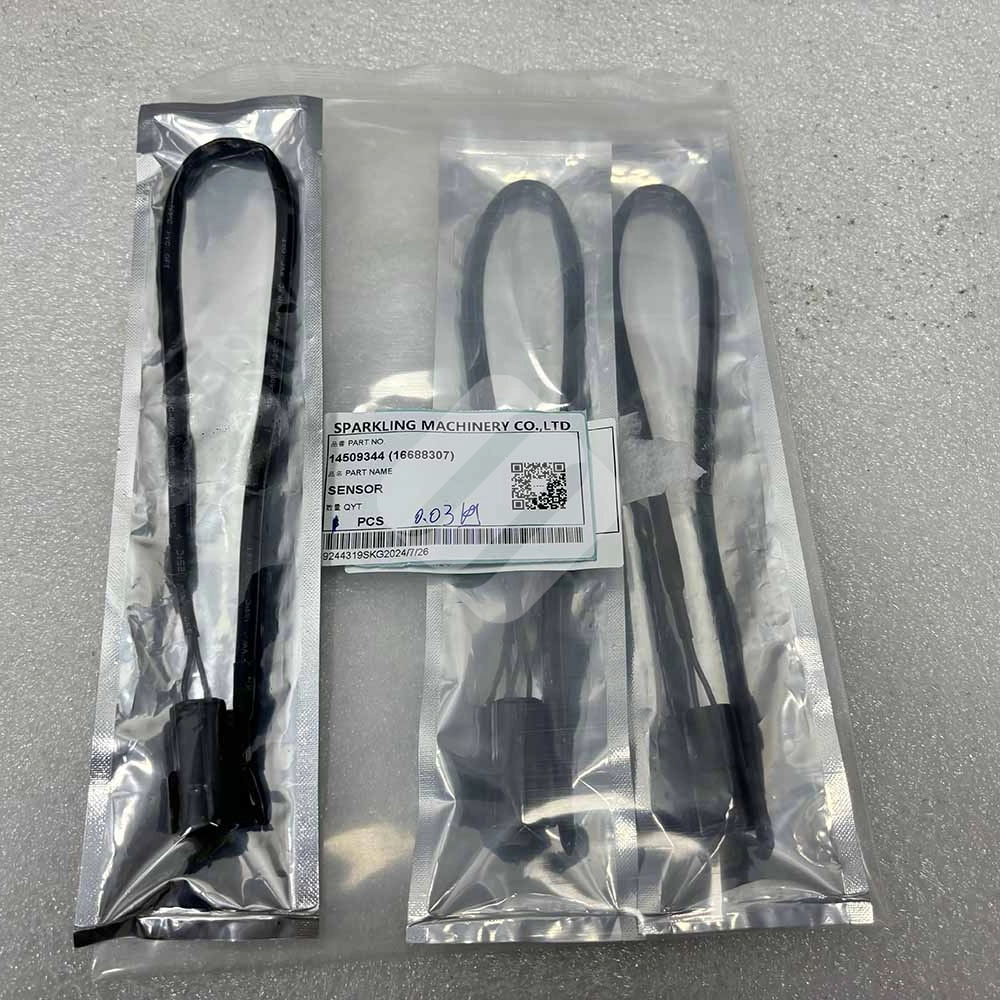
Temperature sensor 14509344 16688307 For Volvo EC210B EC290C L60F L70F
Temperature sensor 14509344 16688307 For Volvo EC210B EC290C L60F L70F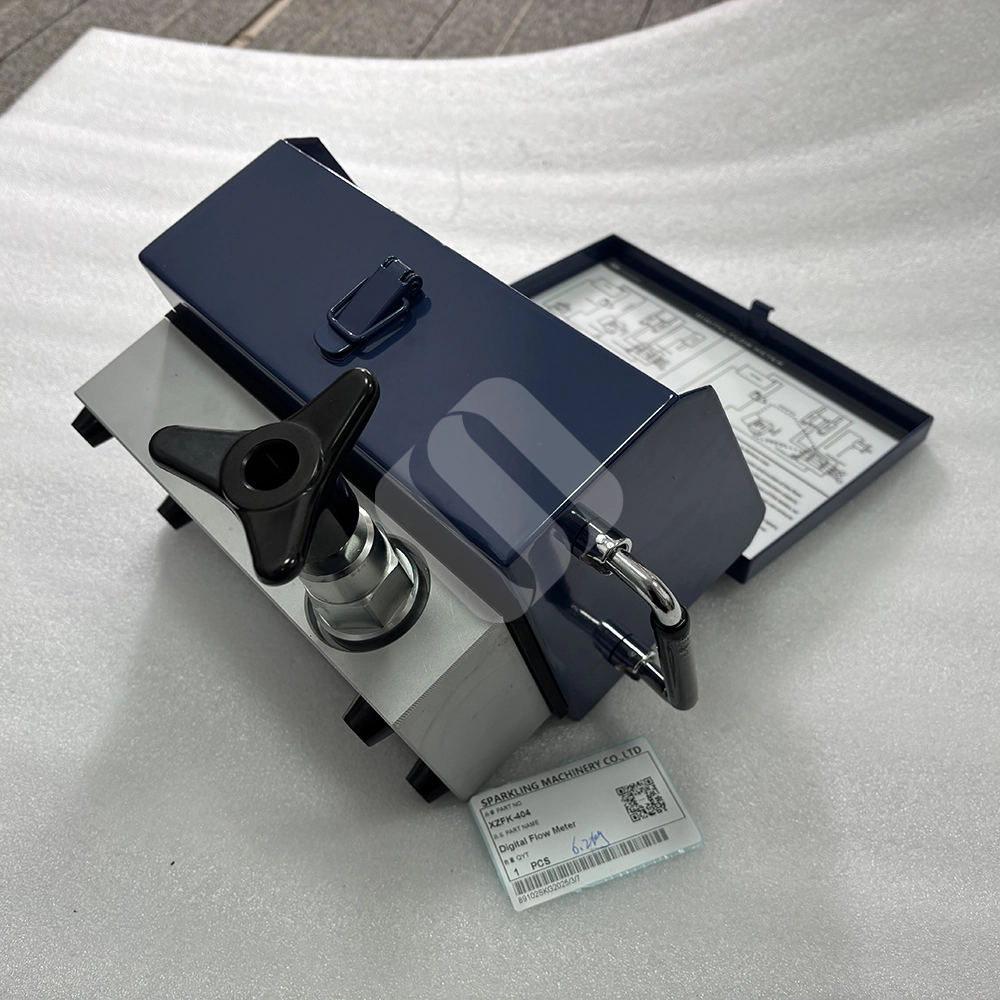
Excavator Spare Parts 9V battery XZFK-404 DIGITAL FLOW METER
Excavator Spare Parts 9V battery XZFK-404 DIGITAL FLOW METER
KOBELCO EXCAVATOR SK115SR SK135SR YV22E00001F8 YV22E00001F5 CPU CONTROLLER UNIT ORIGINAL
KOBELCO EXCAVATOR SK115SR SK135SR YV22E00001F8 YV22E00001F5 CPU CONTROLLER UNIT ORIGINAL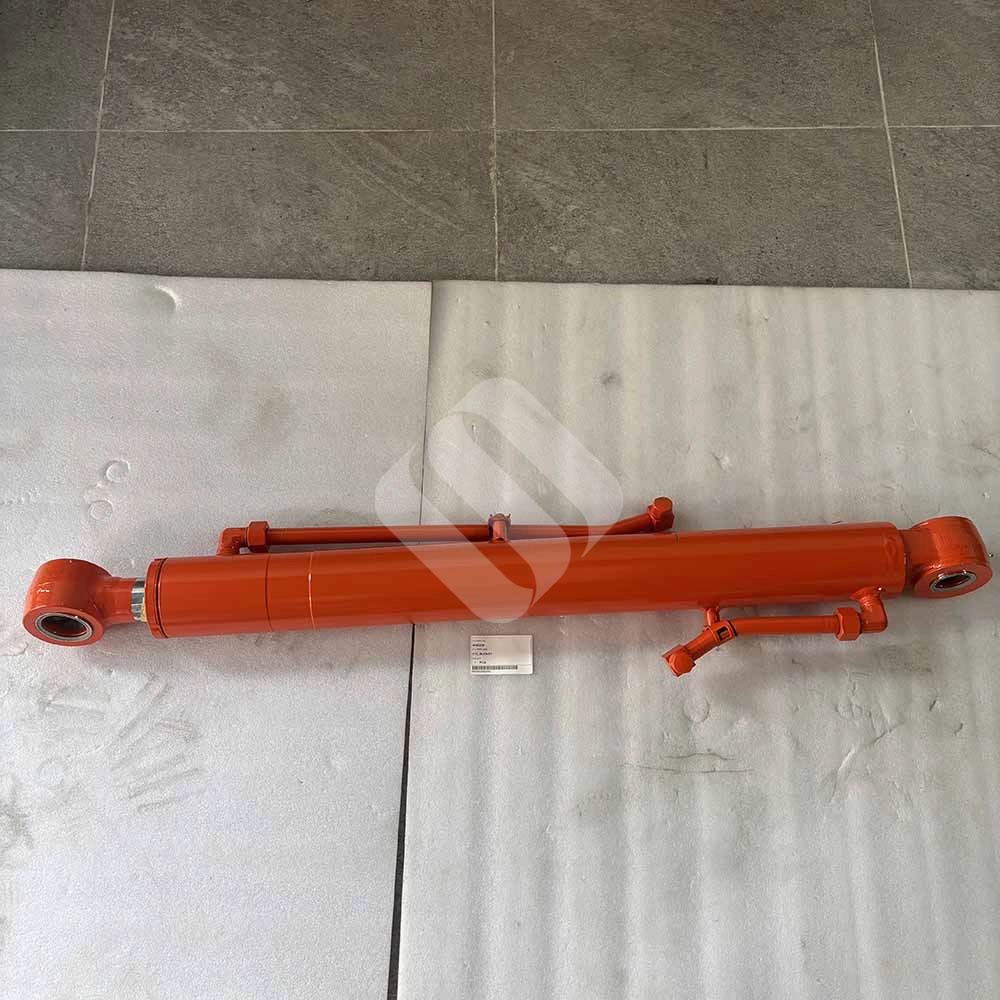
Hitachi HIGH-QUALITY EXCAVATOR PARTS MADE IN CHINA NEW ZX70 ZX85US-3 ZX75US-3 4446258 CYL;BUCKET SPARKLING MACHINERY
Hitachi HIGH-QUALITY EXCAVATOR PARTS MADE IN CHINA NEW ZX70 ZX85US-3 ZX75US-3 4446258 CYL;BUCKET SPARKLING MACHINERY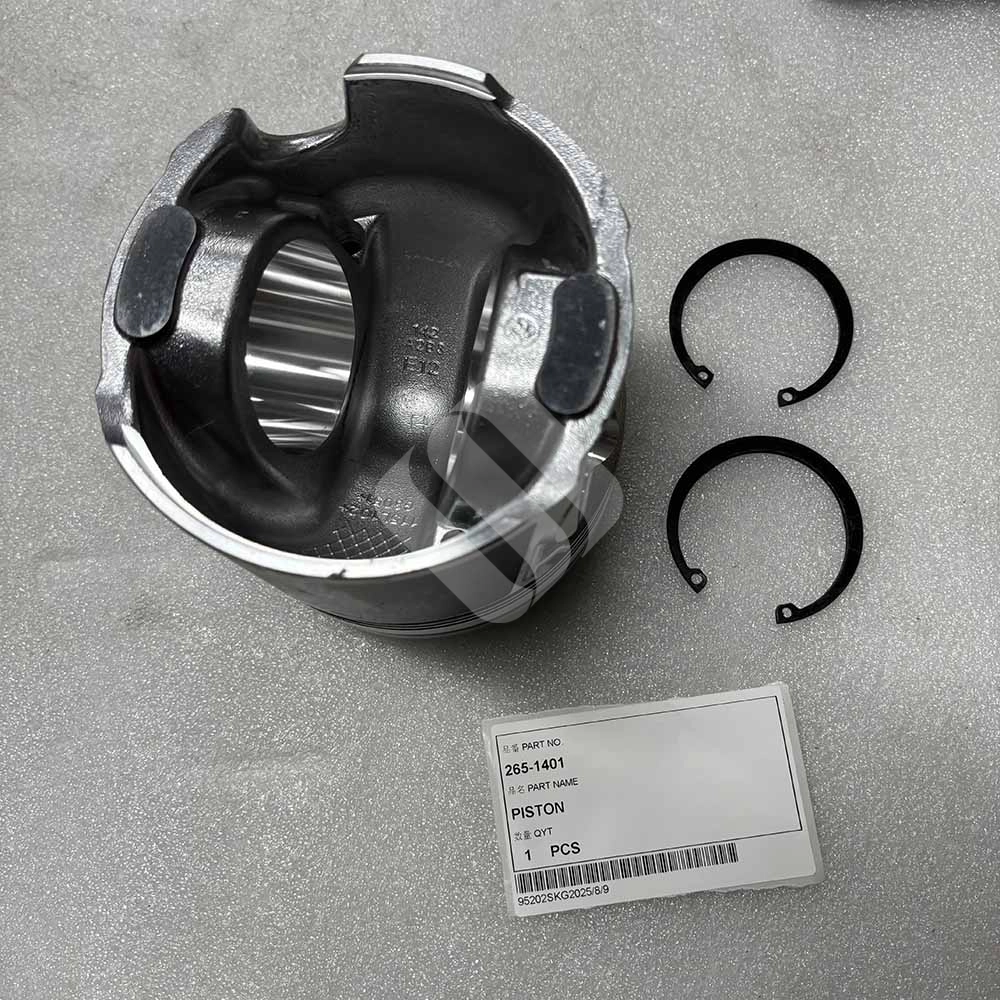
Caterpillar HIGH-QUALITY EXCAVATOR PARTS MADE IN CHINA NEW 140M 330D 336D 336D2 265-1401 PISTON SPARKLING MACHINERY
Caterpillar HIGH-QUALITY EXCAVATOR PARTS MADE IN CHINA NEW 140M 330D 336D 336D2 265-1401 PISTON SPARKLING MACHINERY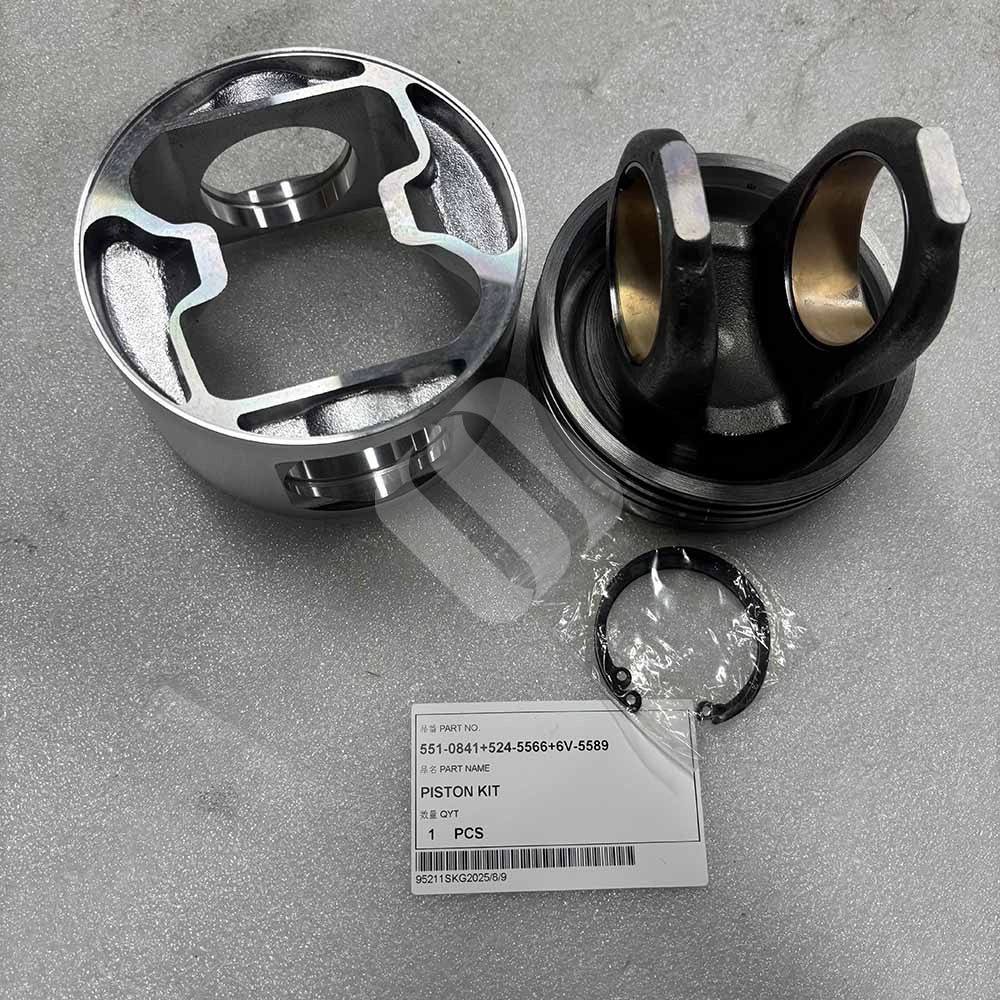
Caterpillar HIGH-QUALITY EXCAVATOR PARTS MADE IN CHINA NEW 551-0841+524-5566+6V-5589 PISTON KIT SPARKLING MACHINERY
Caterpillar HIGH-QUALITY EXCAVATOR PARTS MADE IN CHINA NEW 551-0841+524-5566+6V-5589 PISTON KIT SPARKLING MACHINERYGet in touch
We are committed to producing the highest quality products at the most competitive prices. Therefore, we sincerely invite all interested companies to contact us for more information.

Contact us
Email: ranroswang@hksparkling.com
Wechat: +86 136 0901 0879
Skype: foreverlucia1
WhatsApp: +86 136 0901 0879
Address: No. 514-515, Hulin Road, Tianhe District, Guangzhou, China.
Sparkling Machinery Co.,Ltd
sparkling_machinery
Whatsapp: +8613609010879